
Tangaek — Decoctions · Grains
豌豆 Wondu (원두)
Original, read line by line 東醫寶鑑 · Tangaek — Decoctions vol. 1
-
性平, 味甘, 無毒. 主益中平氣, 調順榮衛. 《日用》
Its nature is neutral, its taste sweet, and it is non-toxic. It chiefly augments the center, evens the qi, and harmonizes the yeong and wi (榮衛, nutrient and defensive qi). 《Iryong (日用)》
HomiclubWandu is the garden pea, an annual climbing legume. It is sown in autumn or early spring and harvested in early summer; the unripe pods go into rice dishes and the mature seeds are dried and stored.
-
一名蚕豆. 快胃利五藏. 或點茶或炒食佳. 《入門》
It is also called jamdu (蚕豆). It eases the stomach and benefits the five jang (五藏, five viscera). It is good either steeped in tea or parched and eaten. 《Immun (入門)》
-
豌豆卽蚕豆也. 《得效》
The wandu (豌豆) is simply the jamdu (蚕豆). 《Deukhyo (得效)》
HomiclubOld texts equate wandu and jamdu, but the two are now reckoned different plants. Jamdu is the large bean called nuekong in Korean and the fava or broad bean in the West.
-
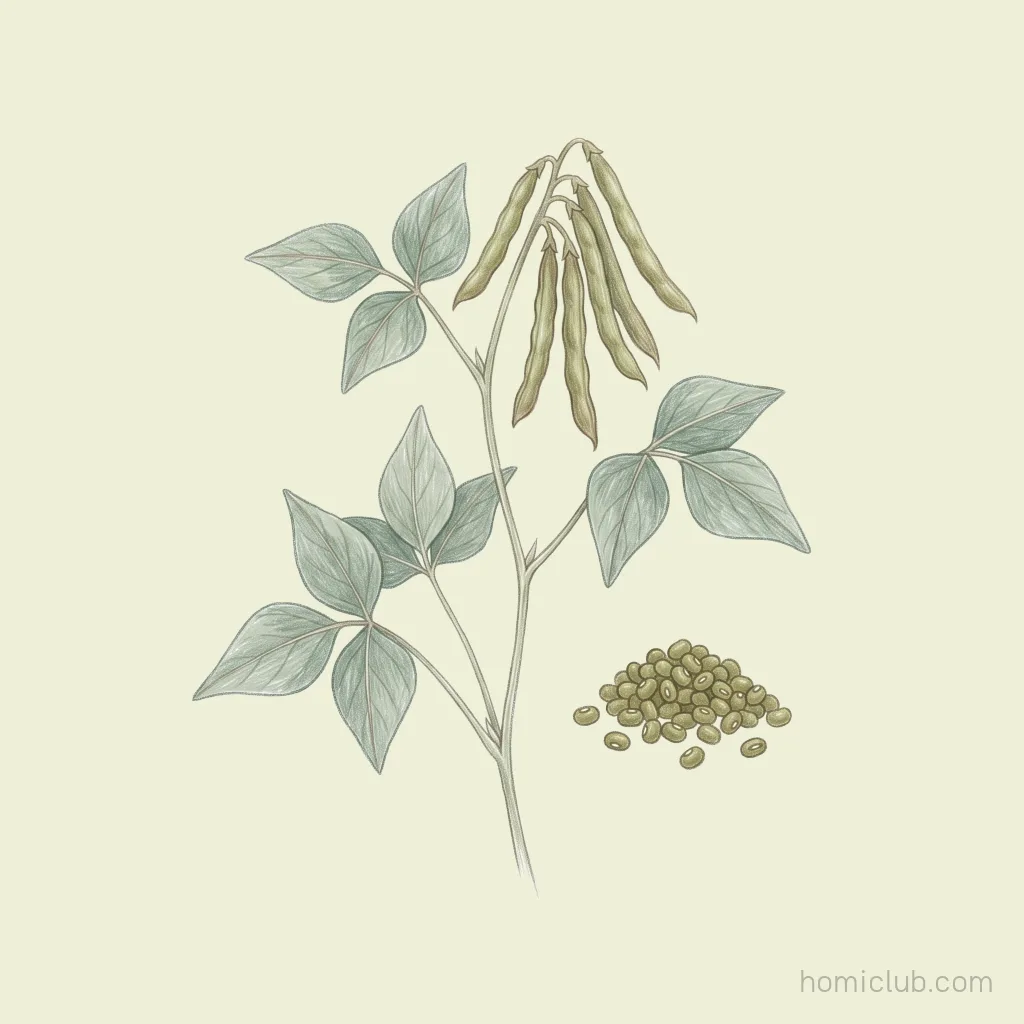
色靑似菉豆而大. 今出咸鏡道, 京中藉田亦有之. 《俗方》
Its color is green, resembling the mung bean but larger. Today it comes from Hamgyeong-do, and it is found in the jeokjeon (藉田, royal ceremonial field) in the capital as well. 《Sokbang (俗方)》
HomiclubThe jeokjeon was the field in the capital where the king took the plough himself in a spring rite. Sokbang is the label the Donguibogam used for prescriptions and observations handed down within Korea.
Grains — more entries
This is a cultural and historical record from a classical text, not a claim about any food’s effects. Nothing here is a health supplement or intended to prevent or treat disease. Consult a medical professional about health concerns. · Text: Korean Medicine Classics DB · Reading: Homiclub