
Tangaek — Decoctions · Grains
麵 Myeon (면)
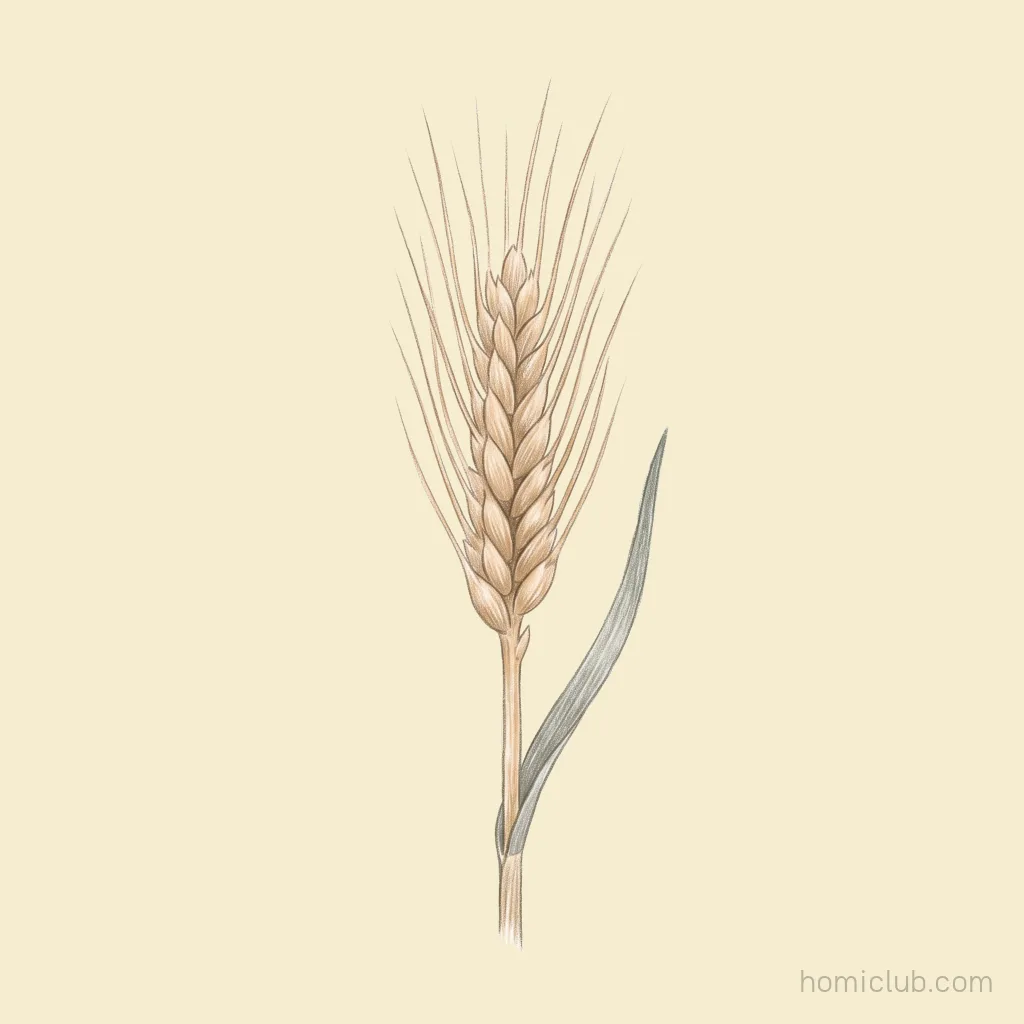
Myeon is wheat flour. The Donguibogam's grain section warns against flour gone yellow with age and against grit carried in from the millstone, preferring wheat pounded in a mortar. A separate entry follows for hansikmyeon, noodles boiled on the Hansik holiday and then dried and kept.
Original, read line by line 東醫寶鑑 · Tangaek — Decoctions vol. 1
-
性溫, 味甘. 補中益氣, 厚腸胃, 强氣力, 助五藏. 久食實人. 《本草》
Its nature is warm and its taste sweet. It supplements the centre and augments qi, thickens the intestines and stomach, strengthens vigour, and aids the five jang. Eaten long it makes a person solid. 《Boncho (本草)》
HomiclubMyeon is wheat flour. The same syllable now names noodles in Korean, which invites confusion, but here it denotes the flour itself.
-
小麥性寒, 作麪則溫而有毒. 《本草》
Somaek is cold in nature, yet made into flour it turns warm and carries toxicity. 《Boncho (本草)》
-
麪有熱毒者, 多是陳黦之色, 又爲磨中石末在內故也. 杵食卽良. 《本草》
Flour that carries heat toxin is usually flour gone stale and dull in colour, and also because stone dust from the millstone has got into it. Pounded in a mortar and eaten, it is fine. 《Boncho (本草)》
HomiclubThe passage points out that grinding on a stone mill mixes stone dust into the flour. Mills now crush the kernel between steel rollers, so that particular worry does not carry over.
-
麪性壅熱, 少動風氣. 《本草》
Flour by nature blocks and banks up heat, and stirs punggi (風氣, wind qi) somewhat. 《Boncho (本草)》
Grains — more entries
This is a cultural and historical record from a classical text, not a claim about any food’s effects. Nothing here is a health supplement or intended to prevent or treat disease. Consult a medical professional about health concerns. · Text: Korean Medicine Classics DB · Reading: Homiclub