
Tangaek — Decoctions · Grains
粉 Nokdu Syubinokdut (녹두 슈비녹둣)
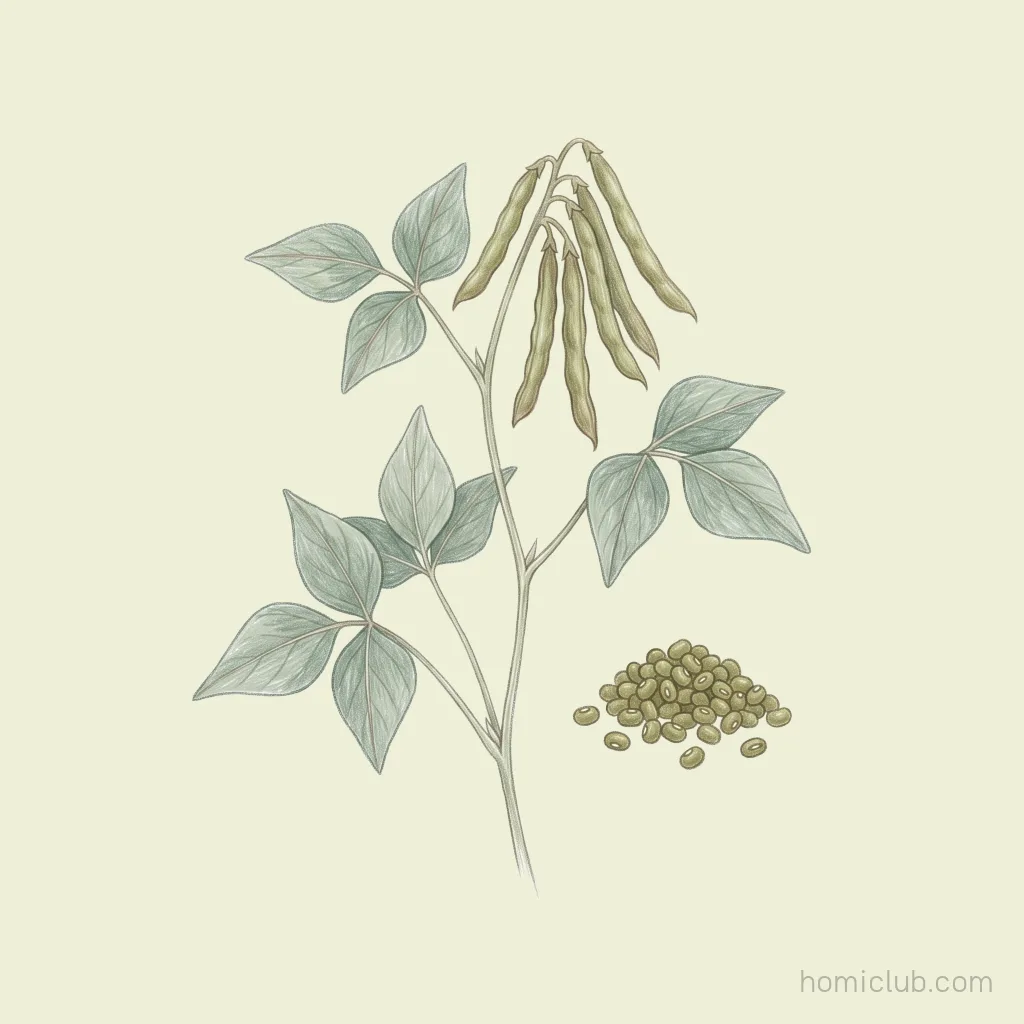
Bun (粉) is mung bean starch — the fine powder left when mung beans are ground with water, the sediment is allowed to settle, and the residue is dried. The vernacular Korean gloss in the original text renders it as syubi-nokdut, meaning powder obtained by subi (水飛, levigation) — the technique of grinding a substance in water and letting the fine particles settle out. In the Grains section (穀部) of the Dongui Bogam, this starch is given its own entry under mung bean, along with the steps for making it: soaking, grinding, straining, and settling. This is the same powder behind several Korean foods still eaten today, including cheongpo-muk (mung bean jelly), bindaetteok (mung bean pancakes), and dangmyeon (glass noodles).
Original, read line by line 東醫寶鑑 · Tangaek — Decoctions vol. 1
-
性冷一云平, 味甘, 無毒.
Its nature is chilly, though one account calls it neutral; its taste is sweet, and it is non-toxic.
HomiclubThis powder is what is now called mung bean starch. Ground mung beans are strained, the sediment allowed to settle, and then dried; cheongpomuk jelly, bindaetteok, and glass noodles all come from it.
-
主益氣, 除熱毒. 療發背癰疽瘡癤, 解酒食毒. 《日用》
It governs boosting qi and removing heat toxin. It treats balbae (發背, back abscess), ongjeo (癰疽, deep-rooted sores), sores and boils, and resolves toxin from drink and food. 《Iryong (日用)》
-
取豆, 浸水磨, 濾過澄淸, 垽乾爲粉用之, 卽菉豆粉也. 《日用》
Take the beans, soak and grind them in water, strain and let it settle clear, then dry the sediment into a powder for use — this is nokdubun (菉豆粉, mung bean starch). 《Iryong (日用)》
Grains — more entries
This is a cultural and historical record from a classical text, not a claim about any food’s effects. Nothing here is a health supplement or intended to prevent or treat disease. Consult a medical professional about health concerns. · Text: Korean Medicine Classics DB · Reading: Homiclub