
Tangaek — Decoctions · Trees
辛夷 Mongnyeon Kkotbongori (목련 꽃봉오리)
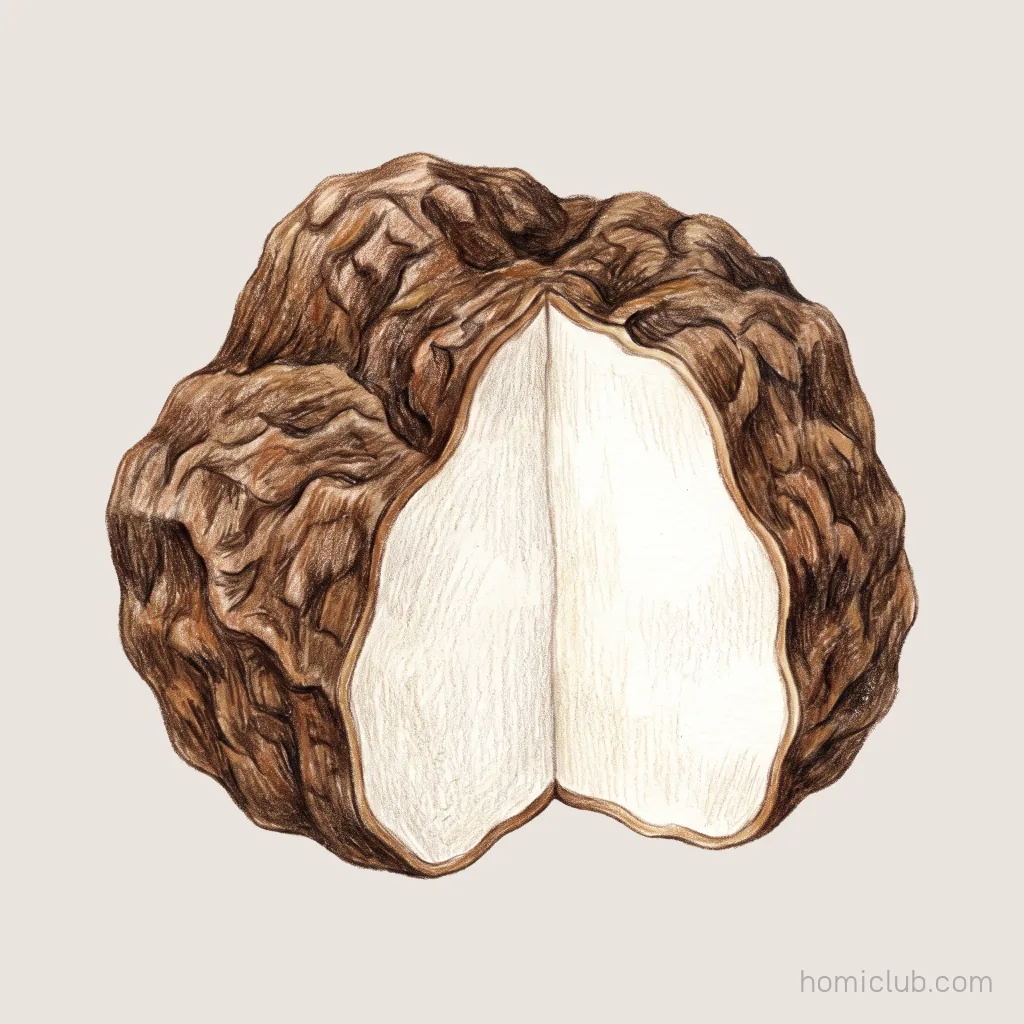
Sinyi is the unopened flower bud of the magnolia, furred and shaped like a small peach, white with a purple cast; buds already open were rated inferior. The north called the tree mokpil, the south yeongchun. The core and furry sheath are removed before use.
Original, read line by line 東醫寶鑑 · Tangaek — Decoctions vol. 3
-
性溫, 味辛, 無毒.
Its nature is warm, its taste acrid, and it is without toxicity.
-
主風頭腦痛, 面䵟.
It governs wind pain in the head and brain, and mian'gan (dark blotches on the face).
-
通鼻塞涕出.
It frees a blocked nose with running discharge.
-
治面腫引齒痛, 明目, 生鬚髮.
It treats facial swelling that draws pain into the teeth, brightens the eyes, and grows the beard and hair.
-
作面脂, 生光澤.
Made into a facial ointment, it brings out a lustrous sheen.
-
正月二月生花, 似着毛小桃子.
It flowers in the first and second months, looking like a small peach covered in fur.
HomiclubThe magnolia's winter bud is wrapped in grey-white down, so it reads as a brush tip or a small furry peach. The bud at this stage is what sinyi names.
-
色白帶紫, 當未拆時取之, 已開者劣.
Its color is white tinged with purple; it is picked before it splits open, and those already opened are inferior.
-
北方地寒, 二月開花, 呼爲木筆, 南方地煖, 正月開花, 呼爲迎春.
In the north the ground is cold and it flowers in the second month, so it is called mubi, wood brush; in the south the ground is warm and it flowers in the first month, so it is called yingchun, spring greeter.
HomiclubMubi comes from the brush-shaped bud, yingchun from its being first to greet spring. In Korea the flowers usually open ahead of the leaves, from late March into April.
-
用時, 去心及外毛苞用之. 《本草》
When using it, remove the core and the outer downy bract first. 《Bencao》
Trees — more entries

This is a cultural and historical record from a classical text, not a claim about any food’s effects. Nothing here is a health supplement or intended to prevent or treat disease. Consult a medical professional about health concerns. · Text: Korean Medicine Classics DB · Reading: Homiclub