
Tangaek — Decoctions · Grains
靑粱米 Cheongnyangmi (청량미)
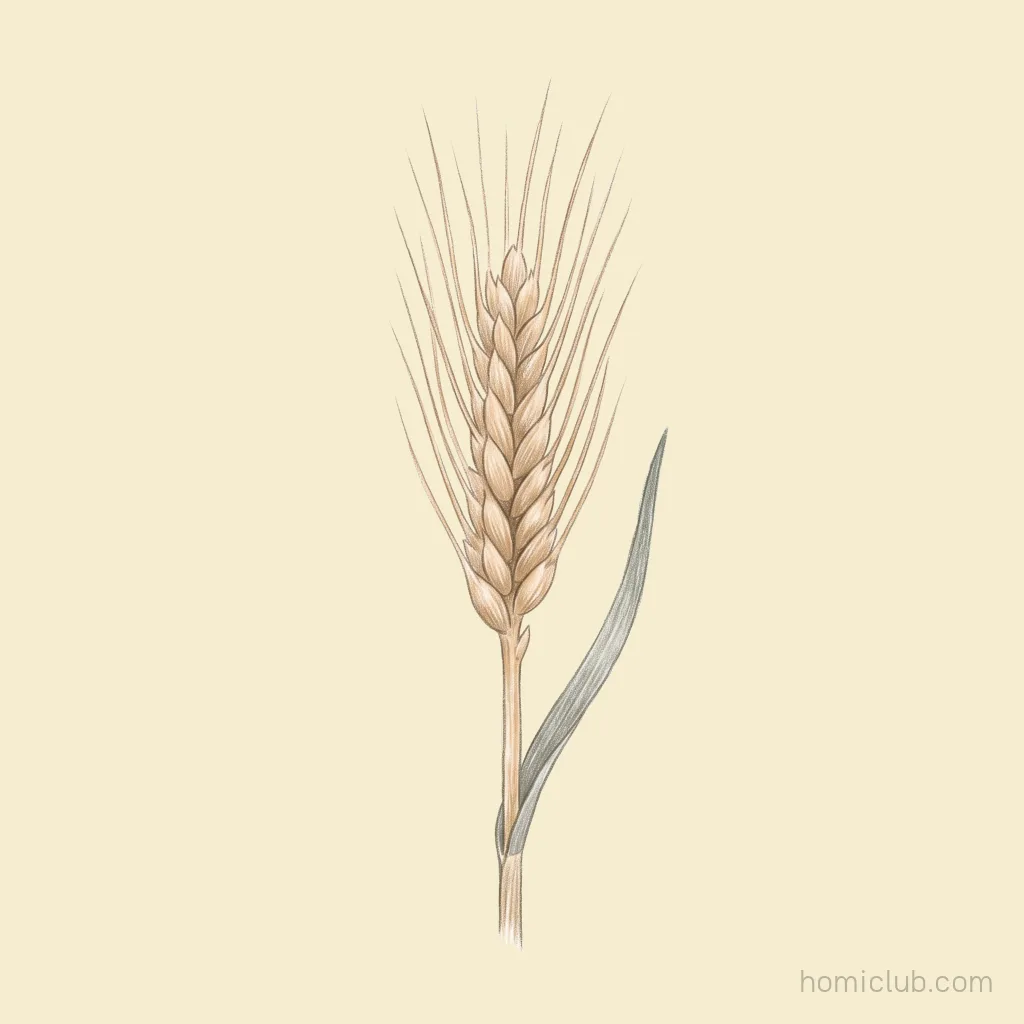
Cheongnyangmi is the milled grain of the blue-seeded foxtail millet. Millet came in blue, yellow and white kinds, and this one has the finest grain of the three. Donguibogam described tossing it with vinegar, then steaming and sun-drying it a hundred times over to make a travel ration of roasted grain flour.
Original, read line by line 東醫寶鑑 · Tangaek — Decoctions vol. 1
-
性微寒, 味甘, 無毒. 主胃痺熱中消渴. 利小便, 止泄痢, 輕身長年. 《本草》
Its nature is slightly cold, its taste sweet, and it is non-toxic. It governs wibi (胃痺, stomach impediment) and sogal with heat in the centre. It promotes urination, stops diarrhoea and dysentery, lightens the body, and lengthens the years. 《Boncho (本草)》
HomiclubCheongnyangmi is the milled grain of a blue-green kind of millet. Millet was long divided into landraces by the colour of ear and grain, and the old Korean gloss names this one saengdongchal.
-
靑粱, 殼穗有毛, 粒靑, 米亦靑, 而細於黃白粱. 夏月食之, 極淸涼. 《本草》
Cheongnyang has hairs on husk and ear, its grain is blue-green and its milled rice likewise, and it is finer than the yellow and white kinds. Eaten in summer it is exceedingly clear and cooling. 《Boncho (本草)》
-
粱有靑黃白, 皆粟類也. 諸粱食之, 比他穀, 最益脾胃, 性亦相似耳. 《本草》
Yang comes in blue-green, yellow, and white, all of them kinds of sok. Eaten, the yang grains augment the biwi more than other cereals, and their natures are much alike. 《Boncho (本草)》
-
粱雖粟類, 細論則別. 《本草》
Though yang is a kind of sok, on close discussion the two differ. 《Boncho (本草)》
-
靑粱醋拌, 百蒸百暴, 可作糗粮, 斷穀. 《本草》
Cheongnyang mixed with vinegar, steamed a hundred times and sun-dried a hundred times, can be made into guryang (糗粮, parched travel rations) so that one may forgo grain. 《Boncho (本草)》
HomiclubGuryang is dry provision, parched and ground, the same thing as the entry gu above. Needing only water, it was the ration carried on a journey.
Grains — more entries
This is a cultural and historical record from a classical text, not a claim about any food’s effects. Nothing here is a health supplement or intended to prevent or treat disease. Consult a medical professional about health concerns. · Text: Korean Medicine Classics DB · Reading: Homiclub