
Tangaek — Decoctions · Grains
醬 Jyang (쟝)
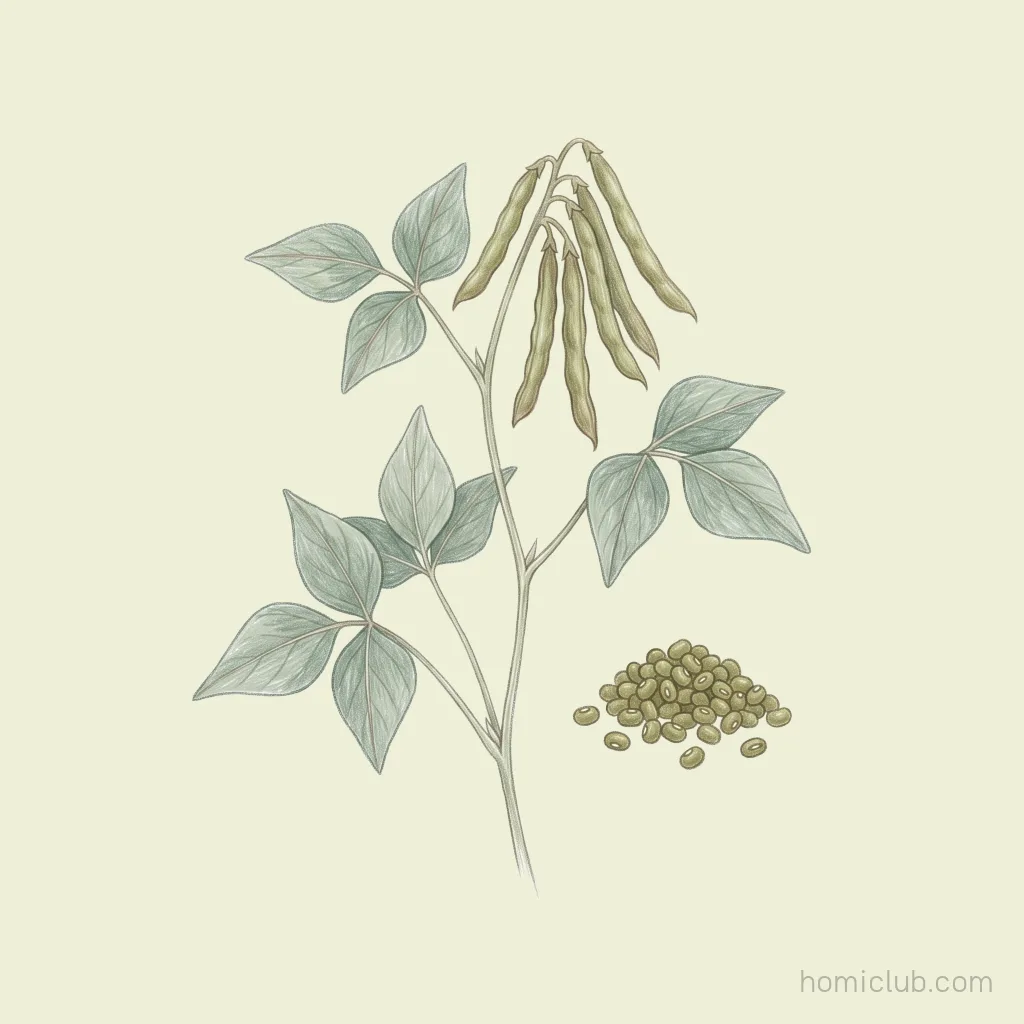
Jang is the fermented seasoning made from boiled, cultured soybeans, the ancestor from which Korean soy sauce and soybean paste branched. Donguibogam places it in the grain section, judges soybean jang better than the wheat kind, and rates long-aged jang highest. Meat and fish versions it sets apart as hae.
Original, read line by line 東醫寶鑑 · Tangaek — Decoctions vol. 1
-
性冷利, 味醎酸, 無毒. 除熱, 止煩滿. 《本草》
Its nature is cold and freeing, its taste salty and sour, and it is non-toxic. It removes heat and stops beonman (煩滿, vexation and fullness). 《Boncho (本草)》
HomiclubJang is a fermented seasoning made by boiling soybeans, culturing them, and steeping them in brine. Today's ganjang (soy sauce) and doenjang (soybean paste) are its two branches, and they underpin the taste of the Korean table.
-
殺一切魚肉, 蔬菜, 蕈毒. 又殺百藥, 熱傷, 及火毒. 《本草》
It kills the toxins of all fish and meat, of vegetables, and of mushrooms. It also kills the toxins of the hundred medicines, of heat injury, and of fire. 《Boncho (本草)》
-
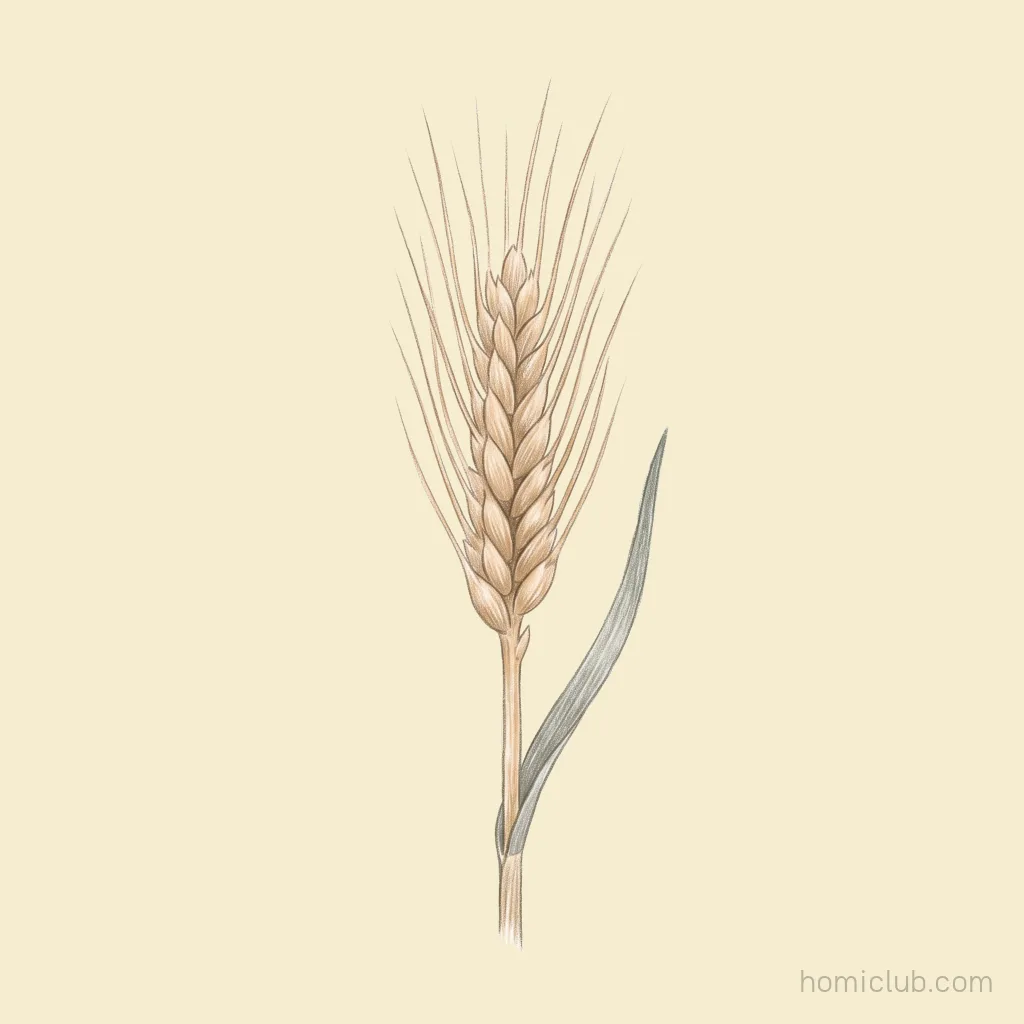
多以豆作. 小麥亦作醬, 不及豆. 肉醬, 魚醬, 皆呼爲醢, 不入藥用. 《本草》
It is mostly made from soybean. Wheat too is made into jang, but it does not match soybean. Jang made of meat and jang made of fish are both called hae (醢) and are not used in medicine. 《Boncho (本草)》
HomiclubThe hae made from fish is what Koreans now call jeotgal, salted fermented seafood. The text sets it apart from soybean jang.
-
醬, 將也. 將和五味, 以安五藏, 故聖人不得不食也. 以豆作, 陳久者良. 《入門》
Jang (醬) is jang (將), to command: it commands and harmonizes the five tastes so as to settle the ojang (五藏, five viscera), and therefore even the sages could not do without eating it. It is made from soybean, and the long-aged is good. 《Ipmun (入門)》
Grains — more entries
This is a cultural and historical record from a classical text, not a claim about any food’s effects. Nothing here is a health supplement or intended to prevent or treat disease. Consult a medical professional about health concerns. · Text: Korean Medicine Classics DB · Reading: Homiclub