
Tangaek — Decoctions · Herbs
草烏 Bagot (바곳)
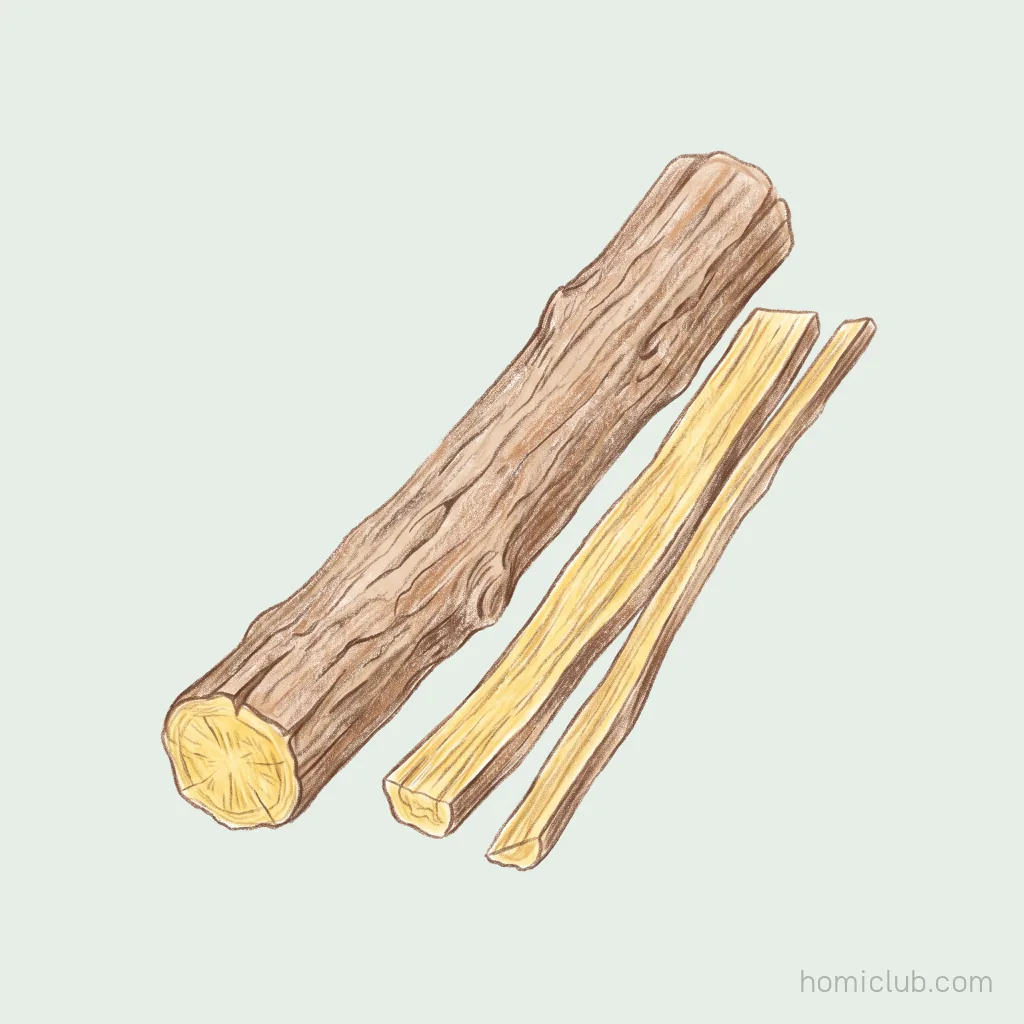
Chouo is the tuber of a monkshood, called bagot in Korean. It is violently poisonous: the root was soaked in child's urine and roasted, or boiled with black soybeans until dark all the way through, before it could be used at all. It was handled only as a prepared medicine.
Original, read line by line 東醫寶鑑 · Tangaek — Decoctions vol. 3
-
性微溫, 味苦甘, 有大毒.
Its nature is slightly warm, the taste both bitter and sweet, and it carries a powerful toxicity.
-
治風濕麻痺疼痛, 發破傷風汗.
It treats numbness and pain caused by wind-damp, and induces sweating to expel tetanus.
-
生山野, 在處有之. 形如白附子而黑. 《入門》
It grows in mountains and fields and is found everywhere; its form resembles baifuzi but is black in color, according to the Yimen.
-
須童便浸炒, 去毒. 《丹心》
It must first be soaked in a young boy's urine and then roasted to remove its toxicity, as the Danxi instructs.
-
草烏, 須與黑豆同煮, 竹刀切看, 透黑爲度. 取用草烏一兩, 黑豆一合, 爲准. 《得效》
Chouwu must be boiled together with black soybeans until, when cut with a bamboo knife, the blackness has soaked all the way through; the standard ratio is one liang of chouwu to one ge of black beans, per the Deixiao.
-
一名淮烏, 生服痺喉. 《醫鑑》
It is also called huaiwu, and if taken raw it paralyzes the throat, as the Yijian warns.
Herbs — more entries

This is a cultural and historical record from a classical text, not a claim about any food’s effects. Nothing here is a health supplement or intended to prevent or treat disease. Consult a medical professional about health concerns. · Text: Korean Medicine Classics DB · Reading: Homiclub