
Tangaek — Decoctions · Herbs
白芷 Baekji(guritdaetppuri) (백지(구릿댓뿌리))
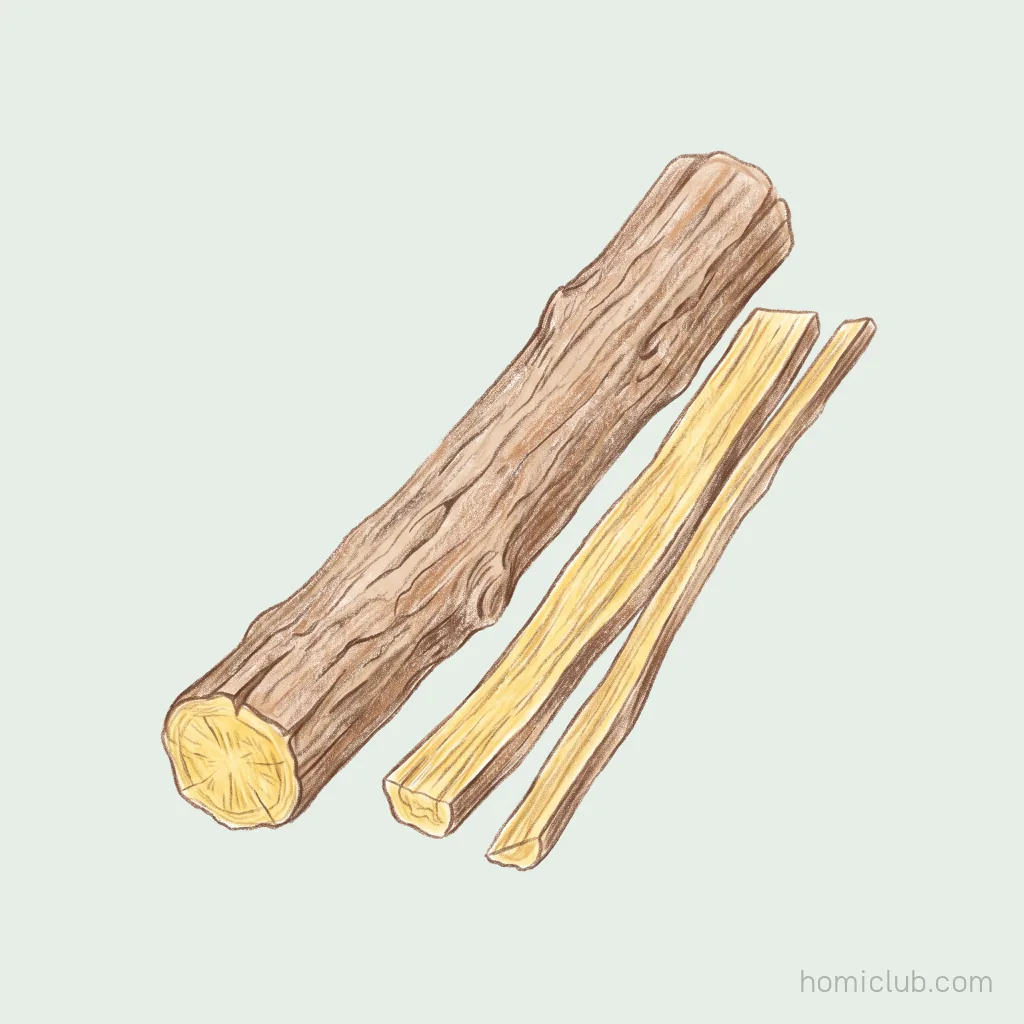
Baekji is the root of dahurian angelica. Found everywhere, it is dug in the second and eighth months and sun-dried, the yellow glossy pieces rated best. Its strong scent also made it a material for face oils, bath water, and incense. The leaf is entered separately as yeongma.
Original, read line by line 東醫寶鑑 · Tangaek — Decoctions vol. 3
-
性溫, 味辛, 無毒. 主風邪頭痛, 目眩淚出.
Its nature is warm, its taste pungent, and it is non-toxic. It governs headache from wind evil, and dizziness of the eyes with tearing.
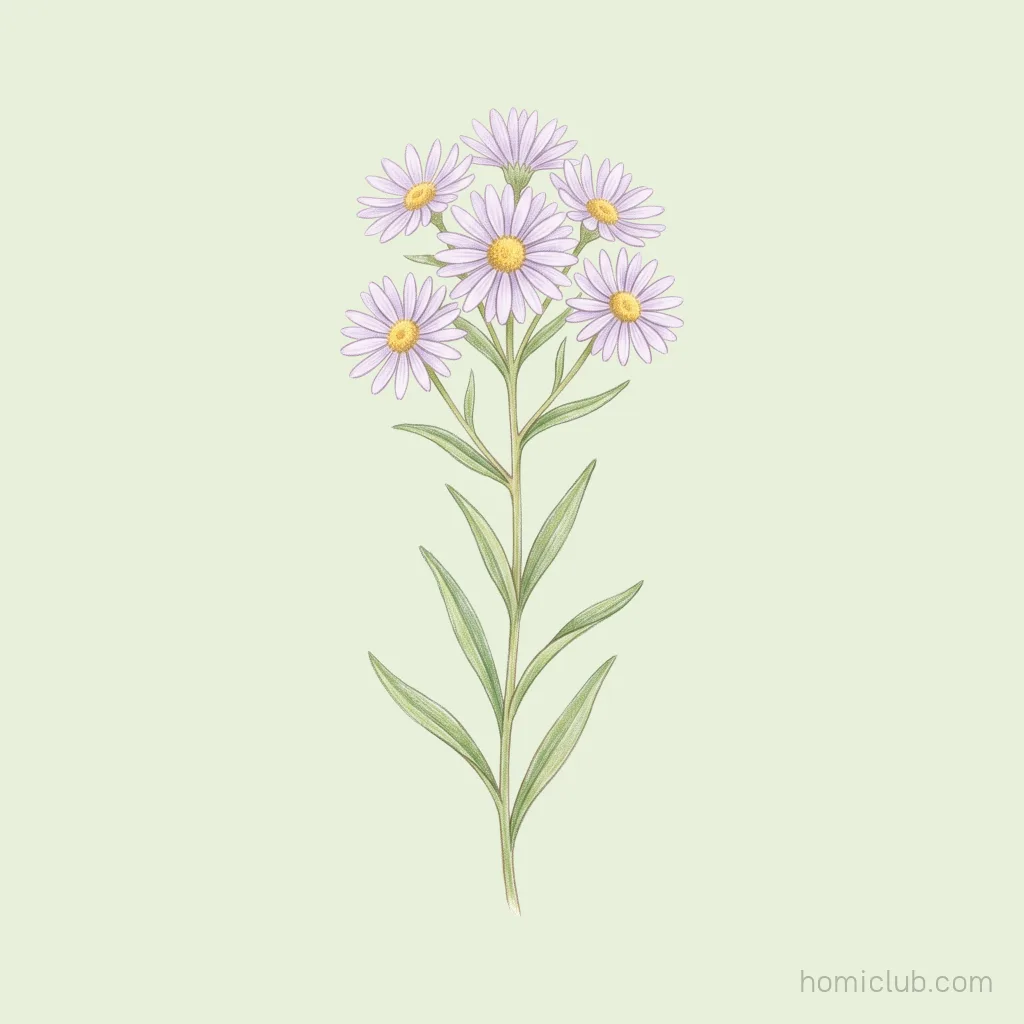
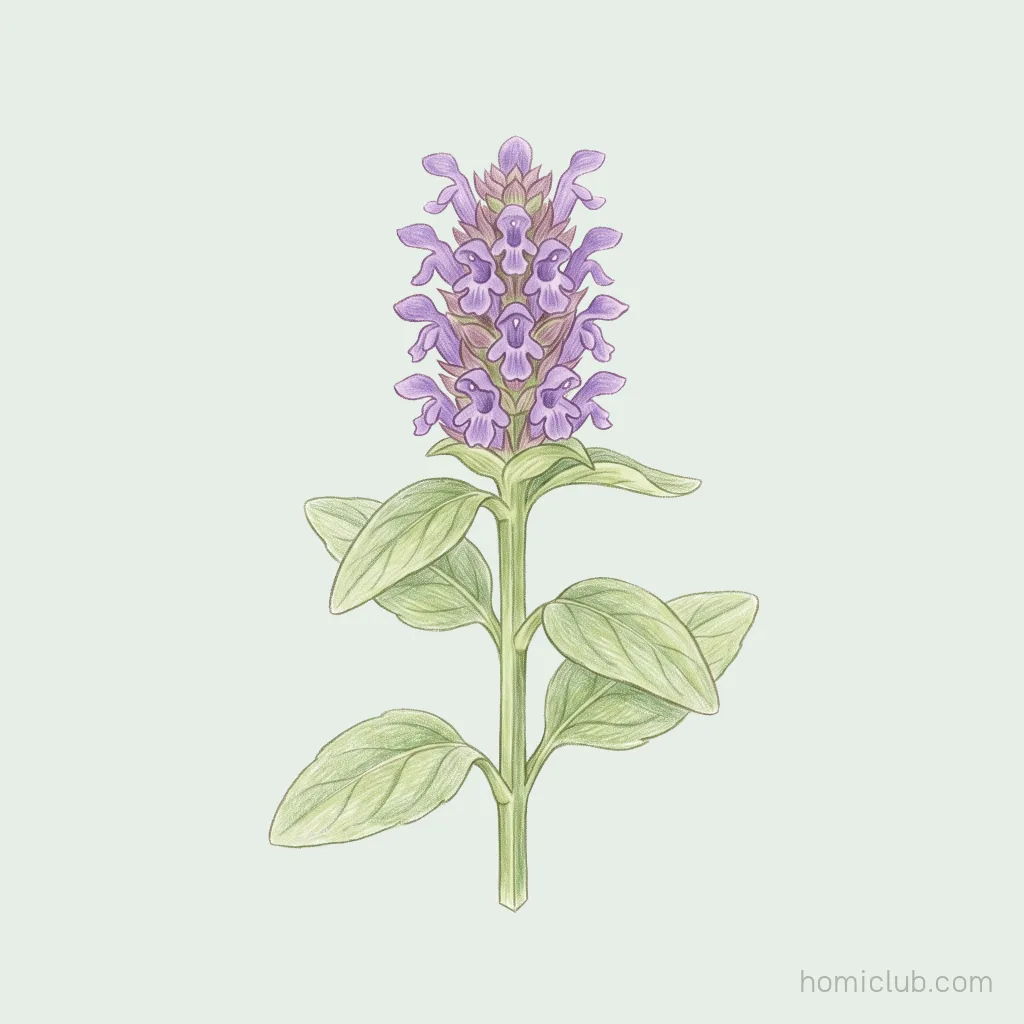
HomiclubBaekji is the root of gurittae (Angelica dahurica), a perennial of the carrot family. It grows by mountain streams to well above head height and opens umbels of white flowers in summer.
-
主婦人漏下赤白, 血閉陰腫. 破宿血, 補新血, 安胎漏滑落.
It governs red and white discharge in women, blocked menses, and swelling of the genitals. It breaks up stale blood, supplements fresh blood, and settles a pregnancy that is leaking or slipping toward miscarriage.
-
治乳癰, 發背, 瘰癧, 腸風, 痔瘻, 瘡痍, 疥癬. 止痛生肌, 能排膿, 蝕膿.
It treats yuong (乳癰, breast abscess), balbae (發背, carbuncle on the back), naryeok (瘰癧, scrofula), jangpung (腸風, intestinal wind bleeding), fistulous haemorrhoids, sores and wounds, scabies and ringworm. It stops pain and grows new flesh, and can expel and consume pus.
-
可作面脂, 潤顔色, 去面皯疵瘢.
It can be made into a face oil, giving lustre to the complexion and removing blotches, blemishes, and scars from the face.
-
處處有之, 二月八月採根, 暴乾. 以黃澤者爲佳. 《本草》
It is found everywhere; dig the root in the second or eighth month and dry it in the sun. Those that are yellow and lustrous are reckoned the best. 《Boncho (本草)》
HomiclubThe cut surface of the angelica root is white and gives off a strong aroma. As the text directs, roots that are yellow and lustrous were the ones selected.
-
離騷謂之葯. 手陽明本經藥, 足陽明手太陰, 解利風寒之劑也. 《入門》
The Iso (離騷, Encountering Sorrow) calls it yak (葯). It is a channel-proper medicine of the hand yangmyeong, entering also the foot yangmyeong and hand taeeum, and it is a formula ingredient that resolves wind-cold. 《Immun (入門)》
Herbs — more entries
This is a cultural and historical record from a classical text, not a claim about any food’s effects. Nothing here is a health supplement or intended to prevent or treat disease. Consult a medical professional about health concerns. · Text: Korean Medicine Classics DB · Reading: Homiclub