
Tangaek — Decoctions · Herbs
野茨菰 Arrowhead
 Related Crop · Arrowhead →
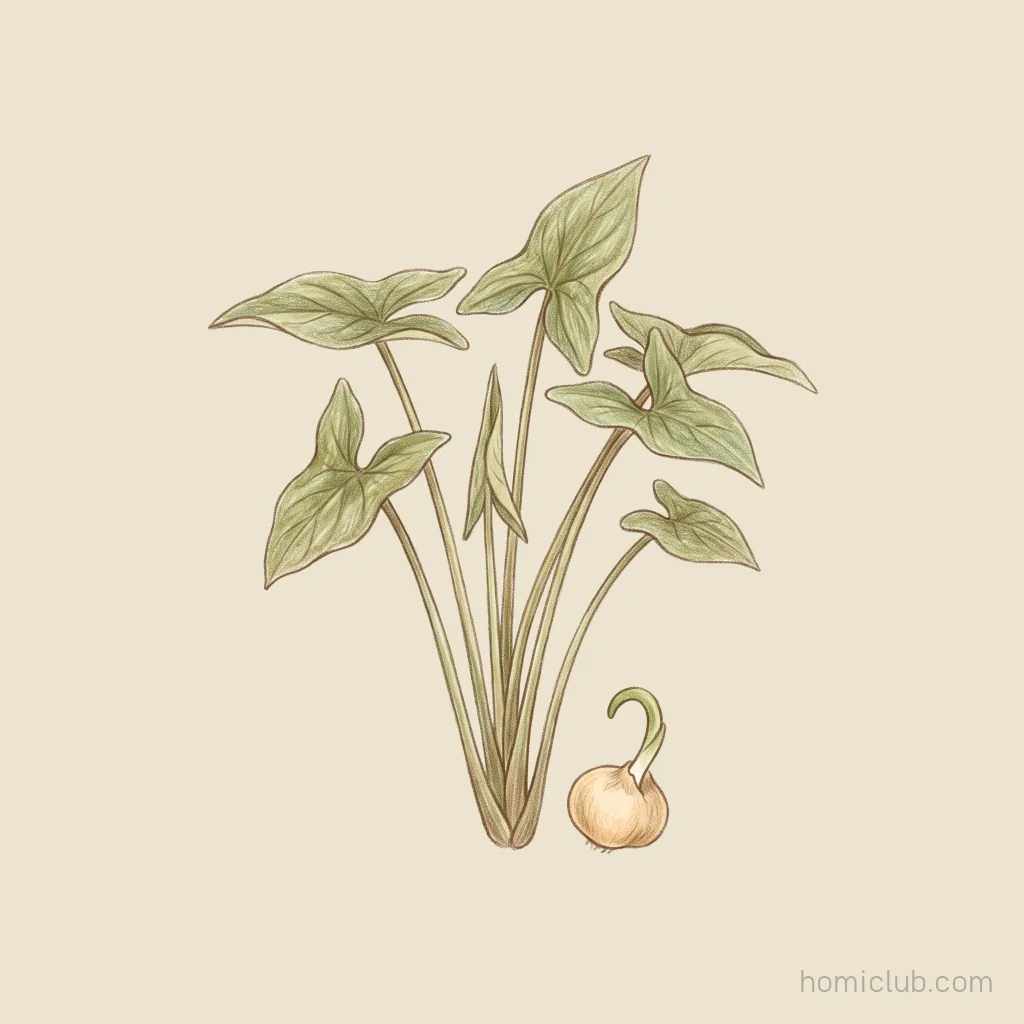
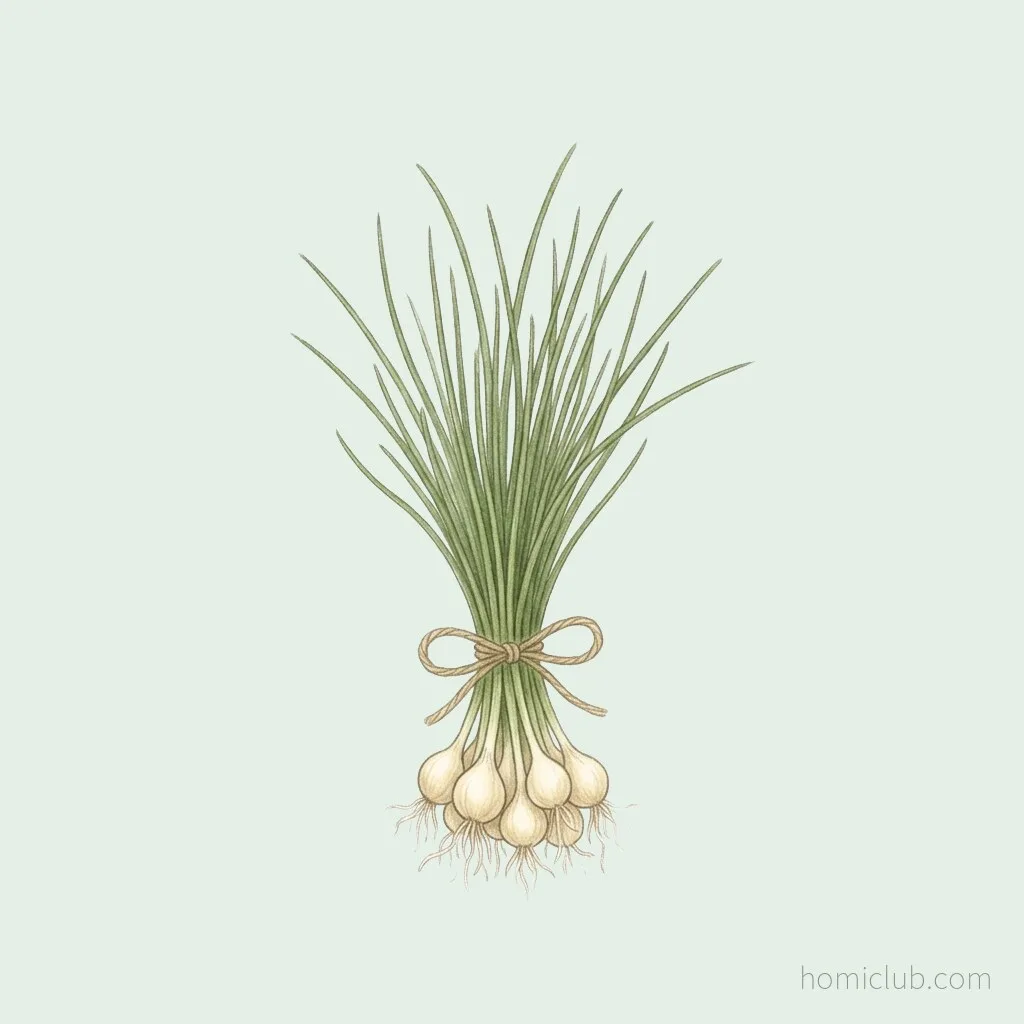
Yajago is the corm of a wild arrowhead plant, found in paddies and along water. Its blade-shaped leaves earned it the alternate name jeondocho, scissor grass. In lean years people dug the corms and boiled them, and the text says they tasted very good.
Original, read line by line 東醫寶鑑 · Tangaek — Decoctions vol. 3
-
性冷, 味苦, 無毒. 下石淋.
Its nature is cold, its taste bitter, and it is non-toxic. It brings down seongnim (stone strangury).
-
除癰腫, 止消渴, 療産後血悶, 及胎衣不下.
It removes ongjong (abscess and swelling), stops sogal (wasting-thirst), and treats postpartum blood oppression and retained placenta.
-
生田野, 處處有之. 飢歲人採其根, 煮食甚美. 《俗方》
It grows in fields and open country and is found everywhere. In lean years people dig up its root and boil it, and it is very good to eat. 《Sokbang》
HomiclubWhat is eaten is the corm formed at the tip of the underground runner. The plant grows in flooded paddies and ditches, so draining the water lets it be lifted by hand — which made it a famine food.
-
剪刀草根, 卽野茨菰也. 《丹心》
The root of jeondocho is yajago. 《Dansim》
HomiclubJeondocho (剪刀草) means "scissor grass," a name taken from leaves that fork into three lobes like an arrowhead or a pair of open scissors.
-
治疔瘡用剪刀草, 卽此也. 《正傳》
The jeondocho used in treating jeongchang (a deep-rooted boil) is this very plant. 《Jeongjeon》
Related Crop
Arrowhead →
Herbs — more entries
This is a cultural and historical record from a classical text, not a claim about any food’s effects. Nothing here is a health supplement or intended to prevent or treat disease. Consult a medical professional about health concerns. · Text: Korean Medicine Classics DB · Reading: Homiclub