

- Type
- Trees & Vines
- Difficulty
- Hard
- Season
- -
- Sowing
- Plant a sapling
Black pepper
Piper nigrum
Piperine · the berry spice in every kitchen
Pepper is the dried fruit of a tropical vine and the most common spice in a Korean kitchen. Black and white pepper are not different plants but the same berry, picked at a different point and handled differently. Berries picked before they ripen and dried shrivel to a black skin and become black pepper; ripe berries soaked in water and stripped of their skin become white pepper. The heat comes from piperine, an alkaloid, while the aroma comes separately from the terpenes of the essential oil. That oil disperses almost as soon as the berry is ground, which is why pepper kept whole and ground at the last minute smells different. The Tree section of the Donguibogam enters it as 胡椒, marked 【唐】 as an imported drug, its nature very warm, its taste pungent, with no toxicity. It grows in the south, the entry says, resembles the fruit of a buckthorn and is used in cooking food; berries facing the sun were called 胡椒 and those facing the shade 蓽澄茄, and it records 浮椒 as another name for it.
Where It Grows
-
Main producer
The world's largest producer and exporter. Production centers on the Dak Lak and Gia Lai highlands in the south and the area around Phu Quoc. Harvest February, March, April
- 2
- 3
- 4
-
Main producer
A new growing region that pepper reached in the 20th century. Pará and Espírito Santo states are the main areas, and the harvest overlaps with Korea's summer. Harvest July, August, September, October
- 7
- 8
- 9
- 10
-
Main producer
Production divides into black pepper from Lampung and white pepper from Bangka. Harvest July, August, September
- 7
- 8
- 9
-
Origin
The Malabar Coast (Kerala) in the southwest is the plant's place of origin. Traditional cultivation, in which the vines are trained up living trees, survives there to this day. Harvest December, January, February
- 1
- 2
- 12
- Major producer Sarawak, on the island of Borneo, is the growing region.
- Major producer In the central highlands it is grown intercropped with other crops.
The plant originated on the Malabar Coast of southwestern India, spread to Southeast Asia, and crossed over to Brazil in the 20th century. Today Vietnam ranks first in both production and exports. With growing regions scattered across the Northern and Southern Hemispheres and the equator, harvest seasons differ from country to country — which is why pepper reaches the market year-round.
- Optimum
- 23~30℃
- Range
- 15~35℃
- Hardiness
- Tropical
- Day length
- Not applicable
Black pepper is a vine of rainy tropical lowlands where temperatures rarely drop below 20℃ year-round. What sets its flowering time is not day length but the rain that follows the dry season, and a single frost will kill it.
How to grow
- Light
- It does not grow outdoors in Korea. In its home range it climbs a tree or a post and grows in the filtered light of part shade
- Soil and depth
- You will not meet it as a crop planted in soil here. In its home range it is grown on free-draining tropical red soil with a heavy organic layer
- Spacing
- In the kitchen, keep whole peppercorns in a sealed container away from other spices. Stored in one jar, the aromas transfer
- Watering
- As a dried spice, damp is its worst enemy. Never put a wet spoon in the jar, and do not work the grinder over a steaming pot
- Feeding
- Nothing to tend. Reckon on a year for whole peppercorns and three or four months for ground, and buy fresh once the aroma thins
- Harvest
- In its home range the spikes are stripped as the berries begin to redden. Dried unripe they become black pepper; soaked ripe and skinned, white pepper
What makes the difference. Choose corns that are large, even in size and heavy in the hand. A lot of dust and broken pieces means old stock or a low grade
Why this one is harder. The vine wants tropical heat and humidity and will not survive a Korean winter outdoors. Foliage is possible in a glasshouse, but fruit is effectively out of reach
Common problems
- Damp You will see The corns stick together and the grinder spins without biting What to do Move them to a sealed container somewhere cool and dark. Keep wet hands and wet spoons out of the jar
- Lost aroma You will see Grinding gives heat but no scent What to do The essential oil has gone. Buy whole and grind each time, and make only small amounts of ground pepper at once
- Indian meal moth You will see Webbing inside the container and small larvae among the corns What to do It carries over when spices are stored with grain. Move everything to glass or metal with a tight seal, and throw out any container where larvae have appeared
This page describes how a crop is grown and used. It does not claim health effects for any food, nor is it intended to prevent or treat disease. Component and study notes are references only and do not mean the same result occurs in people. Consult a medical professional about health concerns.
Health Benefits
The old record — hocho (胡椒). The Donguibogam lists it in the Tree section as 胡椒, marked 【唐】 as an imported drug. Its nature is set down as very warm, its taste as pungent, with no toxicity. It grows in the south and resembles the fruit of a buckthorn, the entry says, and it is used in cooking food. Berries facing the sun were called 胡椒 and those facing the shade 蓽澄茄; it is ground to a powder for use, and 浮椒 is recorded as another name. What an old medical text wrote differs from how it is judged today.
Piperine and the essential oil. Compositional analysis confirms that pepper's heat comes from piperine and its aroma from the terpenes of the essential oil. The same work reports that the oil disperses quickly once the berry is ground. This is an analysis of composition.
What separates black from white. Crop and food-processing records confirm that black and white pepper come from the same berry, differing in when it is picked and how it is handled. Analyses also report that stripping the skin shifts the balance of aroma compounds. This is a record of processing.
Nutrition
- Piperine (the alkaloid in the berry) — the source of pepper's heat
- Essential oil (caryophyllene, limonene, pinene and others) (disperses quickly once ground) — the terpenes behind the aroma, separate from the heat
- Polyphenols (oxidise during drying) — the oxidation products that make up the shrivelled black skin
The heat is piperine Pepper's heat comes from piperine, an alkaloid. It is a different compound from the capsaicin of chilli and leaves a different impression on the tongue. This entry stays with the compositional record.
The aroma sits in the oil Separate from the heat, pepper's aroma comes from the terpenes of the essential oil. Grinding releases it and it disperses fast, so pre-ground powder and freshly ground pepper do not smell the same. That is the reason for buying whole and grinding each time.
Black pepper and white pepper They are not different plants but the same berry. Dried unripe, the polyphenols in the skin oxidise and the surface shrivels black; soaked ripe and stripped of the skin, the berry becomes white pepper. The aroma compounds concentrate in that skin, so white pepper keeps the heat and loses much of the scent.
Research on the absorption of other compounds Research continues on piperine's involvement in the absorption of compounds eaten alongside it. Those studies have mostly used piperine extracted and concentrated, a different set of conditions and quantities from what is ground over a plate of food. What can be stated today goes only as far as composition.
Pairings
○ Ground fresh at the end — Pepper's aroma leaves with the heat. Drop whole berries into a long-simmered stock and lift them out; over a stir-fry or a roast, grind it on after the heat is off. Powder added at the start and cooked long leaves the heat behind and none of the scent.
○ Oil and butter — Pepper's aroma compounds dissolve readily in fat. Warm it briefly in oil to carry the scent into the fat before the other ingredients go in, and it spreads evenly. Take the oil to smoking point, though, and the aroma scorches into bitterness.
○ Dishes with turmeric — Pepper alongside turmeric, as in a curry, is a long-standing combination. The two have been cooked together for centuries, but the absorption research has mostly used extracted, concentrated compounds, so it does not carry straight over to kitchen quantities.
△ Do not breathe in the powder — Ground pepper irritates the nose and throat sharply. Keep your face back from the grinder, and turn away when tipping it from a bag. Keep whole peppercorns out of reach so a child cannot put them in their mouth.
△ A piperine supplement is not food — Supplements of extracted, concentrated piperine bear no relation in quantity to pepper ground over food. If you take medication, do not add such a supplement on your own initiative; check with your doctor or pharmacist first. It is not the same thing as the pepper in the kitchen.
△ Stale powder — Pre-ground pepper loses its aroma and cakes once it takes up moisture. Throw out powder that has clumped or smells musty, and buy whole peppercorns kept in a sealed container somewhere cool and dark. Avoid the shelf beside the stove or in the sun.
Varieties
- Black pepper (processing) — Unripe berries dried whole, the skin shrivelling black. Strong in both aroma and heat
- White pepper (processing) — Ripe berries soaked and stripped of the skin. The heat stays, the aroma softens
- Green pepper (processing) — Unripe berries dried with the colour held, or brined
- Red pepper (processing) — Fully ripe berries brined or dried. Not the same as the pink peppercorn, which comes from a different tree
Source: Donguibogam, Tree Section 胡椒
Stories about Black pepper
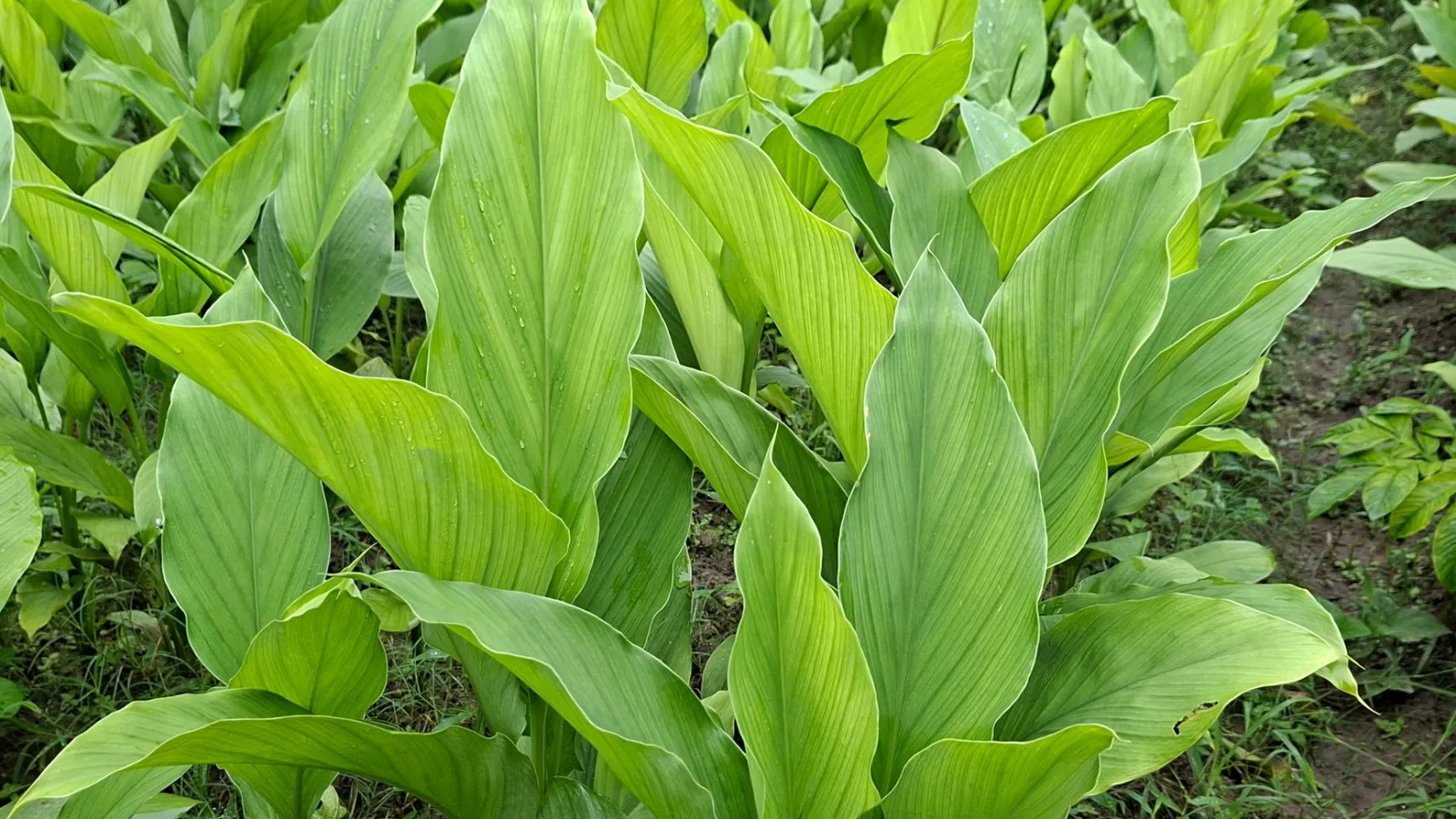
Turmeric's Golden Pigment: How Much Does Your Body Actually Absorb?
As potted turmeric gets close to harvest, here's what gives the rhizome its bright yellow color and why curcumin is absorbed better with fat and black pepper. High-dose supplements are a separate question and call for more caution.
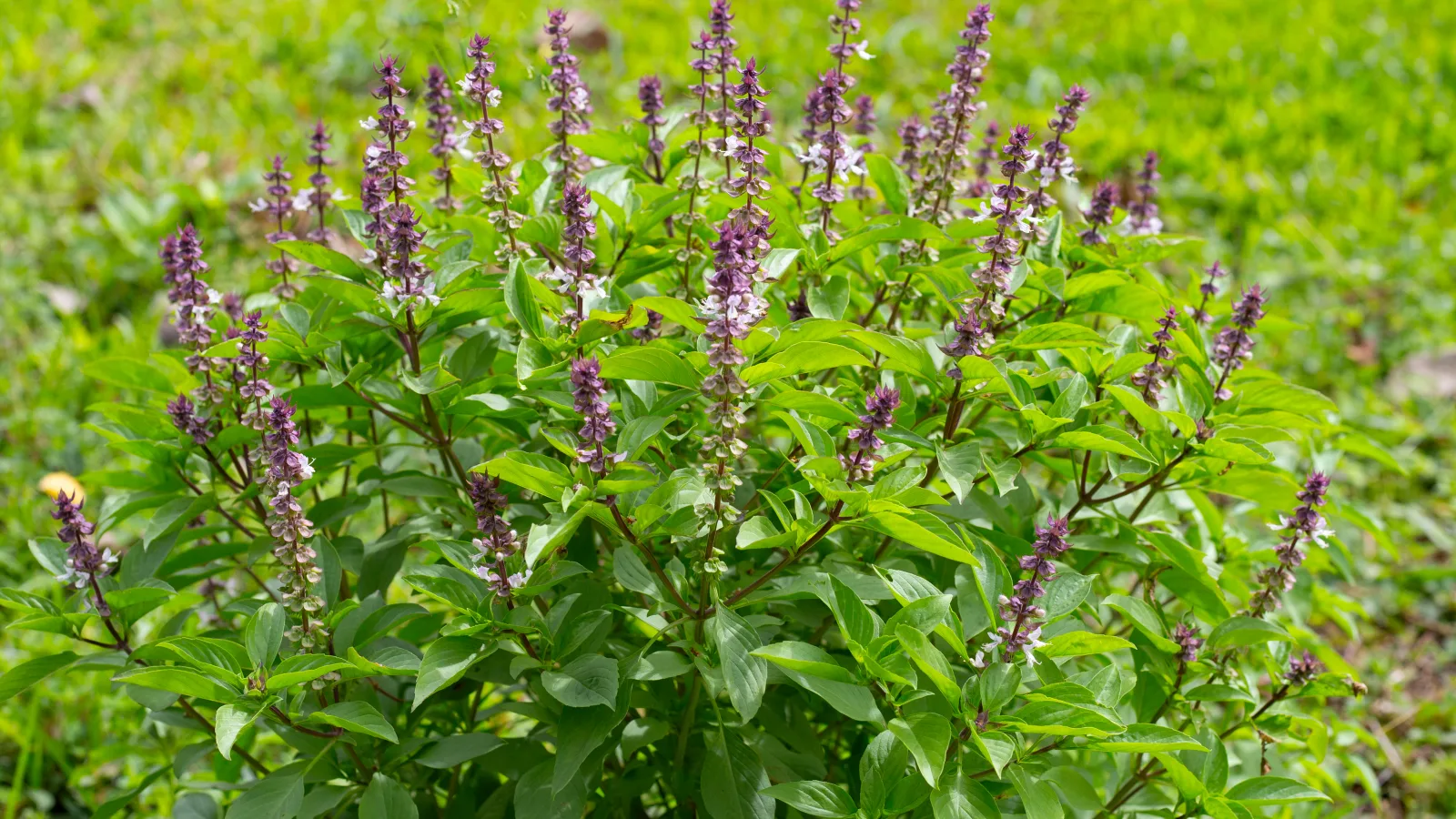
Holy Basil: The Temperature at Harvest Decides How It Smells
Grown from the same seed in the same soil, holy basil smells different depending on the temperatures it lived through in the days before you cut it. A 12-day study explains why — and points to when to harvest for antioxidants, for aroma, or for sheer volume of leaves.