- Type
- Leafy Greens
- Difficulty
- Easy
- Season
- Summer
- Sowing
- From seed
Purslane
Portulaca oleracea
Omega-3 and oxalate, in a succulent field green that survives being trodden on
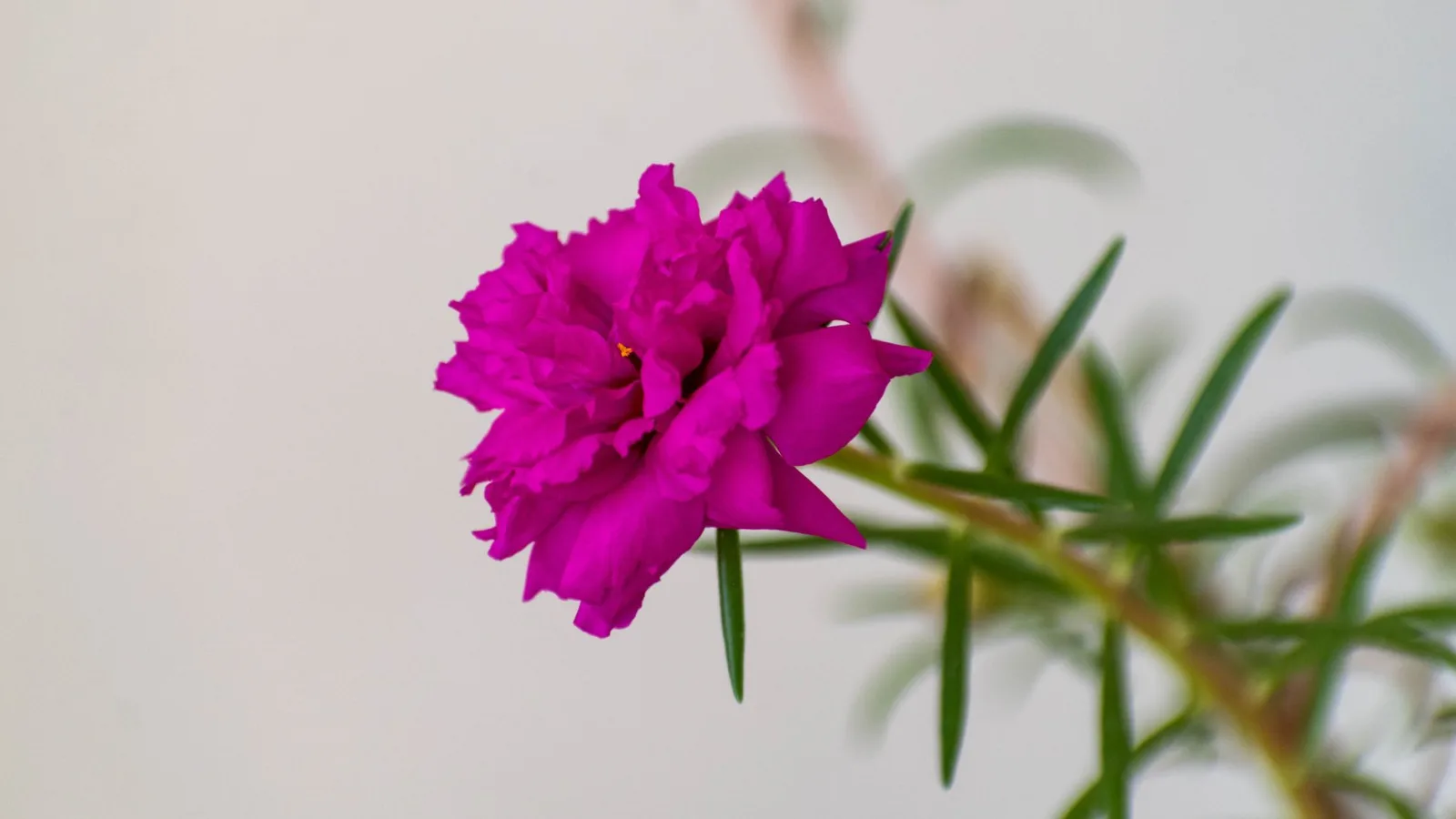
Purslane is a succulent annual that turns up on its own along paths and field edges. The Donguibogam files it under vegetables and explains the name machihyeon: the leaves are shaped like a horse's teeth. It also records an alternative name, ohaengcho or five-element herb, because the leaves are green, the stem red, the flower yellow, the root white and the seed black. The text is careful to note that although the name carries the character for amaranth, the plant is nothing like amaranth. Its thick, water-filled leaves are notoriously hard to dry, which is why the original says to crush the plant with a pagoda-tree mallet, set up a rack facing east, and dry it in the sun for two or three days. In cities it mostly gets pulled as a weed, but blanched and dressed it makes a slippery, pleasantly sour side dish.
Year-Round Calendar
- 1
- 2
- 3
- 4
- 5
- 6
- 7
- 8
- 9
- 10
- 11
- 12
- 4
- 5
- 6
- 6
- 7
- 8
- 9
Where It Grows
- Main producer Known as verdolaga, this is a leading country for growing it in fields and selling it at market.
- Major producer Called semizotu, it is field-grown and sold as a summer vegetable.
- Major producer Field-grown and wild-gathered plants reach the market side by side.
- Major producer Known as machixian (馬齒莧, "horse-tooth purslane"), it is gathered from field margins, with some grown deliberately.
Its place of origin has never been pinned down. Southern Europe and North Africa are proposed alongside India, and today it springs up on its own almost anywhere people live, from temperate zones to the tropics. Since the countries where it grows do not add up to a map, only those that cultivate it in fields and bring it to market were selected. International statistics carry no separate entry for it, so production rankings cannot be compared.
- Optimum
- 25~32℃
- Range
- 15~40℃
- Hardiness
- Not hardy
A succulent annual, highly resistant to summer heat and drought. The stronger the sun, the thicker the leaves and the redder the stems; with plenty of water the leaves turn bland and soft. Frost kills it outright.
In Korea Nationwide
It comes up by itself on field banks, roadsides and in yards. Even unplanted, it appears everywhere in summer, and the shoots are cut for use from June to September.
How to grow
- Light
- Five hours of direct sun or more. Strong light thickens the leaves and reddens the stems. It shrugs off summer heat.
- Soil and depth
- Not fussy. It actually tastes better in poor, free-draining soil. Ordinary potting mix with about 30 percent coarse grit is plenty.
- Spacing
- 15 cm between plants, three or four in a 20 cm pot. It sprawls sideways, so a wide shallow container beats a deep one.
- Watering
- Being succulent, it wants little. Let the surface dry out completely before watering, and stop entirely during the rainy season. Too much water gives you bland, soft leaves.
- Feeding
- Essentially none. Feeding stretches the stems and thins the leaves.
- Harvest
- From 30 to 40 days after sowing, June through September, cut the top 5 to 10 cm with scissors. Side shoots break from the cut and you can take three or four harvests across a summer. Picked in the morning it is at its most tart.
What makes the difference. A pulled stem left lying on soil will root again where it fell. Bag what you pull, or dry it out completely. If you want to dry it for storage, do what the original text says: crush it first, then spread it on a rack in the sun for three days. Laid out whole it grows mould before it dries. For a side dish, blanch one minute, rinse in cold water and squeeze hard.
Common problems
- Aphids You will see Clusters at stem tips and on new leaves, leaving them sticky What to do Wash them off with a jet of water; use a soy-lecithin oil spray if they persist.
- Slugs and snails You will see Large holes chewed in the fleshy leaves with silvery trails What to do Pick them off after dark and ring the pot with diatomaceous earth.
- Root and stem rot You will see The stem base turns soft and brown and the plant collapses What to do Overwatering is the cause. Lengthen the interval sharply and empty the saucer.
This page describes how a crop is grown and used. It does not claim health effects for any food, nor is it intended to prevent or treat disease. Component and study notes are references only and do not mean the same result occurs in people. Consult a medical professional about health concerns.
Health Benefits
What the Donguibogam recorded. Purslane appears in the Donguibogam's vegetable section as machihyeon (馬齒莧). The entry explains the name from leaves shaped like a horse's teeth, and records a second name, ohaengcho (五行草), because the leaves are green, the stem red, the flower yellow, the root white and the seed black. This is a record from an old medical text and differs from modern judgement.
Research on omega-3 content. Compositional studies comparing purslane's alpha-linolenic acid content with other leafy vegetables have been reported repeatedly. Containing a lot of a compound and producing an effect in people are separate questions, and the second has not been established.
Nutrition
- Alpha-linolenic acid (ALA) (A plant omega-3 in the leaves) — High for a leafy green
- Oxalic and malic acid (The organic acids of leaf and stem) — The source of the tang
- Mucilage polysaccharides (The slipperiness released when cut) — A texture that comes out more on blanching
- Betalains (The pigment of the red stems) — Deepens with stronger sun
A leafy green with omega-3 Purslane is known for sitting high among leafy vegetables for alpha-linolenic acid. ALA is the plant form of omega-3 and is not the same molecule as the EPA and DHA in fish. Younger, thicker leaves carry more of it, and prolonged cooking reduces it.
Oxalate and sourness The tart bite comes from oxalic and malic acid. Oxalate binds calcium and iron and hinders their absorption, and anyone with a history of calcium oxalate kidney stones is safer not eating a large helping at one sitting. Oxalate dissolves readily, so a spell in boiling water carries a good share of it away. That is exactly why the standard preparation blanches purslane and discards the water.
Mucilage Cut a stem and slippery sap runs out, a polysaccharide mucilage. Blanching brings the slipperiness forward rather than removing it, and that texture is the point of the dish. It is also why the plant refuses to dry. The original text notes that its nature is extremely resistant to drying, and prescribes crushing it with a pagoda-tree mallet, setting up a rack facing east, and drying it in the sun for two or three days.
Betalains in the red stem The red in a purslane stem comes from betalain pigments. Strong light deepens it, and plants grown in shade have stems closer to pale green. Deeper colour means more pigment.
Look-alikes and how to tell them apart The path edges and field margins where purslane appears are also where prostrate spurges spread. The surest test is the sap: cut a spurge stem and a white latex bleeds out, and its leaves are thin, small and set in opposite pairs. Purslane has no latex, its leaves are thick and glossy, and its stems are red and stout. Leave any plant that bleeds white.
Pairings
○ Chogochujang — Blanched purslane already has acidity, so a vinegared gochujang dressing meets it halfway. Squeeze the water out firmly or the dressing turns watery.
○ Perilla oil and sesame — The nuttiness of perilla oil over that slippery texture makes it much easier to eat. The ALA in the leaf is a fat too, so eating it with oil is sensible on that count as well.
○ Tofu and anchovies — Adding a calcium-rich food lets the oxalate bind calcium in the gut before it reaches you. A little tofu next to a plate of dressed purslane takes the edge off.
△ Oxalate and kidney stones — Purslane is genuinely high in oxalate. Anyone with a history of calcium oxalate stones or reduced kidney function should not eat it often or in quantity. Always blanch and discard the water, and do not juice it raw.
△ Pregnancy — Traditional medical texts treated purslane as something for pregnant women to avoid, and there are animal studies reporting effects on uterine contraction. A side dish and a strong decoction are not the same thing. During pregnancy, do not use it medicinally.
△ Anything picked at the roadside — Purslane grows best exactly where you should not pick it: road verges, cracks in car parks, field margins where people and vehicles pass. Most of those sites carry exhaust residue and herbicide. If you do not know the ground, do not eat the plant. Bought seed germinates in a pot within days.
Varieties
- Wild purslane (Seed) — The small-leaved kind. This is the line the original text put into medicine.
- Golden purslane (Seed) — Grown as a vegetable in Europe. Larger, yellow-green leaves and less sourness.
- Green purslane (Seed) — The edible line sold as seed. Upright stems make it easy to harvest.
Source: Donguibogam, Vegetable Section (馬齒莧) · Korean Plant Names Index · Rural Development Administration (nongsaro.go.kr)