- Type
- Herbs & Aromatics
- Difficulty
- Easy
- Season
- Fall
- Sowing
- Transplant
Gamguk (Indian Chrysanthemum)
Chrysanthemum indicum
Linarin, essential oil · the small yellow single flower of autumn
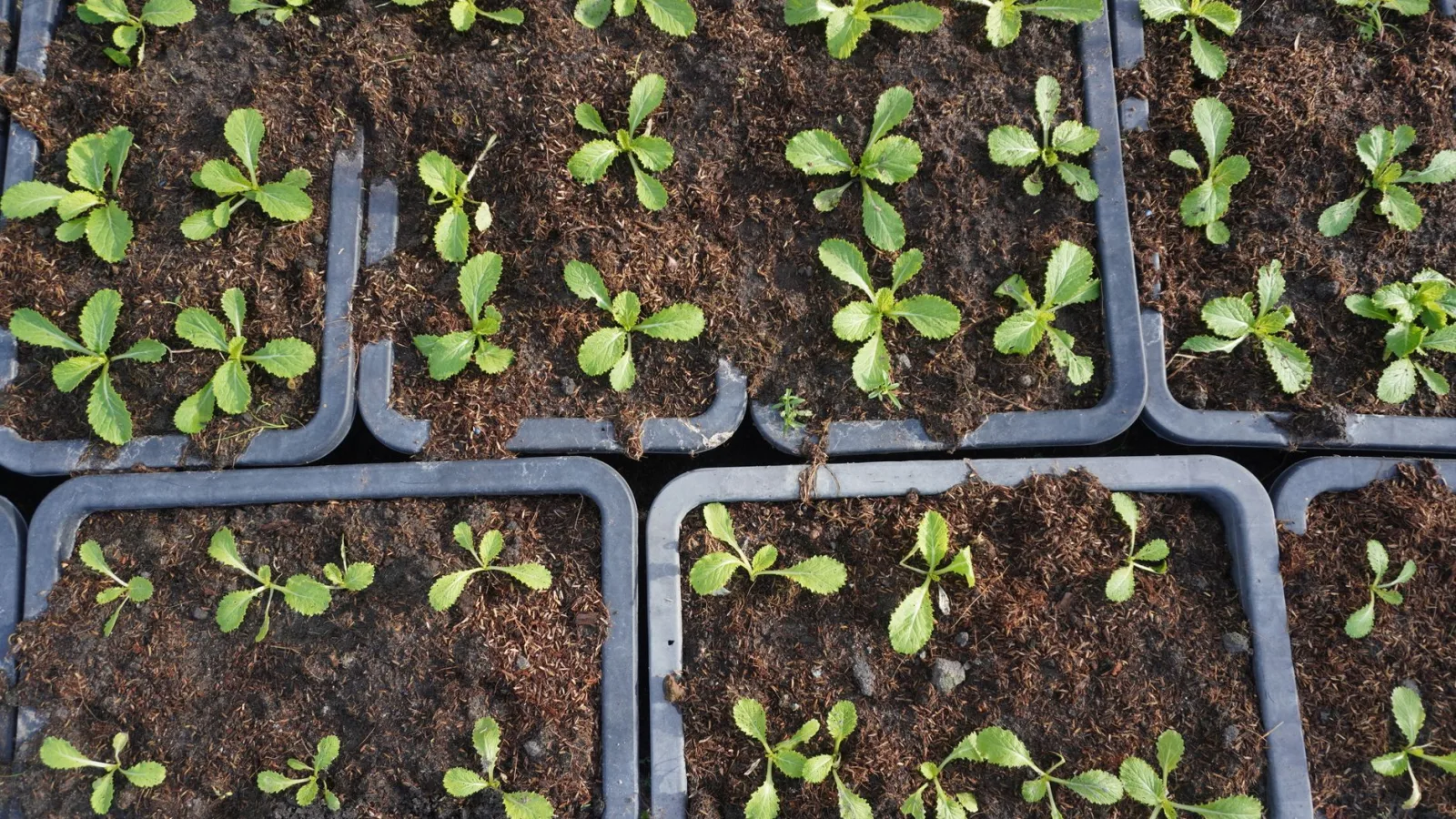
Gamguk is a perennial of the daisy family that opens small single yellow flowers in autumn. The flowers are dried for tea or steeped in wine, and the plant is grown in drifts in a border or a wide pot. Cuttings root readily, so a stem taken in spring and pushed into soil will flower that same autumn. The Donguibogam lists it in the Herb section as 甘菊花, giving it a neutral nature, a sweet taste and no toxicity. Noting that chrysanthemum kinds are very many, the same entry leaves a test for the true one — single-petalled, the flower small and yellow, the leaves deep green, small and thin, opening in its proper season — and separates the sweet, which was put into medicine, from the bitter, which was not used.
Year-Round Calendar
- 1
- 2
- 3
- 4
- 5
- 6
- 7
- 8
- 9
- 10
- 11
- 12
- 4
- 5
- 10
- 11
Where It Grows
- Main producer Grown on a large scale in fields in Zhejiang, Anhui, Henan and other areas, with the flowers dried for use.
-
Wild population
Common throughout the country on sunny mountain slopes and seaside hills. Harvest October, November
- 10
- 11
- Wild population Grows in the mountains and fields from Honshu southward, especially on slopes near the sea.
The plant is native to East Asia, ranging across Korea, China, Japan and Taiwan. Field cultivation is overwhelmingly concentrated in China; in Korea and Japan, the flowers are mostly gathered from wild plants. The hangbaiju and hangju (Hangzhou chrysanthemums) sold in markets as chrysanthemum tea are often not gamguk (Chrysanthemum indicum) but the cultivated chrysanthemum (Chrysanthemum morifolium), so overlay the two maps and you will find the species mixed together.
- Optimum
- 15~25℃
- Range
- 5~30℃
- Hardiness
- Hardy
- Day length
- Short-day
This is a short-day perennial: it grows through the summer and comes into flower in autumn, as the days shorten. It favors dry, sunny slopes. In winter the top growth dies back, and the plant survives on its roots, sending up new shoots the following year.
In Korea Nationwide
Found in mountains and fields across the country, and especially common on sunny south-facing slopes and seaside hills. The flowers are picked in October–November.
How to grow
- Light
- Five hours of sun or more. In poor light the stems flop and the flower count drops
- Soil and depth
- Free-draining soil at least 20cm deep. Over-rich ground pushes soft growth that falls over
- Spacing
- 30 to 40cm between plants. One plant per 25cm pot
- Watering
- Water once the surface dries. Drought in September, as the buds set, makes small flowers
- Feeding
- Compost at planting, then one more feed in August weighted to phosphorus and potassium. Heavy nitrogen gives leaf and little else
- Harvest
- October and November. Pick whole heads when the flower is fully open and the central disc has not yet browned. Pick in the morning once the dew has dried and spread them out at once. Drying in shade with air moving is what keeps the colour
What makes the difference. Pinch the tips two or three times in June and July and the plant branches, multiplying the flower count. Stop pinching by the start of August
Why this one is harder. Left in place for years the crown turns woody and flowering falls off. Divide in spring or take cuttings from new growth every two or three years to renew the stock
Common problems
- Aphids You will see Colonies on new shoots and flower buds, turning sticky What to do Wash off with a jet of water; if it recurs, use an egg-yolk oil spray. On plants destined for tea, spray only before the flowers open
- Powdery mildew You will see A white floury bloom settling across the leaf surface What to do Open up the spacing for airflow and strip the lowest leaves. Water the soil, not the foliage
- Spider mites You will see Fine mottling and yellowing of the leaves, with thin webbing on the undersides What to do Spray forcefully, reaching the leaf undersides. It builds in dry spells, so watch especially once the summer rains end
This page describes how a crop is grown and used. It does not claim health effects for any food, nor is it intended to prevent or treat disease. Component and study notes are references only and do not mean the same result occurs in people. Consult a medical professional about health concerns.
Health Benefits
What the Donguibogam records — nature, taste and telling the true one. The Donguibogam lists the plant in the Herb section as Gamgukhwa (sweet chrysanthemum flower) and gives the Korean name as Gangsyeonghwang. It records a neutral nature, a sweet taste and no toxicity. Observing that chrysanthemum kinds are very many, it says the true one is single-petalled, its flower small and yellow, its leaves deep green, small and thin, opening in its proper season, and it separates the sweet, put into medicine, from the bitter, which was not used. For gathering it gives the first lunar month for the root, the third lunar month for the leaves, the fifth for the stems, the ninth for the flowers and the eleventh for the seed, all dried in the shade. This is a historical medical record and differs from modern medical judgment.
Flavonoid composition of the flower. Analyses report the isolation of flavonoids including linarin, luteolin and apigenin from gamguk flowers. The same work found large differences in content according to flowering stage and drying method. These are compositional analyses and have nothing to do with preventing or treating disease.
Essential oil analysis. Camphor, borneol and chrysanthenone have been reported as major constituents of the essential oil of gamguk flowers. Comparative work reporting that the oil composition of sanguk differs from that of gamguk has been published alongside it. This concerns aroma and composition.
Nutrition
- Linarin (the characteristic flavonoid glycoside of the flower) — a compound reported across chrysanthemum flowers
- Luteolin and apigenin (flavonoids of the flower) — polyphenols reported alongside the yellow colour
- Essential oil (camphor, borneol, chrysanthenone) (the aroma released when a flower is rubbed) — the volatiles behind gamguk's particular scent
- Chlorogenic acid (in flower and leaf) — a phenolic acid widespread across plants
Flavonoids of the flower Gamguk flowers are reported to carry flavonoids including linarin, luteolin and apigenin. Linarin is the glycoside picked up characteristically in chrysanthemum flowers. The same analyses report that levels vary considerably with flowering stage and drying method. This entry stays with the compositional record.
The essential oil behind the scent Rubbing a gamguk flower releases volatiles such as camphor, borneol and chrysanthenone. Heat drives them off, so water around 80 degrees holds the aroma better than a hard boil. Steeped too long, bitterness comes forward. Two or three short infusions work better than one strong one.
Drying decides the composition The Donguibogam too records that the flowers were dried in the shade. Dried in direct sun the colour fades and the aroma goes. Spread them in shade with air moving, then store them sealed, and re-dry them if they take up damp. Flowers put away not fully dry will mould.
Pairings
○ Honey and jujube — flower tea — Gamguk tea finishes faintly bitter on its own. A little honey, or a few slices of dried jujube in the pot, brings it into balance. Keep the water near 80 degrees. Jujube
○ Goji berry and cassia seed — Dried gamguk is often blended with other dried ingredients. Goji berries or roasted cassia seed deepen both colour and flavour. They draw at different rates, so add the flowers last to keep the aroma. Goji Berry · Sicklepod
○ Cheongju — chrysanthemum wine — Steeping dried flowers in cheongju and keeping the jar somewhere cool is a long-standing practice. Strain the flowers out after about a month. Left in longer, the bitterness builds.
△ Ornamental chrysanthemums are not for tea — Chrysanthemums sold as cut flowers or bedding plants are not grown to be eaten, and insecticide or growth regulator residues may remain on them. Flowers for tea should be grown deliberately for the purpose or bought as food-grade. Skip the flowers from any plant sprayed that season.
△ Telling it from sanguk and pyrethrum — The species most often mixed in with gamguk is sanguk. Its flowers are smaller, 1 to 1.5cm, carried in flat clusters at the branch tips, and the taste is bitter. Pyrethrum daisy, despite carrying the chrysanthemum name, is a separate species grown for the insecticide pyrethrin and is not eaten. Judge by flower diameter, how the heads are carried, and taste together.
△ Daisy-family allergy — Gamguk belongs to the same family as mugwort and ragweed. Anyone allergic to those pollens may react to the tea, so start with one weak cup. If handling the flowers brings on sneezing, wear a mask.
Varieties
- Native gamguk (seedling) — Single yellow flowers 1.5 to 2.5cm across. The line most used for flower tea
- Gamguk from seed (seed) — Raised from seed, flower size and scent come out uneven, and the first year gives few blooms
- Sanguk (Chrysanthemum boreale) (seedling) — A different species commonly mixed in with gamguk. Flowers 1 to 1.5cm, carried in tight clusters, and bitter to taste
- Gujeolcho (Chrysanthemum zawadskii) (seedling) — Another species flowering at the same time, in white to pale pink. Used for a tea of its own
Source: Donguibogam, Herb Section 甘菊花 · Rural Development Administration (Nongsaro)