
Columns
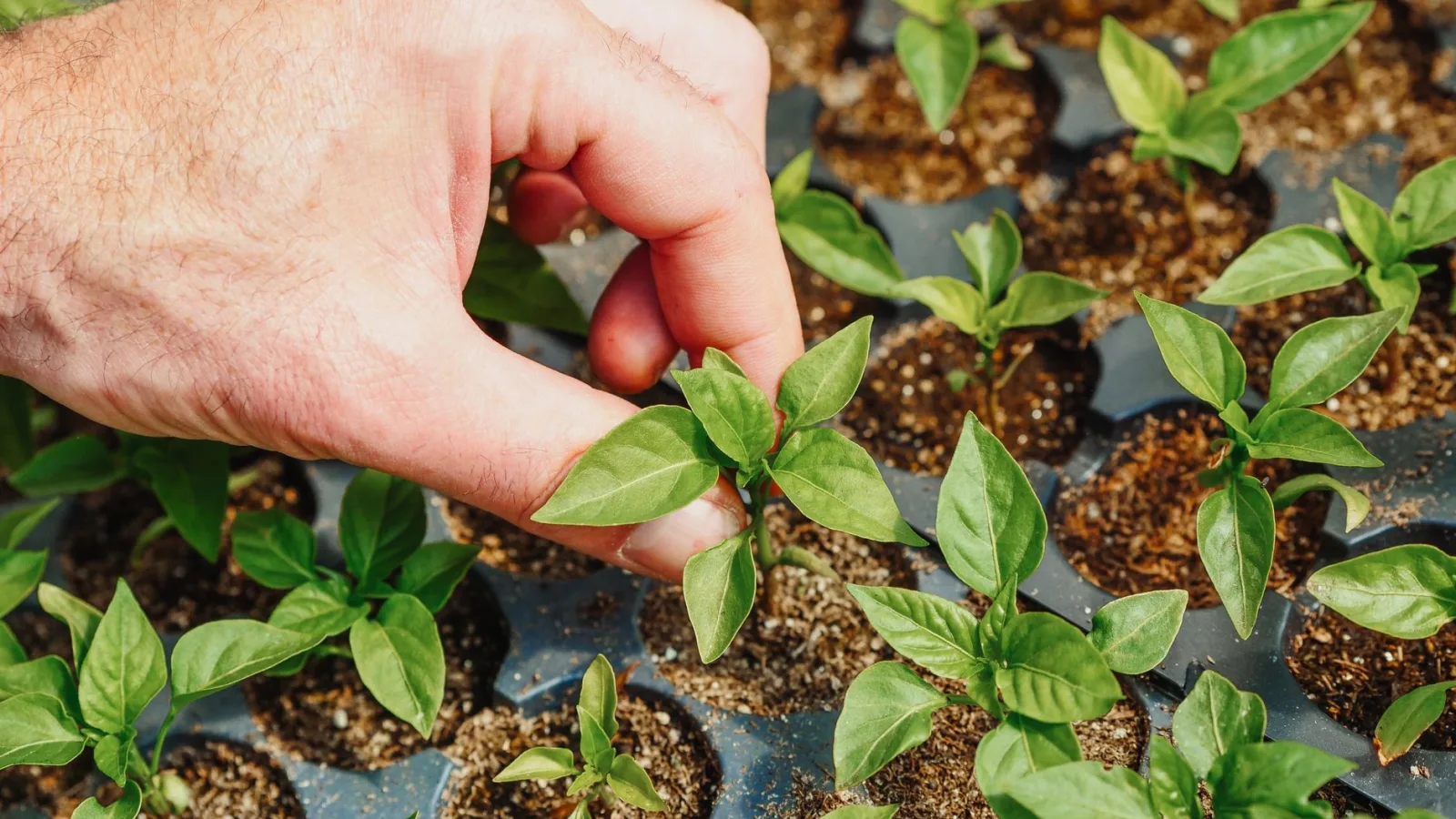
Gobagi: The Bitter Leaf That Makes It Through Winter
Sow gobagi in the beds your summer crops leave empty. It lives through winter and gives you leaves again in spring. We compare what a 400-year-old Korean medical text said about this bitter green with what modern nutrition science shows.
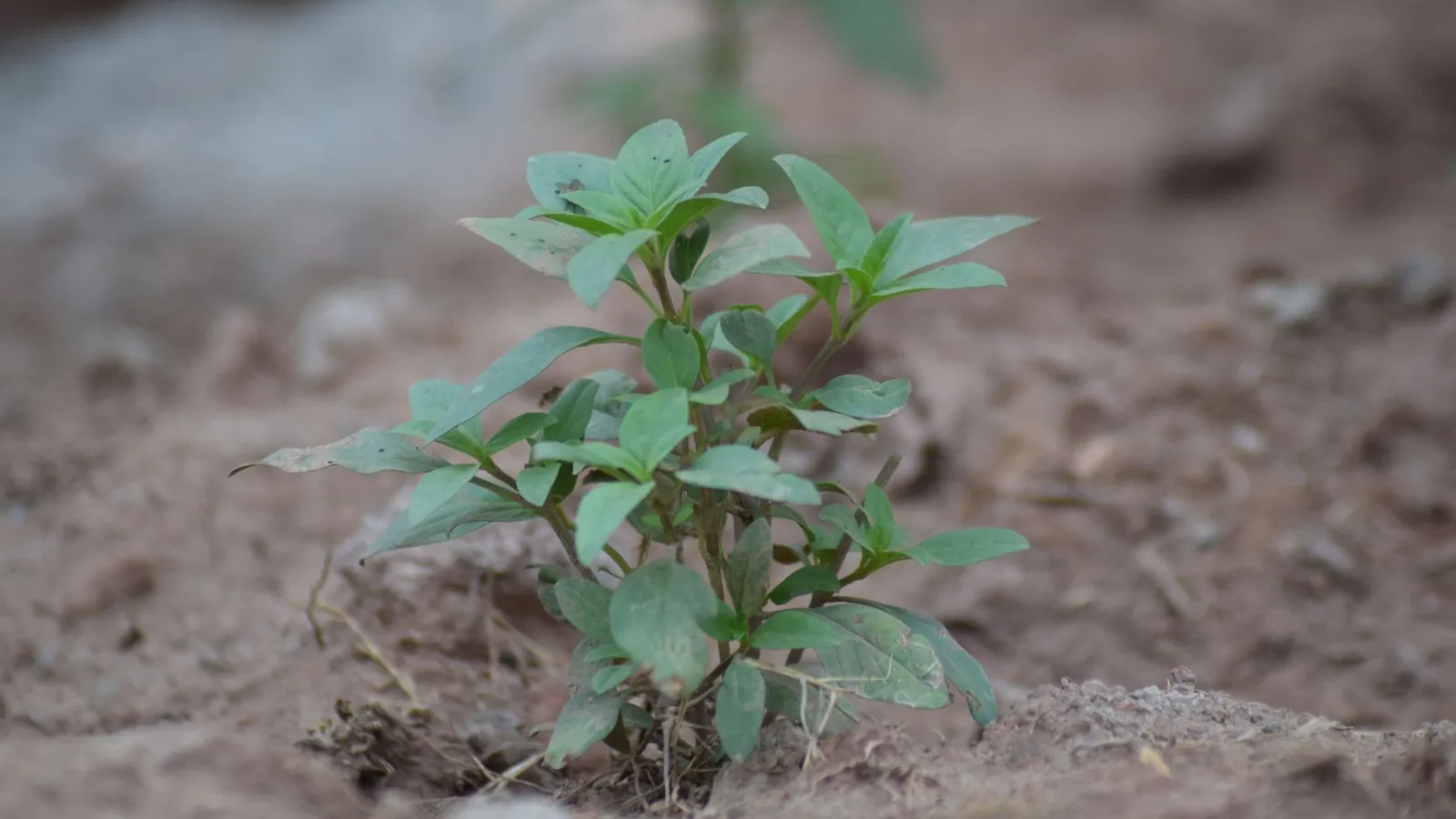
Kochia, the Yard-Broom Plant: From the Donguibogam's Jibuja to Today's Table
Korean households once got both food and yard brooms from kochia. This column follows the plant from its entry in the Donguibogam to modern analysis, then explains how to grow it, harvest it, and cook its young leaves and seeds.
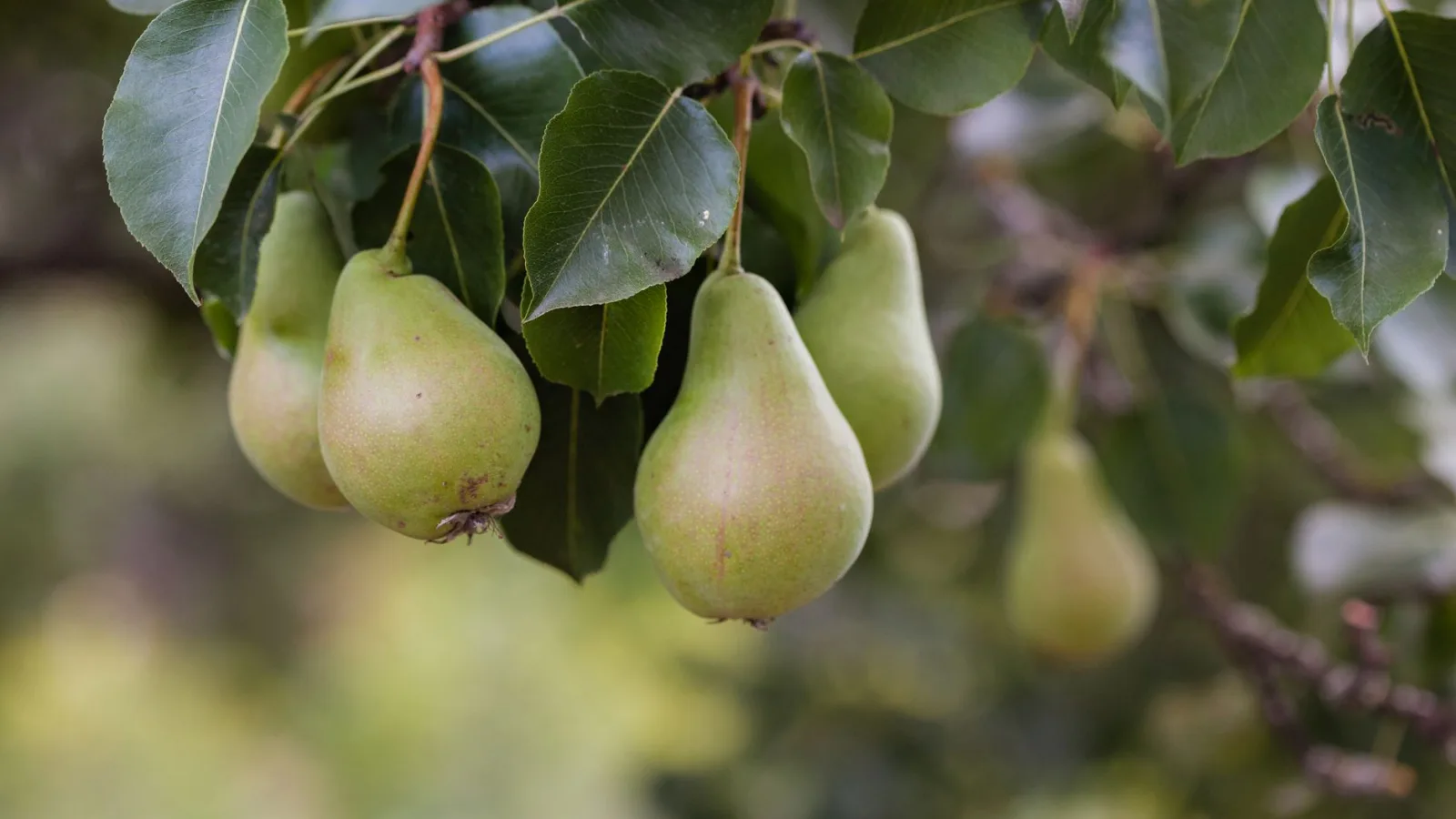
What an In-Season Pear Really Does for Your Body
Crisp Asian pears are more than 85% water and contain sorbitol, a sugar alcohol that can upset a sensitive gut in large amounts. Here's how the trees grow, what we can and can't say about their health effects, and how to enjoy them.
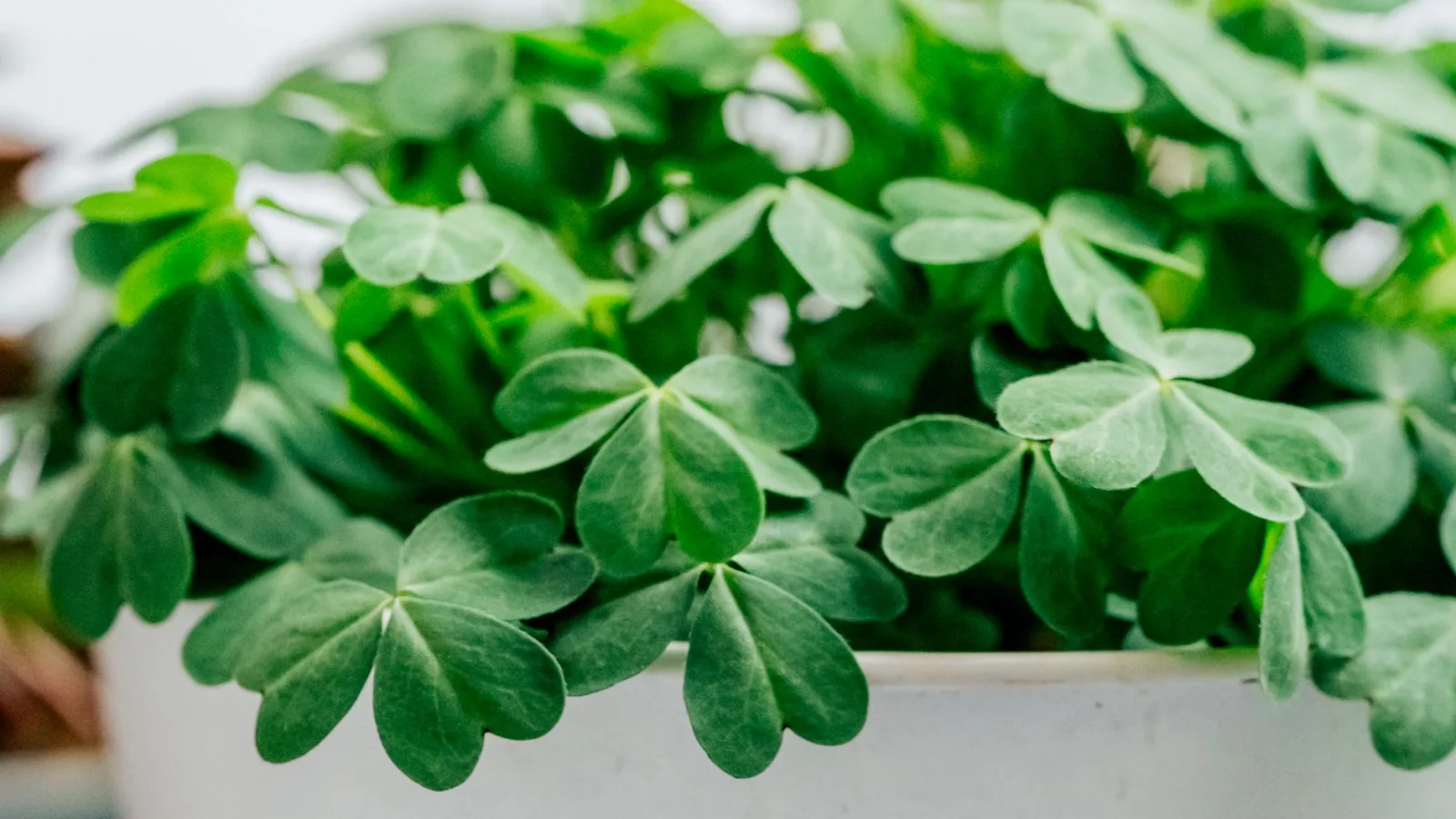
Horopa in an Old Medical Classic, Fenugreek in Tonight's Pot
The 17th-century Korean medical classic Dongui Bogam described fenugreek seed as warm and bitter, and modern chemistry traces its maple-like scent to a compound called sotolon. Here's where the old record and today's science meet, plus how to grow, toast, and cook with the seed.
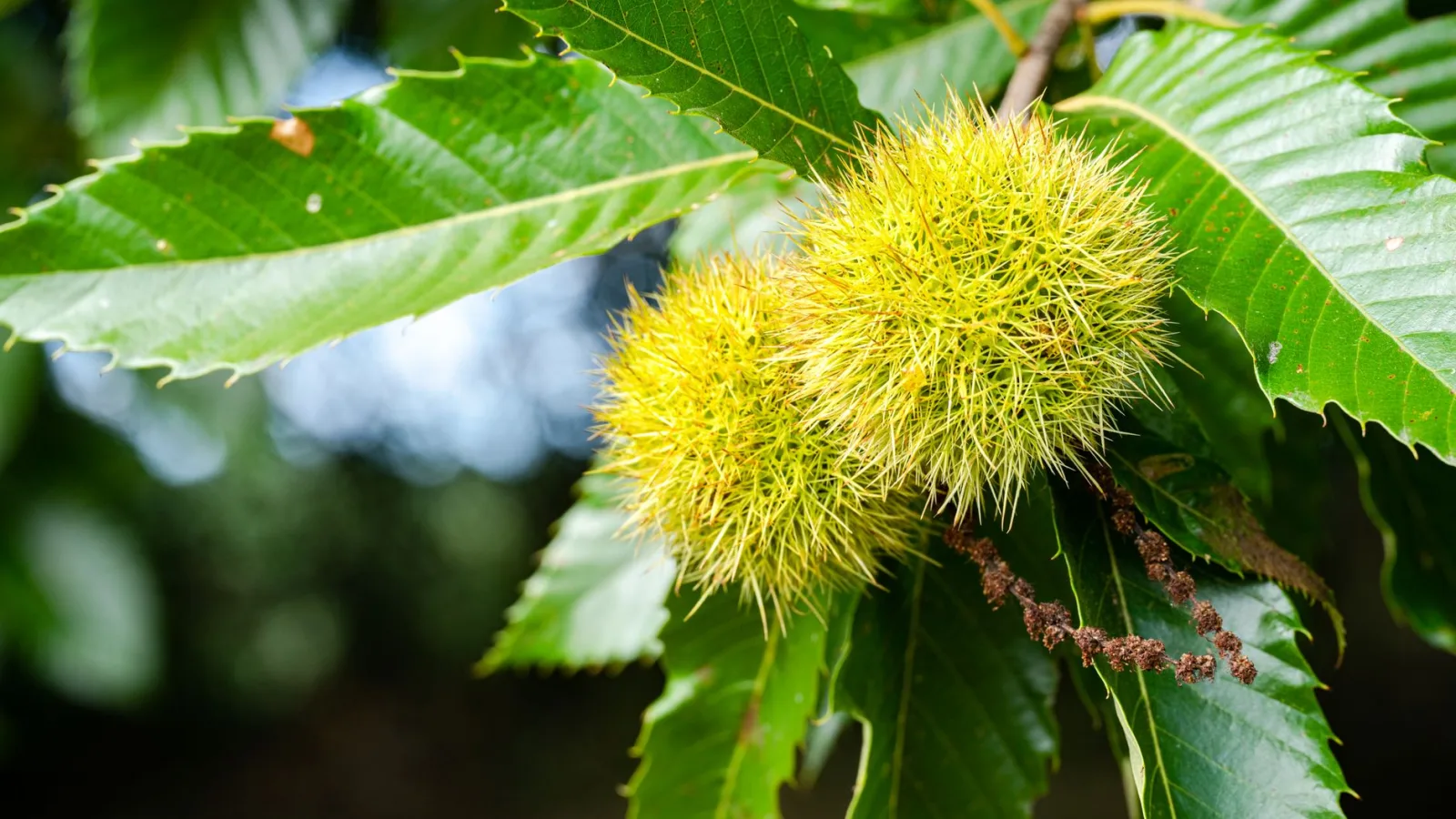
Chestnuts, the Dongui Bogam's First Among Fruits: A Fresh Look From Today's Garden
The Dongui Bogam, a 17th-century Korean medical classic, ranked chestnuts first among fruits. We compare that old record with modern nutrition data and share ways to harvest, store, and cook chestnuts this fall.
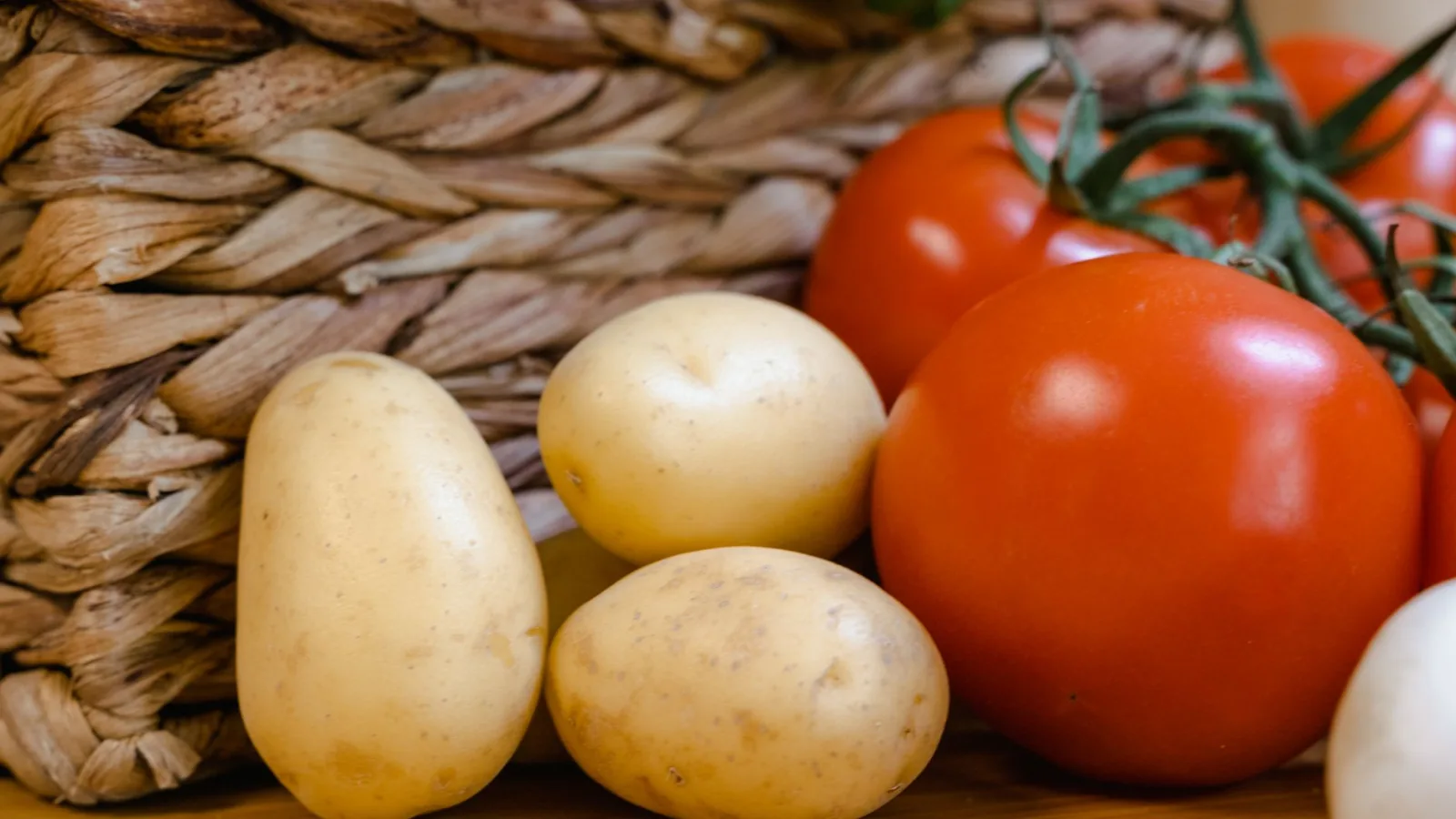
When Your Fruit-Syrup Jars Keep Turning Slimy: Thyme and Oregano
A new study found that a blend of oregano and thyme essential oils reduced how much yeast stuck to surfaces more than either oil alone. Here is what that means for your kitchen, and why boiling water is still the way to sterilize your jars.
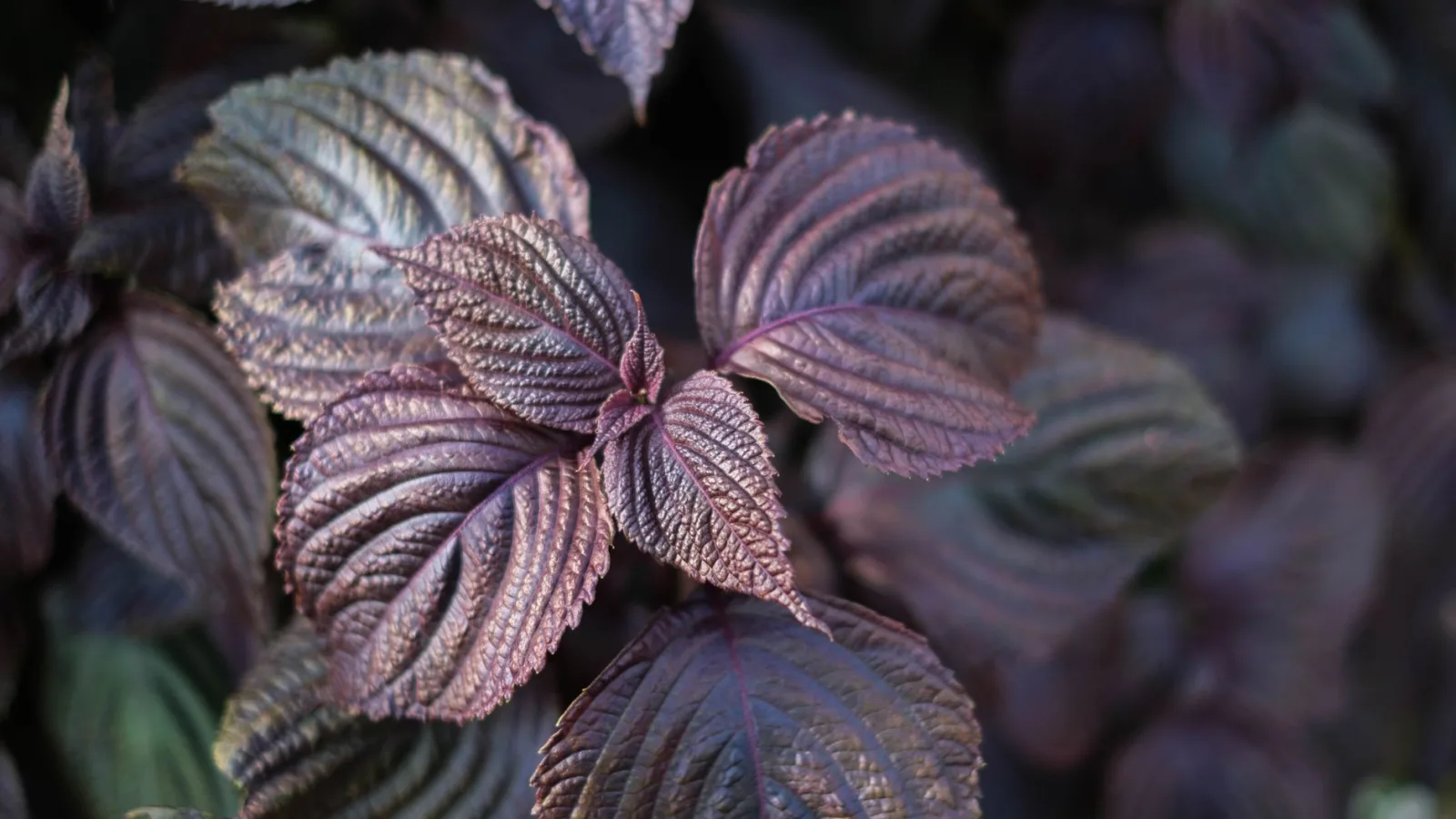
A Spoonful of Perilla Oil: How to Make Sure Your Body Keeps the Goodness
Perilla and flaxseed oils are full of plant-based omega-3s, but much of that goodness can be lost before your body absorbs it. Here's how to store, use, and pair these oils so more of it stays with you.
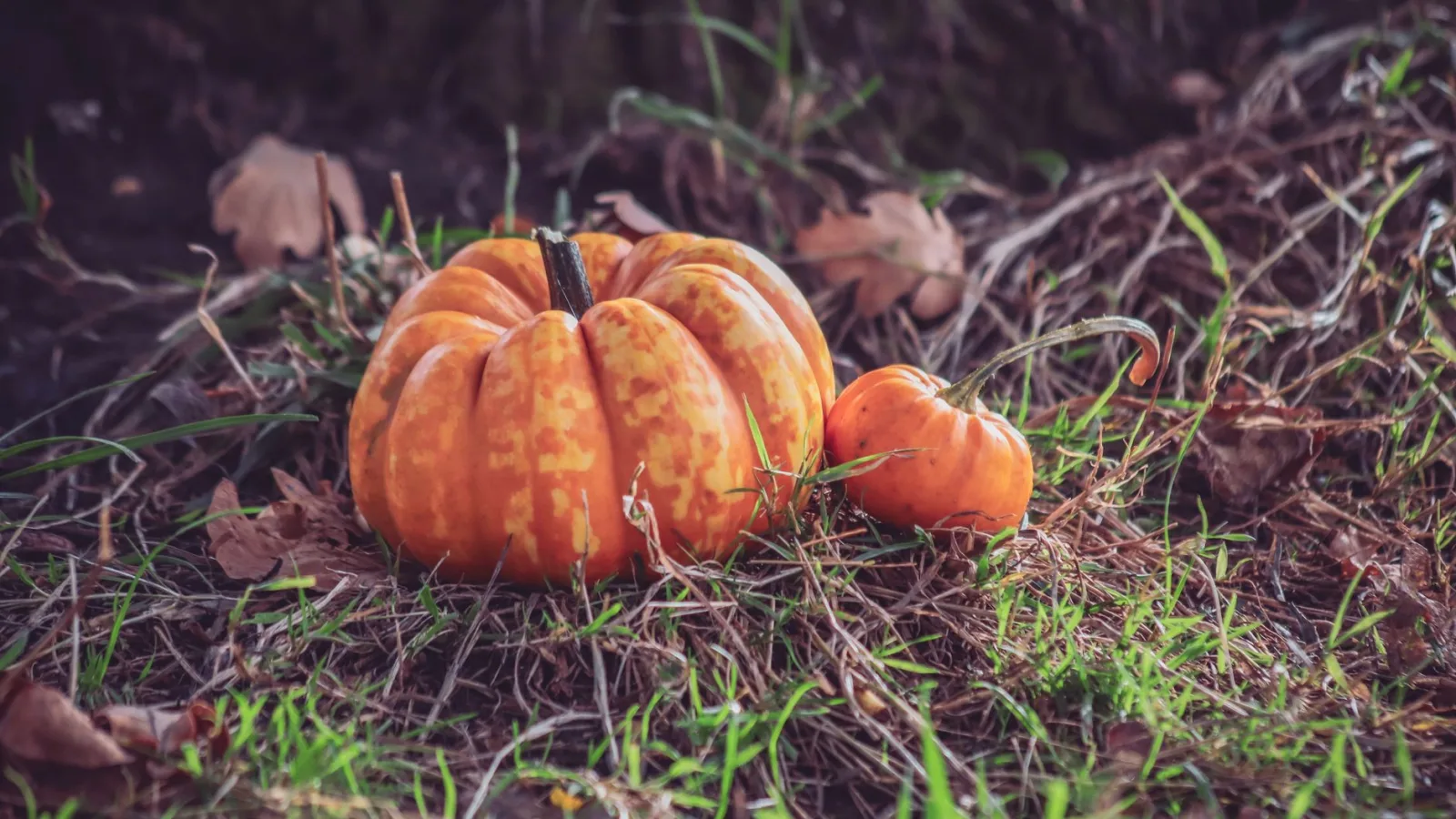
The Deep Orange of Ripe Pumpkin: A Pigment That May Help a Weary Heart
The orange color of ripe pumpkin comes from carotenoids, antioxidant pigments that may protect heart cells from damage caused by a common chemotherapy drug, according to a recent animal study. Here's what the researchers found, why it's still early, and how to get the most out of the pumpkins on your table.
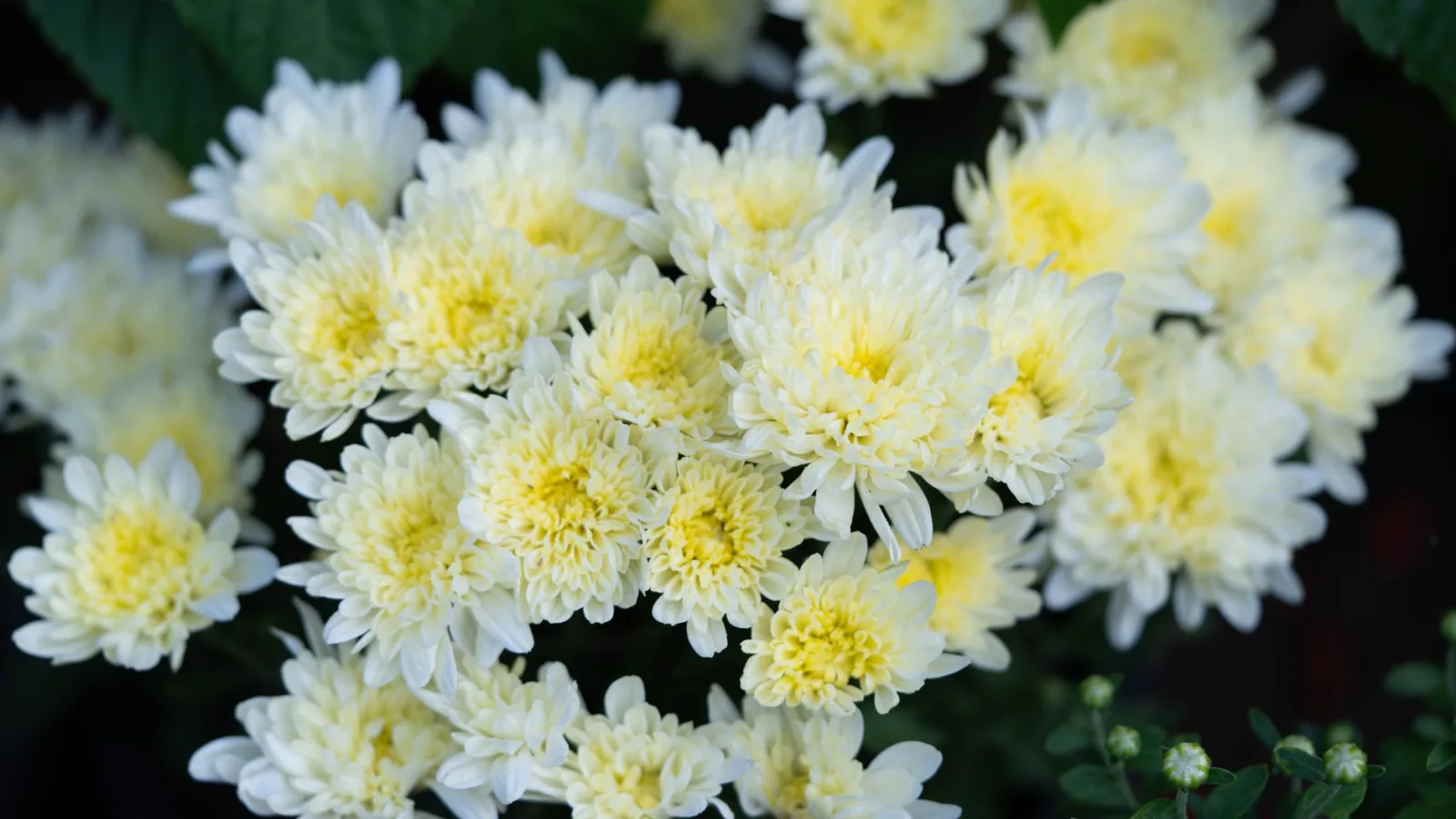
White Chrysanthemum: The White Flowers You Can Drink, and the Ones You Can't
Some white flowers in the fall garden are not safe to brew. Here's how to tell white chrysanthemum from its lookalikes by its leaves, flower center and origin, and then how to dry and steep it.
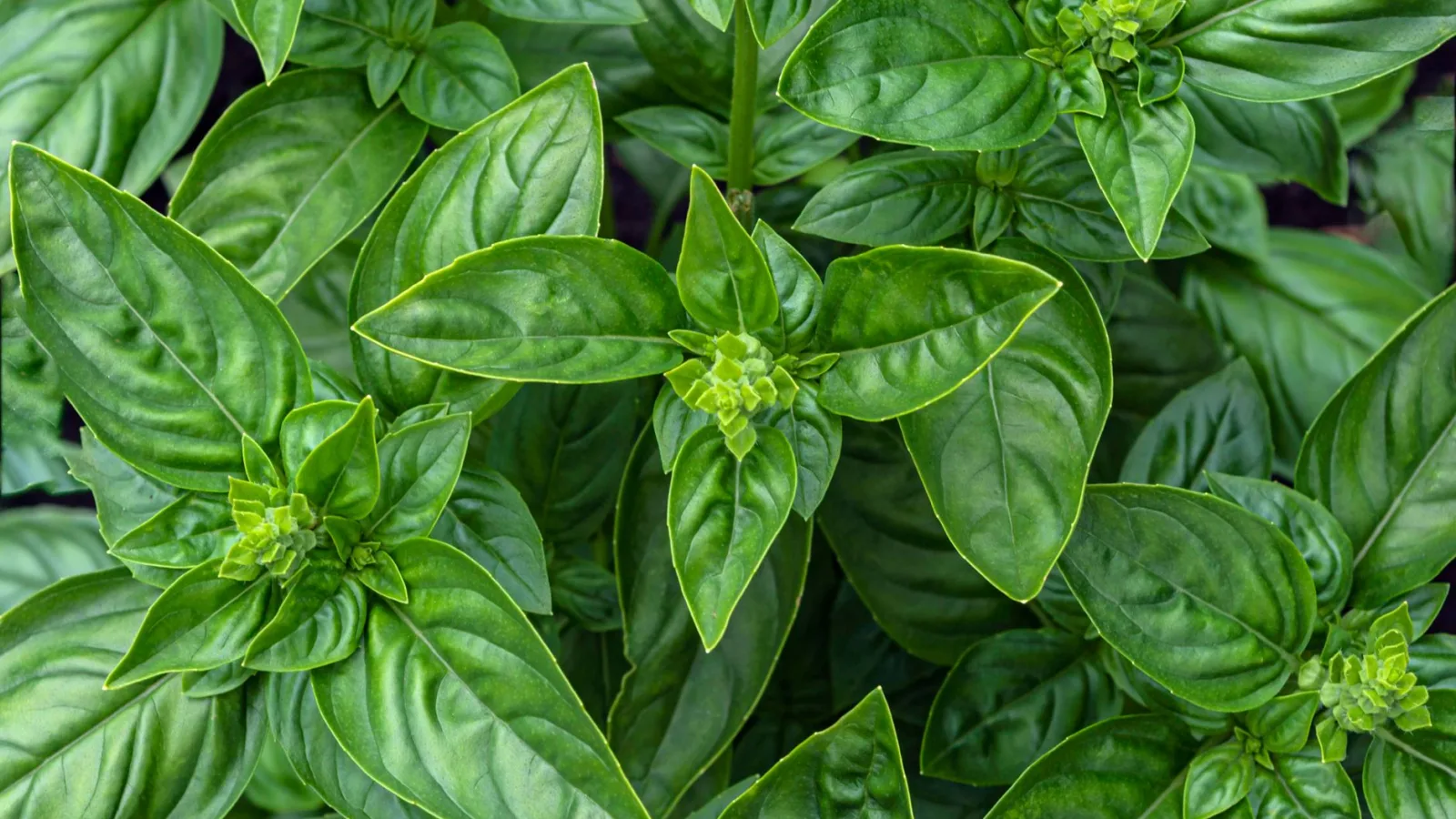
Just Watering Your Basil? Feed It Well and It Can Grow 60 Times More
Same seeds, same windowsill, same watering, yet the two plants turn out completely different. In one hydroponic study, basil fed a proper nutrient solution produced about 43 to 60 times more leaves than basil given plain water, and it had a stronger aroma and more vitamin C.
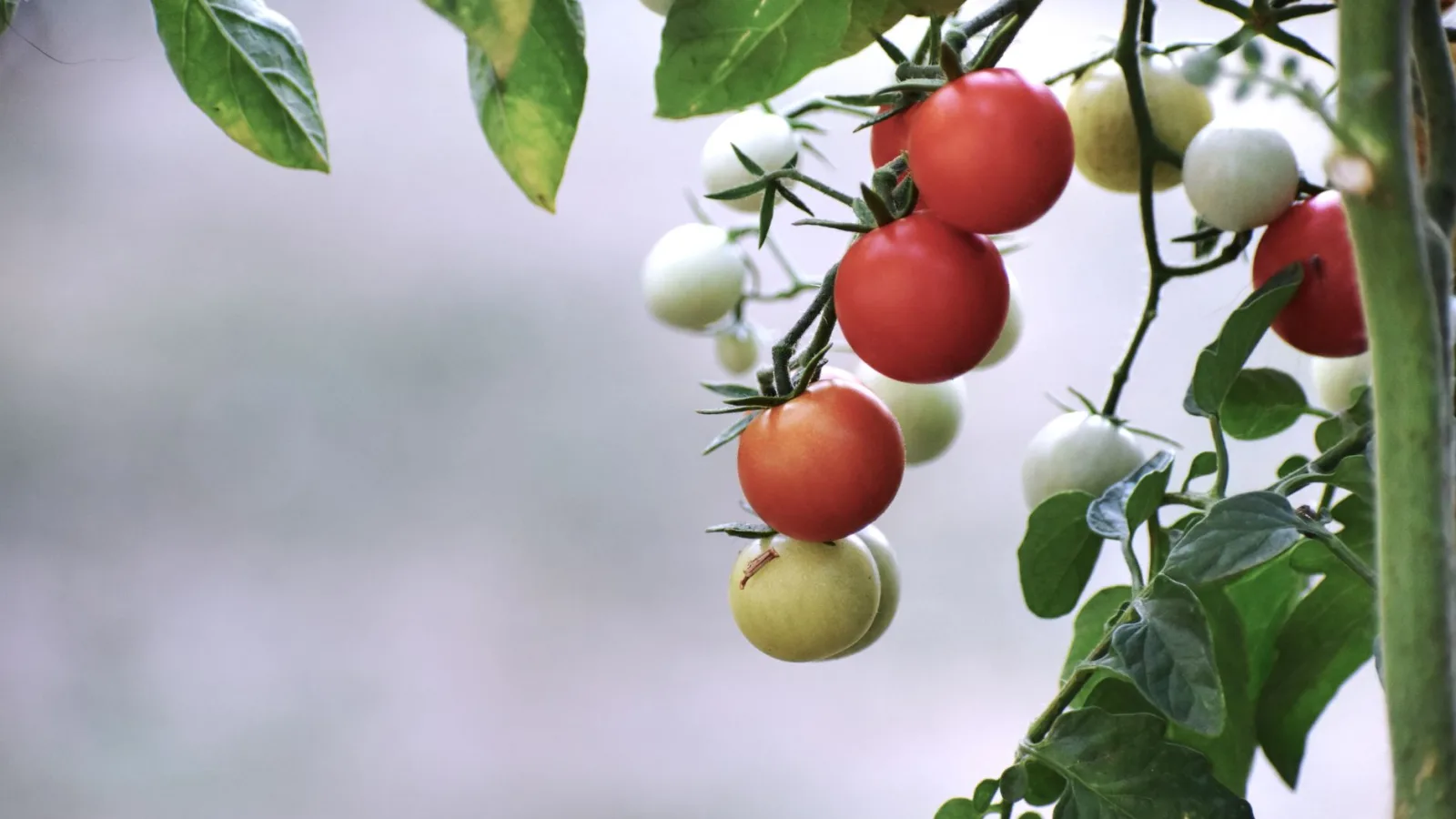
Keep Your Cherry Tomatoes from Going Soft with a Natural Coating
Food scientists made an edible coating from milk protein, chitosan from shellfish and a grain antioxidant, and it kept cherry tomatoes firm and nutritious for 25 days in the fridge. Here's what home gardeners can borrow from it.
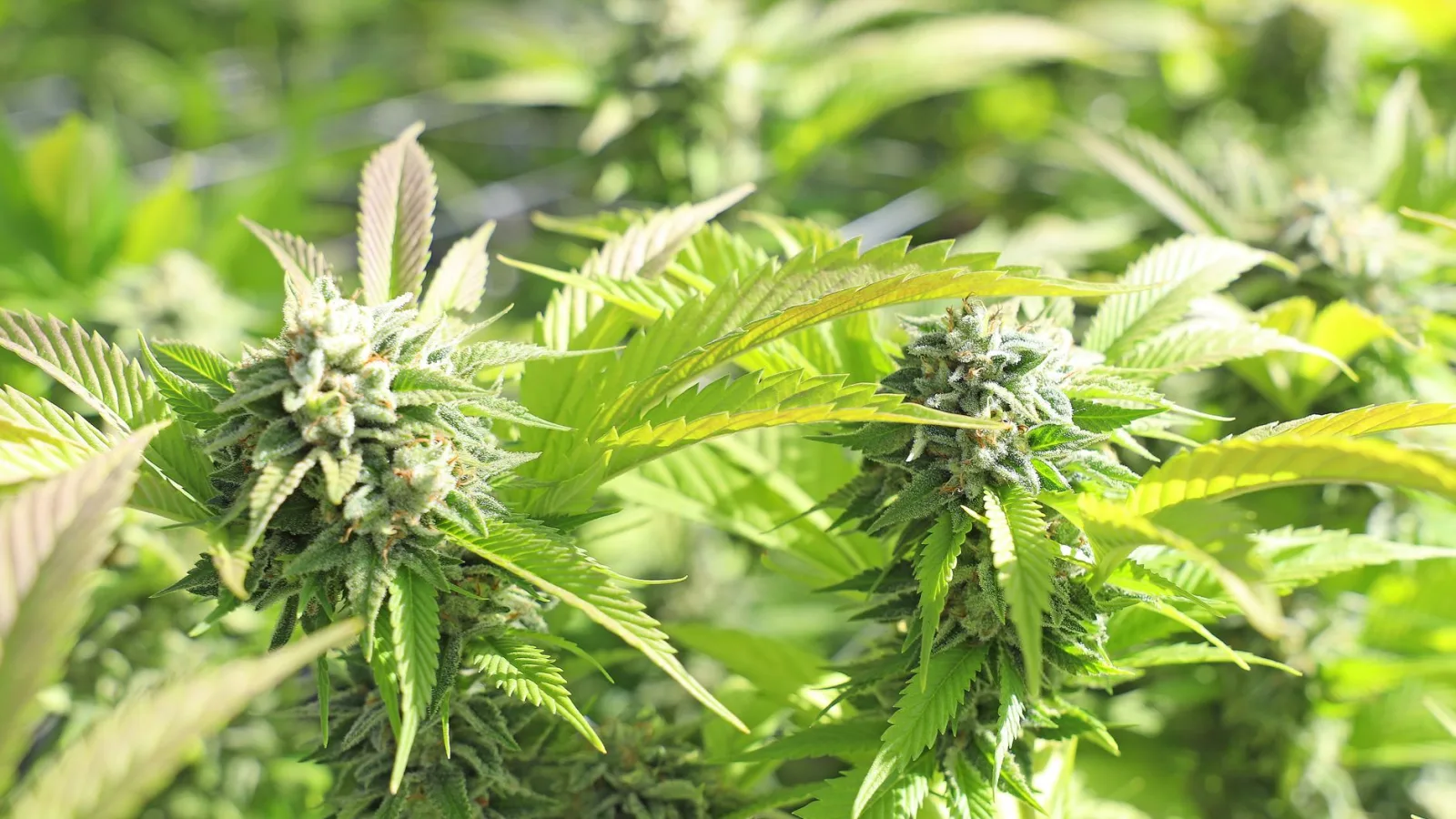
A Spoonful of Hemp Seeds — The Kernel You Have to Shell First
You probably can't grow hemp in your backyard, but shelled hemp seeds are easy to add to your meals. Here's what's inside them, what a 17th-century Korean medical classic said about them, and how to eat and store them.
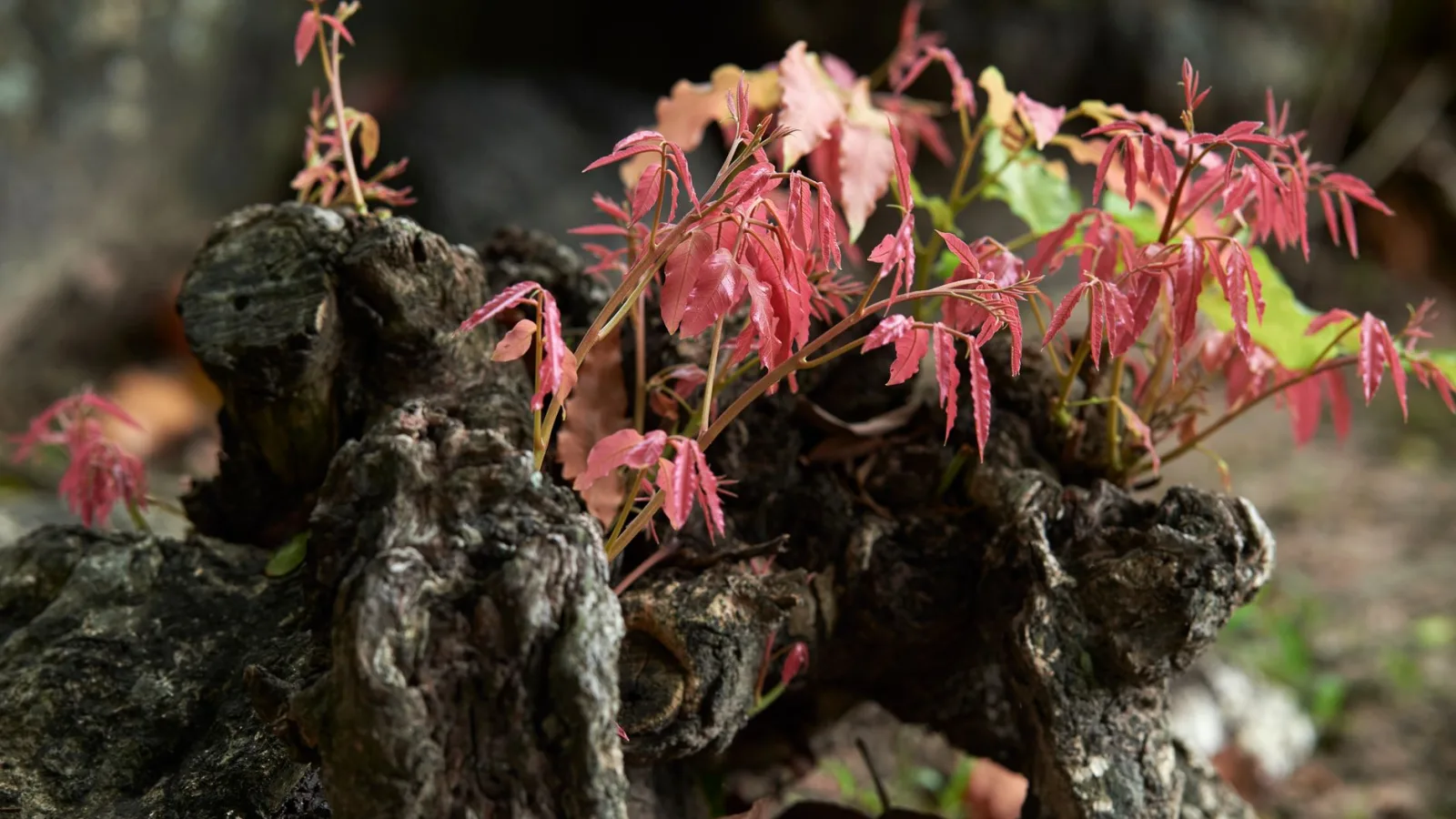
Akebia Splits Open in September: An Old Herbal's "Tongcho" and Today's Nutrition Data
In mid-September, the akebia vine on the fence splits open to reveal soft white pulp studded with black seeds. Here's what a classic Korean herbal recorded about this vine, where modern composition data agrees, and how to grow, pick, and eat it.
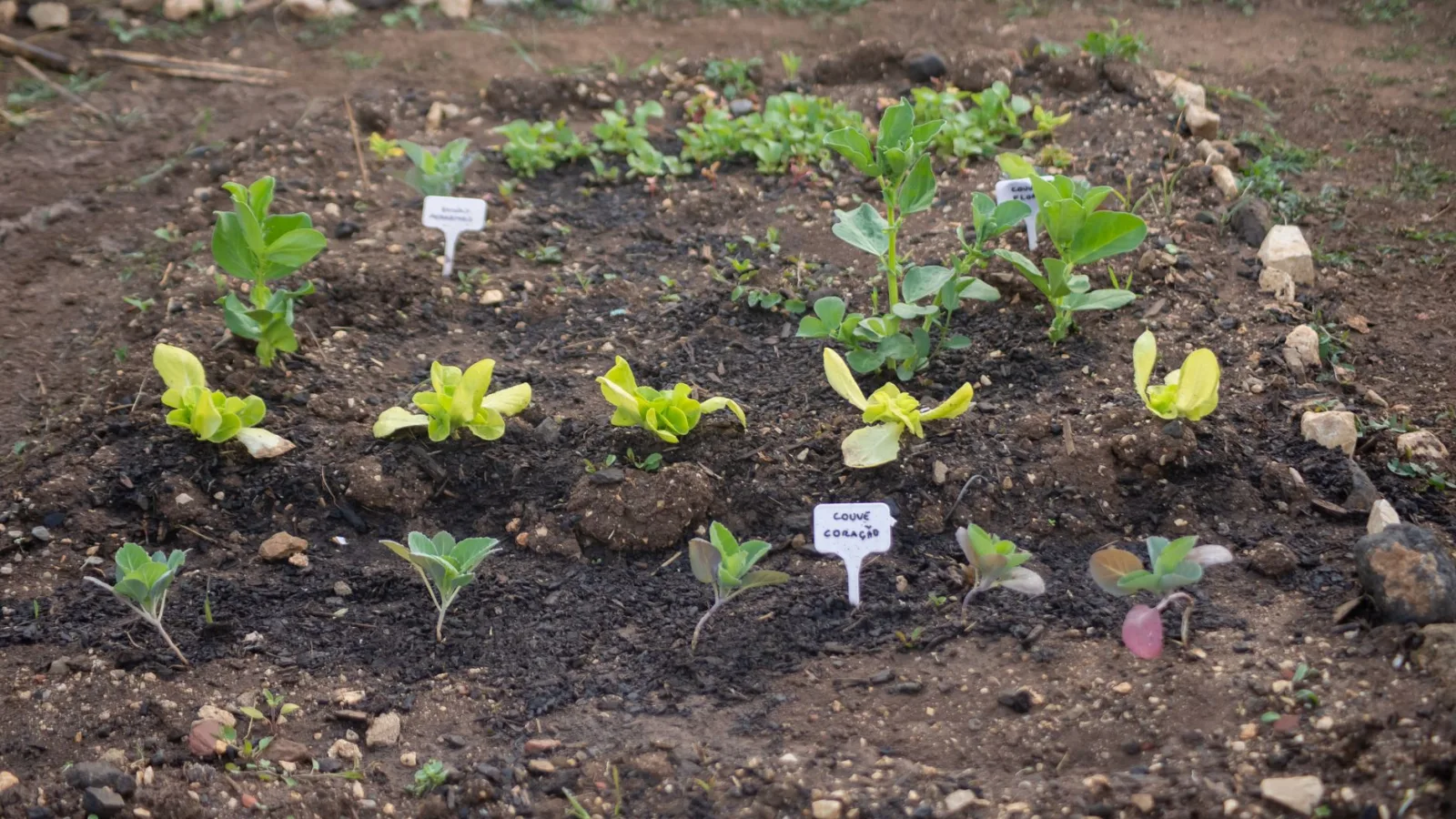
The Cabbage That Never Closes: What Bomdong Does All Winter
Bomdong is Korean spring cabbage sown in autumn and harvested at winter's end, spreading flat rosettes instead of packing a head. The cold is what makes it sweet — and a quick hand in the kitchen is what keeps it that way.
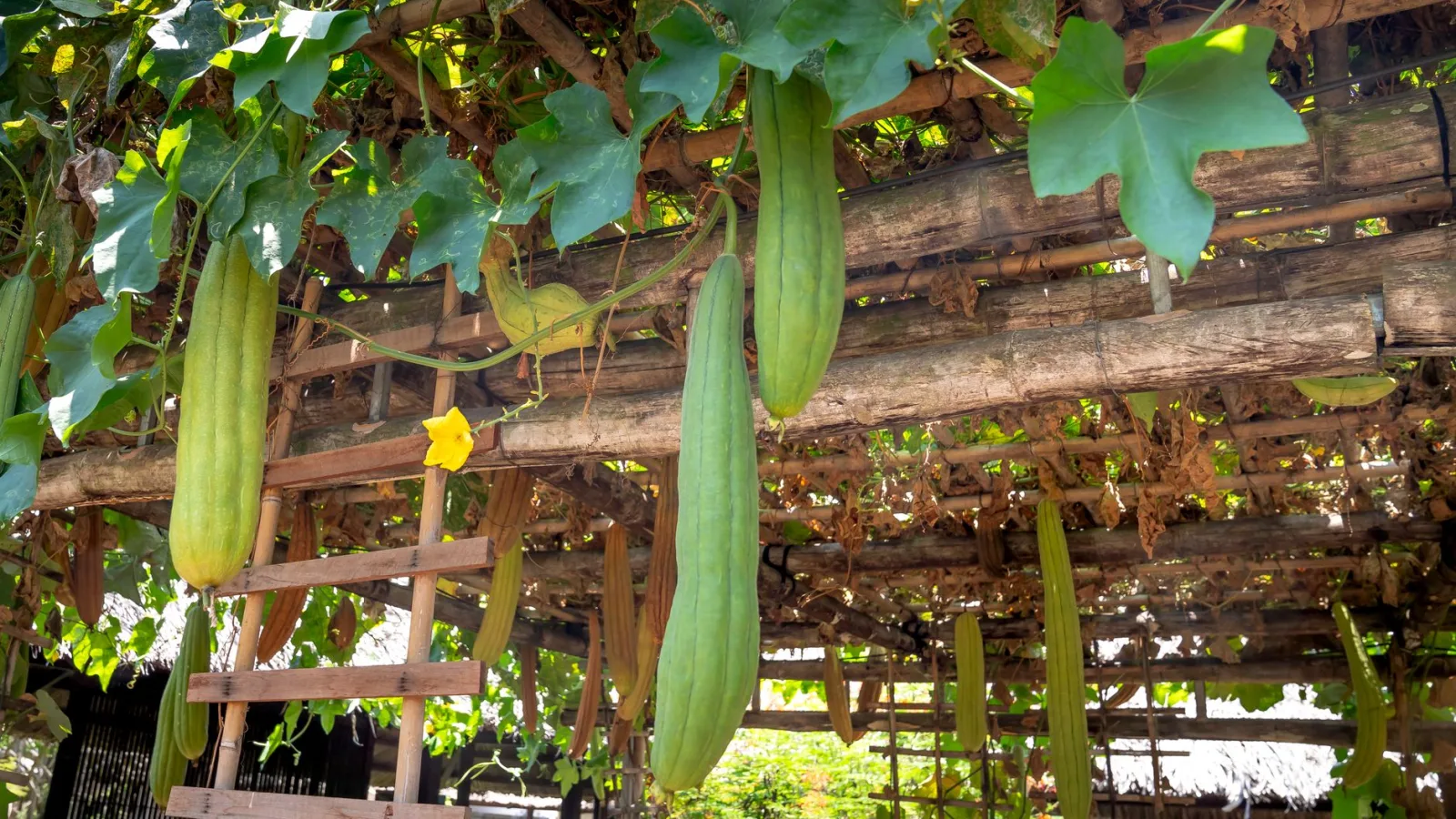
Luffa: How Much of It Can You Actually Eat?
Edible luffa and inedible luffa hang on the same vine, and the difference comes down to bitterness, size, and which parts you leave alone. Here's how to tell them apart before you cook.
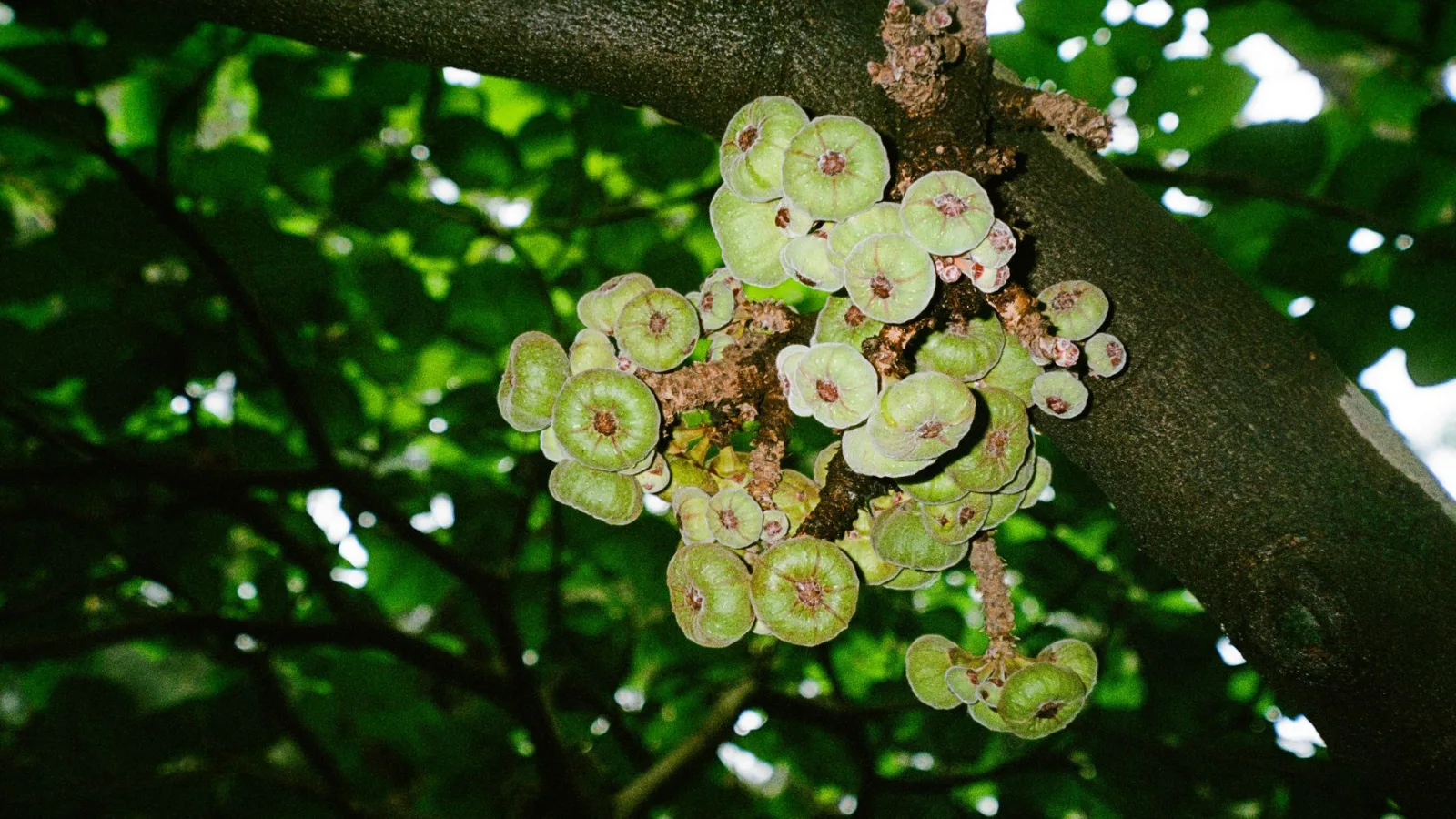
Where Does the Fox Nut in That Bag Come From?
Prickly water lily seeds — makhana, or fox nuts — turn up in snack aisles everywhere, but the wild plant is a protected species in Korea. Here's why the bag on the shelf and the pond you shouldn't harvest from are two different things.
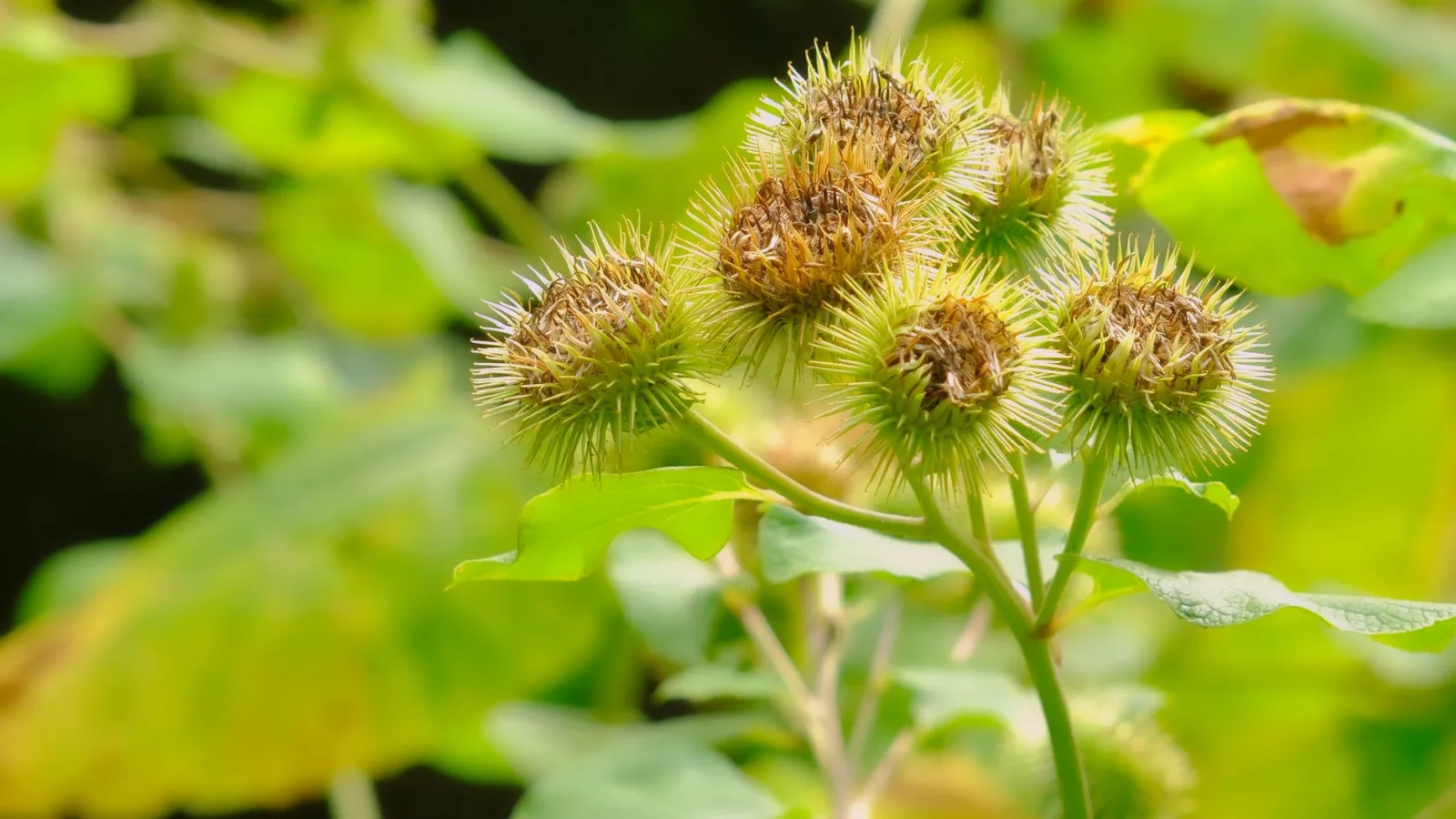
Thistle: Daegye in the *Donguibogam*, and the Young Leaves You Pick in Spring
The *Donguibogam* listed thistle as daegye, told gardeners to take leaves and roots in different months, and separated it from its smaller cousin by leaf and height. Modern chemistry points to pectolinarin — and to the bitterness that still shapes how Koreans cook the young spring leaves.
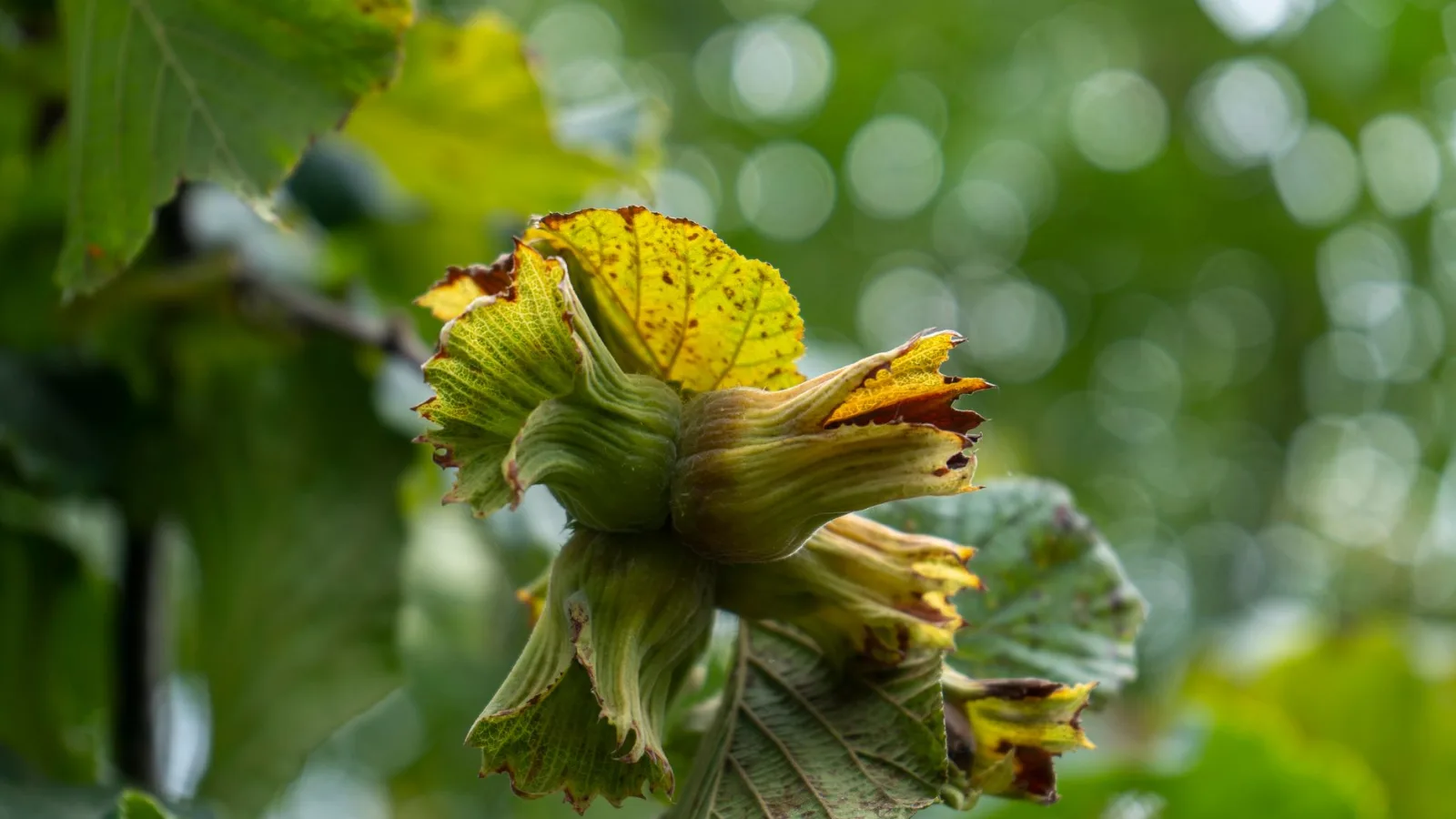
One Hazelnut: What the Donguibogam Recorded, and How We Eat It Today
Korea's seventeenth-century medical compendium gives the hazelnut only a few lines: where it grows, when to gather it, how to eat it. Set that entry beside today's nutrition data and you'll find they agree on the method and part ways on the amount.
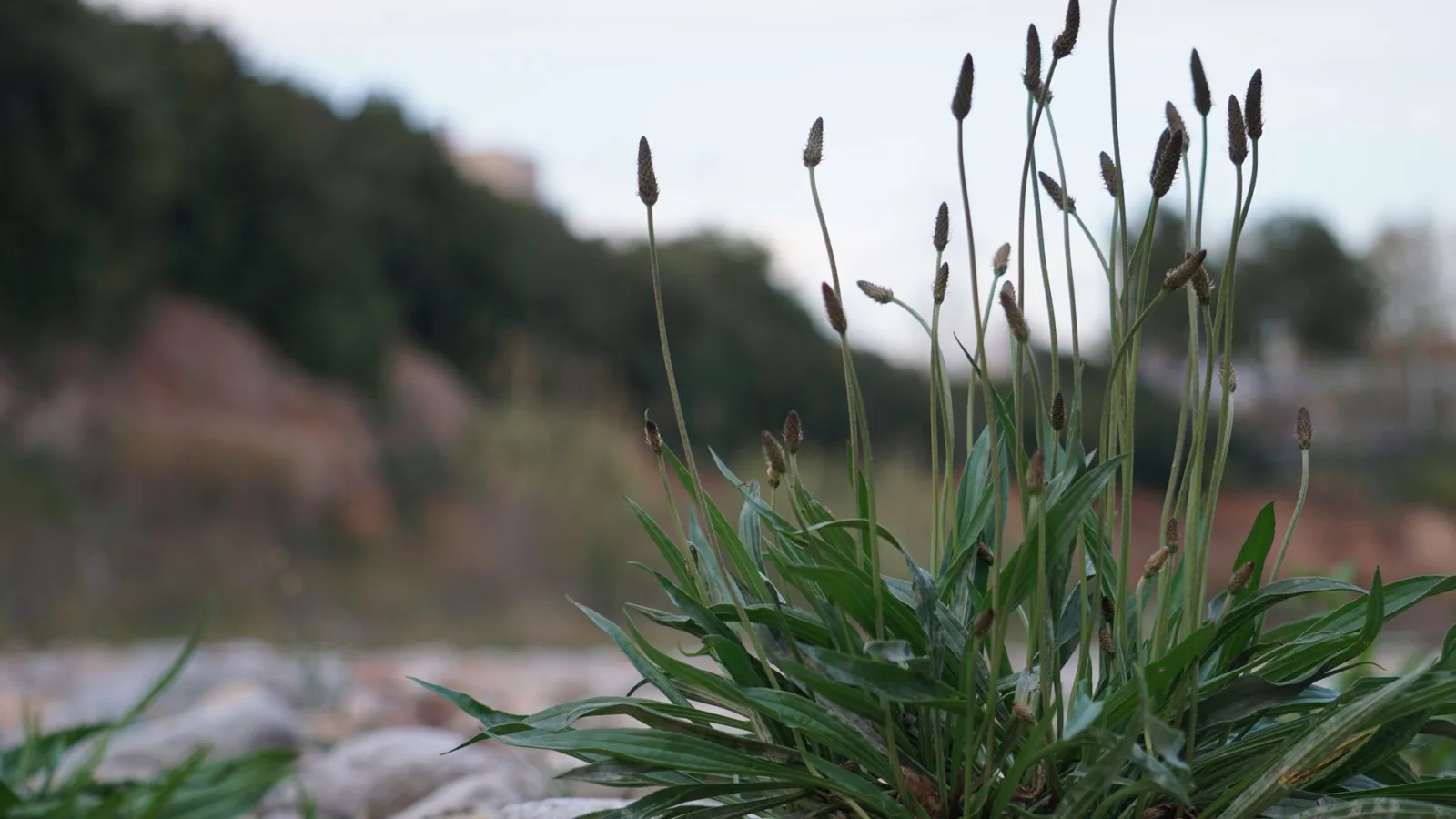
The Plant Recorded as 車前子: Sowing Plantain in September
Plantain (Plantago asiatica) is the weed you pull when you turn the beds and hunt for again come spring. September is the time to sow it — and a good moment to set a 17th-century Korean medical record beside what modern analysis actually finds in the leaves.
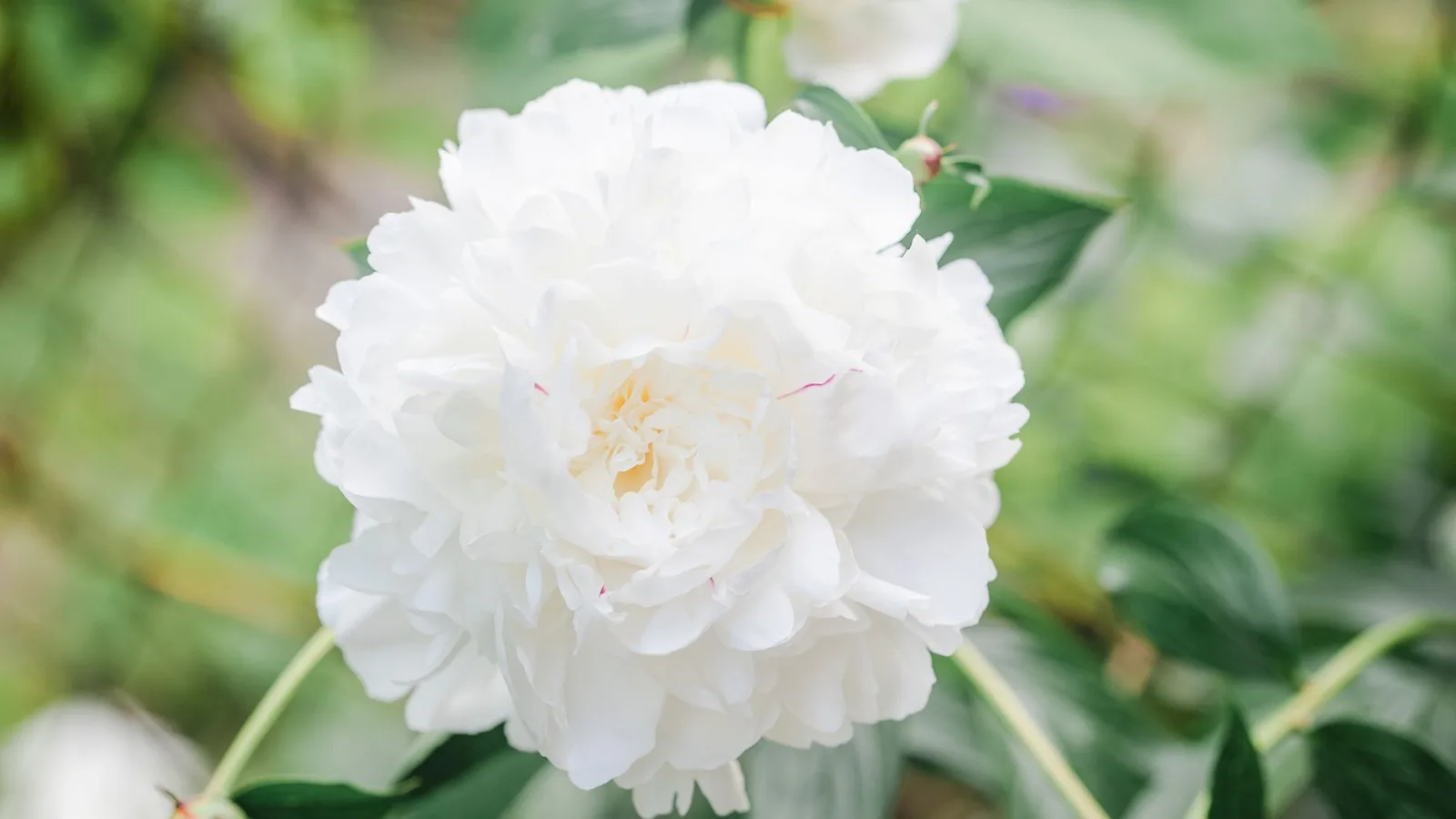
September Peonies: The Root the Old Medical Texts Wrote Down
The peony in your border and the root handled as a medicinal ingredient are the same plant, and September is the season for both planting and digging. A 1613 Korean medical text and a modern pharmacopoeial standard agree on one thing — look at the root — and disagree on almost everything else.
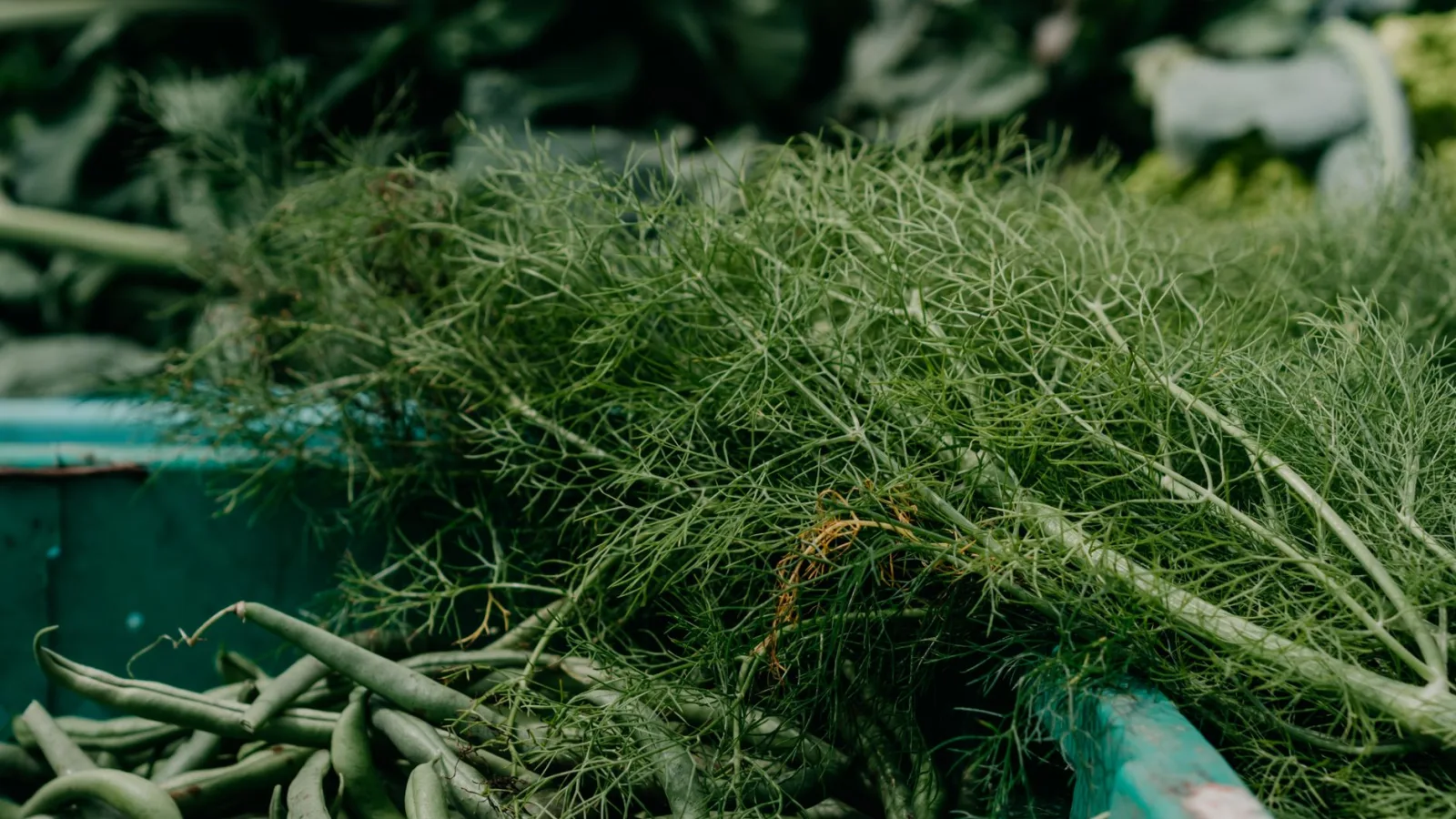
Fennel in the *Dongui Bogam*: The Season Its Seeds Ripen in Your Garden
Late August is when garden fennel finishes flowering and starts setting seed. We compare what Korea's *Dongui Bogam* recorded about the plant with what chemists find in its essential oil today — and close with three ways to use the leaves and seeds.
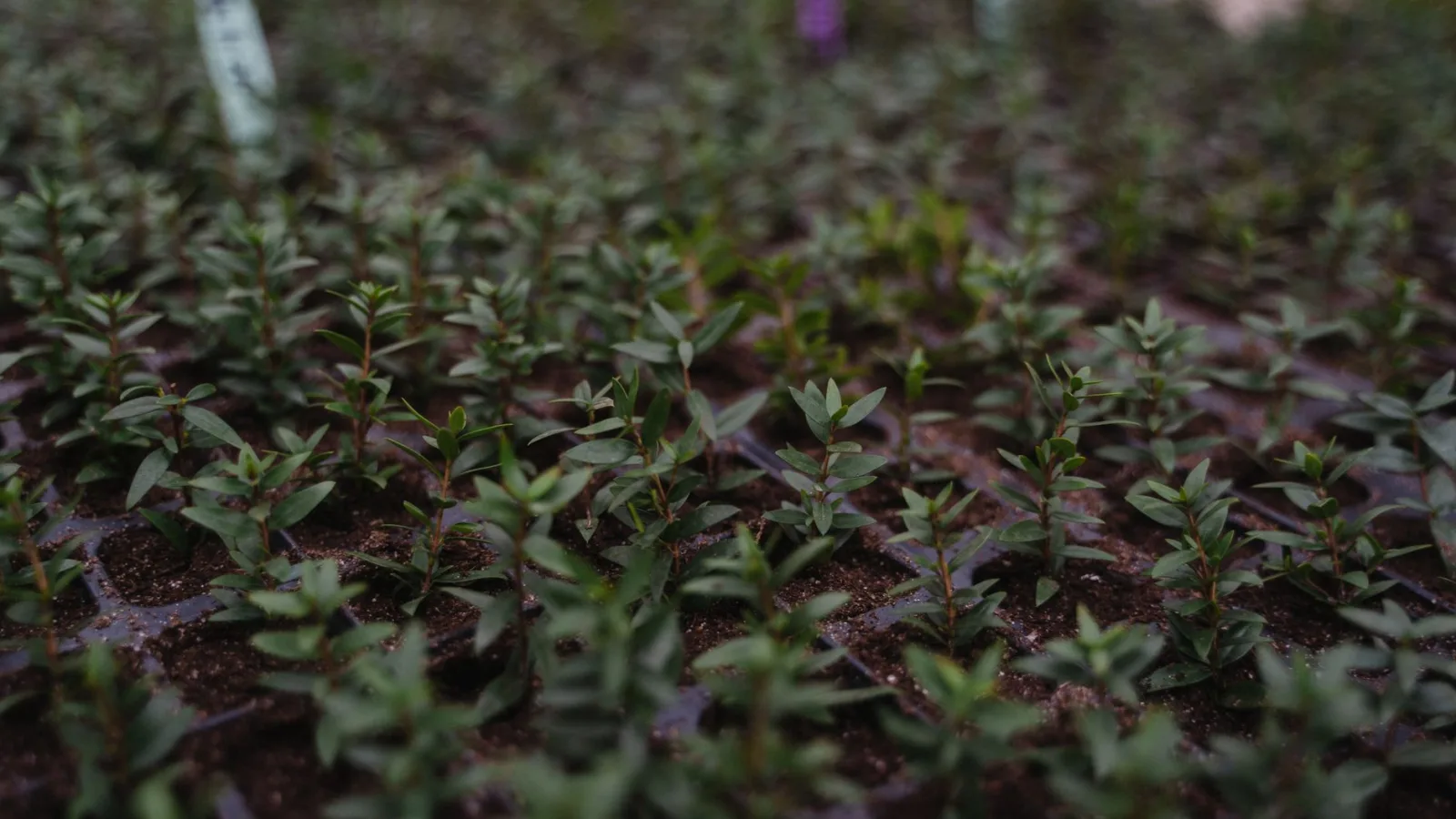
Sowing Cow Parsley in the Autumn Beds: The Old Record and the Living Plant, Side by Side
Cow parsley — jeonho in Korean — goes into the ground in September and comes back as one of the first greens of early spring. Its name matches an entry in Korea's old medical canon, but the plant doesn't, and it's worth knowing where the two lines cross and where they don't.
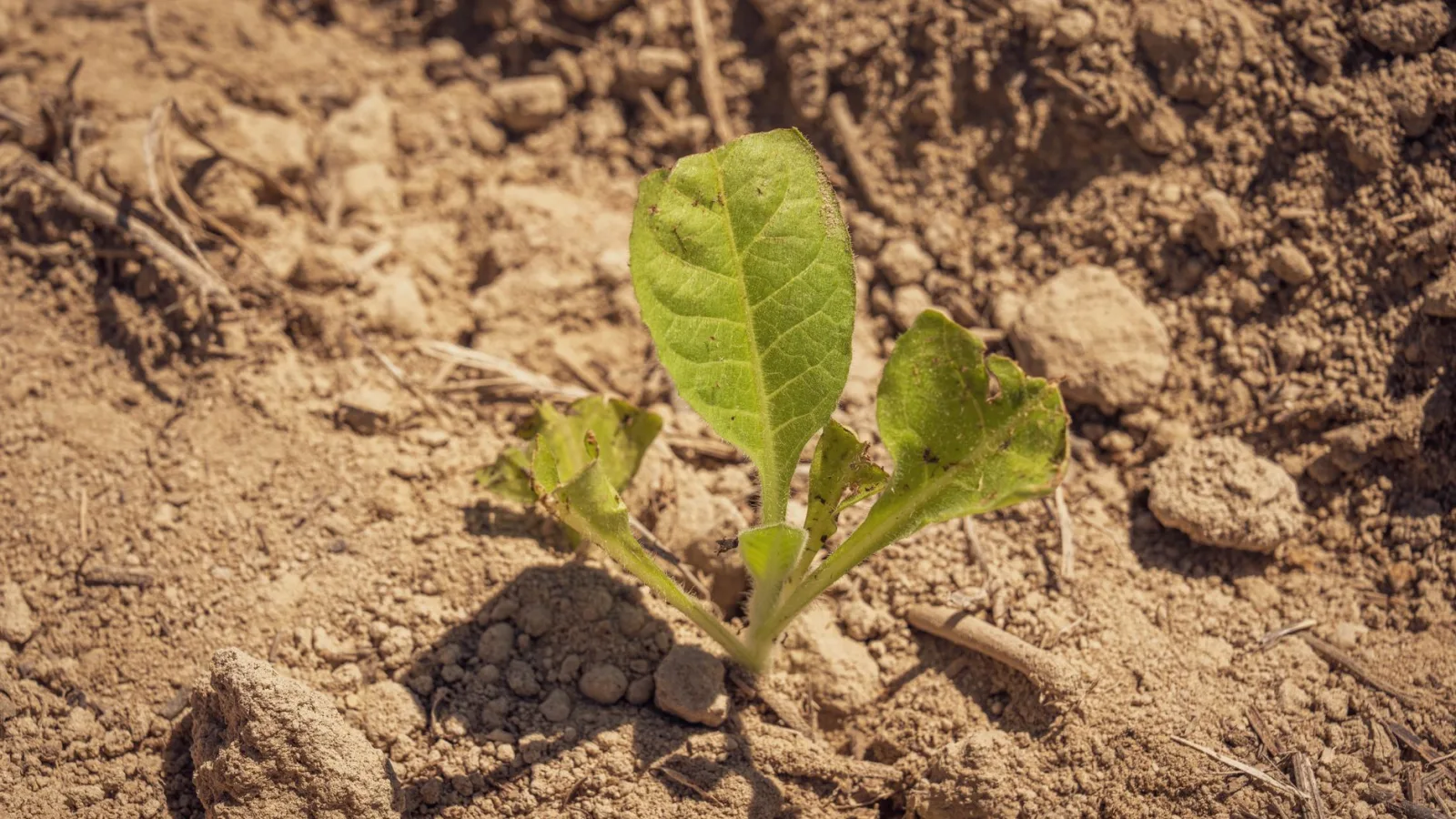
Curly Dock: The Part You Eat Is the Young Leaf
Curly dock is a hardy perennial green you sow in fall and harvest the next spring, when nothing else in the garden has woken up yet. The whole method comes down to two things: take only the young leaves, and always start with a pot of boiling water.
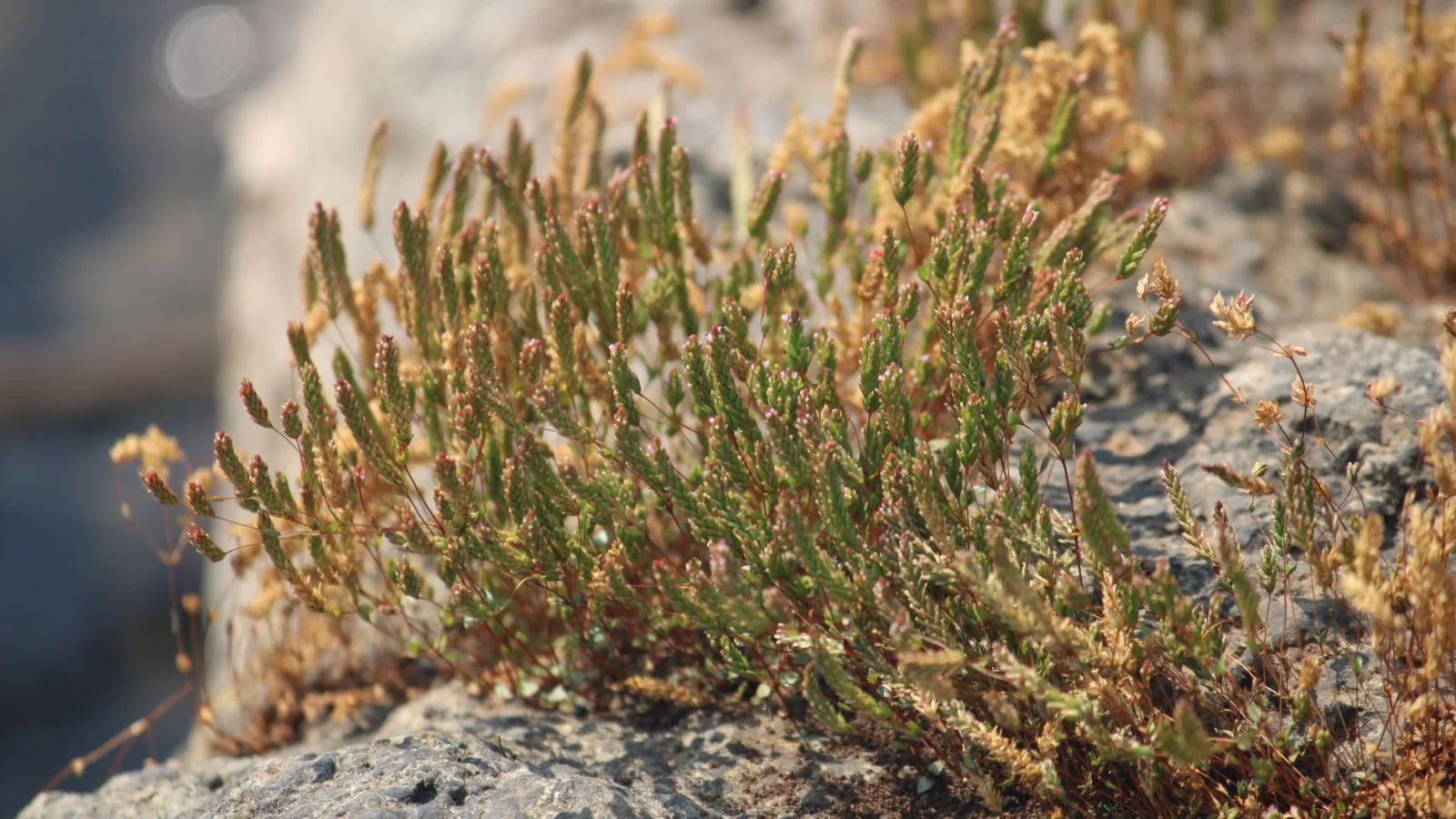
Jersey Cudweed: A Wild Green You Sow in Fall and Eat in Spring
Jersey cudweed (tteoksuk) is a soft, wool-covered biennial that sprouts in fall, winters over flat against the ground, and offers up tender shoots in April and May. Here's how to sow it now, how to tell it from mugwort, and what to do with it come spring.
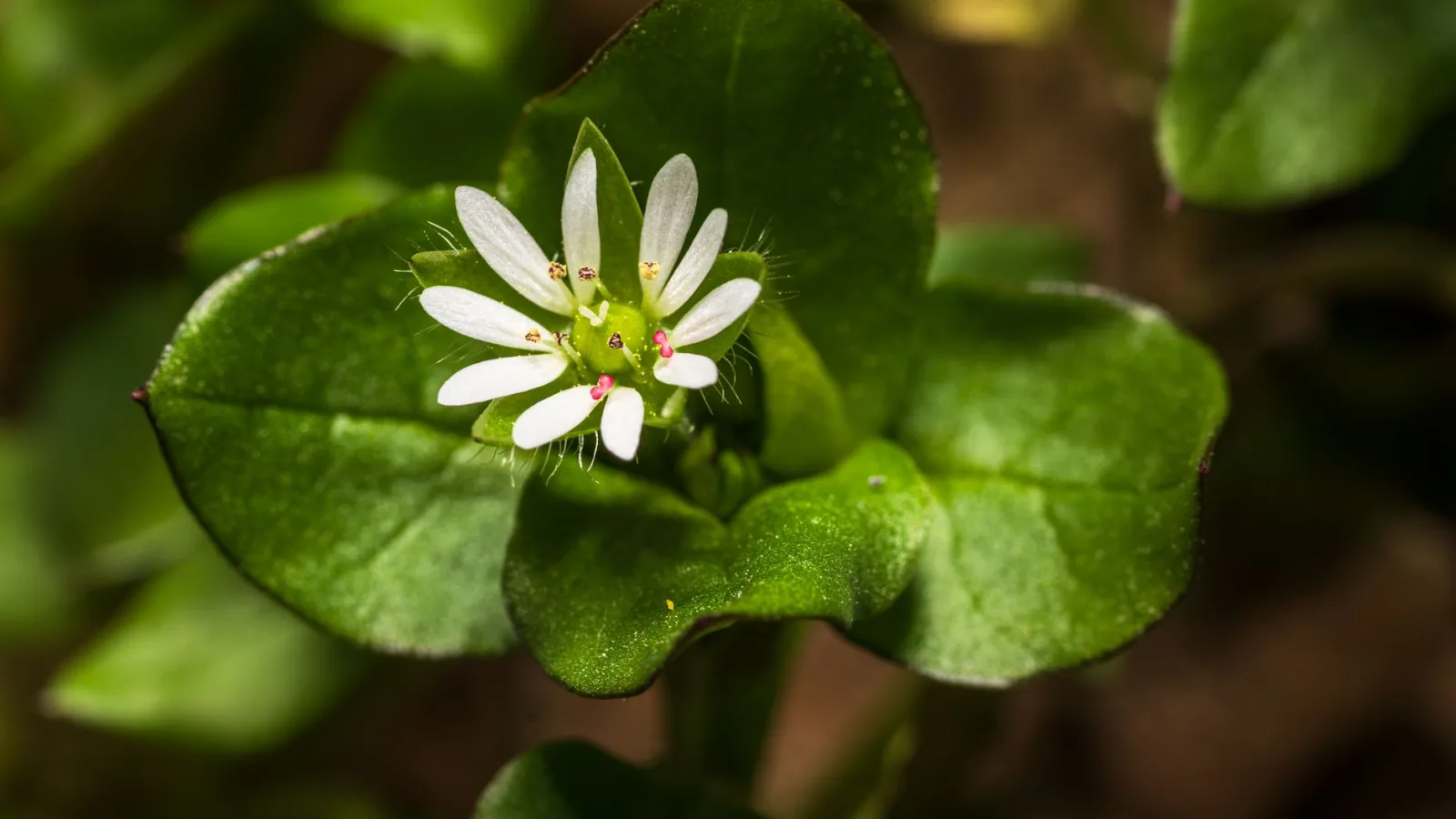
Chickweed: An Old Medical Text's Name for It, and Spring's First Green in Today's Garden
The low, sprawling weed you scrape out of September beds is chickweed — listed in the 17th-century Dongui Bogam as beollu, "chicken-intestine herb." A look at what the old text recorded, what modern analyses actually say, and how to grow, gather, and cook it.
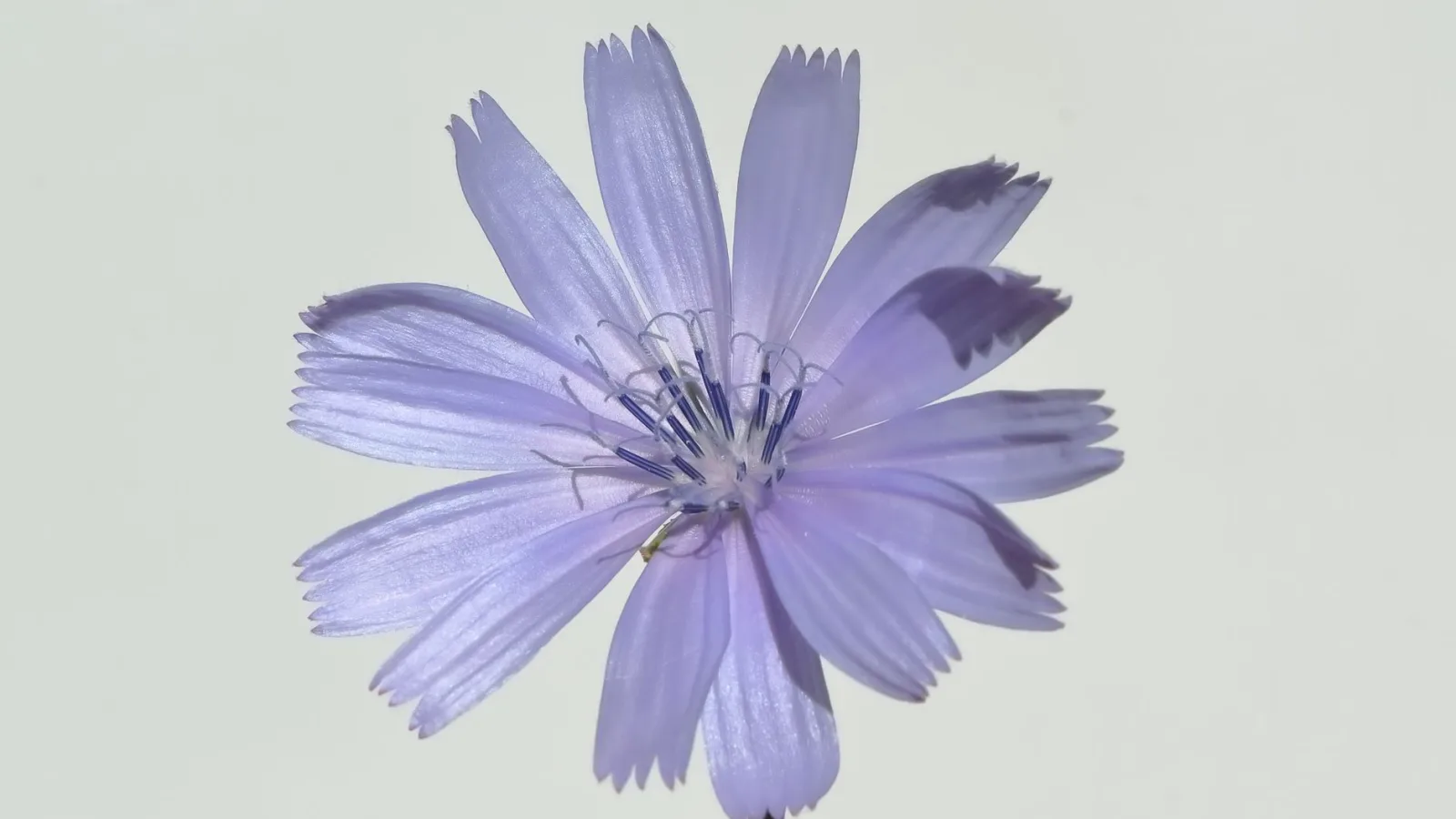
Why Chicory Tastes Bitter — and the Ten Days That Soften It
Chicory's bitterness comes from lactucopicrin and lactucin — a flavor question, not a health one, and one you can settle out in the garden bed. Block the light for the last ten days before harvest and the leaves come up pale and mild.
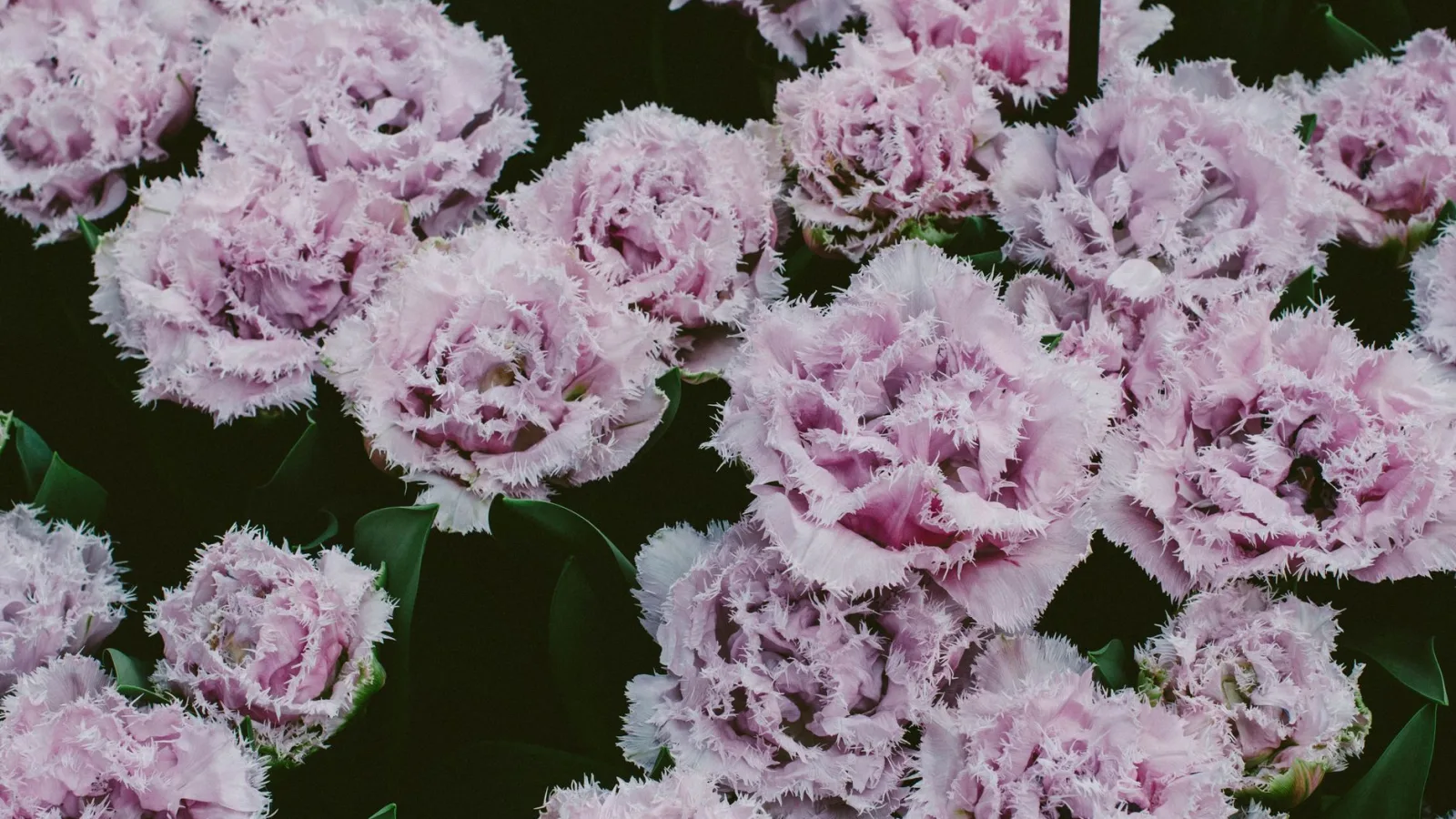
The Flower They Called Gumaek — China Pink in the Old Records and in Today's Garden
Korea's seventeenth-century Donguibogam listed China pink as gumaek and told readers to dry its seeds and leaves in the shade after early August. Modern analysis names the saponins and the anthocyanins — and stops there, which is why this flower belongs in a salad rather than a remedy.
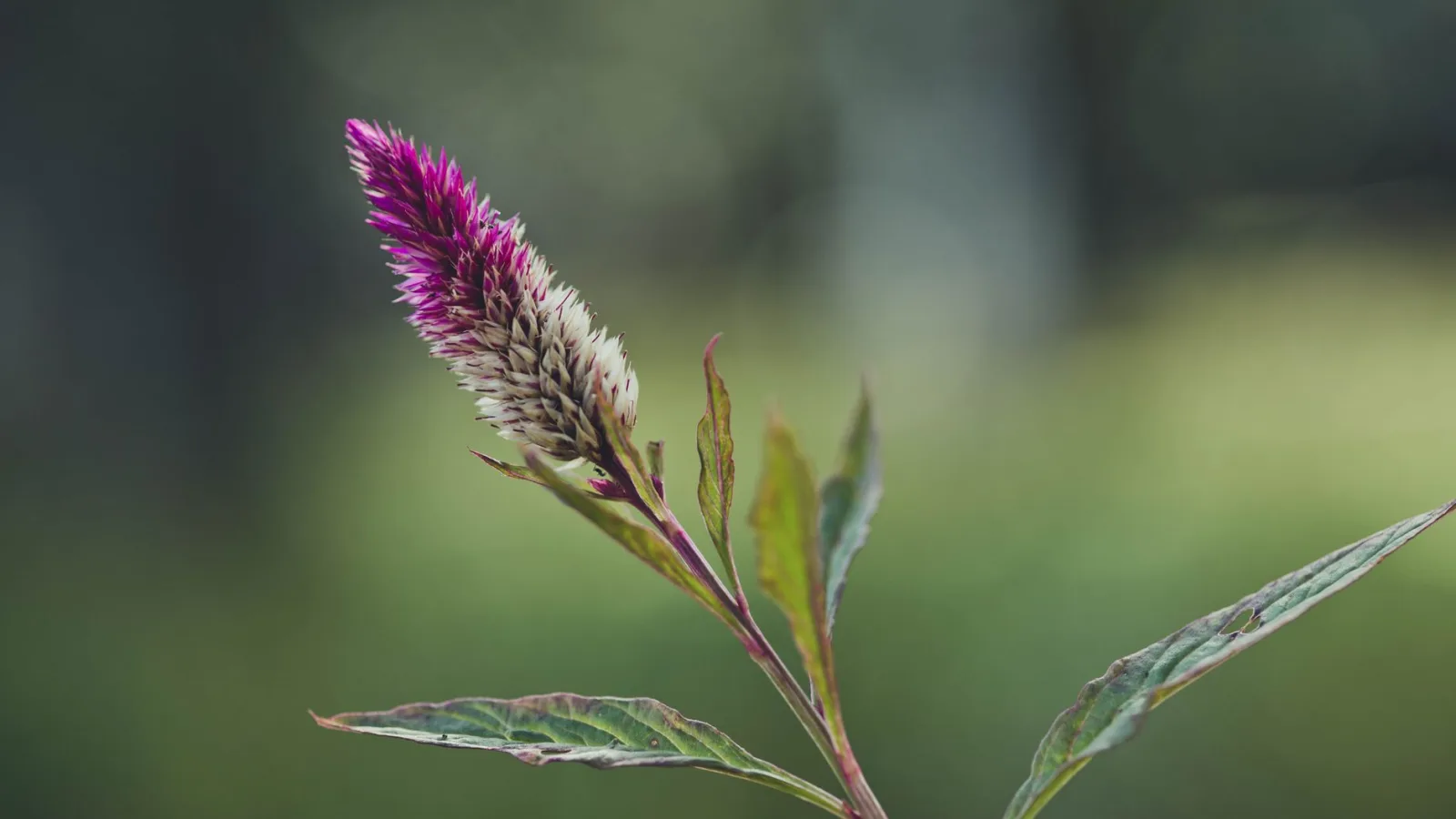
Silver Cockscomb: A Handful of Blanched Leaves, a Pinch of Toasted Seed
Silver cockscomb shrugs off midsummer heat and drought, keeping its lower leaves tender well into August. Blanch a handful for a namul side dish now, and leave the flower stalks standing for black seed in September.
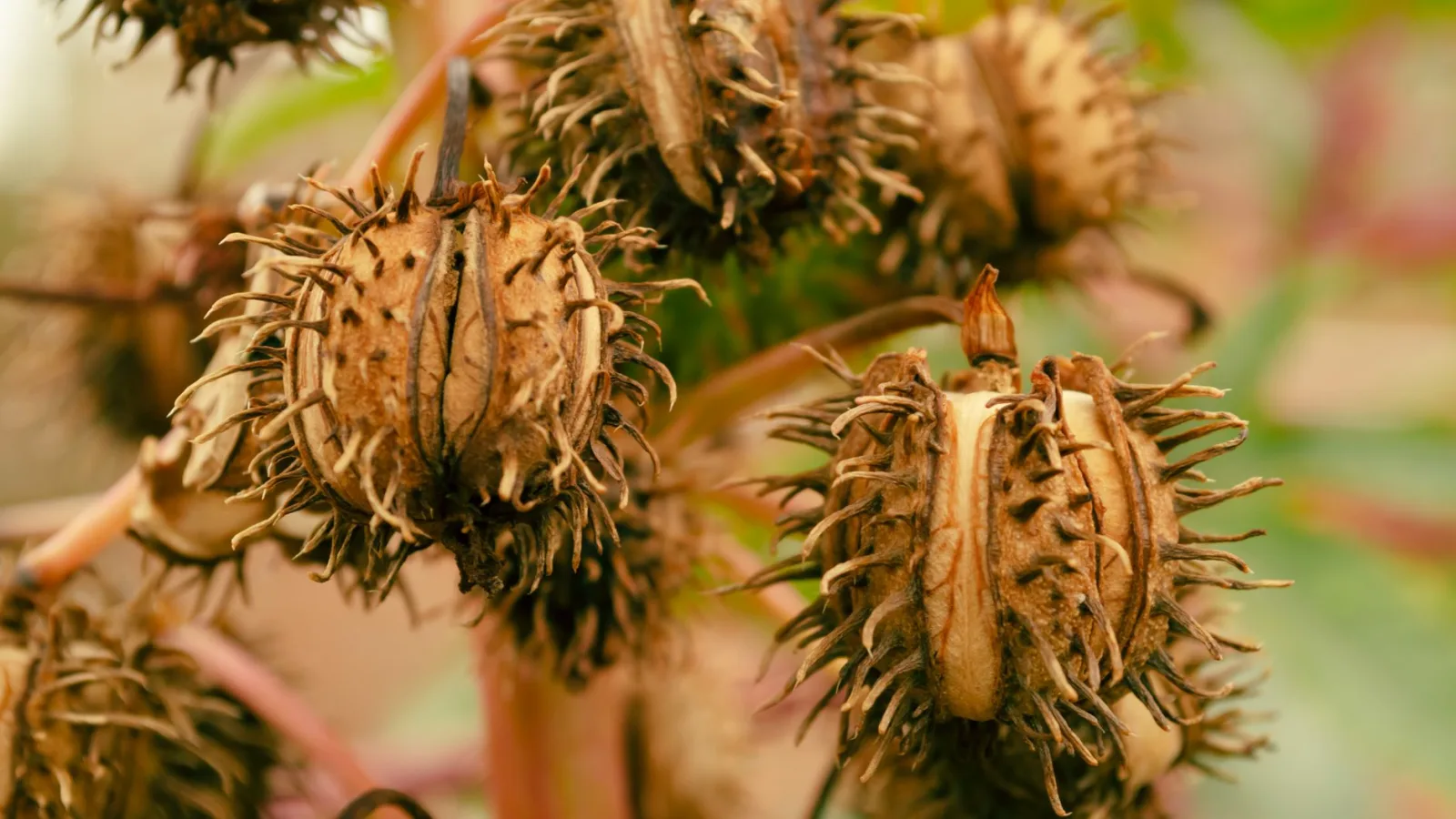
Castor Bean: Leave the Seeds, Take the Leaves — Bimaja in the *Dongui Bogam* and Today's Kitchen
Late summer is castor leaf season: the tender leaves can be blanched, rinsed, and dried for a winter's worth of namul. The seeds are a different story entirely — they never come into the kitchen.
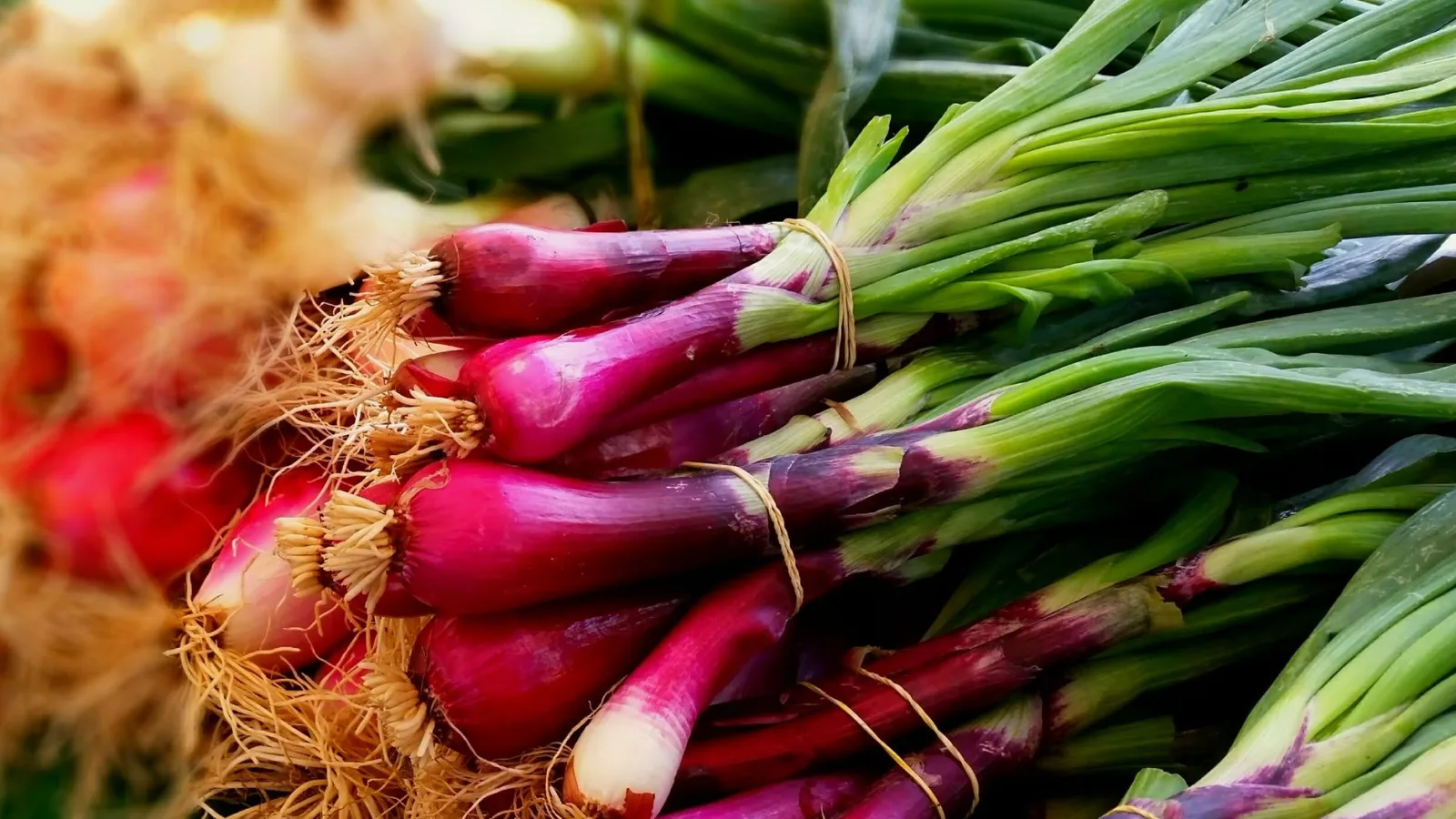
Rakkyo: What Two or Three Pickled Bulbs Do in the Body
Rakkyo (yeomgyo) is the tart little pickle served beside sushi and Japanese curry — and a nearly hands-off perennial you plant in late summer and dig the following June. Here's how to grow it, why it tastes the way it does, and what the research on its fructans and saponins does and doesn't show.
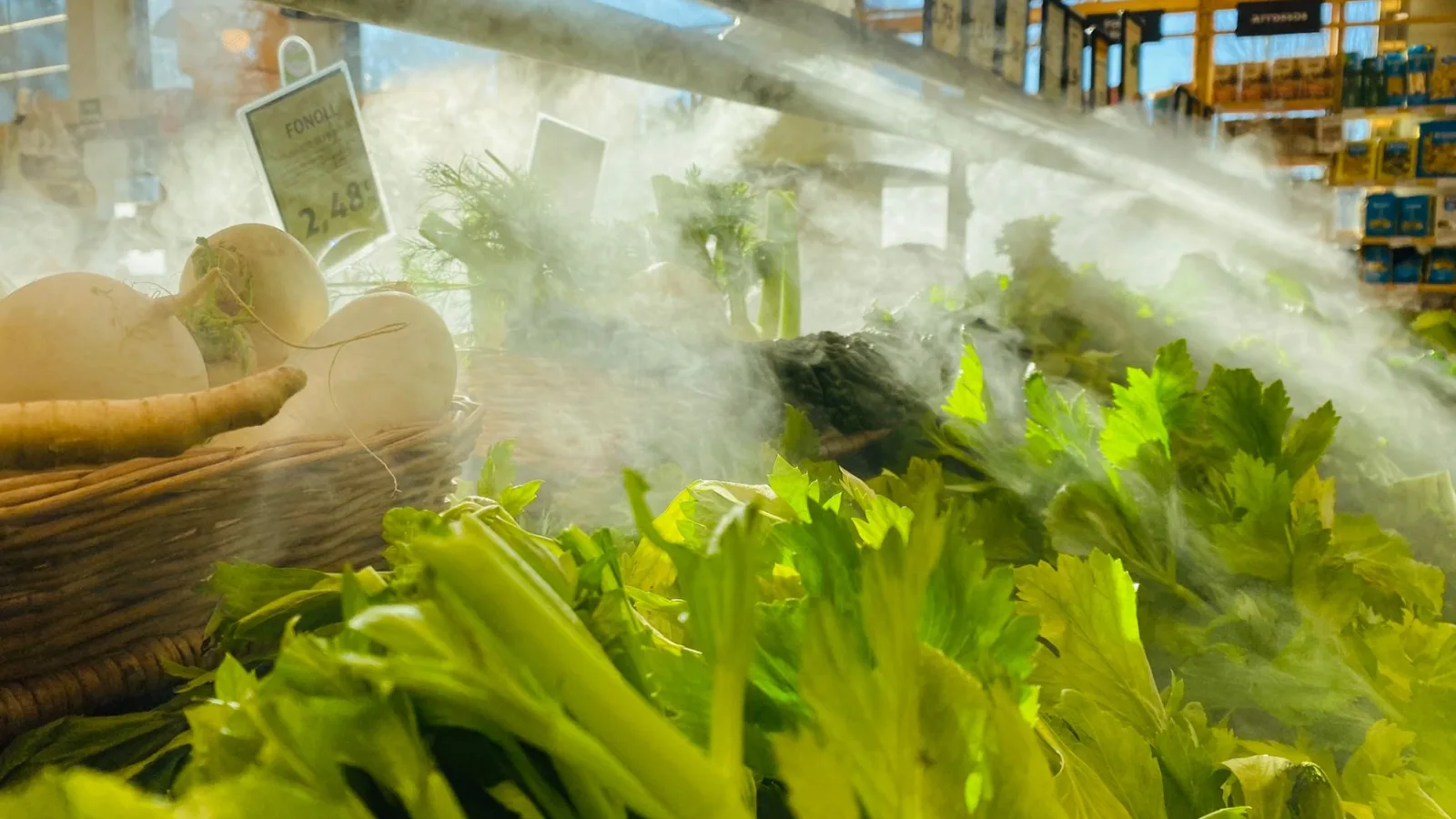
Celery: Potassium in the Stalks, Flavonoids in the Leaves
Celery goes in the ground in late summer and thickens as the weather cools, but it fails in two directions: heat makes it stringy, and a cold snap makes seedlings bolt. Here's how to grow it, why the leaves are worth keeping, and what the research on celery actually covers.
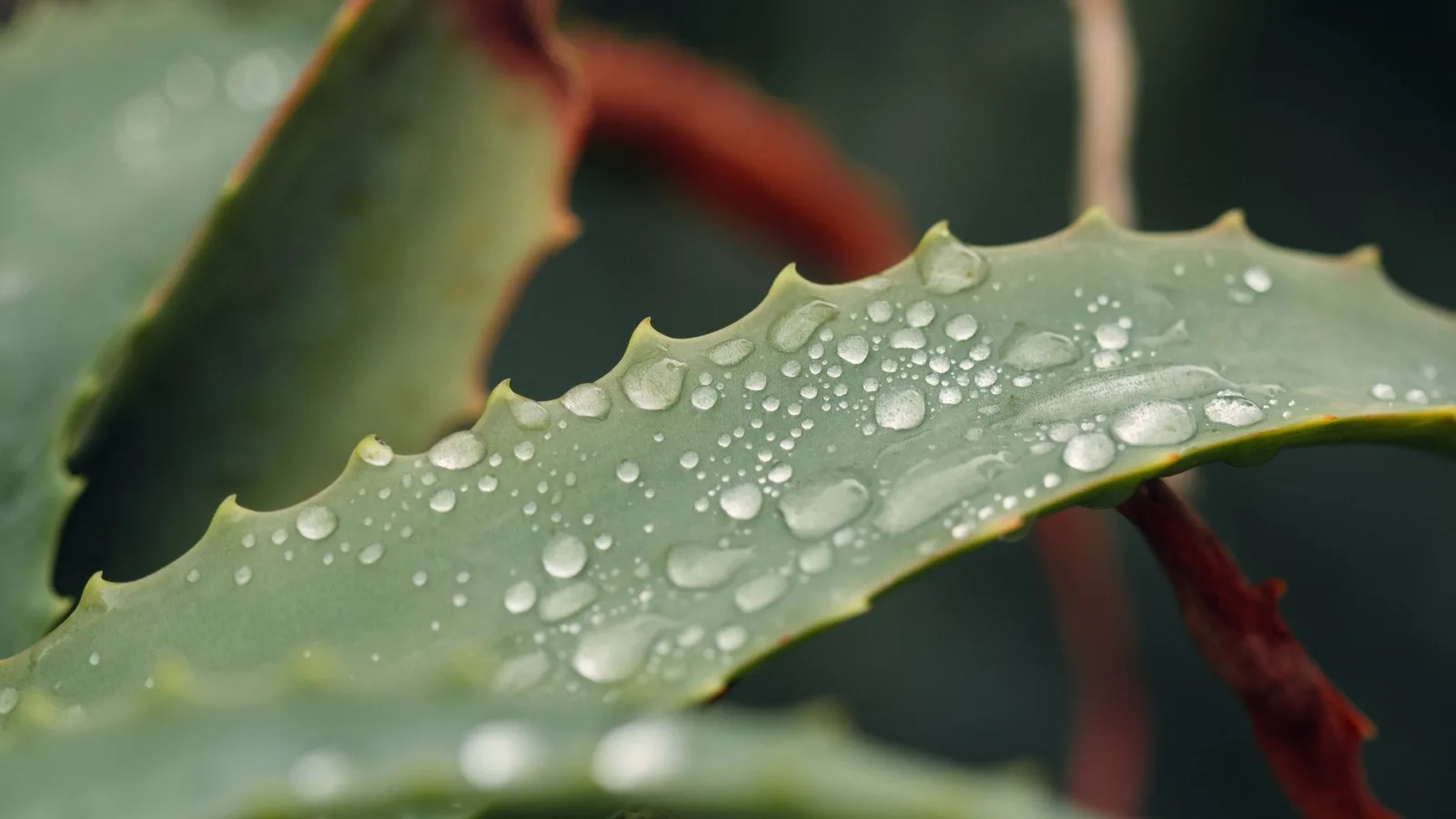
One Aloe Leaf: The Part You Eat, and the Part You Rinse Away
August is peak leaf-harvest season for potted aloe, and a single leaf holds two very different things: the clear gel inside and the bitter yellow sap just under the skin. Here's how to tell them apart, rinse one away, and eat the other.
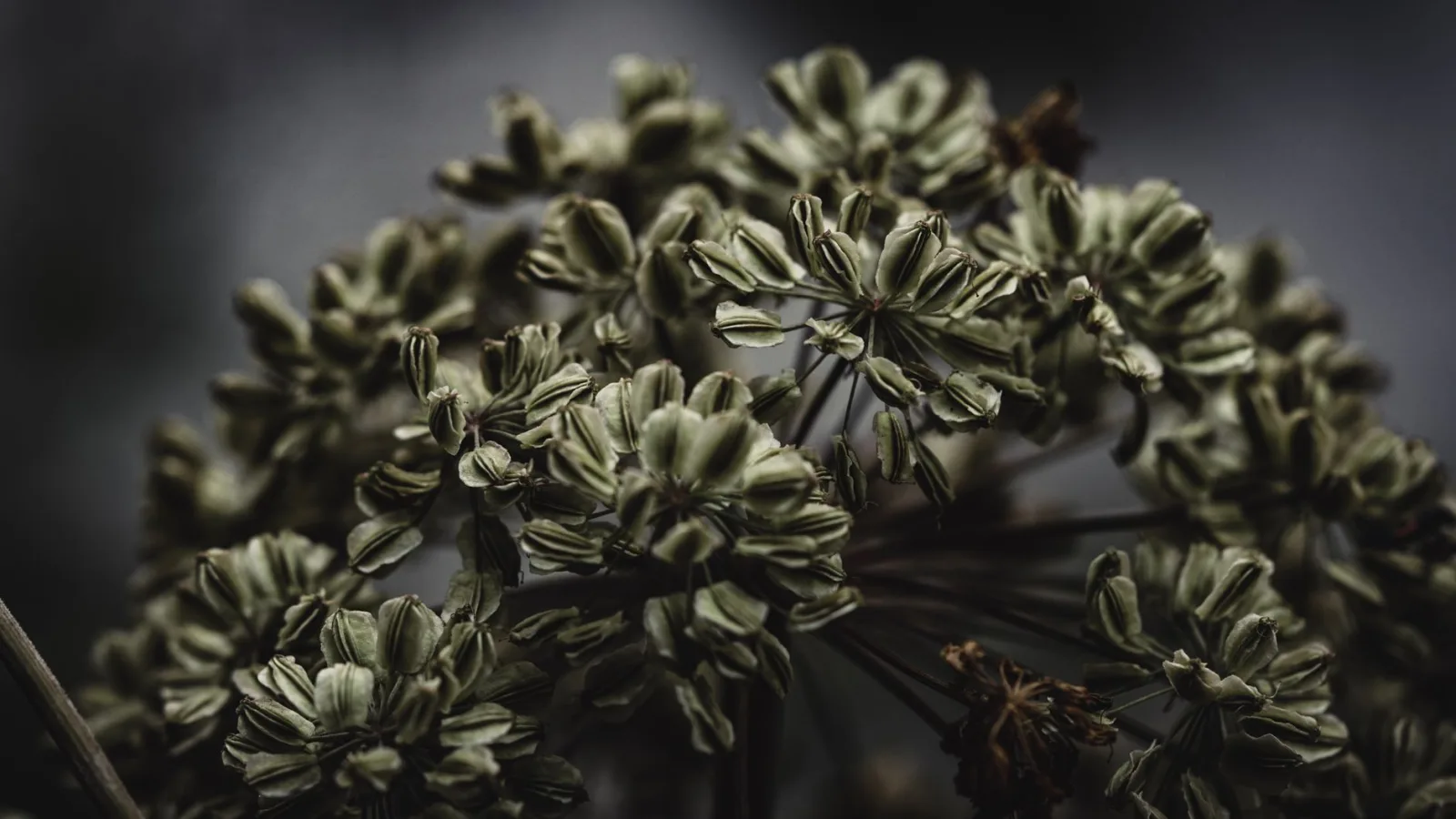
Korean Angelica: The Root the Old Medical Texts Describe, and the Wrap Leaves We Pick Today
August is the last month to pick Korean angelica leaves, but the root's season is only beginning. A 17th-century Korean medical text and a modern lab report describe the same plant — and the places where they diverge matter more than the places where they agree.
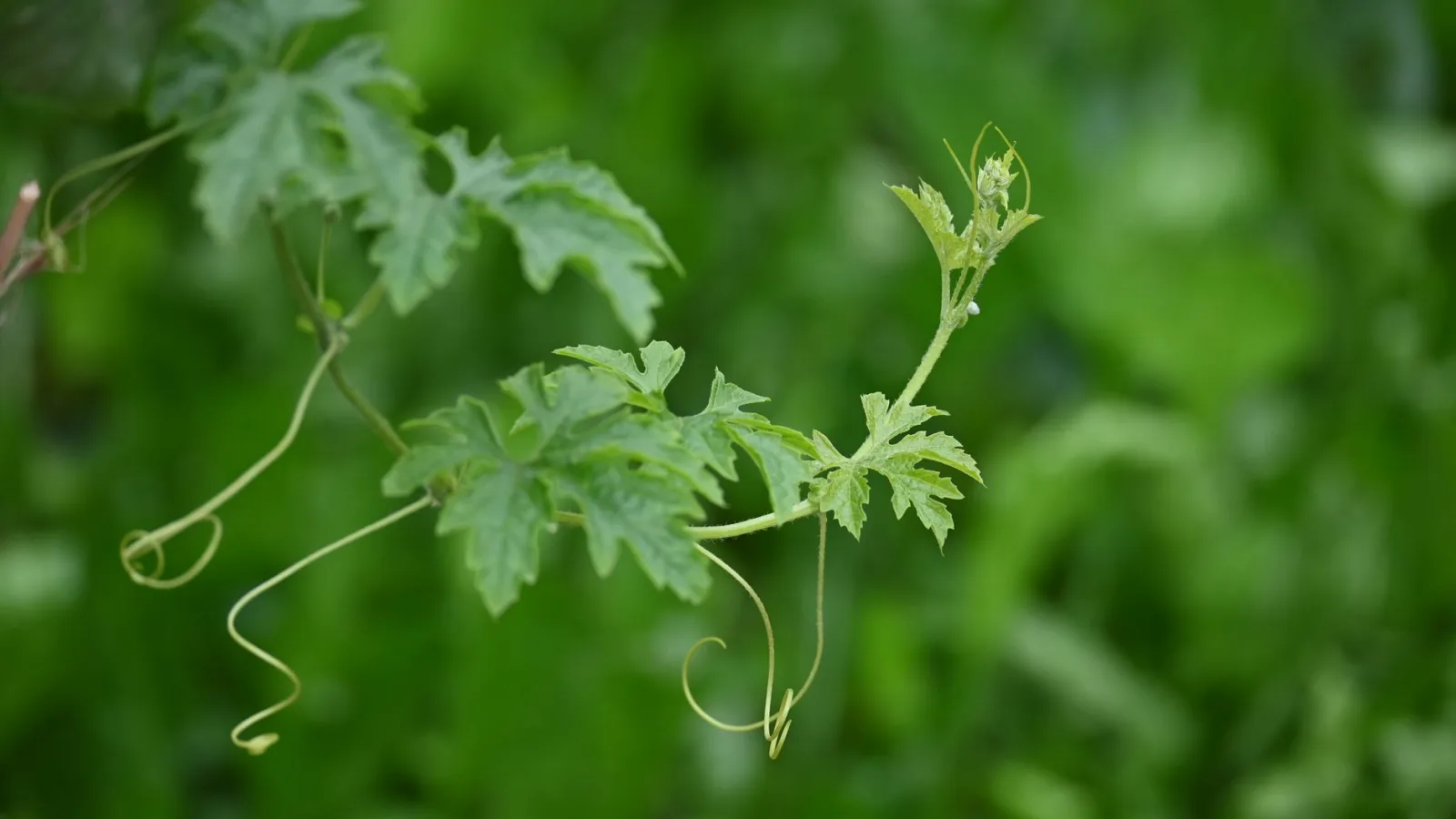
If Blood Sugar Is Why You Came to Bitter Melon
Bitter melon's blood-sugar reputation rests on lab-isolated compounds and supplement trials, not on a plate of stir-fried slices. Here's what the research does and doesn't say, plus how to tame the bitterness and which seeds to leave out.
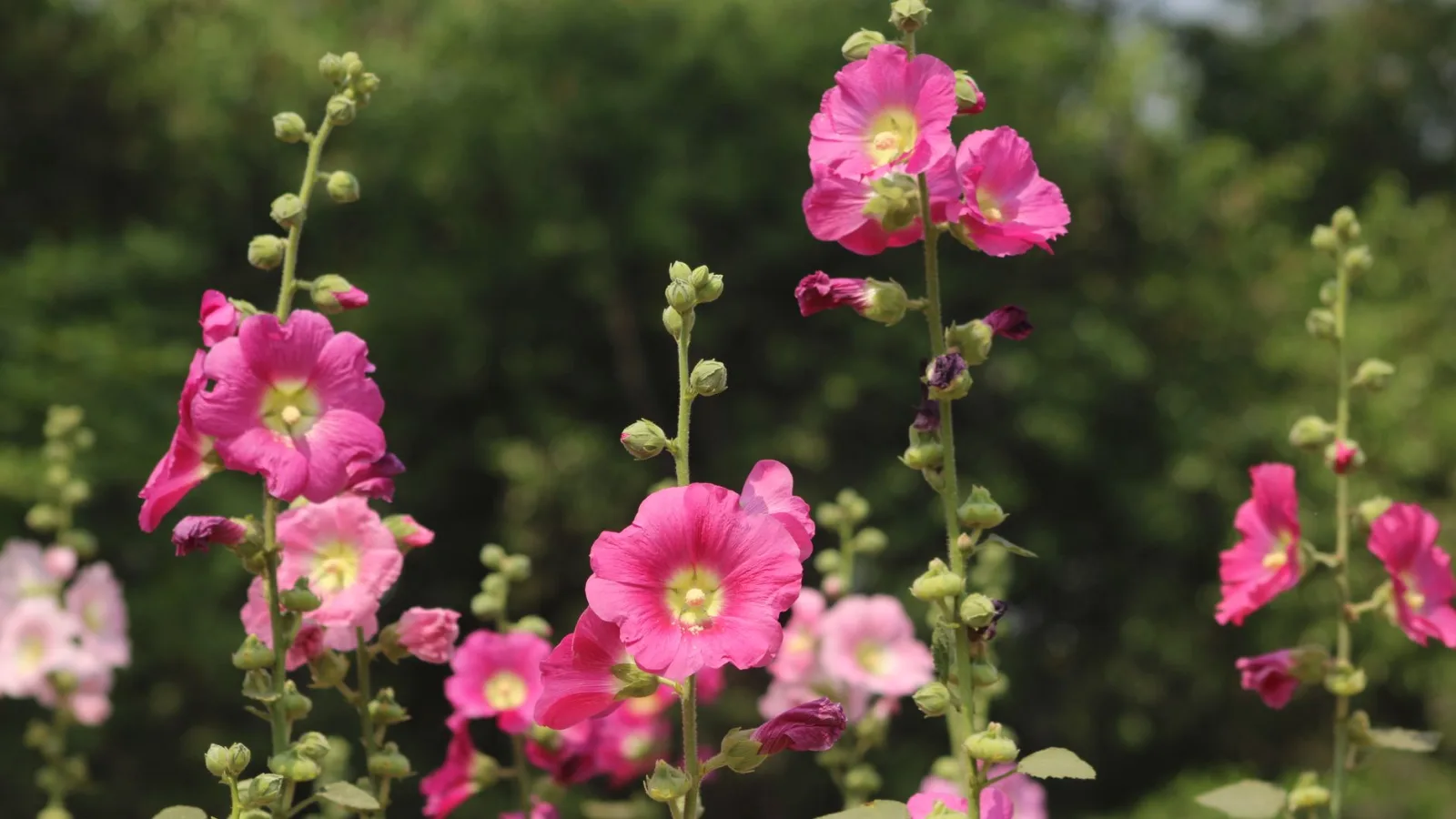
The Hollyhock the Old Books Called Hongchokgyu — Between an Ancient Record and a Modern Analysis
A 400-year-old Korean medical text listed hollyhock as *hongchokgyu*, noting its resemblance to curled mallow — a family tie that modern analysis confirms. Here's where the old record and today's science overlap, where they part ways, and how to collect August seed for next summer's bloom.
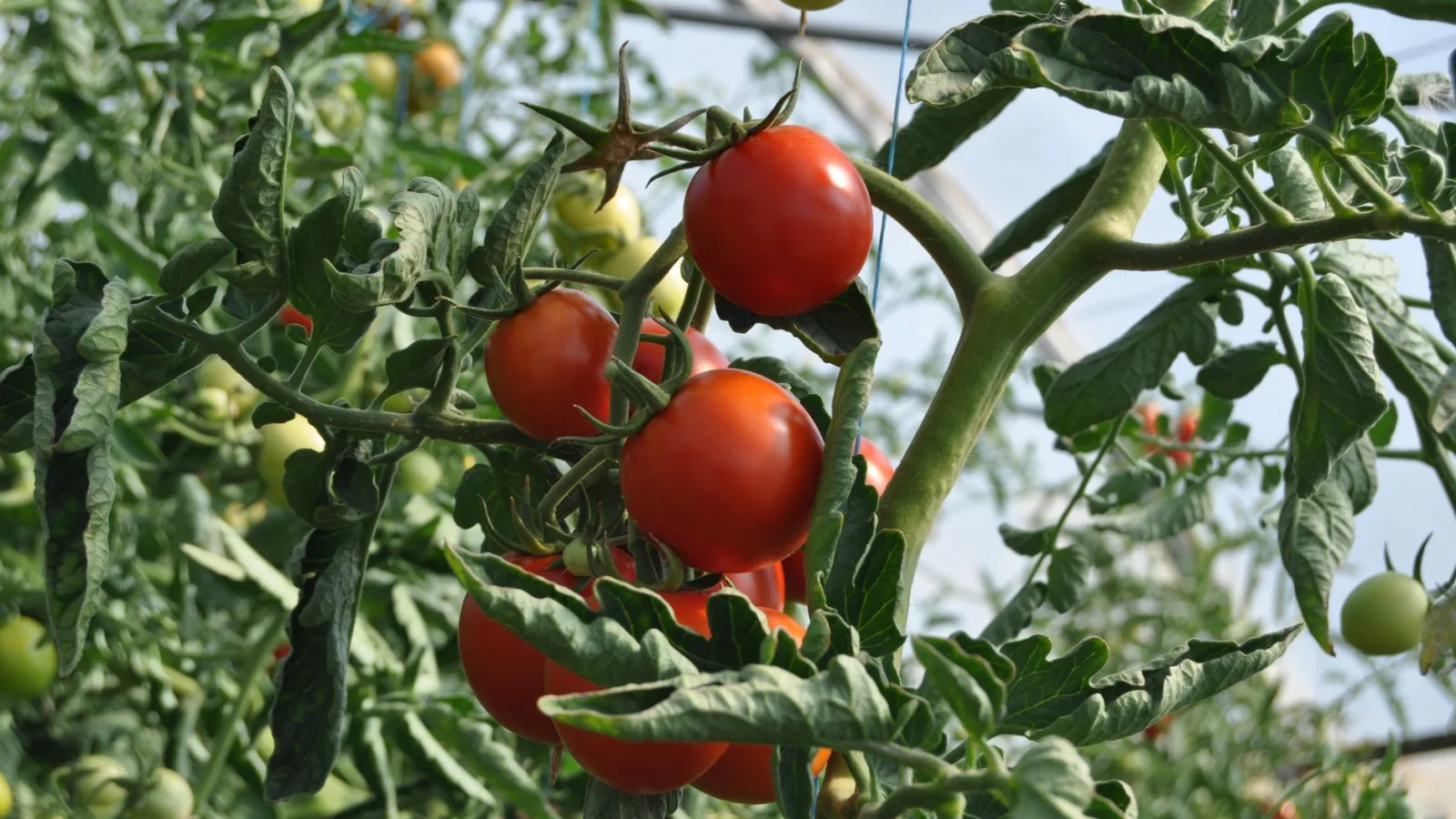
When Your Tomato Seeds Won't Come Up, Check the Soil pH First
Tomato seeds stall out when soil pH drifts too far in either direction, and the damage shows up inside the seed as surging reactive oxygen and falling auxin. Here's what the research found, plus how to test and correct your mix before the next sowing.
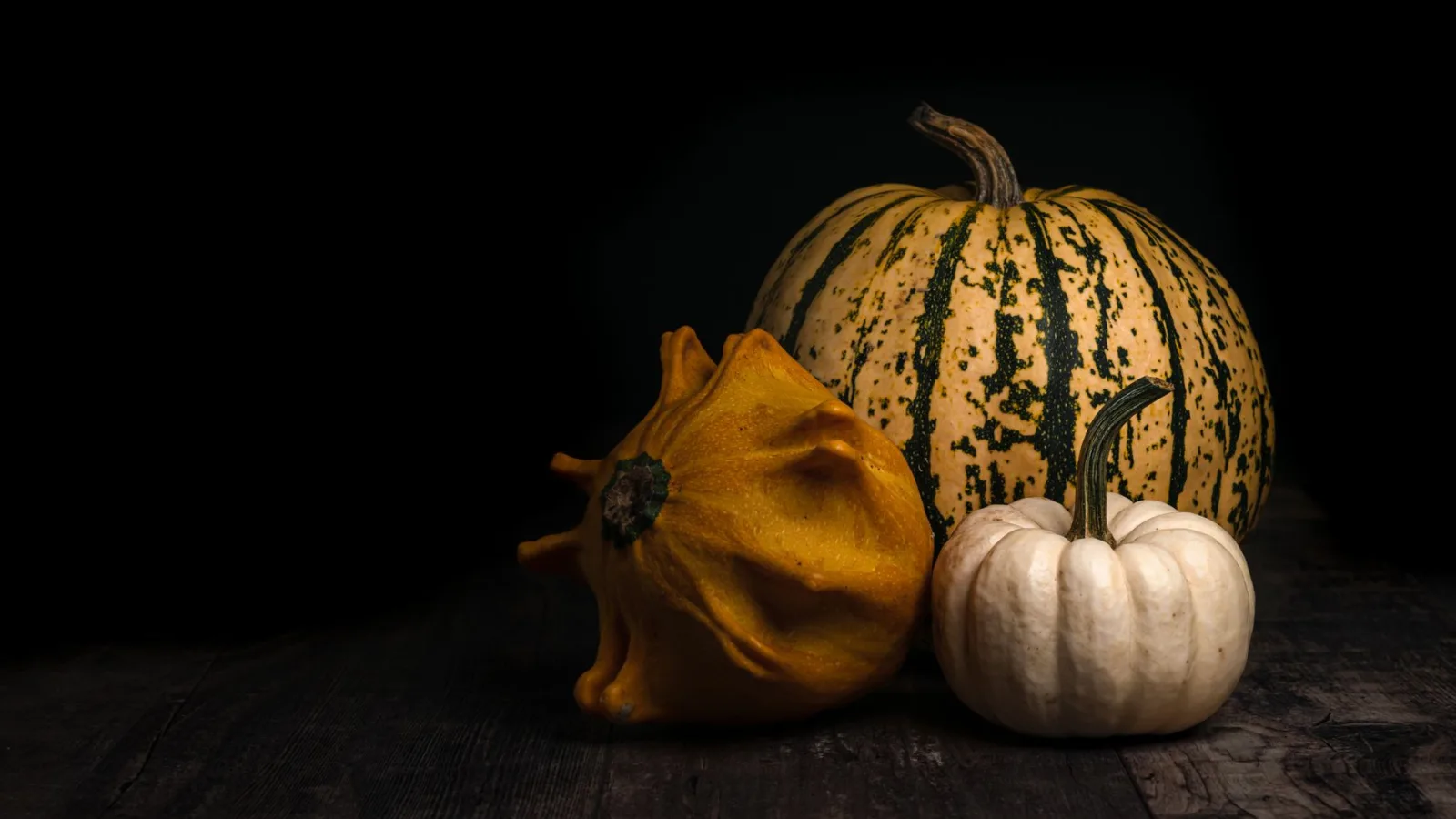
Deep Orange Pumpkin: What Survives the Pot?
Researchers analyzed sixteen compounds in Peru's heirloom loche squash, then boiled it and measured again. The carotenoids that give pumpkin its orange color held up well; the vitamin E and phenolic acids largely did not — and that changes how you should cook it.
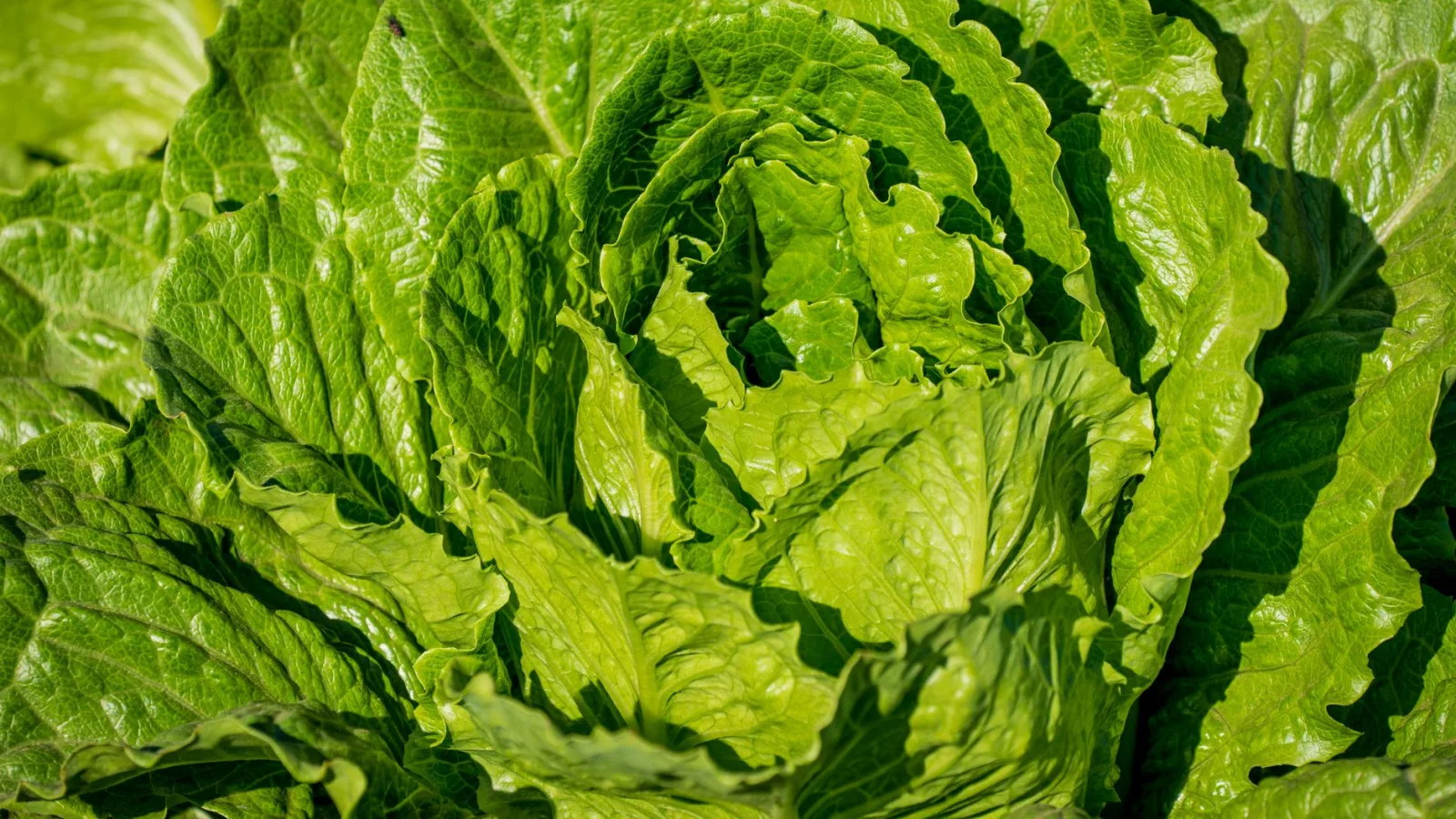
Can You Plant Cabbage in the Same Bed Every Year?
Napa cabbage grown in the same spot year after year draws down the diversity of soil microbes around its roots, and a leaf-blight fungus moves in. Research from Korea's highland cabbage country shows what rotating with soybeans or potatoes changes underground.
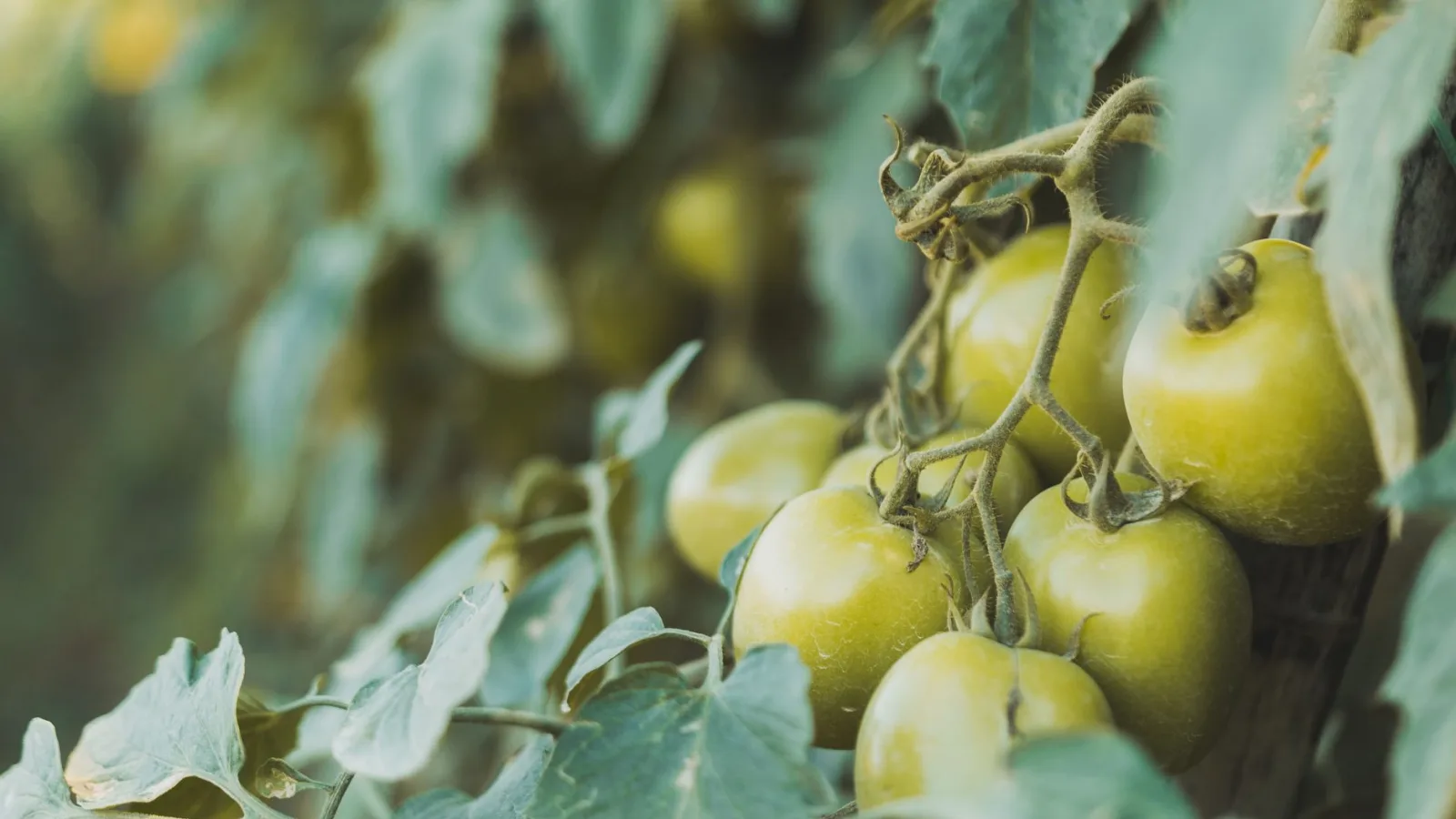
What Makes Some Tomatoes Shrug Off a Drought?
Two tomato plants go into the same soil on the same day, and only one collapses in the July heat. A genome-wide look at 74 tomato genes traces that difference to a single gene that governs when a leaf's pores close — and suggests a few things you can do in your own beds tonight.
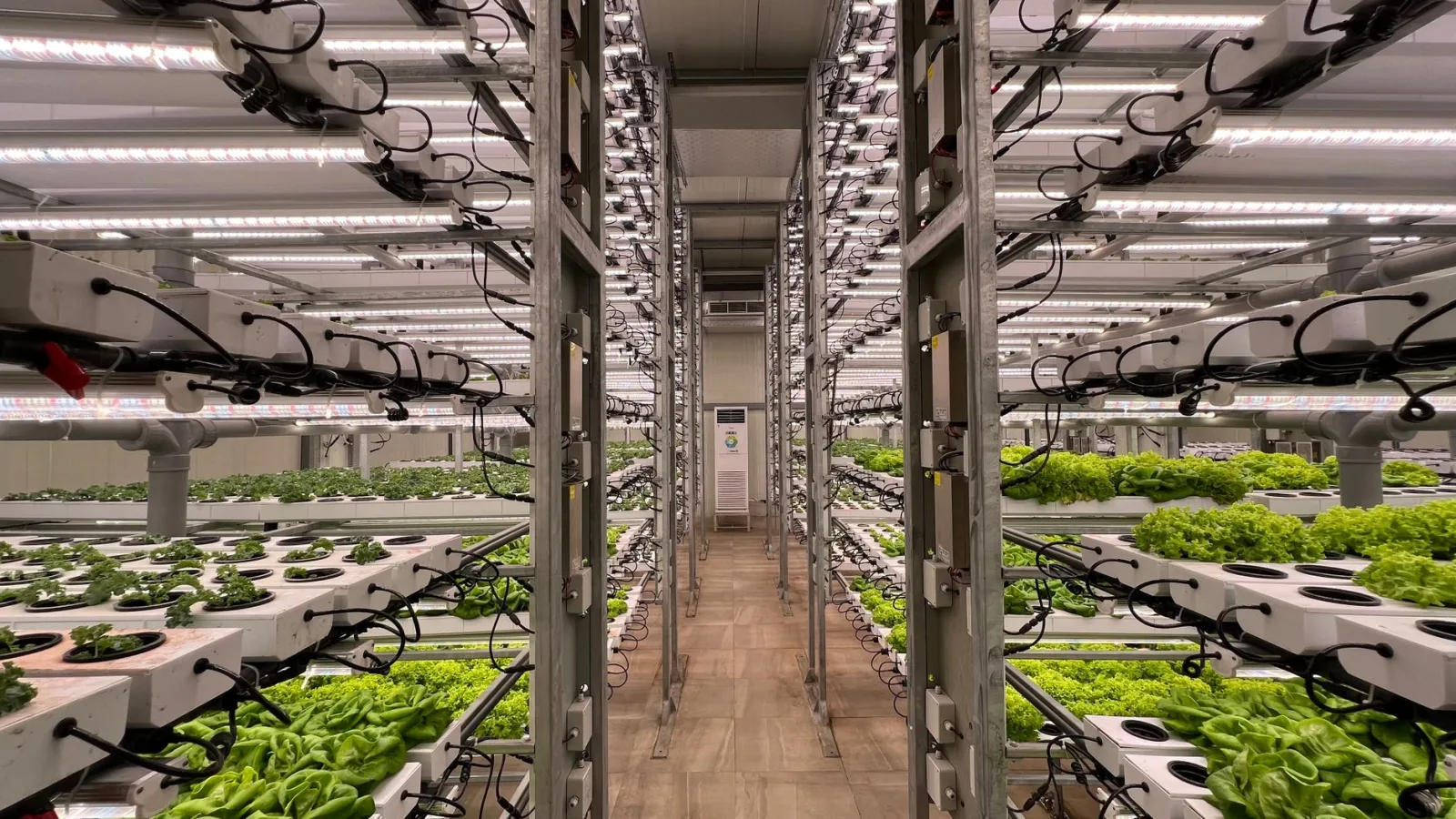
What Light Did Your Lettuce Grow Under?
New research on Batavia lettuce found that the LED spectrum and the watering method both change a head of lettuce from the inside out — its sweetness, its vitamin C, its antioxidants, even its yield. No single setup won on every count, which means the light you choose depends on what you're growing for.
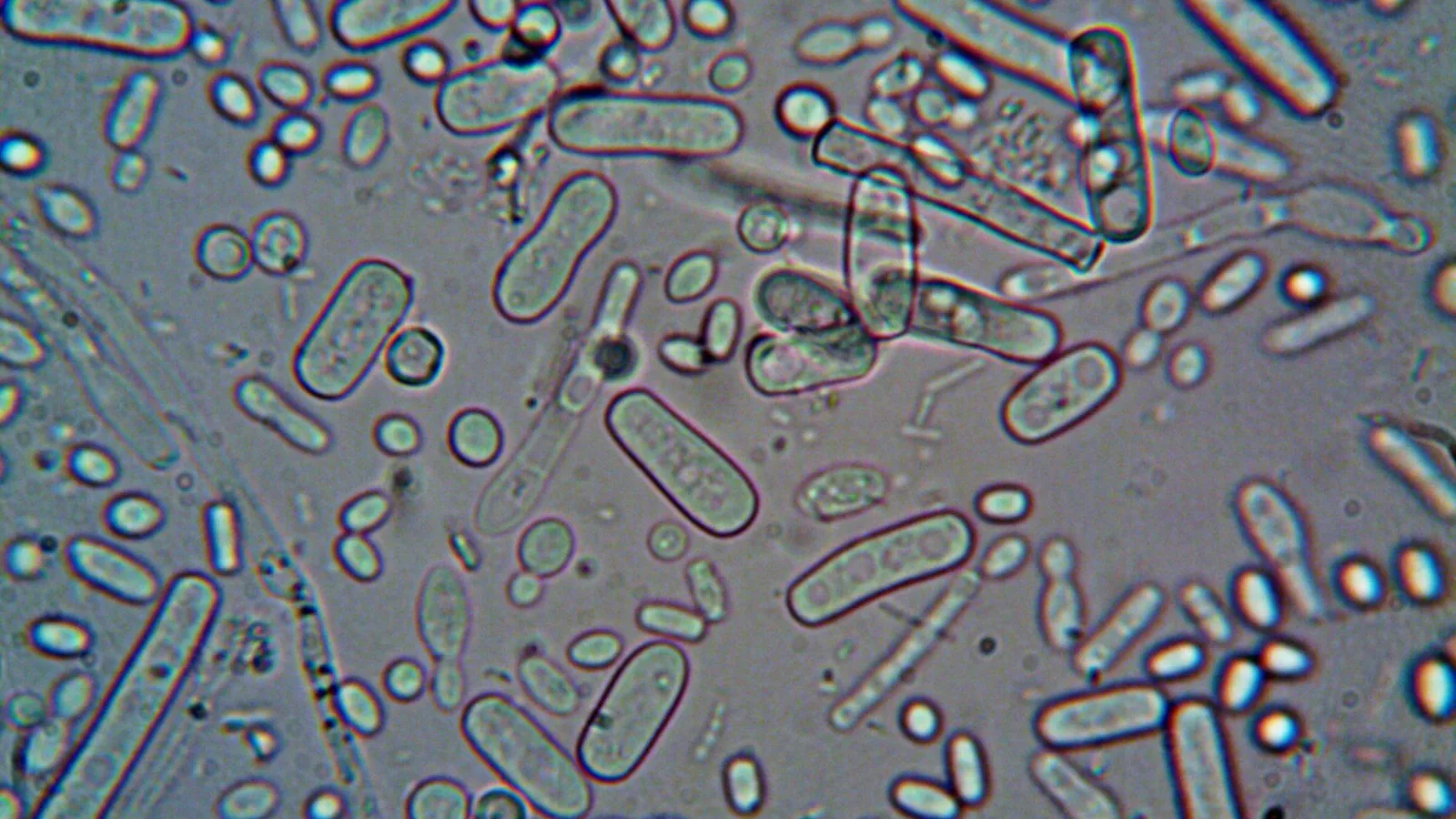
Lactic Acid Bacteria in Fermented Vegetables Help Keep Listeria in Check
Listeria monocytogenes lives in soil and water and keeps growing even at refrigerator temperatures, which makes garden vegetables and ready-to-eat foods worth a second thought. The lactic acid bacteria that drive fermentation create conditions where that pathogen struggles to survive.
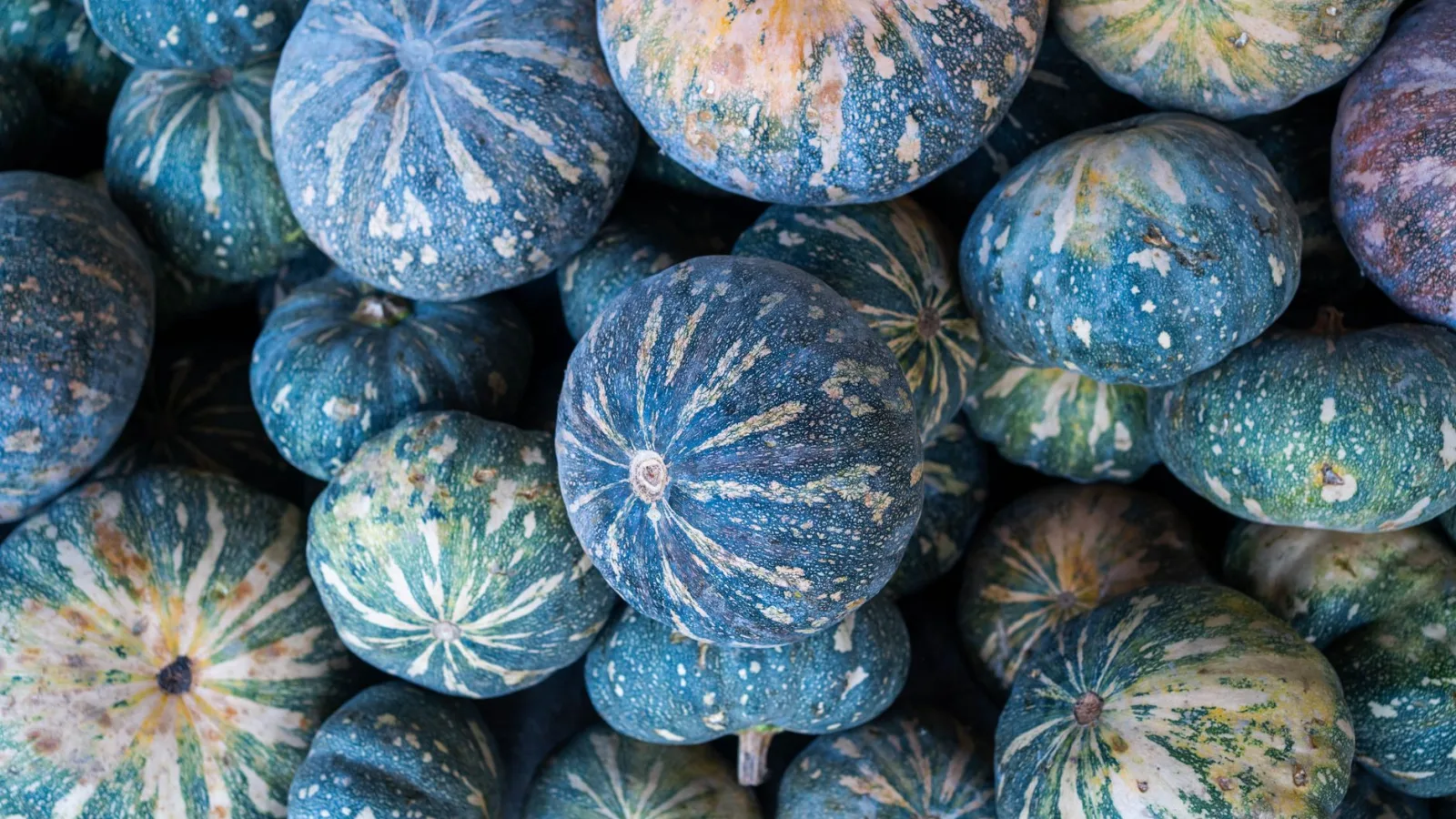
Pumpkin Leaves and Beggarticks: Read This Before You Pull Them
Researchers in Zambia fed diabetic rats extracts of winter squash leaves and Bidens pilosa — the barbed weed that sticks to your pant cuffs — and watched blood sugar fall sharply. Here's what the study found, what it doesn't prove yet, and how to harvest and cook both leaves from a home garden.
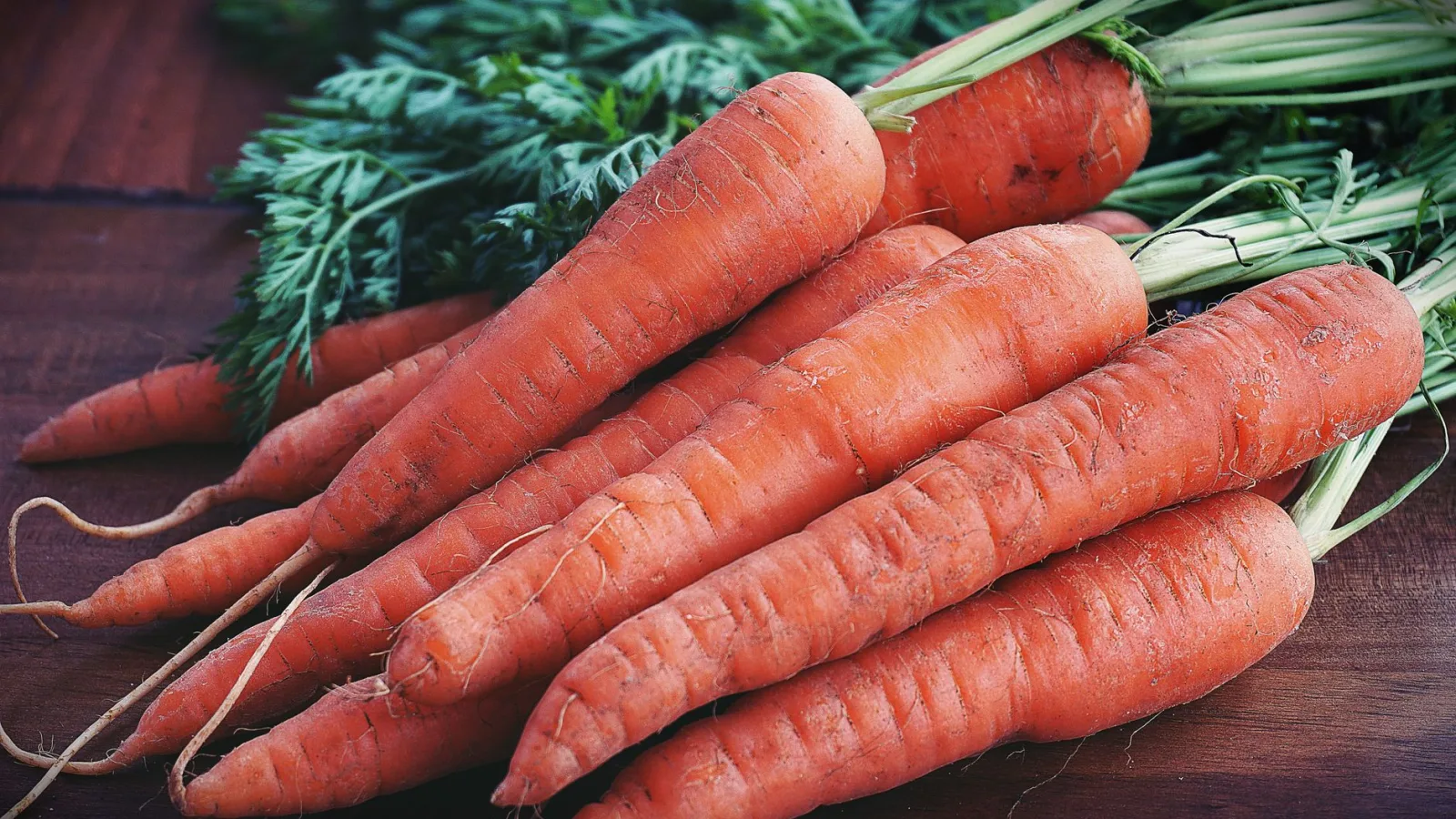
Don't Toss Those Purple Carrot Peels
Purple carrots store most of their anthocyanins and polyphenols in the peel and the layer just beneath it — the part that usually goes in the bin. A 2026 study measured exactly how much is in there, and it suggests a few easy ways to put those peels to work in the kitchen.
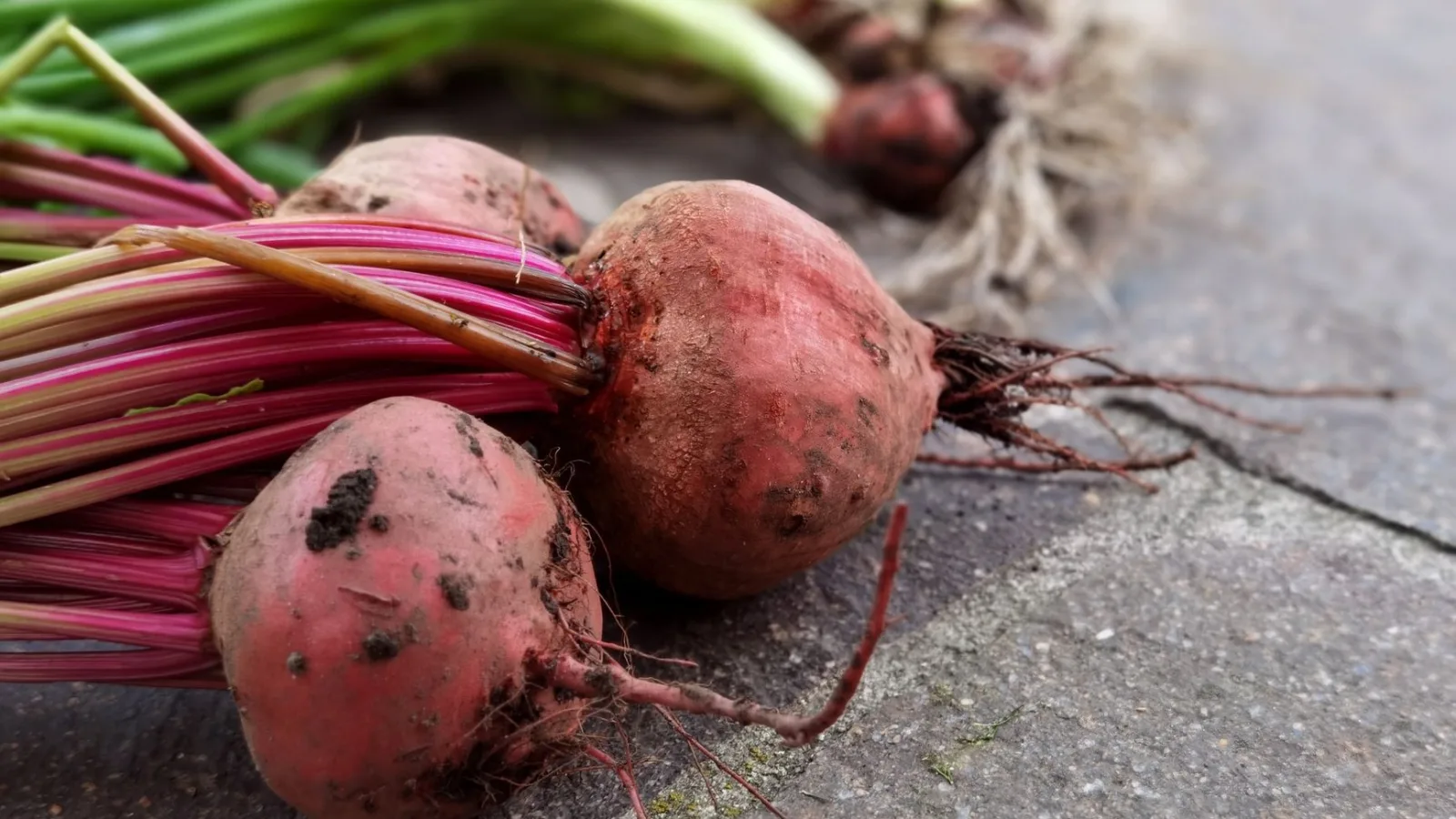
Can Beets and a Stick of Gum Lower Your Blood Pressure?
Nitrate-rich vegetables like beets, spinach, and arugula can nudge blood pressure down for a few hours, but only after mouth bacteria convert that nitrate into nitrite. One clinical study found that chewing gum after a nitrate-rich meal amplified the effect.
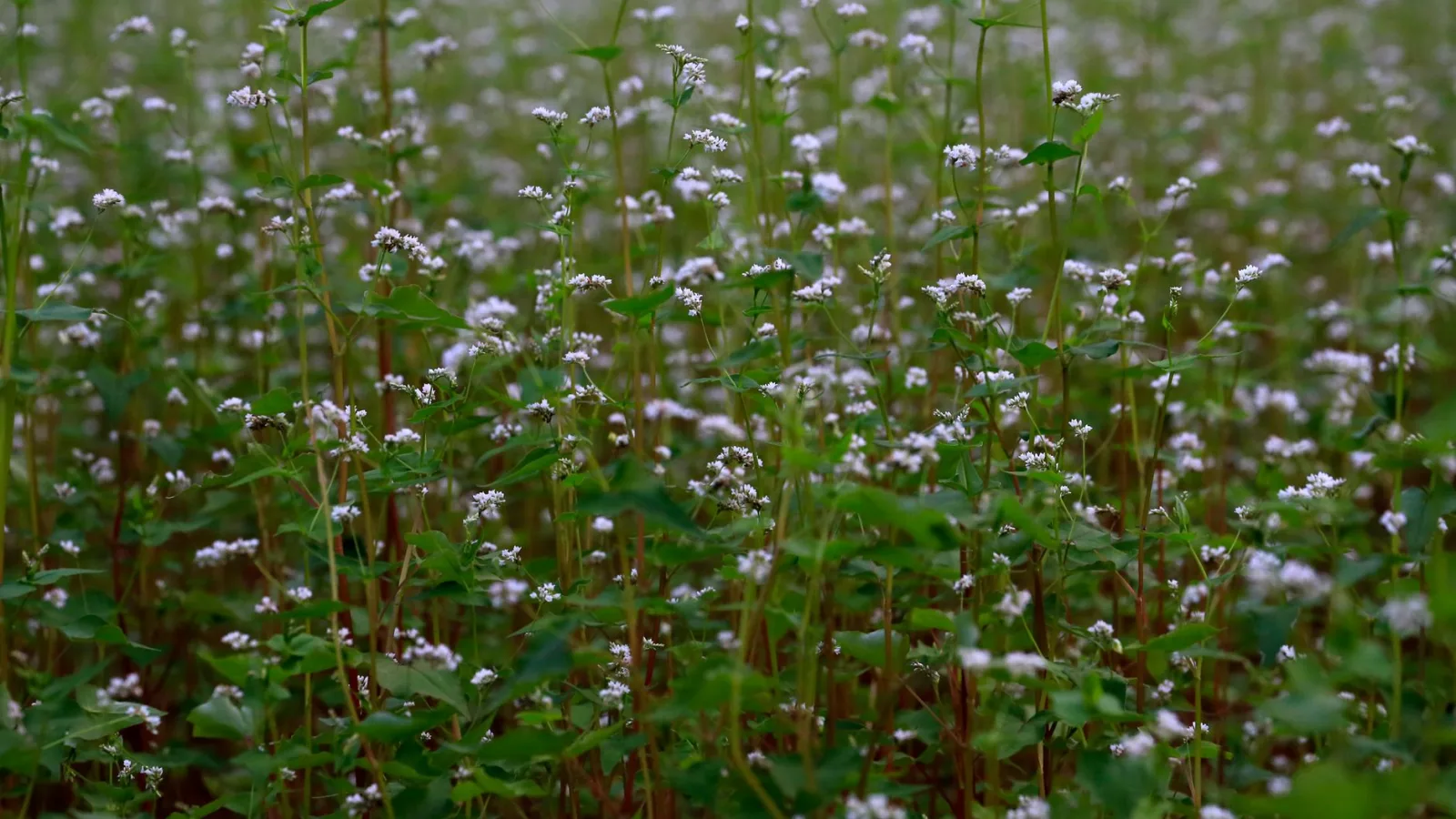
Buckwheat: What a 60-Day Grain Gives Back
Sow buckwheat now in the gaps left by potatoes and corn, and you'll harvest in 60 to 80 days. It asks almost nothing of the soil, and what it returns—rutin, lysine, fiber—is worth knowing before you grind that first batch of flour.
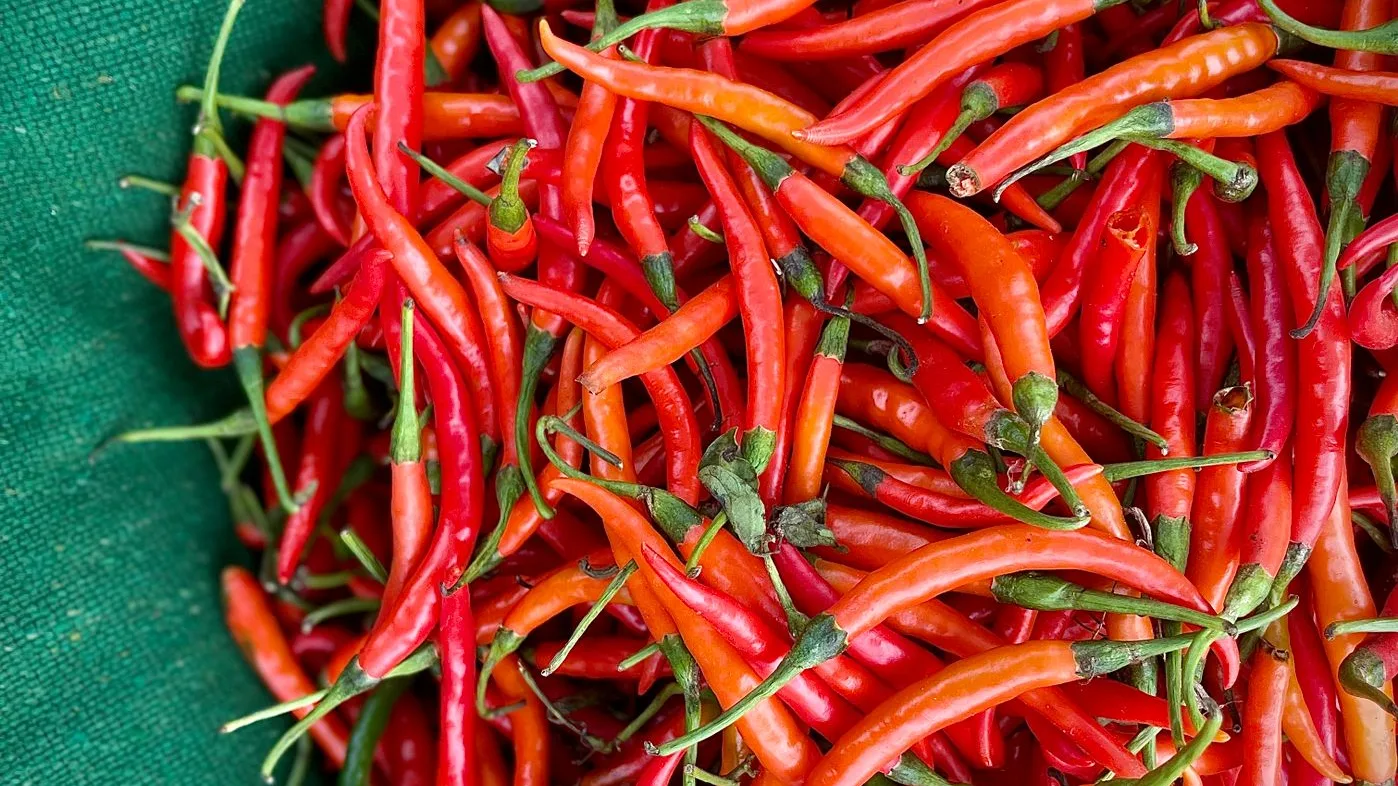
Does Eating a Lot of Chili Peppers Raise Your Risk of Esophageal Cancer?
A large analysis found more esophageal cancer among people who eat the most chili peppers — but the finding says less about the pepper than about how it's eaten. A few small changes at the dinner table are all your garden harvest asks of you.
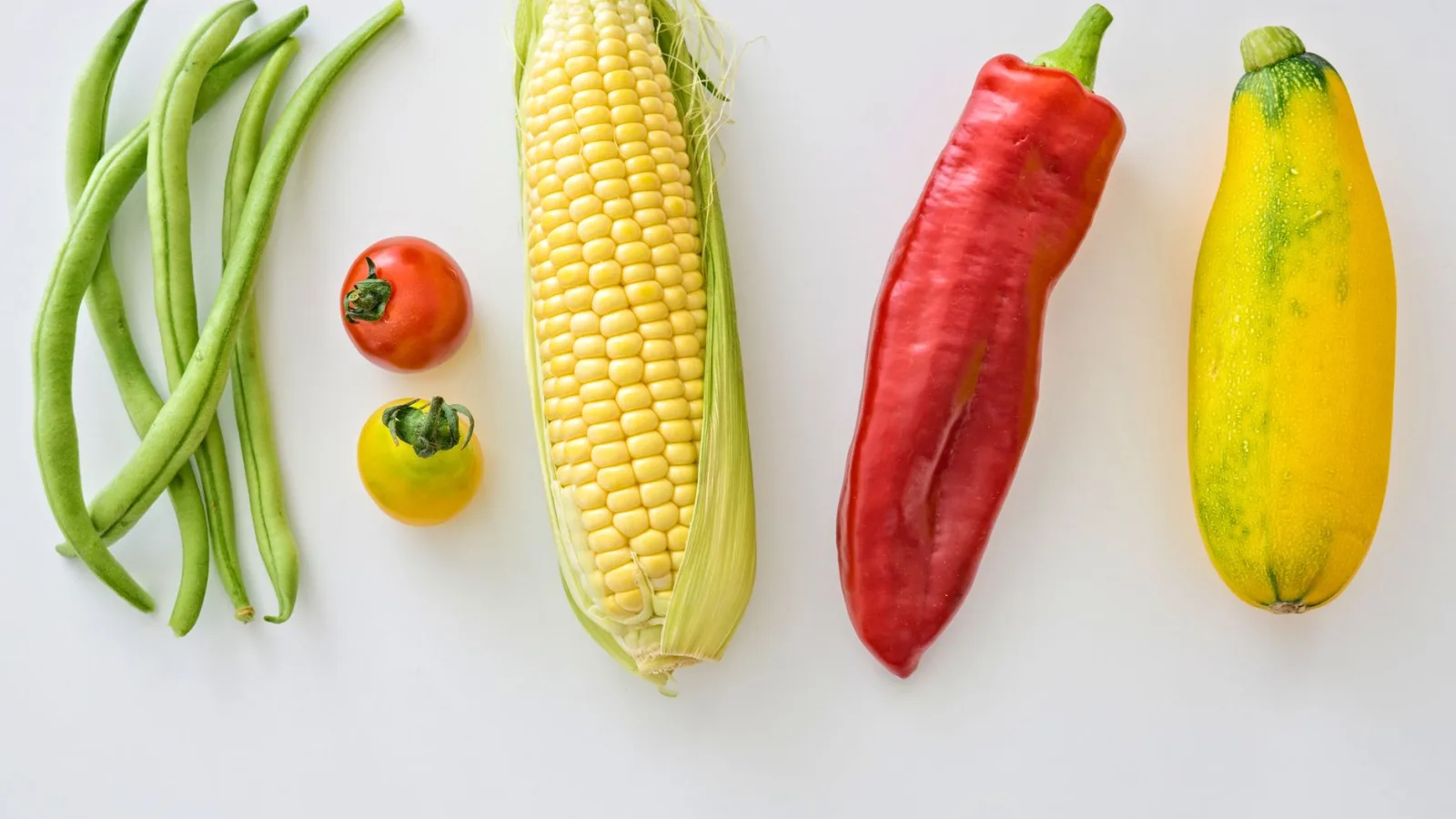
Corn, Beans, and Squash: The Three Sisters Set the Table
The milpa — corn, beans, and squash grown together in one bed — has fed Mexico and Central America for thousands of years, and the same trio grows in Korean home gardens. Research suggests the plant-forward meals it produces may help ease the inflammation, oxidative stress, and gut imbalances tied to obesity.
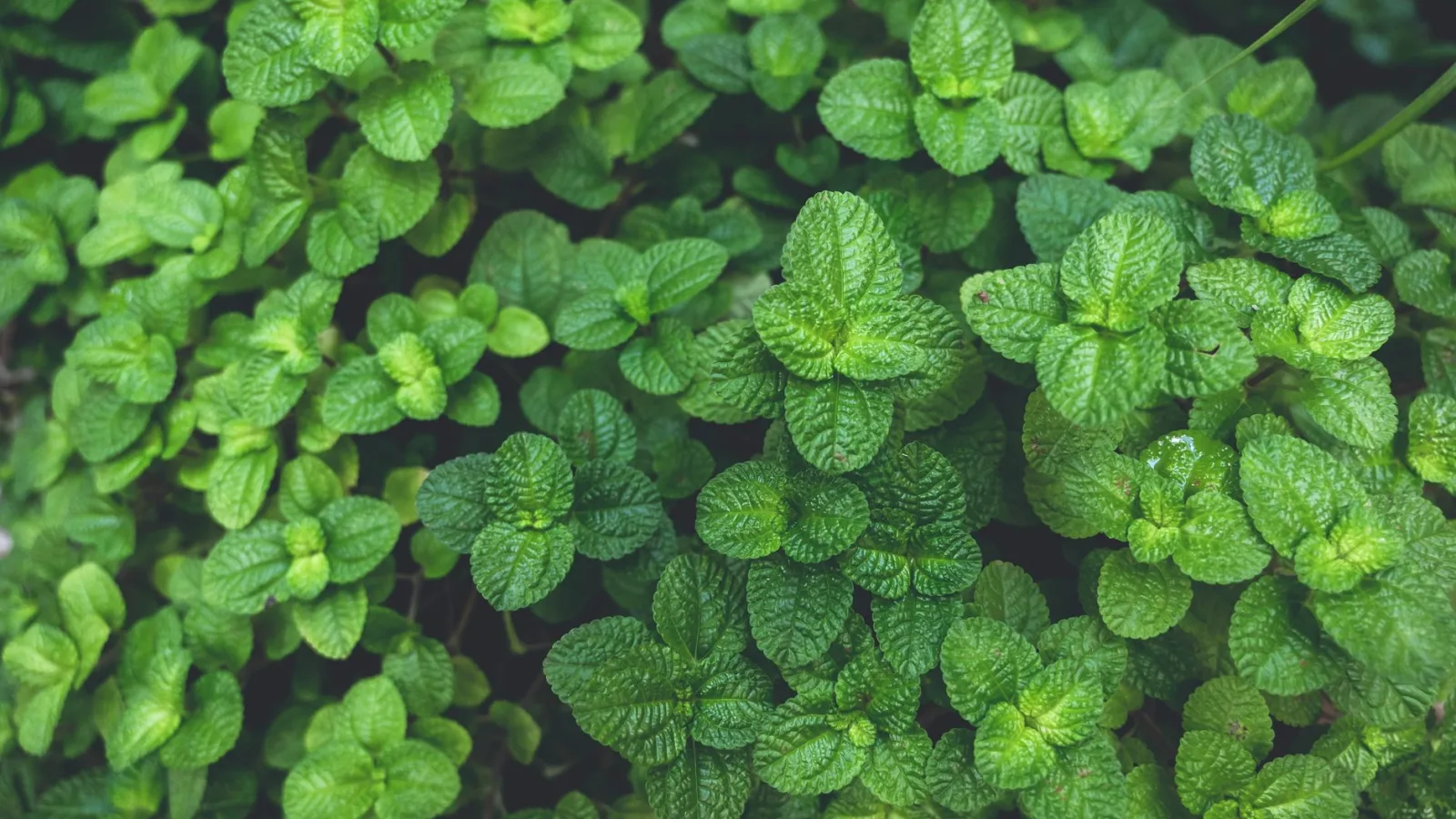
If Your Mint Has Lost Its Scent, Start With the Soil
Sandy soil lets water and nutrients slide straight past the roots, and mint pays for it in fragrance. A two-year Egyptian trial found that spearmint given biochar and fertilizer together yielded the most leaves and the most essential oil — and the same trick scales down to a flowerpot.
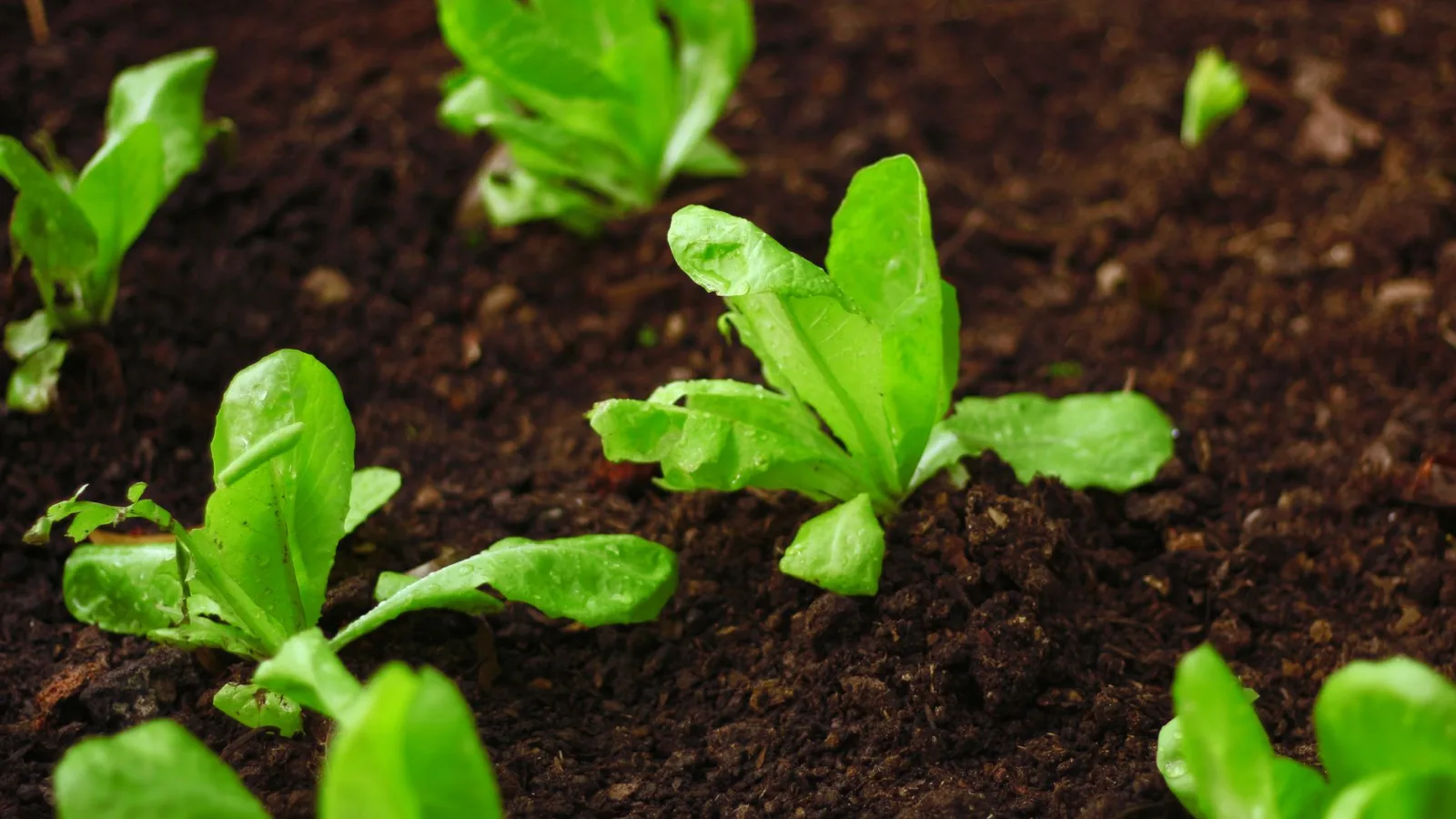
I've Never Smoked. Why Am I Being Told to Worry About Lung Cancer?
A preliminary study found higher lung cancer rates among young nonsmokers who ate the most produce, and researchers pointed to pesticide residue on conventionally grown crops as one possible thread. The science is far from settled, but reducing your exposure is something you can do tonight at the kitchen sink.
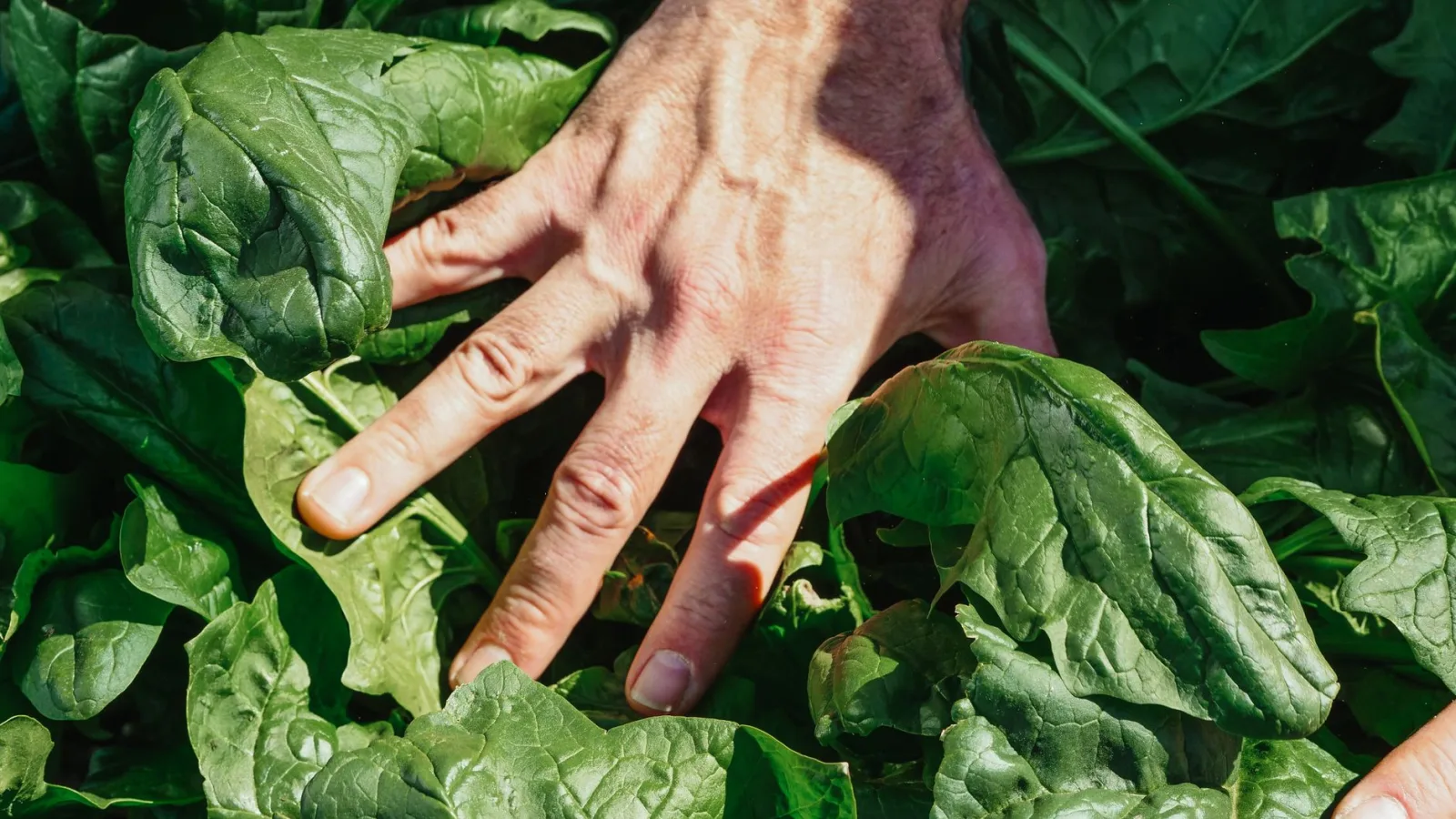
Worried About Your Garden Soil? Spinach, Silicon, and What You Can Do
Spinach grows fast, which means it pulls whatever is in your soil straight into the leaves — minerals and heavy metals alike. A 2026 lab study found that silica cut cadmium buildup in spinach by up to 40 percent, and there's plenty you can do in your own plot before the seed goes in.
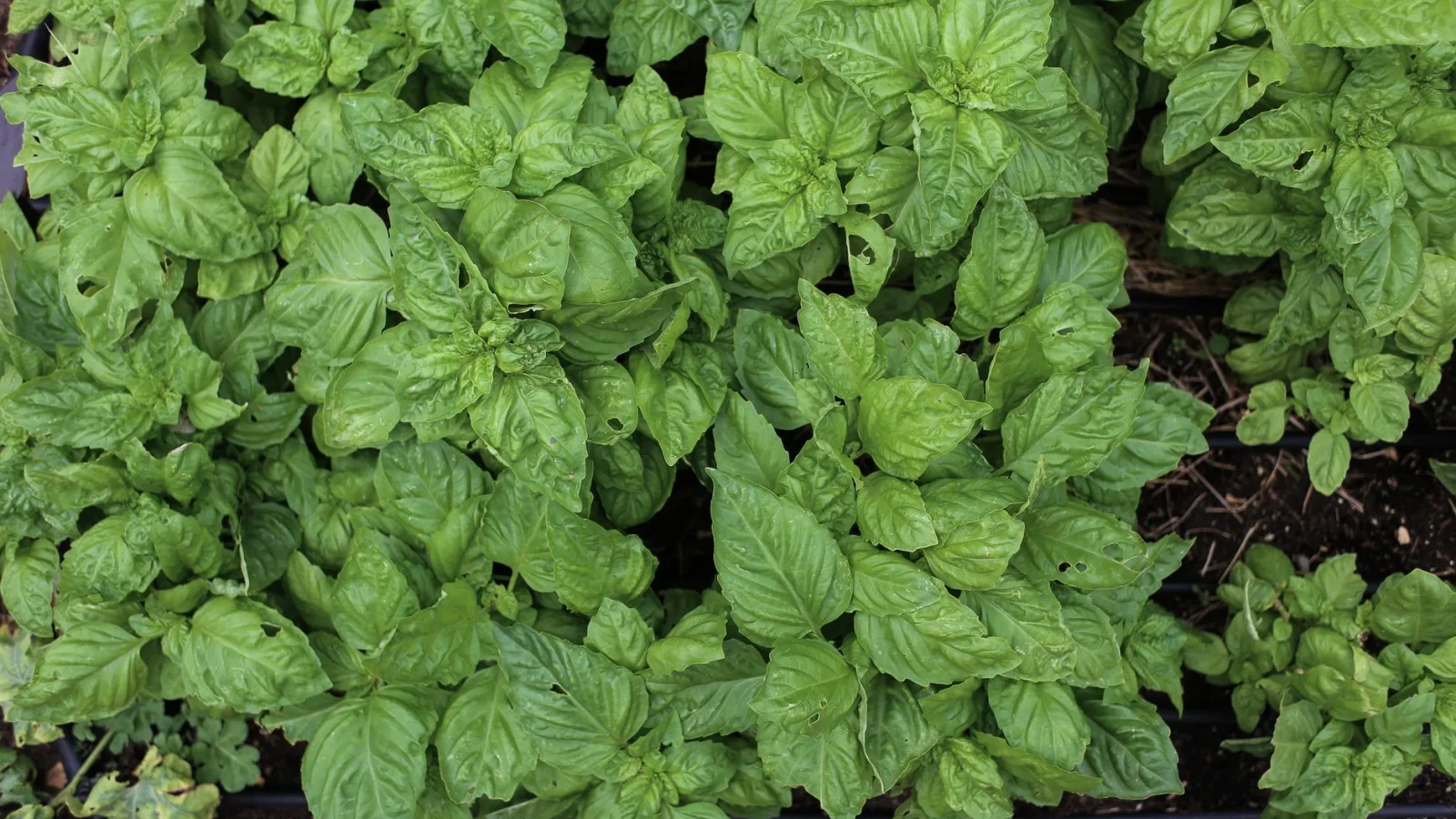
When Your Mouth Is Sore, Take Another Look at the Basil on the Balcony
Basil's aromatic compounds calm inflammation, but saliva washes them off a sore almost immediately. Researchers packed basil extract into tiny lipid particles to make it stay put — and in rats, the resulting gel healed mouth ulcers faster than the drugstore standard.
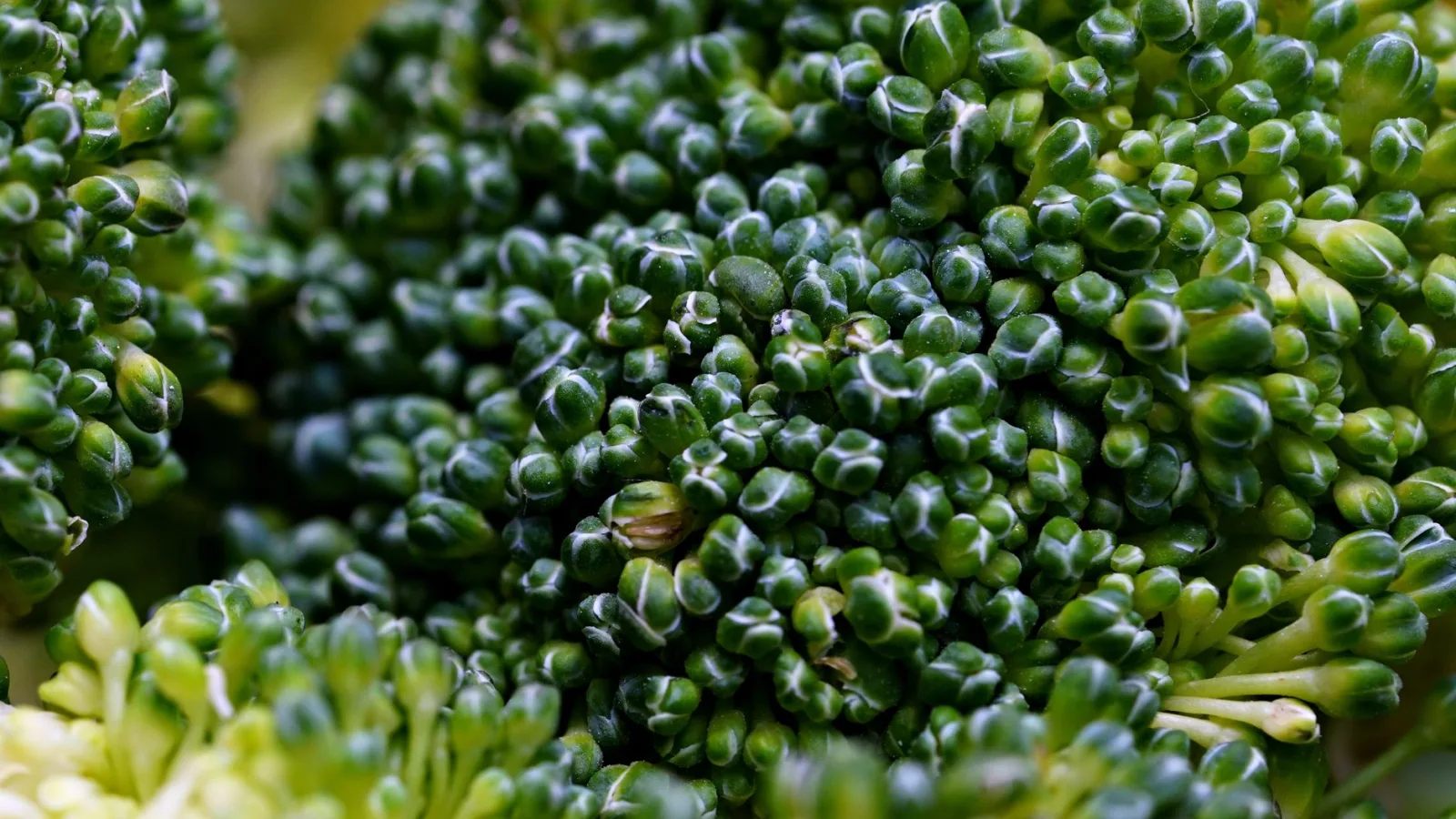
Broccoli Juice Keeps More When the Heat Stays Low
Researchers found that treating broccoli juice with gentle heat plus ultrasound — 40°C for about seven minutes — preserved more polyphenols, chlorophyll, and vitamin C than standard pasteurization. You can't do that at home, but you can borrow the principle: less heat, less water.
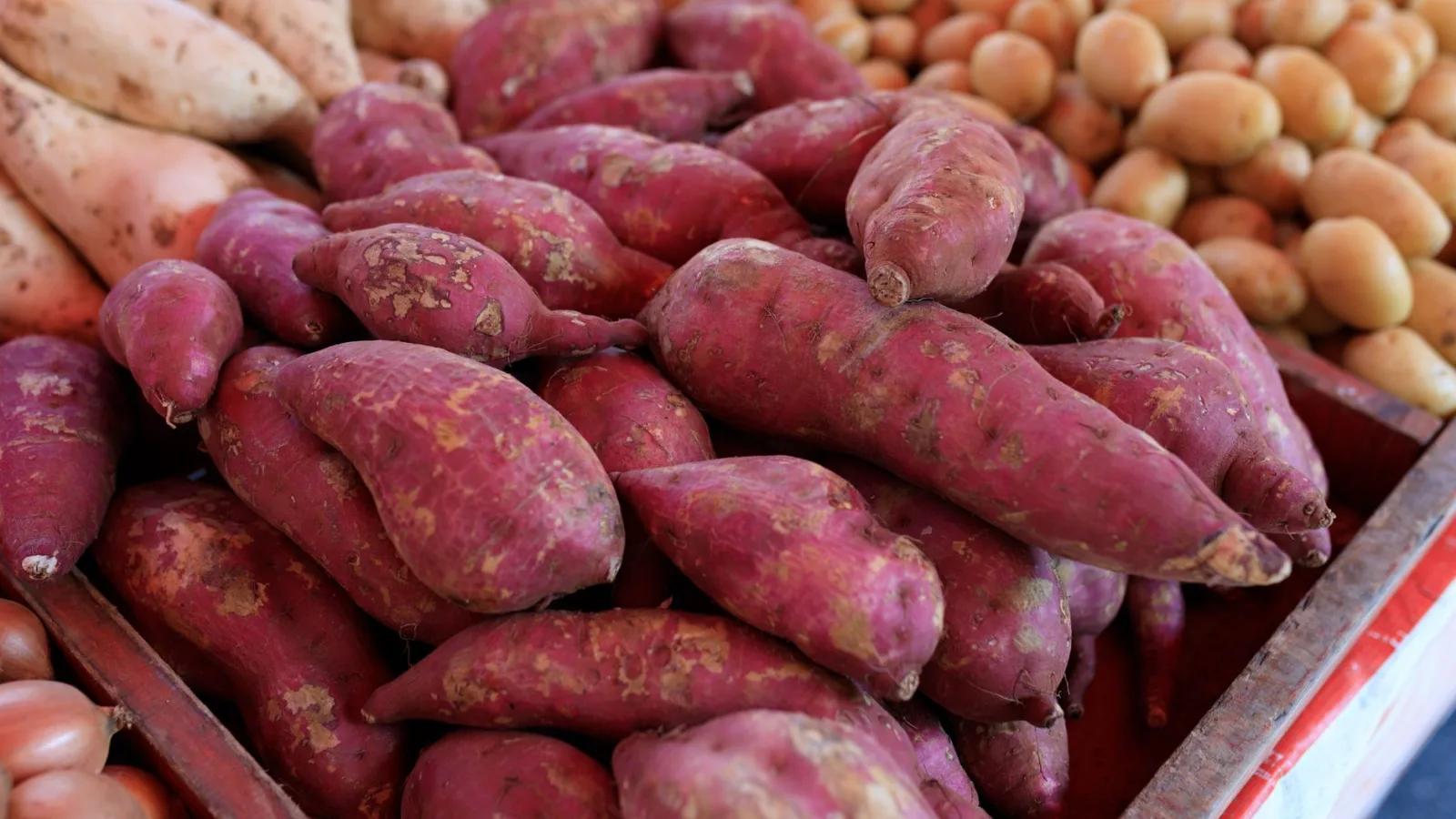
Golden-Fleshed Sweet Potatoes: Can the Harvest Grow Along with the Color?
Deep-orange sweet potatoes are richer in carotenoids, but they've traditionally come with smaller roots and thinner harvests. New breeding work published in 2026 produced two lines that improved on both — and pointed to a gene that helps explain why.
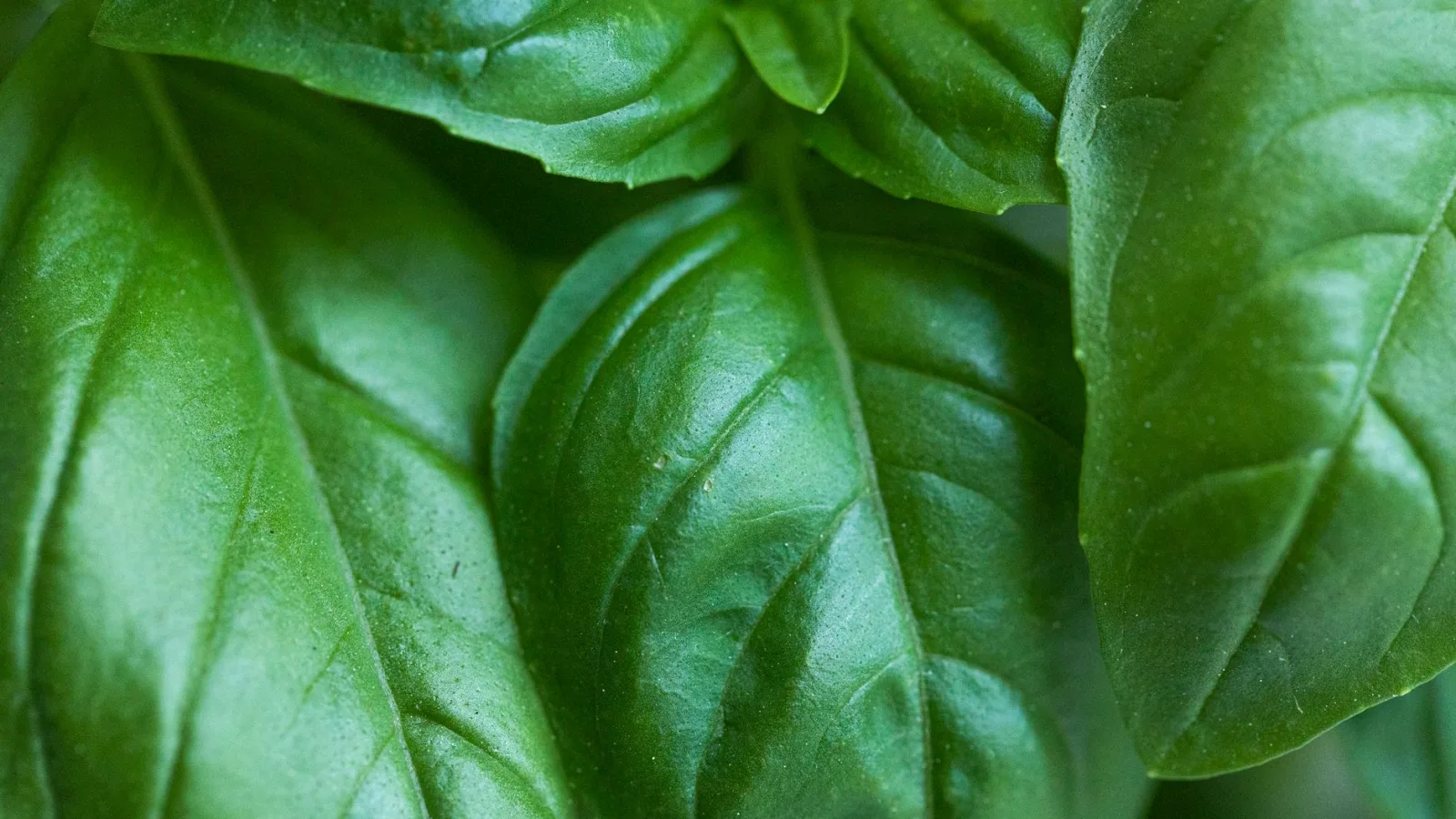
The Root-Level Partner Behind Fragrant Basil
A greenhouse study found that pairing root-dwelling mycorrhizal fungi with a trace amount of selenium boosted basil's photosynthesis by more than 65 percent, along with its chlorophyll, yield, and antioxidants. Here's what that means for the pot on your windowsill.
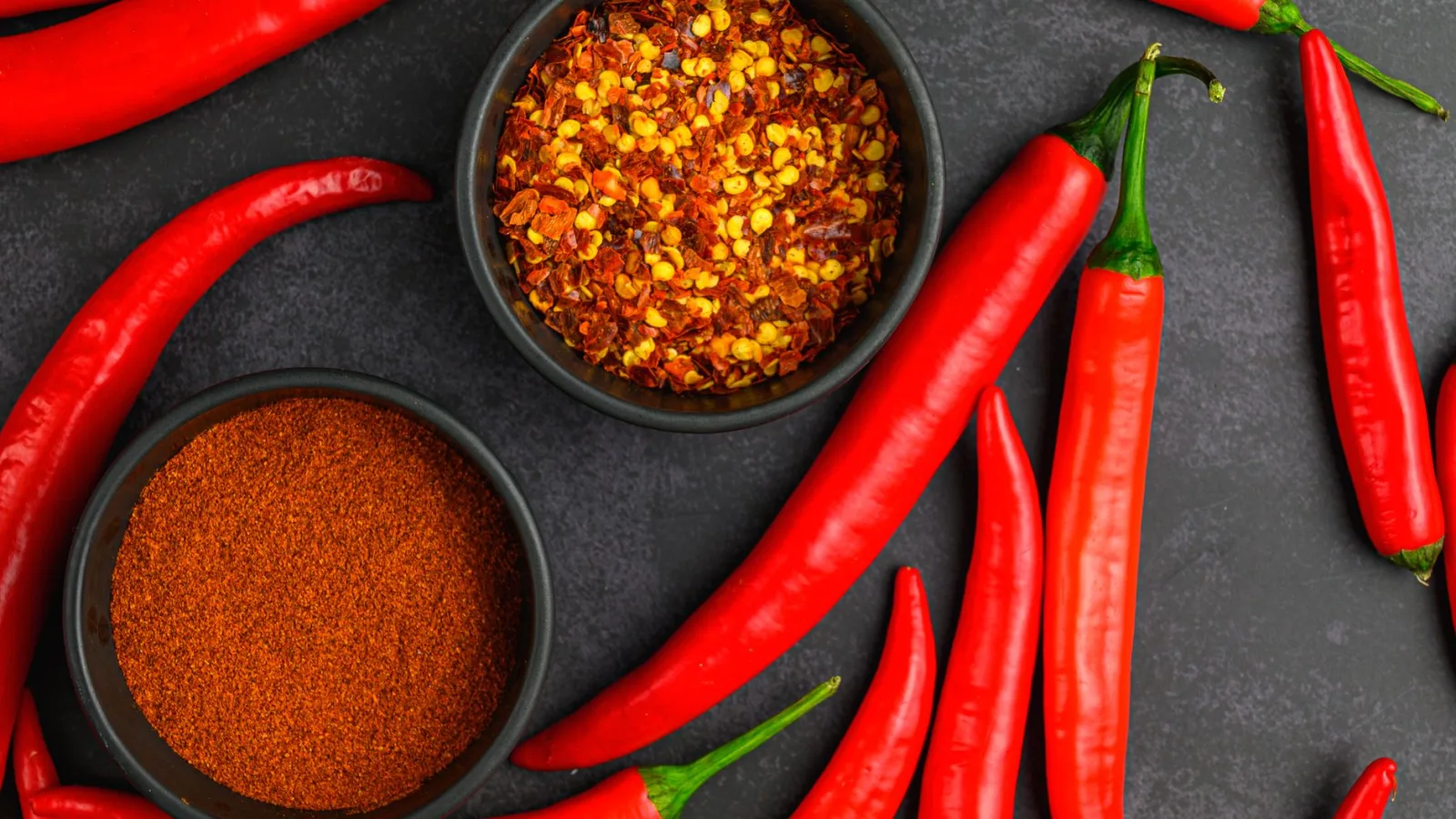
How Peppers Survive the Cold — Now We Can See It Happening Inside the Cell
New 2026 research pinpoints the enzyme pepper plants deploy when the thermometer falls — a cysteine protease that surges 11-fold at 4°C and switches on a cascade of antioxidant genes. Here's what's happening inside the cell, and what it means for your October garden.
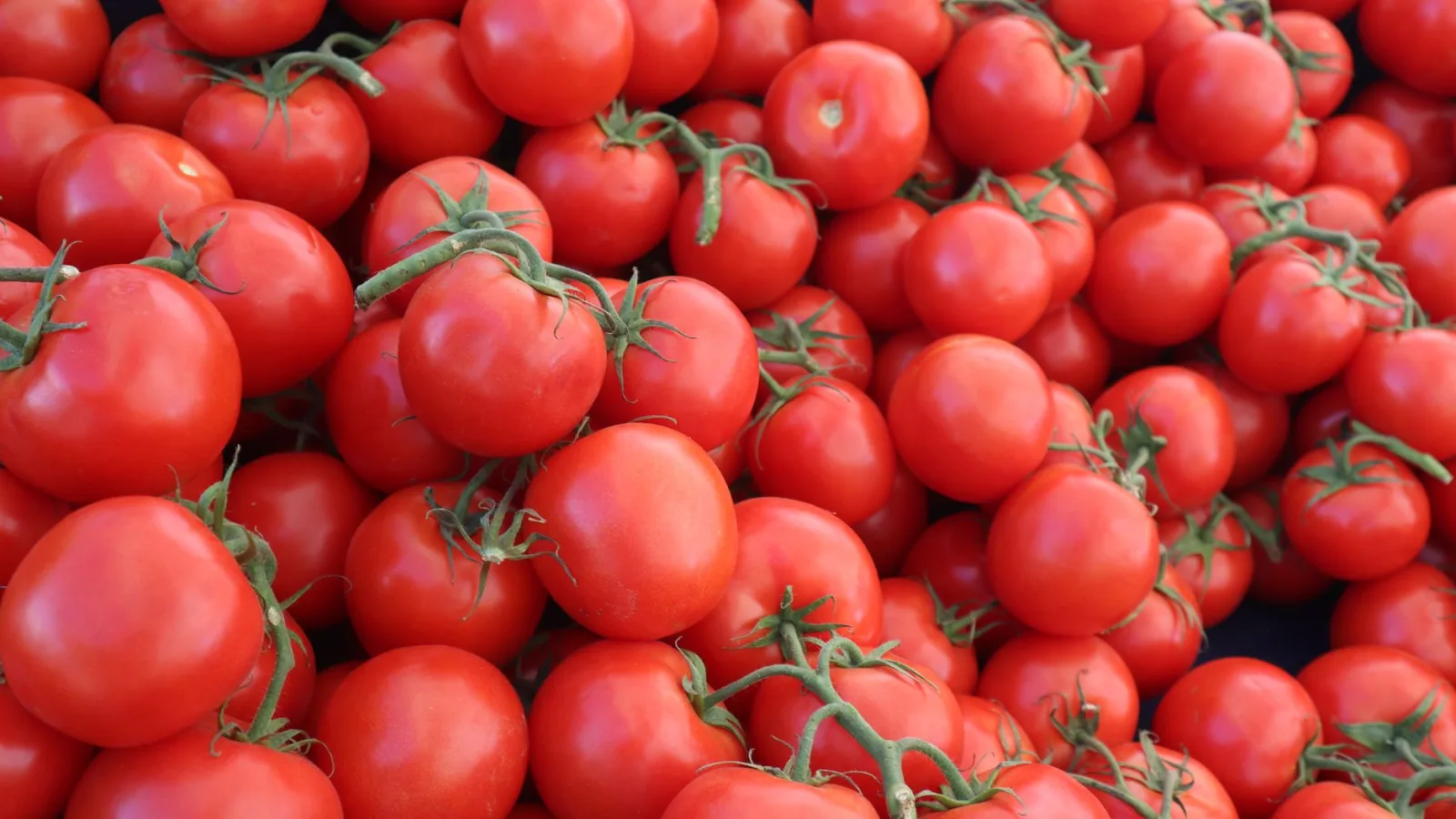
If Your Kitchen Reheats the Same Oil, Keep Tomatoes on Hand
Reheating cooking oil generates oxidation byproducts that a 2026 animal study linked to liver and brain damage in offspring — damage that eased in mothers who also got lycopene. The human-equivalent dose worked out to roughly 150 grams of fresh tomatoes a day.
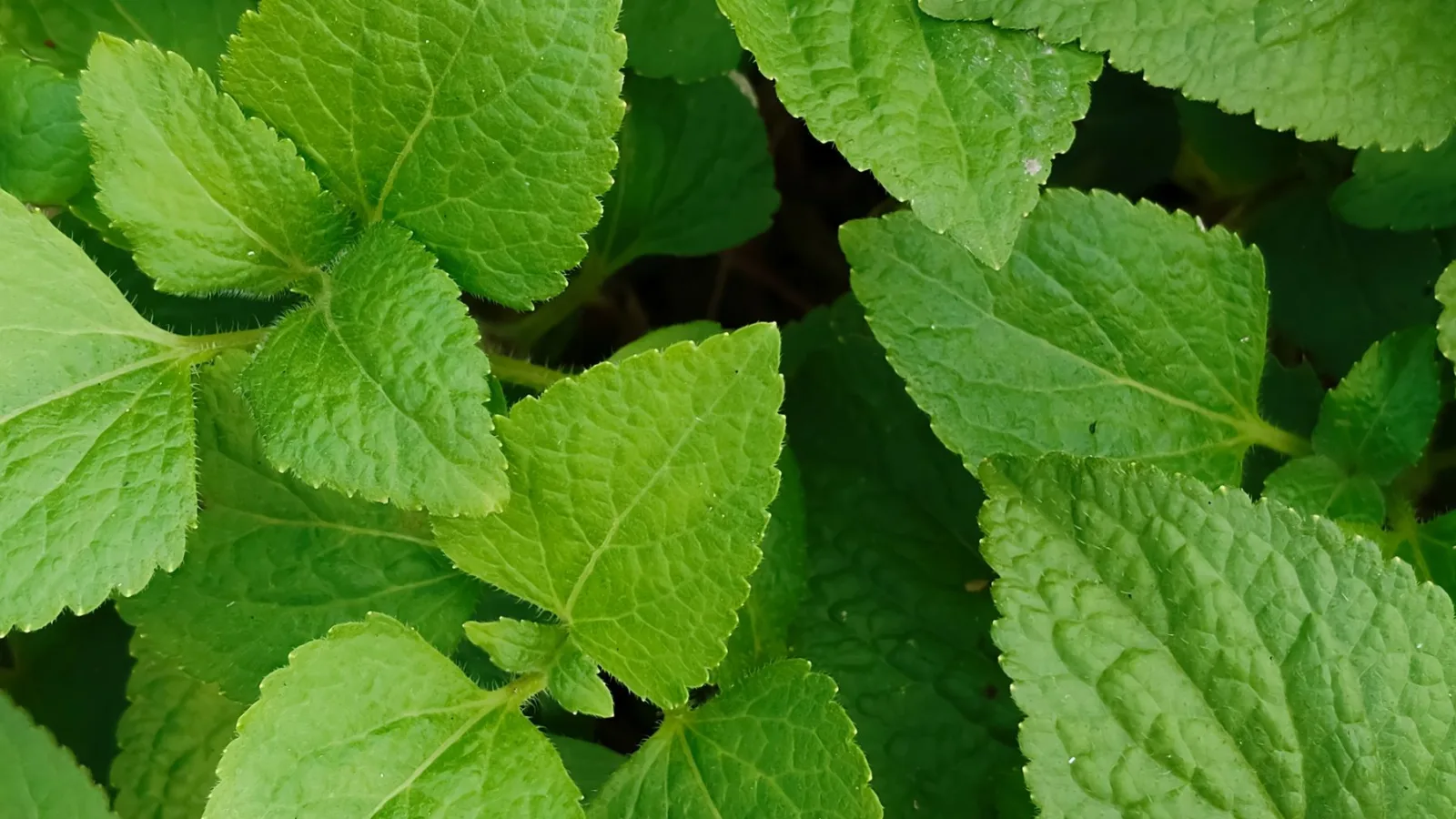
Soil and Water Decide How Your Spearmint Smells
A study of four mountain growing sites in Kashan, Iran, found that identical spearmint produced wildly different essential oils depending on altitude, soil, and moisture — oil yields ranged from 1.08% to 5.04%. The lesson for home gardeners: what you put in the pot shapes what you smell in the leaf.
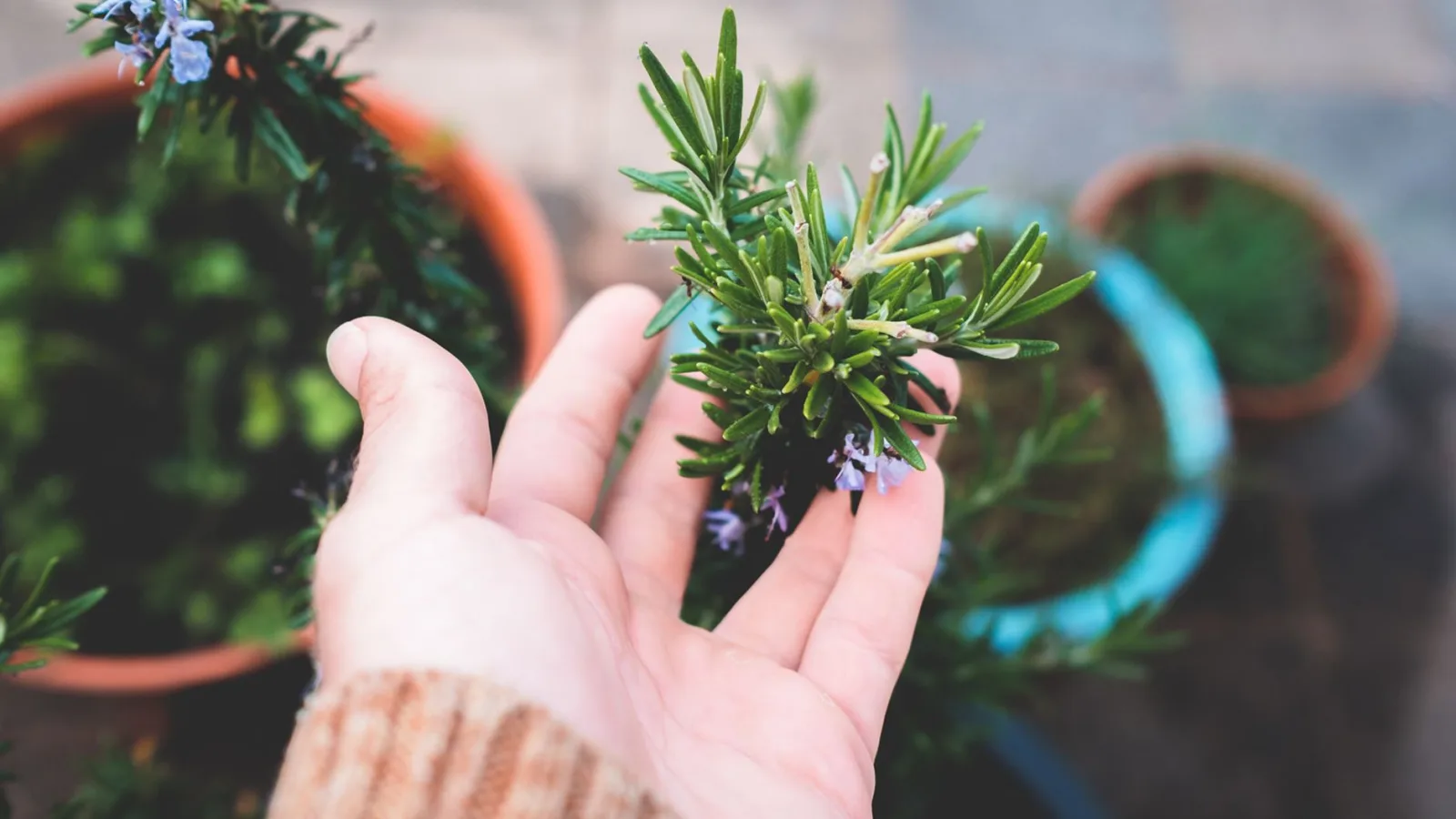
One Rosemary Plant, Now a Subject of Brain Health Research
A 2026 study examined whether extracts of rosemary and apple mint could protect nerve cells, using an intranasal delivery gel in a mouse model of Parkinson's disease. The results are early-stage, but they put a familiar windowsill herb under the microscope in a new way.
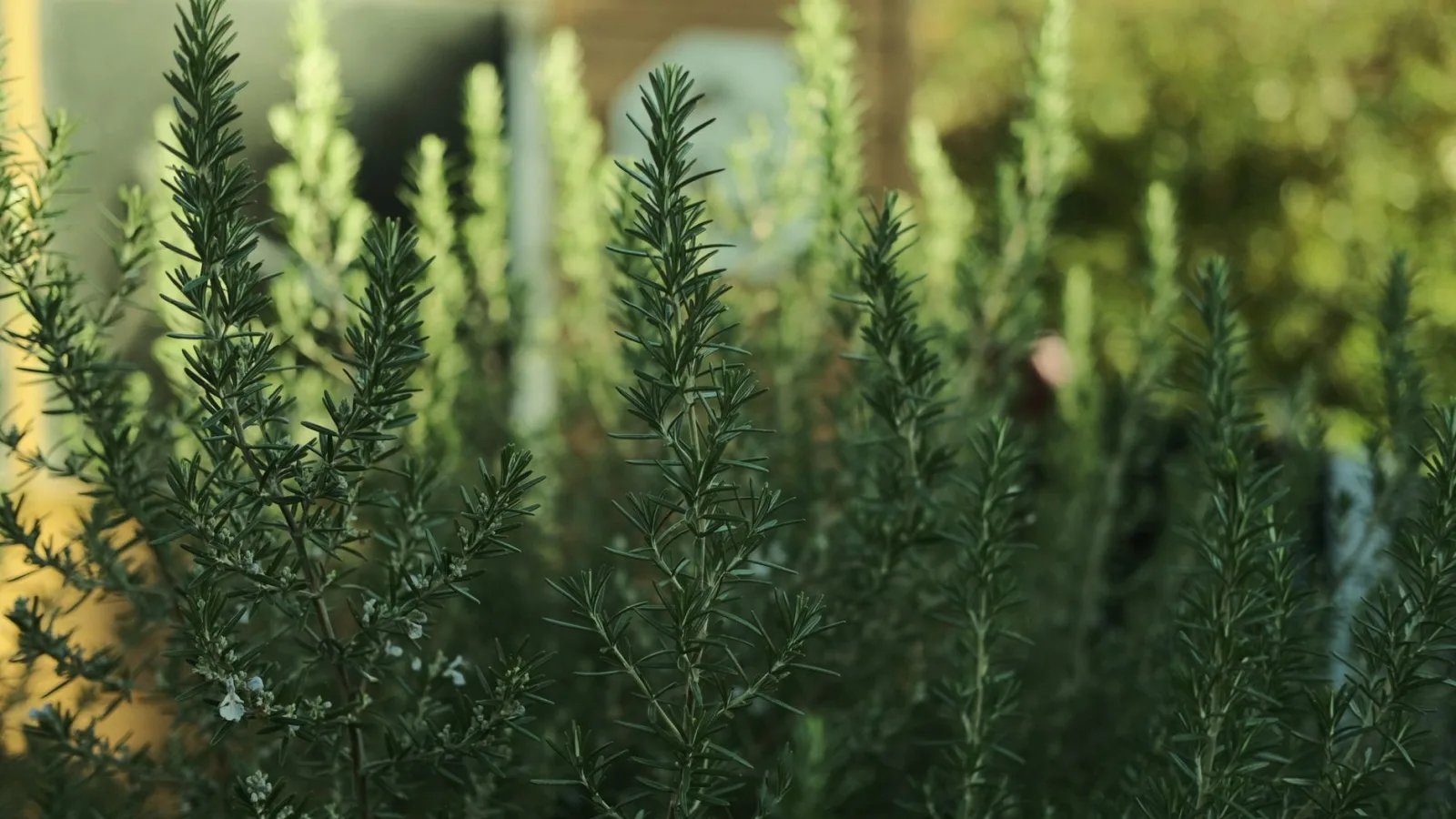
Rosemary and Propolis: Two Everyday Helpers for a Tired Body
Rosemary and propolis are both loaded with antioxidant compounds, and a recent study fed them to ewes in late pregnancy to see how the liver handled the extra energy demand. The findings are promising, though they come from sheep, not people.
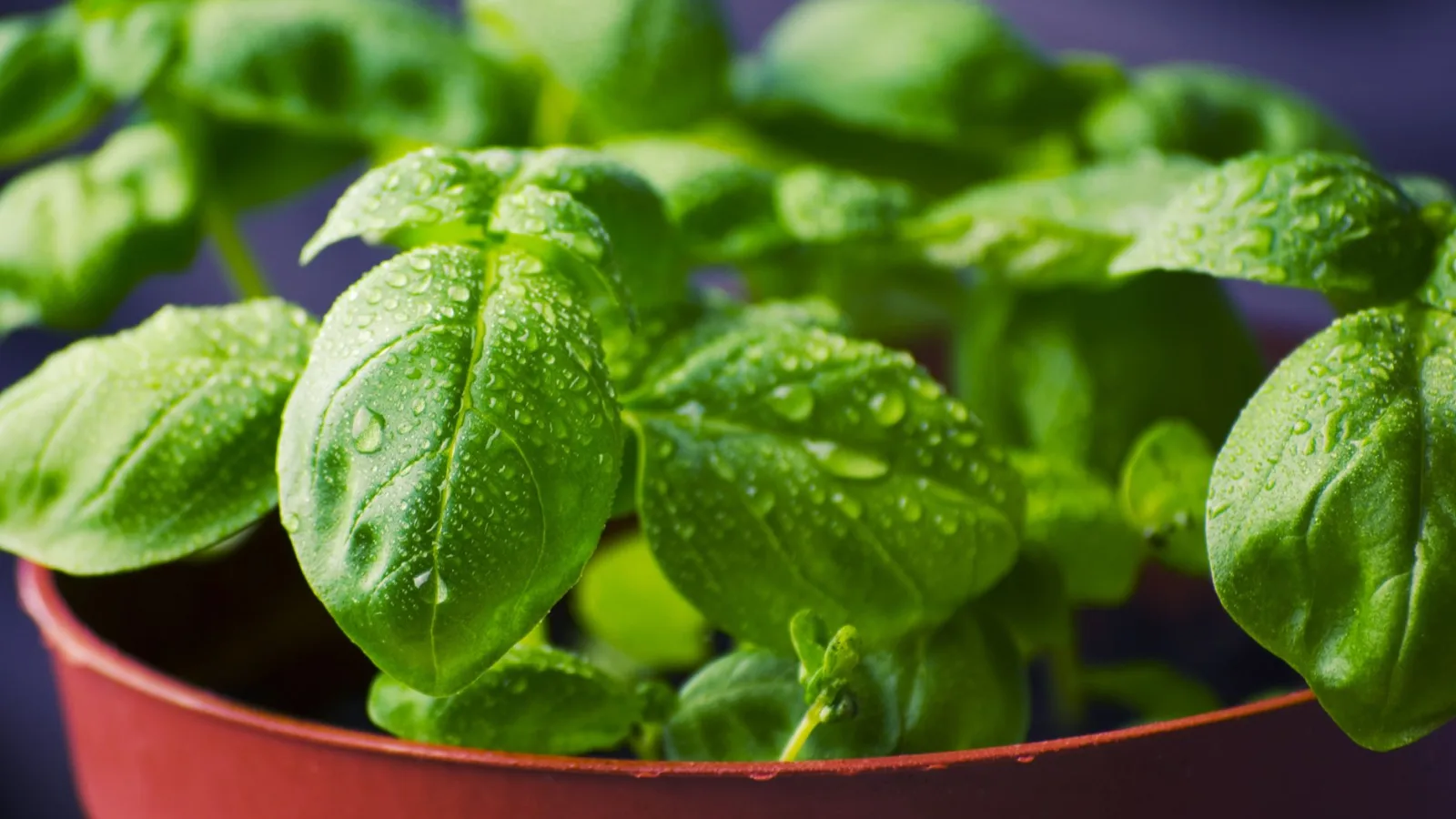
Greenhouse Basil Tastes Better in Half-Shade
A two-season greenhouse study found that cutting light by about half preserved basil's antioxidants while boosting the aroma compounds eucalyptol and linalool. Full shade kept the plant photosynthesizing but stripped out much of its polyphenol content.
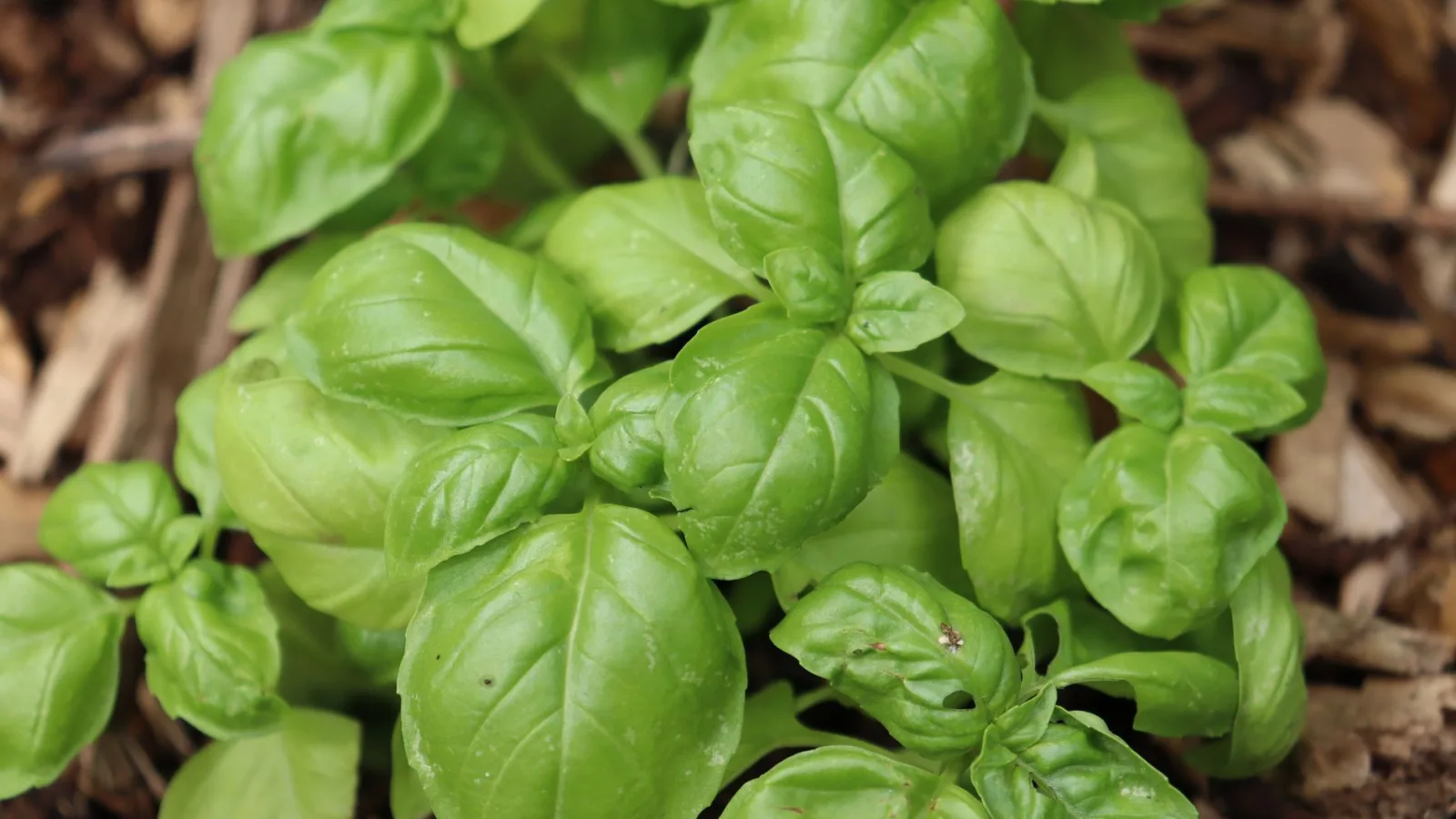
Basil: The Story Behind That Fragrance
Basil's familiar aroma comes from compounds like rosmarinic acid and luteolin — and in a lab study of an Omani basil extract, higher doses left fewer colon cancer cells alive. It's an early, cell-dish finding, not a reason to call basil a cancer fighter.
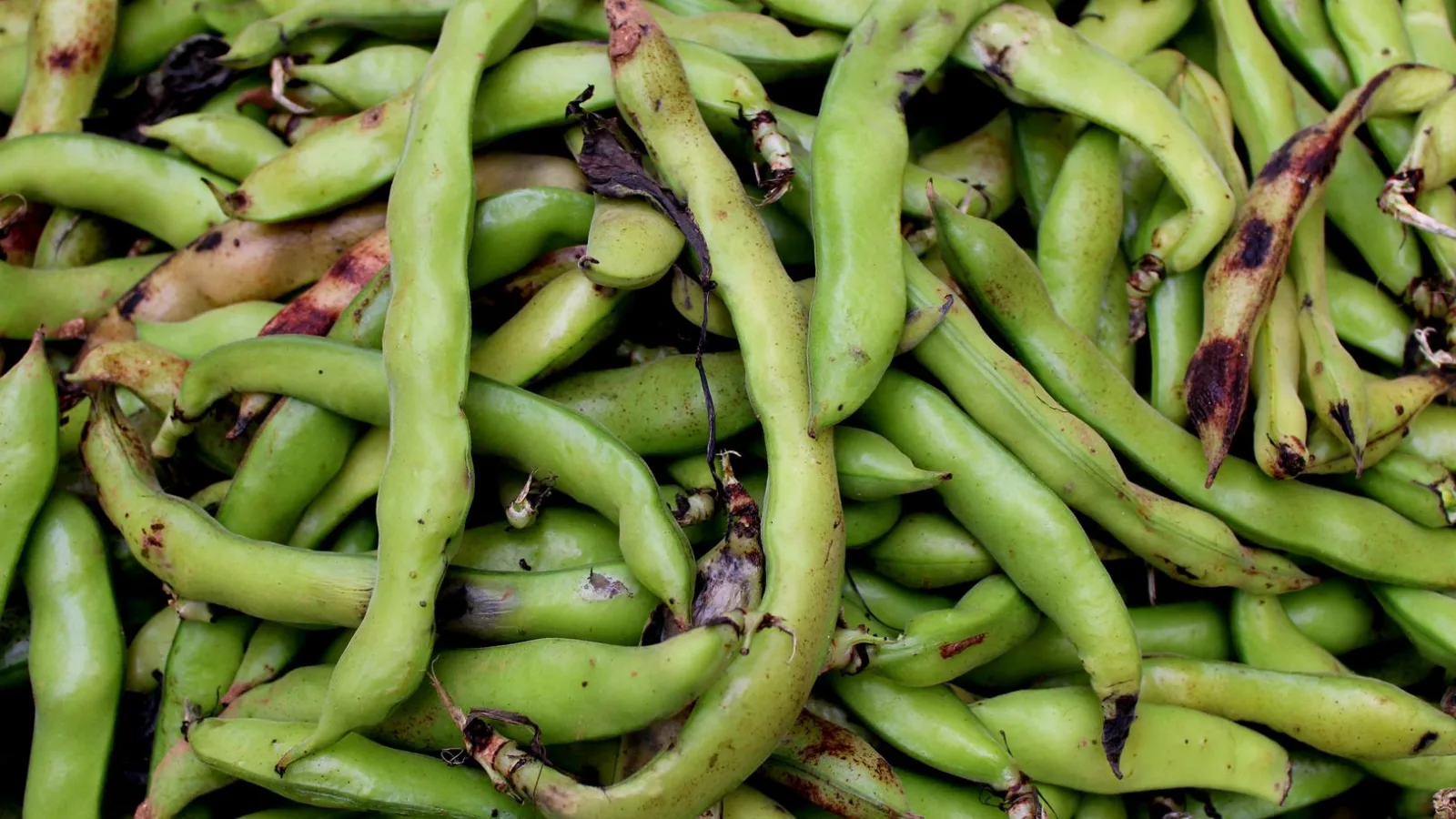
Eating Soy Early in Life May Change Breast Health
For more than three decades, researchers have been testing whether eating soy in childhood lowers breast cancer risk in adulthood. The evidence is suggestive but not settled — and it starts with the tofu and doenjang already on the table.
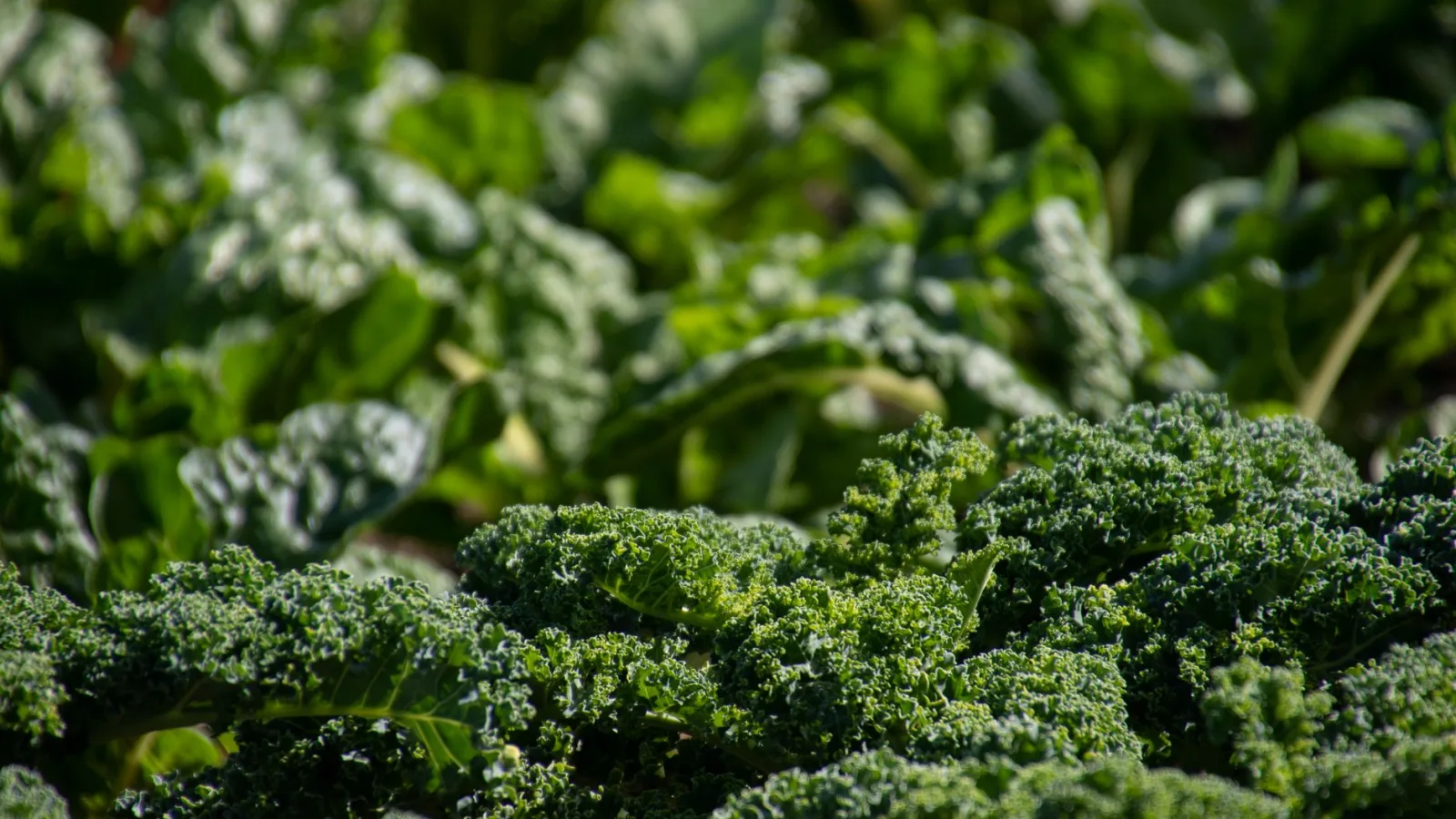
How Garden Vegetables Reach Your Brain by Way of Your Gut
The microbes in your gut turn what you eat into compounds that can influence brain function — and leafy greens from your own garden are among the best raw material. Broccoli sprouts, ready in a week from seed, have become one of the most studied vegetables in this field.
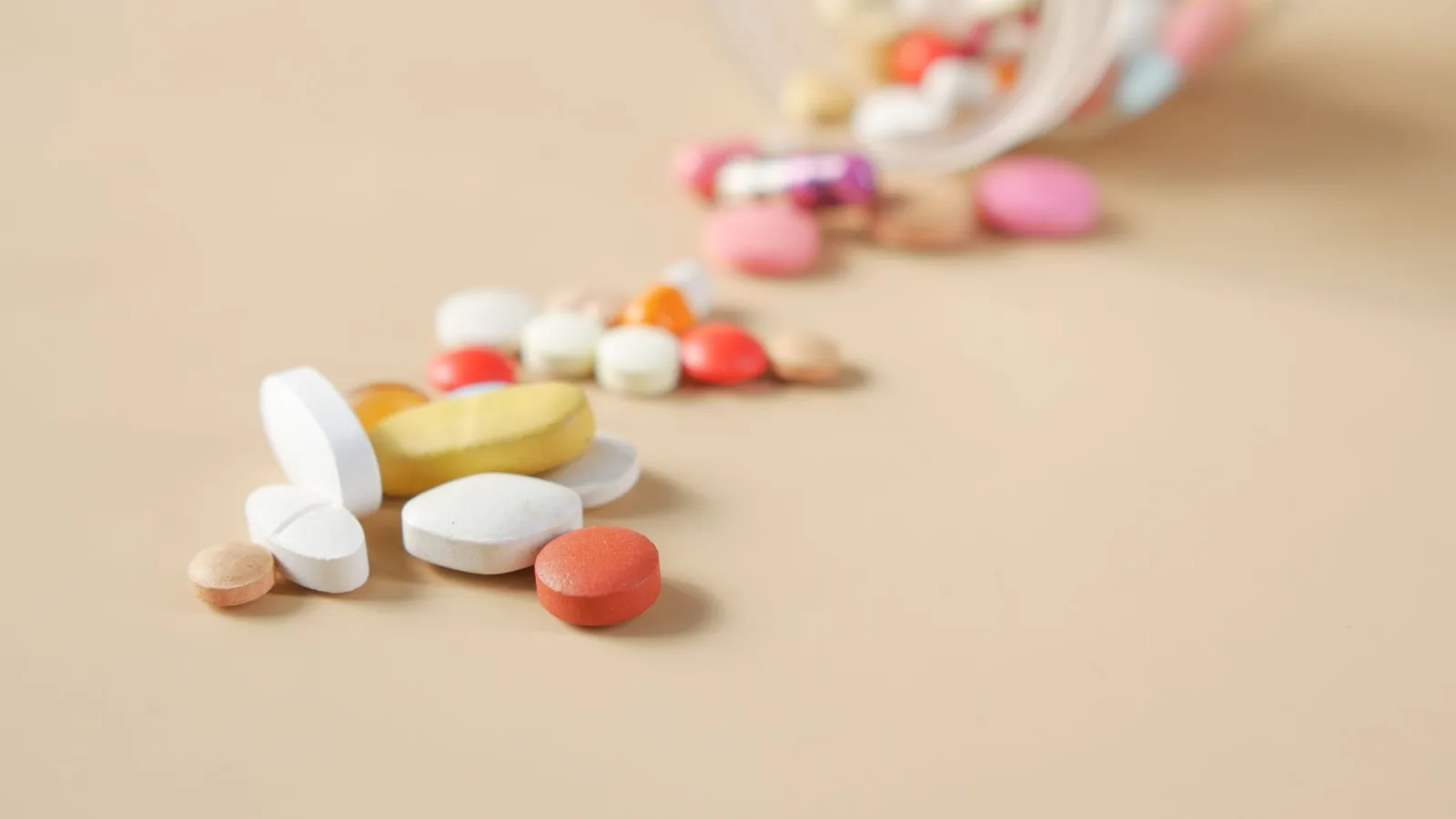
Medicine Works Better in a Well-Tended Body — and That Starts at the Table and in the Garden
A research review finds that diet and daily movement influence how antibiotics are absorbed, distributed, and broken down in the body — and may even play a role in how resistance develops. Good news for anyone who spends their evenings among the rows.
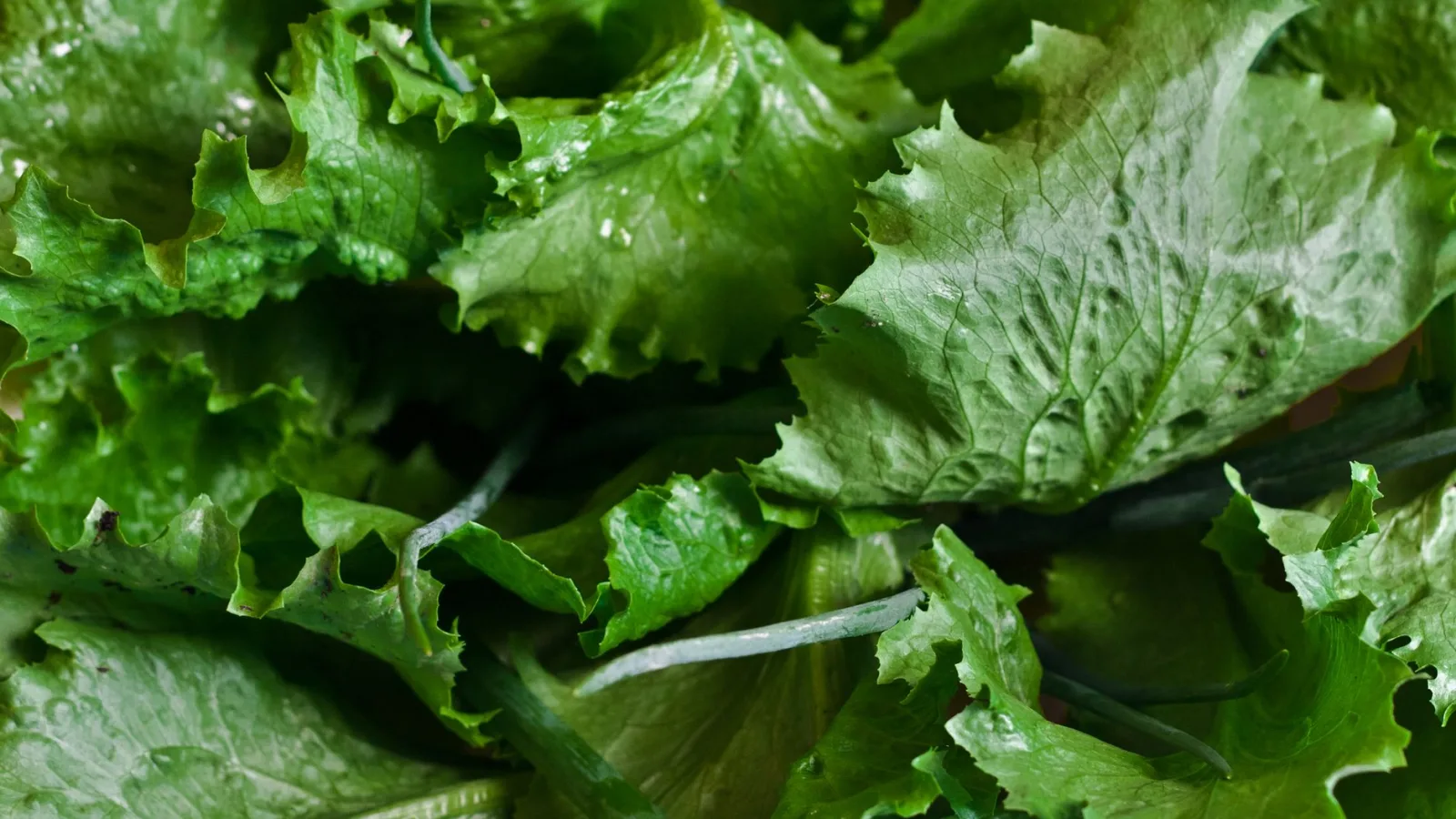
Why Your Lettuce Can Thrive on Less Phosphorus
Pale, undersized lettuce late in the season is often a phosphorus problem, not a watering one. A 2026 study found that humic substances extracted from leonardite, an oxidized lignite mineral, helped lettuce pull more phosphorus from the same soil.
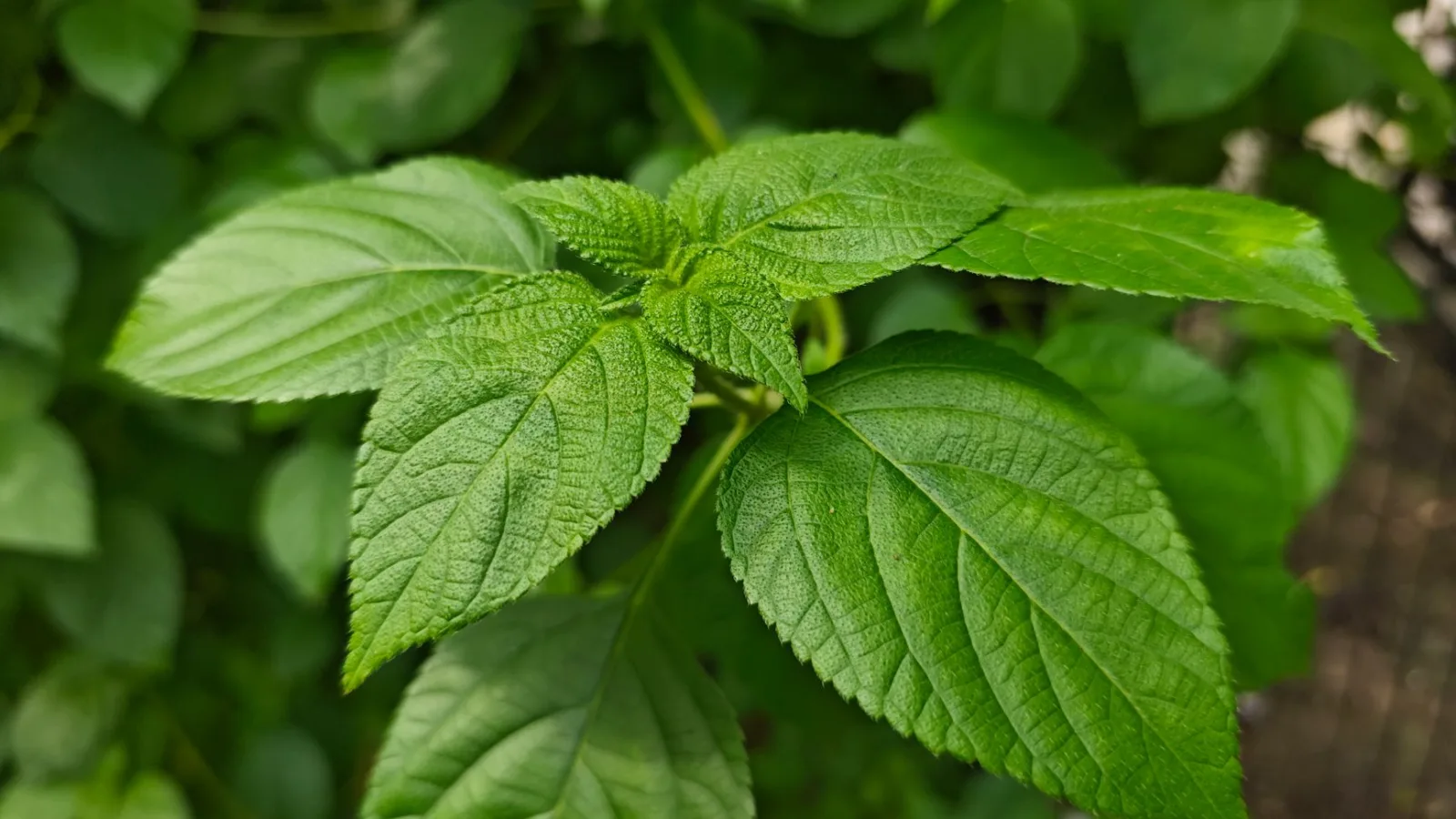
Summer Perilla Leaves: Keeping That Scent Alive
Midsummer perilla leaves are at their most fragrant, and a single harvest can fill a basket faster than you can eat it. Here's why the scent peaks in the heat, what the leaves do for you, and how to store them so they last a full week.
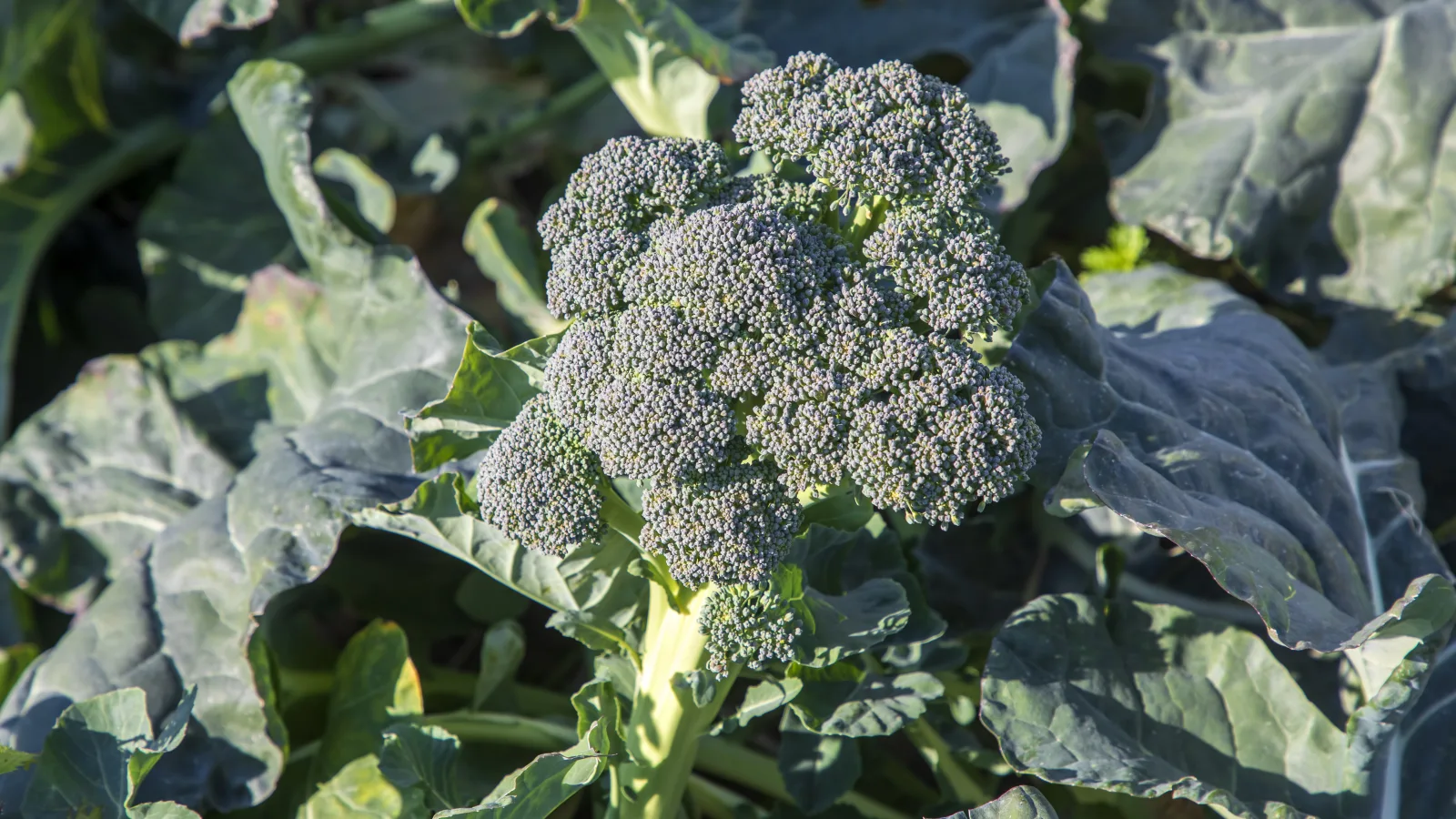
Don't Toss the Broccoli Leaves and Stems
Harvest a broccoli plant and most of it — the thick stalk, the broad leaves — stays behind in the bed. New research on how compounds shift by plant part and maturity suggests those leftovers are worth carrying into the kitchen.
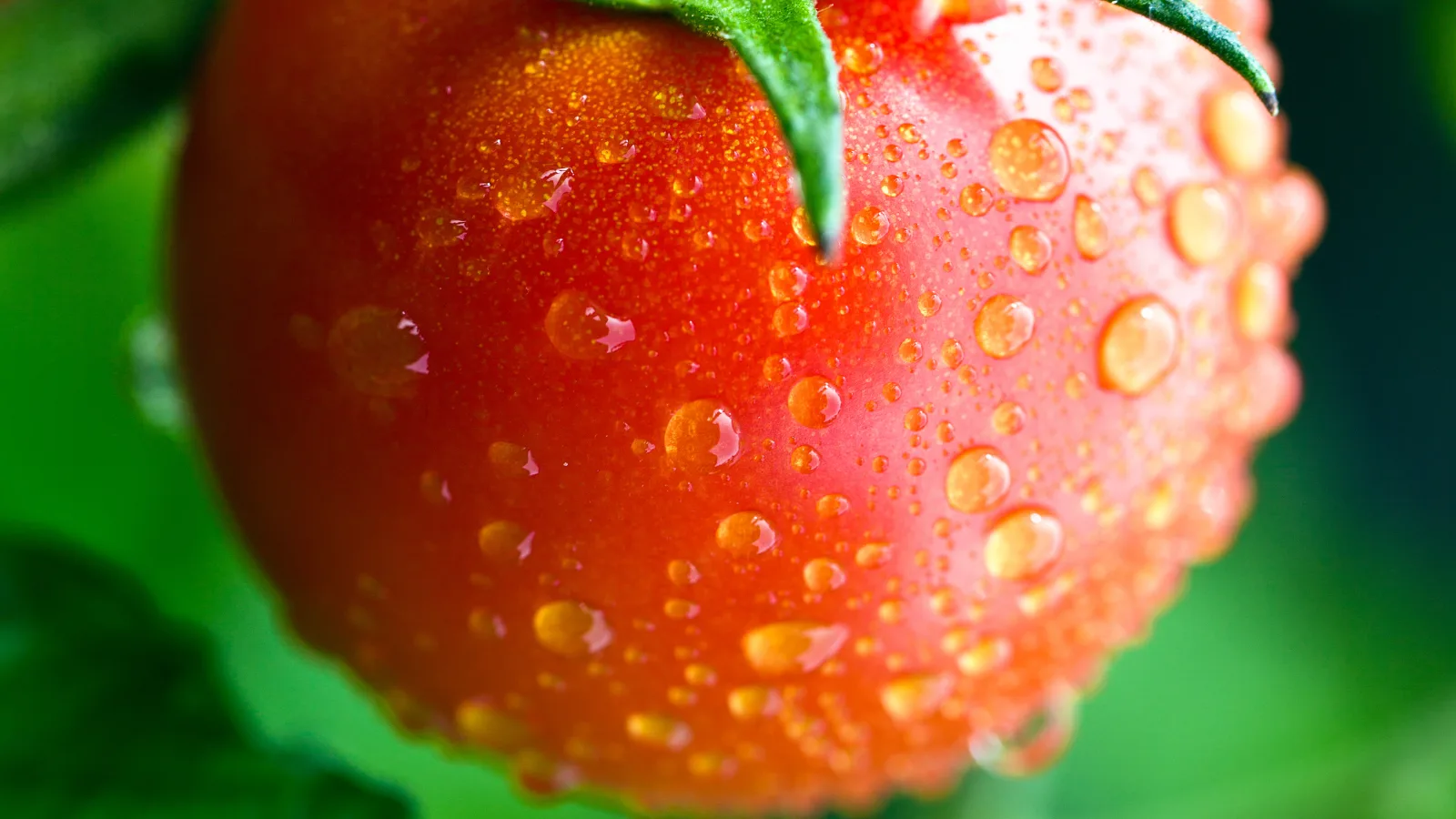
Tomatoes Grown a Little Thirsty Build Up More Antioxidants
Field research on processing tomatoes found that plants given slightly less water raised their antioxidant activity, while heavily stressed plants never fully bounced back after watering resumed. Here's what that means for the pot on your balcony.
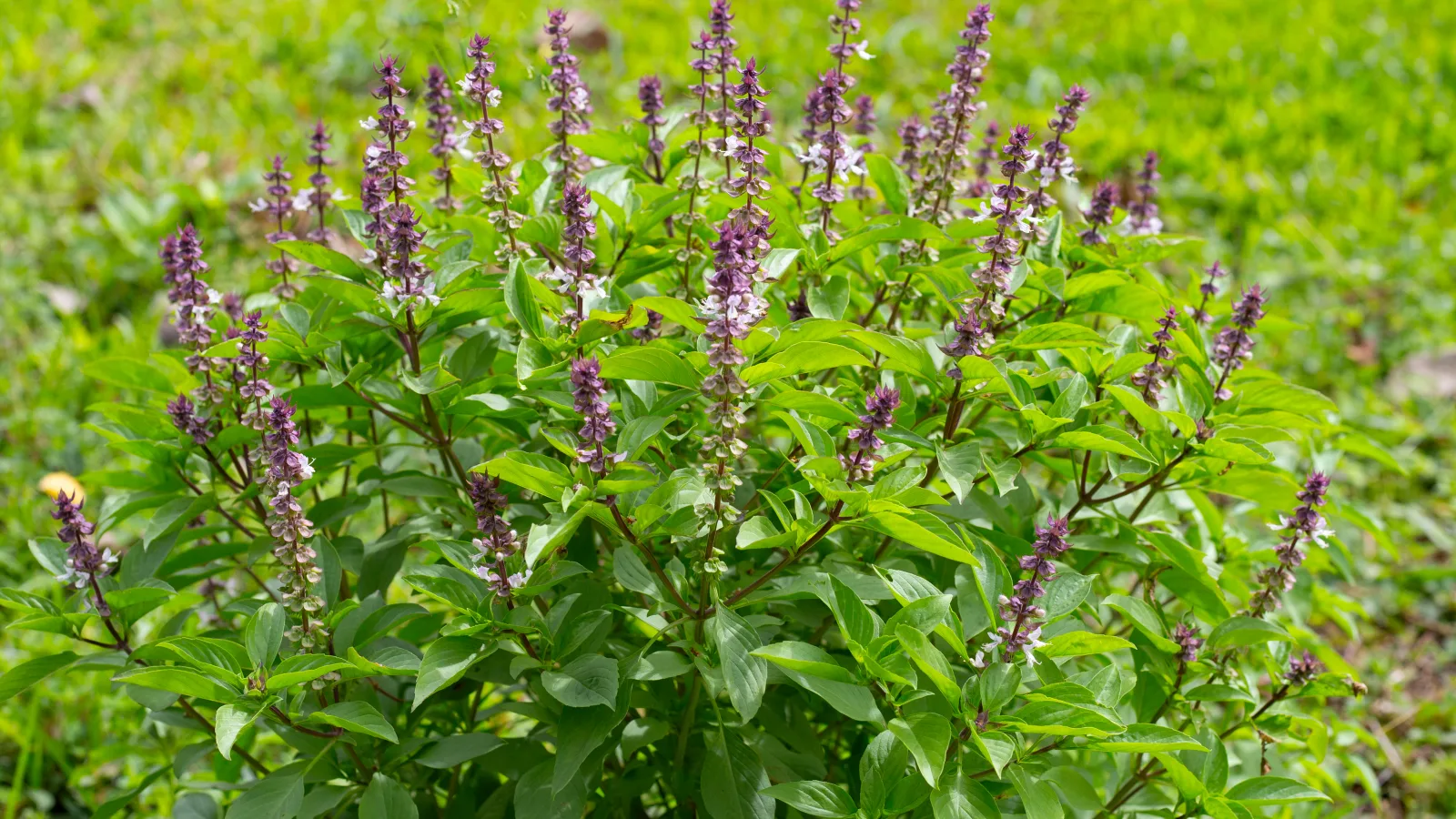
Holy Basil: The Temperature at Harvest Decides How It Smells
Grown from the same seed in the same soil, holy basil smells different depending on the temperatures it lived through in the days before you cut it. A 12-day study explains why — and points to when to harvest for antioxidants, for aroma, or for sheer volume of leaves.
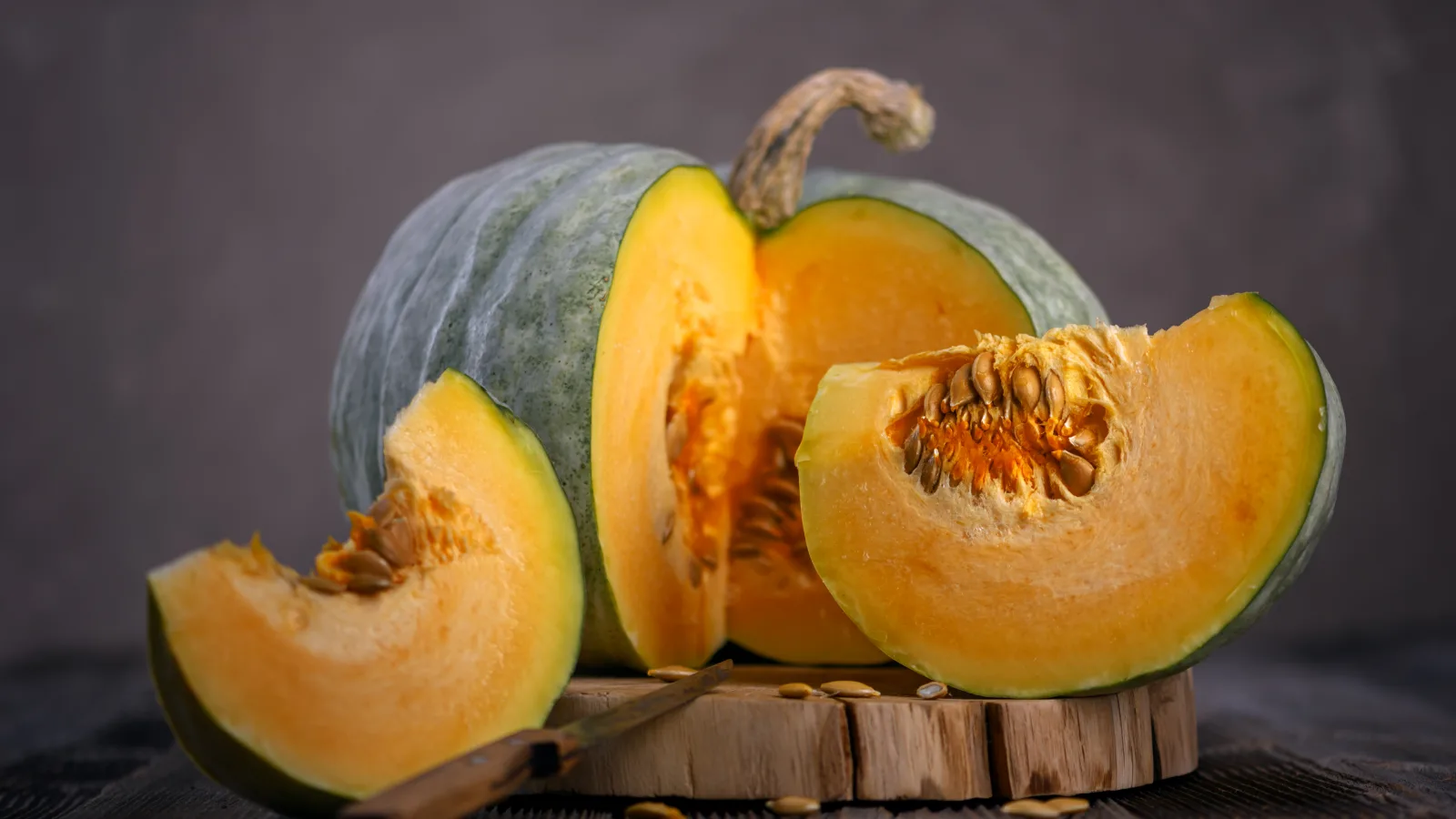
Why the Deepest-Colored Kabocha Is the One You Want
Two kabocha squash from the same row can come up completely different colors inside, and a 2026 genetic study explains why — the answer is a set of four carotenoid pigments, not fruit size. Here's what each pigment does and how to cook squash so you lose less of them.
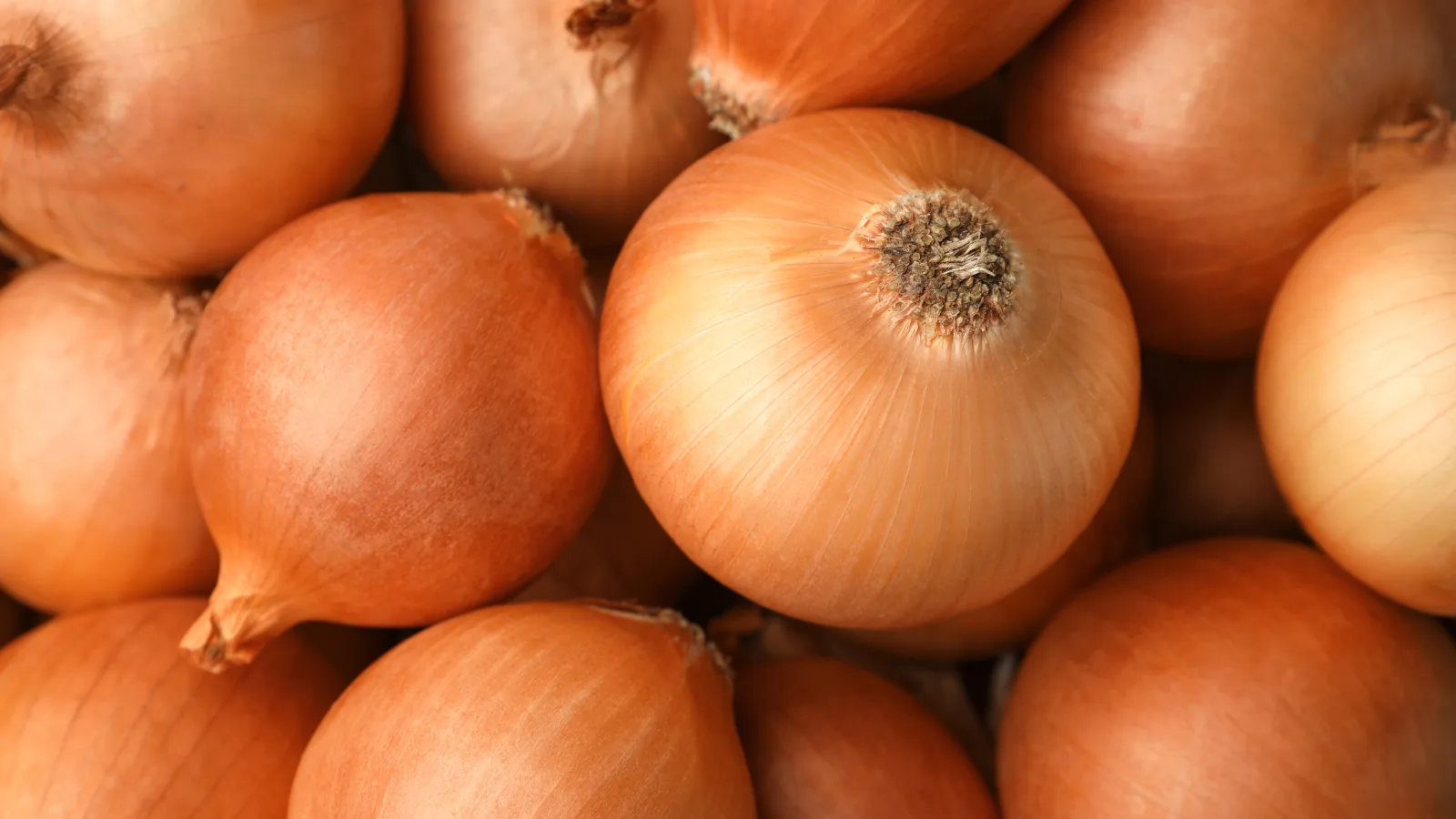
Before You Toss Those Onion Skins, Try Simmering Them First
Researchers analyzed onion skins, kale leaves, and Korean summer squash that markets reject for looking imperfect, and found the papery brown skins carried the most antioxidant compounds of the three. Even the spent pulp left after extraction turned out to be dense in fiber and protein.
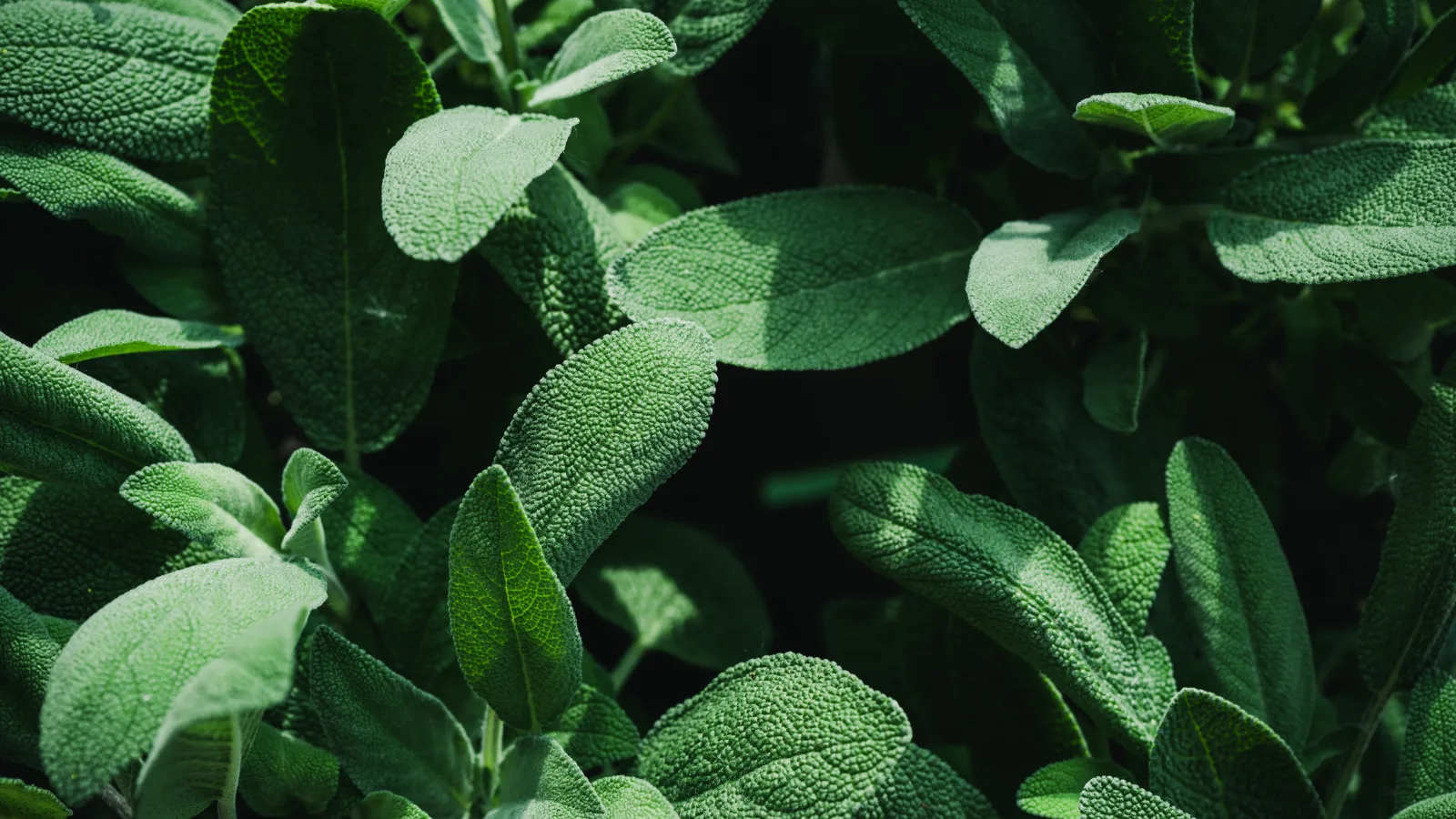
Getting the Most Scent Out of Sage
A 2026 study soaked sage leaves in a plant-derived solvent before distilling them, and both the yield and the aroma profile of the oil shifted. Here's what the research actually showed — and how to lose less scent from the sage in your own garden.
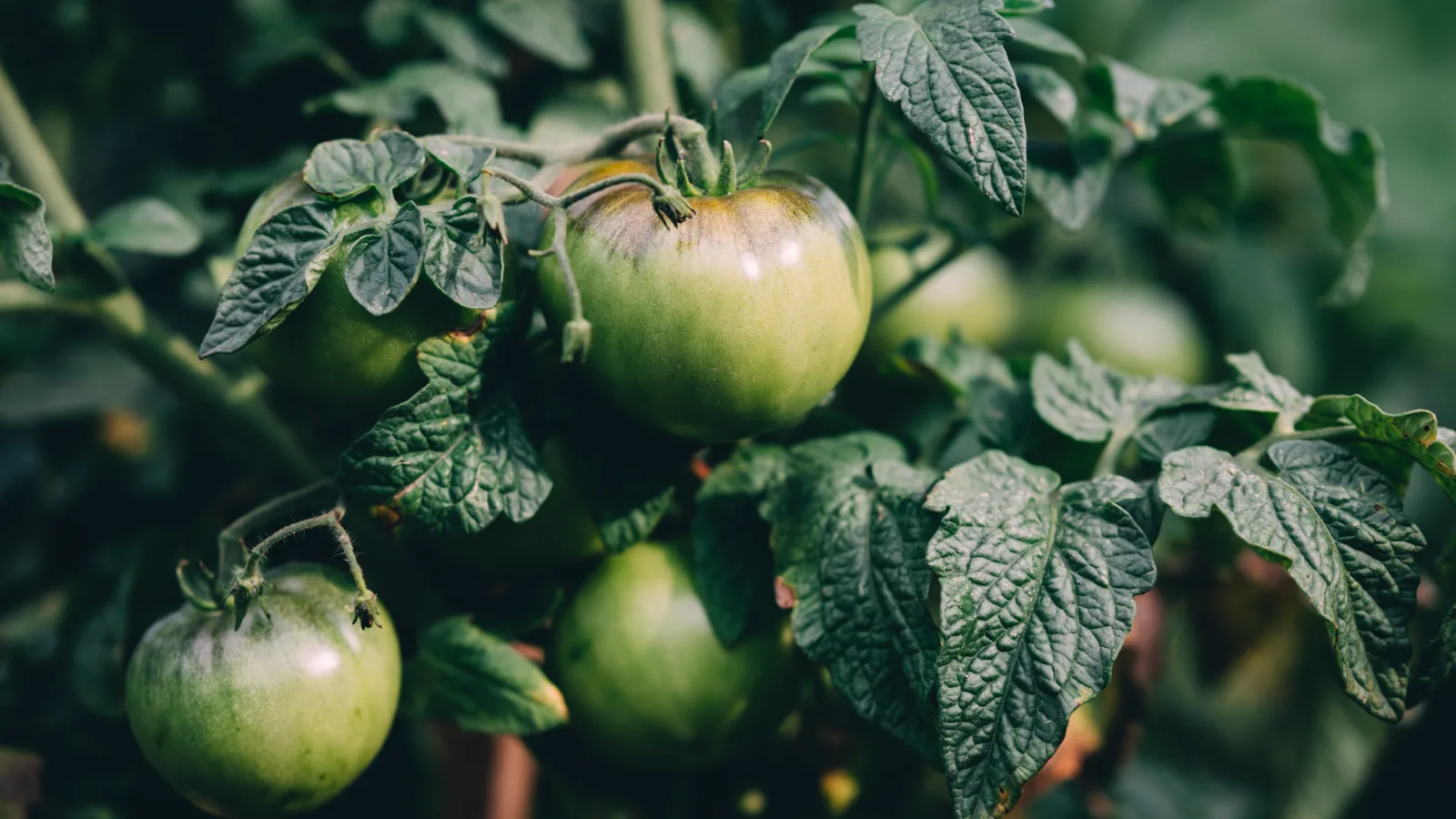
When Tomato Leaves Turn Yellow, Check the Soil for Salt
When tomato leaves yellow from the bottom up and a chalky white film appears on the potting soil, built-up salt is often the culprit. Here's how salt stresses tomatoes, how the plants defend themselves, and a few simple ways to keep your summer pots healthy.
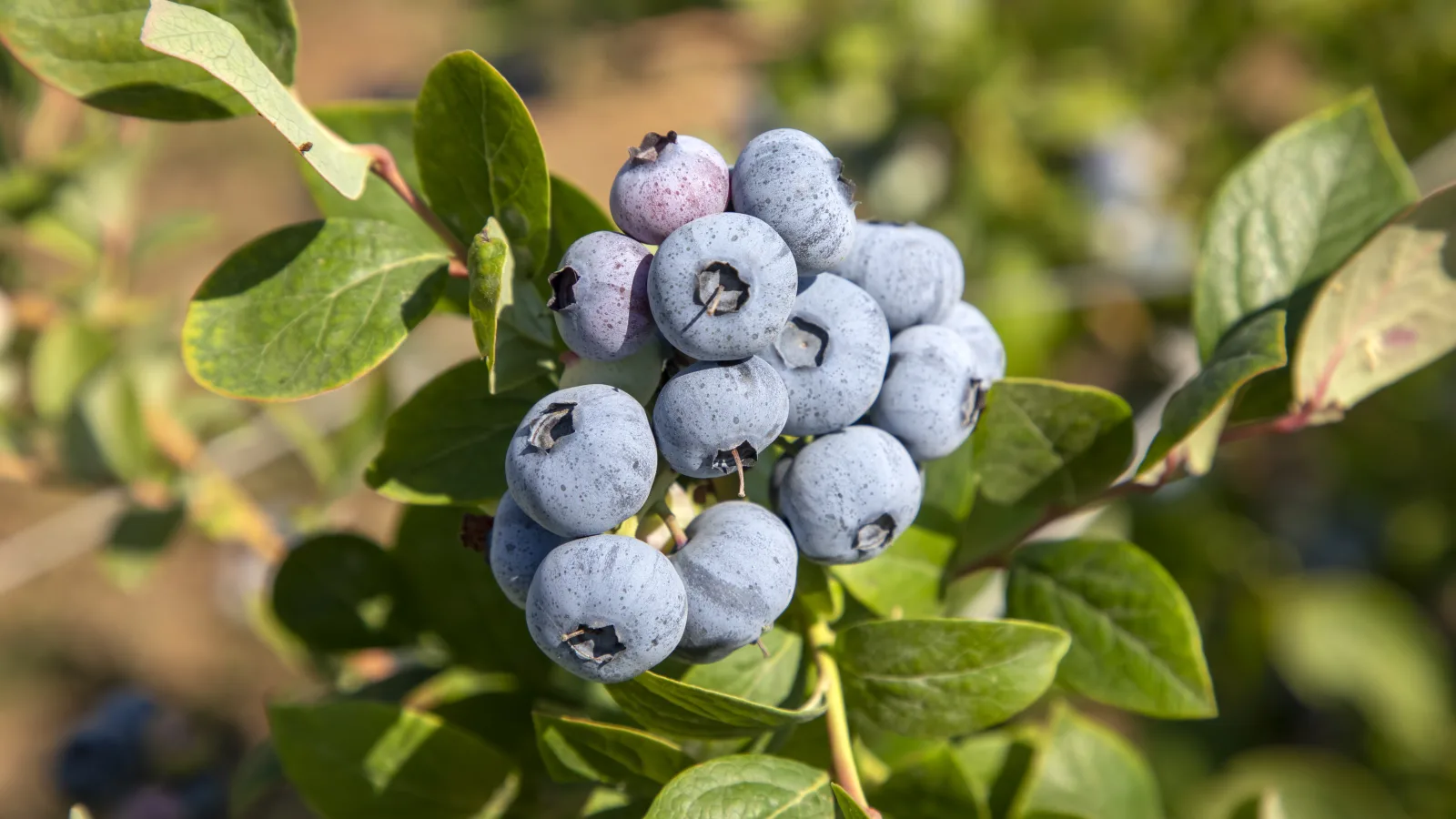
Myricetin in Blueberries — and How to Help Your Body Actually Use It
Myricetin, the antioxidant in blueberries and grape skins, is notoriously hard for the body to absorb because it won't dissolve in water. Researchers used machine learning to find molecular partners that fix that — and the resulting material kept tomatoes fresh longer, too.
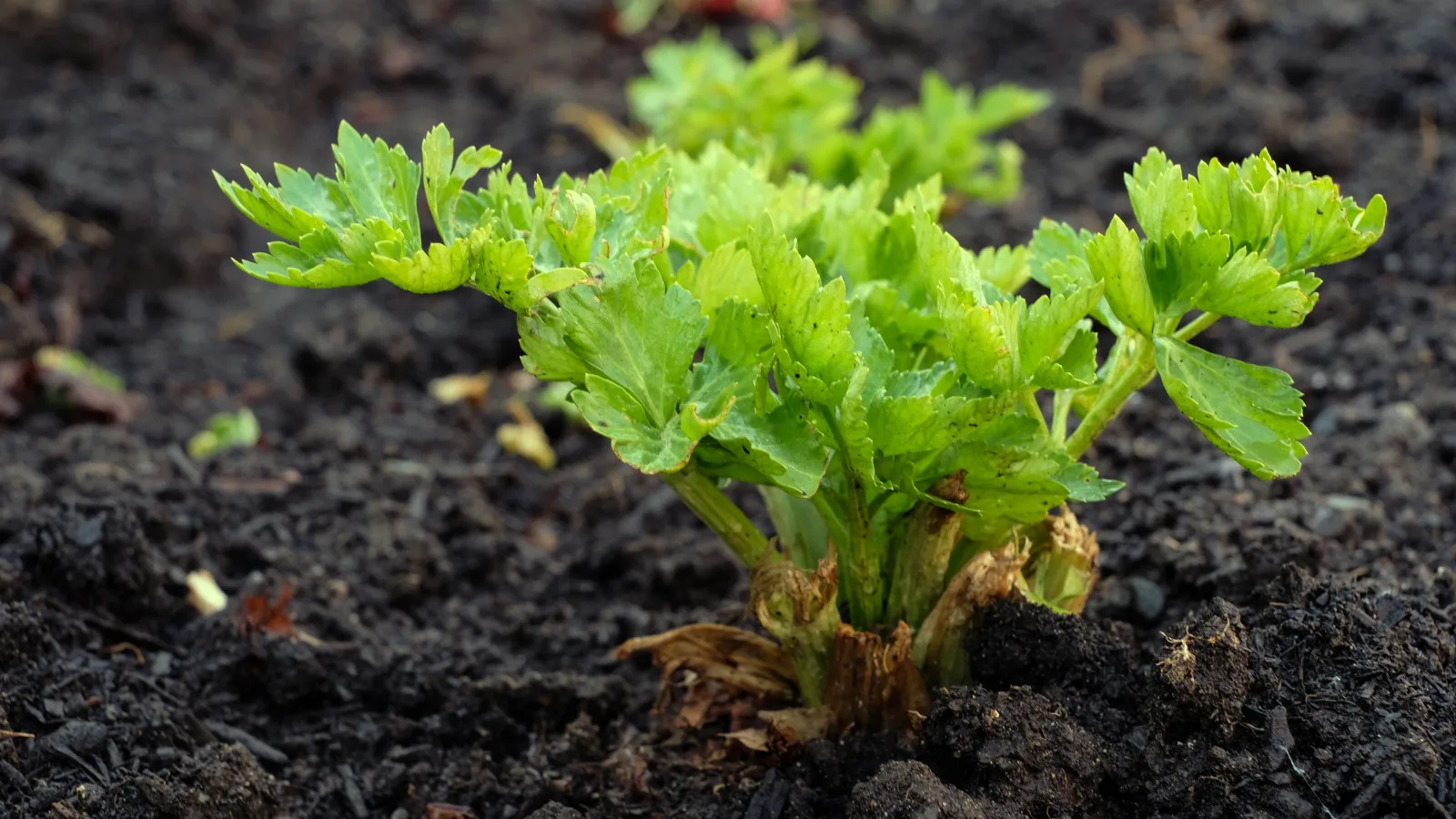
When Your Celery Fades Year After Year, Try a Season of Green Onions
Celery grown in the same bed for years leaves the soil depleted and the plants weak. A simple crop rotation—slipping in a single season of green onions—can revive tired soil, cutting disease by 64% and boosting the next celery harvest by more than 30%.
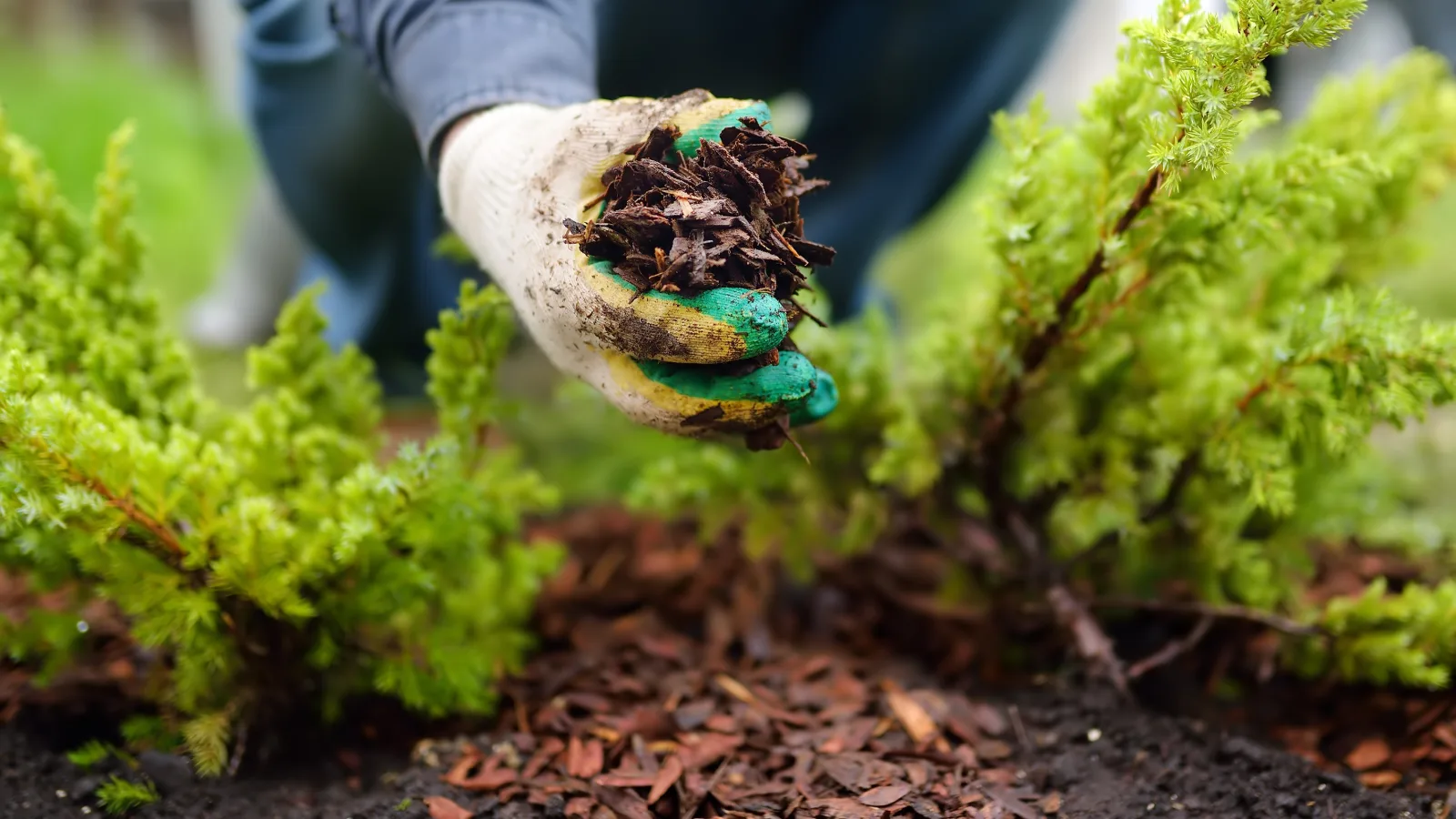
What Happens to the Soil When You Lay Biodegradable Mulch on a Cabbage Bed?
A 2026 field study laid five kinds of biodegradable mulch on cabbage beds and found that, over a single season, the soil held steady, yields rose slightly, and bacteria and fungi responded in different directions.
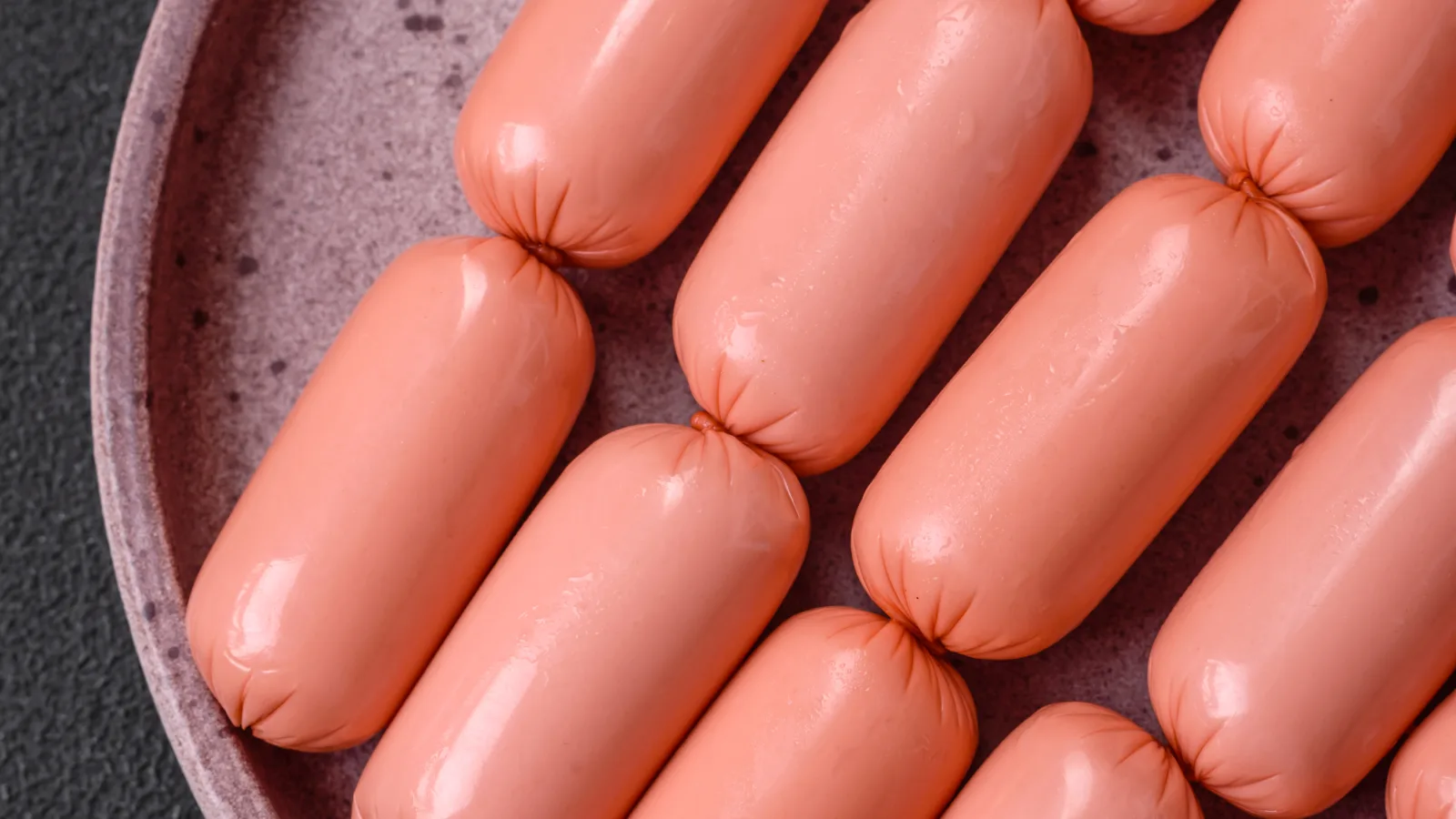
How Much Do Preservatives in Processed Food Raise Your Blood Pressure?
An eight-year study following more than 112,000 people found that diets high in certain food preservatives were linked to higher rates of high blood pressure, heart attack, and stroke. Here's where those additives hide — and why garden vegetables sidestep them entirely.
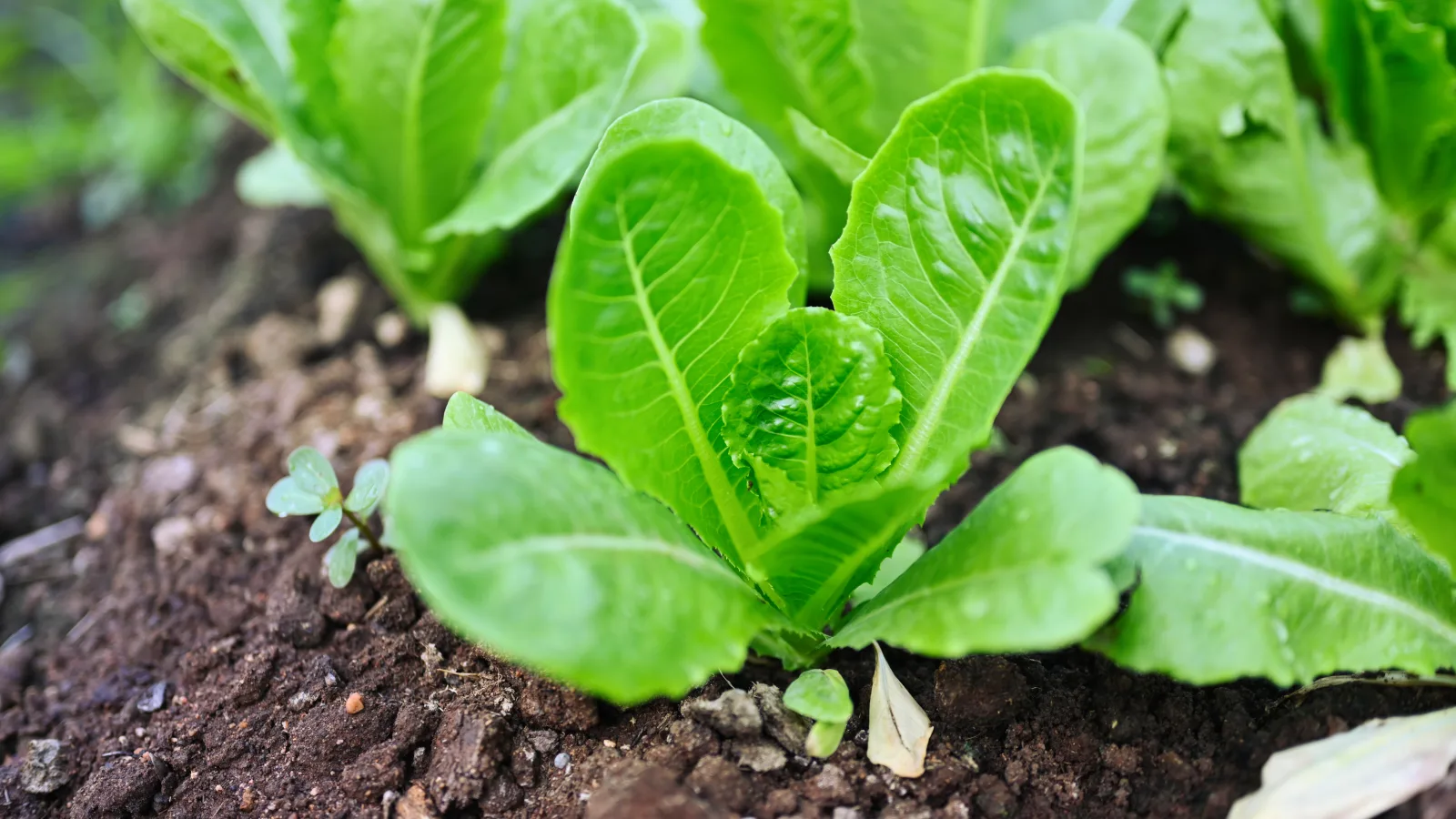
I Gave My Discarded Vegetables Back to the Soil, and My Lettuce Was Never the Same
A 2026 study found that a soil amendment made from vegetable trimmings helped baby lettuce grow as well as chemical fertilizer did, while holding onto far more water. Here's what it means for your own garden.
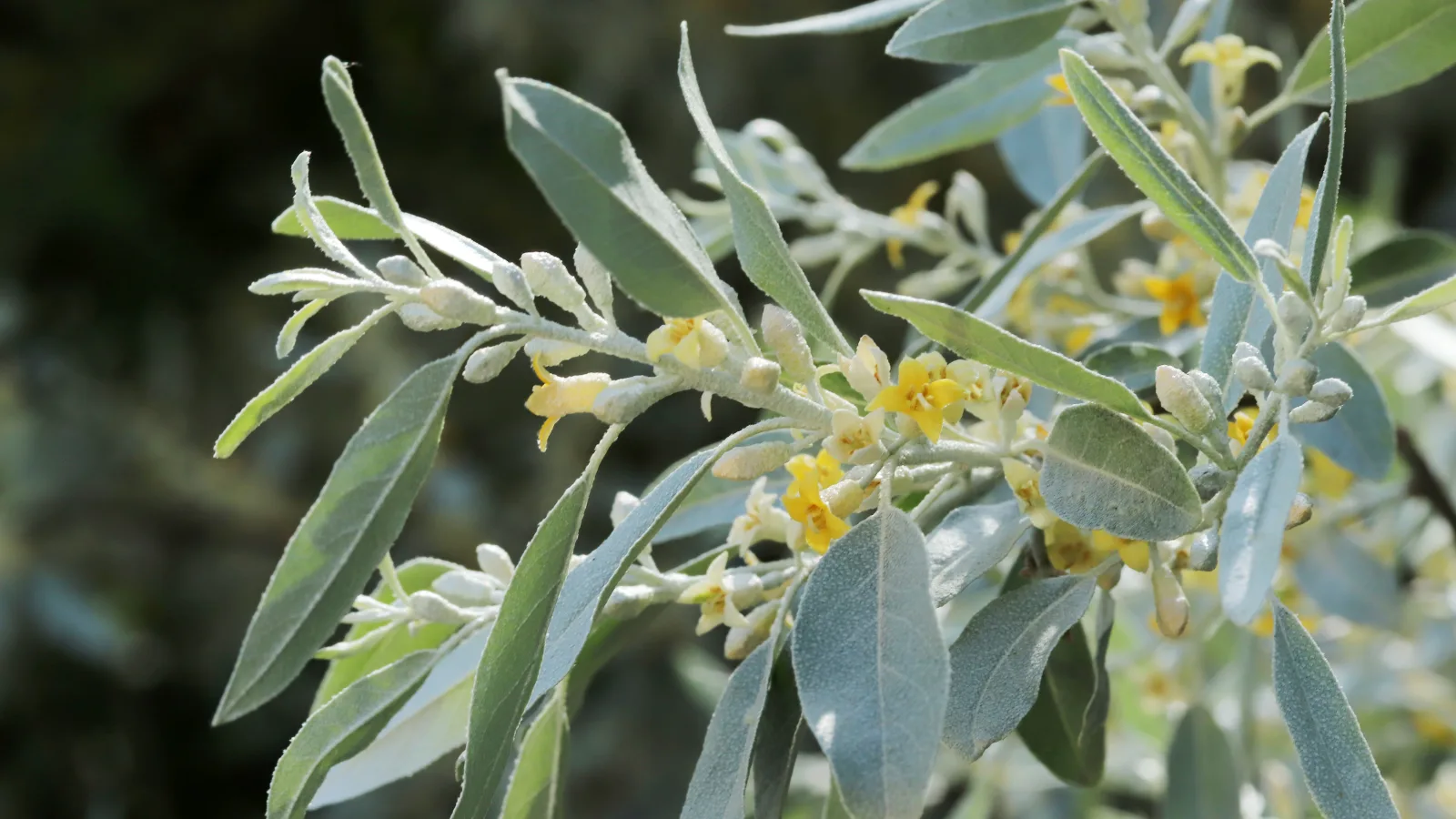
Your Garden's Russian Olive Blossoms Could Become Raw Material for Antimicrobial Nanoparticles
An Iranian research team used extract from Russian olive flower buds to create silver nanoparticles, then confirmed their antimicrobial, antioxidant, and anticancer potential in the lab. It's a striking case of a traditional medicinal plant meeting modern nanomedicine.
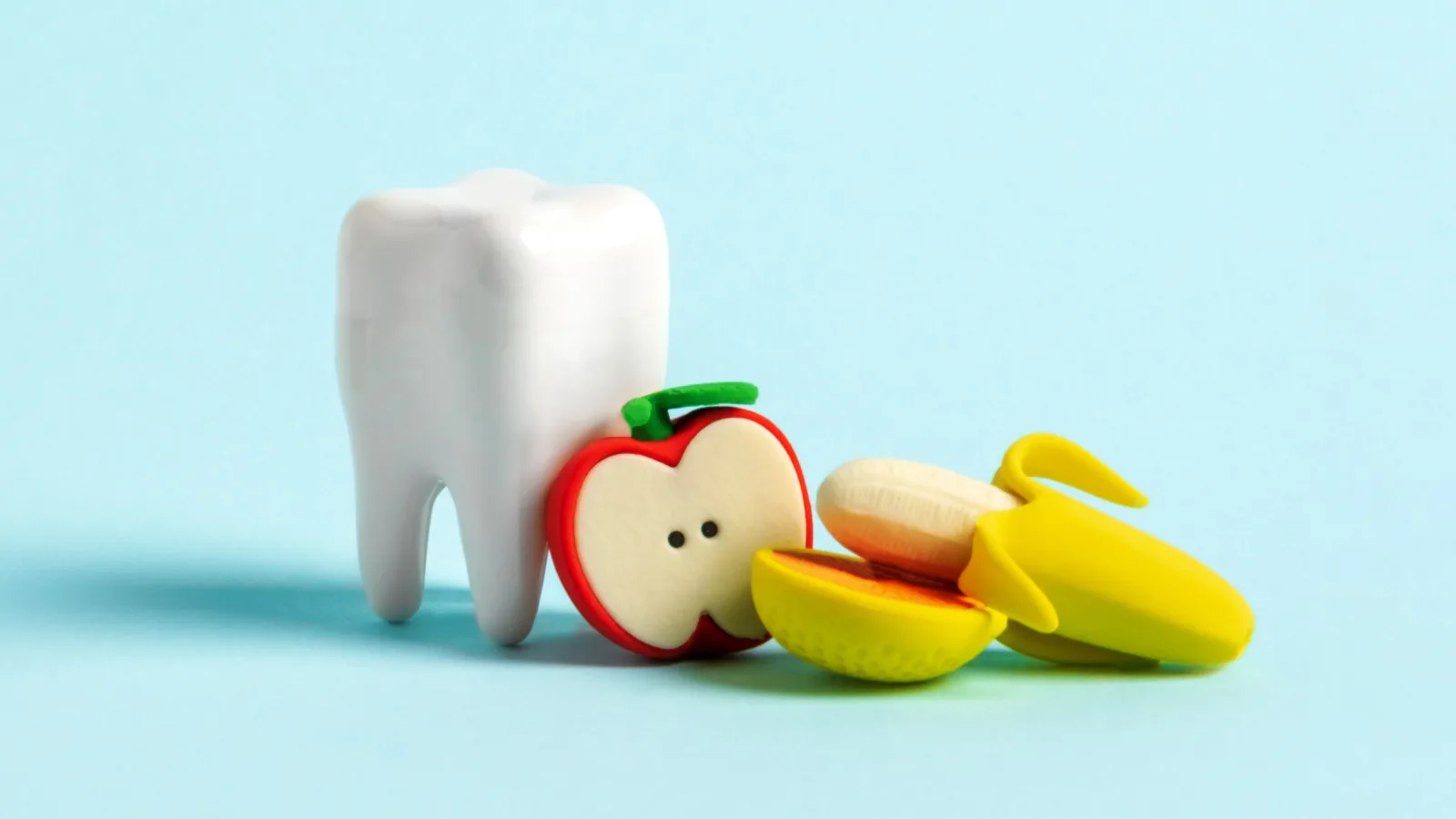
Eat a Little Less, and Your Gums May Change Too
Brushing and flossing aren't the whole story when it comes to gum health. New clinical research suggests that what you eat—and how much—can lower gum inflammation, which is good news for anyone who loves fresh vegetables from the garden.
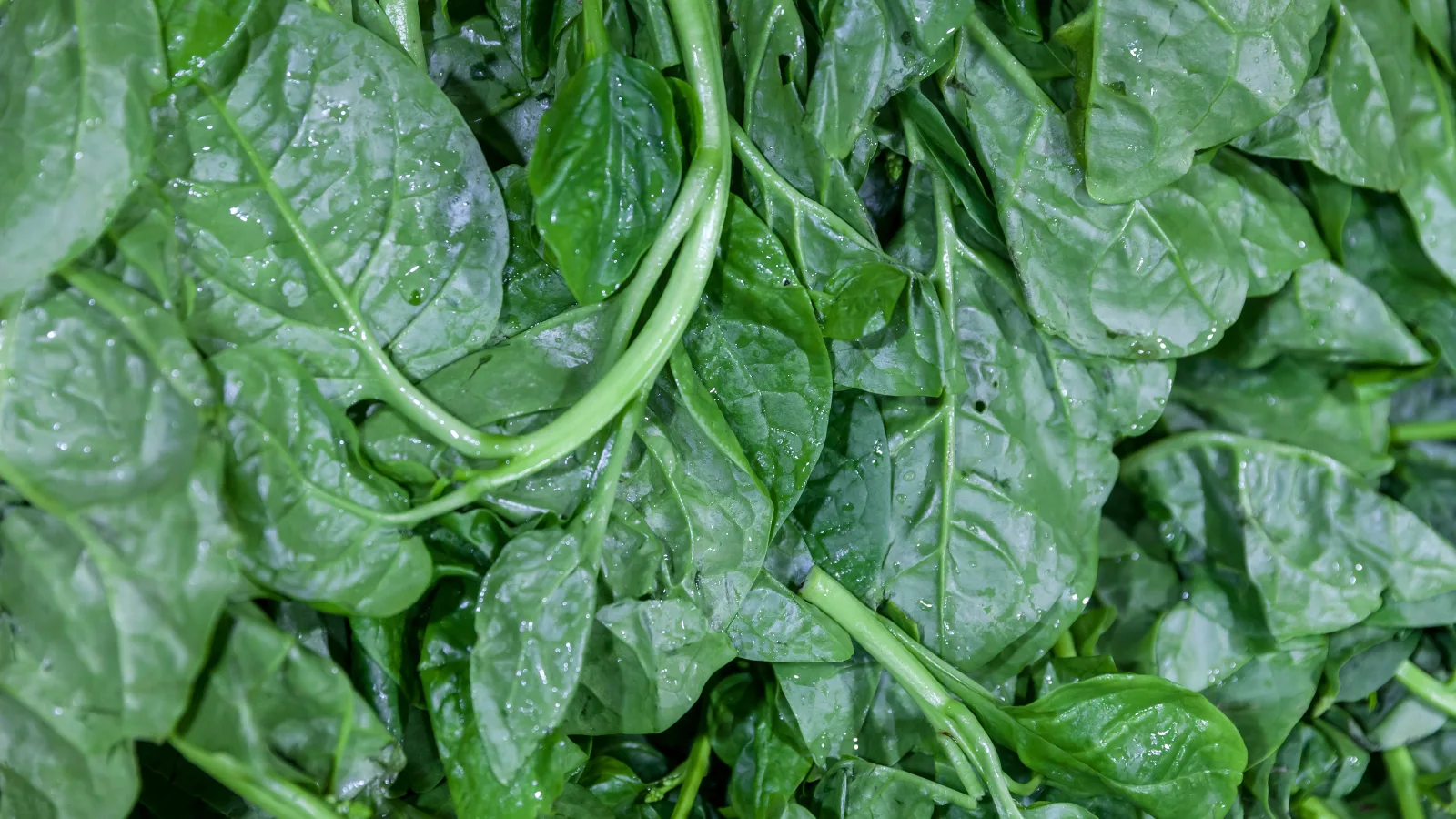
The Benefits of Malabar Spinach
Malabar spinach is a heat-loving vine that keeps your summer garden in greens. A recent study analyzed its leaves, berries, and stems separately—and found that each part has its own strengths.
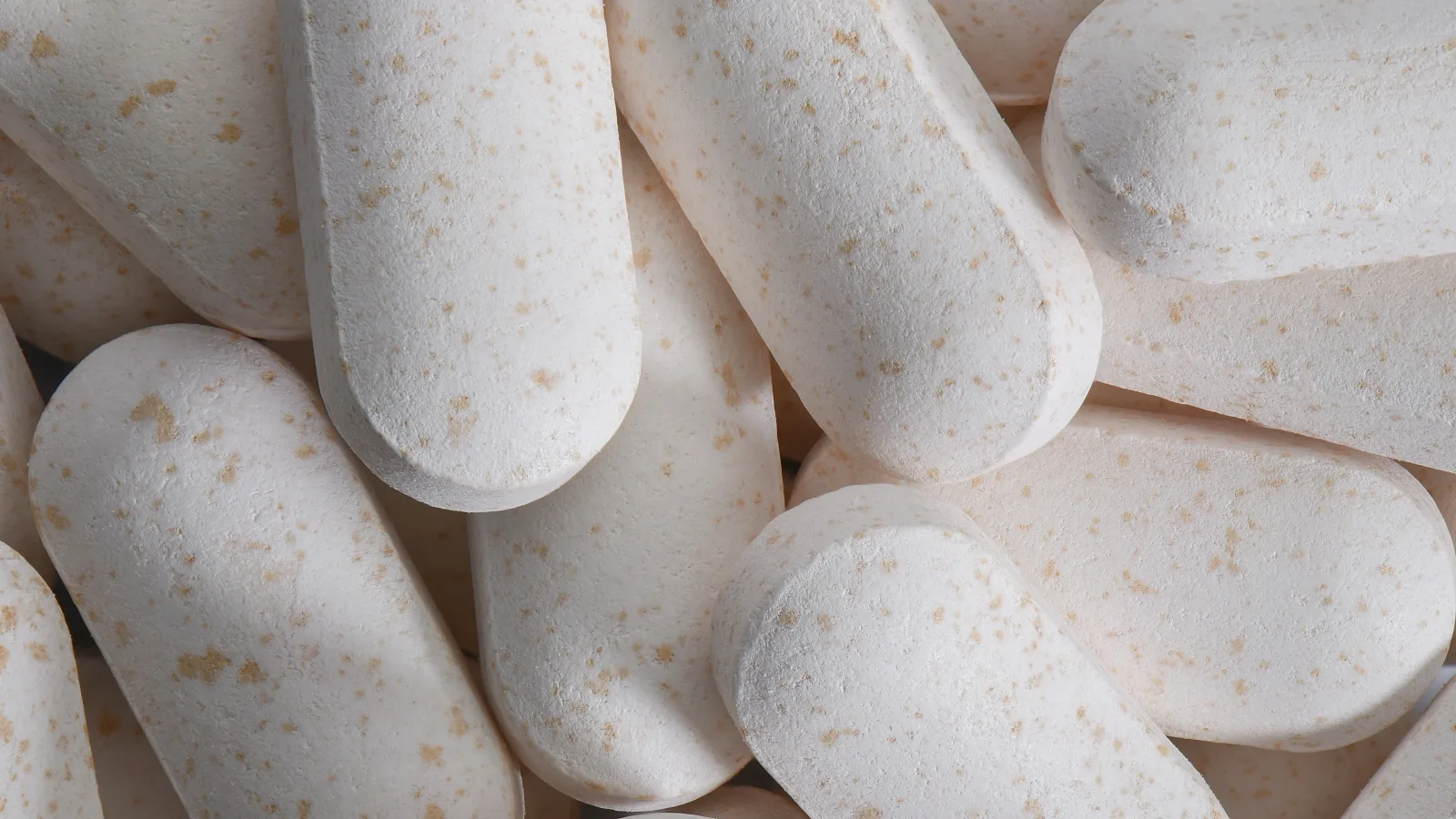
Does a Calcium Pill Really Protect Your Bones?
A study of more than 150,000 people found that calcium and vitamin D supplements did little to prevent fractures or falls in healthy older adults. The most reliable path to strong bones runs through calcium-rich garden vegetables, a little sunshine, and the weight-bearing work of tending the soil.
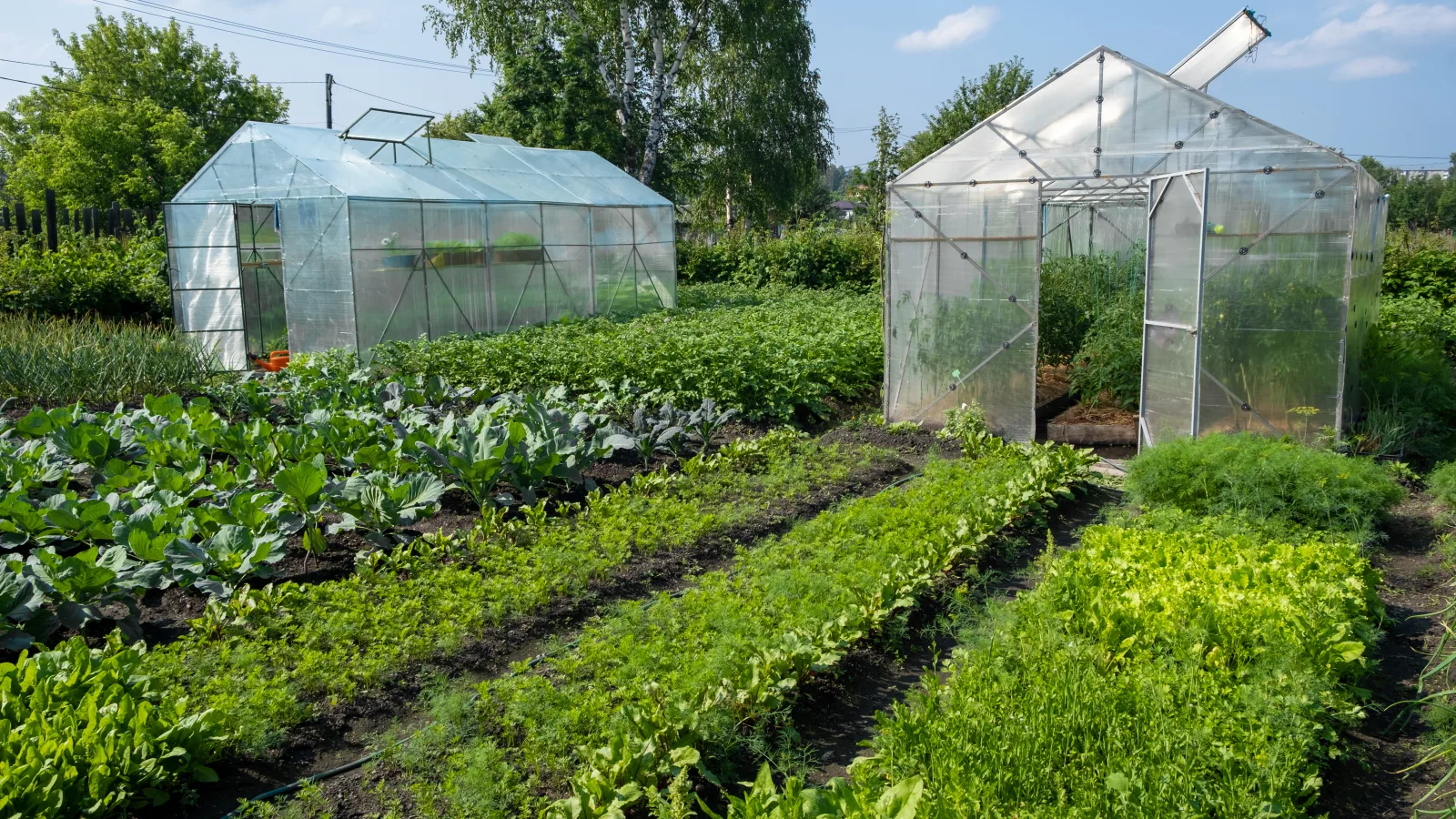
What the Label Leaves Out
Scientists have identified more than 26,000 chemicals in our food, yet nutrition labels track only a few dozen. Growing a variety of vegetables at home may be the simplest way to take in the many compounds science hasn't even named yet.
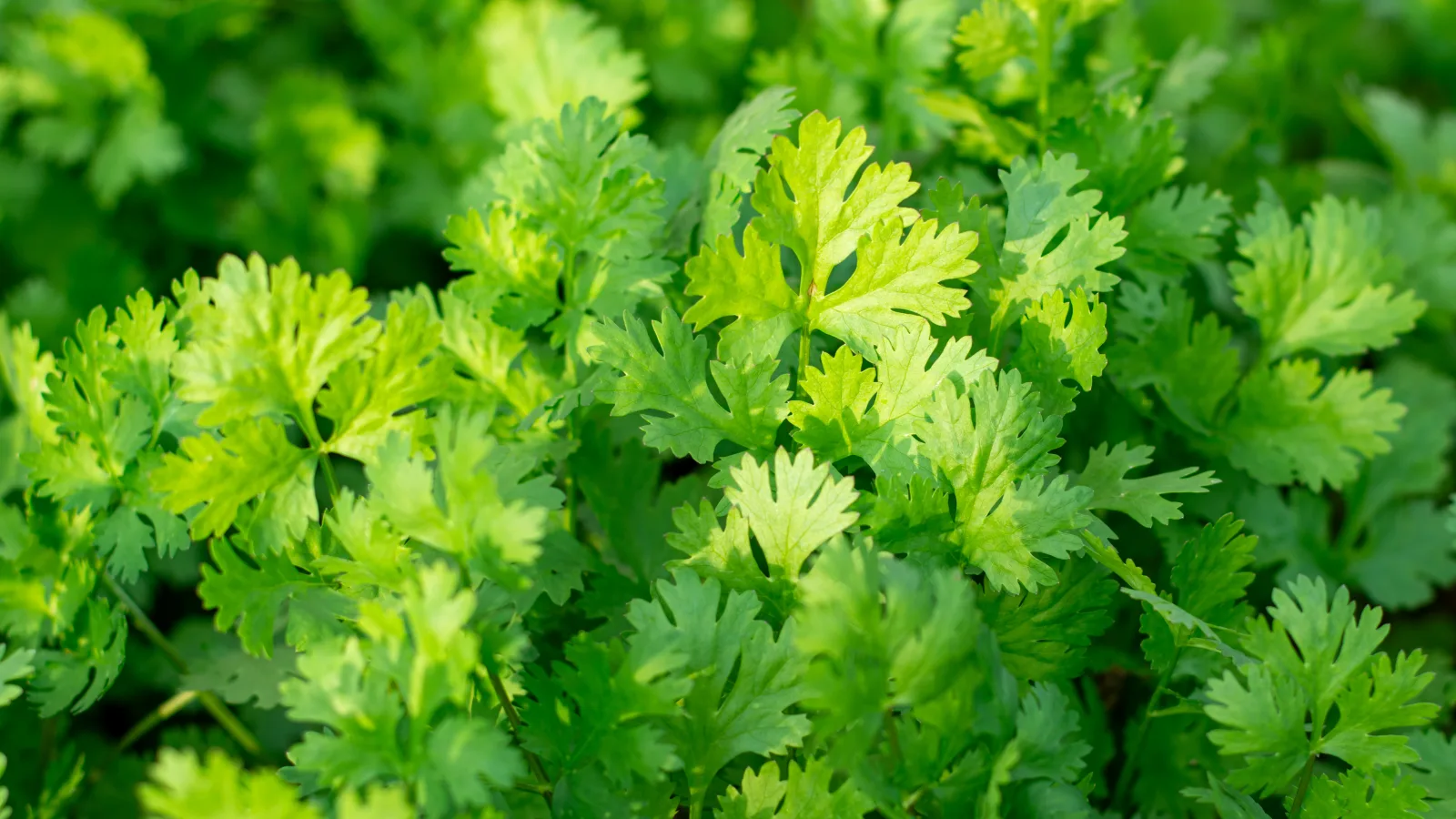
A Handful of Rice Husk Ash Can Transform Your Cilantro
Thin stems and pale, flavorless leaves are a common frustration for cilantro growers — and the culprit is often a hidden silicon shortage. A simple handful of rice husk ash, especially paired with a beneficial soil microbe, can restore vigor, yield, and even nutritional density.
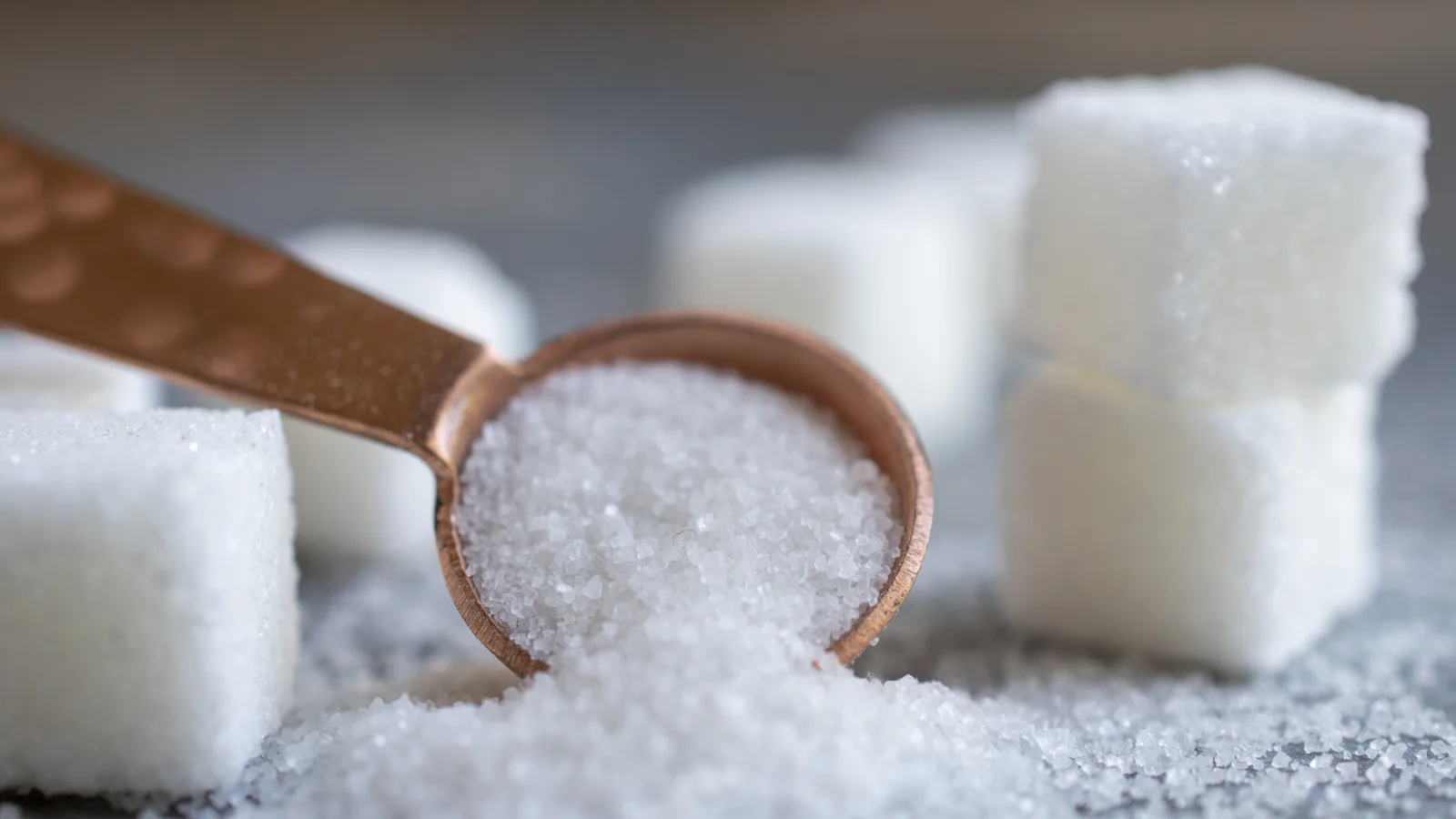
Cutting Out Sugar Completely Can Actually Worsen Your Blood Sugar
A recent animal study found that removing sugar entirely from a low-fat diet left blood sugar control worse, not better—and shifted the balance of gut bacteria along with it. The takeaway leans toward balance over total elimination.
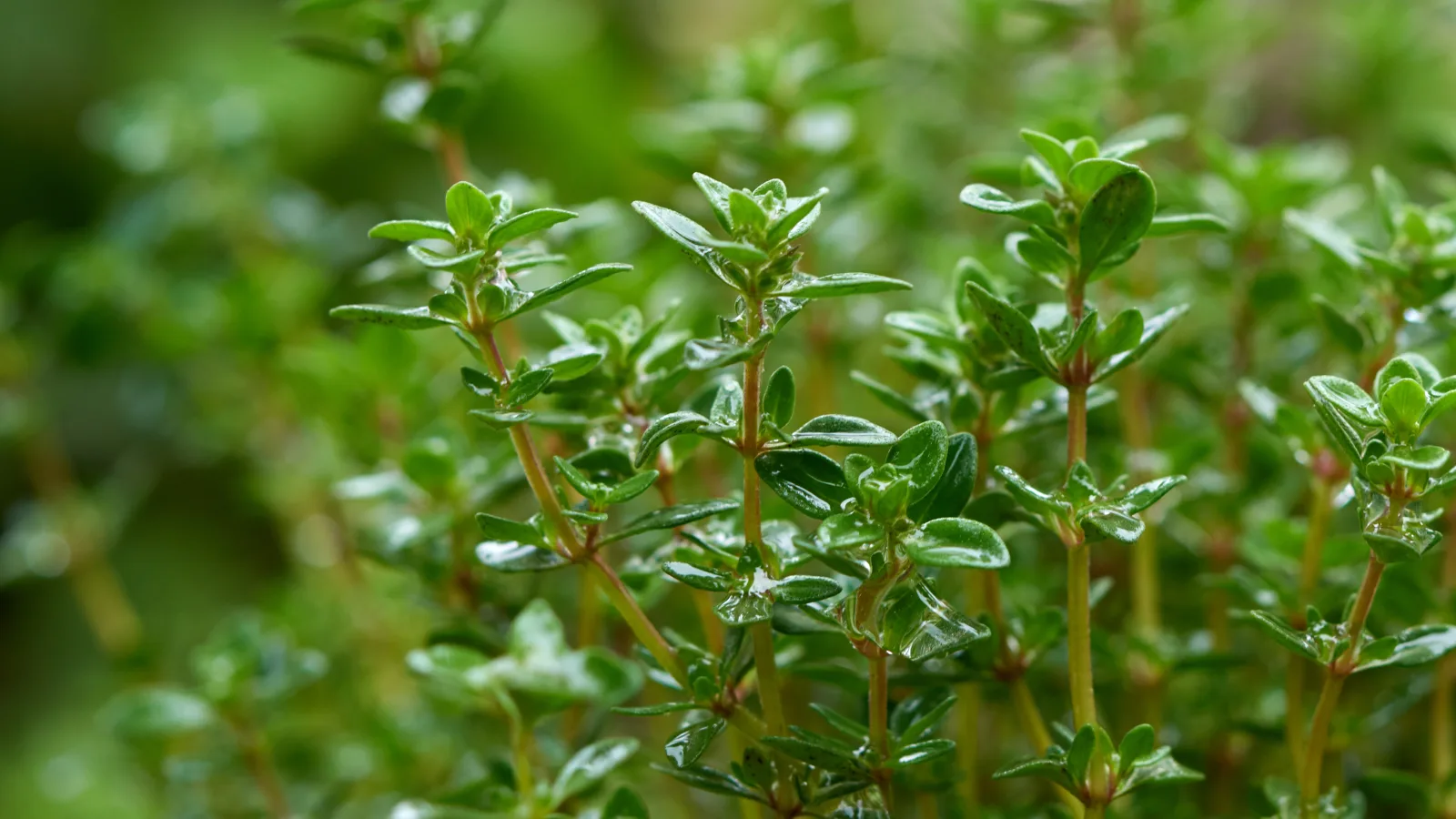
Thyme Slows the Spoilage of Meat
A sprig of garden thyme tucked between cuts of pork keeps the meat fresher overnight—and there's real science behind it. Here's how plant compounds slow the oxidation that turns meat off, and how to put that to work at home.
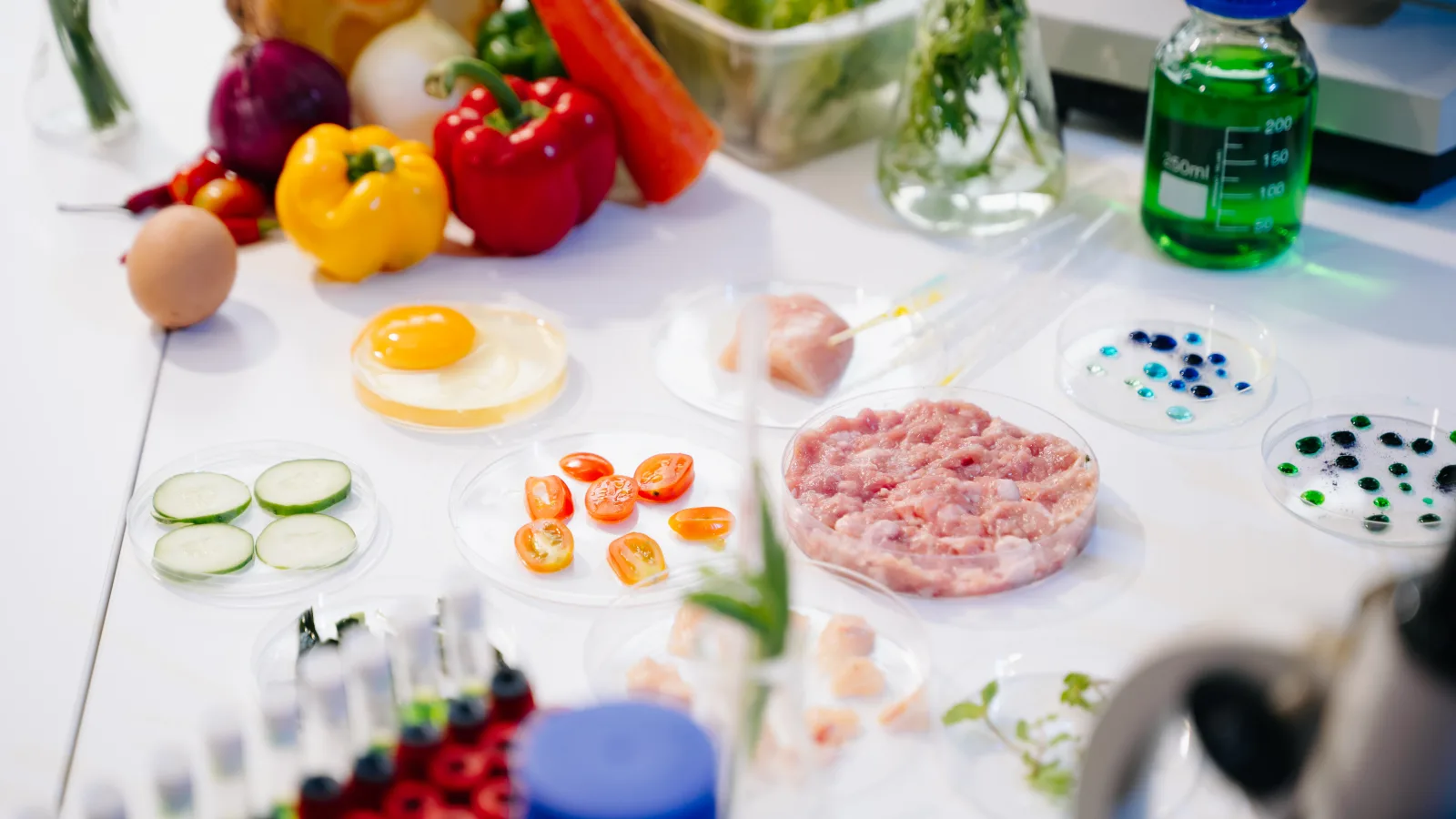
Eating Well but Still Losing Focus?
You're loading up on vegetables, yet every afternoon your concentration slips and your thinking goes foggy. Research suggests the ultra-processed foods sharing your table may be quietly undermining the benefits — and swapping even one snack for something garden-fresh can start to shift the balance.
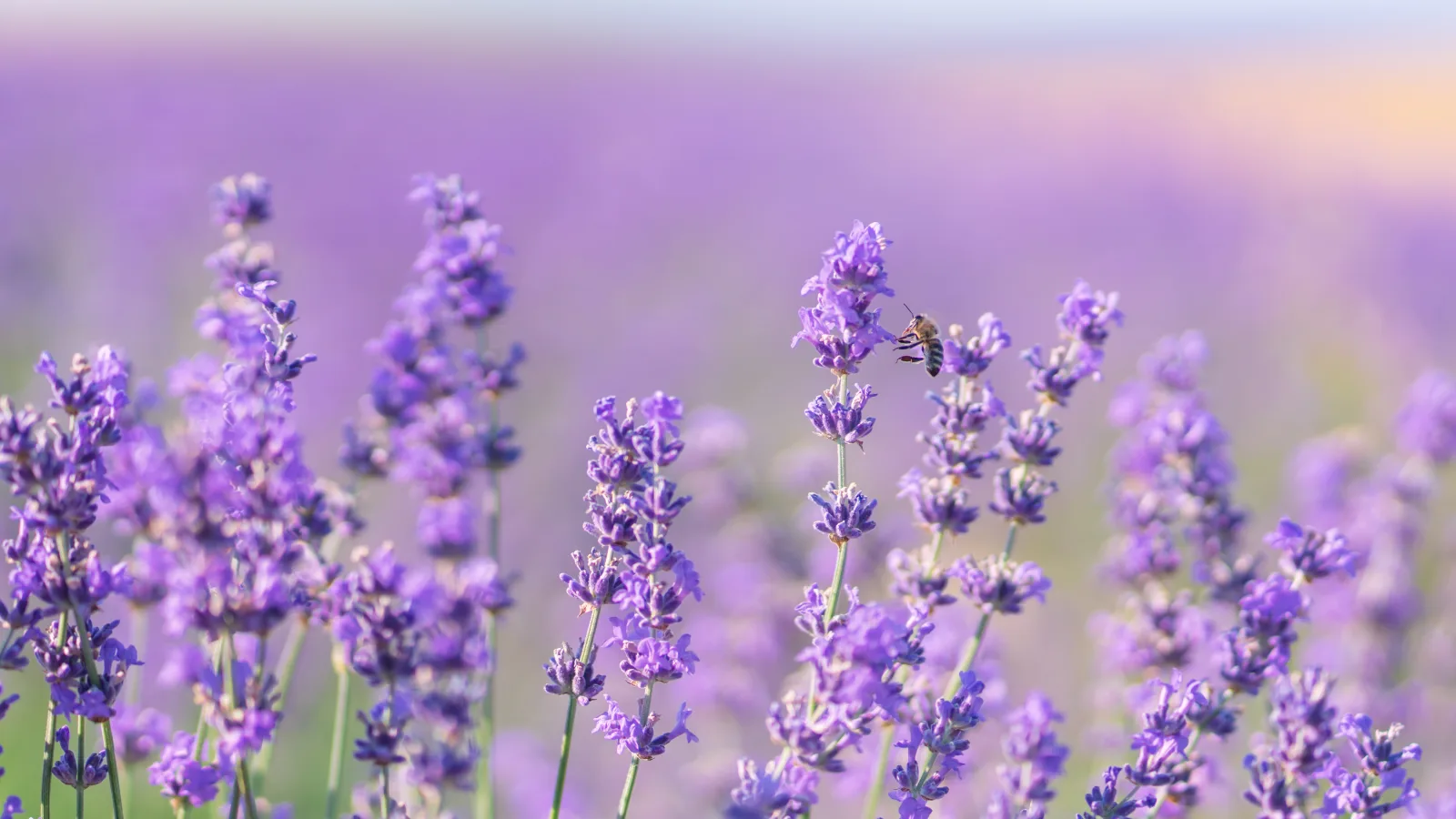
Lavender Gets Richer Every Year You Leave It in Place
Conventional wisdom says rotating crops prevents soil fatigue — but a six-year study from China's premier lavender-growing region found the opposite: lavender left in the same bed year after year produced significantly more essential oil without any loss of fragrance quality.
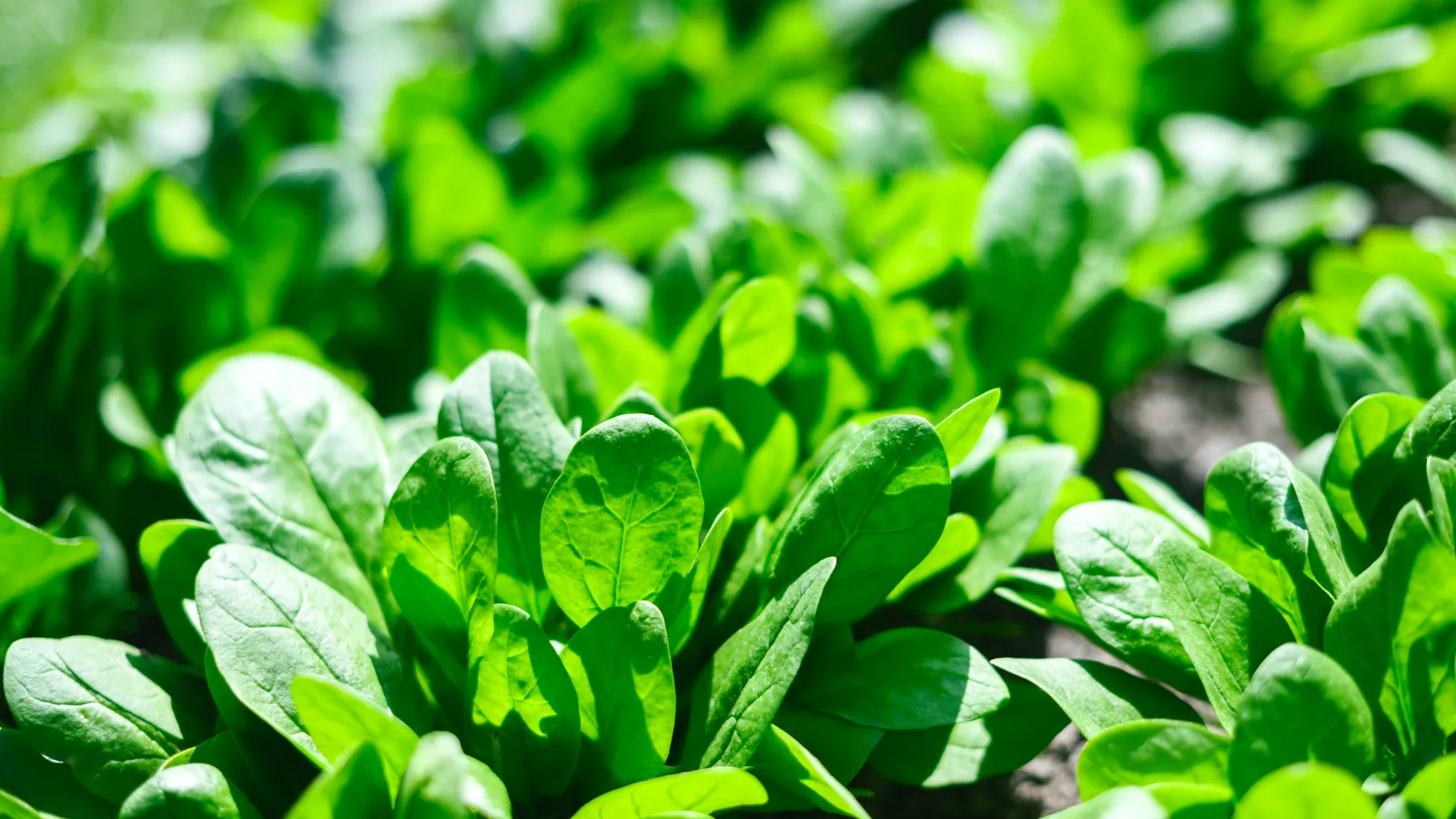
Spinach Holds Its Own in Salty Soil
Salt crust forming on your container soil is a warning sign — but spinach is tougher than it looks. A 2026 study finds that even in high-salinity conditions, spraying selenium directly on the leaves can maintain yields and actually increase the plant's antioxidant content.
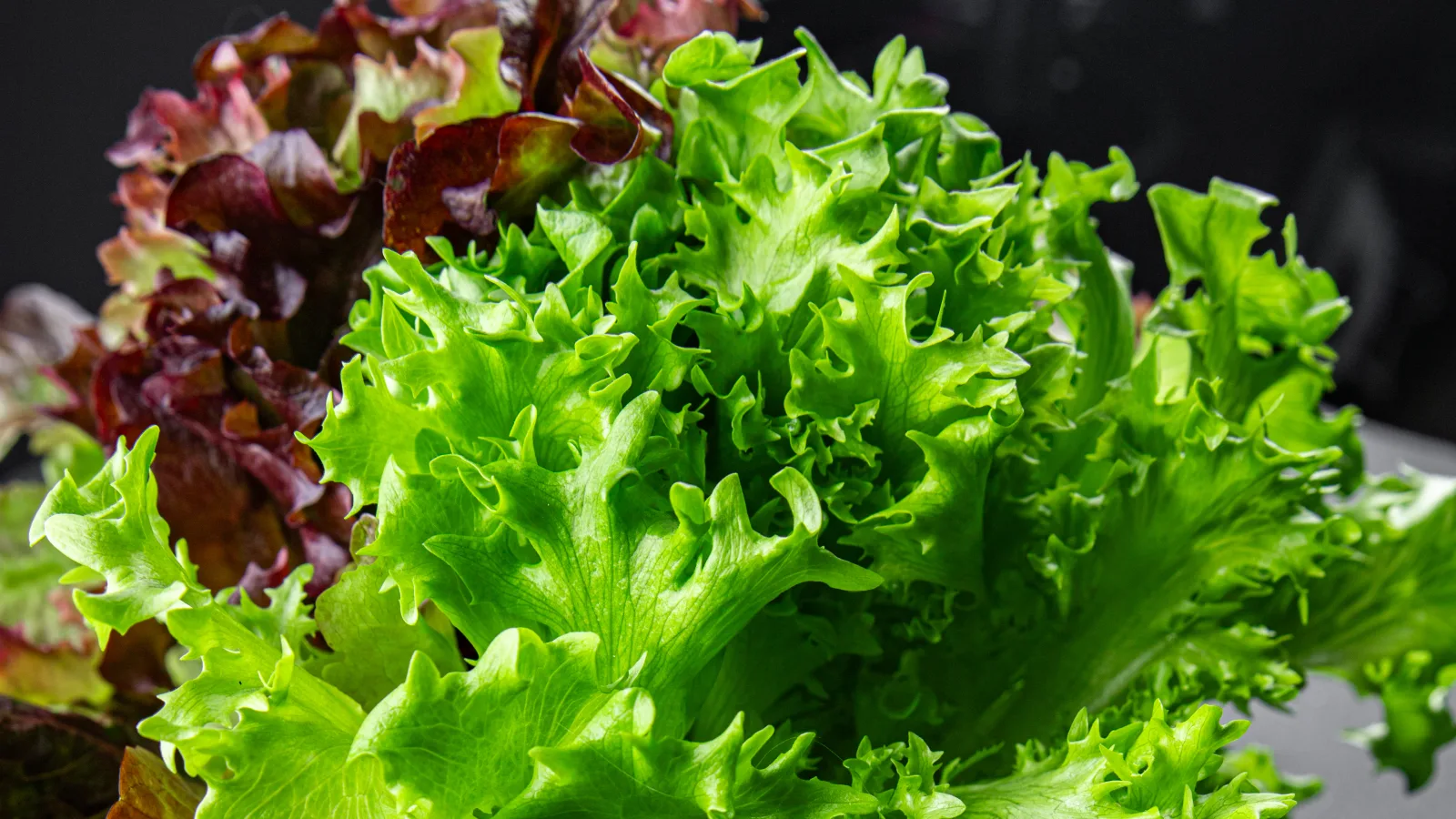
If Your Lettuce Is Growing Slowly, Check Phosphorus Uptake First
Slow growth and pale leaves a month after transplanting may not mean your lettuce needs more fertilizer — the soil could have plenty of phosphorus that the roots simply can't reach. Here's how leonardite humic substances help unlock what's already there.
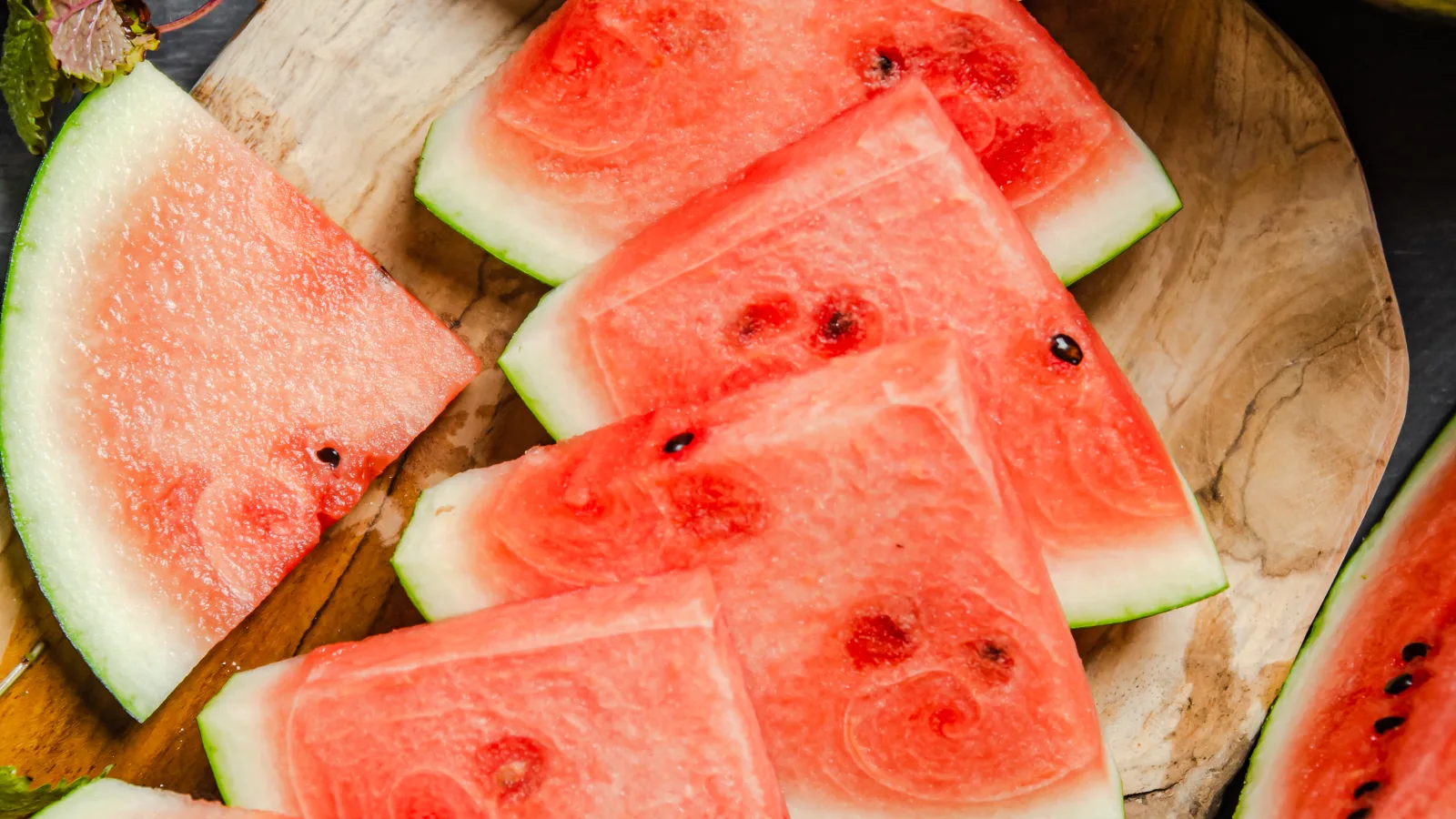
Don't Toss the Watermelon Rind—Turn It Into a Side Dish
The pale layer between a watermelon's red flesh and green skin holds more blood-vessel-friendly citrulline than the fruit itself. Here's how to clean it up and cook it into easy summer side dishes.
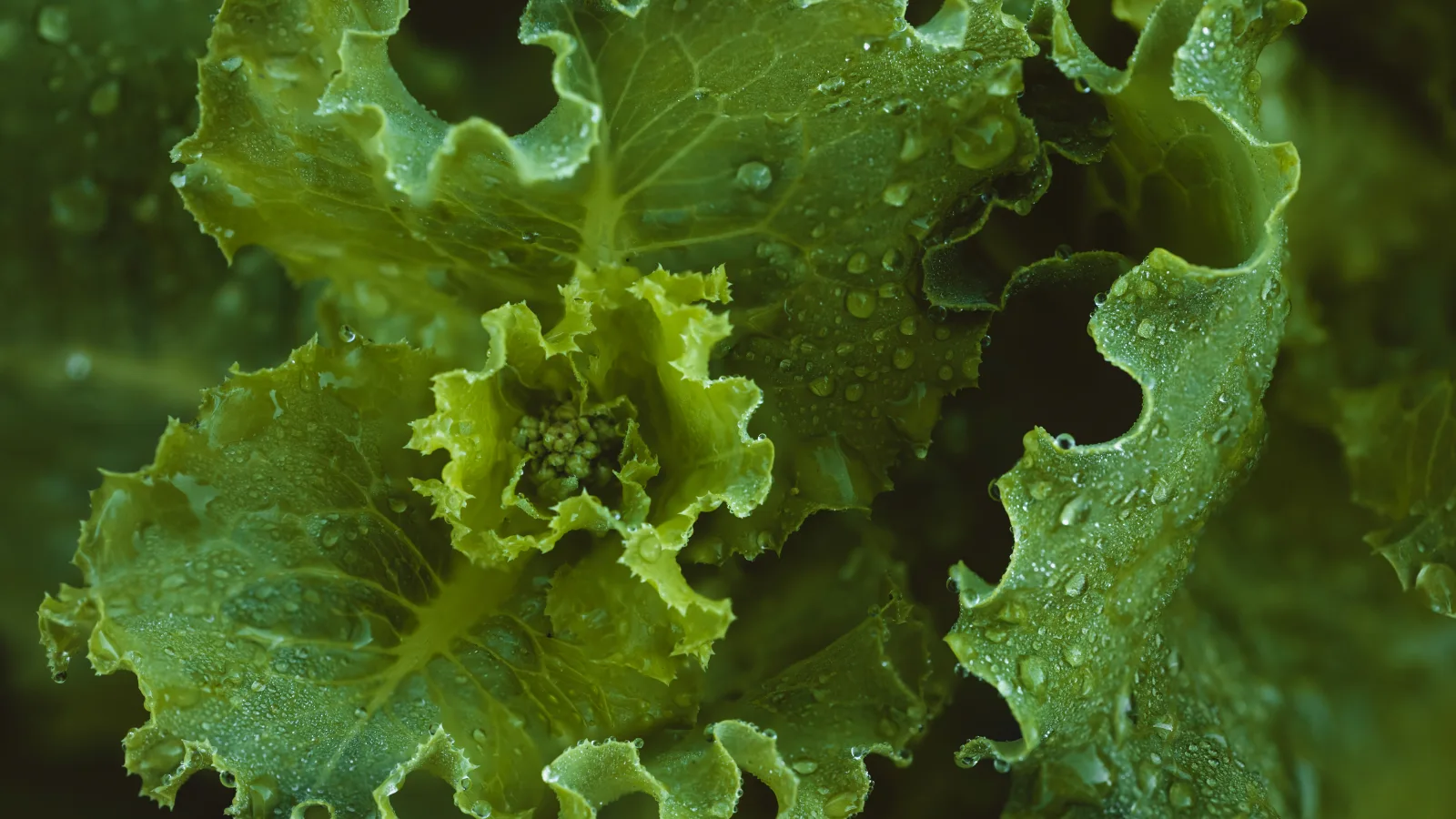
Can a Plate of Lettuce Really Help You Sleep? Here's What the Science Says
The old saying that lettuce helps you sleep turns out to have real clinical research behind it — but not every claimed benefit is equally well supported. We sort lettuce's health effects honestly, from solid evidence to educated guesswork.
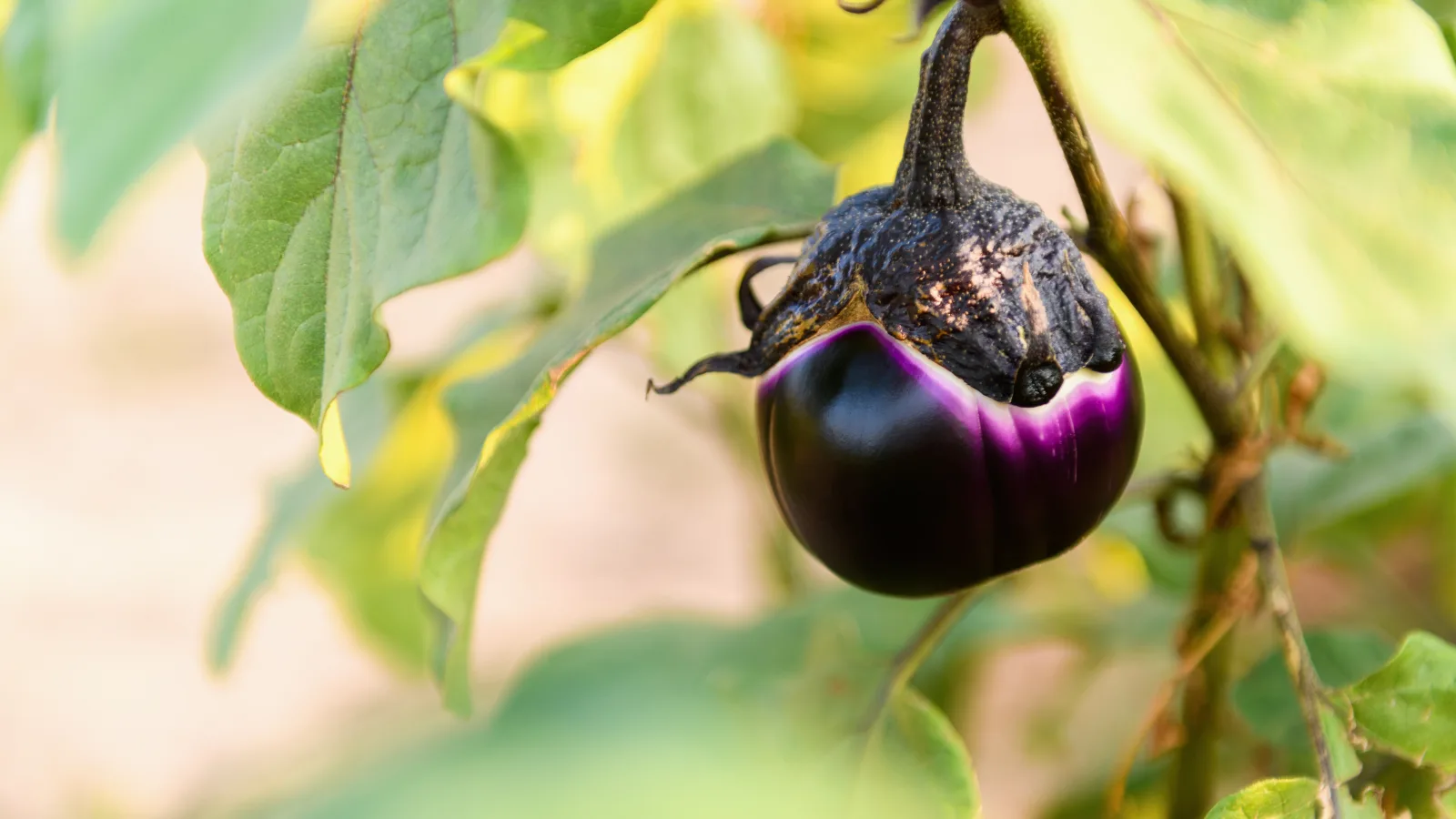
From the Purple of an Eggplant's Skin to Your Bloodstream
The deep purple of an eggplant's skin isn't just color—it's a protective anthocyanin pigment called nasunin that supports our blood vessels too. This piece follows that pigment from the garden bed to the dinner plate, with tips on choosing, cooking, and pairing eggplant to keep its goodness intact.
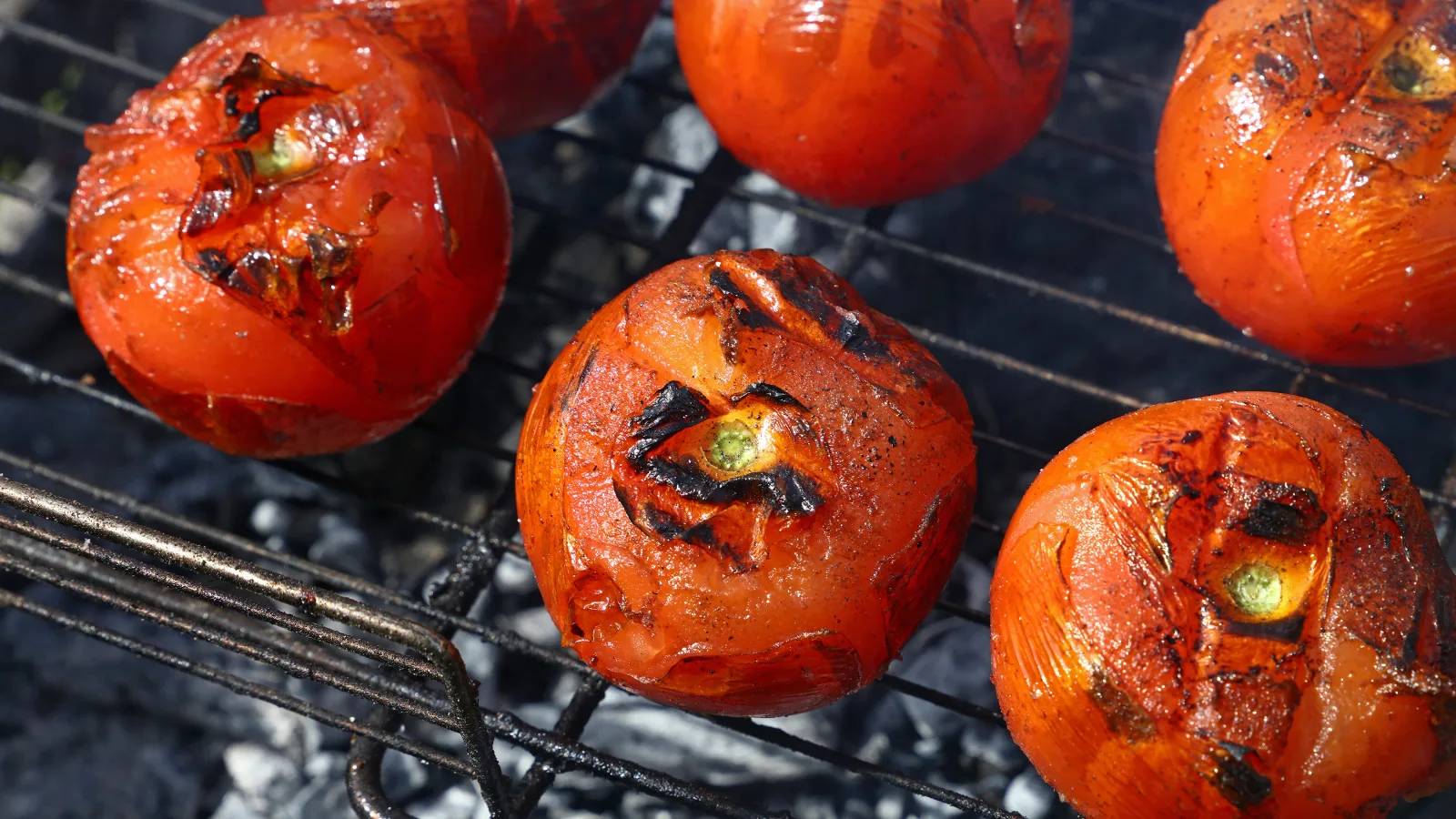
Cook Your Garden Tomatoes — You'll Get Twice the Lycopene
Lycopene, the pigment that turns garden tomatoes red, is linked to lower cancer risk and modest drops in blood pressure and LDL cholesterol. The catch: your body absorbs far more of it when the tomatoes are cooked with a little oil.
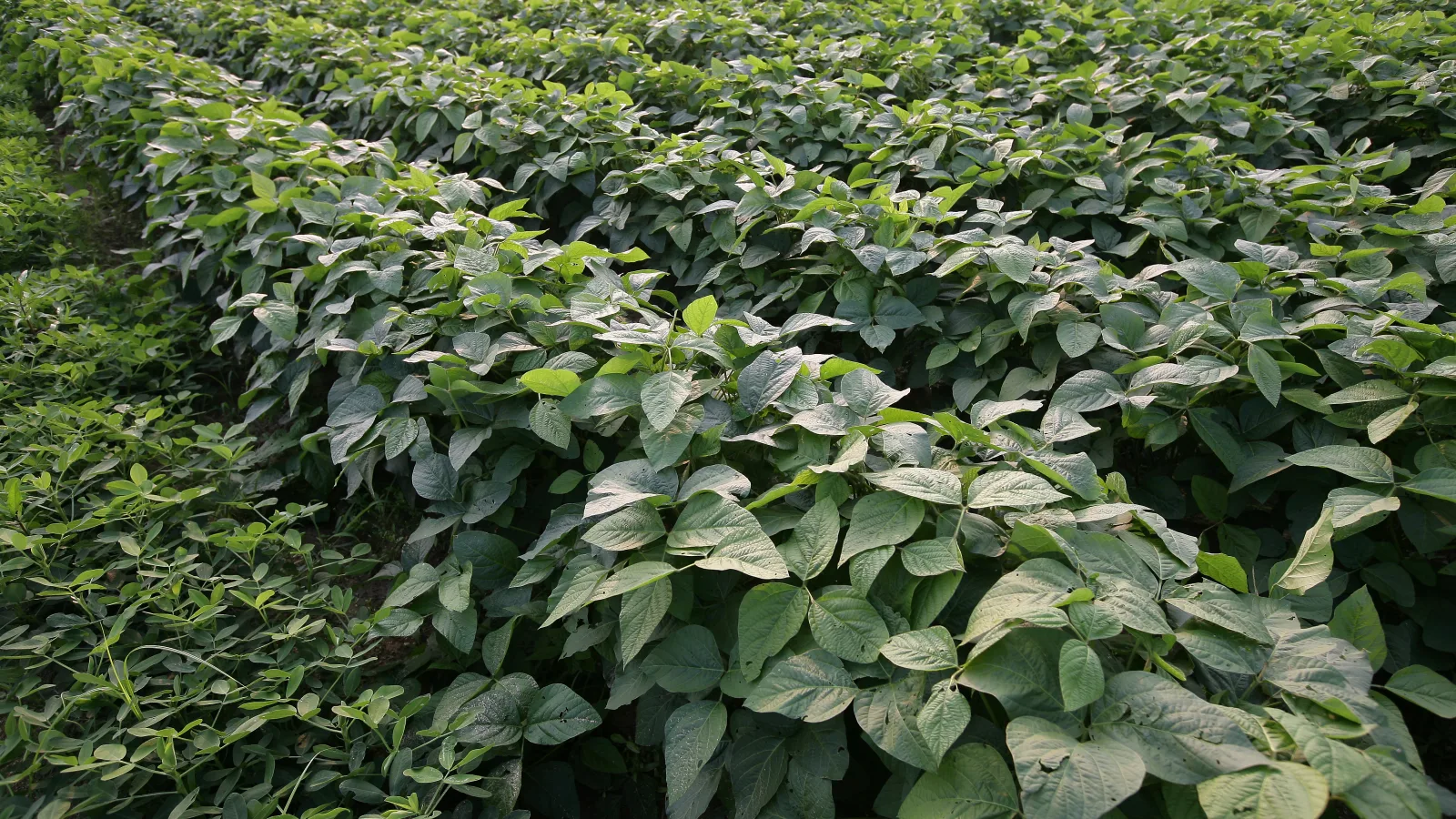
A Handful of Garden Perilla, a Spoonful of Perilla Oil
As summer deepens, perilla spreads through one corner of the garden. We pick its broad leaves for lettuce wraps and press the ripe autumn seeds into fragrant perilla oil. This everyday plant carries something few other vegetable oils can match: an exceptionally rich supply of omega-3.
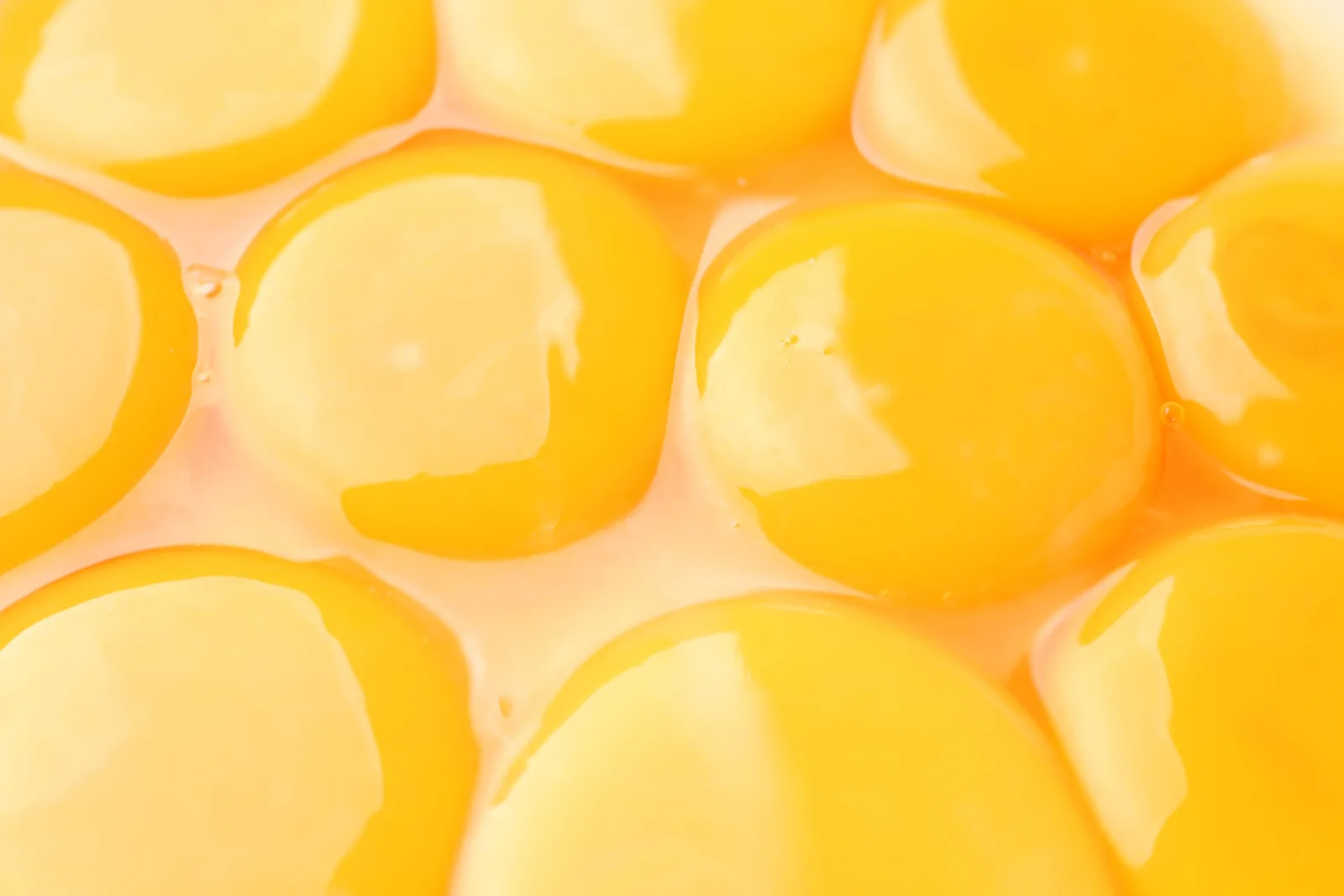
Beating Aphids Without Pesticides
When aphids move onto your balcony lettuce in early summer, you don't want to spray pesticides on greens you'll eat raw. Here's how a simple egg-yolk oil spray keeps them in check, the natural way.
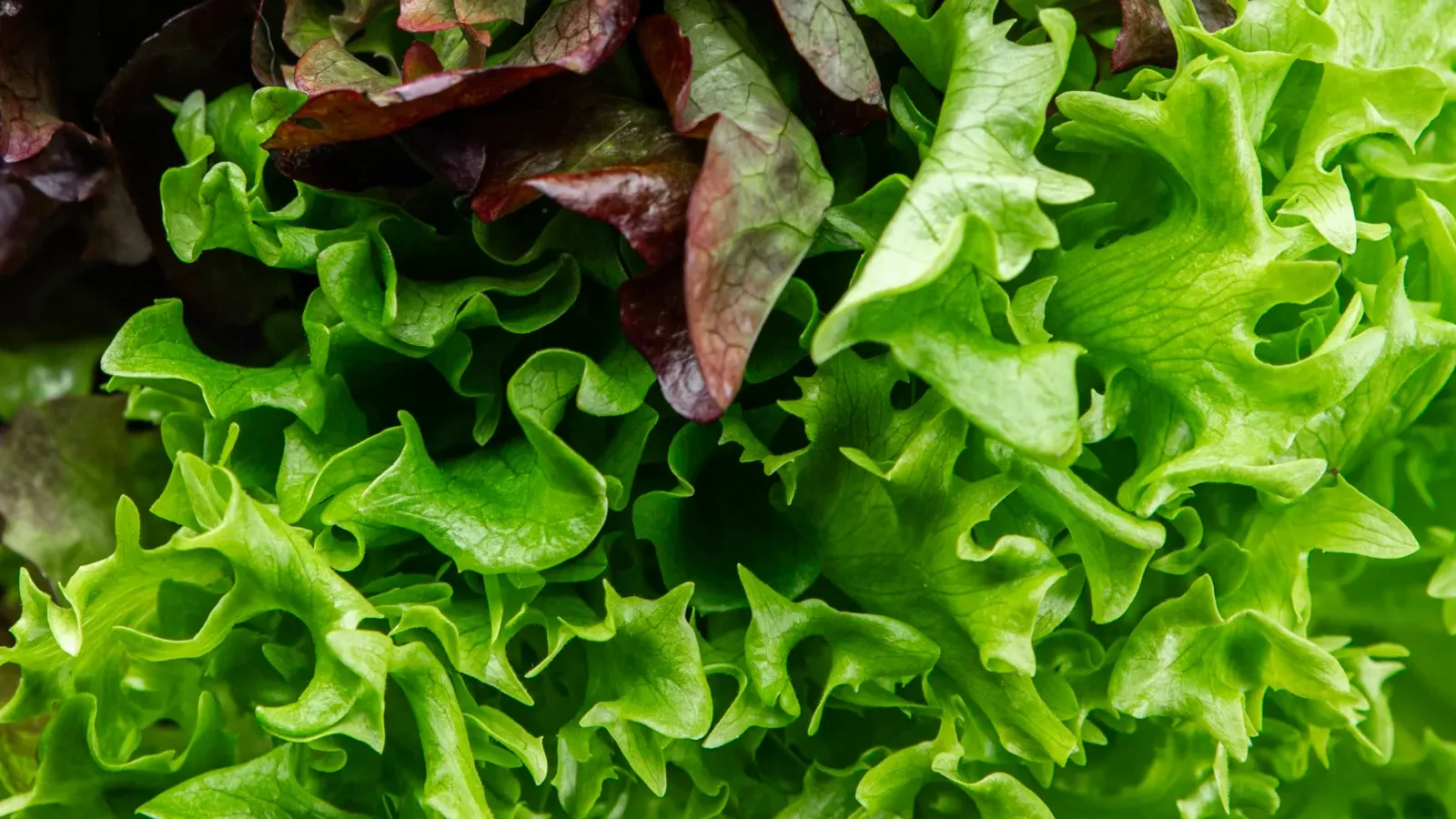
One Lettuce Leaf, a Surprising Dose of Vitamin K
Lettuce is one of the easiest greens to grow on a balcony, and the leaves you pick each evening do more than fill out a salad. The darker the leaf, the more vitamin K it carries, a nutrient that helps keep calcium in your bones.