
칼럼
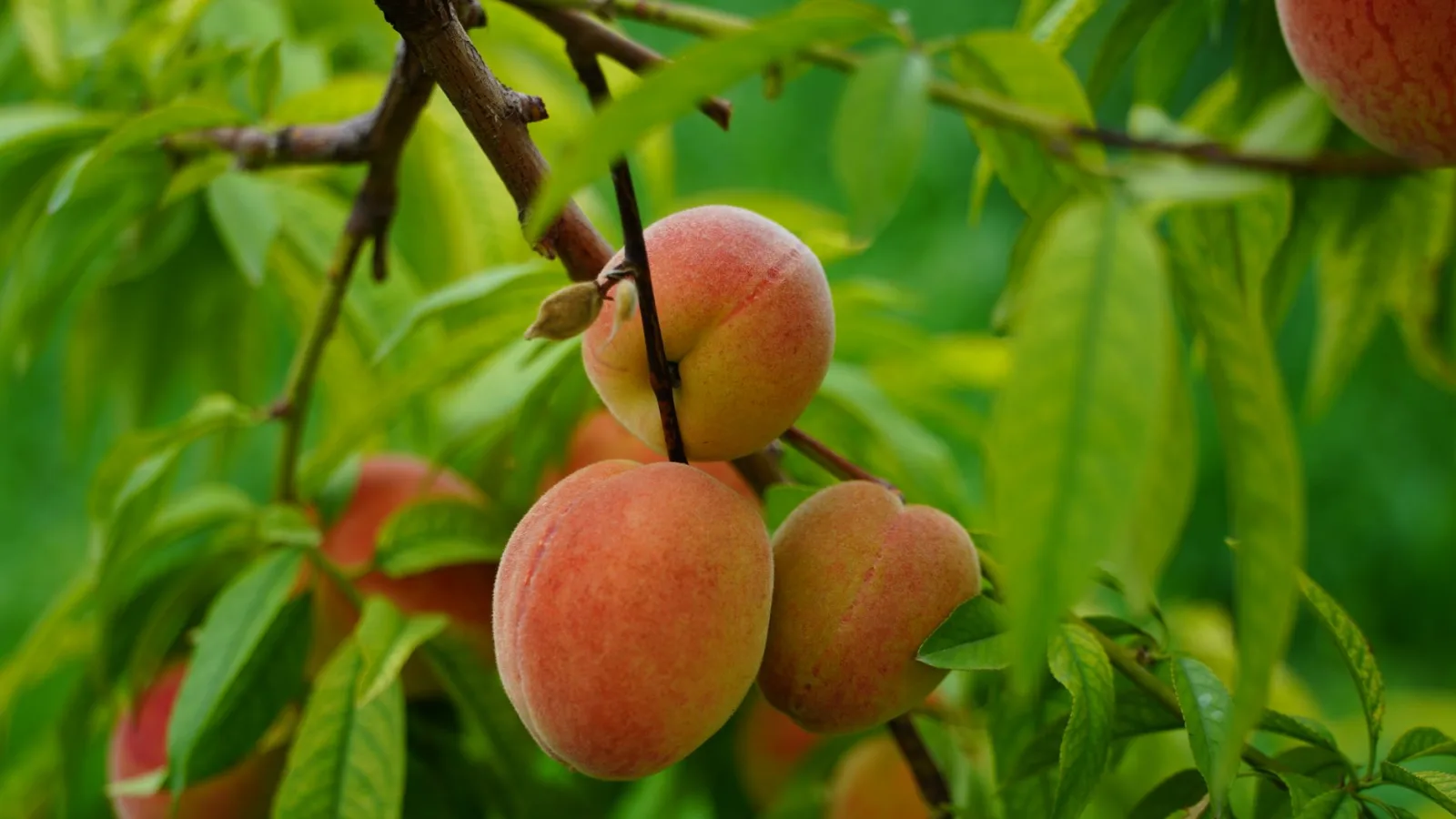
복숭아나무 기르기와 복숭아씨 거두기, 알맹이는 깨지 않습니다
9월에 늦복숭아를 따 먹고 나면 접시에 주름진 씨가 몇 개씩 남습니다. 단단한 껍데기를 깨면 갈색 속껍질에 싸인 납작한 알맹이가 나옵니다. 한방에서는 이 알맹이를 도인(桃仁)이라 부르며 약재로 따로 썼습니다. 다만 현대 성분 분석에서 이 알맹이에 청산배당체인 아미그달린이 들어 있다는 것이 확인되었습니다. 그래서 음식으로 먹어서는 안 됩니다.
흙이 좋으면 가뭄도 견딜까요
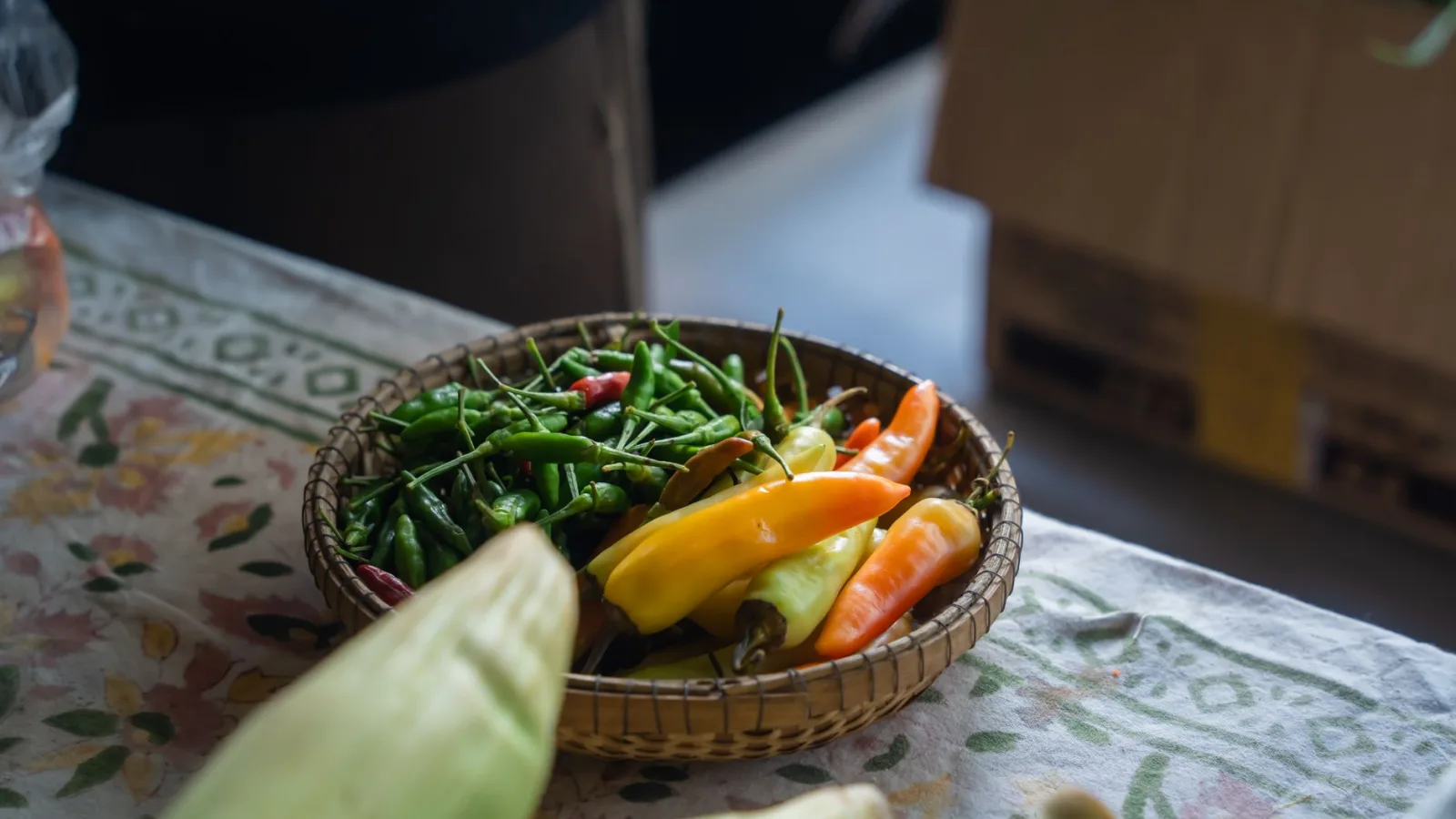
볕이 열흘 넘게 이어지는 한여름이면, 아침에 물을 준 자리도 저녁이면 겉흙이 다시 부슬부슬해집니다. 지난가을 낙엽과 잘 썩은 퇴비를 두툼하게 넣어 둔 이랑이니 올여름은 덜 마르겠지 싶었습니다. 그런데 고추 잎이 한낮에 늘어지는 모습은 아무것도 넣지 않은 옆 이랑과 크게 다르지 않습니다.
농사에 들어온 인공지능, 텃밭 한 뼘까지
봄 텃밭에 상추 모종을 몇 포기 심을지 손으로 세어 본 적이 있으실 겁니다. 한 이랑에 촘촘히 넣으면 잎이 서로 부딪혀 웃자라고, 넉넉히 벌리면 애써 갈아 둔 흙이 그냥 남습니다. 얼마를 어디에 심어야 알맞은지, 밭에서 오래 이어져 온 이 물음을 자료로 풀어 보려는 연구가 미국에서 나왔습니다. 미주리대학교 연구진의 이야기입니다.
강이 준 것들을 함께 지도에 그린 마을
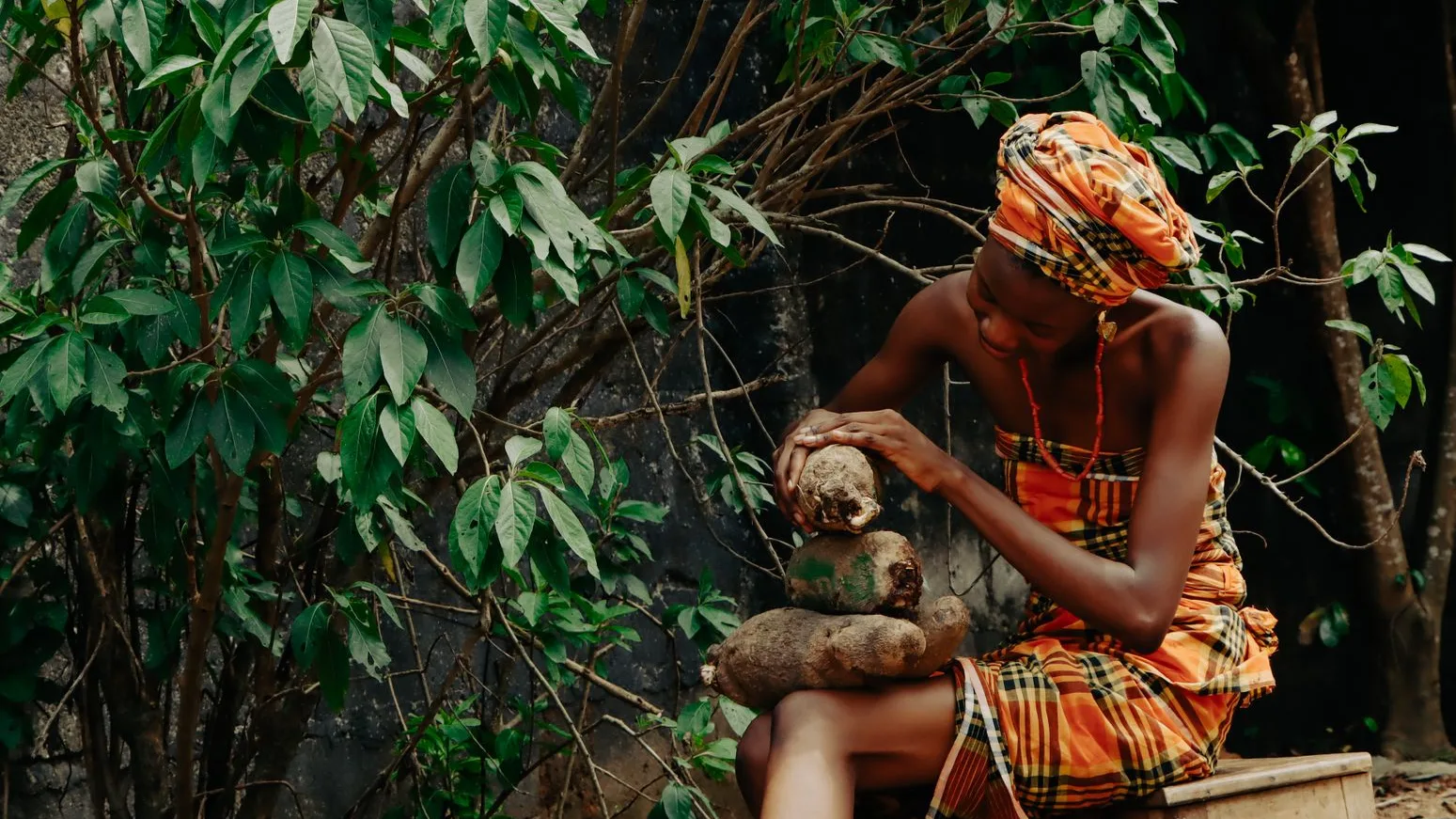
이른 아침, 상추 잎에 맺힌 이슬을 털어 내고 물뿌리개를 듭니다. 텃밭을 여러 해 가꾸다 보면 올해 물맛이 예전 같지 않다거나 근처 개울이 부쩍 탁해졌다는 변화를 남보다 먼저 알아차리게 됩니다. 흙과 물을 매일 만지는 사람만 읽어 내는 신호죠. 남아프리카공화국의 한 강가 마을에서도 이런 눈썰미가 귀한 자료로 쓰였습니다.
왜 알면서도 가위를 닦지 않을까요
옆 이랑 오이 잎에 흰 가루가 앉았습니다. 상한 잎 몇 장을 따 내고 가위를 접어 앞주머니에 넣습니다. 삼십 분 뒤 그 가위로 애호박 순을 자릅니다. 도구를 소독하라는 말은 몇 번이나 들었습니다. 그래도 손은 그냥 움직입니다.
빗물 통을 덮은 개구리밥, 그냥 버리지 마세요
장마가 지나고 텃밭 한쪽 빗물 통을 열면 수면이 며칠 만에 초록으로 덮여 있습니다. 손톱보다 작은 잎이 두세 장씩 붙어 떠다니는 개구리밥입니다. 물을 갈아 주려다 손이 멈춥니다. 이 작은 잎이 물속에서 하는 일을 알고 나면 통을 그냥 비우기가 아까워집니다.
화분에서 기르는 계피나무
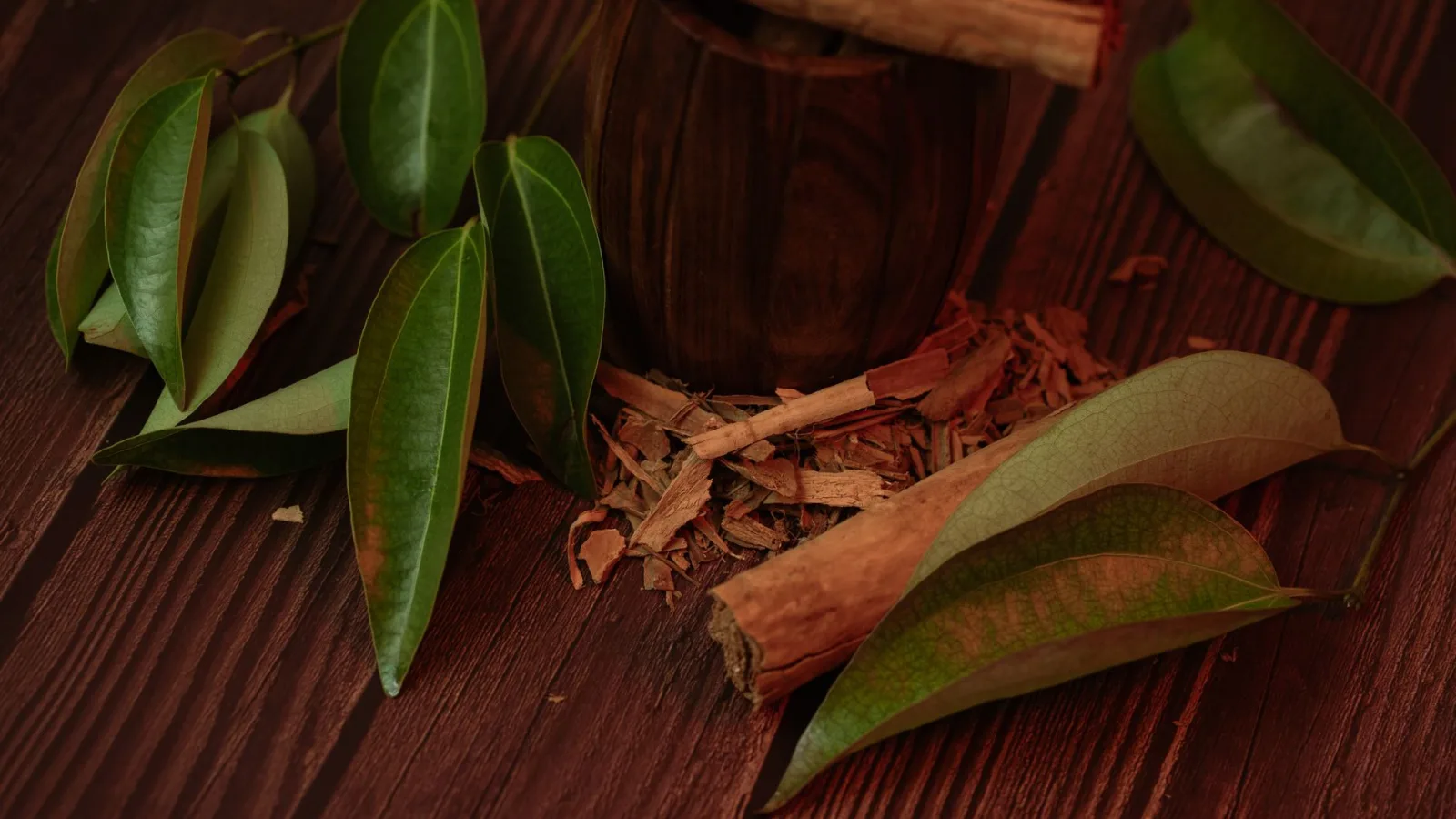
9월 텃밭에는 고추가 붉어지고 들깨가 여뭅니다. 같은 계절에 계피나무는 화분 안에서 자랍니다. 서리를 한 번 맞으면 죽는 열대 나무라, 겨울이 오는 곳에서는 땅에 심어 둘 수 없기 때문입니다. 그래도 화분 하나면 몇 해에 걸쳐 껍질을 얻을 수 있습니다.
벌레가 덜 먹는 동부콩, 영양은 그대로일까요
8월 텃밭에서 동부는 지지대를 타고 끝까지 올라갑니다. 꼬투리가 손가락 길이만큼 자라면 한 주에 두어 번씩 따게 됩니다. 그런데 꼬투리를 갈라 보면 씨앗 자리에 구멍이 나 있거나 안쪽이 검게 변한 것이 섞여 나옵니다. 꽃이 필 무렵부터 붙은 노린재와 나방 애벌레가 먼저 다녀간 자국입니다. 동부의 원산지인 서아프리카에서는 이 피해로 한 해 수확량이 절반 아래로 떨어지기도 합니다.
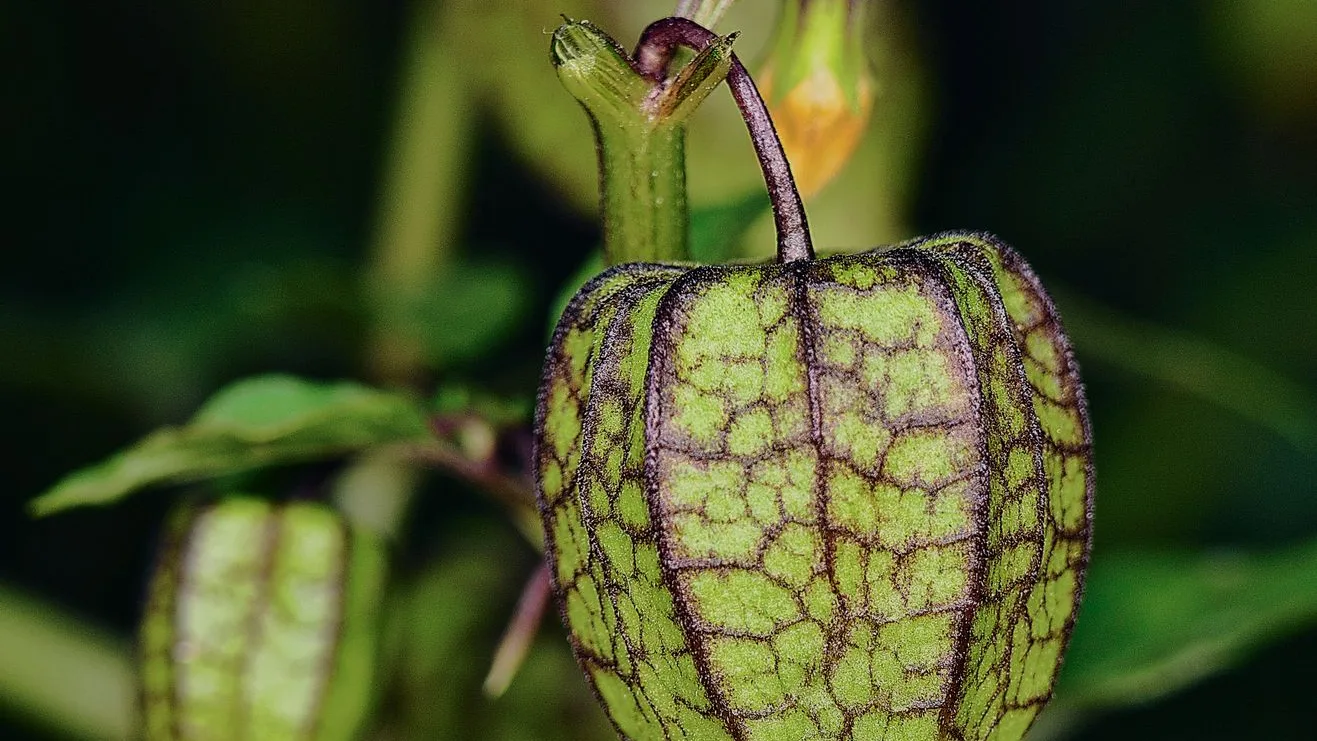
꽈리, 어떤 갈래를 심을지부터 정합니다
북반구 기준 8월, 텃밭 한쪽의 꽈리 포기가 옆으로 넓게 벌어져 있습니다. 잎 아래를 들추면 부푼 꽃받침이 줄줄이 매달려 있고 그 안에 열매가 하나씩 들어 있습니다. 꽃받침이 아직 초록이면 더 두어야 하고, 물기가 빠져 얇아지면 딸 때가 된 것입니다.
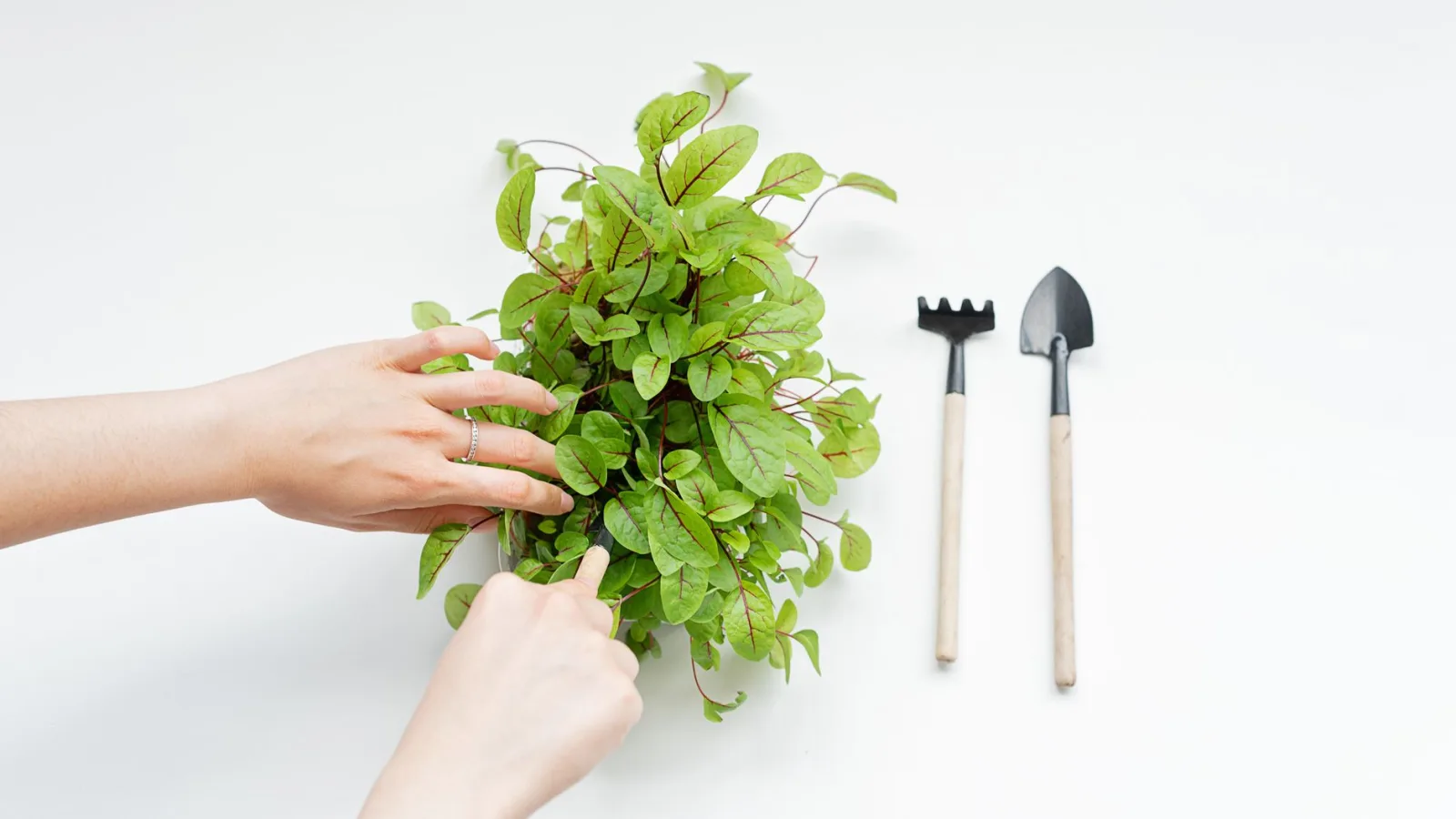
9월 흙에 넣는 수영, 신맛 나는 잎을 거두는 순서
9월 들어 아침 기온이 내려가면 텃밭 한쪽이 비어 갑니다. 여름 내내 자리를 지키던 잎채소가 꽃대를 올리고 물러난 자리입니다. 그 빈 흙에 지금 넣어 두면 좋은 씨가 수영입니다. 들과 논둑에서 흔하게 자라는 마디풀과 여러해살이풀이고, 종묘상에서는 소렐(sorrel)이라는 이름으로 씨앗을 팝니다. 들풀로만 알고 지나치는 사람이 많습니다.
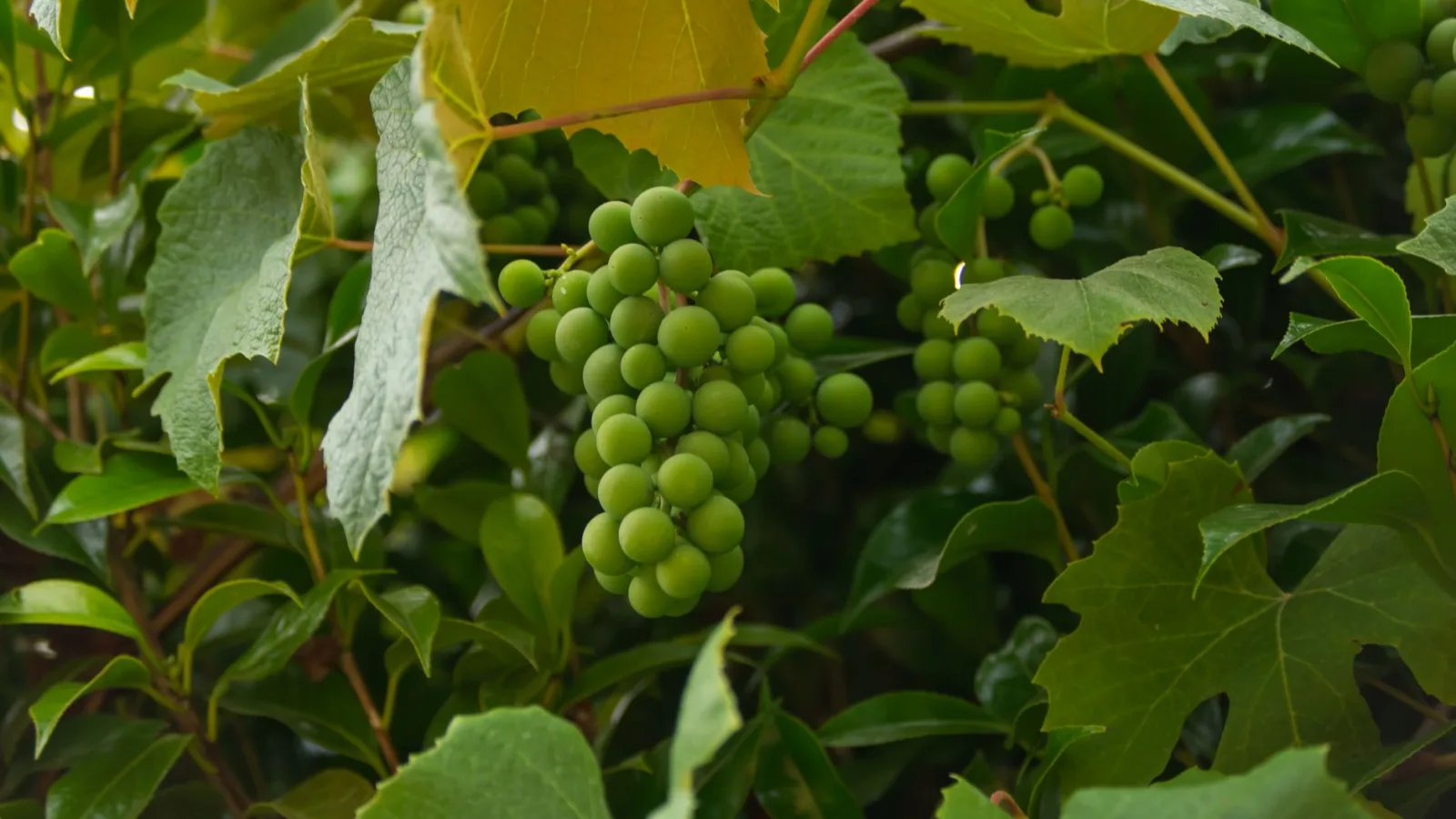
옥상 난간에 포도 덩굴 올리기
8월 덩굴 아래에 서면 송이가 눈높이보다 조금 낮은 자리에 달려 있습니다. 알이 굵어지고 색이 오르는 때라 하루가 다르게 모습이 바뀝니다. 포도는 덩굴로 자라는 과일이어서 위로 뻗을 자리만 마련하면 옥상이나 베란다 난간에서도 기를 수 있습니다. 밭이 없어도 손대 볼 만한 과수입니다.
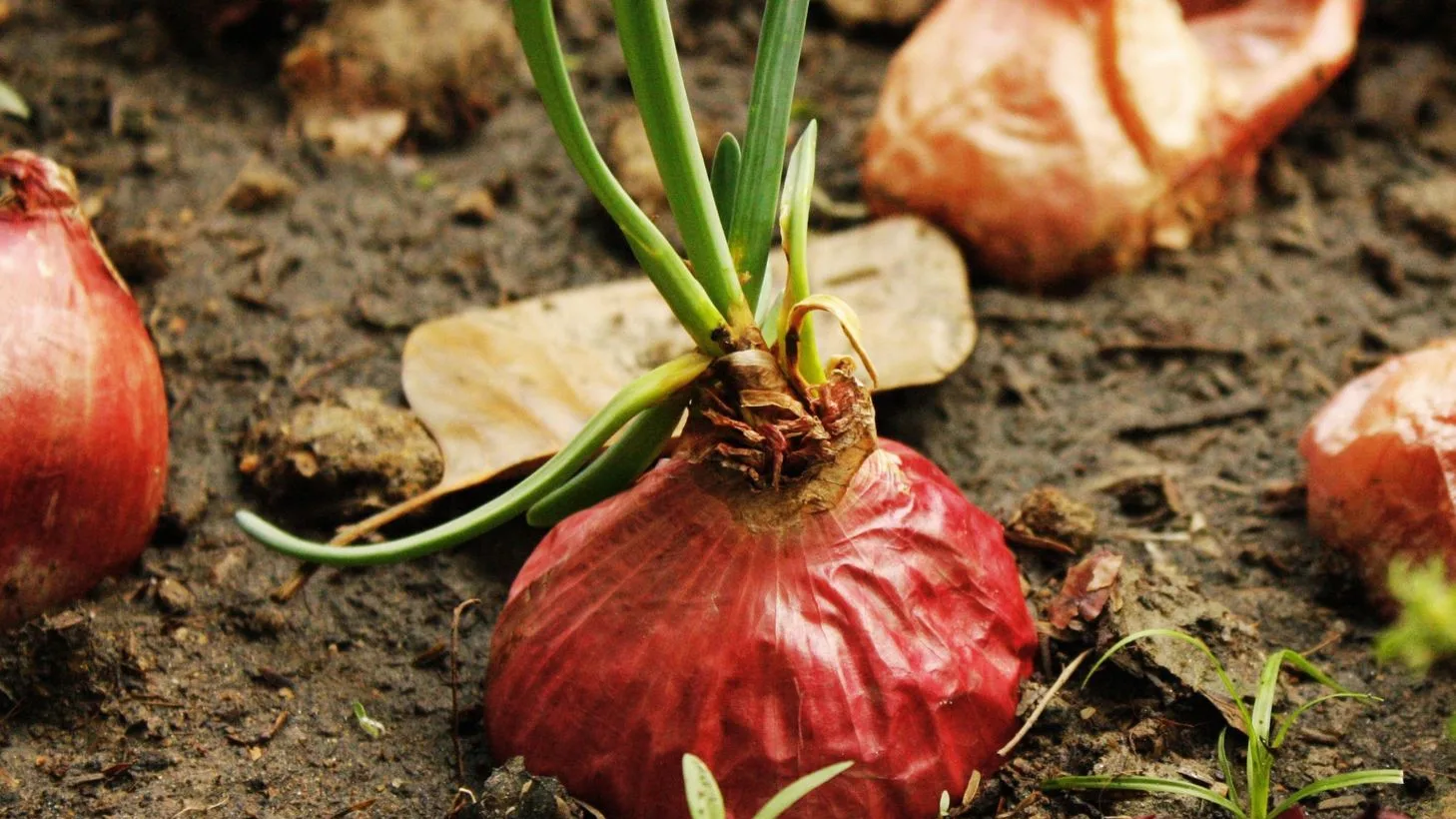
가을에 놓고 초여름에 캐는 샬롯, 한 통을 쪽으로 갈라 심습니다
9월 텃밭에는 여름 작물을 걷어낸 빈 두둑이 생깁니다. 오이 덩굴을 뽑고 고추를 마지막으로 딴 뒤 흙만 남아 있다면, 지금이 샬롯 종구를 놓을 때입니다. 북반구 기준 9~10월에 심어 이듬해 6~7월에 캐는 작물이라, 밭에서 겨울을 나는 동안에는 손이 거의 가지 않습니다.
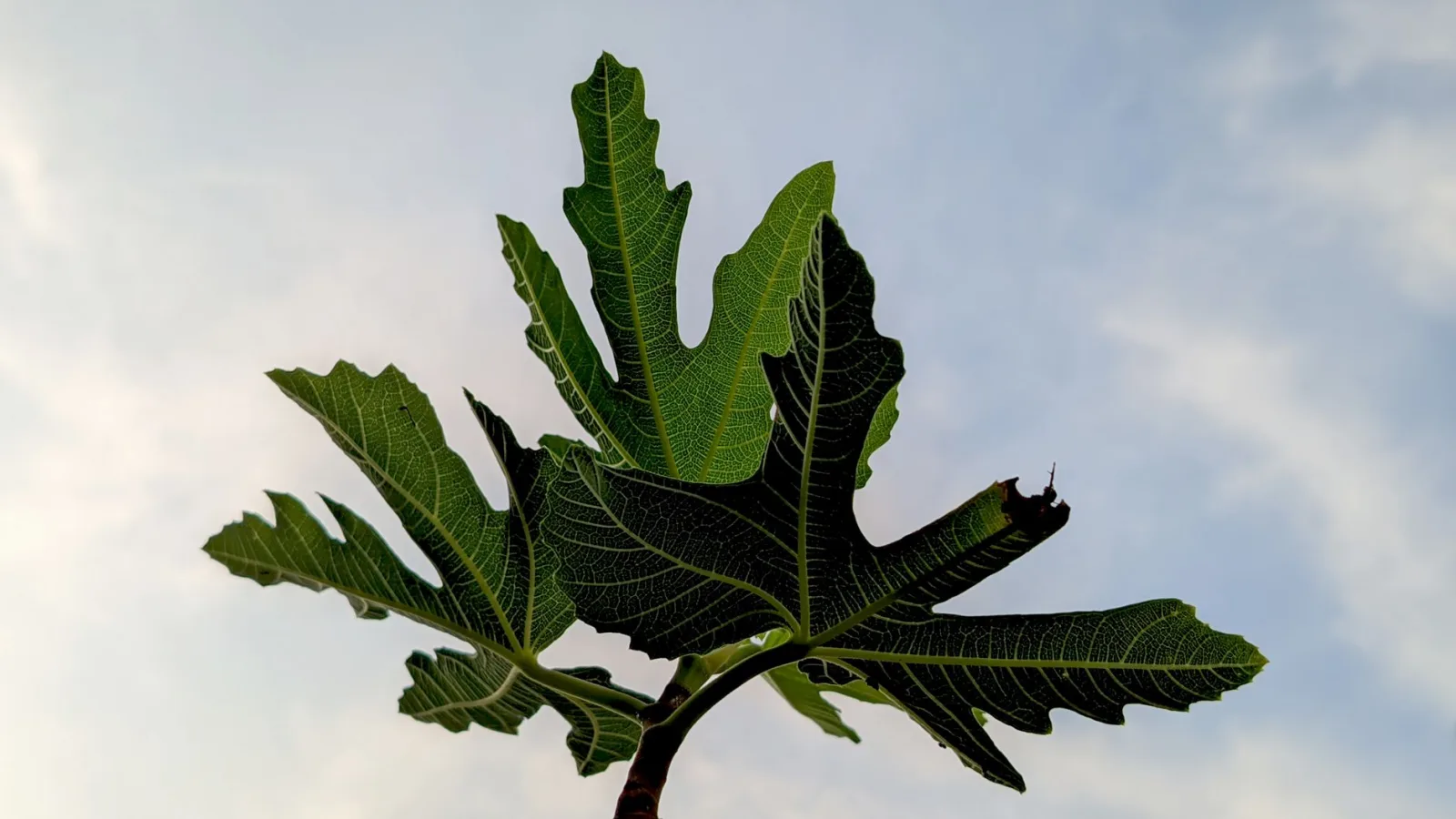
무화과, 꽃을 안쪽에 두고 익는 나무
8월 텃밭 한쪽, 잎이 서너 갈래로 깊게 갈라진 나무 아래에 서면 가지에 바짝 붙은 열매가 눈에 들어옵니다. 껍질이 자줏빛으로 물들기 시작한 것도 있고 아직 초록인 것도 섞여 있습니다. 지금이 무화과 수확철입니다. 그런데 이 나무에서는 꽃이 핀 자리를 찾기 어렵습니다.
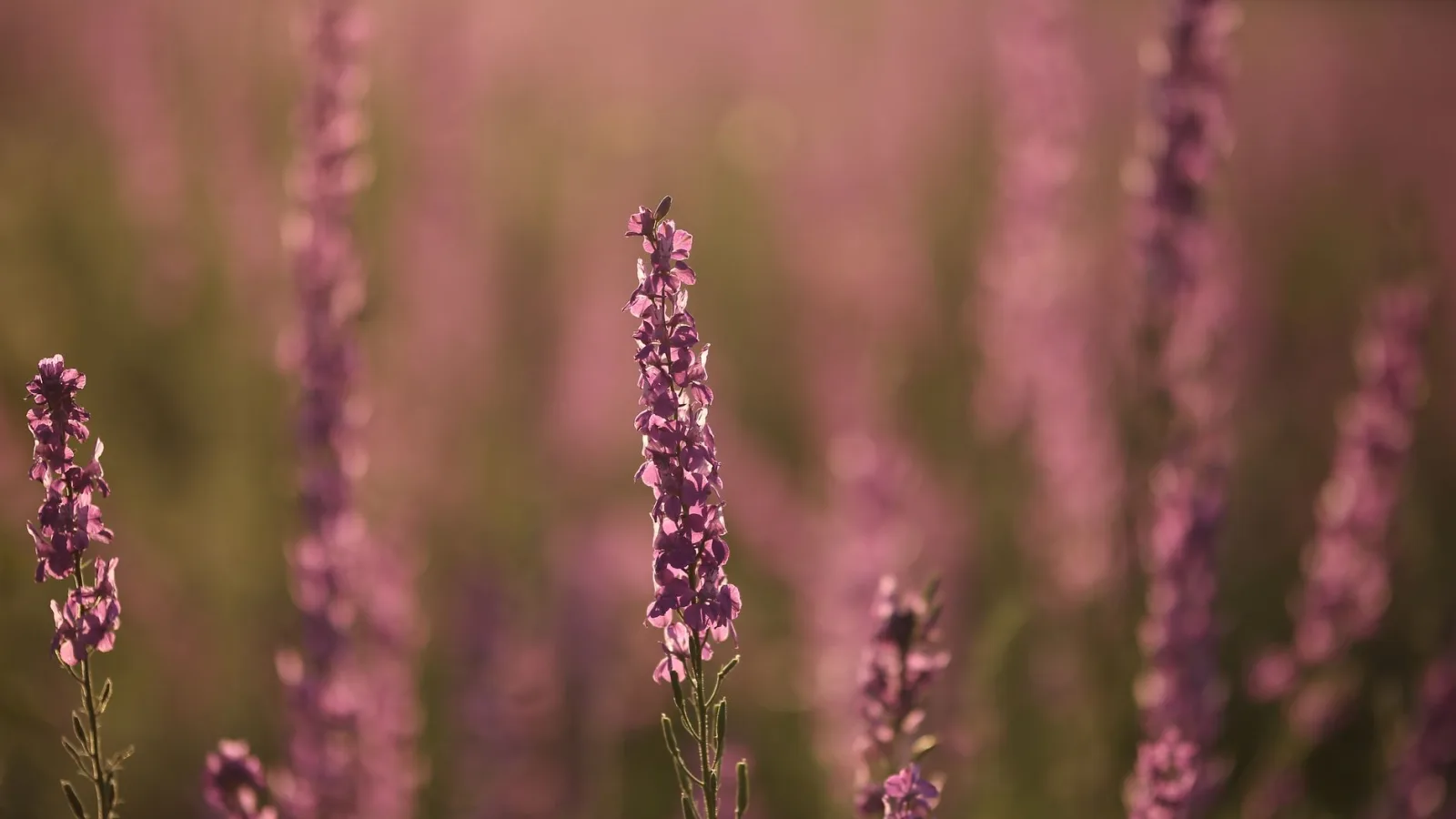
가을에 뿌려 이른 봄에 뜯는 말냉이
여름 채소를 걷어낸 밭 귀퉁이가 9월이면 비어 있습니다. 다음 작물을 넣기에는 이르고, 그대로 두면 겨우내 비에 씻겨 표면이 굳습니다. 여기에 말냉이 씨를 뿌리면 가을에 싹이 터 겨울 동안 땅을 덮고, 이른 봄 다른 채소가 아직 크기 전에 첫 나물이 올라옵니다. 밭둑에서 뜯어 오던 들풀이지만 씨를 받아 심으면 텃밭에서도 잘 자랍니다.
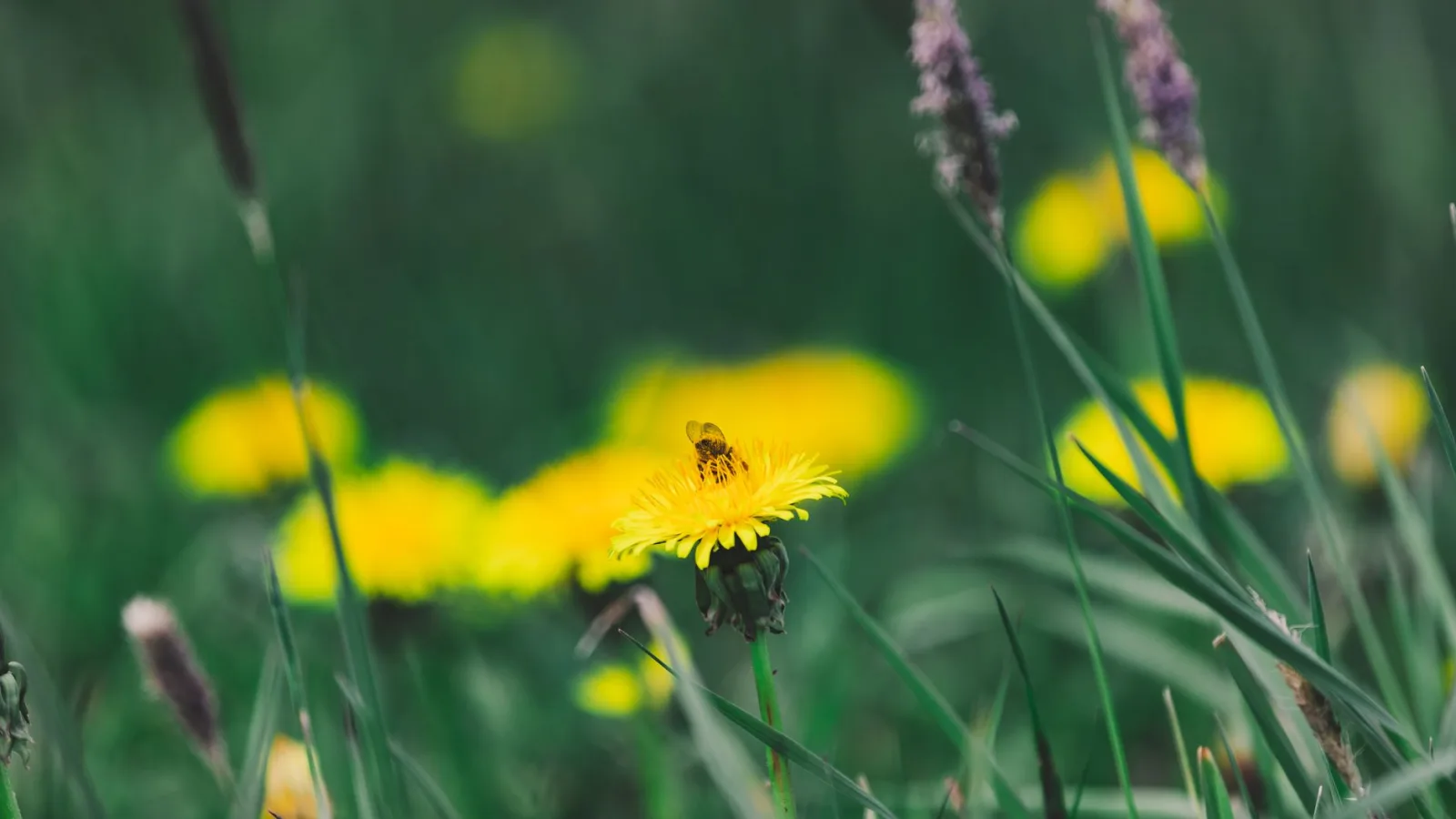
민들레, 깊은 화분에 심어 잎과 뿌리를 함께 거둡니다
9월 텃밭에는 여름 채소를 걷어 낸 자리가 비어 있습니다. 볕은 잘 드는데 흙이 단단하게 다져져 무엇을 심어도 시원치 않던 가장자리라면, 민들레 씨를 뿌려 보세요. 국화과 여러해살이풀이고, 길가에서 저절로 납니다. 그런 자리에서도 뿌리를 곧게 내립니다. 북반구 기준으로 지금이 파종 적기입니다.
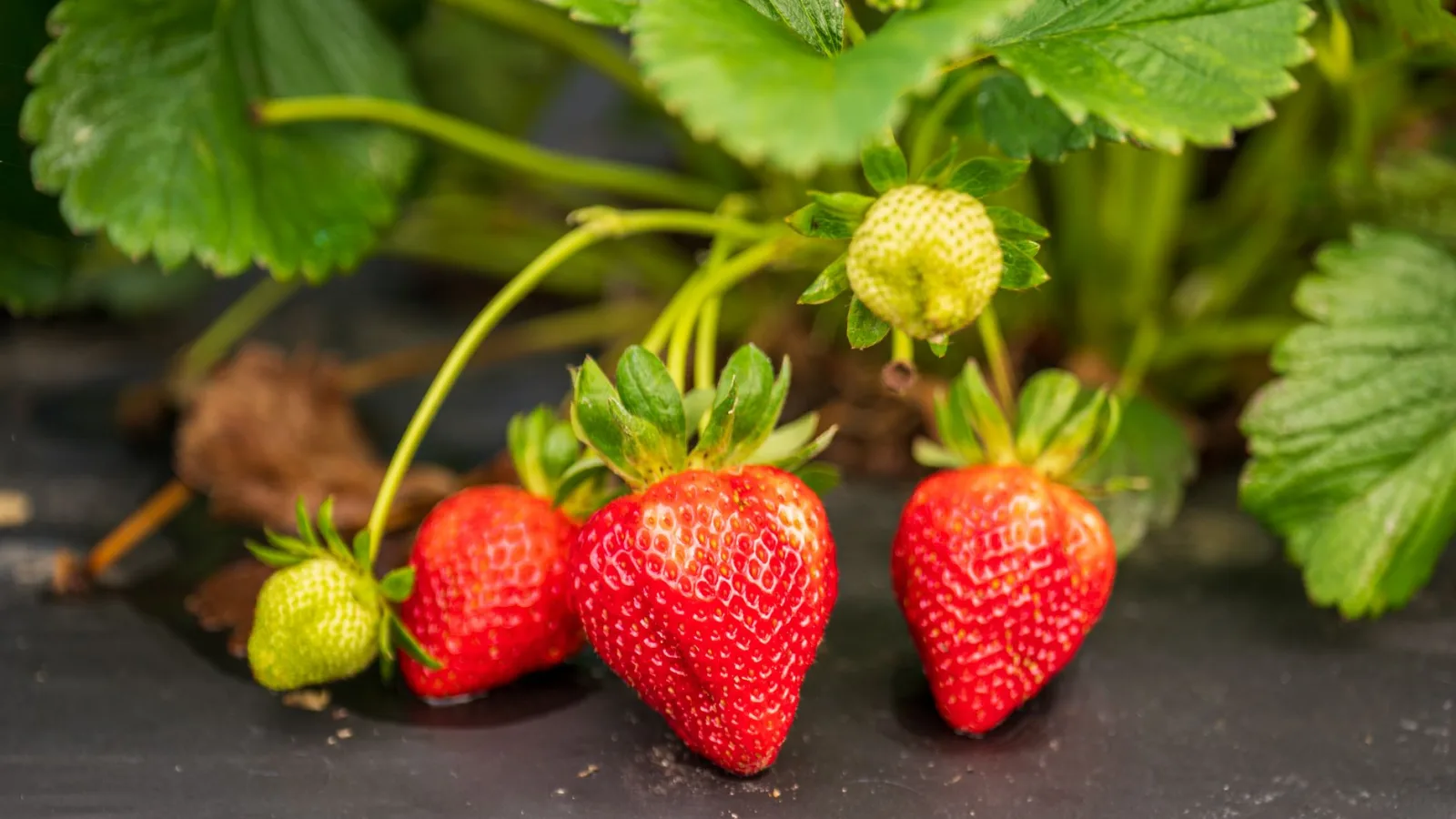
딸기밭의 새로운 골칫거리, 곰팡이병 네오-P
텃밭 한쪽 딸기 이랑을 살피다가 잎에 갈색 반점이 하나둘 늘고, 붉게 익어야 할 열매가 물러지며 허옇게 곰팡이가 앉는 모습을 본 적 있으실 겁니다. 몇 해 전 미국 노스캐롤라이나의 딸기 농가 오스틴 렌 씨도 온실에서 같은 장면을 마주했습니다. 처음에는 몇 포기뿐이었지만 곧 이랑 전체로 옮았고, 원인은 그동안 큰 문제가 아니던 곰팡이였습니다.
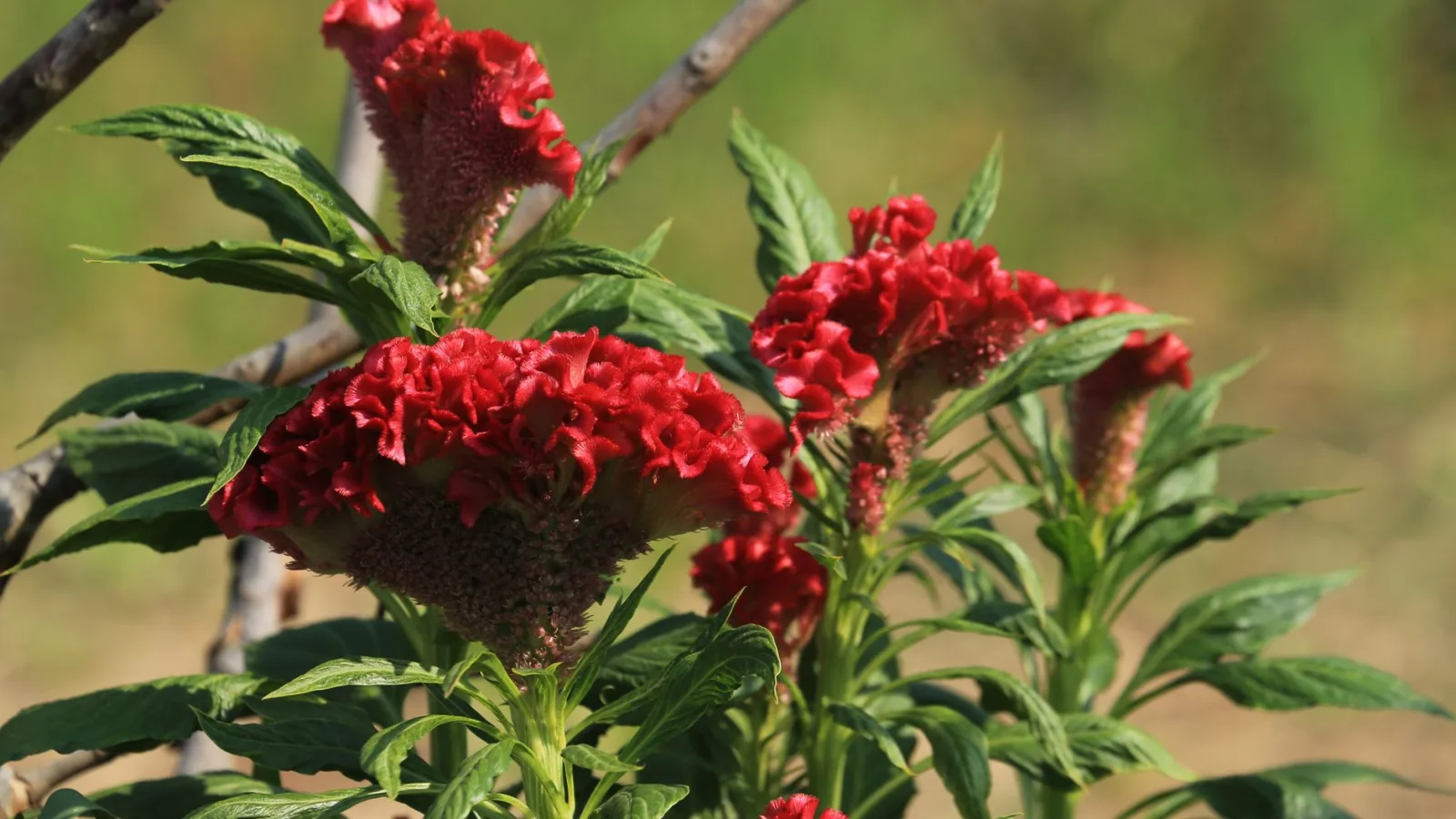
볕이 길수록 붉어지는 맨드라미, 씨 뿌리기부터 꽃 말리기까지
8월 밭 가장자리에 붉은 꽃이삭이 두툼하게 서 있습니다. 손끝으로 훑으면 주름이 겹겹이 잡히고, 볕이 오래 드는 자리일수록 색이 짙습니다. 맨드라미는 7월부터 10월까지 꽃을 거두는 한해살이 꽃이라, 지금이 한창때입니다.
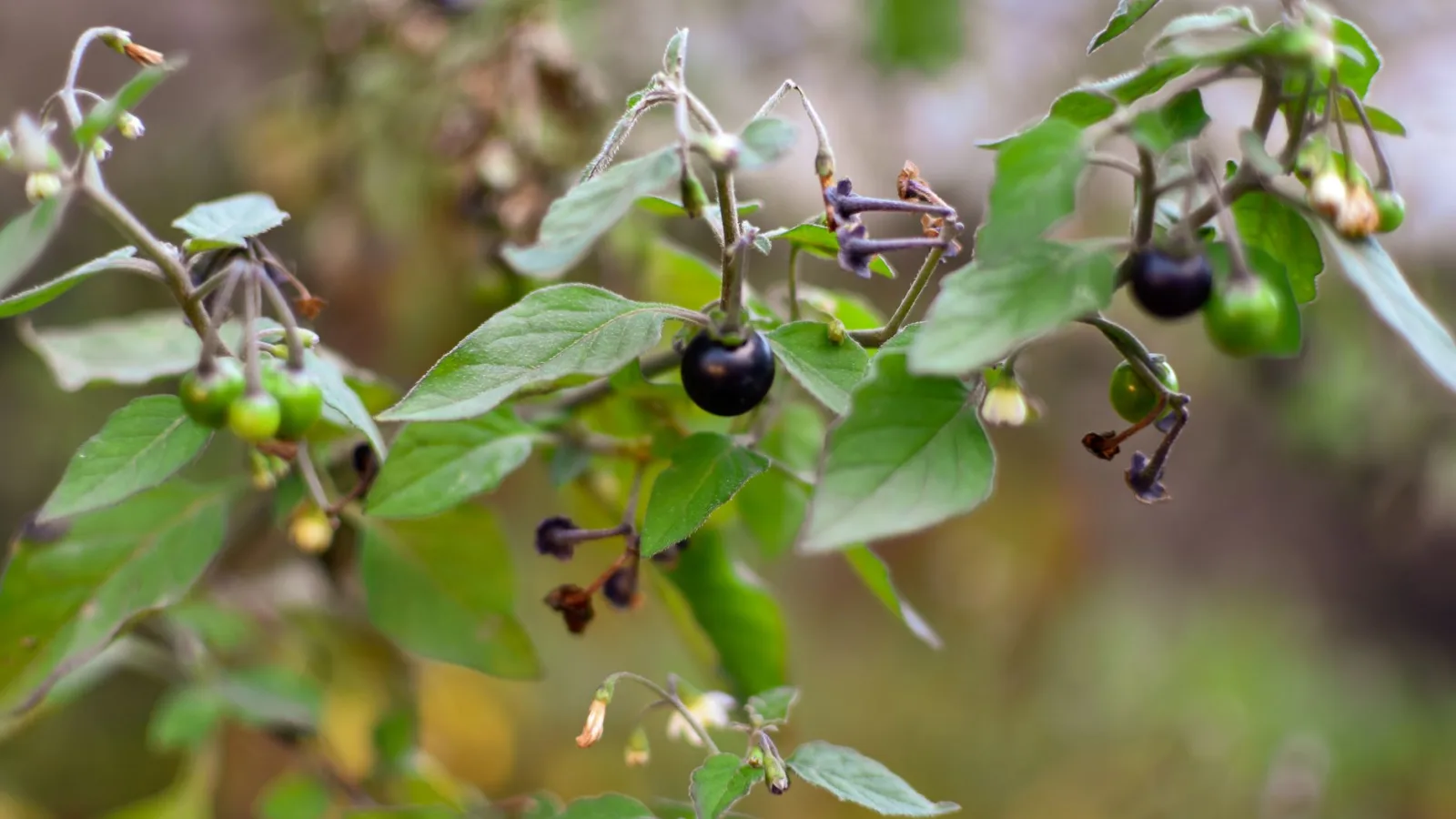
까마중, 검게 익을 때까지 기다립니다
8월 텃밭 가장자리, 고추 이랑 끝이나 담장 밑에 무릎 높이 포기가 서 있습니다. 잎은 둥글고 흰 꽃이 진 자리마다 알이 달렸는데, 어떤 것은 아직 푸르고 어떤 것은 새까맣습니다. 까마중입니다. 심은 적이 없어도 올라오고, 한 번 난 자리에는 씨가 떨어져 이듬해에도 다시 납니다. 북반구에서는 8월이 열매를 거두는 때입니다.
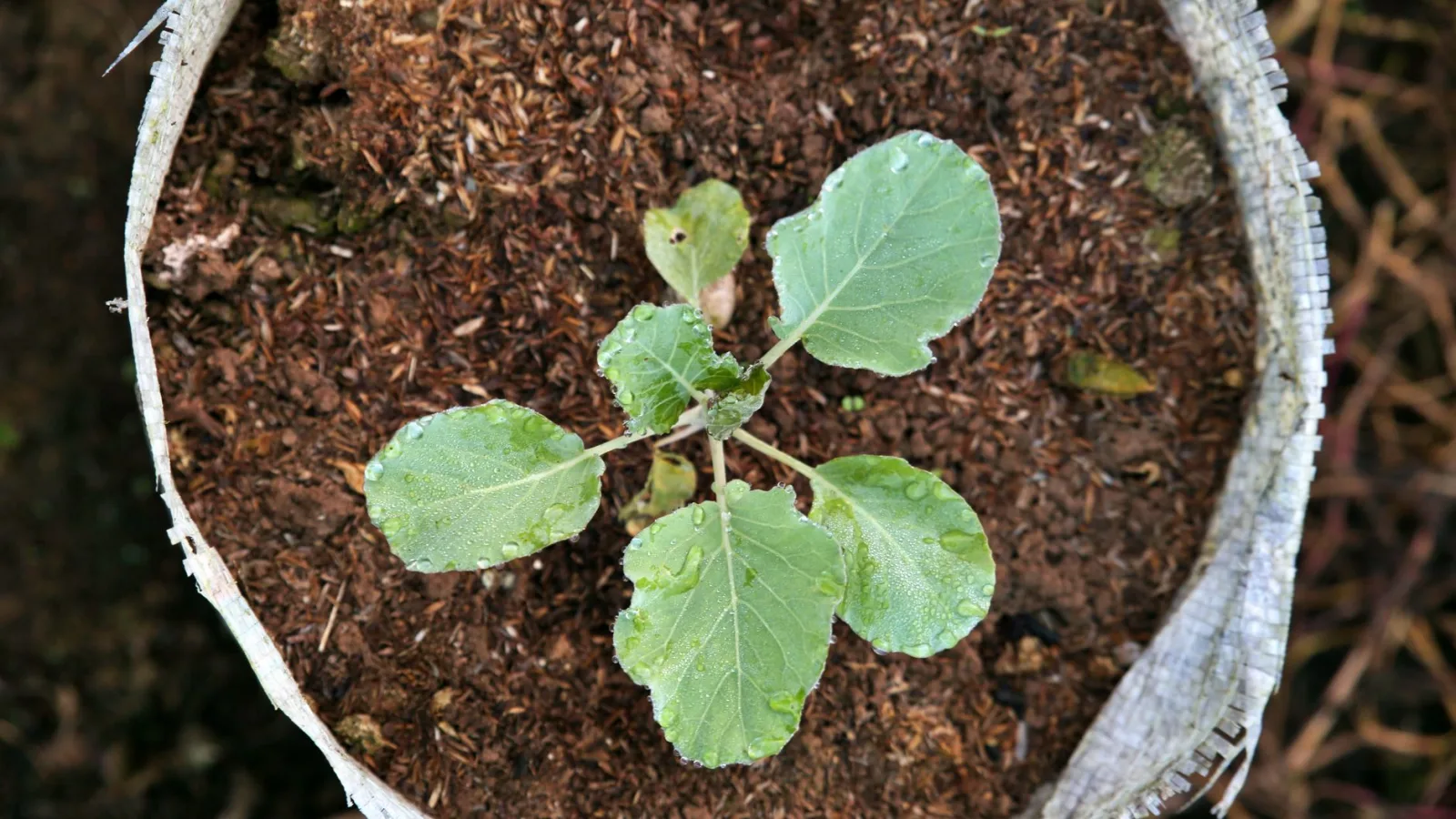
황이 모자란 흙에서 채소는 방어부터 줄입니다
7월 말 텃밭에서는 잎부터 보게 됩니다. 열무 잎에 구멍이 늘고, 고추 아랫잎에 검은 점이 번지고, 캐낸 마늘은 알이 잘아 손에 쥐면 헐겁습니다. 물도 줬고 퇴비도 넣었는데 어디가 어긋난 걸까요.
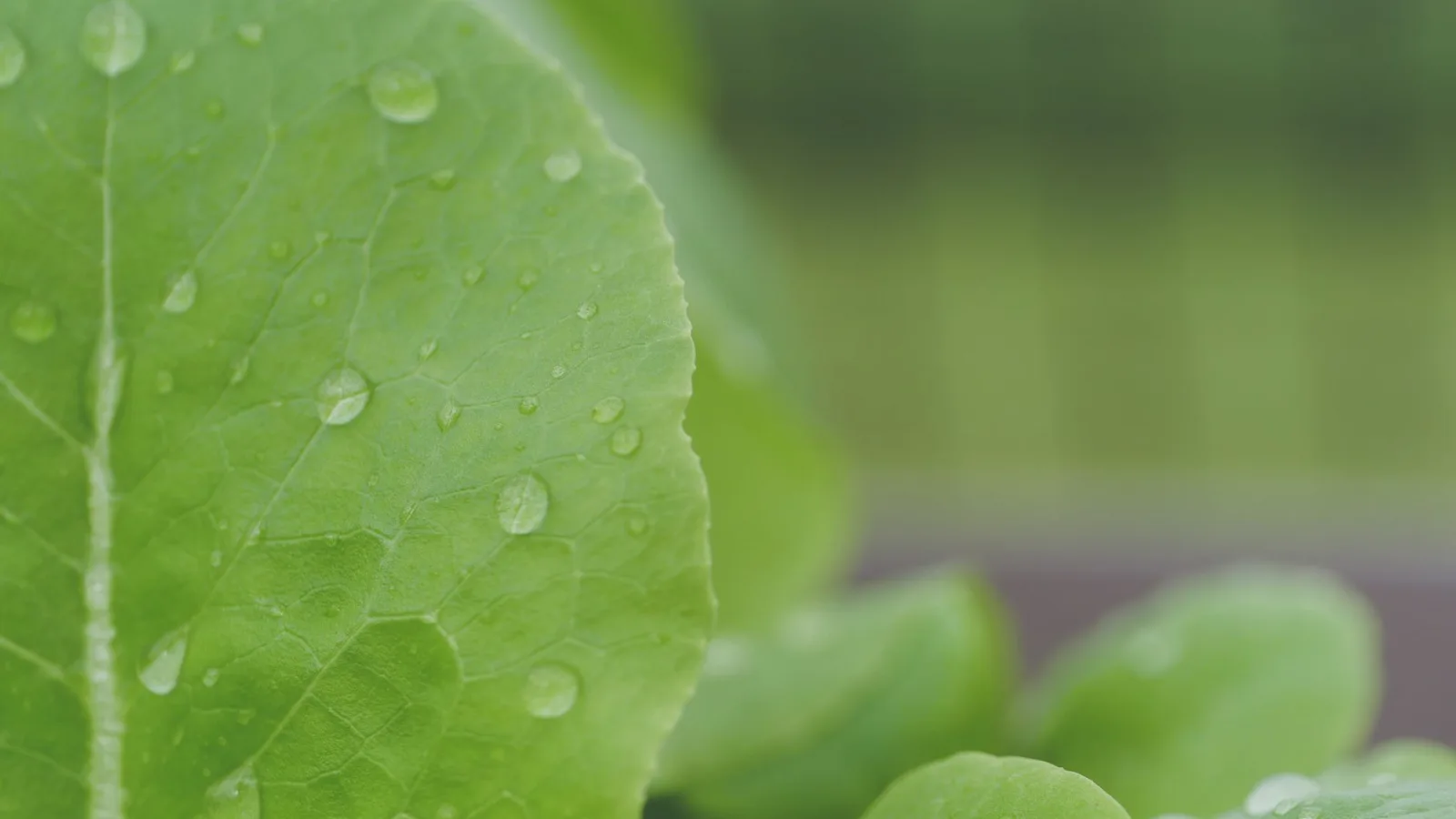
웃거름 준 다음 날 비가 오면, 그 물은 어디까지 갈까요
장맛비가 지나간 다음 날 아침, 텃밭 고랑에 흙탕물이 얕게 고여 있습니다. 전날 상추와 열무 사이에 뿌려 둔 웃거름 알갱이가 흙 위에 보이지 않습니다. 물은 고랑을 따라 텃밭 밖 배수구로 빠져나갔고, 거름도 일부 따라 나갔습니다.
제초제 하나를 빼면 밭은 얼마를 잃을까요
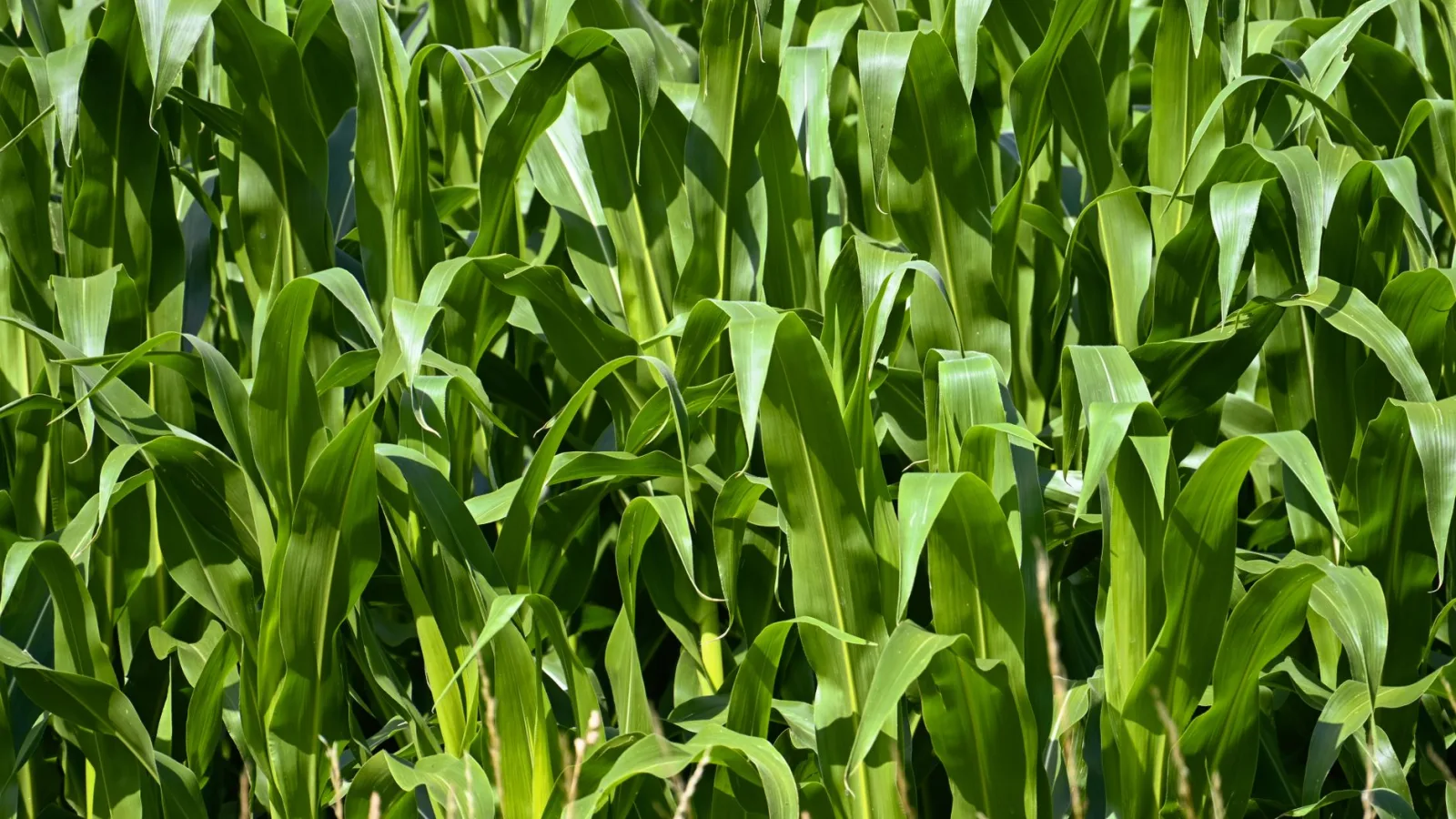
7월 말 텃밭은 채소보다 잡초가 빨리 자랍니다. 장마가 지나간 이랑 사이로 바랭이와 쇠비름이 하루 만에 손바닥만큼 올라오고, 호미로 긁어낸 자리에도 사흘이면 새싹이 다시 돋습니다. 손으로 감당할지 약으로 감당할지는 텃밭 주인만 하는 고민이 아닙니다. 미국 일리노이주에서는 같은 질문에 금액을 매겨 봤습니다.
여름 지난 멀칭 비닐, 손끝에서 바스러질 때
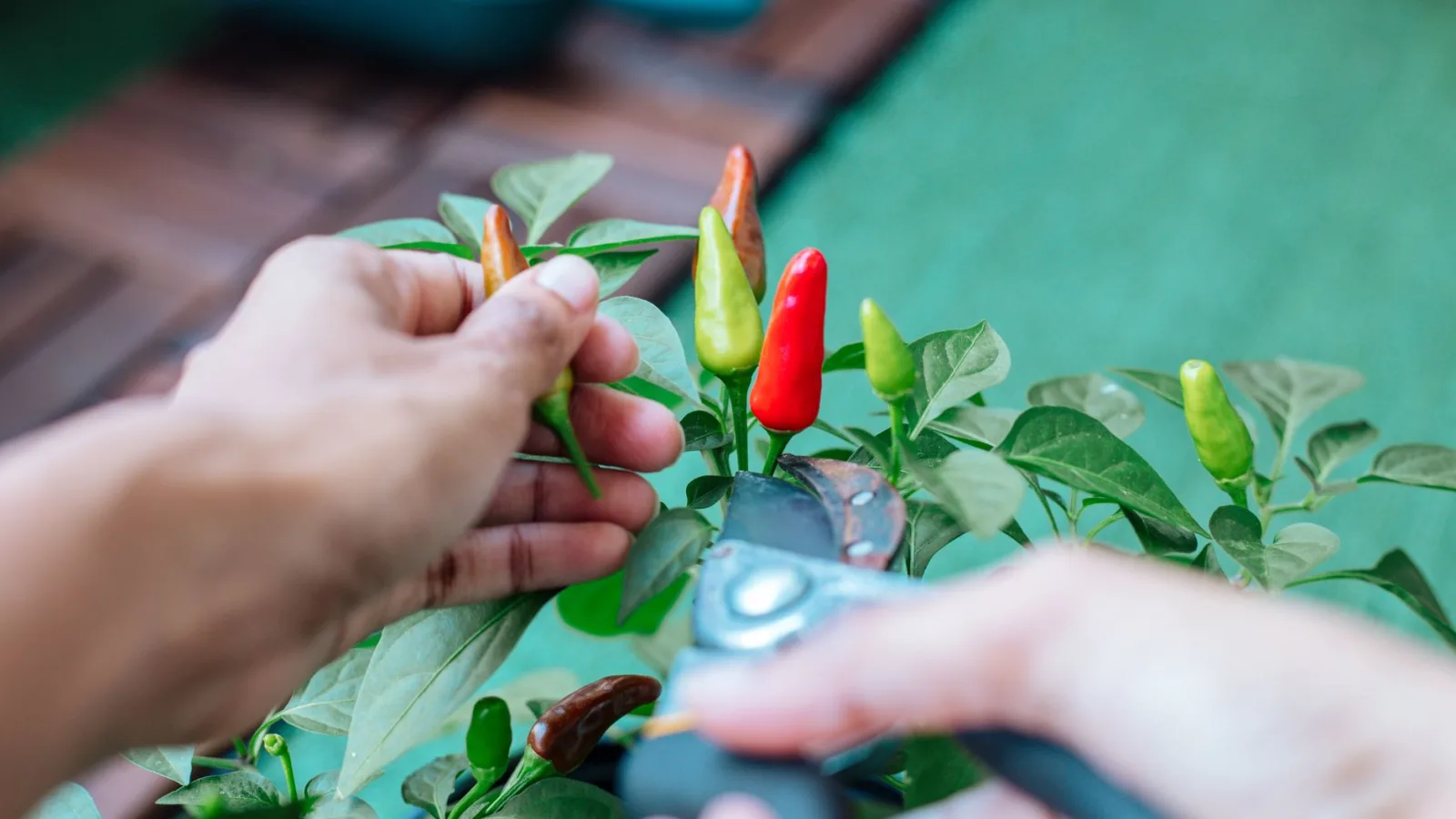
장마가 지나간 텃밭에서 고추 골에 깔아 둔 검은 비닐을 걷다 보면, 여름 햇볕을 두 달 넘게 받은 자리가 손끝에서 바스러집니다. 한 장으로 들리지 않고 손톱만 한 조각으로 떨어지는데, 그 조각은 흙 사이로 들어가 이듬해 봄까지 남습니다.
비트 잎 뒤의 작은 벌에게 헤밍웨이 이름이 붙었습니다
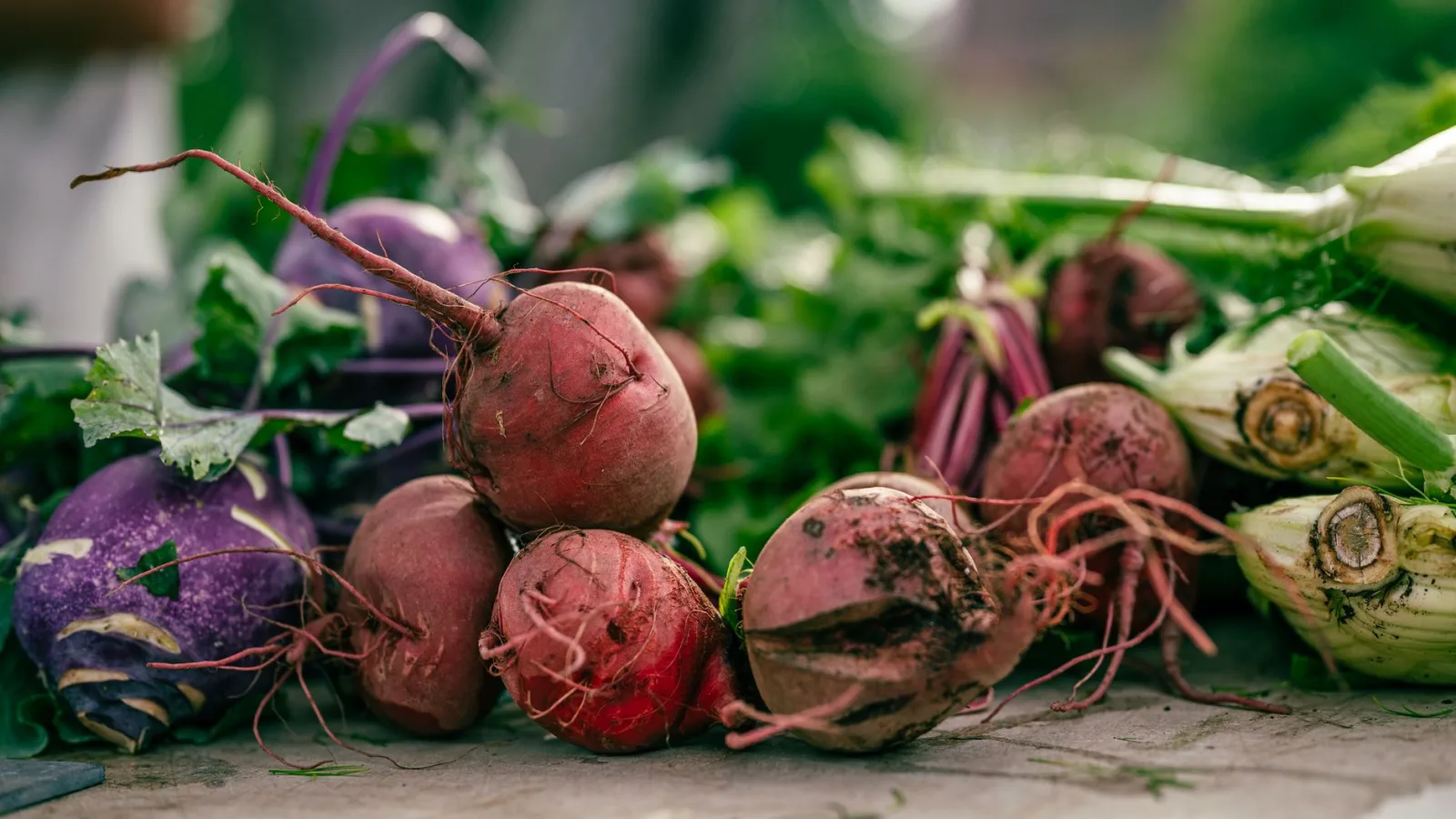
비트를 솎다 보면 잎 뒷면에 아주 작은 벌이 앉아 있을 때가 있습니다. 몸길이가 3mm도 안 되니 날파리로 알고 손으로 쫓기 쉽습니다. 그런데 이만한 크기의 벌 상당수는 잎을 갉는 쪽이 아니라 잎을 갉는 벌레의 애벌레에 알을 낳는 쪽입니다. 텃밭 일손을 덜어 주는 편입니다.
퇴비통 자리, 물 고이는 곳을 피합니다
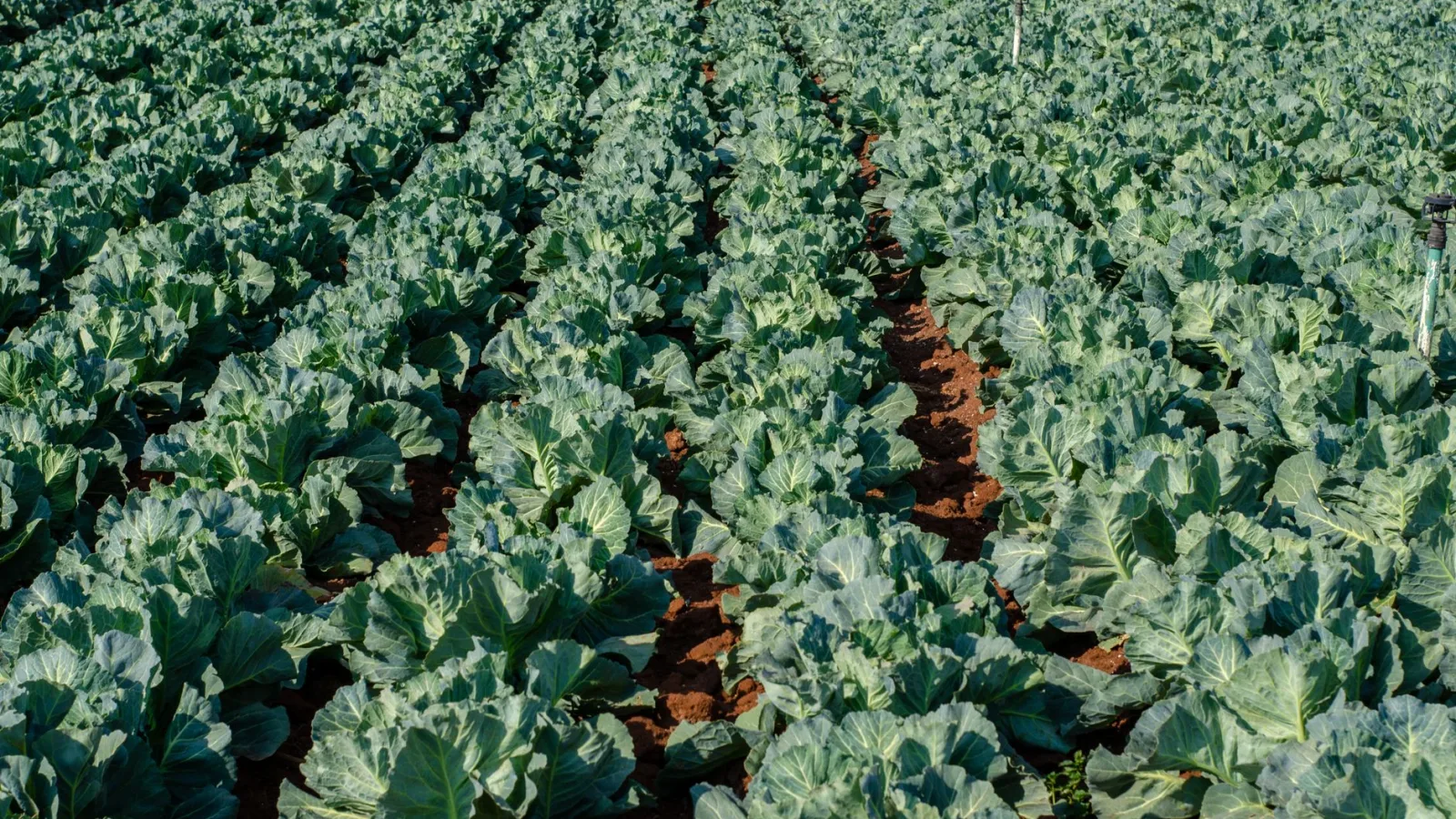
장맛비가 지나간 다음 날 아침, 텃밭 고랑을 걸어 보면 발이 쑥 들어가는 자리가 있습니다. 물이 하루 넘게 남아 있는 곳입니다. 구석에 놓아둔 퇴비통 밑도 그렇습니다. 물이 빠진 자리와 아직 질척한 자리가 한 뼘 차이로 갈립니다.
한 해 세 번 심은 밭, 흙 2미터 아래가 달랐습니다
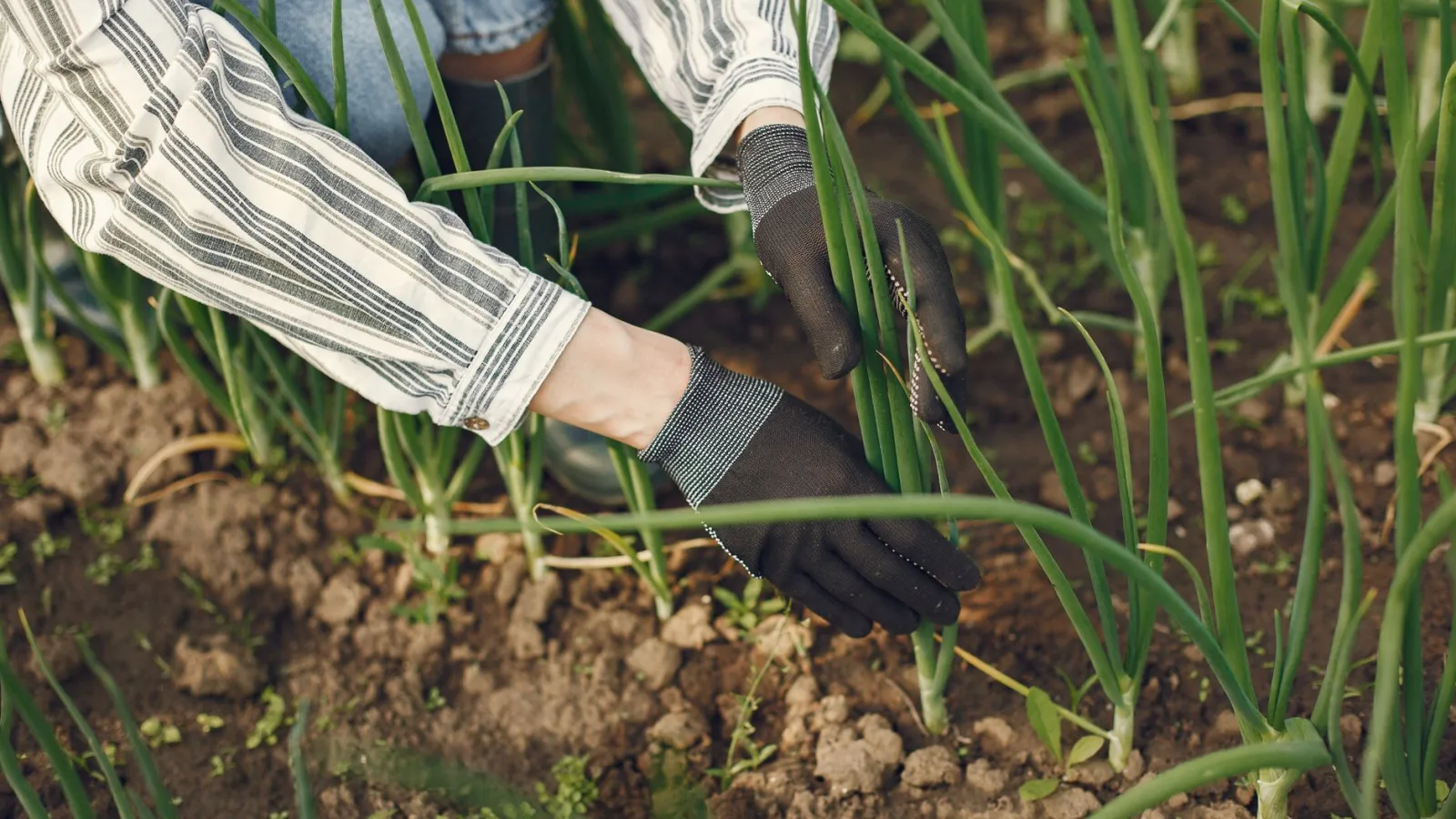
감자와 양파를 캐낸 자리가 그대로 비어 있습니다. 한여름 볕에 맨흙이 마르면서 표면이 갈라지고, 한 줌 쥐어 보면 부슬부슬 흩어집니다. 다음 작물을 무엇으로 할지 정하지 못한 채 이랑을 한두 달 비워 두는 일은 텃밭에서 흔합니다. 그동안에도 흙에 남아 있던 유기물은 계속 분해되고, 새로 들어오는 것은 없습니다.
이산화탄소로 아미노산을 만든다는데, 텃밭 콩은 어떻게 될까요
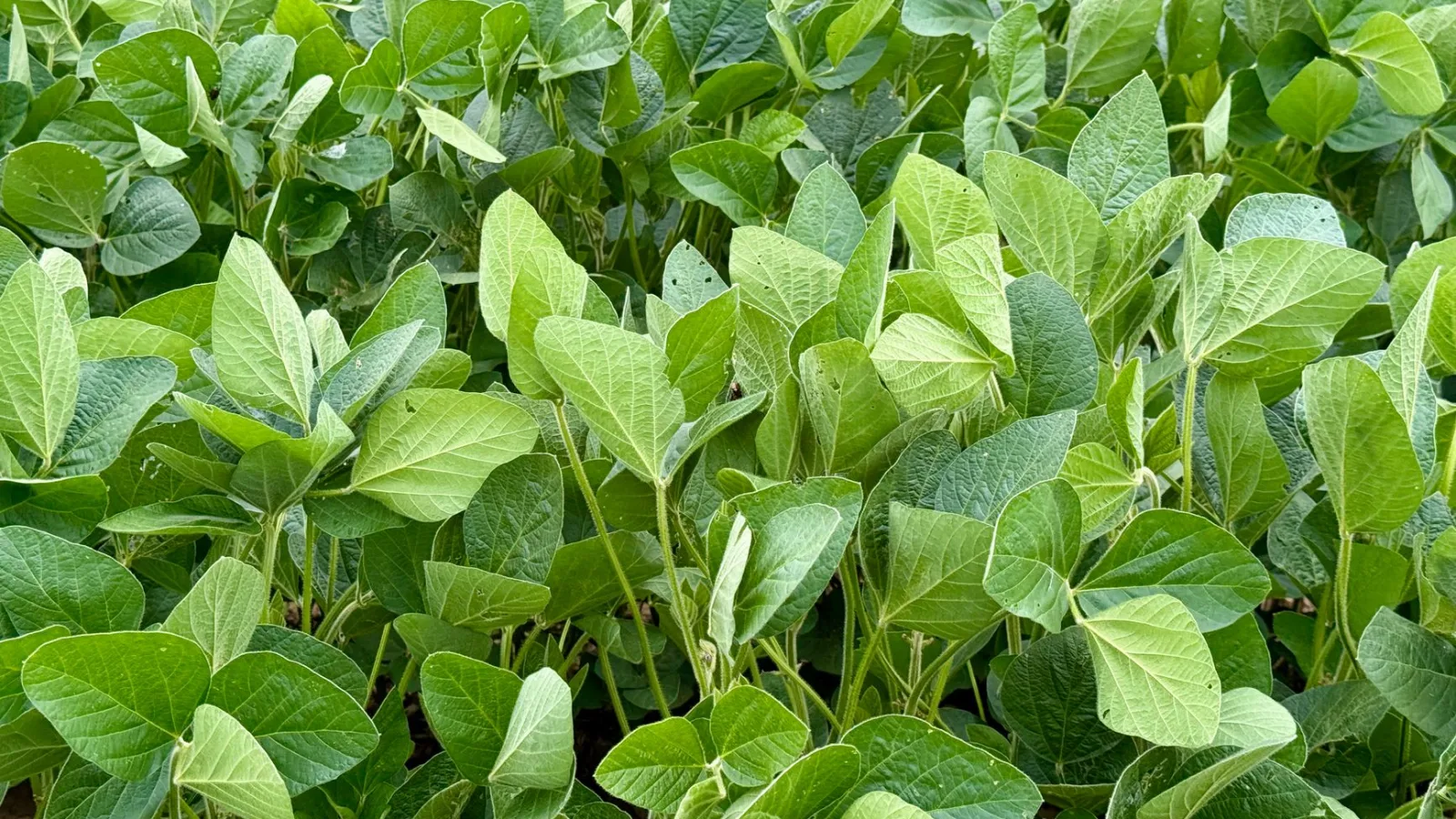
8월 중순 텃밭에서는 콩 포기가 무릎께까지 자라고, 잎 아래로 잔털 난 꼬투리가 하나둘 부풀어 오릅니다. 아직 알이 여물지는 않았지만 손으로 눌러 보면 안쪽이 단단해지는 것이 느껴집니다. 이 꼬투리 안에서 지금 만들어지는 것이 단백질을 이루는 아미노산입니다.
잎 세 장이면 캐도 될까요
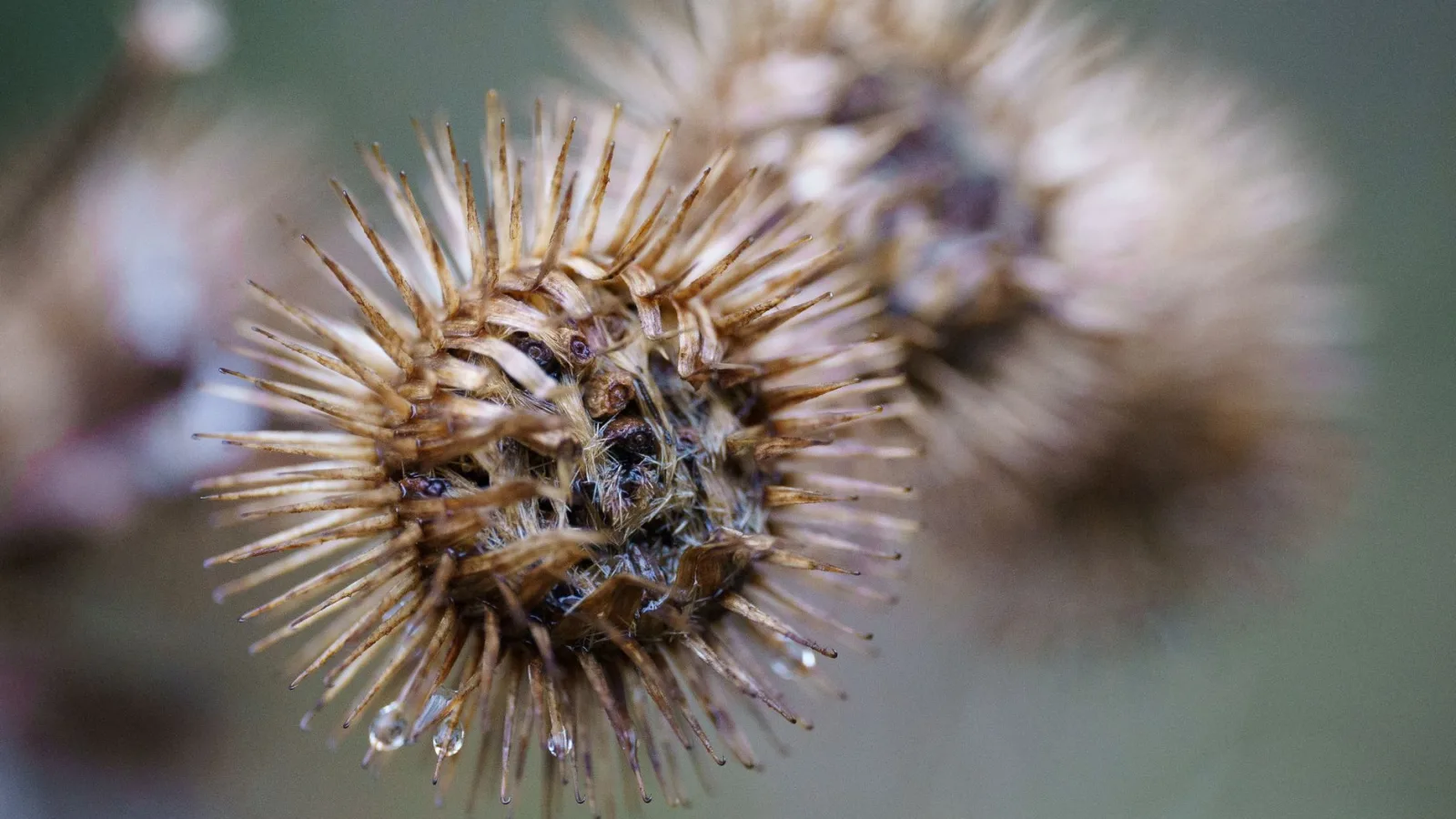
가을이 깊어지면 텃밭 한쪽 도라지 자리부터 살피게 됩니다. 잎이 몇 장인지, 줄기가 몇 갈래로 올라왔는지 세어 보고 올해는 캐도 되겠다고 판단합니다. 땅속은 들여다볼 수 없으니 땅 위의 모습으로 짐작하는 것입니다.
텃밭 강낭콩이 세계 농업 보고서에 오른 이유
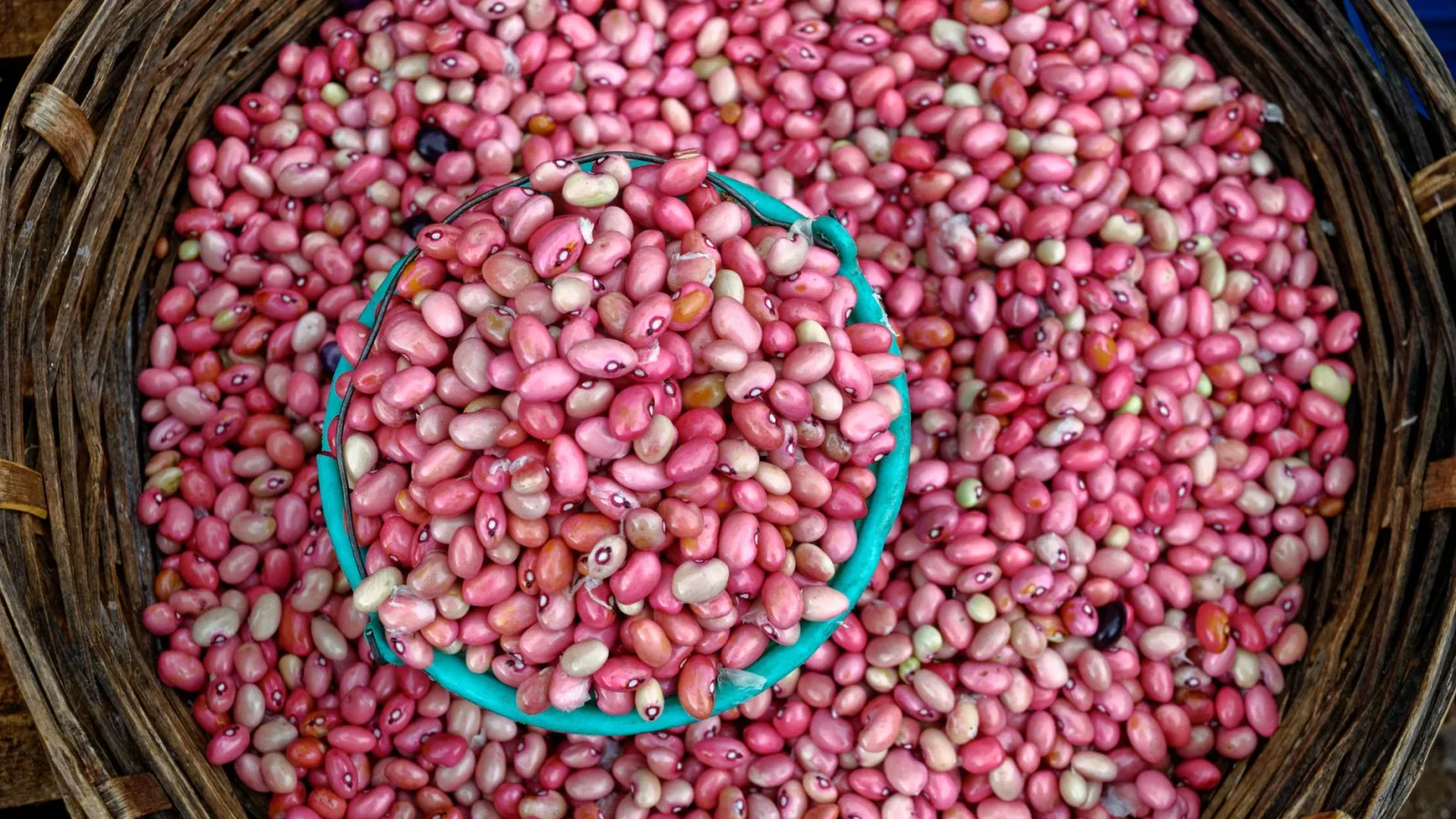
칠월 말 텃밭은 손이 바쁩니다. 상추는 꽃대가 올라와 쓴맛이 돌고, 고추와 가지는 이틀에 한 번씩 따야 합니다. 그 옆 두둑에서는 봄에 심은 강낭콩이 꼬투리를 채우고 있습니다. 흙 살리자는 생각으로 밭 한 귀퉁이만 내준 작물이었습니다. 그런데 세계 농업이 앞으로 무엇을 길러야 하는지 따진 최근 보고서에서 가장 자주 등장하는 작물이 바로 이 콩류입니다.
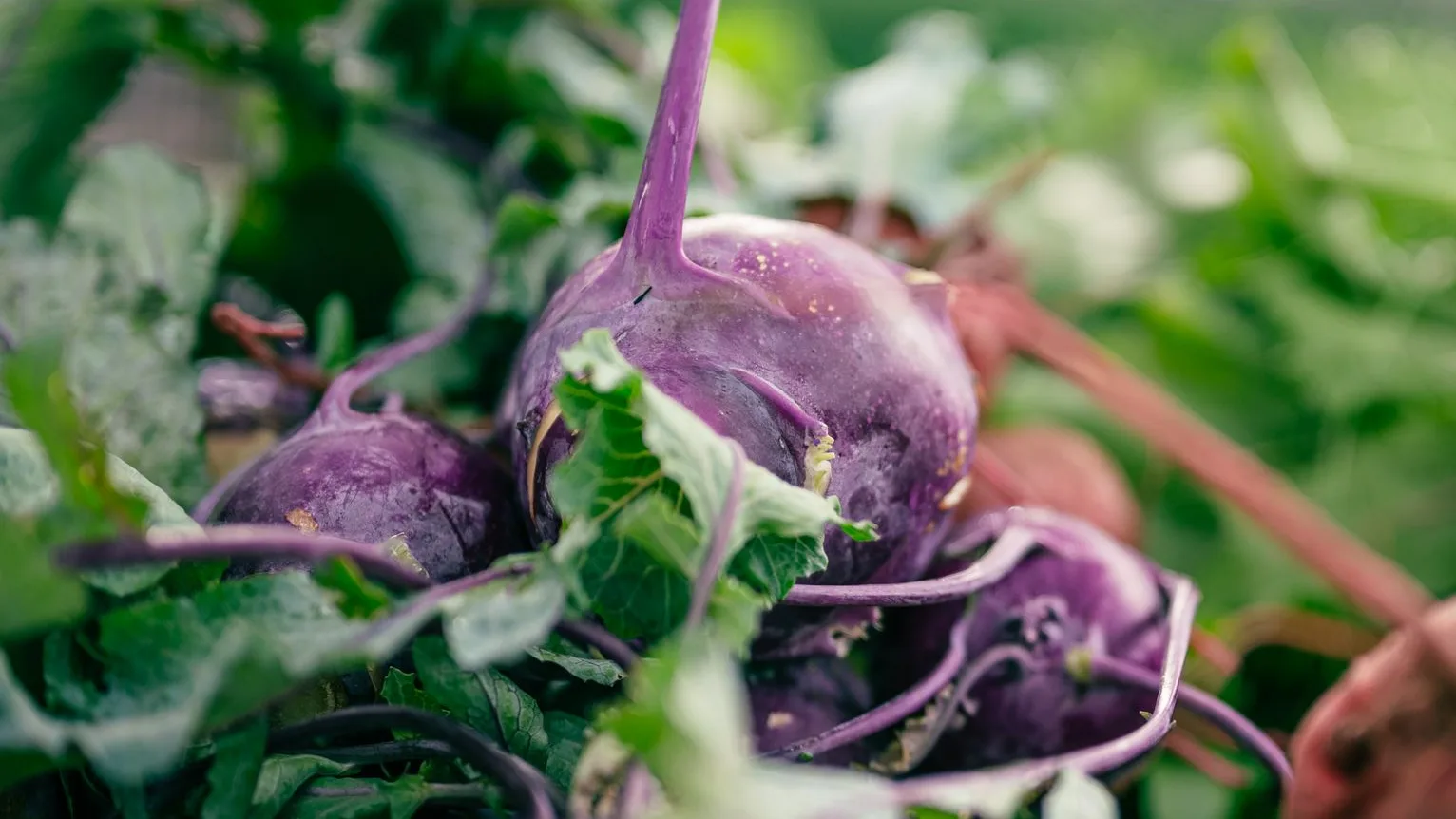
화장실에서 나온 거름으로 콜라비를 키워 봤더니
8월 중순에 가을 콜라비를 심으려고 두둑을 고르다 보면 비료 봉지 앞에서 한 번 멈추게 됩니다. 요소든 복합비료든 봉지에 적힌 질소는 공장에서 공기 속 질소를 붙잡아 만든 것입니다. 사람이 날마다 화장실에서 흘려보내는 것으로 그 자리를 채울 수 있는지 확인한 온실 시험 결과가 나왔습니다.
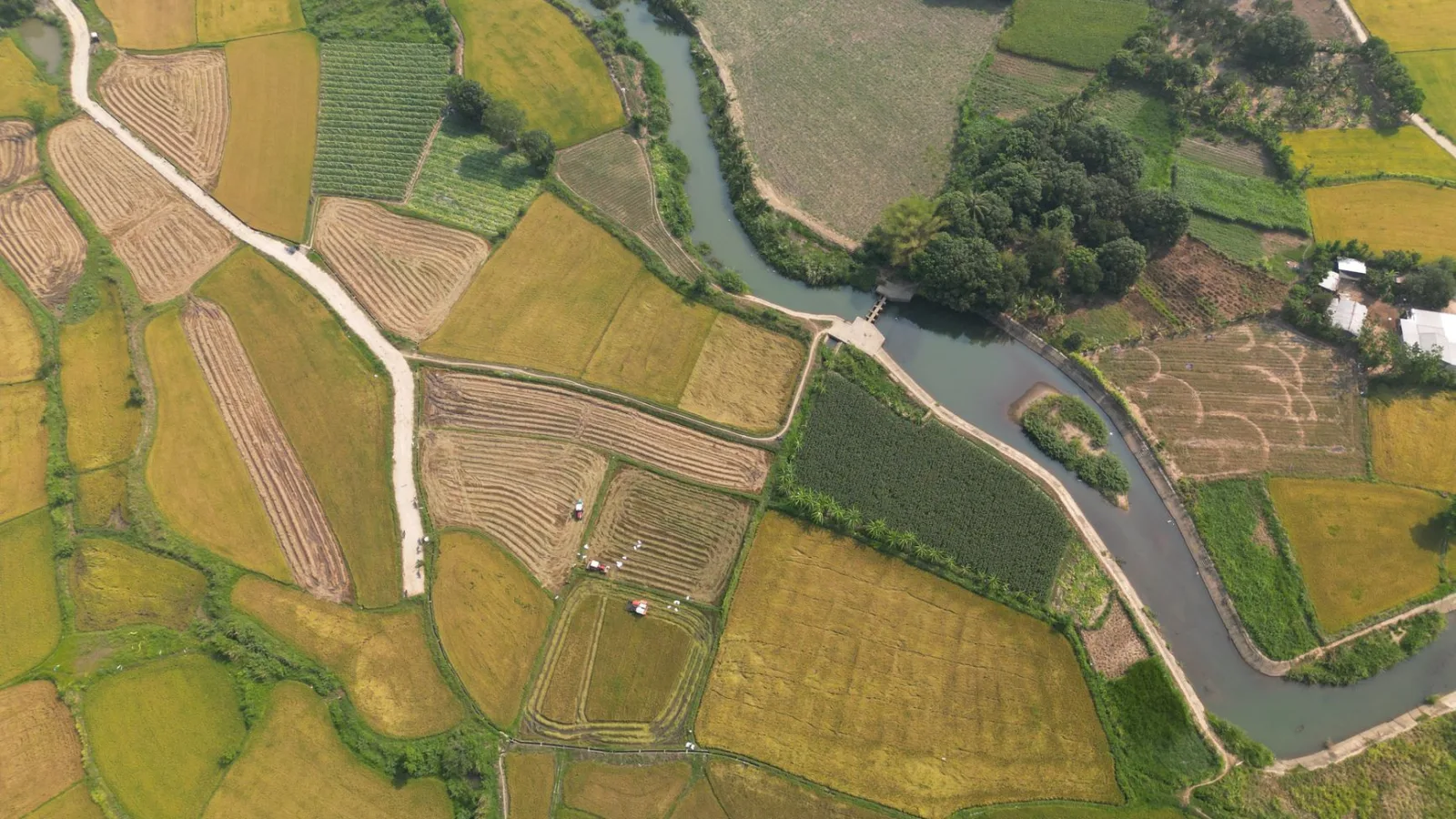
씨앗에서 밥상까지, 전통 농사가 지키는 것들
상추 모종을 심다 보면, 옆집 할머니가 손수 갈무리해 두었던 씨앗을 나누어 주시는 일이 있습니다. 그 씨앗에는 이름도, 심는 시기도, 아삭한 맛의 기억도 들어 있습니다. 이런 장면이 전 세계 곳곳의 전통 농업지에서 수백 년째 이어지고 있습니다.
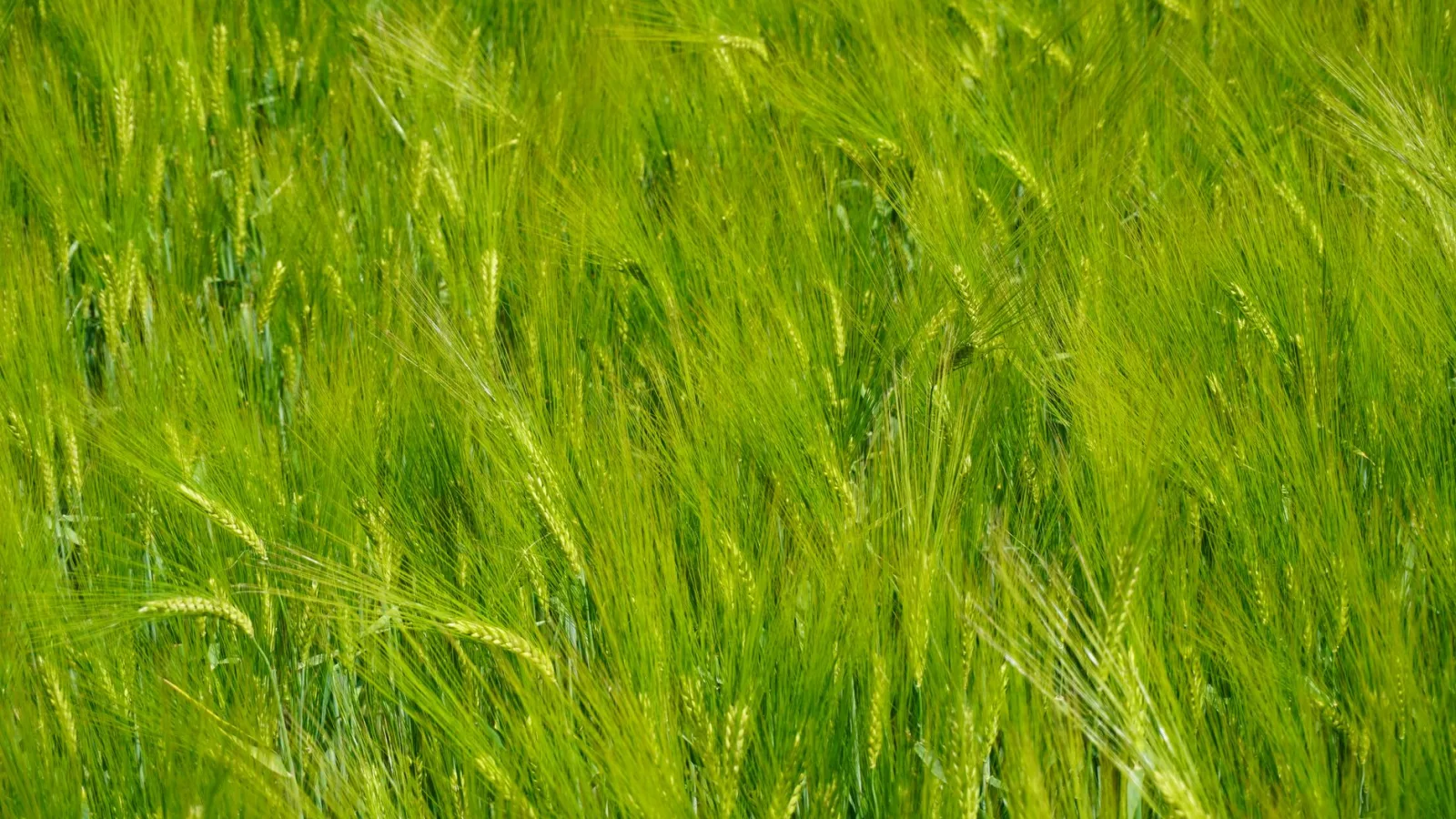
쌀보리로 밥 한 그릇을 짓는 이유
보리밥 솥을 열면 고슬고슬한 낟알과 구수한 냄새가 함께 올라옵니다. 그 보리 가운데 탈곡만 해도 껍질이 자연히 분리되는 품종이 있습니다. 쌀보리, 또는 나맥(裸麥, Hordeum vulgare var. nudum)이라 부르는 작물입니다. 티베트 고원에서 3,500년 넘게 재배해 온 이 품종은 겉보리와 달리 도정 과정이 필요 없어 수확 직후 바로 식용할 수 있습니다. 혈당과 콜레스테롤을 신경
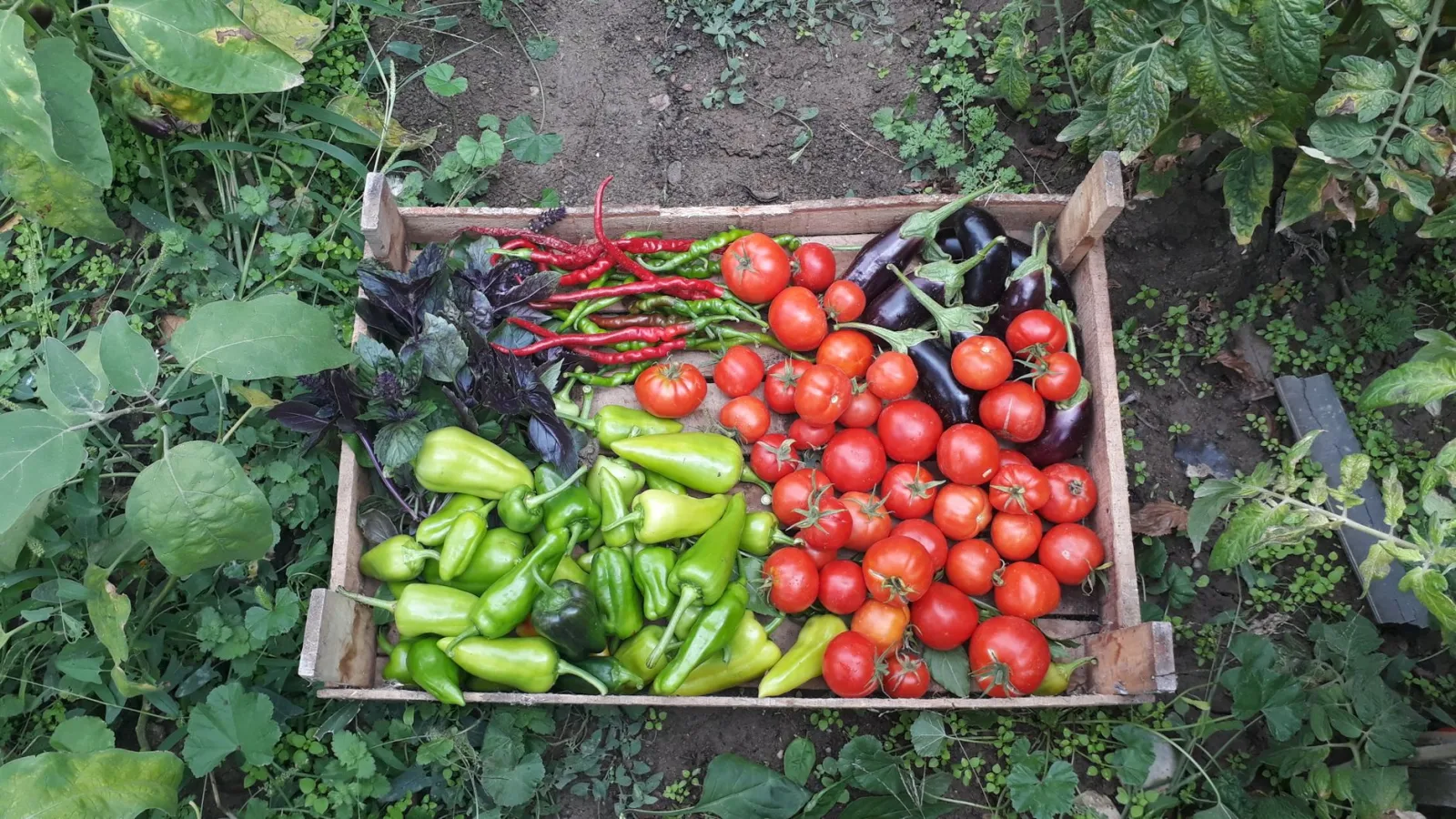
식물이 더위를 버티는 두 번째 방법
여름 텃밭에서 상추가 갑자기 웃자라고 잎이 쓴맛을 내기 시작하면, 더위가 왔다는 신호입니다. 작물은 겉모습만 바뀌는 게 아닙니다. 세포 안에서 열을 감지하고 그에 맞춰 생장 방향을 조정하는 과정이 동시에 진행됩니다.
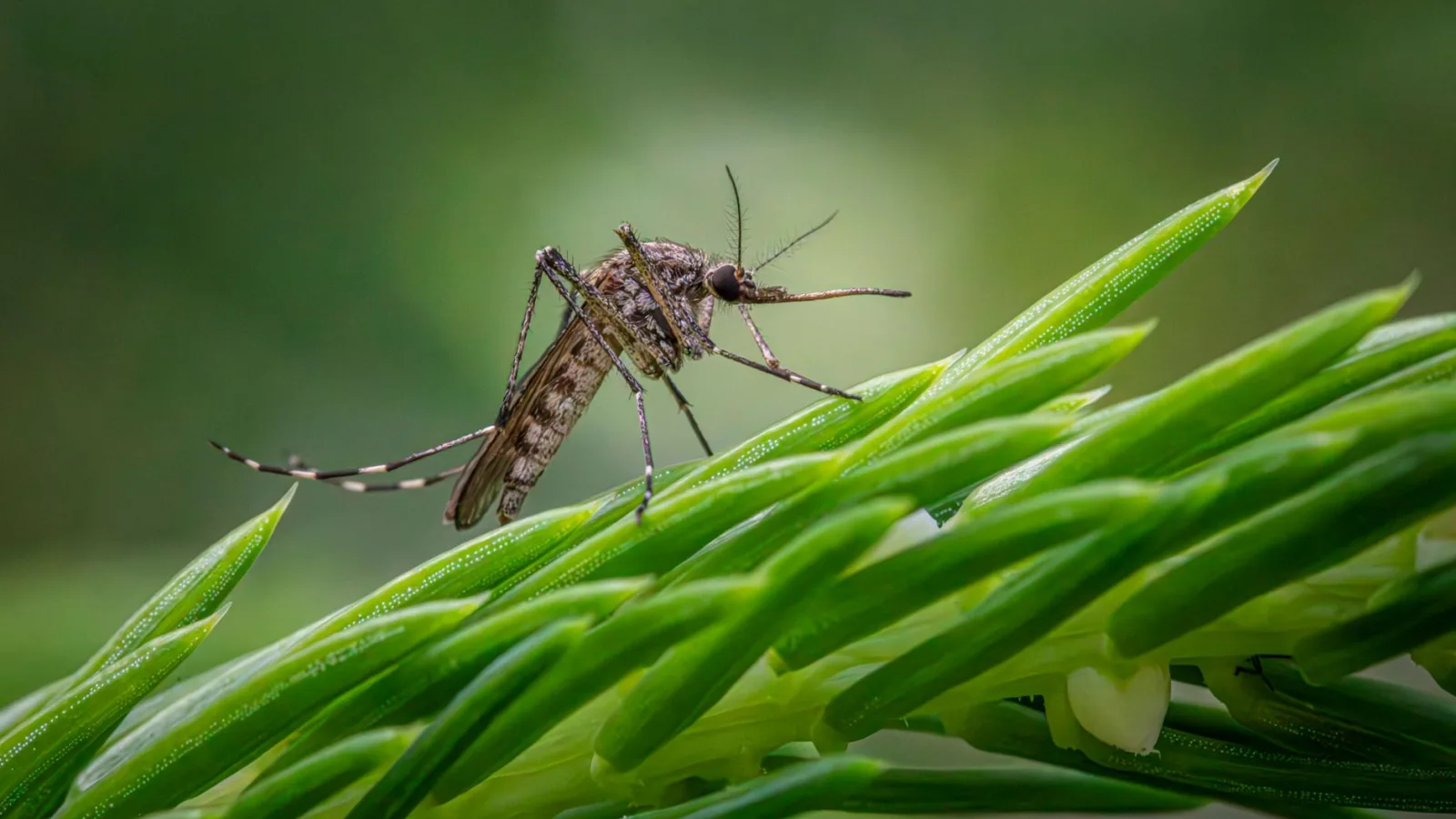
도시 텃밭은 왜 시골 밭보다 모기가 덜 달려들까요
여름 텃밭 일을 마칠 즈음이면 팔뚝에 어김없이 모기 물린 자국이 생깁니다. 도심 옥상 텃밭과 교외 주말농장, 같은 여름인데 모기가 달려드는 정도가 다르다고 느끼는 분들이 있습니다. 기후 조건이 같아도 주변 환경이 다르면 모기 밀도가 달라질 수 있습니다. 중국 동부에서 2016년부터 2021년까지 진행된 모기 생태 추적 연구가 그 차이를 데이터로 보여 줍니다.
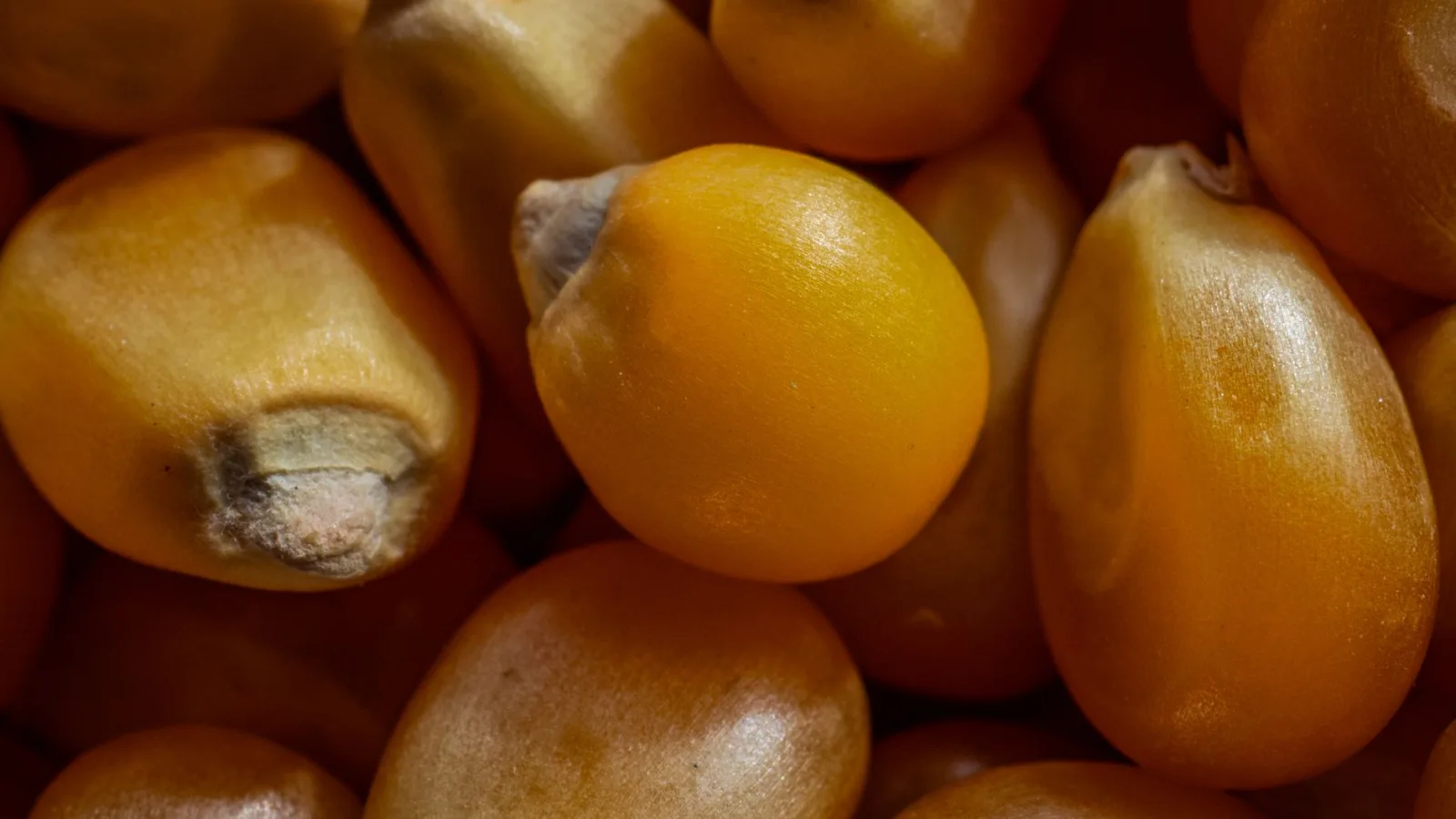
씨앗 안에서 유전자 스위치를 찾다
옥수수 씨앗 하나를 손바닥에 올려놓으면, 그 안에 얼마나 많은 정보가 담겨 있는지 실감하기 어렵습니다. 싹을 틔우고 줄기를 세우고 낟알을 맺기까지, 식물은 수만 개의 유전자를 상황에 따라 켜고 끕니다. 그 켜고 끄는 지점을 인공지능이 예측할 수 있다는 연구 결과가 나왔습니다.
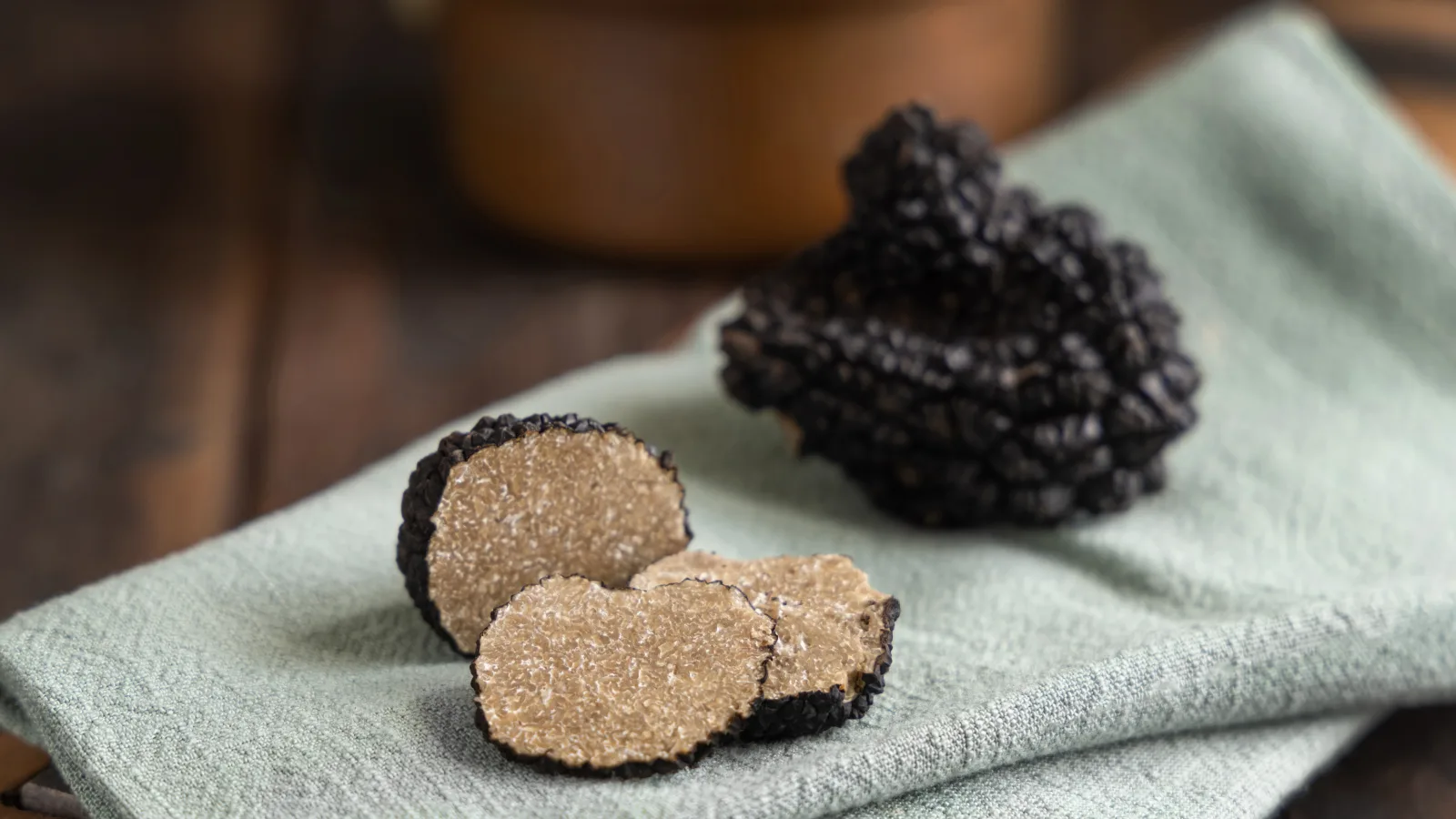
값비싼 송로버섯, 왜 어떤 나무에서만 열릴까요
이탈리아나 프랑스의 식당에서 얇게 저민 송로버섯(트러플) 몇 조각이 파스타 위에 올라가면 값이 훌쩍 뜁니다. 좋은 것은 1kg에 100만 원을 넘기도 합니다. 그런데 이 버섯을 밭에서 마음먹은 대로 길러 내기가 참 어렵습니다. 같은 자리에 같은 나무를 심어도 어떤 나무 밑에서는 송로버섯이 맺히고, 바로 옆 나무에서는 몇 해가 지나도 소식이 없습니다.
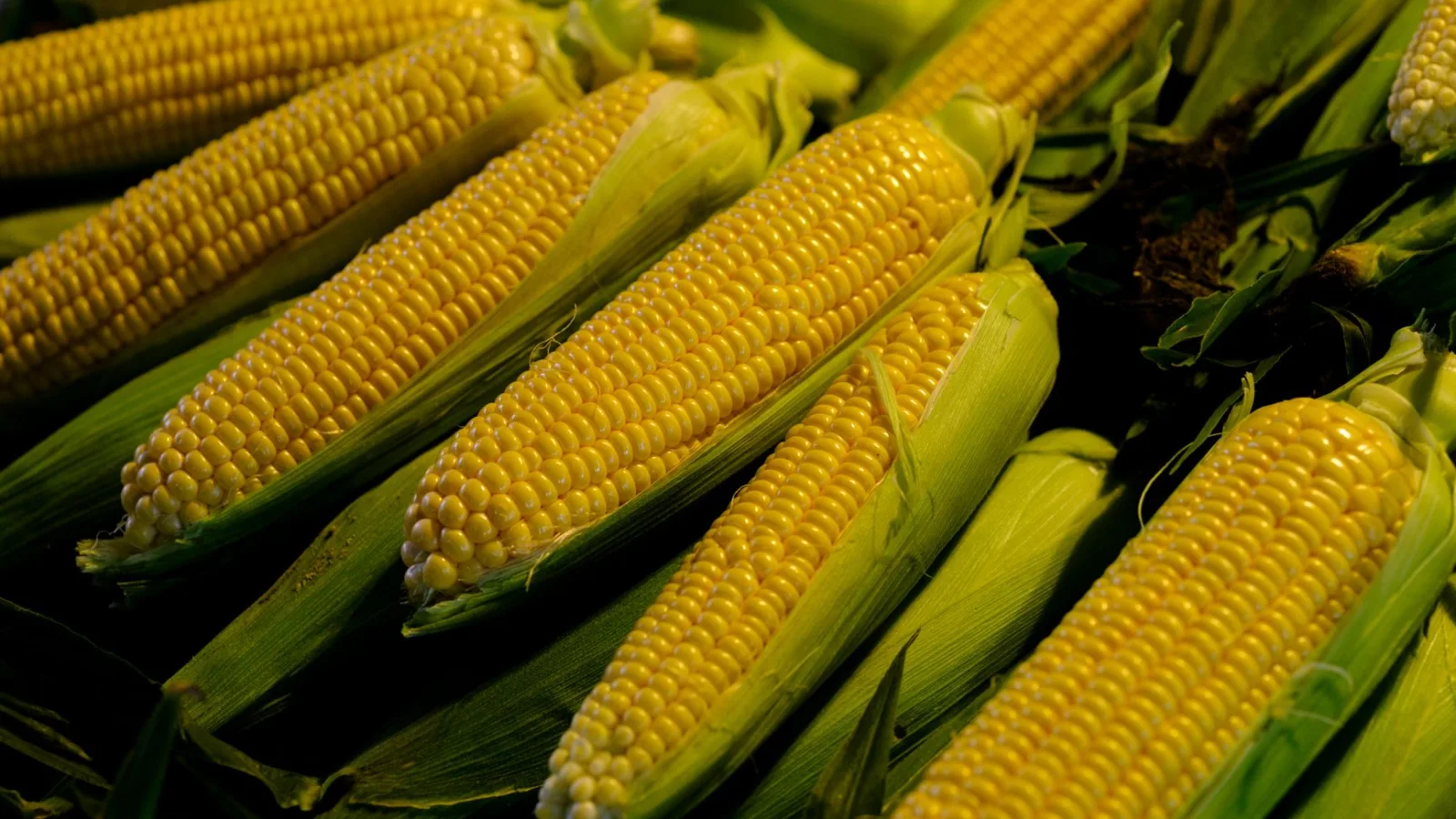
더위에 강한 옥수수, 뿌리 곁 미생물이 함께합니다
한여름 텃밭에서 옥수수 잎이 안쪽으로 말리기 시작하면, 많은 분이 물 호스를 먼저 들고 나옵니다. 수분 부족이 가장 눈에 띄는 탓입니다. 그러나 뿌리 주변 흙 속에서는 또 다른 과정이 진행되고 있습니다. 최근 연구에서 옥수수(maize)와 수수(sorghum)의 뿌리 주변 미생물 군집이 작물의 고온 적응에 관여할 수 있다는 연구가 나왔습니다.
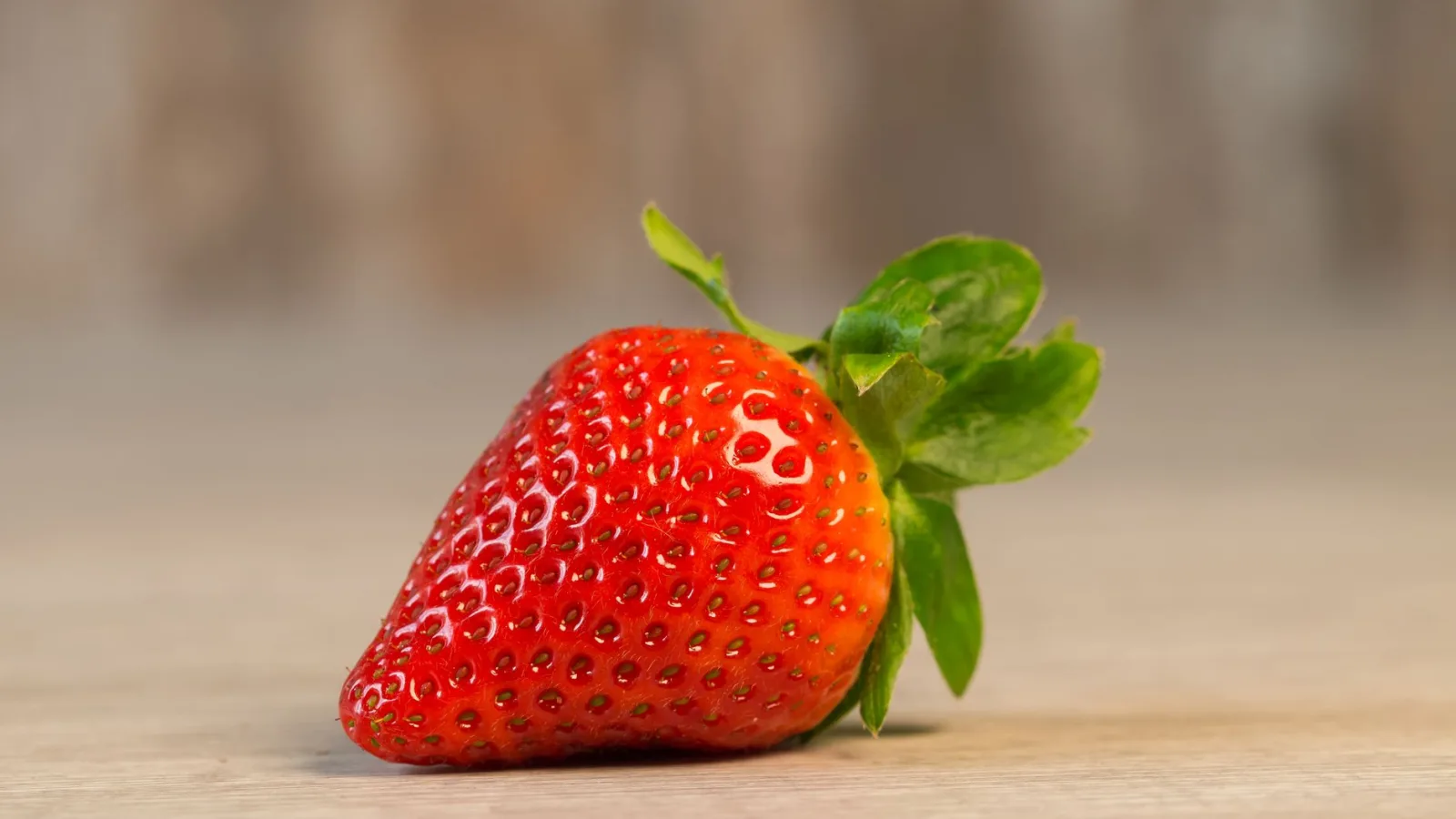
딸기는 한 번에 만들어지지 않았습니다
5월 텃밭에서 딸기가 익는 시기가 옵니다. 손바닥 위에 올려놓은 딸기 한 알은 가볍고 단순해 보이지만, 이 안에는 수만 년에 걸쳐 여러 야생종의 게놈이 합쳐진 기록이 담겨 있습니다. 최근 연구팀이 식물 게놈 안에서 이동성 유전 요소(transposable element)가 남긴 흔적을 분석해, 현재 딸기가 어떤 경로를 거쳐 지금의 형태를 갖추게 됐는지를 새로운 방식으로 추적했습니다.
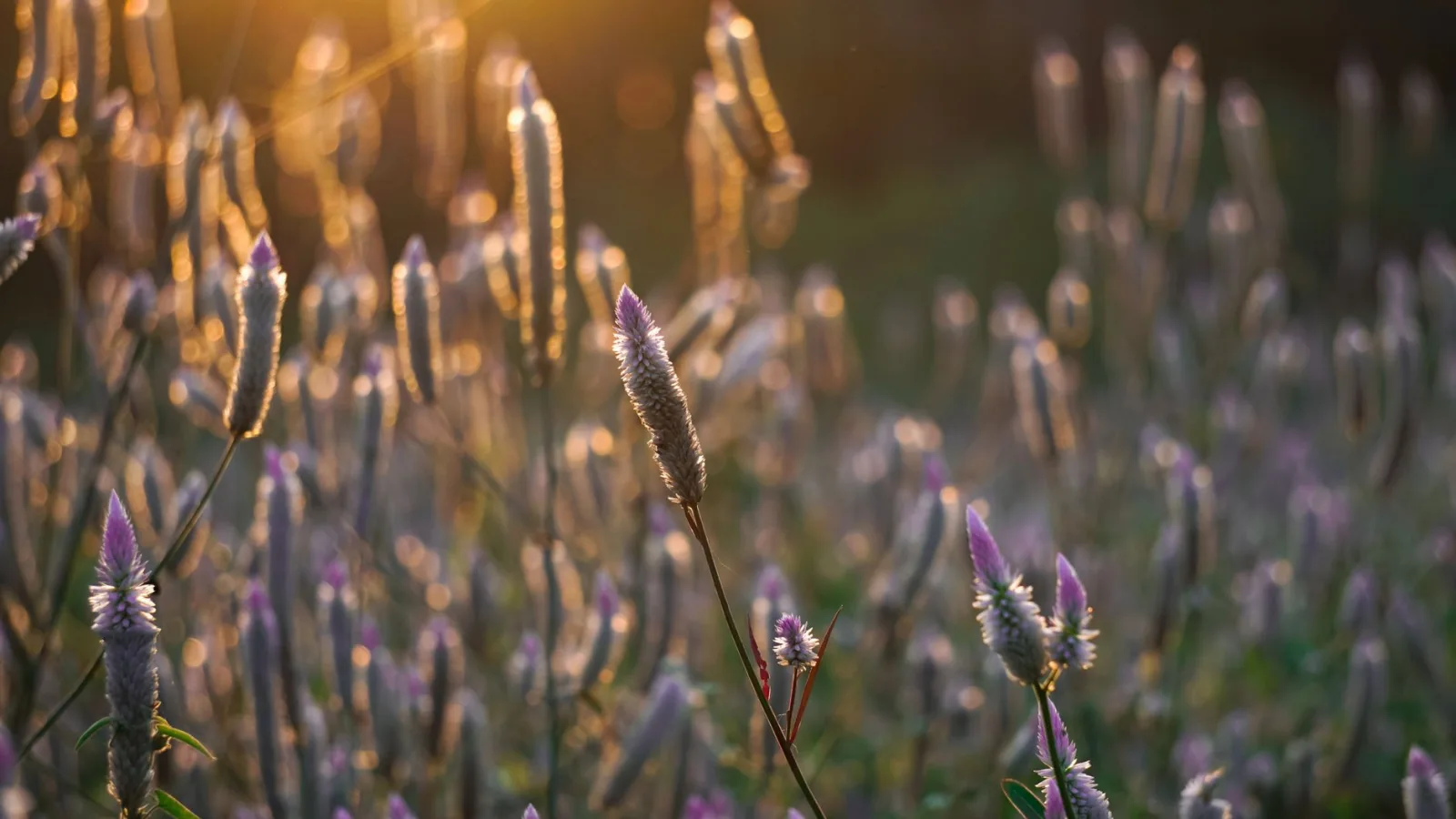
60년 만에 돌아온 식물
텃밭에서 이름 모를 풀 하나를 발견하는 일은 드물지 않습니다. 두둑 사이에서 저절로 올라온 식물을 보며 '이게 뭐지?' 하다가 그냥 지나칩니다. 호주 퀸즐랜드 내륙 건조 지대에서도 그런 순간이 있었습니다. 어느 날, 철새 이동 경로를 조사하던 탐조인 에런 빈이 낯선 관목 하나를 마주쳤습니다. 그는 스마트폰으로 사진을 찍어 생물 관찰 플랫폼 아이내처럴리스트(iNaturalist)에 올렸습니다.
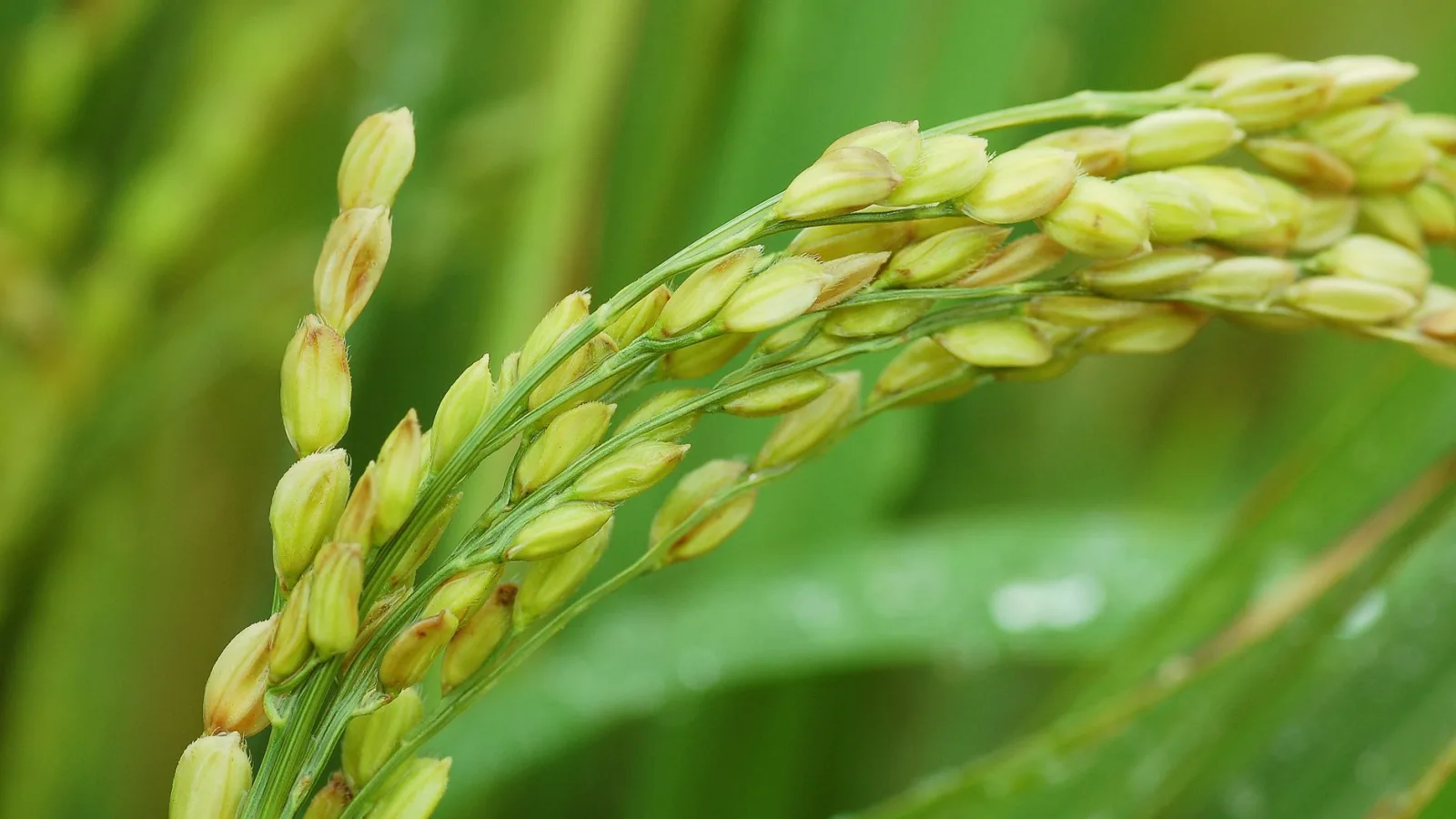
벼가 중금속을 덜 빨아들이게 돕는 셀레늄
논에 물을 대고 여름을 지낸 벼가 이삭을 채웁니다. 밥그릇에 담기는 흰쌀은 깨끗해 보이지만, 논흙이 중금속에 오염돼 있으면 벼는 카드뮴이나 비소를 조금씩 빨아들여 낟알에 남깁니다. 우리가 매일 먹는 밥과 곧장 이어지는 문제입니다. 이 양을 줄일 방법을 찾던 한 연구진이 셀레늄이라는 미량 원소에 주목했습니다. 우리 몸에도 아주 적은 양이 필요한 원소이지만, 논에서는 벼 뿌리 둘레를 바꿔 놓았습
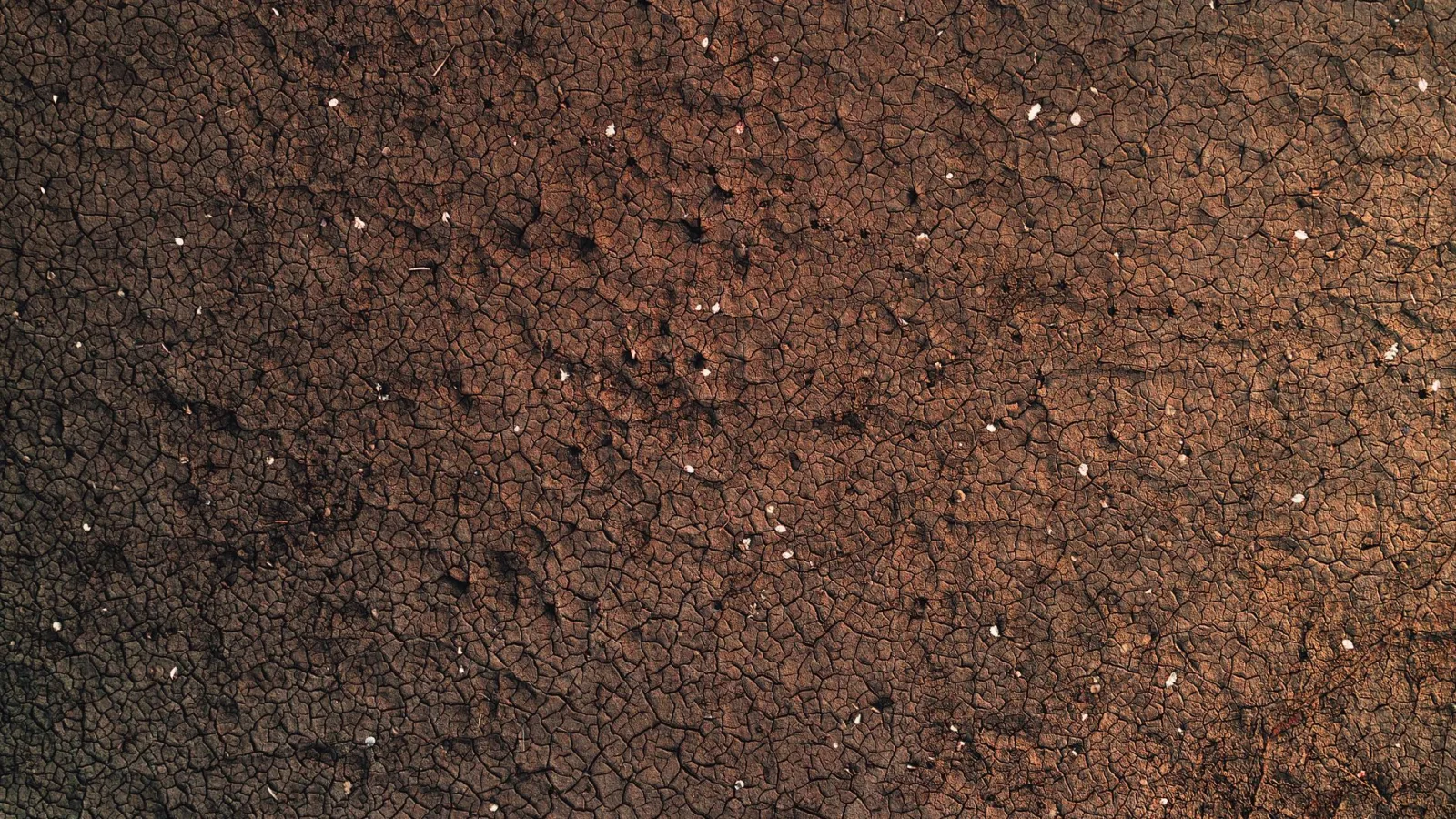
흙도 숨을 쉽니다
봄 모종철이면 텃밭 한쪽에 비료 자루가 쌓입니다. 질소가 담긴 비료는 잎채소를 빠르게 키우고 색을 진하게 합니다. 그런데 세계 산림 연구자들이 진행한 대규모 분석이, 이 질소가 흙 안에서 생각보다 복잡한 변화를 일으킨다는 것을 보여 줍니다.
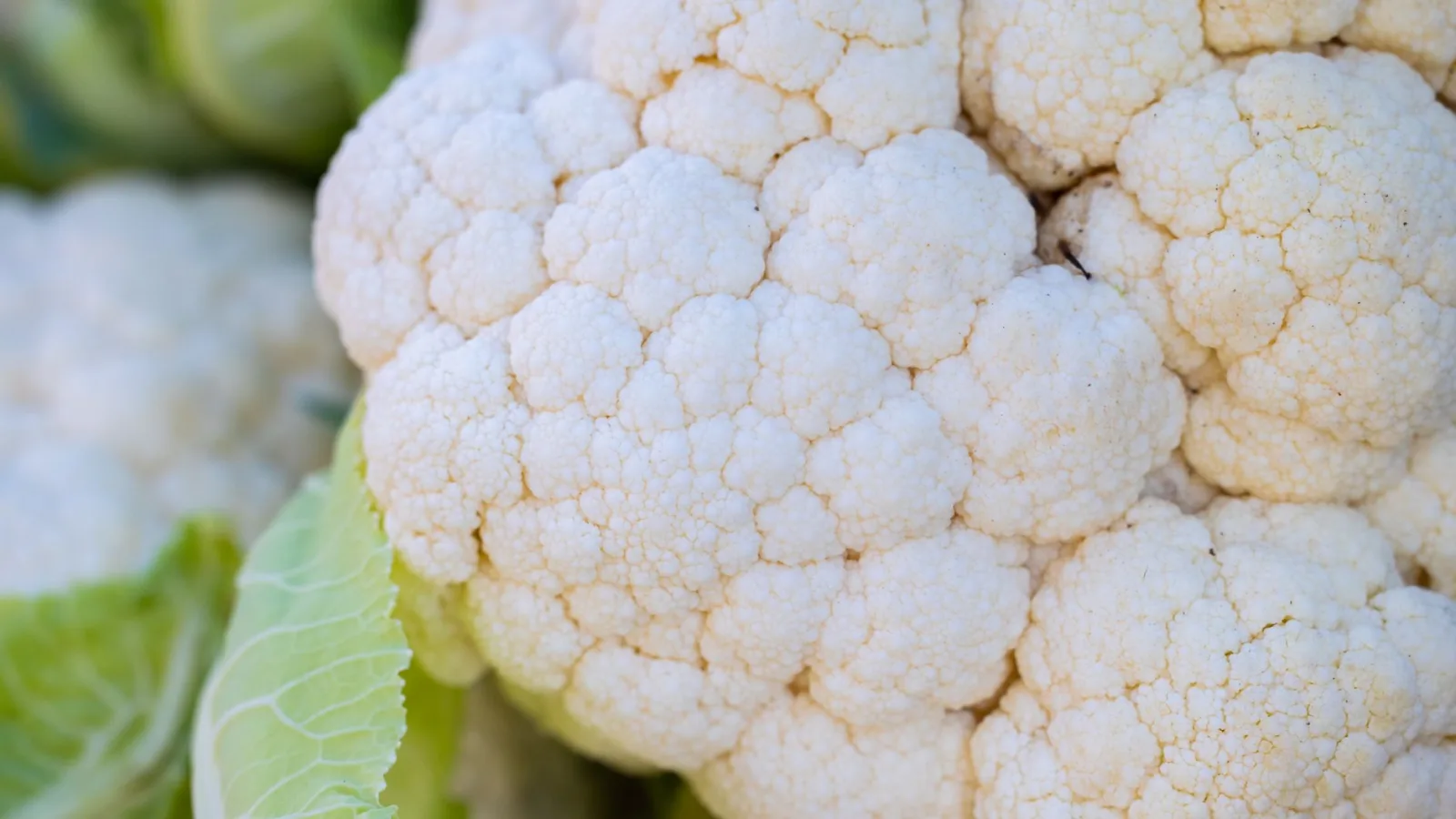
버리던 콜리플라워 잎에 단백질이 있었습니다
콜리플라워를 수확할 때 손이 먼저 가는 것은 하얗게 여문 가운데 꽃봉오리입니다. 큰 바깥 잎은 잘라 내어 퇴비통으로 보내는 것이 보통입니다. 부피가 크고 질겨 보여 먹을 만하지 않다고 여기기 쉬운 탓입니다. 그런데 그 잎에 단백질이 꽤 들어 있습니다.
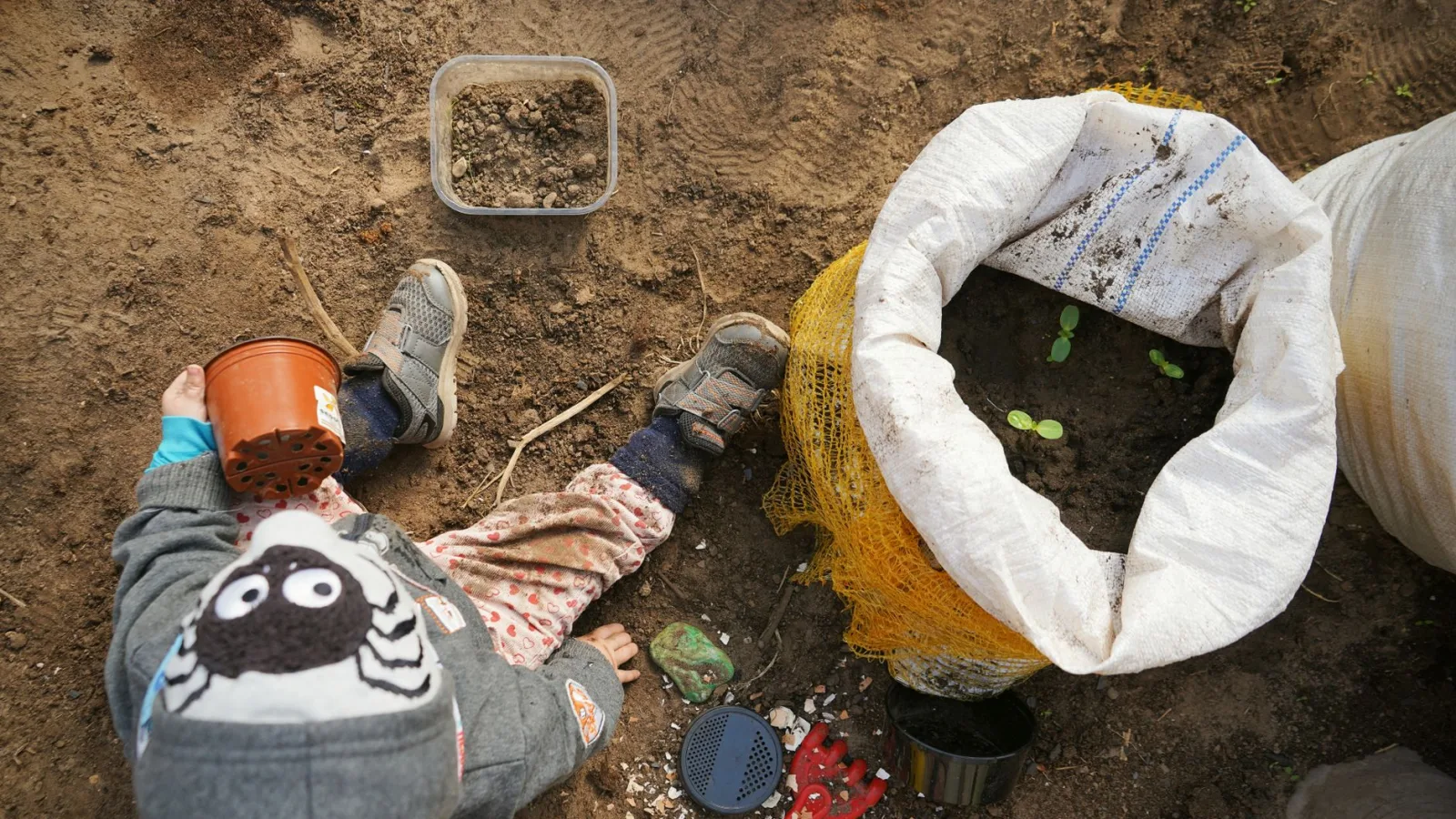
흙을 만지며 배우는 아이들
봄이 시작될 무렵, 계룡시 어린이집 아이들이 텃밭 앞에 모입니다. 처음에는 흙을 조심스럽게 집어 드는 아이가 많습니다. 손바닥에 올린 흙이 부슬부슬 무너지는 감촉, 씨앗이 예상보다 훨씬 작다는 것, 물을 주면 흙 색깔이 짙게 변하는 것—교실에서 그림으로 배우던 것과 다릅니다.
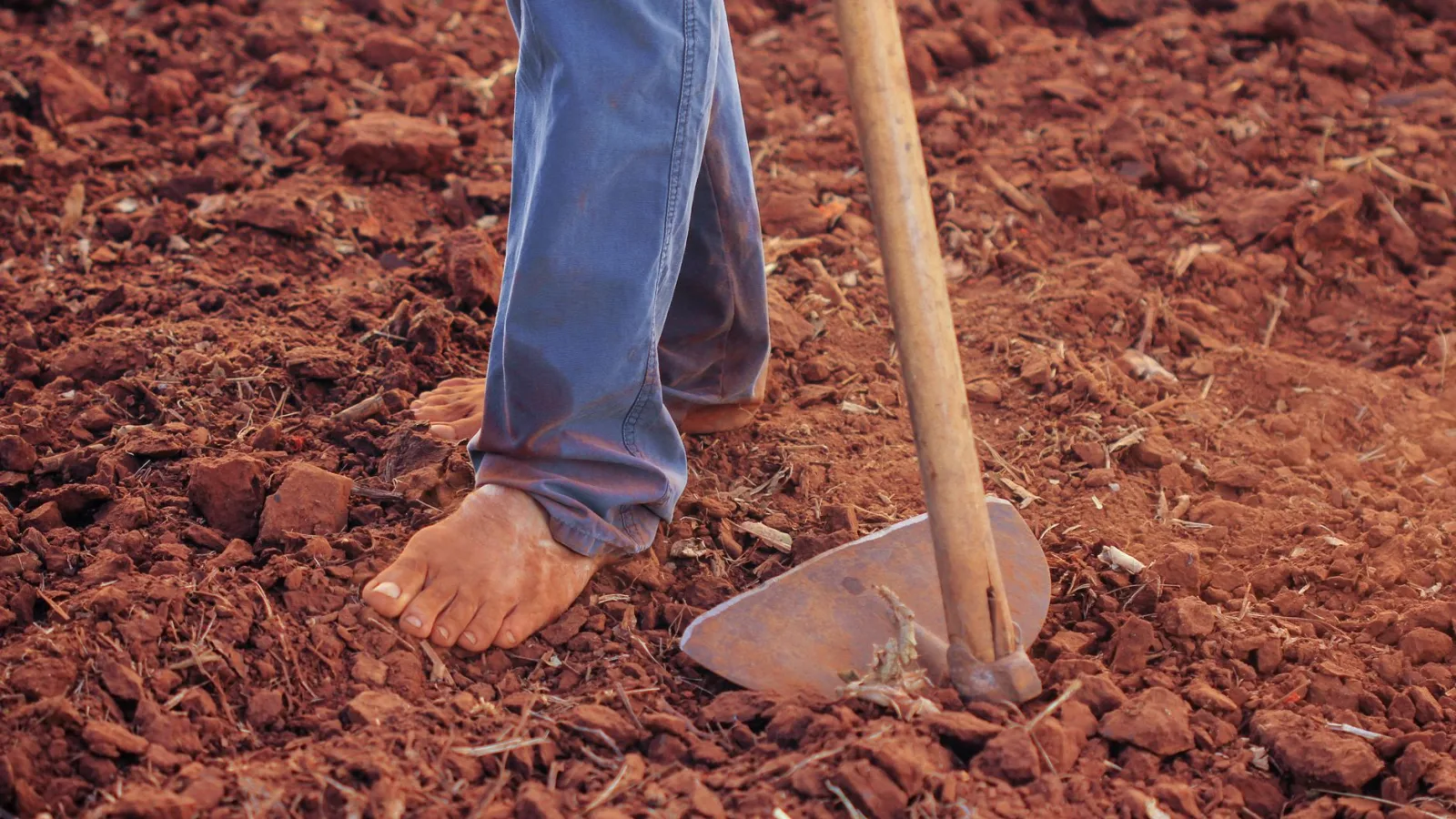
선생님도 호미를 잡는 계절
여름 초입이면 학교 화단에도 상추와 방울토마토가 한 뼘씩 자랍니다. 아이들이 물을 주다 잎을 만져 보고, 흙냄새에 코를 갖다 대는 장면은 어느 텃밭에서나 비슷합니다. 최근 충북농업계고공동실습소에서 교원을 대상으로 도시농업 직무연수를 열었다는 소식이 들렸습니다. 채소를 직접 심고 돌보는 법을 선생님이 먼저 배우는 자리입니다.
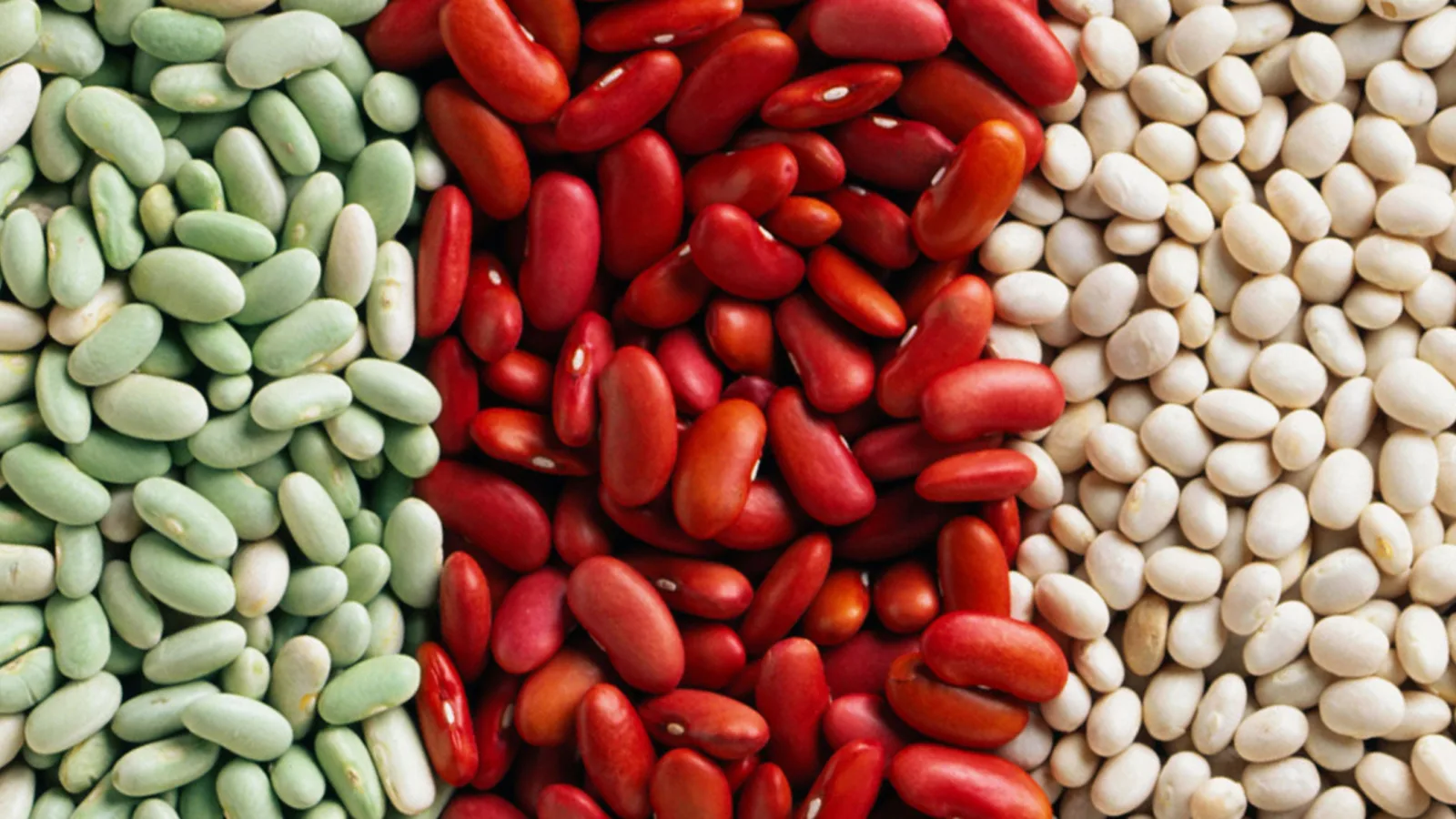
우유 단백질, 콩 씨앗에서도 만들어질까요
8월 말 텃밭에서 콩 포기를 들추면 꼬투리가 손끝에 단단히 걸립니다. 껍질을 벌려 초록 알을 꺼내 씹으면 고소한 맛이 올라옵니다. 그 고소함의 바탕에는 씨앗이 여름 내내 쌓아 둔 단백질과 지방이 있습니다. 콩을 심어 본 분이라면 늦여름에 알이 얼마나 빠르게 여무는지 아실 겁니다. 씨앗은 싹 틔울 때 쓸 양분을 미리 저장해 두기 때문입니다. 그렇다면 소가 만드는 우유 단백질도 씨앗 안에 담을
콩이 자꾸 노랗게 뜬다면, 뿌리 속 선충을 살펴보세요
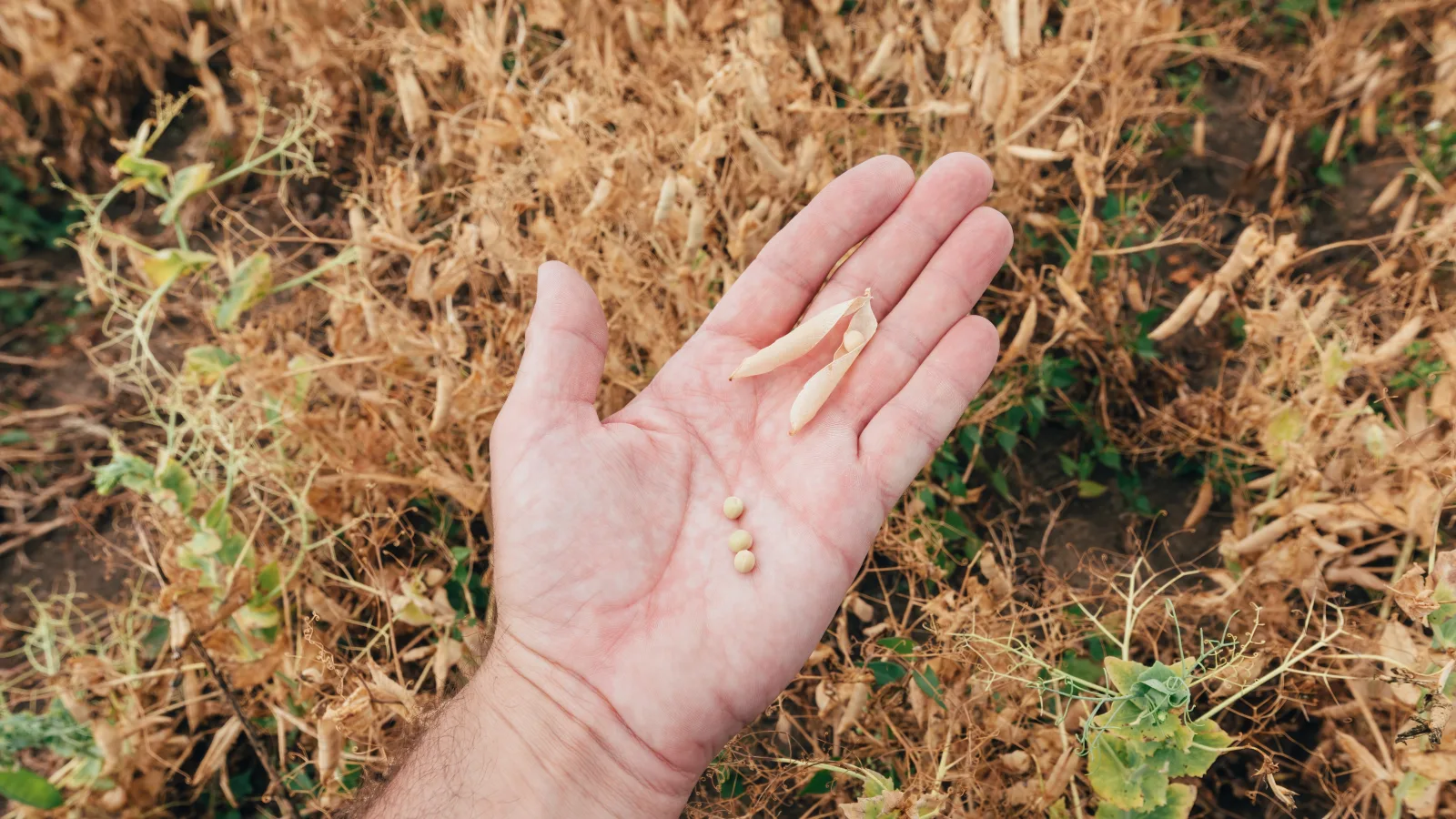
여름 텃밭에서 콩이나 풋콩을 길러 보면, 유독 한쪽 이랑만 자람이 더딘 때가 있습니다. 잎이 아래부터 노랗게 뜨고 키가 자라지 않습니다. 거름이 모자란가 싶어 웃거름을 줘도 좀처럼 나아지지 않습니다. 이럴 때 포기 하나를 조심스레 뽑아 뿌리를 씻어 보면, 좁쌀보다 작은 흰 알갱이가 잔뿌리에 다닥다닥 붙어 있기도 합니다. 이 알갱이가 콩씨스트선충(대두포낭선충)이 남긴 흔적입니다.
더위에 강한 지렁이, 텃밭 흙을 바꿉니다
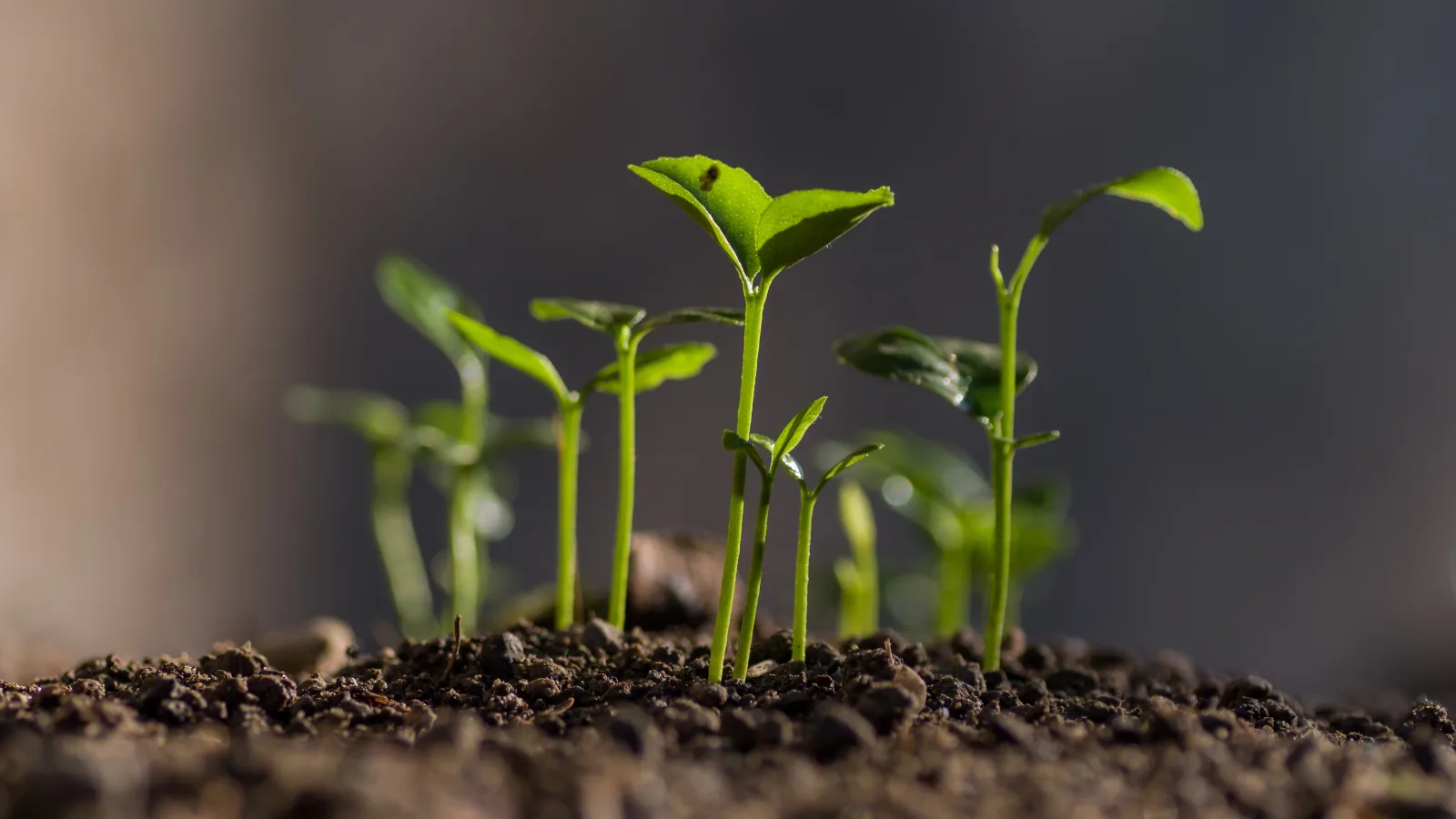
봄에 텃밭 흙을 갈다 보면 삽 끝에서 지렁이가 꿈틀거리며 올라옵니다. 그 둘레 흙은 유독 검고 부슬부슬하죠. 지렁이가 자주 드나든 자리입니다. 지렁이가 많은 텃밭은 흙이 부드럽고 물도 잘 빠집니다. 요즘 여러 나라의 연구자들이 더위와 가뭄에 잘 견디는 지렁이를 찾는 데 힘을 쏟고 있습니다. 흙을 튼튼하게 만드는 이 작은 동물이 날씨가 험해질수록 더 요긴하기 때문입니다.
섞어 심으면 텃밭이 든든해집니다
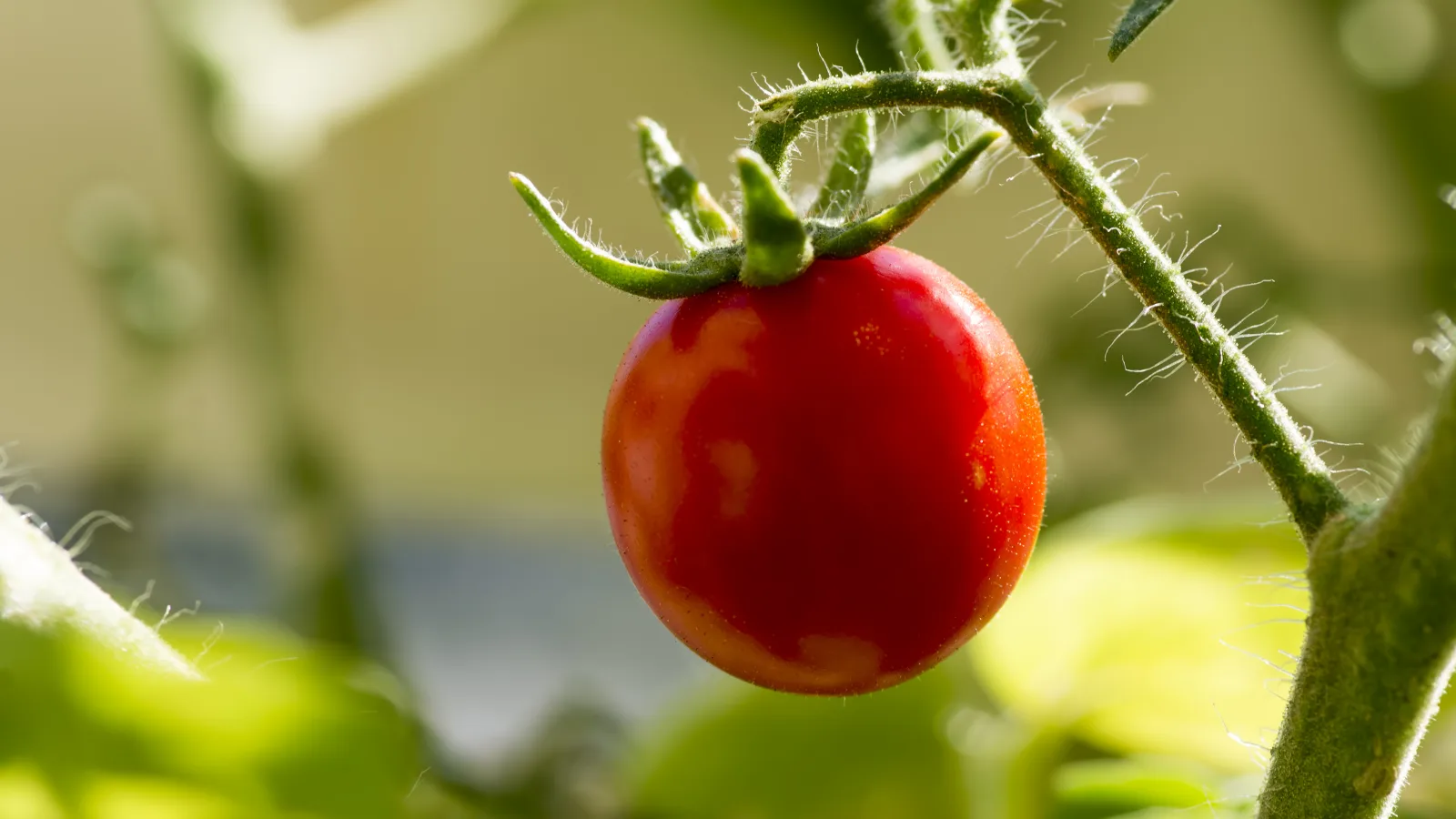
올여름 텃밭 한 이랑을 방울토마토로만 채우셨다면, 며칠 사이 열매가 한꺼번에 익어 다 거두지 못하고 무르는 일을 겪으셨을 겁니다. 반대로 그해 병이 돌면 그 이랑 전체가 한꺼번에 주저앉습니다. 한 가지 작물에만 자리를 내주면 수확이 날씨와 병해에 그대로 좌우됩니다. 독일의 한 농업 연구소가 이 문제를 넓은 밭 단위에서 계산으로 따져 봤습니다.
실내 텃밭이 친환경인지는 전기 출처가 결정합니다
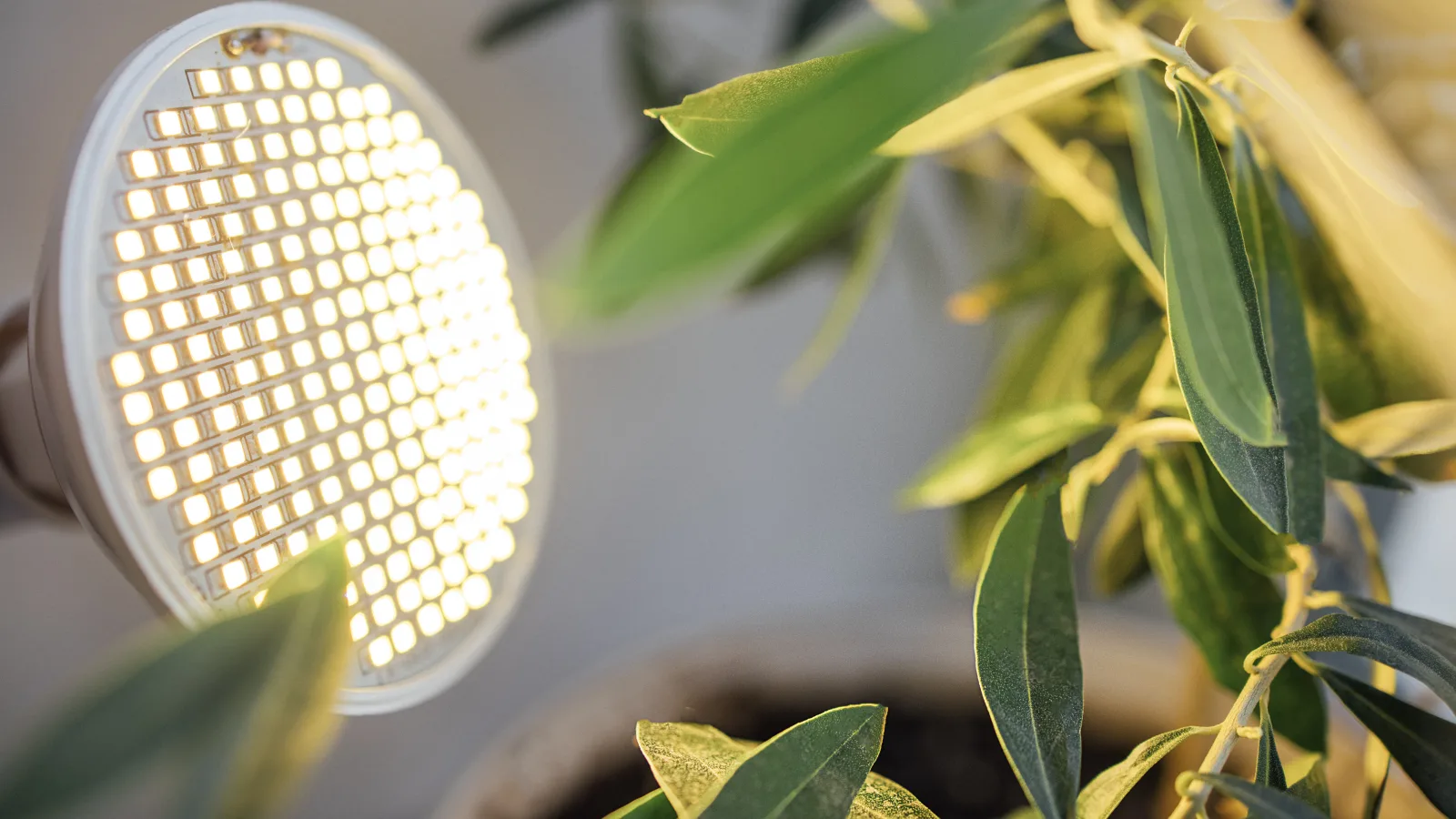
베란다 선반에 상추 화분을 올려두면 마트 봉지 하나가 줄어드는 것 같습니다. 직접 기른 채소라면 운송도 포장도 없으니, 환경에 부담을 덜 준다는 생각은 자연스럽습니다. 그런데 캐나다 맥길 대학교(McGill University) 연구팀이 이 직관에 조건 하나를 달았습니다. 실내에서 채소를 기르는 일이 탄소 배출량 면에서 유리한지는, 재배 기술보다 그 전기가 어디서 오는지에 달려 있습니다.
생선 한 토막이 우리 손에 오기까지
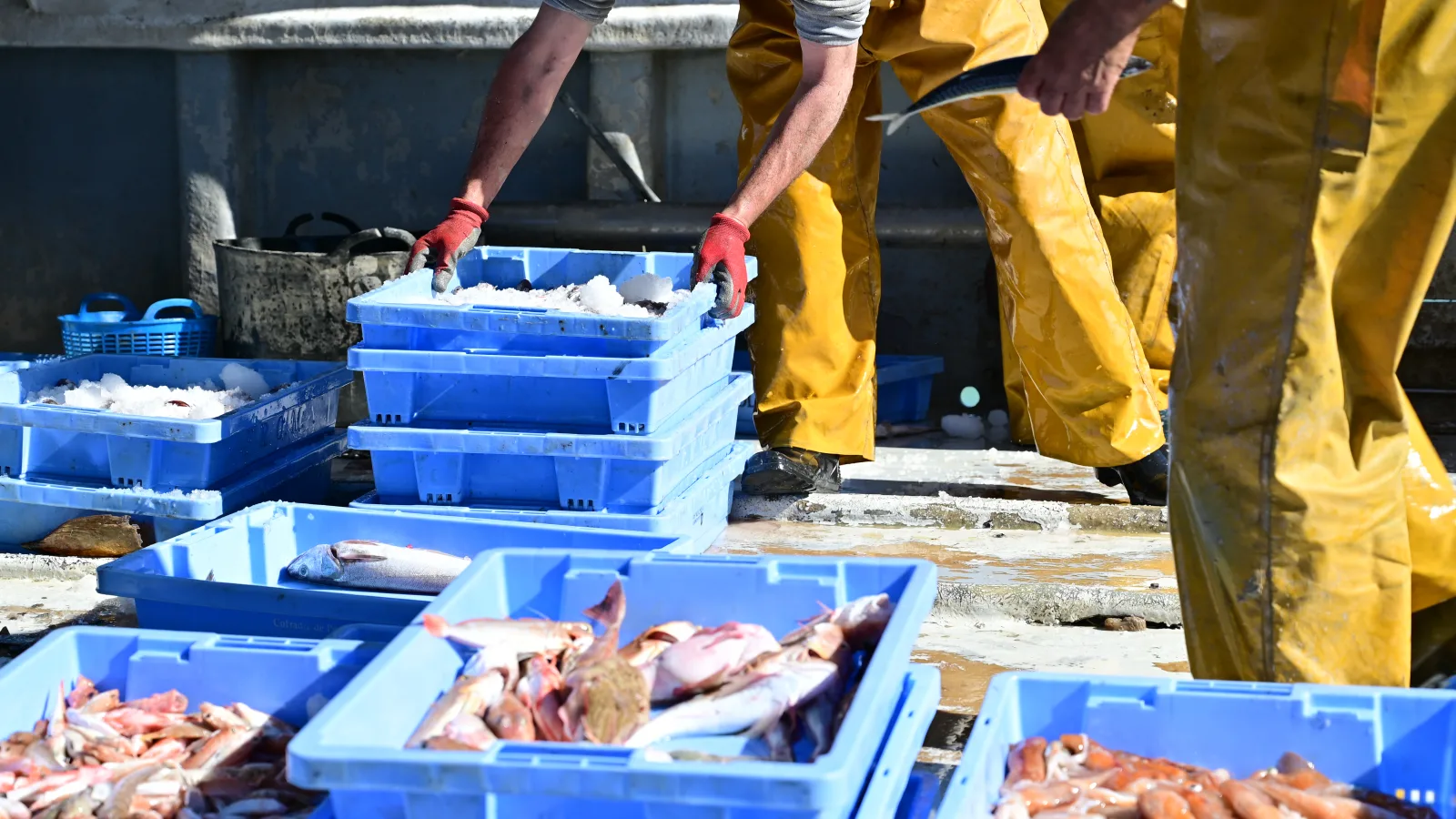
텃밭에서 방울토마토를 거두고, 저녁에 고등어 한 마리를 굽습니다. 직접 기른 채소는 씨앗부터 수확까지 손으로 알 수 있습니다. 어떤 흙에 심었는지, 물을 얼마나 줬는지, 수확 시점이 적절했는지 기억에 남아 있습니다. 반면 식탁에 오른 생선이 어느 바다에서 잡혀, 어떤 손을 몇 번이나 거쳐 왔는지는 포장지 어디에서도 찾기 어렵습니다.
쥐가 자리잡기 전에 해야할 일들
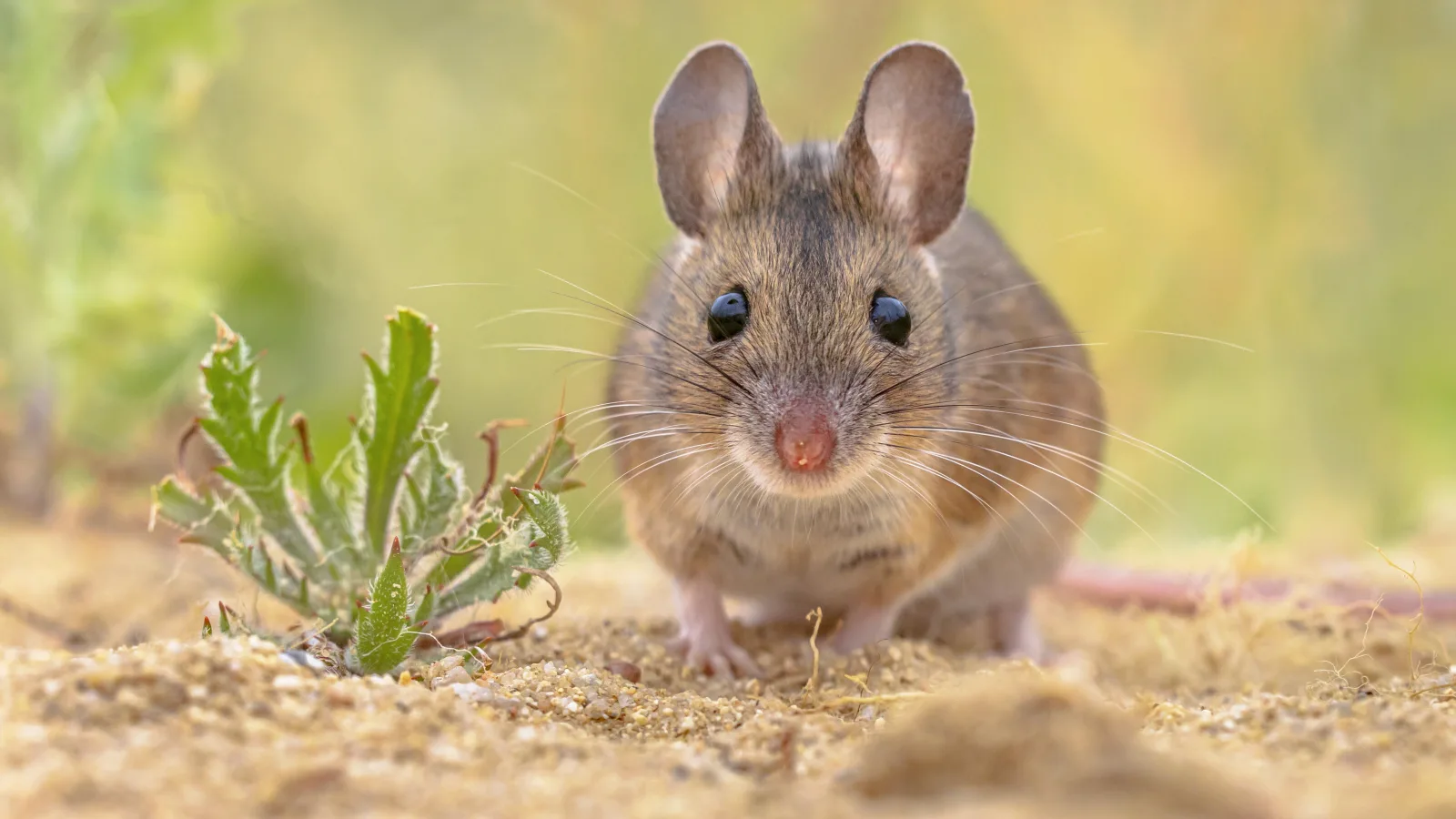
여름 수확이 끝난 뒤 텃밭에 먹다 남은 옥수수 대를 며칠 놔뒀더니 어느 날 아침 배설물 흔적과 작은 발자국을 발견한 적 있으시죠. 쥐입니다. 도시 텃밭에서 쥐는 생각보다 자주 나타납니다. 수확 후 작물이 남아 있는 시기, 그리고 겨울을 앞두고 따뜻한 곳을 찾아 이동하는 시기에 활동이 늘어납니다.
나무를 더 심었더니 새가 줄었습니다
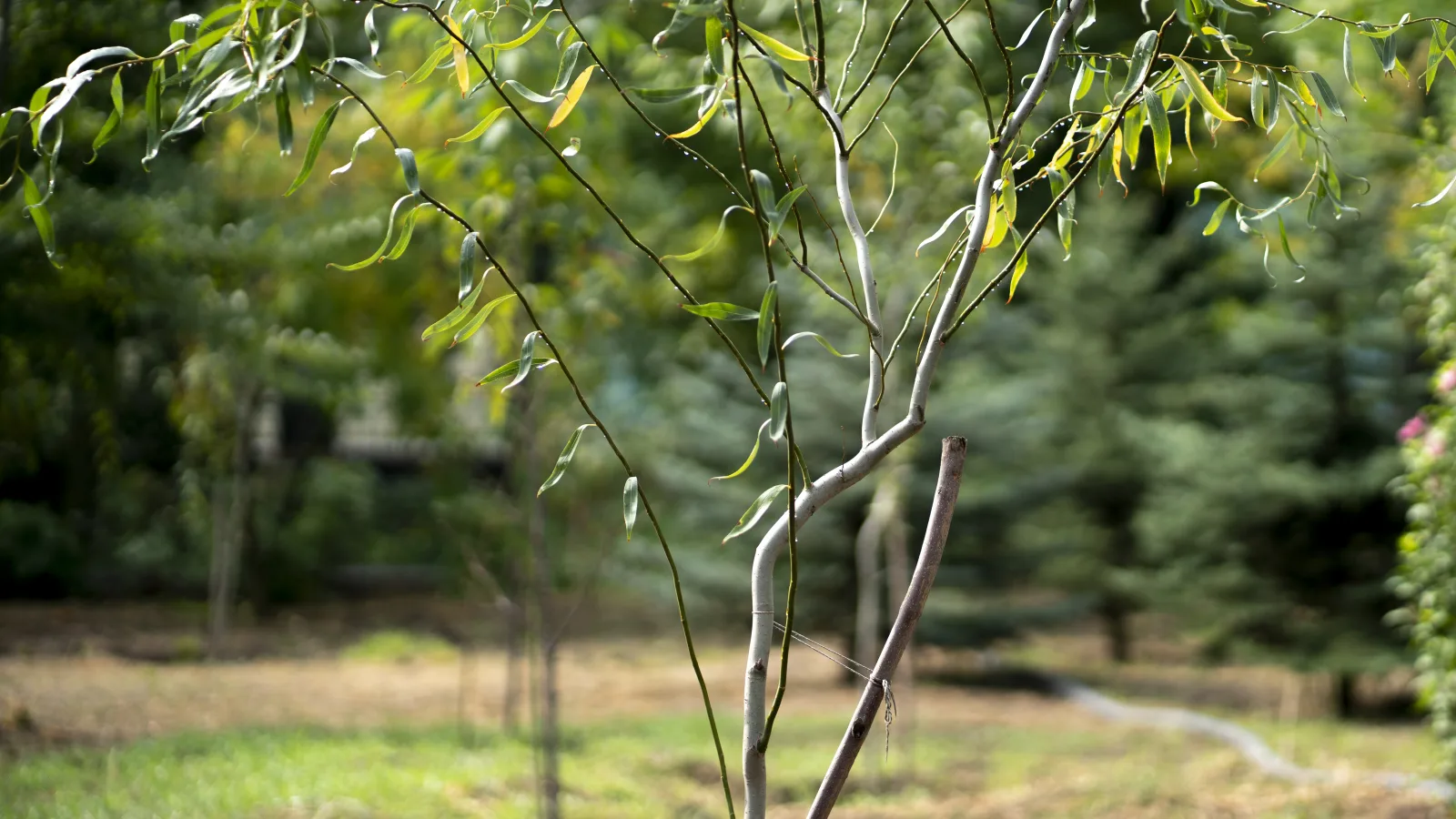
텃밭 가장자리에 나무를 몇 그루 심으면 바람이 줄고 그늘이 생깁니다. 한여름 강한 햇볕을 막아 주고, 가지마다 새소리가 가까워집니다. 나무가 생태계에 이롭다는 생각은 널리 퍼져 있고, 많은 경우 그 판단은 옳습니다. 그런데 일본 논습지 농경 지대를 조사한 결과는 이 생각에 조건 하나를 달아 두었습니다. 나무가 늘어날수록 모든 새가 함께 느는 것은 아니라는 점입니다.
땅콩 유전체가 처음으로 완전히 해독됐습니다
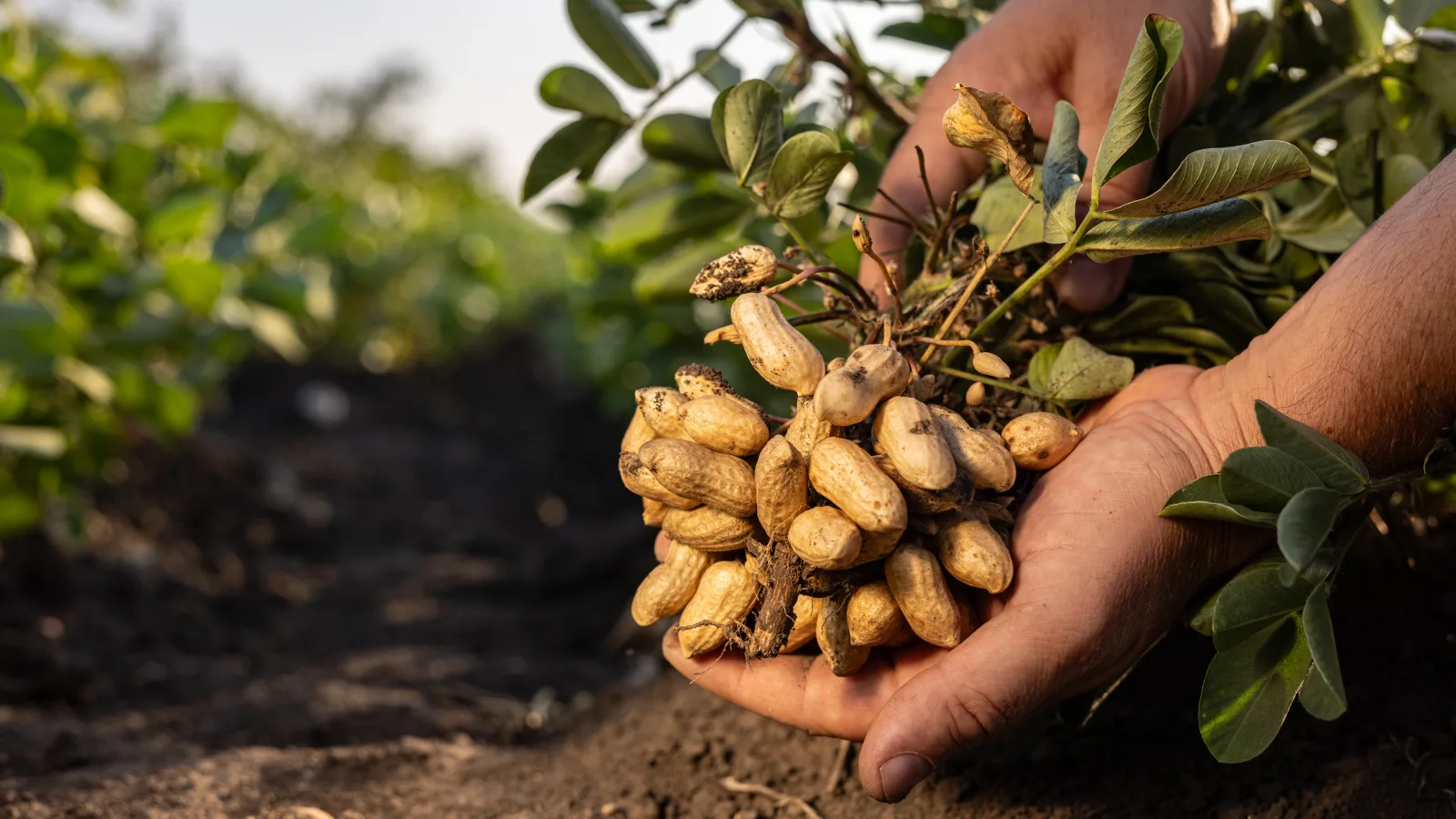
6월 텃밭에 땅콩 모종을 심었다면, 지금쯤 작은 노란 꽃이 피기 시작합니다. 꽃이 지고 나면 꽃줄기가 땅속으로 내려가 열매를 맺습니다. 가을에 줄기째 뽑으면 흙 속에서 꼬투리들이 딸려 올라옵니다. 전 세계에서 주요 식량 작물로 쓰이는 땅콩을 두고, 국제 연구팀이 최근 게놈(유전체) 전체를 처음으로 완전히 해독했다고 발표했습니다.
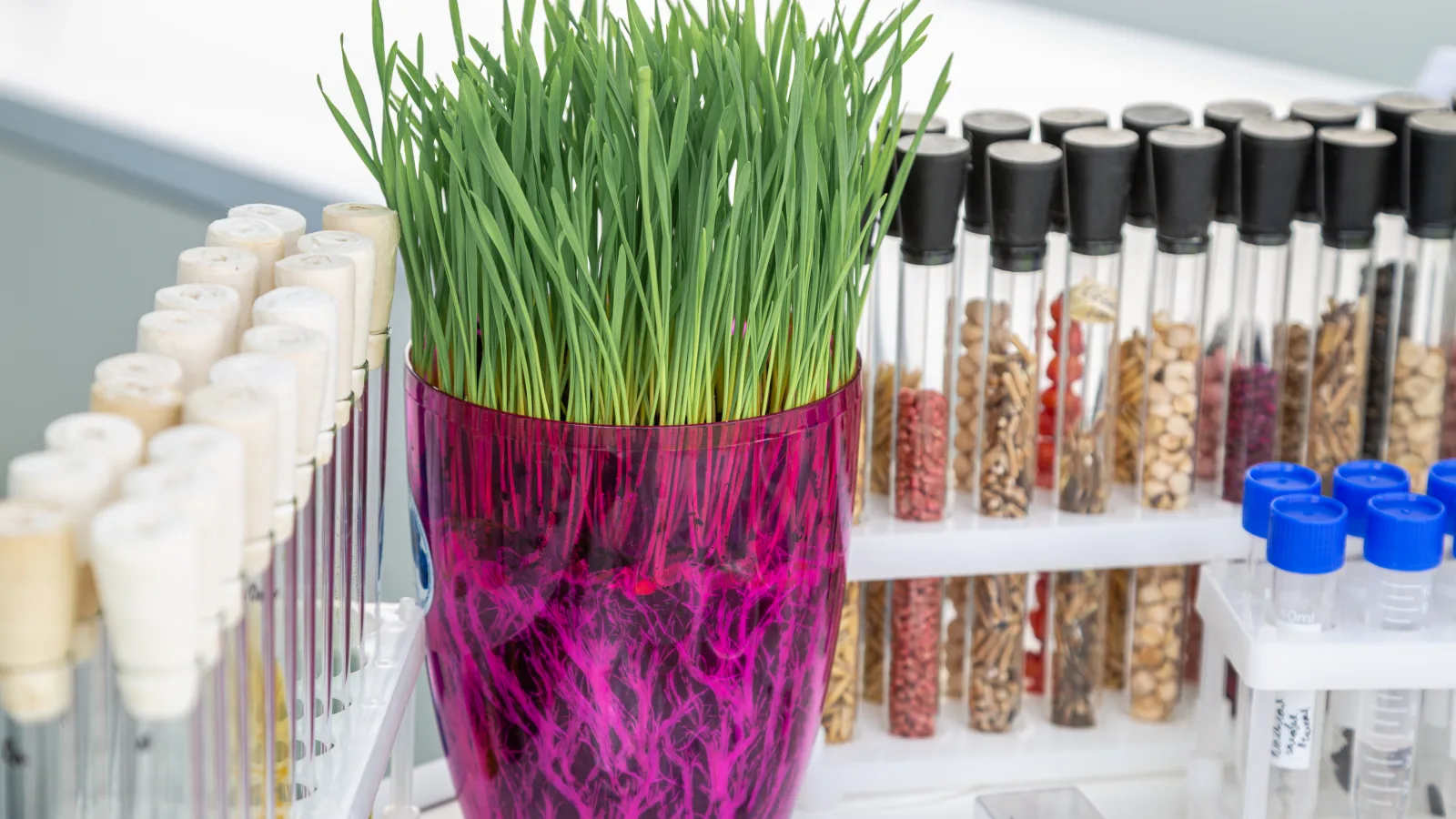
잎 형광 반응으로 더 빠르게 찾는 작물 개량 단서
봄에 모종을 심고 나면, 같은 토마토라도 한쪽은 잎이 탱탱한 채 여름을 넘기고 다른 쪽은 고온에 일찍 시들기 시작합니다. 품종 선택이 중요하다는 건 알지만, 그 차이가 만들어지는 과정은 잘 모르고 지나치기 쉽습니다.
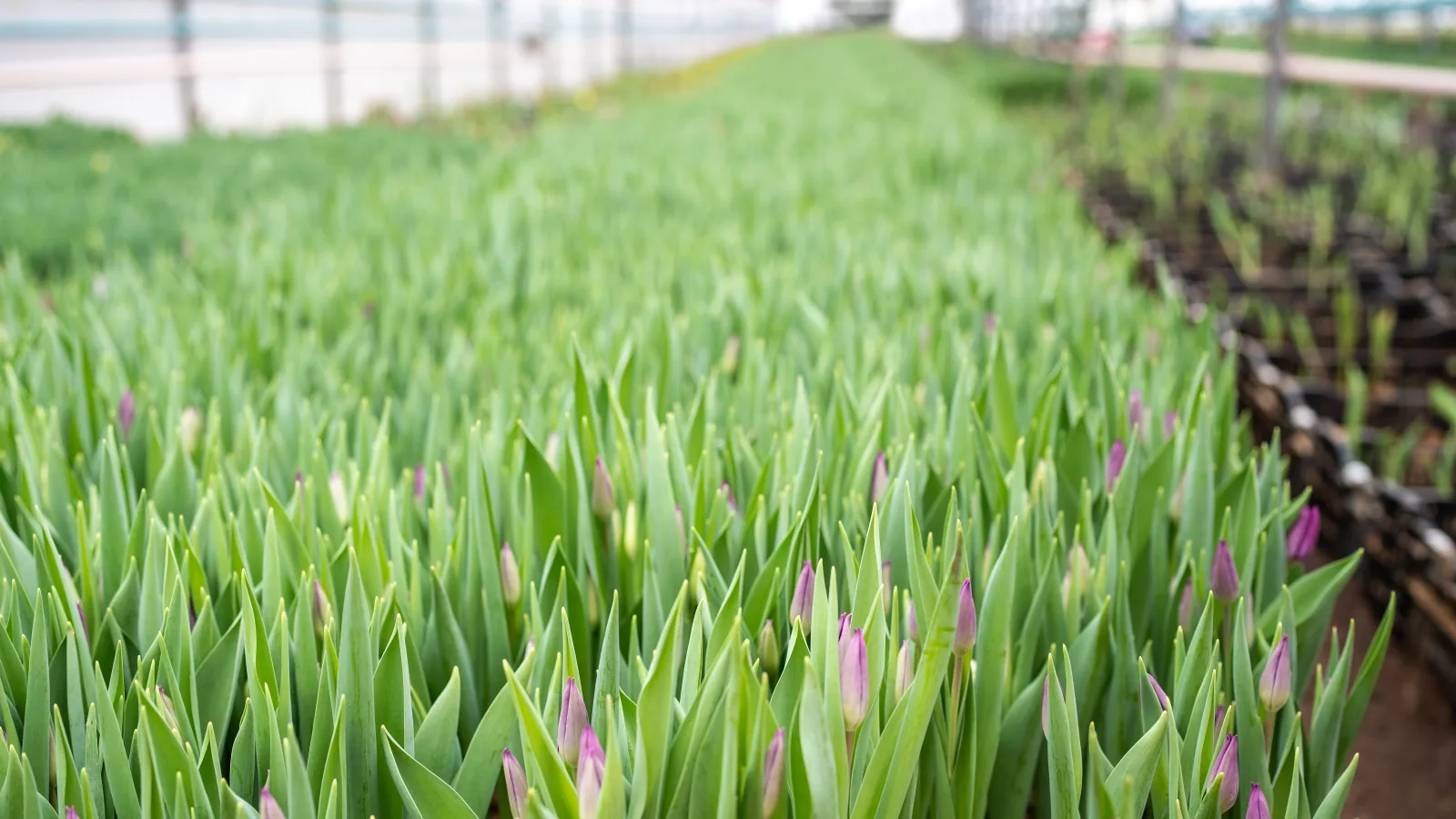
수출 강국 네덜란드, 식탁으로 보면 달라집니다
마트 채소 칸에서 파프리카나 방울토마토를 집어 들면 '네덜란드산' 표시를 자주 만납니다. 장을 보다 보면 토마토뿐 아니라 파프리카, 양파까지 멀리서 건너온 채소가 눈에 들어오죠. 국토가 좁고 인구도 많지 않은 나라가 어떻게 한국 식탁까지 채소를 올릴까요. 네덜란드는 오랫동안 미국 다음가는 농식품 수출국으로 꼽혀 왔습니다. 그런데 이 명성을 다시 따져 본 연구가 나왔습니다.
곡물 벌레를 줄이는 새 방법, 친숙한 발효균에서 찾습니다
쌀독을 열었다가 바닥을 기어 다니는 작은 갈색 벌레를 본 적, 한 번쯤 있으실 겁니다. 텃밭에서 거둔 콩이나 들깨를 말려 두었는데 어느새 가루가 일고 벌레가 보이는 경우도 비슷하죠. 곡물과 가루를 좋아하는 이 작은 딱정벌레는 한번 들어오면 빠르게 불어납니다.
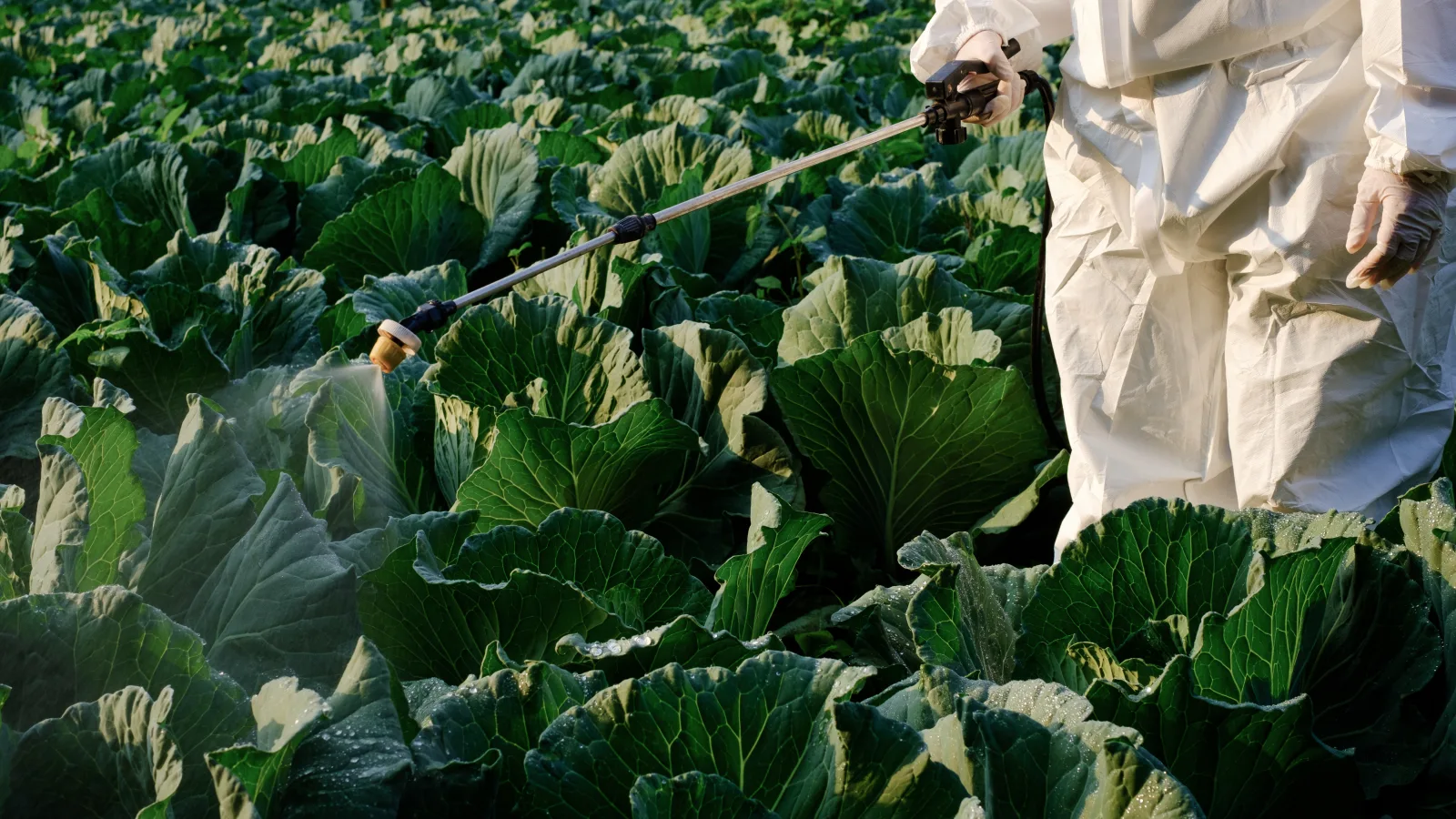
농약 기준 완화 논란, 유럽 연구자들이 내놓은 우려
여름 텃밭에서 방울토마토를 따온 날, 씻기 전에 잠깐 멈추게 됩니다. 이 작은 열매에 무엇이 남아 있는지, 내가 무엇을 뿌렸는지 알고 있으니 흐르는 물에 가볍게 씻어도 됩니다. 직접 기른 채소가 주는 안심이 거기에 있습니다. 유럽에서는 지금 그 '뿌리는 것'을 관리하는 제도가 바뀌려 하고 있습니다.
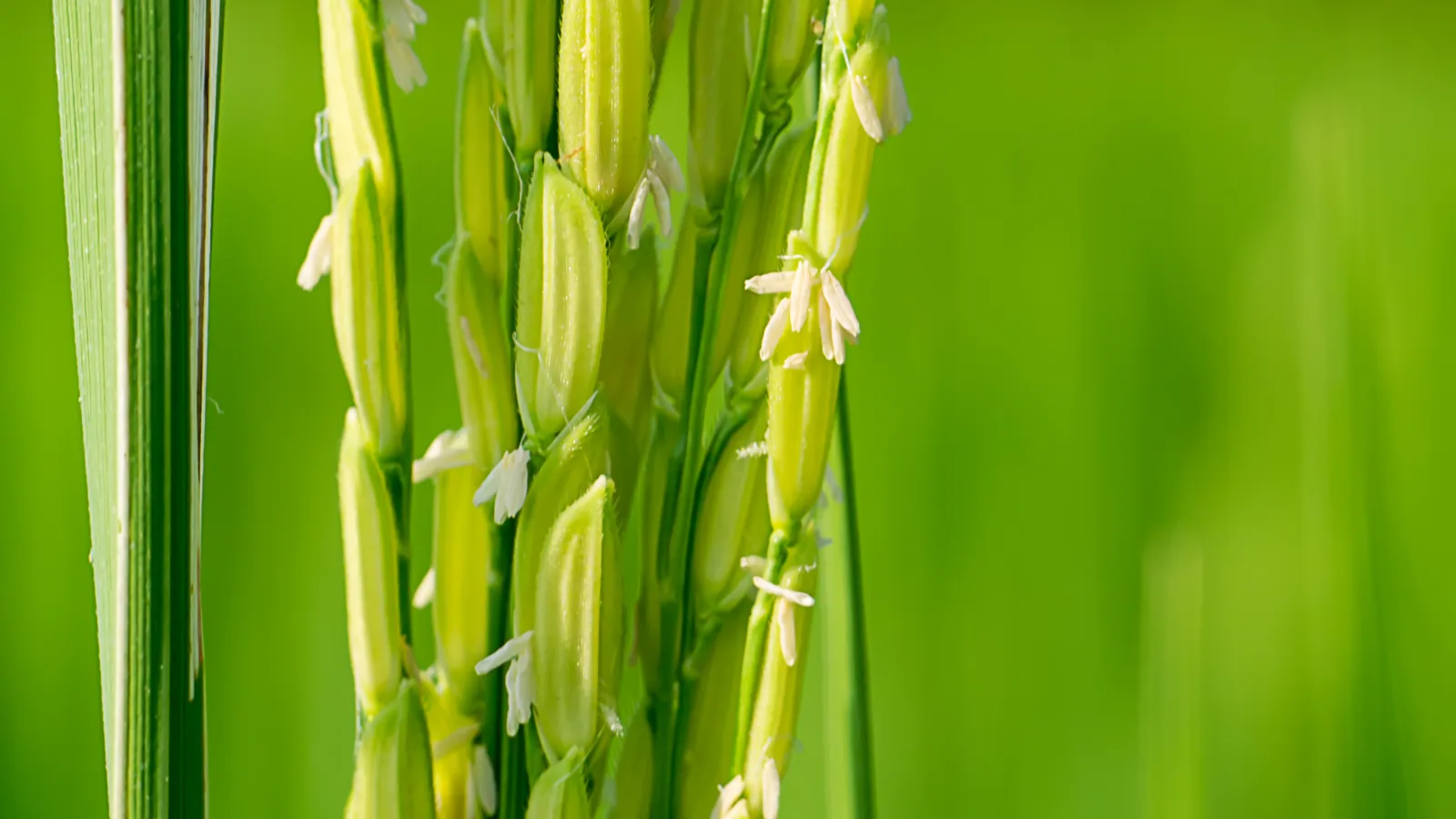
벼꽃이 새벽을 택한 이유
여름이 깊어지면 벼는 꽃을 피웁니다. 작고 희고 금세 지는 꽃입니다. 한 송이가 열려 있는 시간은 길어야 두 시간, 이 짧은 시간 안에서 수정이 이루어지고 낟알 하나가 자리를 잡습니다.
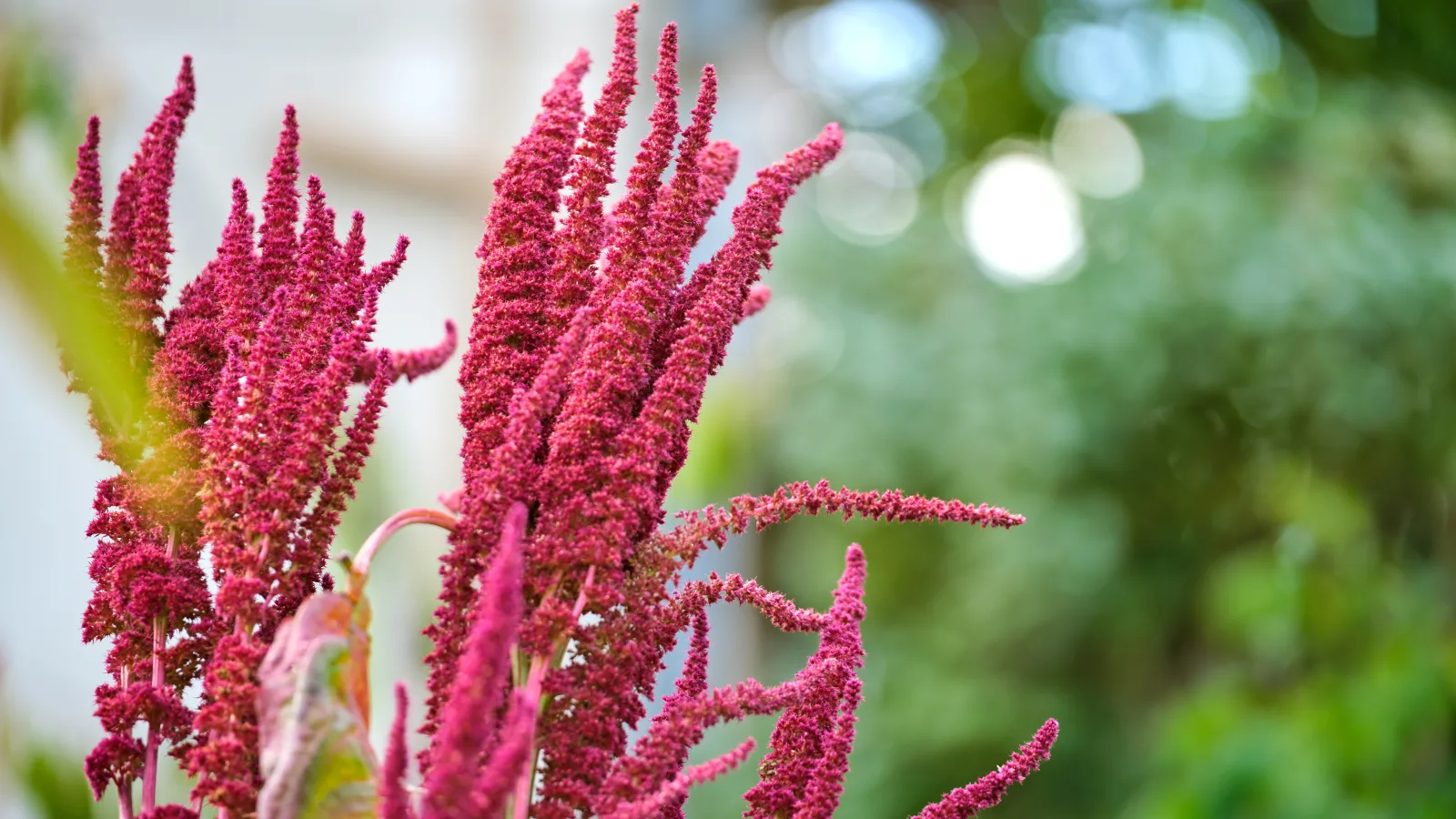
뙤약볕에 강한 잎채소, 비름
여름 텃밭에서 상추와 시금치가 자리를 비우는 시기가 있습니다. 장마가 끝나고 뙤약볕이 이어지면 잎채소 선택지가 좁아집니다. 비름(아마란스, Amaranthus spp.)은 그 빈 시기를 채울 수 있는 잎채소입니다. 미국 럿거스대학교(Rutgers University) 연구팀이 HortScience에 발표한 두 편의 논문이 비름의 재배 특성과 영양 성분을 함께 분석해 잎채소로서의 가능성을 정리
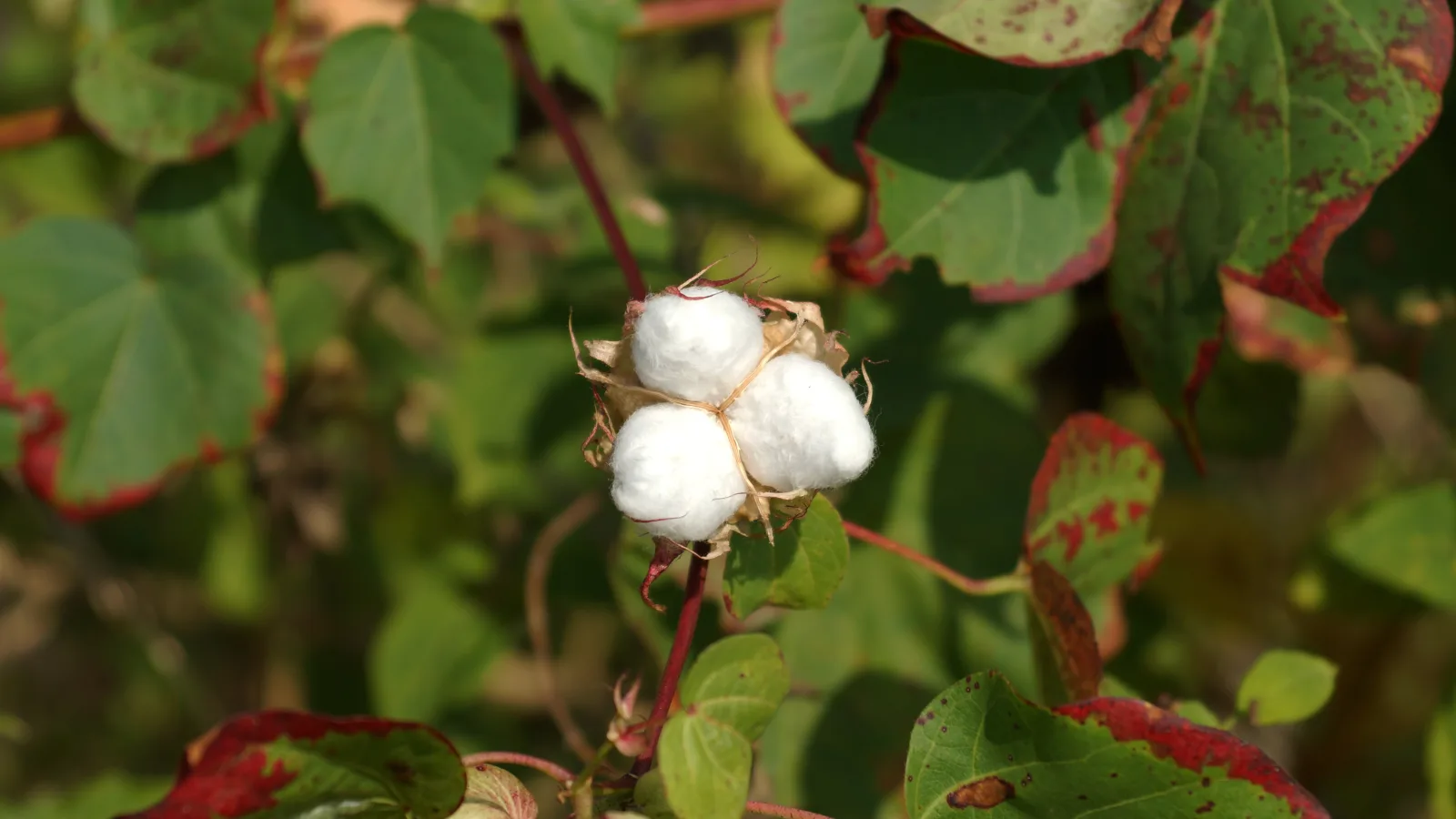
목화가 병을 버티는 법
5월이 지나 햇볕이 따뜻해지면 텃밭 화분 한 칸에 목화 씨앗을 심는 분들이 있습니다. 솜털이 터지는 10월을 목표로 기르는 이 식물은, 여름이 깊어질수록 잎에 이상한 얼룩이 생기는 일이 잦습니다. 처음에는 물에 젖은 것처럼 보이다가 며칠 지나면 갈색 반점으로 굳어집니다. 세균성 역병의 전형적인 모습입니다.
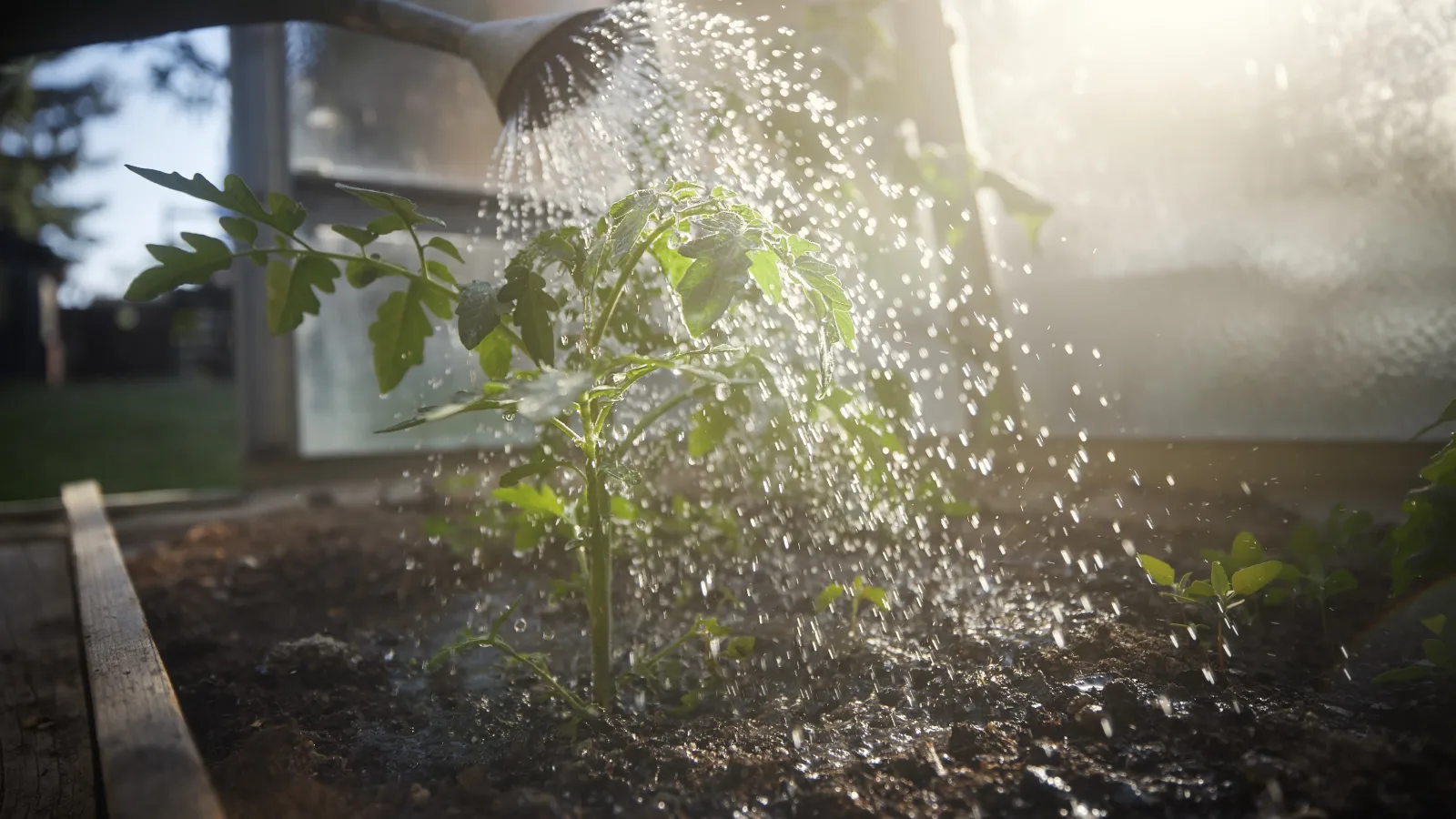
더위와 건조한 공기에도 잎이 제 일을 하는 이유
장마가 걷히고 나면 텃밭은 빠르게 달아오릅니다. 한낮의 상추 잎은 처지고, 토마토는 오후가 되면 수분 부족 신호를 보냅니다. 잎이 시드는 것은 눈에 보이지만, 그 안에서 광합성이 얼마나 제 속도를 내고 있는지는 가늠하기 어렵습니다. 호주국립대학교(ANU) 연구팀이 최근 이 물음에 답하는 메커니즘을 밝혔습니다. 더위와 건조한 공기 속에서도 식물이 광합성을 이어가는 데는 이유가 있었습니다.
텃밭 흙 속, 균사가 식물을 먹여 살립니다
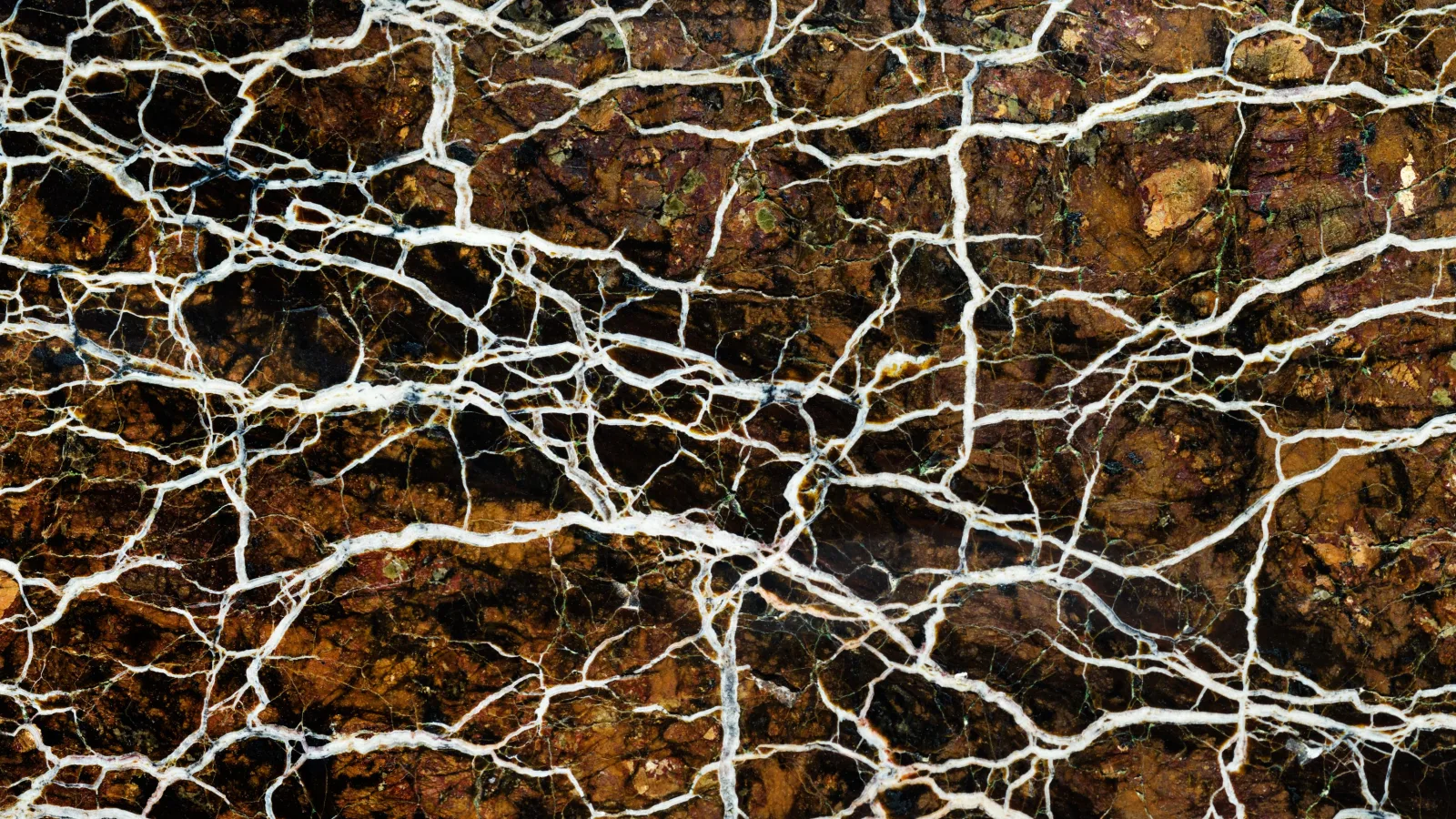
여름 텃밭에 물을 줄 때 흙 냄새가 올라옵니다. 그 냄새는 방선균이 내뿜는 지오스민에서 주로 비롯됩니다. 평소 잎과 줄기에 관심이 쏠리지만, 흙 속에도 볼 것이 많습니다. 식물 뿌리 끝마다 가느다란 균사(菌絲)가 붙어 있고, 그 균사들이 서로 연결되어 땅속에 촘촘한 망을 형성합니다. 국제 연구팀이 이 균사 네트워크의 총 길이를 처음으로 추산했습니다. 약 11경(京) 킬로미터에 이릅니다.
아이 손에 흙을 쥐여 주는 텃밭
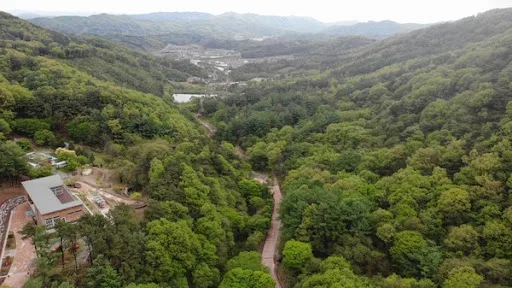
봄에 모종을 심던 아이가 여름이 지나 방울토마토를 따 입에 넣습니다. 손톱 밑에는 흙이 끼어 있고, 물뿌리개는 제 키만 합니다. 계룡시가 한 철 동안 유아를 대상으로 운영한 텃밭생태 체험 프로그램이 이렇게 마무리됐습니다. 씨앗을 넣고, 물을 주고, 잎이 벌레 먹은 걸 들여다보다가, 마지막에 제 손으로 거두는 과정을 아이들이 한 번씩 거쳐 갔습니다. 거창한 농사가 아니라 화분 몇 개와 작은 밭
텃밭에서 캔 감자 800kg, 이웃의 식탁으로 갑니다
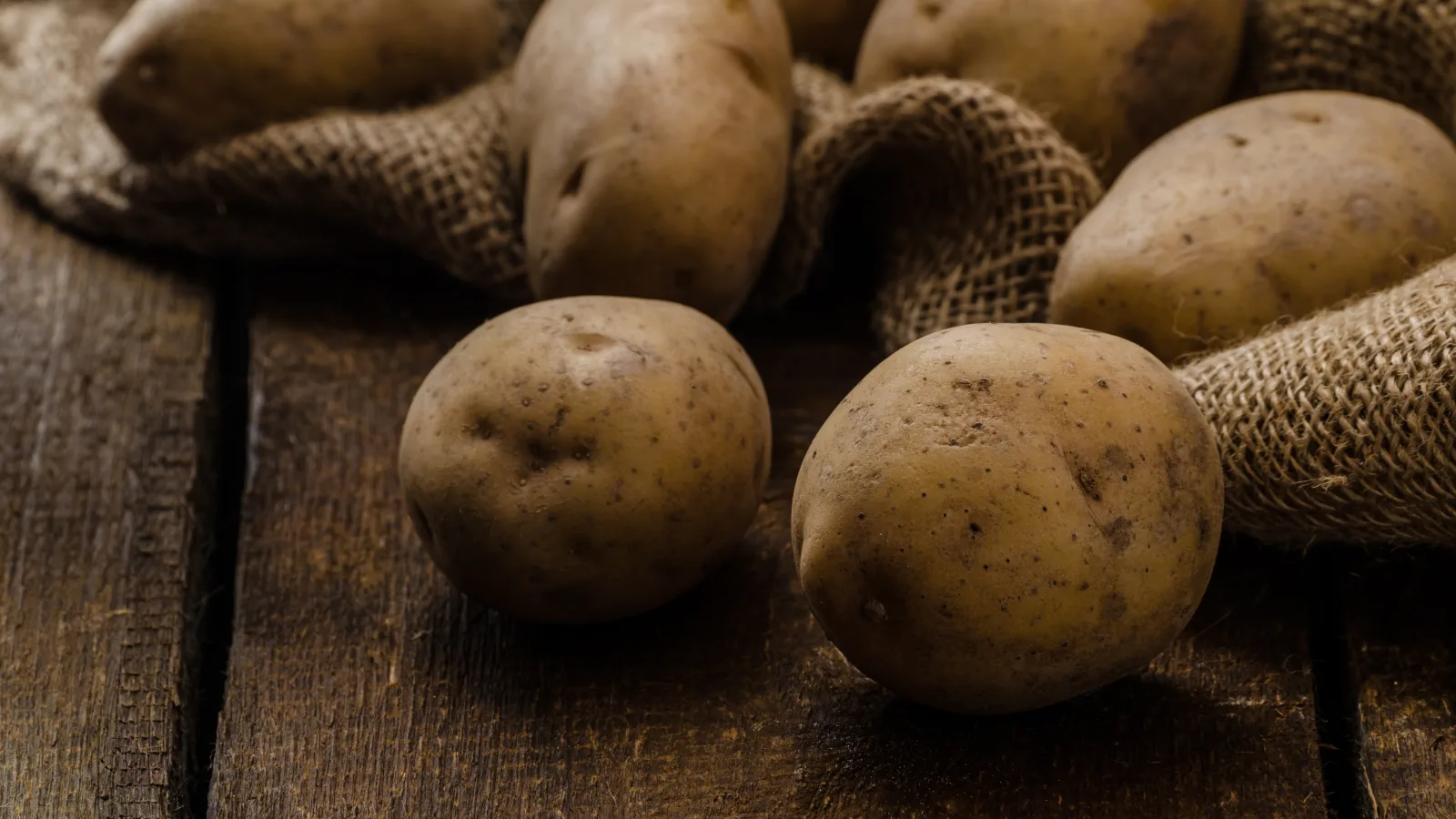
초여름 텃밭에서 호미로 흙을 들추면 동글동글한 감자가 줄줄이 따라 올라옵니다. 한 포기에서 예닐곱 알씩 캐다 보면 어느새 바구니가 묵직해지죠. 대전의 한 도시텃밭에서도 같은 장면이 펼쳐졌습니다. 다만 그 양이 무려 800kg이었고, 거둔 감자는 텃밭 주인의 부엌이 아니라 형편이 어려운 이웃의 식탁으로 향했습니다.
베란다에 더덕 덩굴 한 줄, 향까지 따라옵니다
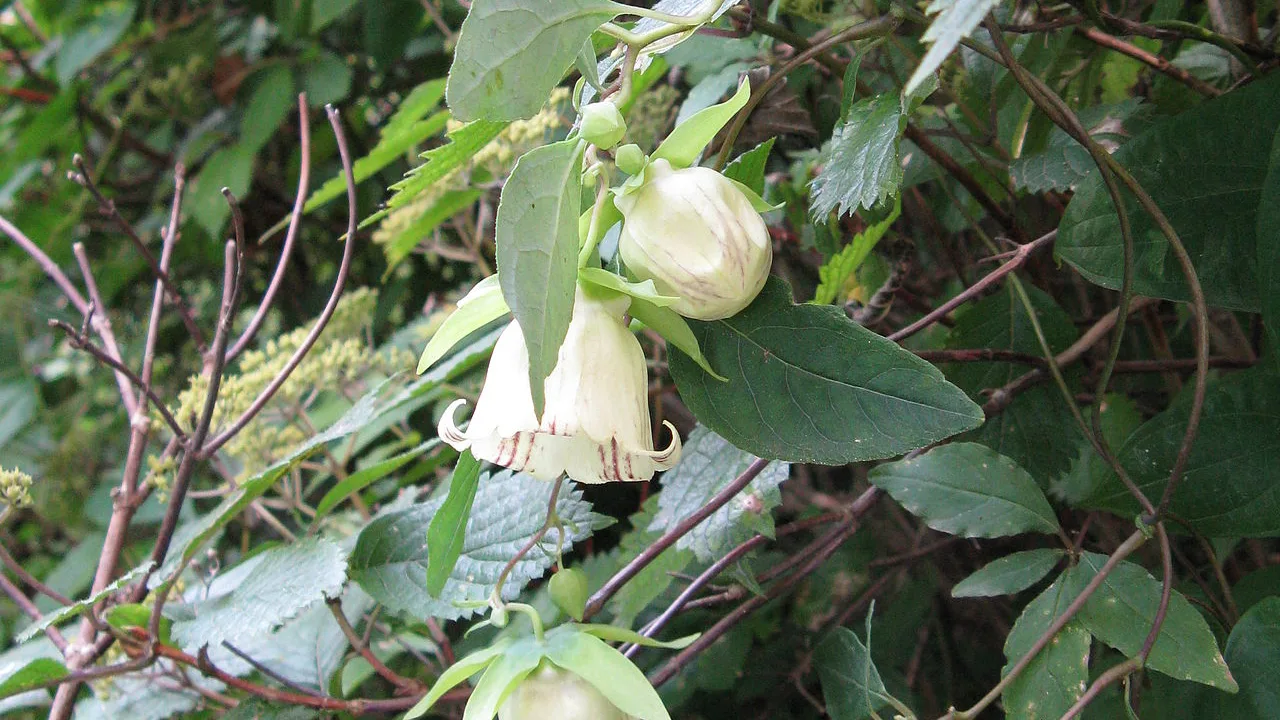
봄볕이 길어지는 베란다 한쪽, 작은 화분에 더덕 씨를 묻어 두면 가느다란 덩굴이 손가락 한 마디씩 올라옵니다. 잎을 살짝 스치기만 해도 흙냄새 섞인 더덕 향이 손끝에 묻습니다. 뿌리를 거두기까지는 두세 해를 기다려야 하지만, 그 사이에도 덩굴이 지지대를 타고 오르는 모습이 베란다 텃밭의 즐거움이 됩니다.
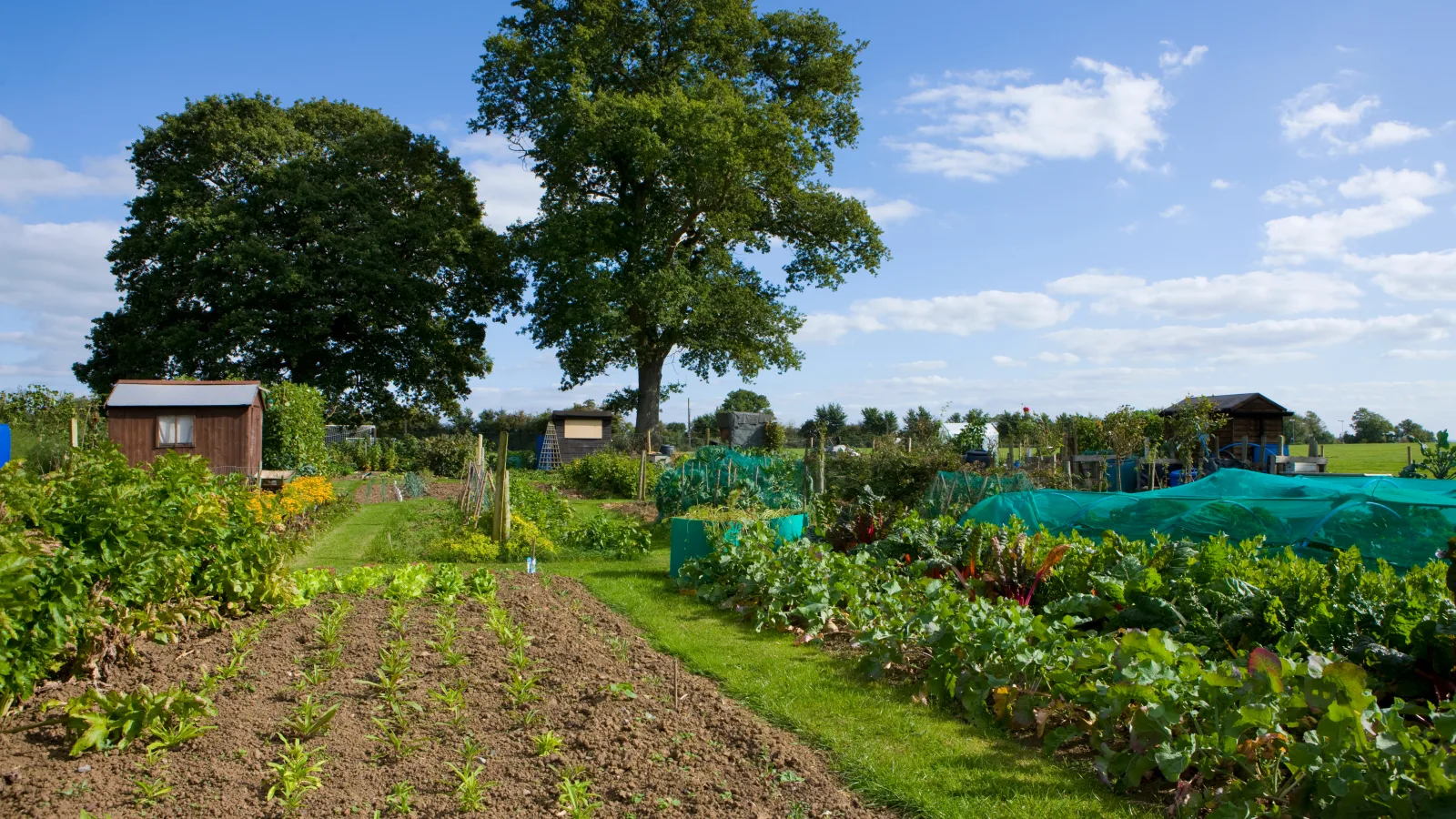
도시 한가운데서 흙을 만지는 시간, '초록쉼표'
퇴근길에 들고 온 비닐봉지 속 상추가 어쩐지 시들해 보이던 저녁이 있습니다. 그날 문득 베란다 한쪽 화분에 직접 길러 보면 어떨까 생각하신 분이라면, 이미 도시농업을 시작할 채비가 된 셈입니다. 최근 충북농업계고공동실습소가 '초록쉼표'라는 이름으로 도시농업 직무연수를 열었습니다. 이름 그대로, 도시에서 흙을 만지는 일이 바쁜 하루에 잠시 숨을 고르는 시간이 된다는 뜻입니다.
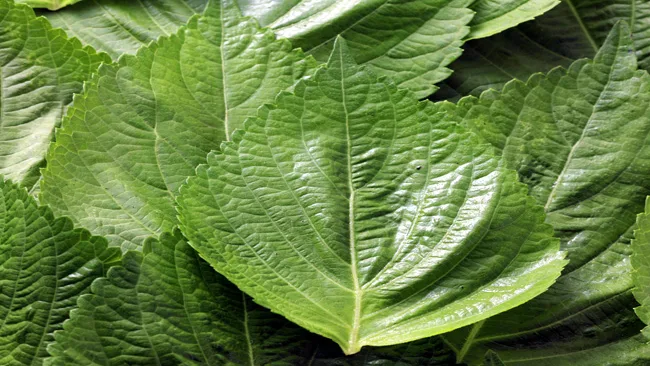
깻잎은 따는 만큼 자랍니다
유월은 텃밭 깻잎 포기가 무릎 높이까지 올라오는 때입니다. 잎은 넉넉하게 달렸는데 어느 잎부터 따야 할지, 웃자란 줄기는 그대로 둬도 되는지 망설이게 되죠. 깻잎은 따는 순서와 순지르기 한 번으로 여름 내내 거둘 수 있는 잎의 양이 크게 달라집니다.
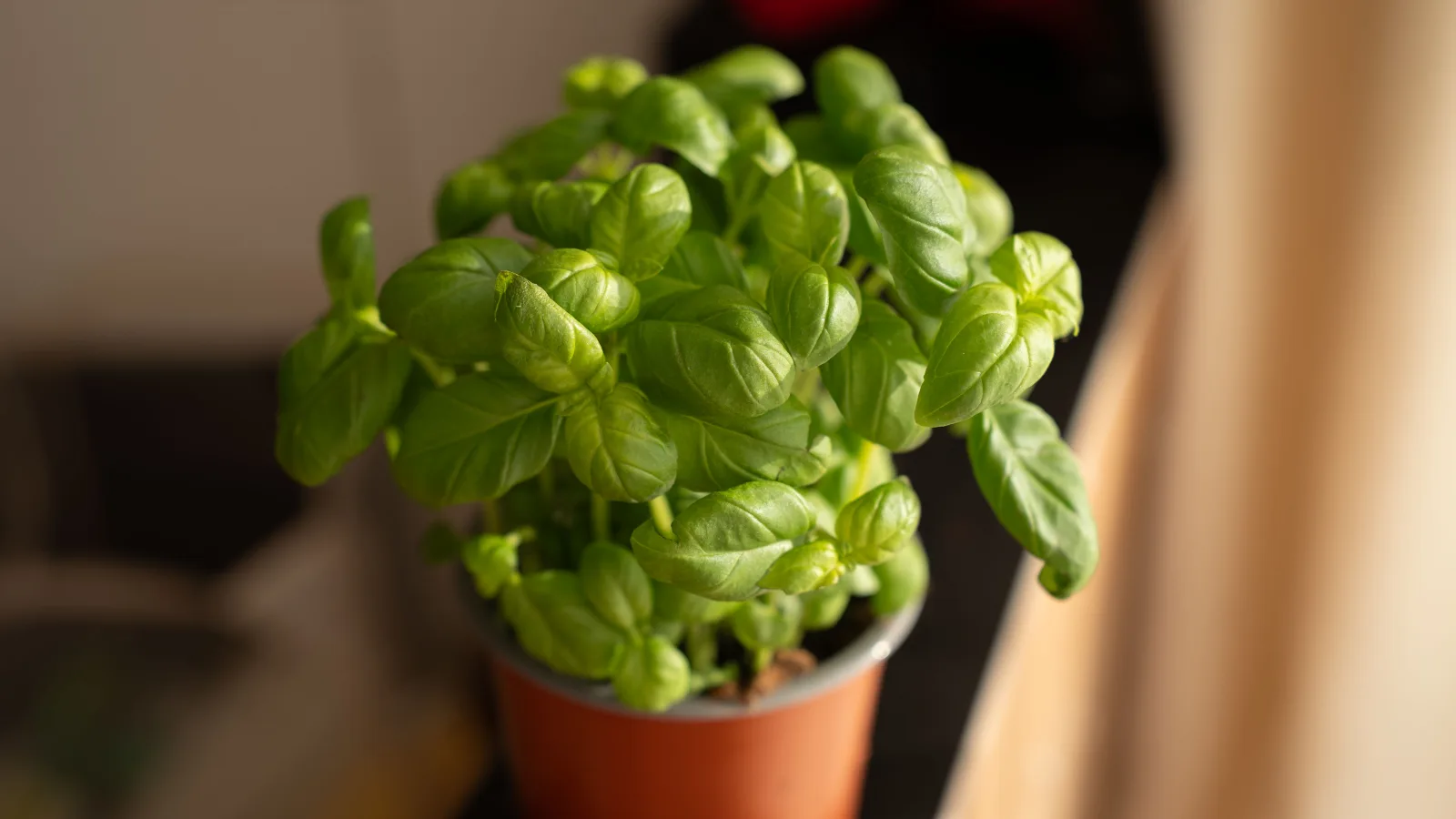
베란다 화분에서 바질 키우기, 5월에 시작하면 가을까지 향을 즐깁니다
5월 베란다는 모종을 들이기 딱 좋은 때입니다. 햇볕이 길어지고 밤 기온이 12도 아래로 잘 내려가지 않으면 바질은 빠르게 뿌리를 내립니다. 토마토 모종 옆에 작은 화분 하나를 더 놓으면, 두 작물이 서로 잘 어울리는 동반식물이라 한 자리에서 같이 키우기 좋습니다. 바질은 허브 가운데 난이도가 쉬운 편이라 텃밭이 처음인 분도 무난하게 거둘 수 있습니다.
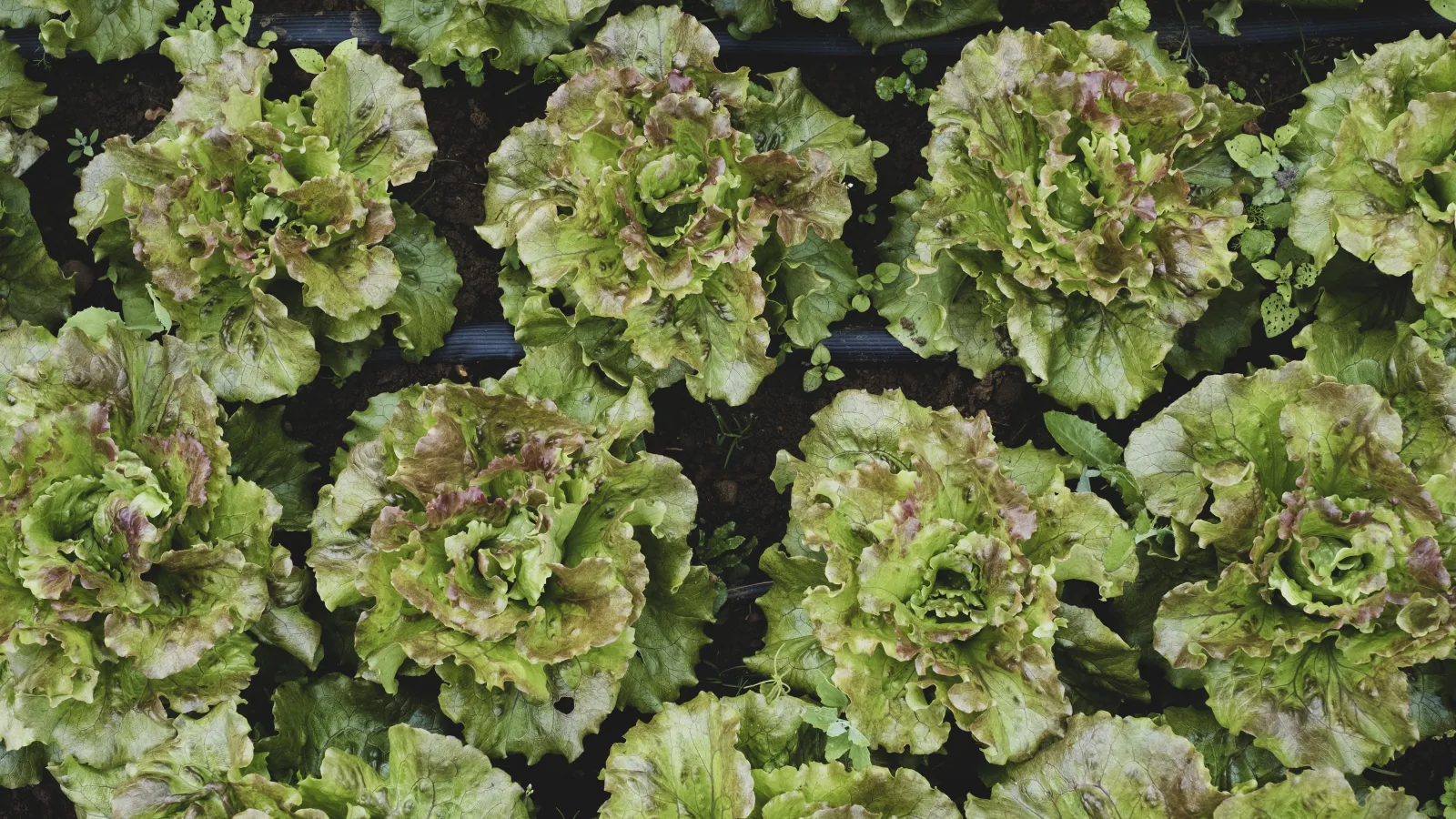
물 한 통으로 시작하는 상추, 수경재배 키트로 식탁까지
베란다 한쪽에 물통 하나를 놓고 그 위로 연둣빛 잎이 차곡차곡 올라오는 모습은, 흙 묻은 화분이 부담스러운 도시농부에게 가장 반가운 시작입니다. 수경재배 키트로 키우는 상추가 그렇습니다. 흙을 들이지 않고도 물과 작은 펌프, 약간의 빛만 있으면 잎상추 한 포기가 자랍니다. 상추는 거의 실패 없이 키우는 도시농부의 첫 작물이고, 알고 보면 잠을 돕는 건강 채소이기도 합니다.
방울토마토 키우기, 베란다 화분 하나면 충분합니다
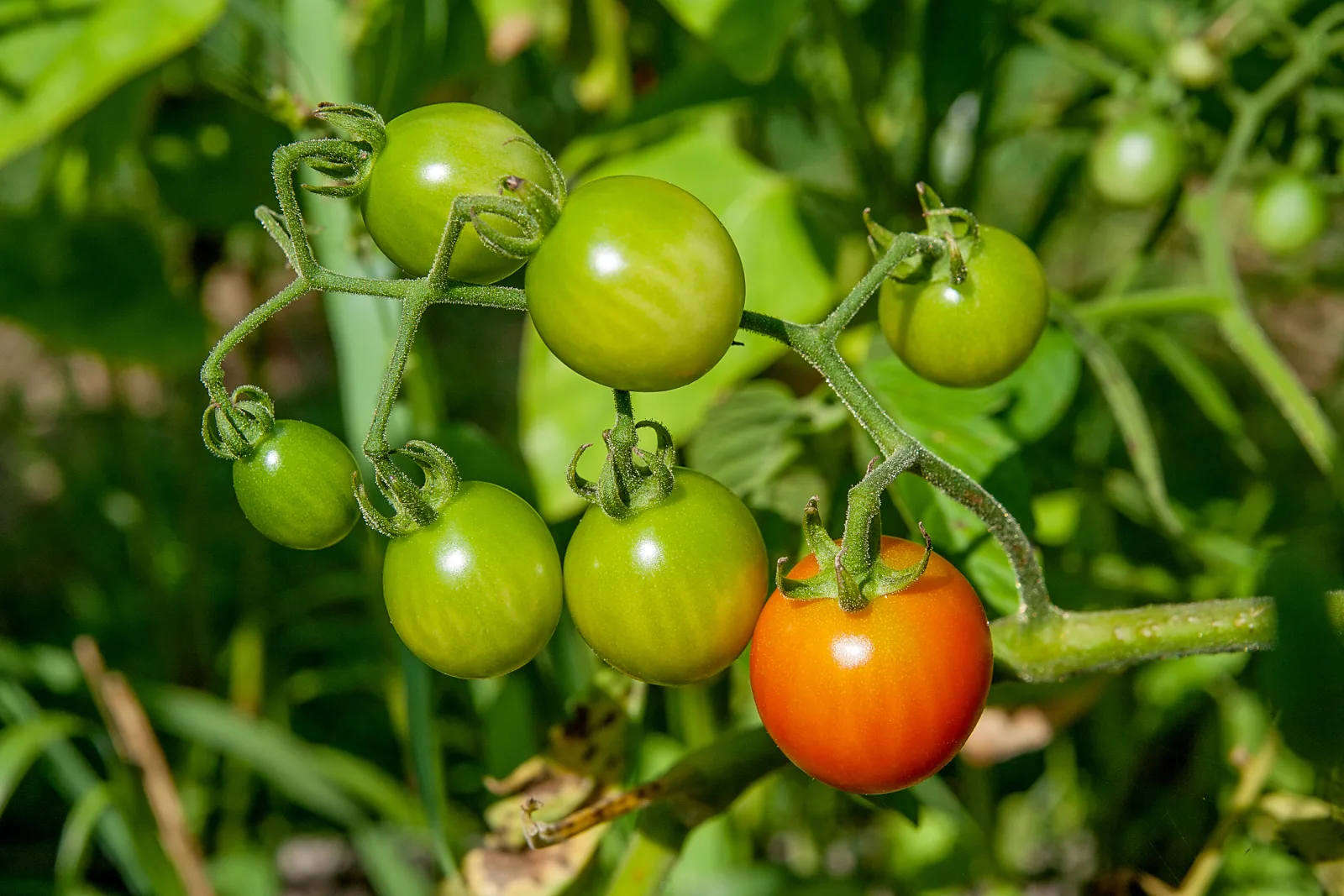
5월 베란다에 햇볕이 길게 들기 시작하면, 화분 하나에 모종 한 포기 심어 둔 방울토마토가 어느새 노란 꽃을 답니다. 꽃이 진 자리마다 초록 열매가 맺히고, 그 열매가 6월부터 하나씩 빨갛게 익어 갑니다. 방울토마토는 토마토의 소과 품종으로, 한입 크기에 단맛이 높고 화분에서 가장 키우기 쉬운 열매채소로 꼽힙니다. 난이도는 쉬움, 좁은 베란다에서 처음 작물을 들이는 분께 권하기 좋습니다.
고추 탄저병, 비 오기 전에 봐야 할 잎 뒷면
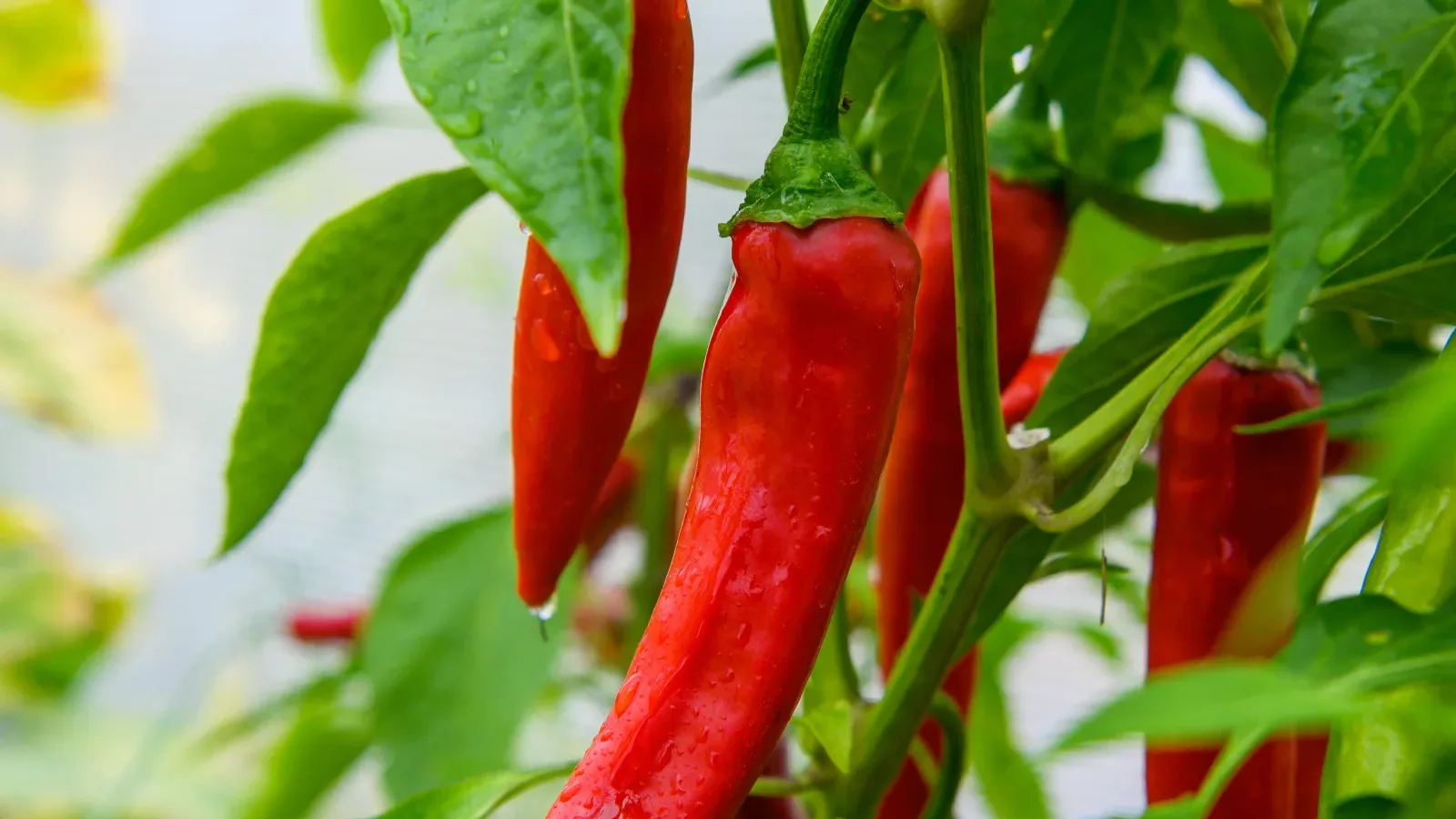
6월로 접어들면 고추밭에 비 소식이 잦아집니다. 5월에 모종으로 옮겨 심은 고추가 한창 키를 키우고 첫 열매를 매달기 시작할 무렵, 장마 전선이 올라옵니다. 이 시기에 잎 뒷면을 들여다보는 일이 한 해 농사를 가릅니다. 탄저병은 비가 길게 이어진 뒤에 갑자기 번지는 병이 아니라, 비가 오기 전부터 잎과 열매에 자리를 잡고 기다리는 병이기 때문입니다.
방울토마토, 첫 곁순은 언제 따야 할까
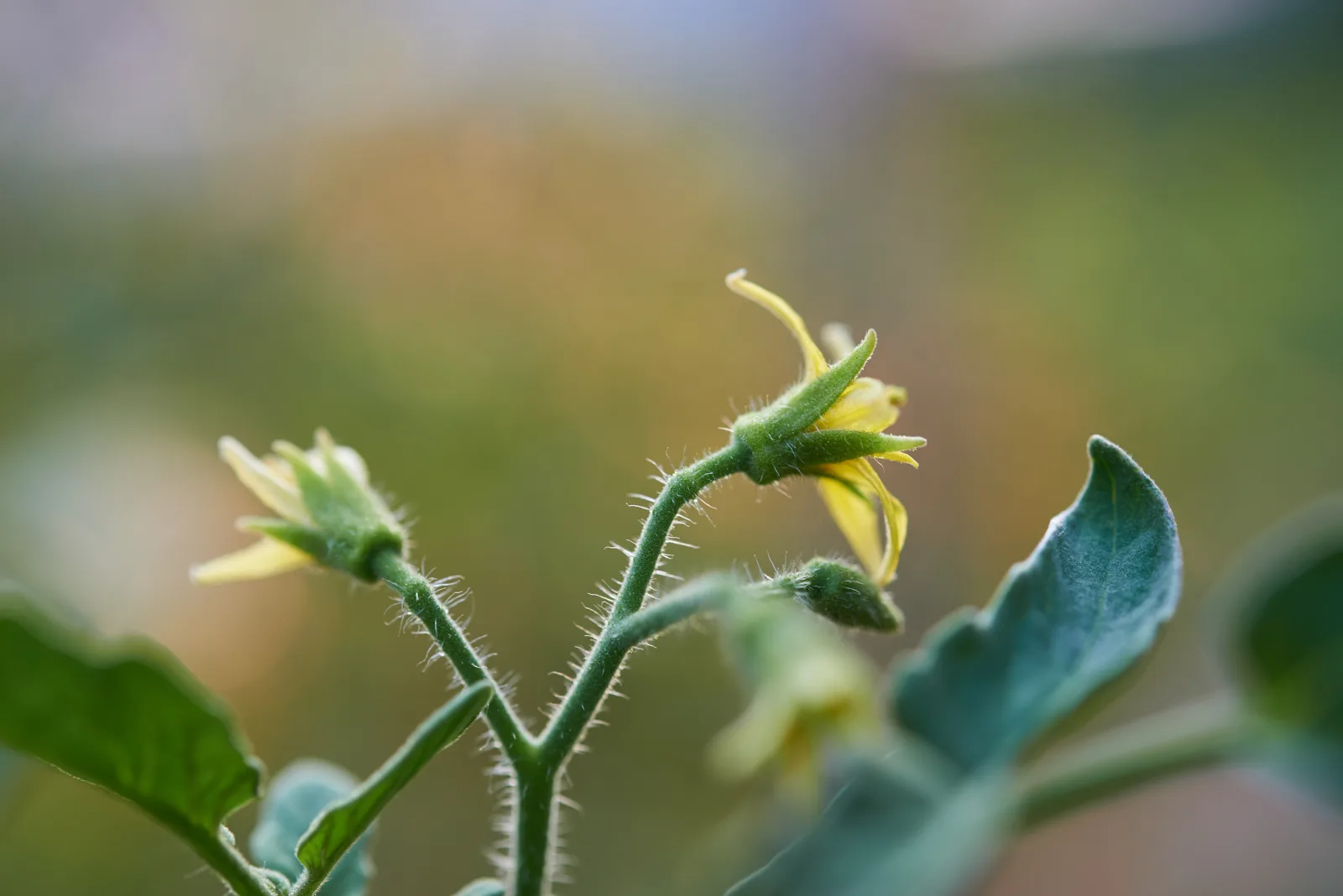
5월 베란다 화분에 옮겨 심은 방울토마토가 무릎 높이로 자라면, 잎과 줄기가 만나는 자리마다 작은 새순이 비죽 올라옵니다. 이 새순을 곁순이라고 부릅니다. 처음 토마토를 키우는 분들은 이 곁순을 그냥 두는 경우가 많은데, 첫 곁순을 언제 따느냐에 따라 한 포기에서 거두는 양이 꽤 달라집니다. 방울토마토는 토마토(Solanum lycopersicum)의 소과 품종으로, 한입 크기에 단맛이 높고