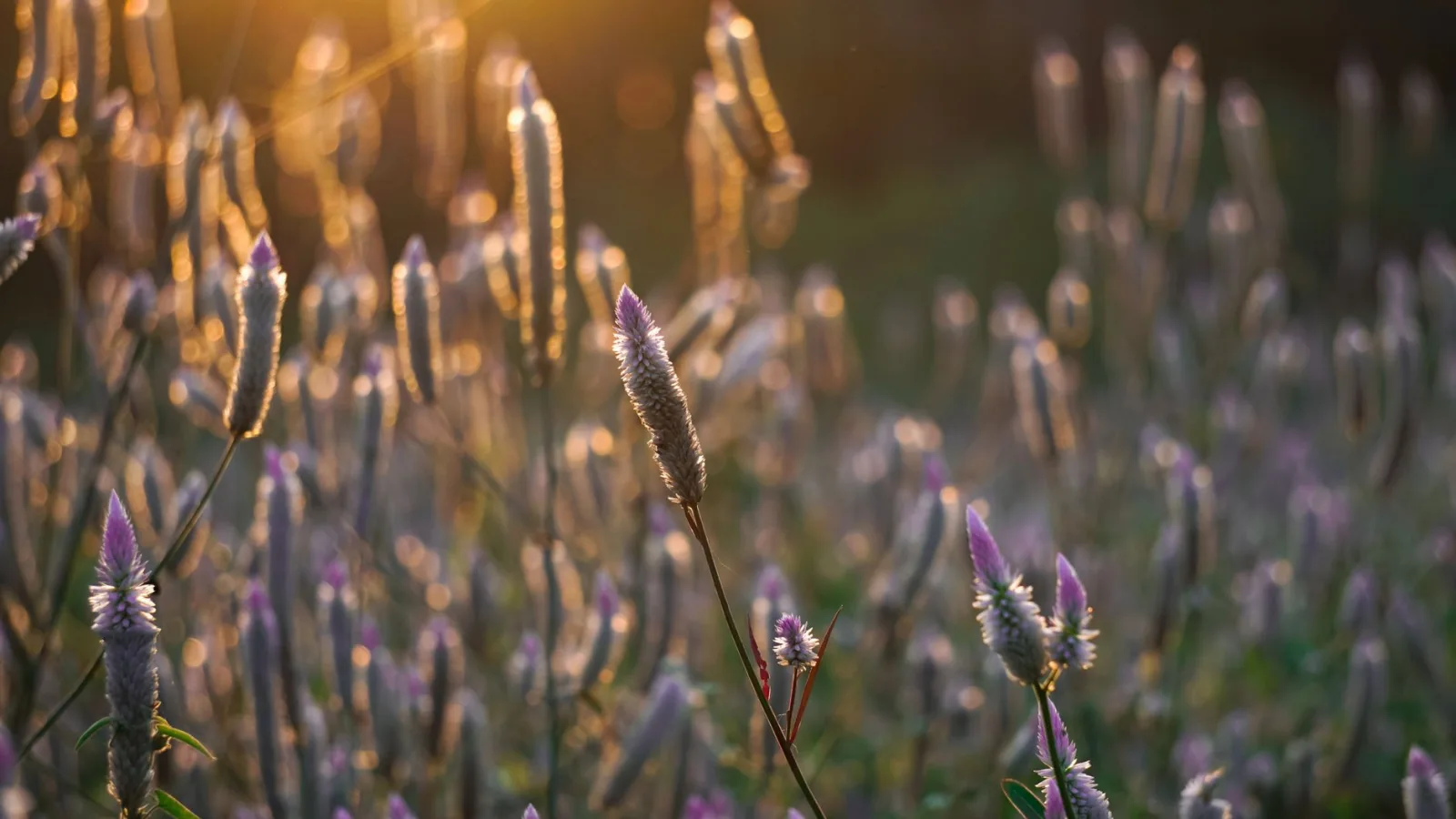
Finding a plant you can't name in your garden is hardly unusual. Something volunteers itself between the beds, you think "what is that?", and then you move on. A moment like that happened in the dry inland country of Queensland, Australia. One day, while surveying migratory bird routes, a birdwatcher named Aaron Bean came across an unfamiliar shrub. He photographed it with his phone and posted the image to iNaturalist, a platform for sharing observations of living things. A few days later, the botanist Anthony Bean saw the photo and headed straight for the site. The plant in the picture was Ptilotus senarius, a species with no official collection record since 1967 — one that specialists had effectively written off as extinct.
Six Decades of Silence
Ptilotus senarius is a shrub native to Australia, a member of the amaranth family (Amaranthaceae). Its leaves and stems carry a soft coat of hairs, it produces small pink flowers, and it grows in arid inland conditions. The amaranth family is familiar territory for gardeners: chard, spinach, and beets all belong to it. Their relative tolerance for poor soil comes from the same family line.
After the last specimen was collected in 1967, not a single record confirmed the plant alive. Australia's arid interior is terrain that's difficult to reach in the first place, which is exactly why so many native plants sit in survey blind spots. Aaron Bean went to that place on that day to watch birds. Choosing not to walk past an unfamiliar shrub — stopping to photograph it instead — closed a 60-year gap in the record.
When Dr. Anthony Bean's team surveyed the site in person, they found multiple individual plants and collected the specimens needed to reconfirm the species. Ptilotus senarius is now back on the official list.
How a Photo Reaches a Lab
On iNaturalist, you upload a photo of something living and experts and citizen scientists work together to identify it. The platform launched in the United States in 2008 and now holds tens of millions of observations from around the world. Rediscoveries and newly described species come out of it on a steady basis.
No botanist can survey every region personally. Budgets, staffing, and geography all impose limits. Birders, hikers, and city farmers — people who move through the natural world as a matter of routine — encounter plants across a far wider range than any researcher can cover. When the photos they take connect with an expert's eye for identification, information accumulates from places botanists never managed to reach. That's precisely how this rediscovery happened.
Why It's Worth Recording Your Own Plot
Tend a city garden long enough and plants that were never in any seed packet start coming up between the beds. Sometimes a whole season passes and you still don't know what they are. Take one photo and you can track down the name later — and as the images pile up, they become a record of how your plot is changing.
Aaron Bean had no special training in botany. The habit of pausing for a moment in front of a plant he didn't recognize is where this rediscovery began. If you meet a plant you can't name in your garden today, take a picture. You don't need to know what it is. There's no way to know at the outset where that record will lead.
Sources: rediscovery report from the Queensland Herbarium; iNaturalist observation database