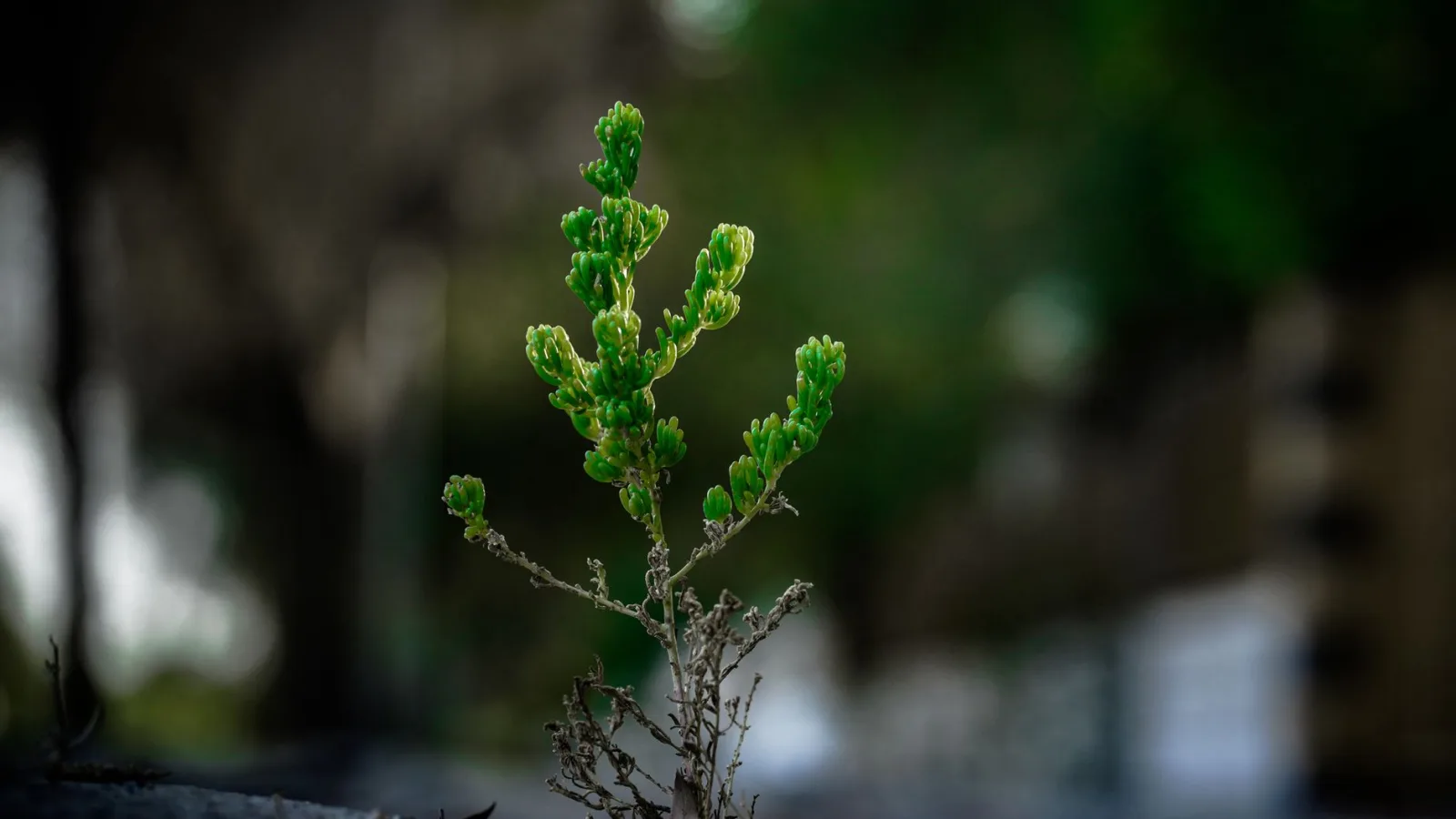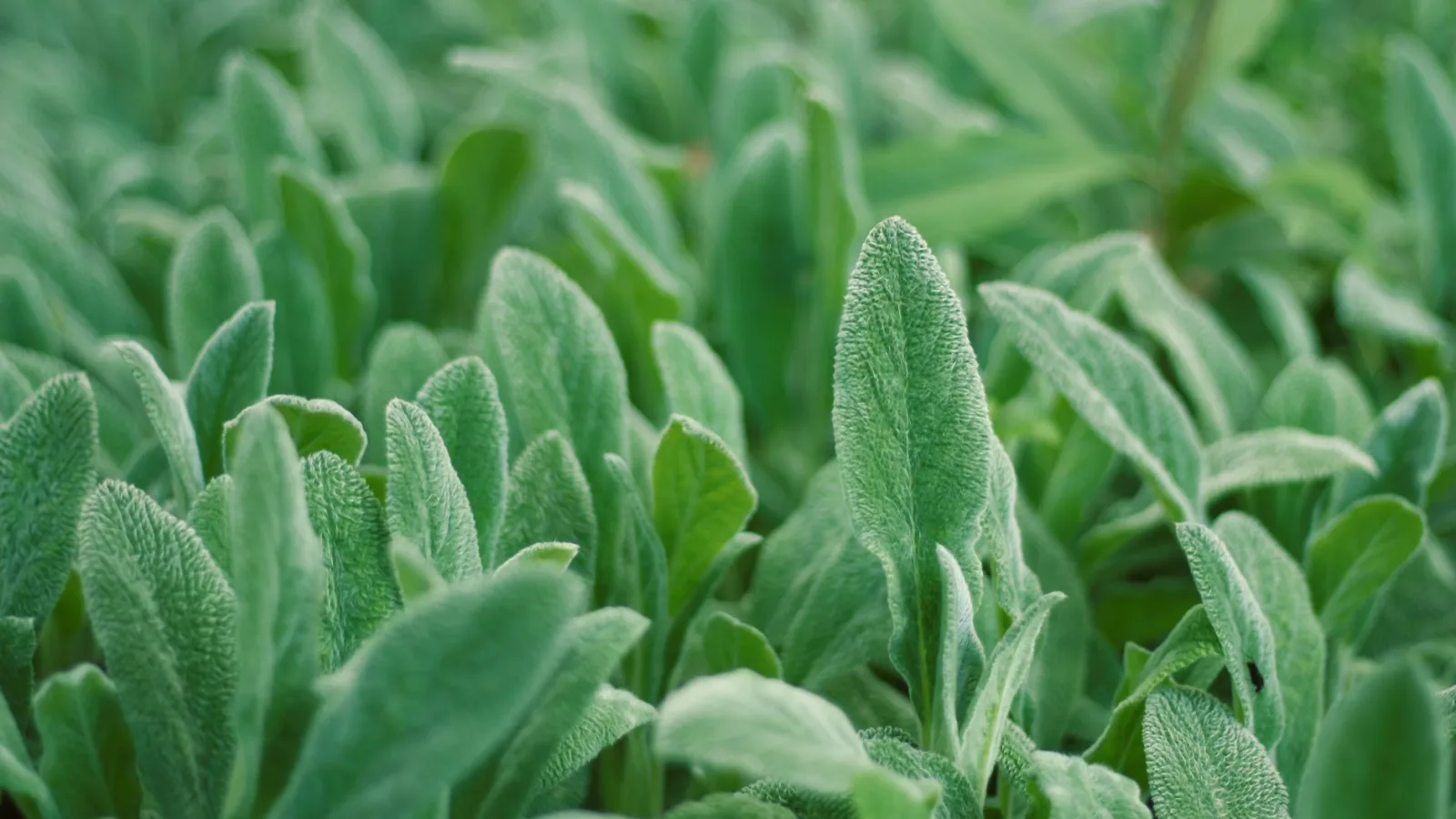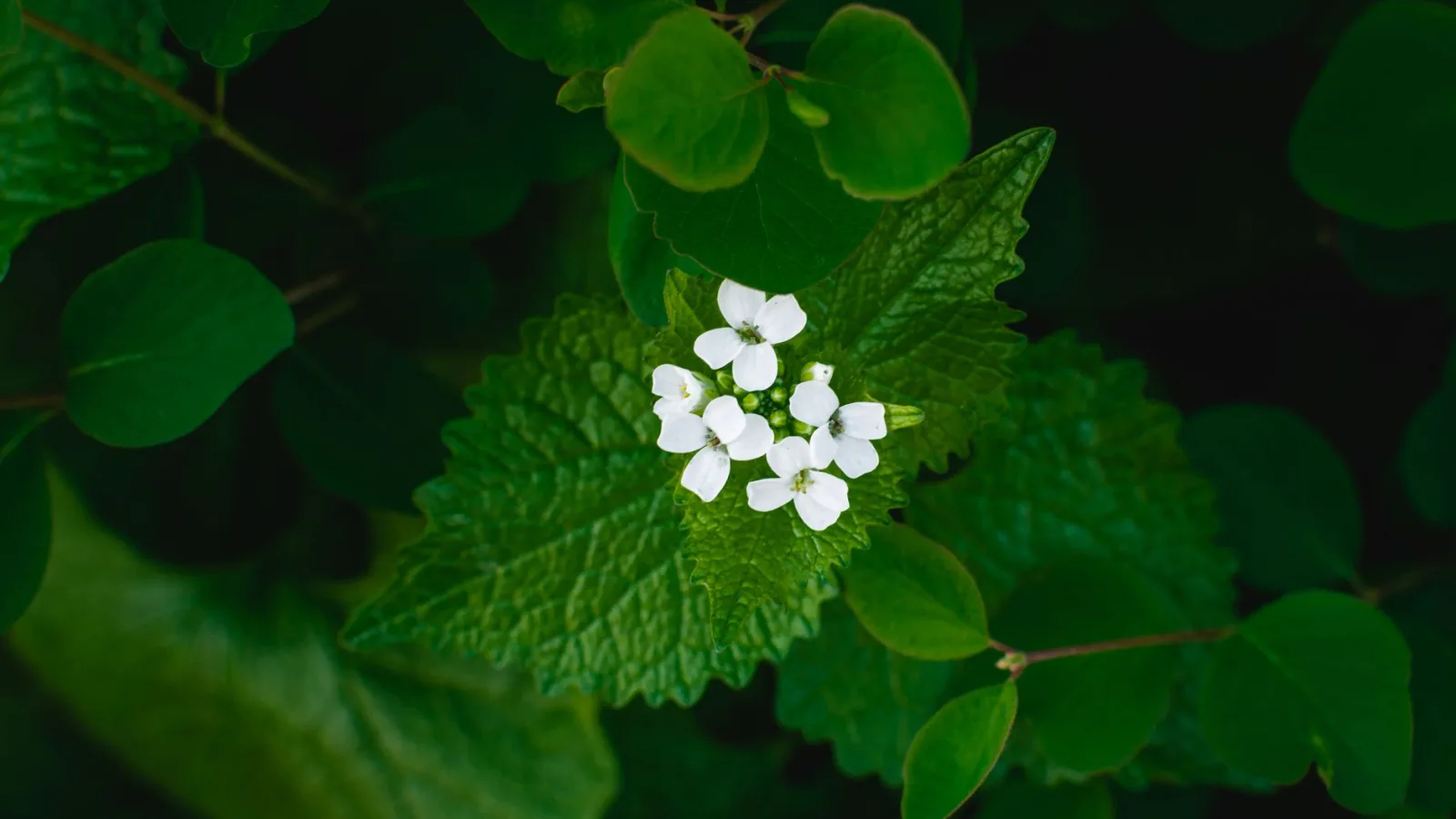
When a bare patch opens up in the August garden, I use it for white mustard. In the Northern Hemisphere, sowing runs March–April and August–September, and seed sown now comes in around October or November. It's an annual in the brassica family that likes cool weather. It grows best between 15–22°C and will get by anywhere from 5–30°C. Heat is its weak point, so wait until the worst of it has passed before you sow. Canada is the main producing region, with large plantings in Russia, Ukraine, and the United States as well.
The heat only shows up once you grind the seed
White mustard seed is larger and paler than black mustard or the seed of Indian mustard greens. Inside the seed, a glycoside called sinalbin and an enzyme called myrosinase sit in separate compartments. Break the seed and add water, and the enzyme splits the glycoside apart, producing the compounds we taste as heat. That's why chewing a whole seed barely registers as spicy.
The character of that heat varies by mustard. Indian mustard and black mustard carry sinigrin as their main glycoside, and what it produces is volatile enough to shoot straight up the nose. The heat from white mustard's sinalbin, by contrast, stays on the tongue. This is why the yellow mustard on the supermarket shelf doesn't clear your sinuses so much as leave a slow warmth in your mouth.
Mix it, then let it sit
To make a sauce, grind the seed and stir in water. The mucilage released from the ground seed binds that water, so the sauce thickens on its own without anything added. The fat in the seed is what mustard seed oil is pressed from.
Order matters here. Add the vinegar and honey after the heat has come up. Mix with water first, wait for the heat to develop, and then stir in vinegar and honey — the aroma survives that way.
What to serve it with
White mustard gives you two crops: the seed and the young leaves. They land in different places on the table.
- Sausages and ham — yellow mustard made from white mustard seed is a pairing with a long history. That lingering heat on the tongue cuts through the fat.
- Vinegar and honey — add both to the ground, mixed mustard and you have a salad dressing.
- Young mustard leaves — pick them and toss them straight into a salad. They have the same peppery bite as the greens used for gat-kimchi (fermented kimchi made from Indian mustard leaves), but the leaves are far more tender.
The Donguibogam lists it in the vegetables section as baekgae (白芥), recorded under the old Korean name huingyeja. The text calls it warm in nature, pungent in flavor, and free of toxicity. It gives the origin as the western regions and notes the appearance — similar to Indian mustard, but with paler leaves. It records the use as well: dressed as a seasoned vegetable side, it's fiercely hot and very good. Descriptions in old medical texts don't line up with what we know today, so read this as a record of how the plant was eaten, nothing more.
Picking for leaves, saving for seed
Harvest the leaves young. Lengthening days push the plant to bolt, so a late spring sowing will flower before you get much leaf. Plants sown in August or September move into shortening days instead, which holds the flower stalk back.
For seed, sow in spring and leave the plants until the pods dry in early summer. Frequent rain while the seed is filling will mold the pods, and once they're fully dry they split and scatter. Cut the whole plant when the pods have turned brown but haven't opened yet. Hang them upside down in a paper bag to finish drying.
If you have an empty row in the garden today, sow white mustard down it. Pick the young leaves in October for salads, then sow again the following spring for seed — grind it, keep it on hand, and you have the sauce to set beside a sausage.
Sources: Donguibogam, Vegetables section, baekgae (白芥) · Korea National Arboretum, Korean Plant Names Index