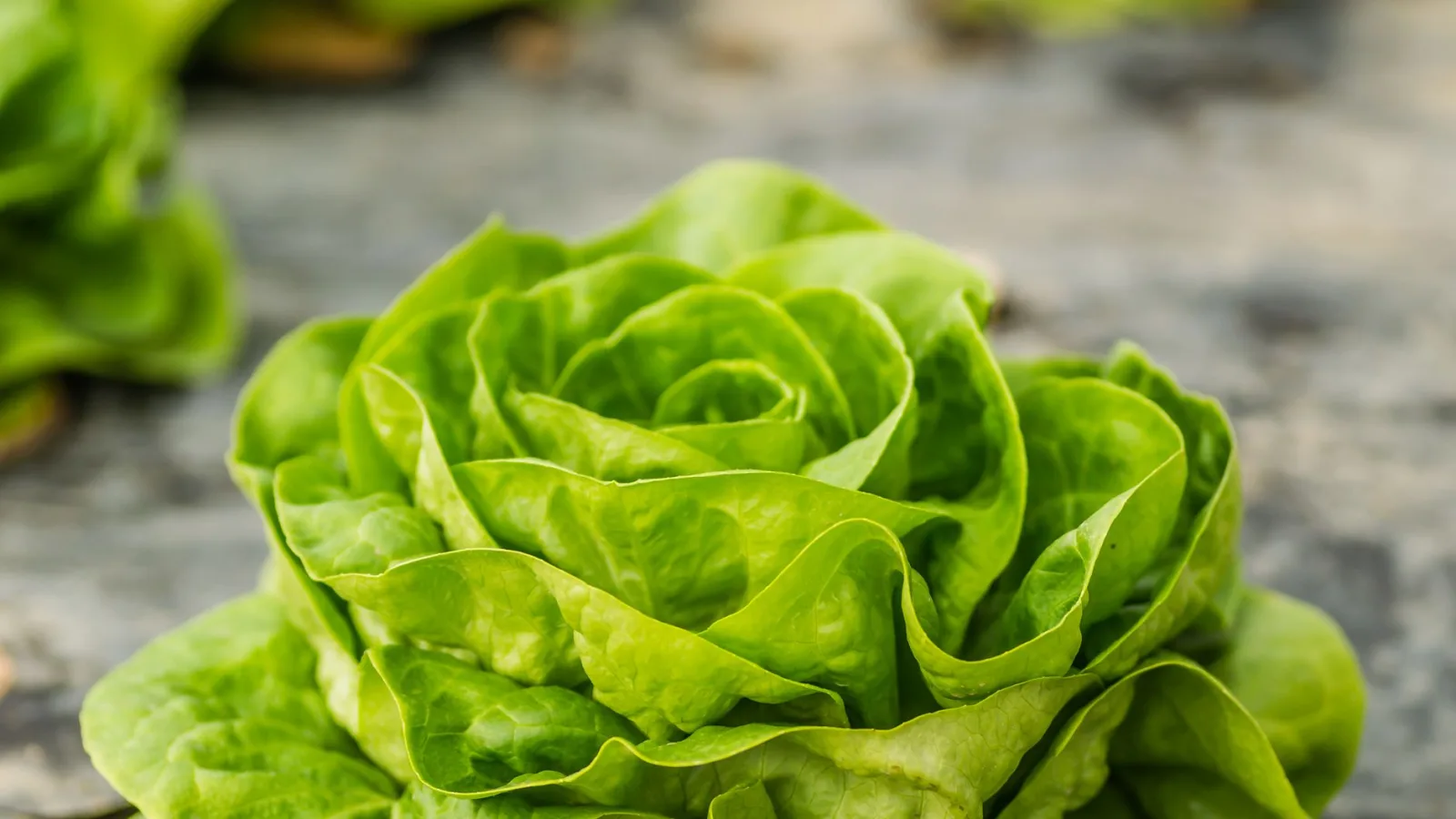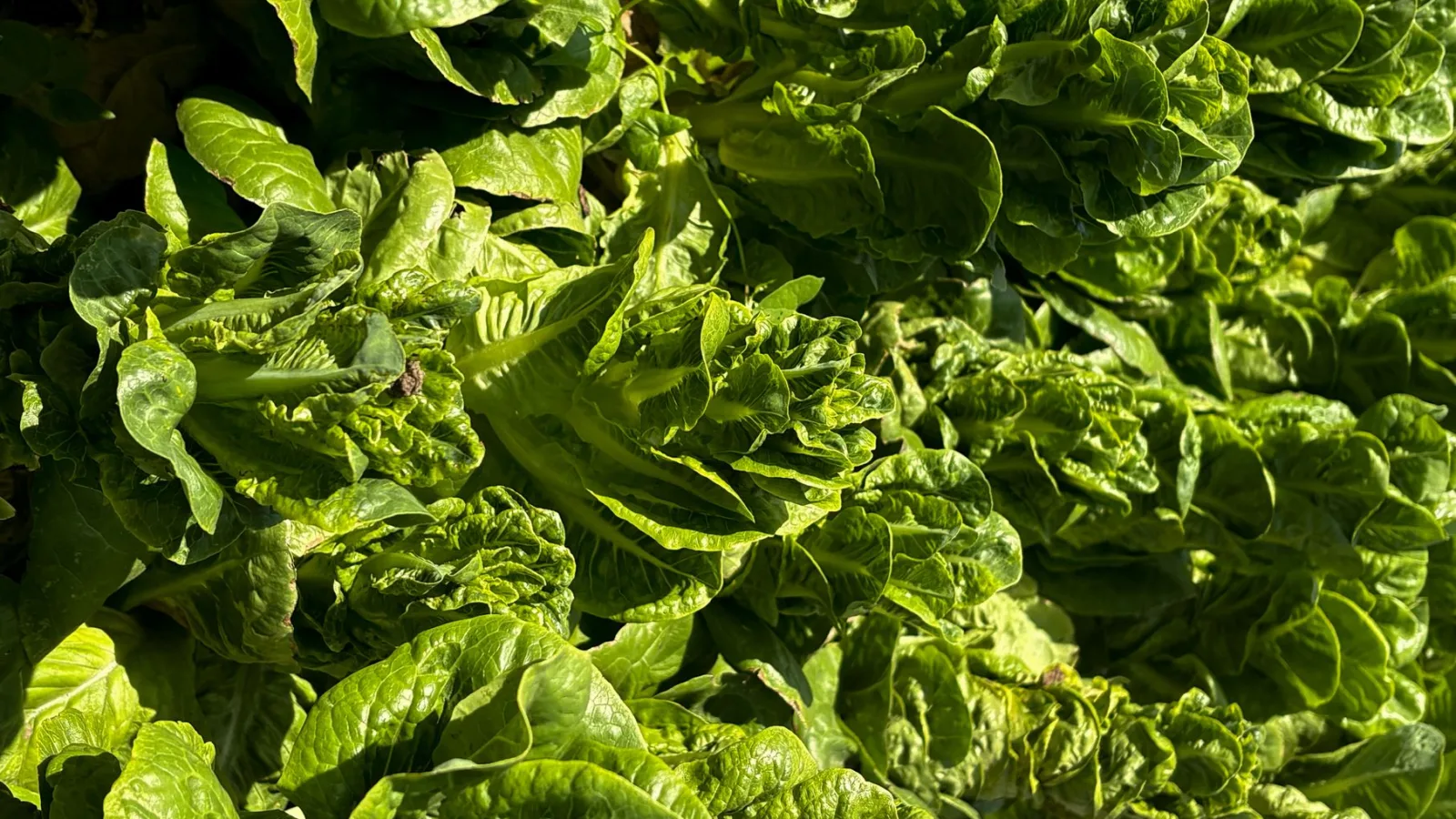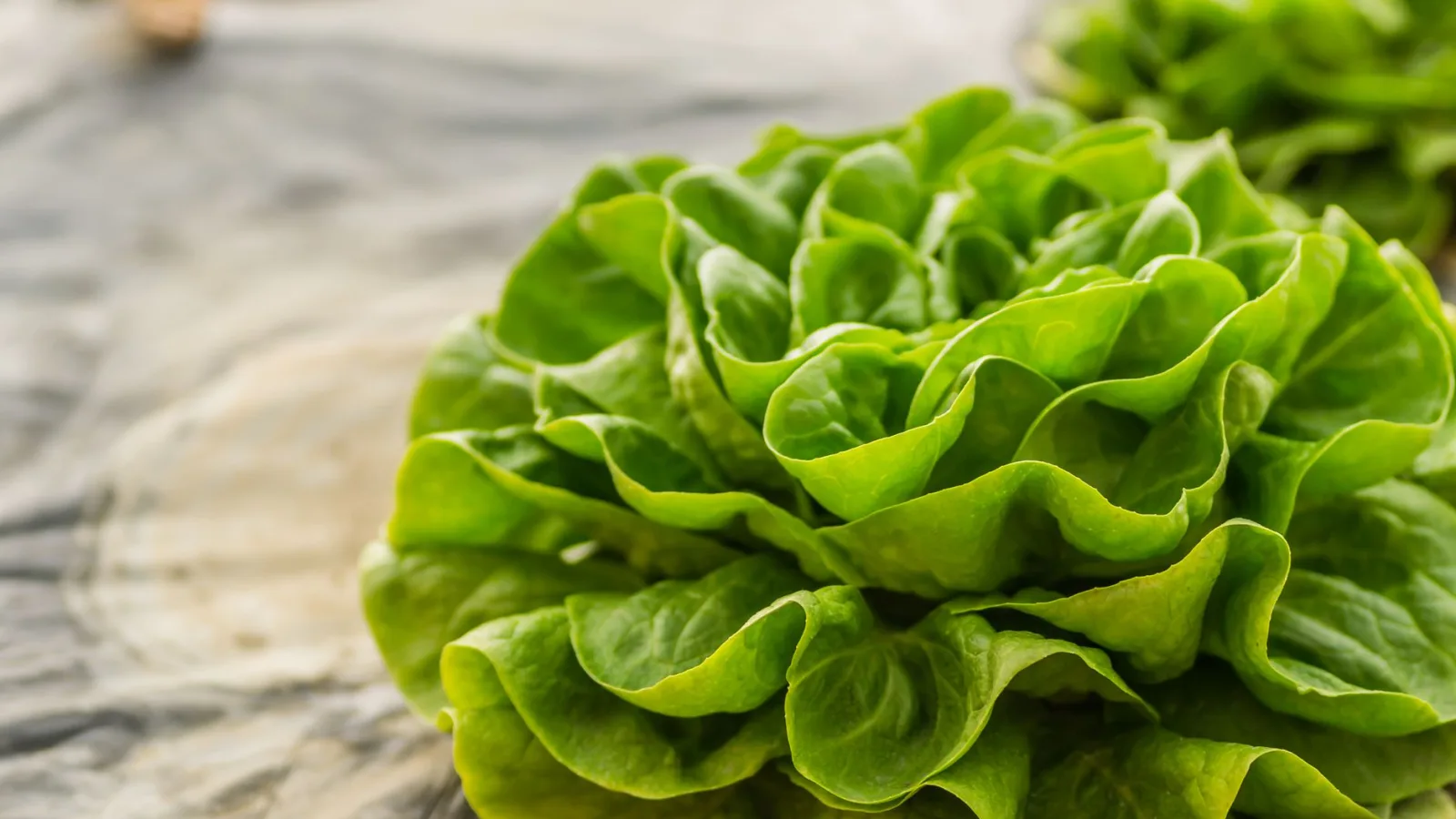
Step into the garden after the summer monsoon and you'll find crabgrass carpeting the rows between your lettuce. You scrape at it with a homi, the Korean hand hoe, and the moment you straighten your back, your mind drifts to that jug of weedkiller you saw at the farm supply store. One spray, the label promises, and the weeds turn yellow and wither within three days. Farmers in Australia's grain belt have stood at that same crossroads for more than forty years.
Why Australian Farmers Can't Give Up Paraquat
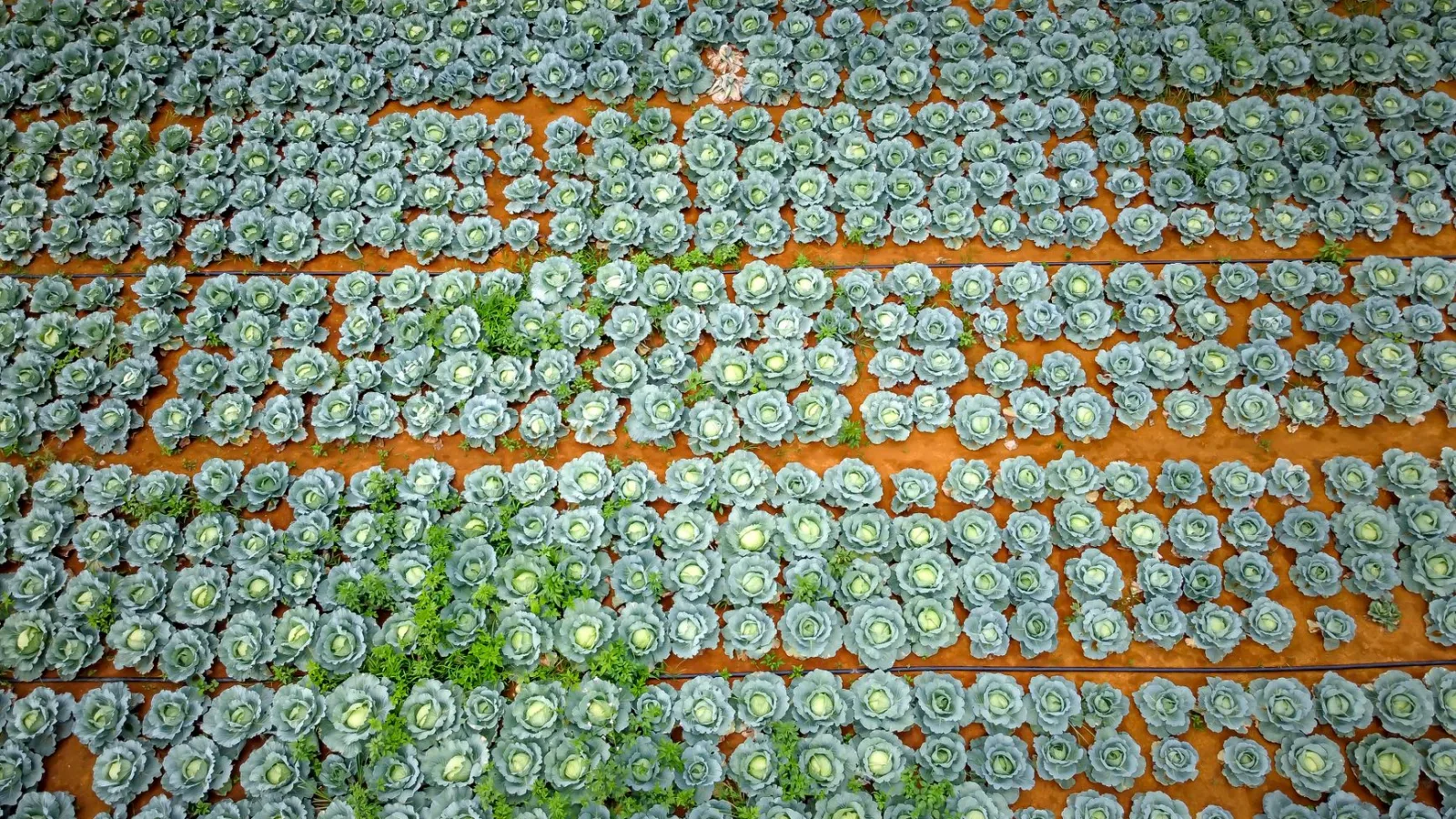
The wheat and barley country of southern Australia is dry, and the wind is fierce. Till a field before planting and the topsoil blows away, taking what little moisture the ground has managed to hold. So farmers there settled on no-till farming, sowing seed directly into unturned soil. The job the plow once did, killing weeds, fell to herbicides.
At first, glyphosate alone was enough. But spray the same chemical on the same field year after year, and ryegrass that shrugs it off begins to spread. The alternative farmers turned to was paraquat. It desiccates any leaf tissue it touches within days, it still works on resistant weeds, and it's cheap. The bigger the farm, the sooner the farmer reaches for it.
The Price of Cheap: What Can't Be Undone
The trouble begins when it gets into a person. Paraquat has no antidote. Swallowing just 10 milliliters or so of the 20% concentrate can be fatal, and even reaching an emergency room quickly rarely stops the lungs from stiffening into scar tissue. There is not much a hospital can do.
That is why country after country has pulled it from the fields. Paraquat is illegal in at least 74 jurisdictions, including the European Union, China, Malaysia, and Brazil, and the US state of Vermont is the latest to join the list. South Korea canceled its registration in 2011 and halted sales in 2012. In the years since, report after report has shown a steep drop in deaths from pesticide poisoning.
Epidemiological studies have repeatedly linked paraquat to Parkinson's disease, though it is still too early to say how much exposure raises the risk, and by how much. Australia's regulators chose to cut application rates and restrict uses rather than ban the chemical outright. The farmers' plea, that they had no other reliable tool against resistant weeds, carried that much weight.
How to Handle Weeds in a Home Garden
A small backyard plot is a different world from an Australian wheat field. You still have ways to keep weeds in check without reaching for chemicals, so try these this summer.
- Cover your beds with straw or fallen leaves, about two finger-joints deep, to block the light weed seeds need to sprout.
- Pull weeds before they flower. Let them set seed once and you'll have several times the work next year.
- Pull them up by the roots the day after a rain, while the soil is soft. It takes half the effort.
- Divide the work: run a string trimmer along the paths to keep them short, and use the hand hoe only right beside your crops. You'll do less overall.
- Keep any pesticide in its original, labeled container under lock, and never, ever pour it into a drink bottle.
If you head out to the garden today, start by tucking a handful of straw around your lettuce rows. You'll pick up the hoe far less often all summer long.