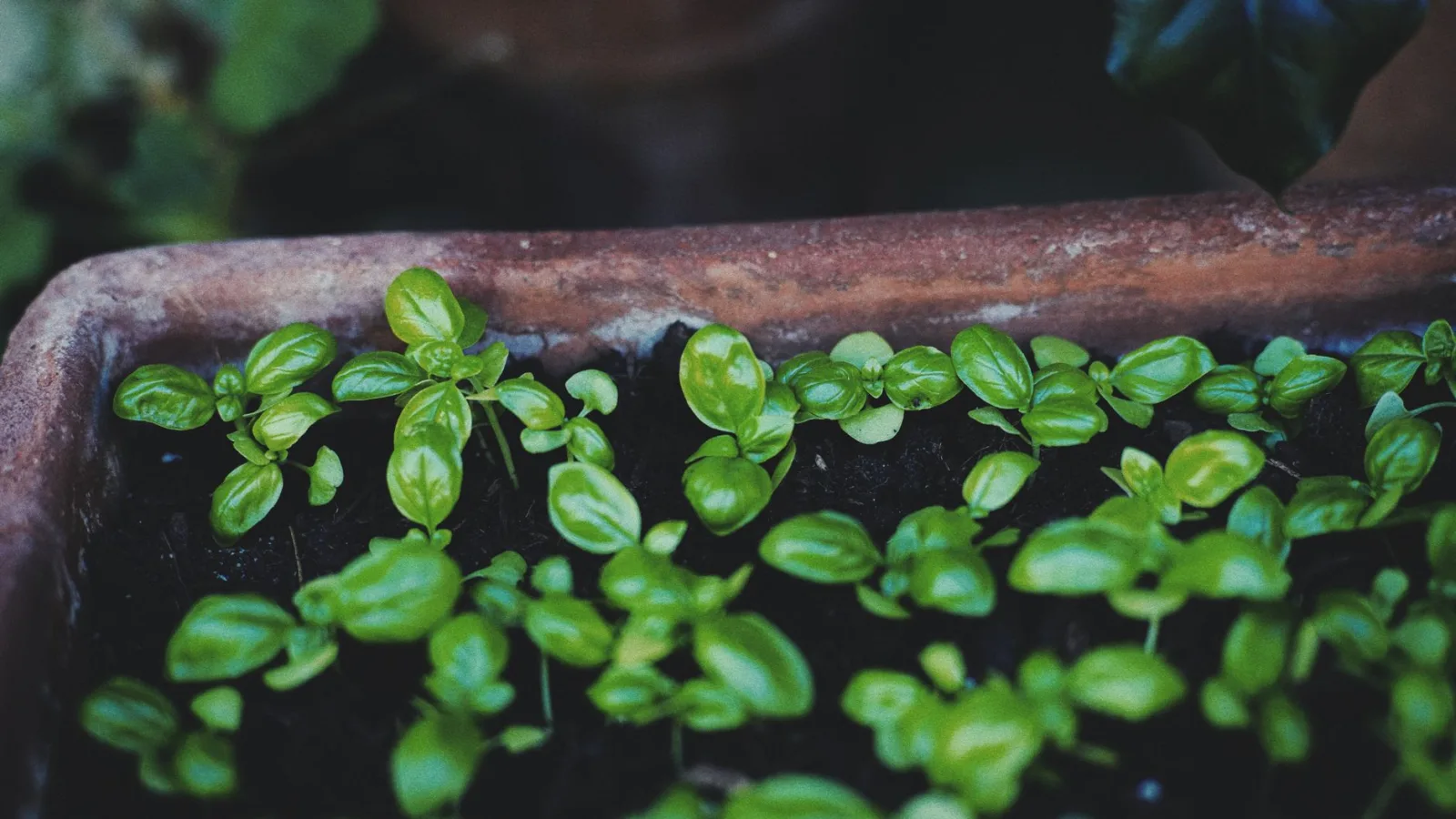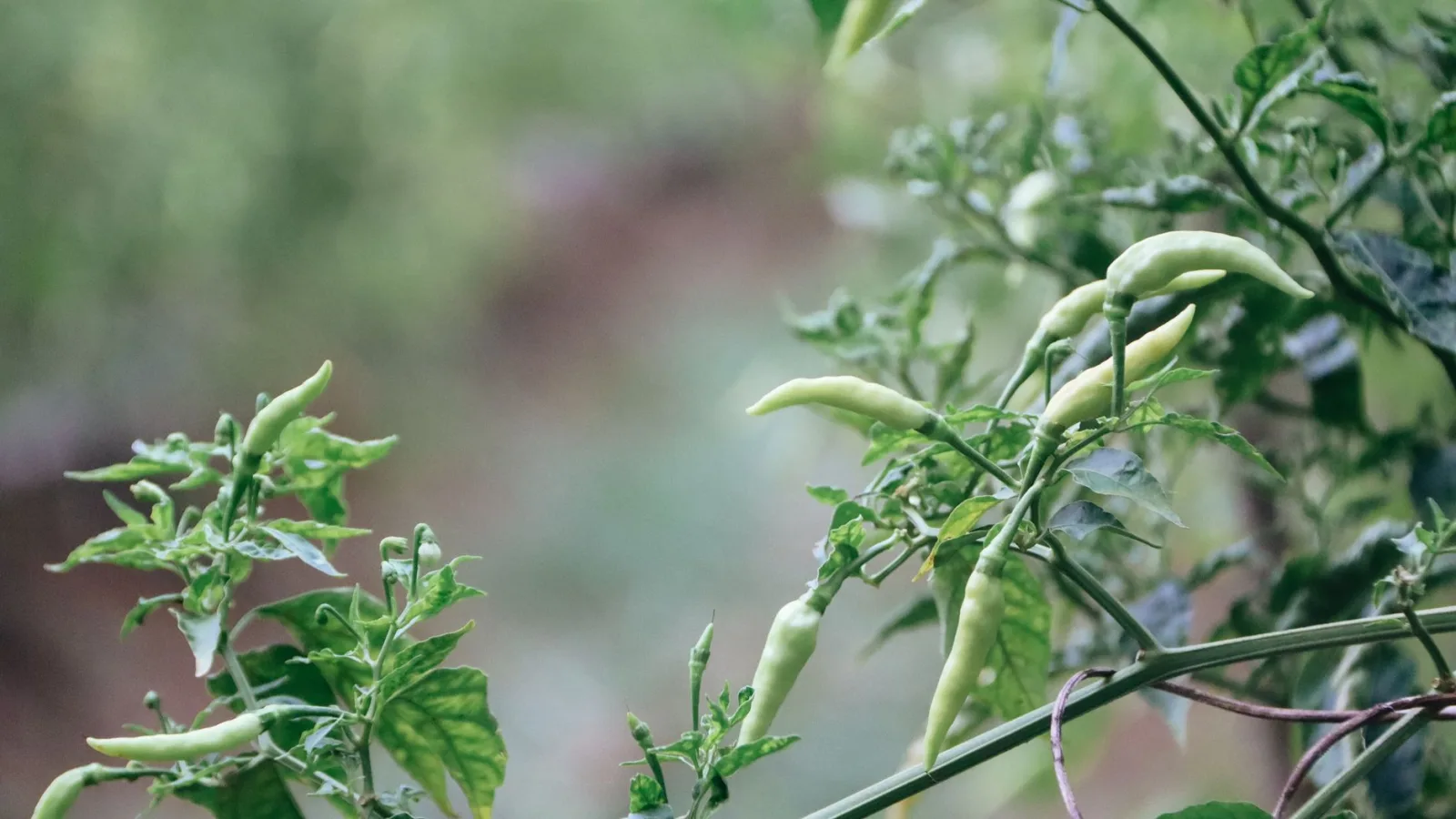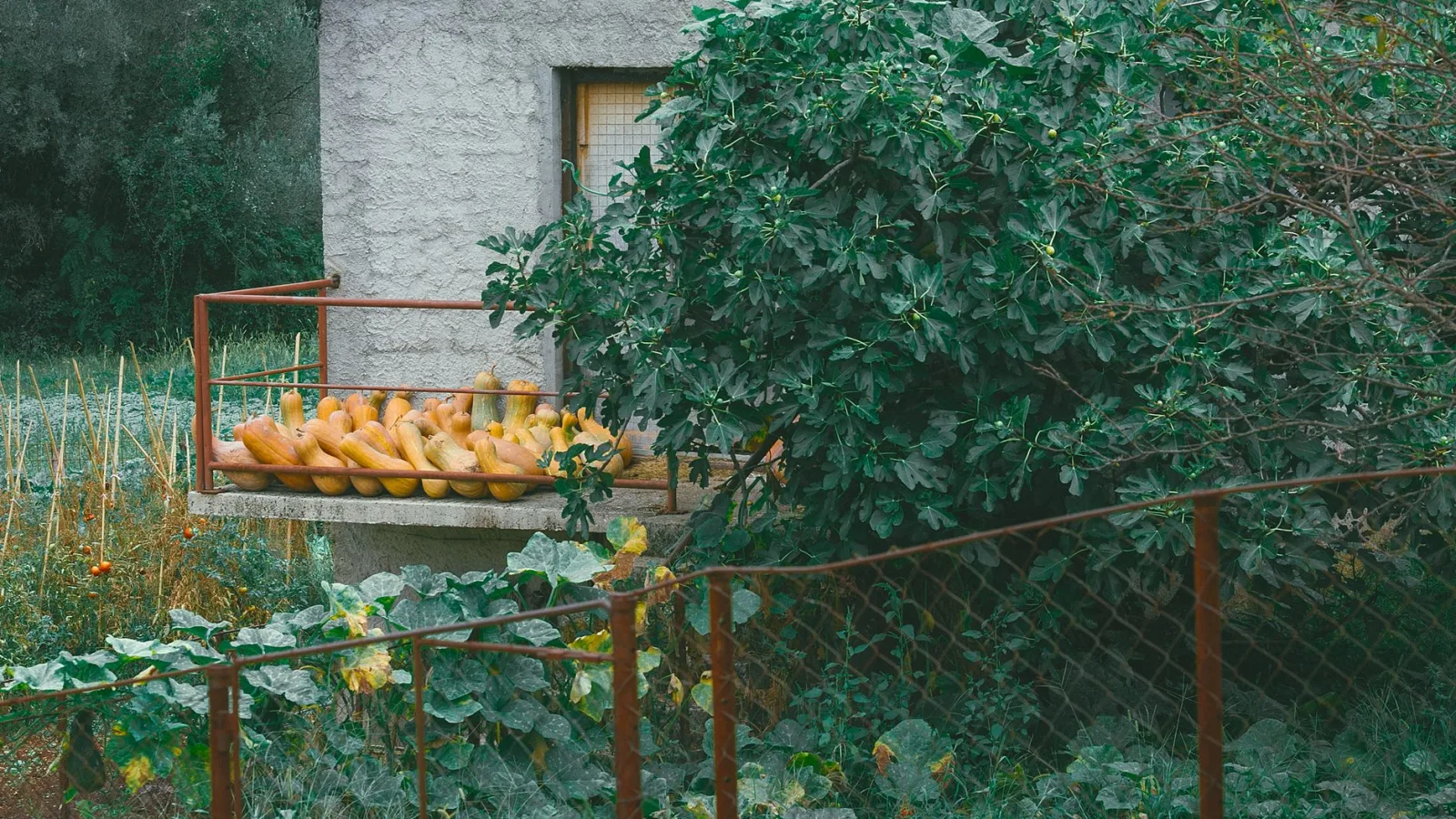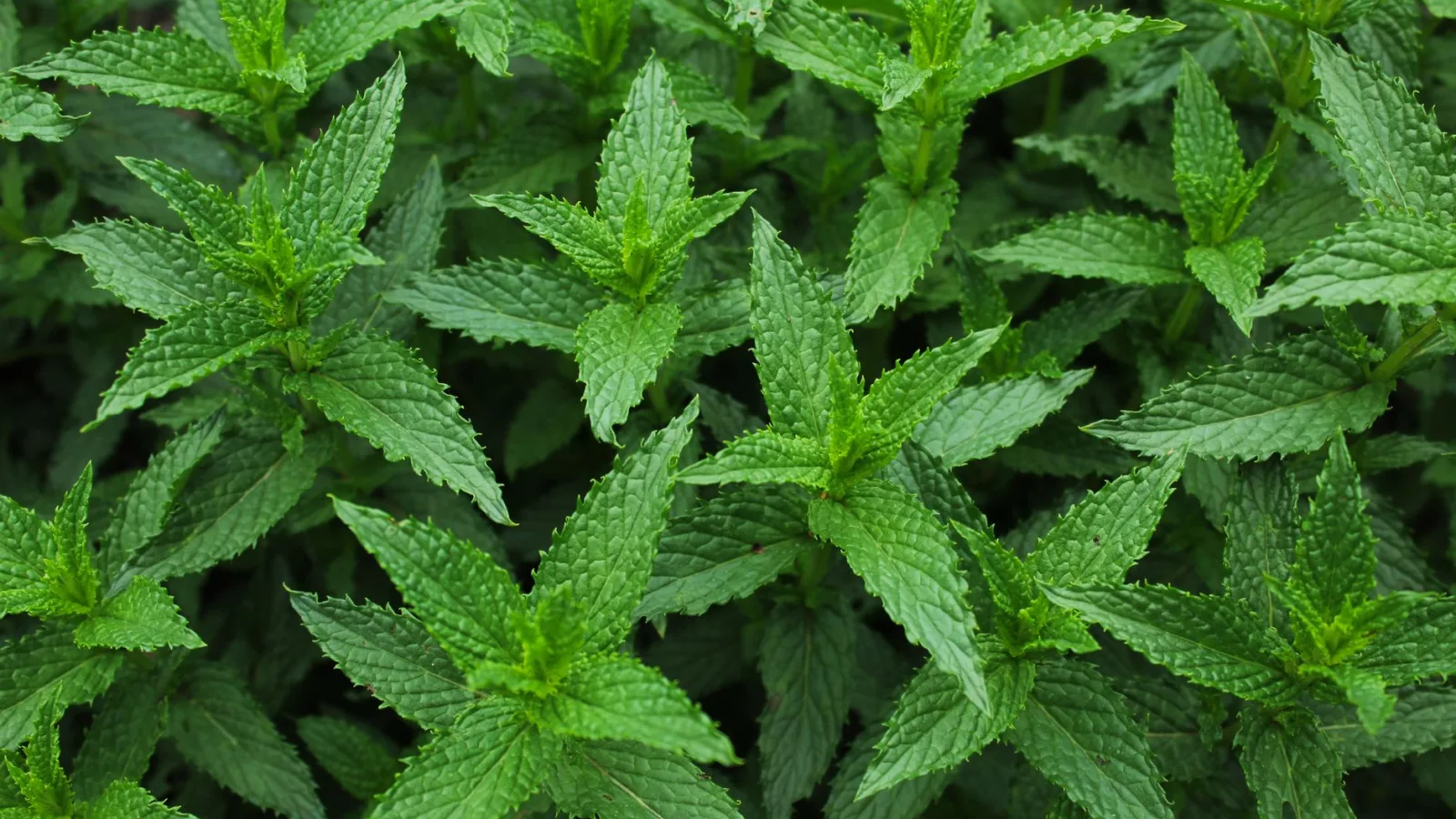
Walk out to the garden in late August and the squash vines have sprawled well past their row. You push the broad leaves aside hunting for fruit, and by the time you straighten up your cuffs are covered in thin black seeds. That's the beggarticks (Bidens pilosa) that seeded itself along the edge of the bed, hitching a ride on your pants. One of these plants you raised on purpose. The other you've been yanking out on sight.
A study in an international journal took on both leaves at once. A research team in Zambia drew extracts from winter squash (Cucurbita moschata) leaves and beggarticks leaves, fed them to rats made diabetic, and tracked what happened to their blood sugar.
One Leaf for the Table, One for the Weed Pile
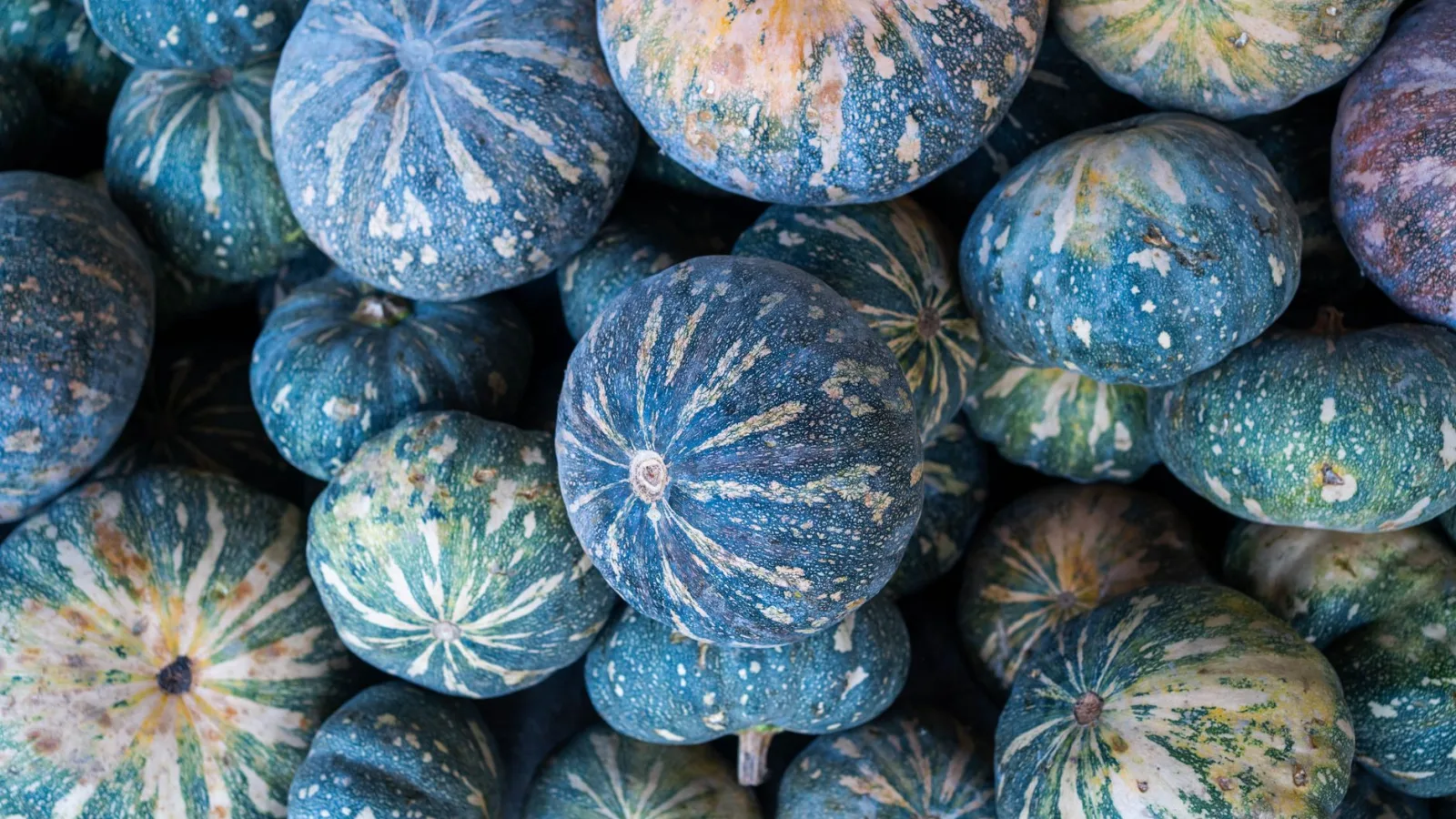
Cucurbita moschata is the group Koreans know as neulgeun-hobak, the big ripe pumpkin, and danhobak, the sweet kabocha type. Its leaves show up on the table all summer — steamed for ssam, the leaf wraps you fold around a spoonful of rice, or cooked down in a braise. Beggarticks gets no such treatment. It grows along field edges and roadsides, and its seeds carry tiny barbs at the tip that catch on clothing and animal fur to spread. In a home garden, it's the first thing your hand reaches for.
Both plants, though, have long histories as medicine. In southern Africa and Southeast Asia, Bidens leaves were boiled into a tea to manage the symptoms of diabetes; squash served as food, leaf and fruit alike. The researchers wanted to know whether that folk record had anything behind it — and whether the leaves are safe to eat.
What Happened to the Rats' Blood Sugar
The team blended the two extracts at ratios of 1 to 1, 1 to 2, and 2 to 1, and fed each mix separately. The clearest response came from one part beggarticks to two parts squash. Rats on that combination went from roughly 310 mg/dL before the trial down to around 70 mg/dL. For comparison, rats given a standard diabetes drug dropped by a similar margin.
A few caveats are worth stating plainly. These are results in rats, and no human trial has been run yet. What the rats received wasn't blanched, seasoned greens either — it was an extract, the compounds pulled out and concentrated with a solvent. This is not the stage at which anyone should be cutting back on or stopping a prescription.
What's in the Leaves, and Whether They're Safe
The researchers measured the polyphenol and flavonoid content of both leaves and tested antioxidant activity three different ways. Both leaves responded, and the effect held up when they were combined. Polyphenols and flavonoids are common in vegetables and fruit, and are understood to help tamp down oxidation in the body.
Safety testing came back alongside. Even at doses as high as 10 g per kilogram of body weight, no animal died or showed any noticeable change in behavior. Eating the leaves as food, in other words, isn't much cause for concern.
How to Get Them onto Your Plate
With squash leaves, pick the young ones before they turn tough. Strip the thick strings off the stem end, lay the leaves over rice as it steams, and they come out just right for ssam. Simmered into a soup with doenjang — fermented soybean paste — stirred in, they're tender too. As you harvest, leave the leaves near the tip of the vine where the fruit is setting and work your way up from the bottom. That's what keeps the vine growing.
For beggarticks, there's a record of blanching only the young shoots and dressing them as namul, a simple seasoned side dish. Once the plant flowers and sets seed, it's too stringy to be worth eating. Check two things before you dig. Don't harvest along roadsides or the margins of treated fields, where herbicide and pesticide drift, and look closely at the leaf shape so you don't confuse it with a lookalike.
This weekend, when you're cutting back the squash vines, set a few of the young lower leaves aside and put them on the table as ssam for dinner.
- Source — a study by a Zambian research team on leaf extracts of Cucurbita moschata and Bidens pilosa, published in the international journal PLOS ONE