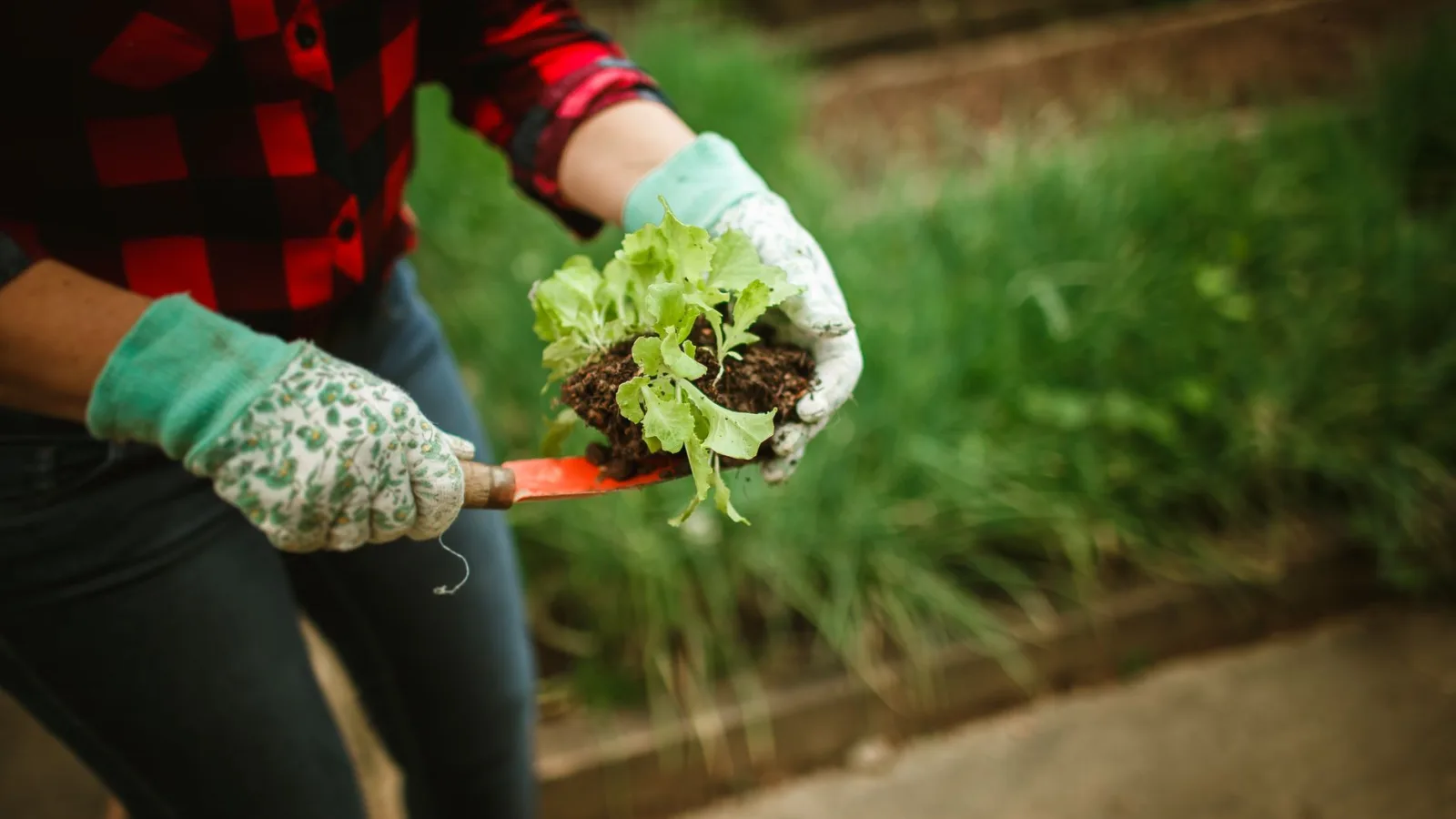
The summer monsoon has moved on, and the lettuce is pushing up fresh leaves. It grows readily even in city plots carved out of what used to be a parking lot. But leafy greens store whatever their roots draw up right there in the leaves, and we rinse those leaves and put them straight on the table. That is reason enough to check, at least once, what is mixed into the soil.
The Marks Arsenic and Lead Leave on Lettuce
Soil on old factory sites, beneath walls shedding flaking paint, and along busy roads can still hold arsenic and lead. Neither metal is something plants need. Yet both get pulled in alongside nutrients as the roots take up what they can.
A study published in 2026 in the journal Environmental Research exposed lettuce to arsenic and lead separately, and then to both together, and tracked how the plants fared. The leaves lost some of their ability to hold water. Their stomata, the tiny pores on the leaf surface, narrowed, so less carbon dioxide got in. The light-harvesting machinery that kicks off photosynthesis grew sluggish as well. The researchers also found the balance of potassium, magnesium, phosphorus, boron, copper, zinc, and iron thrown off. Magnesium is a building block of chlorophyll, so when that balance breaks, the first sign is paler leaves.
On top of that, hydrogen peroxide builds up inside the leaves. Plants normally carry enzymes that clear this compound on their own, but under heavy-metal stress that cleanup process falters too. Stunted plants with thinner leaves are the result.
Carbon Dots Laced with Selenium and Nitrogen
What the researchers used are carbon quantum dots: specks of carbon less than 10 nanometers across, small enough for a plant to take up. Dope them with selenium and nitrogen together, and they behave much like the antioxidant enzymes plants already carry.
When the dots were given to lettuce exposed to arsenic and lead, the leaves regained their water status and stomatal control, and the plants got better at turning light energy into photosynthesis. Activity of superoxide dismutase (SOD), the enzyme that intercepts reactive oxygen first, rose markedly. In lettuce exposed to arsenic alone, the cycle in which ascorbate and glutathione hand off electrons to break down hydrogen peroxide came back to life. In lettuce with lead in the mix, catalase took on most of the job of breaking down hydrogen peroxide. When the researchers stained the guard cells that open and close the stomata, the hydrogen peroxide signal was noticeably fainter.
Still, these results have only been confirmed in controlled growing trials. There is no product you can buy and spread on a garden bed, and no standards exist yet for using it on vegetables meant to be eaten. It is too early to read this as a way to restore contaminated soil.
What to Do Today If Your Soil Worries You
Even so, there is a share of the risk you can cut with your own hands. In soil beneath old painted walls, along major roads, or on former demolition sites, plant flowers instead of leafy greens like lettuce and spinach. If moving isn't an option, you are better off filling a raised box bed with fresh potting mix and planting there.
- Bring the soil pH to 6.0 to 6.5 and work in plenty of well-aged compost and leaf mold. The more acidic the soil, the more readily lead moves into the roots. Garden management guidelines likewise recommend nudging the pH toward neutral and adding organic matter.
- Lay down a thin mulch of straw or rice hulls so watering doesn't splash soil onto the plants. Less dust will settle on the outer leaves.
- After harvesting, rinse two or three times under running water and strip off the one or two outer leaves closest to the ground. More of the heavy metal on a leaf comes from settled soil dust than from what the roots carried up.
Today, start by finding out where the soil in your lettuce bed came from. pH and compost come after that.
Reference: Published in Environmental Research, 2026, a study on easing arsenic and lead stress in lettuce