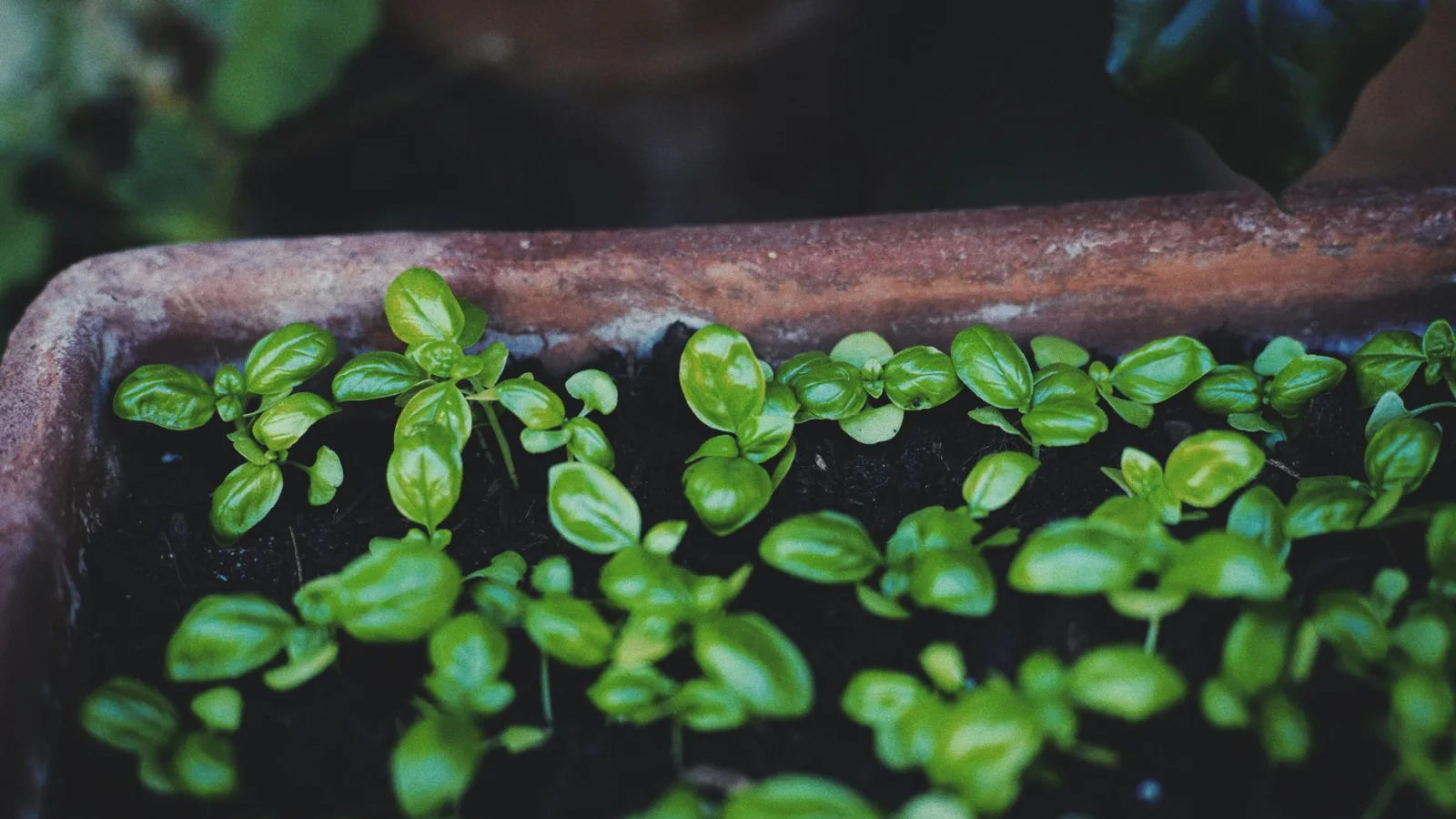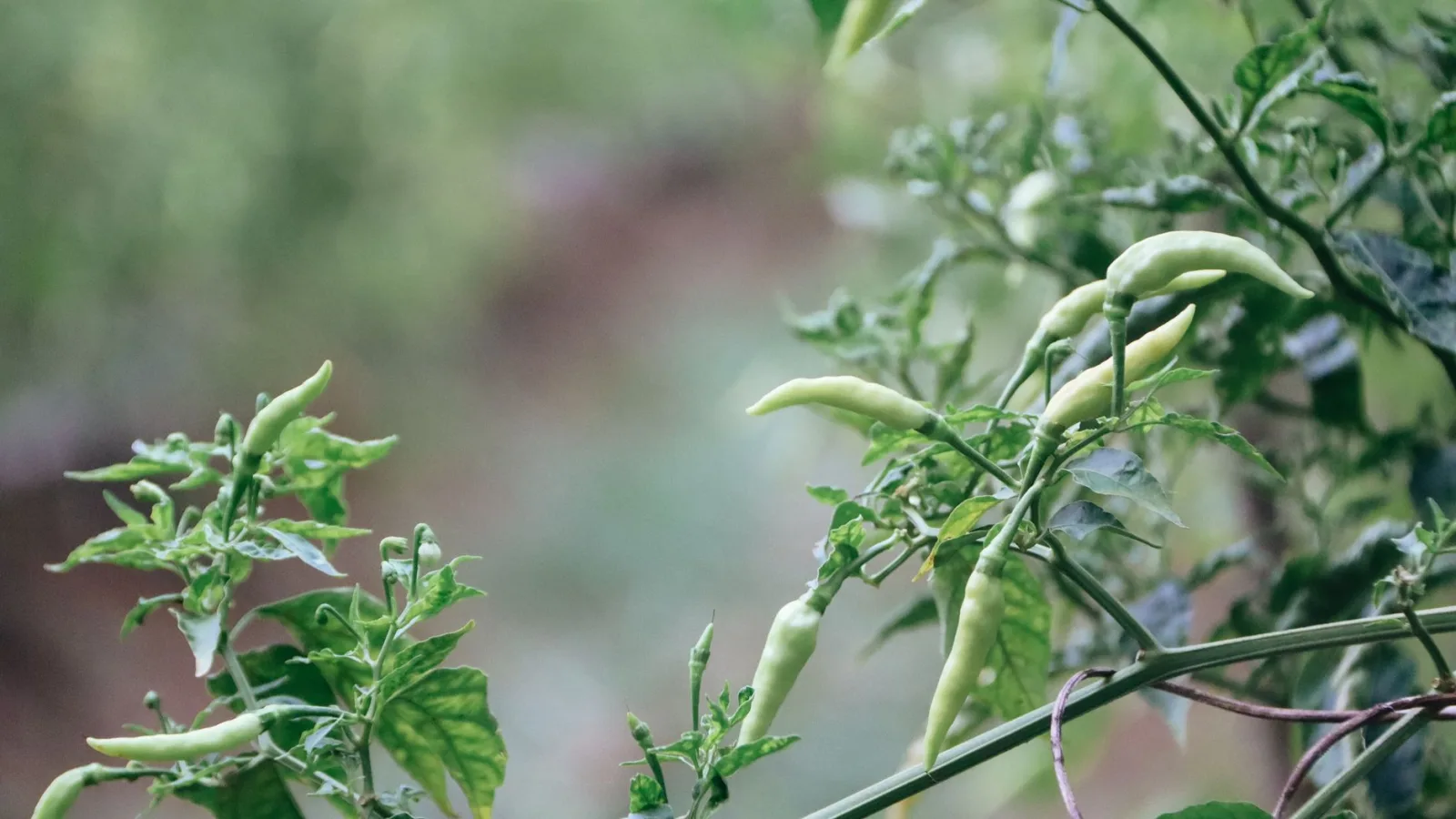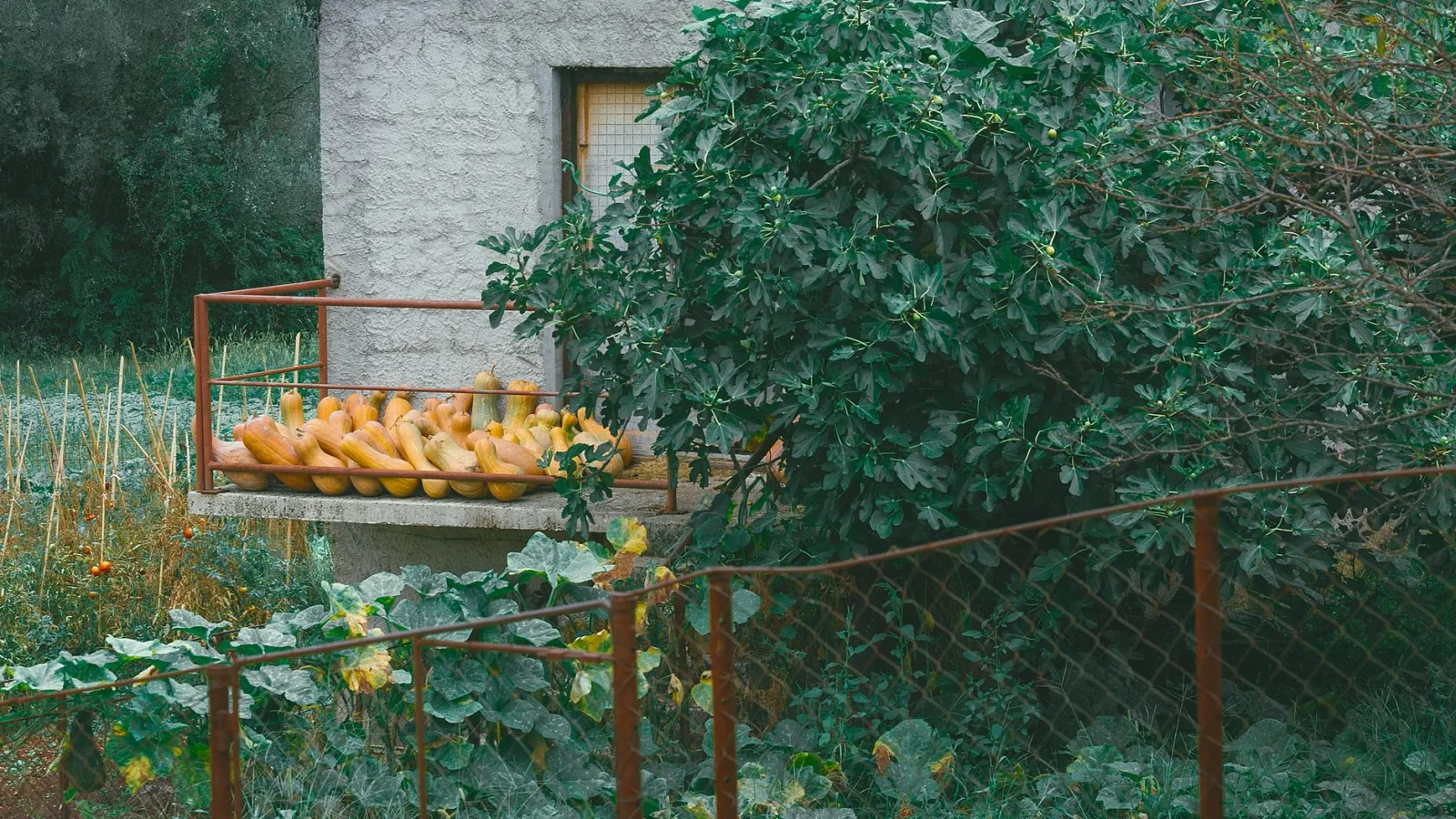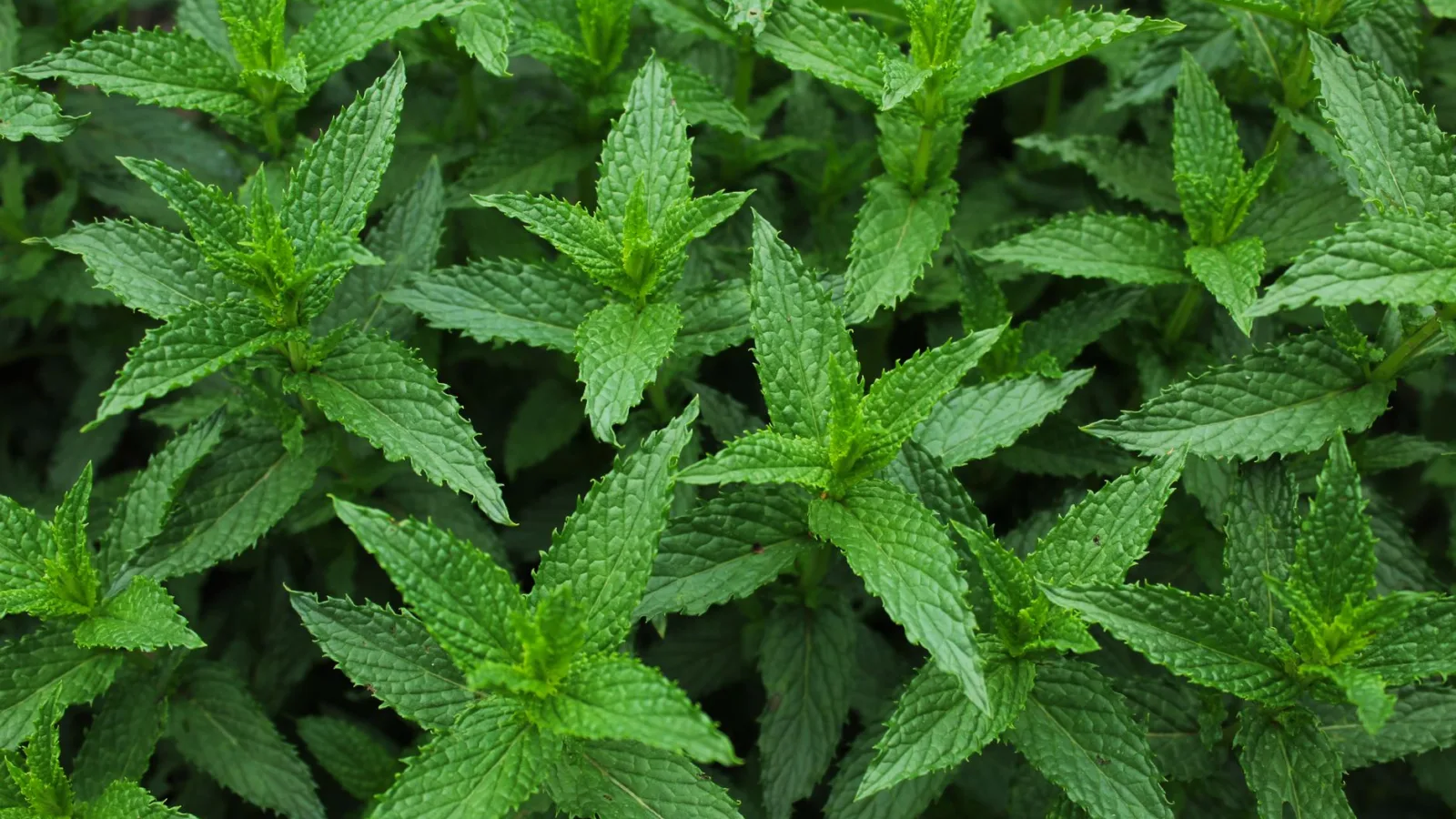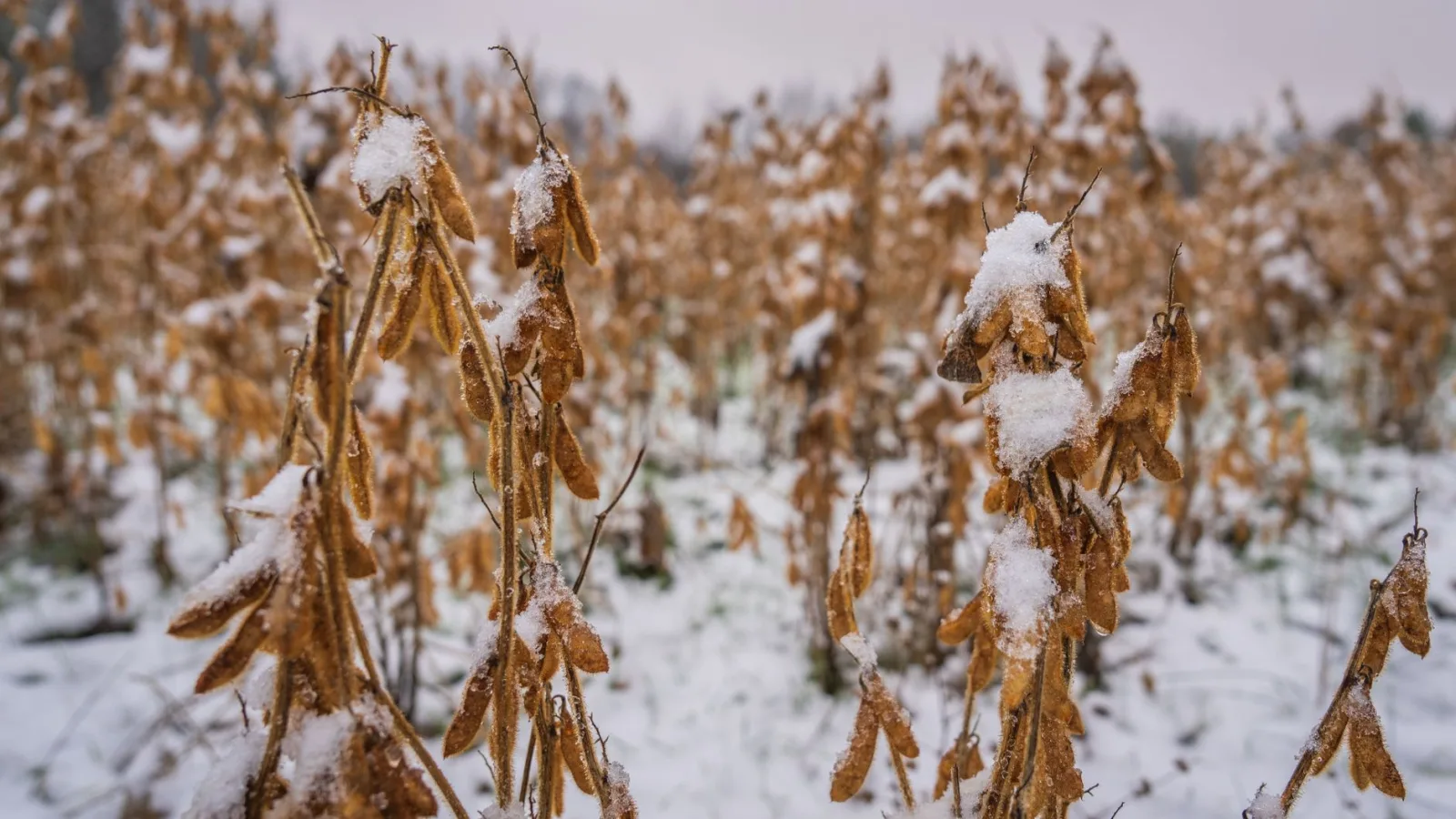
In September the kidney bean pods in the garden dry to a papery yellow. Rub one between your palms and the red beans tumble out. A single plant gives you less than one meal's worth. Yet growing enough feed for one cow would take hundreds of plots the size of that garden. What goes on the plate decides how much land gets used.
Change the diet, and farmland opens up
What happens if people around the world start choosing healthier diets? An international research team ran the numbers out to 2050. Herds shrink sharply, and the land that grew feed and hosted grazing is freed up. As the clearing of forest and grassland for farms comes to a halt, the greenhouse gases that came with it fall by as much as 85%. Over the same stretch, production of fruit, vegetables, nuts, and legumes climbs steeply.
That number isn't a measurement. It's a projection, and it moves with how much people actually change. But the fact underneath it is simple: for the same amount of protein, beef takes far more land than beans do. Study after study has confirmed that gap.
What beans and nuts do in the body
The diet the researchers used as their benchmark wasn't drawn up with land in mind. It was built around human health first, and only afterward did anyone calculate what it would mean for farmland. It comes out to roughly 500 g of vegetables and fruit a day, plus a handful each of legumes and nuts.
Legumes deliver plant protein and dietary fiber in the same bite. Fiber slows digestion, which flattens the spike in blood sugar after a meal. Evidence keeps accumulating that the unsaturated fat in nuts helps improve blood lipid levels. Some research suggests the isoflavones in soybeans ease menopause symptoms, though results vary so widely from person to person that it's too early to say for sure. Either way, read all of this as prevention and support, not treatment.
Leave one row for beans
The roots of legumes host rhizobia, nitrogen-fixing bacteria. They pull nitrogen out of the air, convert it into a form the soil can use, and leave it behind. Plant your next crop where the beans came out, and it will leaf out well on less fertilizer.
- Peas — They fill out best in cool weather. Ideal growing range 15–20°C (59–68°F). In the Northern Hemisphere, sow in March; where winters are mild, October or November works too. Canada, Russia, and China grow them in quantity.
- Kidney beans — Ideal growing range 20–25°C (68–77°F). In the Northern Hemisphere, sow in May and harvest in September. Give them something to climb and they'll go up instead of out, which suits a tight space.
- Chickpeas — Tough through drought. They want soil that drains well. India, Türkiye, and Australia are the main producers.
On this week's grocery run, turn one meal that would have had meat into a bean dish. Boiled chickpeas with nothing but olive oil and salt make a plate on their own. If you have a garden, give one idle row to peas this fall. Pick the pods in spring, follow them with leafy greens in the same soil, and one row feeds you twice.
Sources: the EAT-Lancet Commission report on the planetary health diet; an international research team's projection analysis of how a global dietary shift would affect farmland and land-use emissions