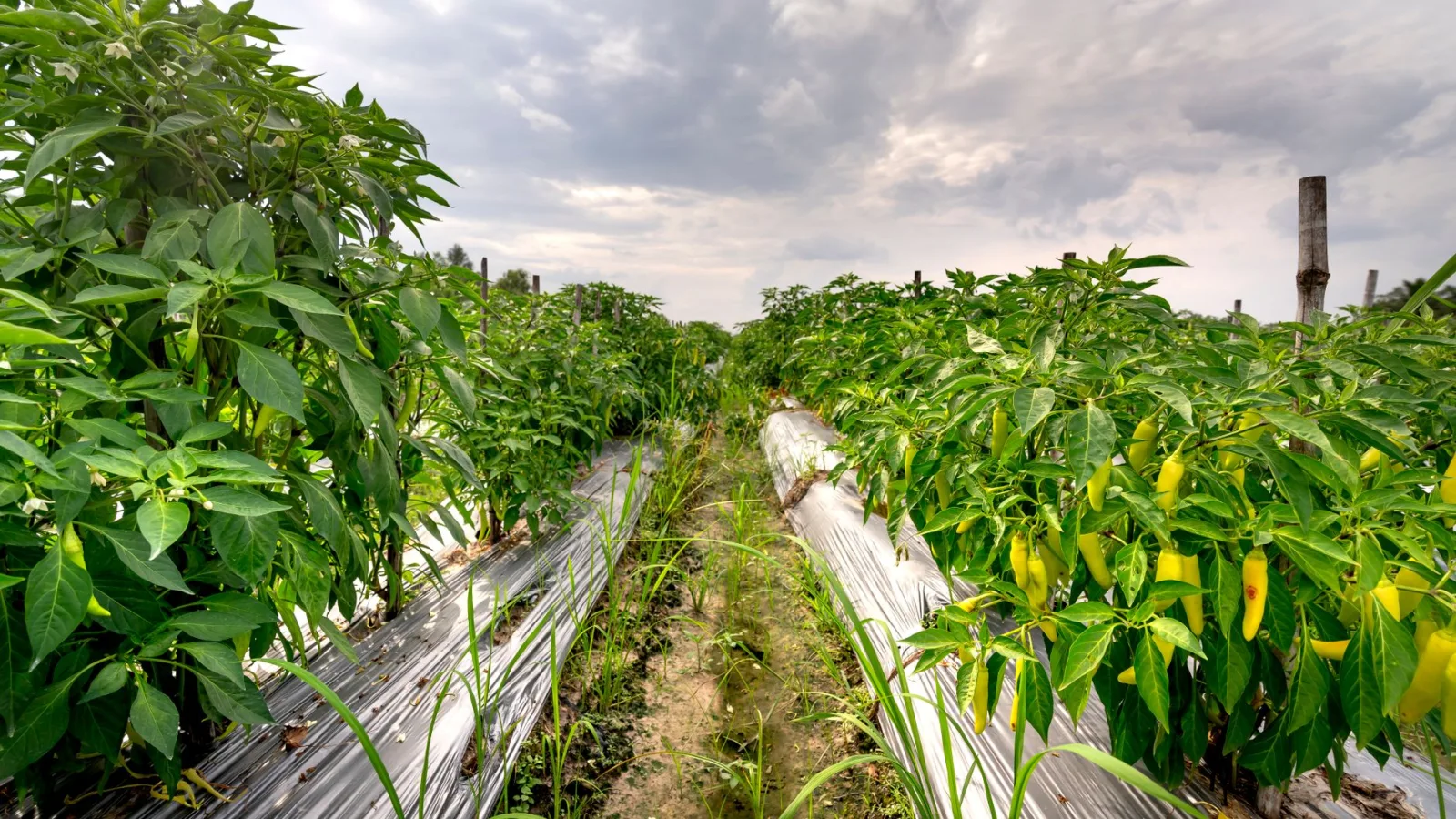
In September, the fruit ripens red on the chopi trees at the edge of the garden. Chopi (Zanthoxylum piperitum) is a prickly ash, the same plant Japan knows as sansho. When the thin husks split and you can see the black seeds inside, it's time to harvest. Reach for a branch and something pricks your fingertip. At every node, two thorns grow in a pair, one facing the other. Its look-alike, the sancho tree, doesn't carry its thorns in matched pairs like this, so the thorns are the first thing to check when you're telling the two apart. In southern Korea, chopi is also called jepi.
Plant a Female Tree If You Want Fruit
Chopi is a deciduous tree in the citrus family (Rutaceae), and it grows as separate male and female trees. If you want the husks, you need a female tree. If you only plan to use the leaves, either one will do. The sunnier the spot, the more fruit you'll get. Roots rot quickly where water pools, so try planting it at the edge of a slope or in soil that drains well.
It grows best at 15–25℃ and will grow anywhere between 5 and 30℃. It can handle a fair amount of winter cold, but its branches die back in spots that take cold wind head-on. A place sheltered by a wall or other trees is ideal. In the Northern Hemisphere, plant saplings in March or April and harvest the fruit in September and October. Korea and Japan are the main growing regions, and China grows a great deal of it as well.
Why Your Tongue Goes Numb
Put a little chopi powder in your mouth and your tongue starts to tingle and go numb. That buzz comes from a group of amides, among them hydroxy-α-sanshool. It works through a different pathway than capsaicin, the compound that makes chili peppers hot. This is a story about compounds and sensations. It has nothing to do with preventing or curing disease.
The aroma comes from other compounds. Essential oils such as limonene and citronellal give chopi its distinctive scent. They're volatile, so if you add chopi to a hot pot of soup early, the fragrance cooks off and only the numbness is left. The seeds contain fatty oil, and grinding them with the husks adds bitterness and an oily smell. Rub the dried fruit between your palms, pick out the seeds, and grind only the husks.
What the Dongui Bogam Recorded as 蜀椒
The Dongui Bogam, Korea's classic 17th-century medical compendium, lists the plant in its 木部 (Trees) section under the name 蜀椒. It describes it as hot in nature, pungent in taste, and toxic, and adds that some sources call it only mildly toxic. It says the plant looks like suyu (evodia) but is smaller and thorny. In the fourth lunar month it sets fruit among the leaves without flowering, round like adzuki beans, with purplish-red husks. It is gathered in the eighth lunar month and dried in the shade. The text gives 川椒, 巴椒, and 漢椒 as other names, and it also explains how to prepare it: remove the 目 (the "eyes," meaning the seeds), and don't use fruits that have stayed closed.
The same entry separates the plant by where it grows. Pepper from Sichuan is called 蜀椒 or 川椒, and pepper from Guanshan, in present-day Shaanxi, is called 秦椒. It describes 秦椒 as warm in nature and pungent in taste, and adds that some sources call it bitter. The text says its leaves, stems, and fruit look like those of 蜀椒, but its flavor doesn't last as long, its fruit is smaller, and its color is yellowish-black. It is gathered in the eighth and ninth lunar months. Still, sources disagree about which modern species the old name 蜀椒 refers to. Chinese herbals usually identify 蜀椒 and 川椒 as huajiao (Zanthoxylum bungeanum), the Sichuan pepper. Some Korean records apply the name to chopi. These are records from a historical medical text, and they are not the conclusions of modern medicine.
A Fingertip Pinch Is Plenty
So how much should you use? The powder is so aromatic that using even a little too much hides the flavor of everything else in the dish. Don't add it to the pot ahead of time. Serve the dish first, and let everyone add their own. Here's how to use it at the table.
- Chueotang (loach soup) and maeuntang (spicy freshwater fish stew): Cooks have long used chopi to cover the muddy taste of soups made with freshwater fish. A fingertip pinch per serving is plenty.
- Kimchi and jangajji: In southern Korea, cooks add chopi leaves or powder to kimchi seasoning. A tiny amount is enough; too much and the chopi's scent buries the flavor of the kimchi. Jangajji (soy-pickled vegetables) made from tender young leaves are served as a side dish with rice.
- Tofu and namul (seasoned greens): Paired with sesame oil, the aroma spreads evenly through the dish. The fragrance fades if dressed dishes sit too long, so eat them right away. They taste good even without much salt.
If you have a chopi tree in your garden, go out today and pick only the fruit that has turned red and split open. Dry it completely in the shade, pick out the seeds, and grind just the husks. Keep the powder in a small jar, and all winter you'll have a fingertip pinch for every bowl of soup.
Sources: Dongui Bogam, 木部 (Trees), 蜀椒 · Korea National Arboretum, Korea Biodiversity Information System · Rural Development Administration, Nongsaro