When early summer fills the garden with lettuce and garlic chives, a lot of us start putting raw vegetables on the dinner table. We know vegetables are good for us. What's less clear is exactly how they act on blood pressure and blood vessels. In 2026, a study went looking for that pathway at the level of our genes.
The gene that regulates fat production
Fat and cholesterol are manufactured in the liver. The proteins that control how much gets made are called sterol regulatory element-binding proteins (SREBPs). The genes for these proteins differ slightly from person to person—small variants—and those differences can affect how fast and how much fat the body synthesizes.
When too much fatty material accumulates inside a blood vessel, the vessel wall stiffens and blood pressure climbs. Researchers began to ask whether SREBP gene variants might also show up in blood pressure numbers.
What a study of young adults found
A study published in a European pediatrics journal in 2026 analyzed the relationship between variants in the SREBP1 and SREBP2 genes and 24-hour ambulatory blood pressure in 510 Chinese college students. Participants carrying certain SREBP1 variants measured roughly 1 to 2 mmHg higher in both 24-hour average systolic pressure and daytime systolic pressure. Variants in SREBP2 tended to come with higher daytime diastolic pressure as well.
These results are still closer to an early observation than a conclusion. After the various statistical adjustments, the effects were no longer definitive, and the research team presented them as a first clue rather than a finding. It's too soon to say that genes determine blood pressure. What the study does show is that genes governing fat metabolism may have a hand in how blood pressure is regulated.
Garden vegetables and vascular health
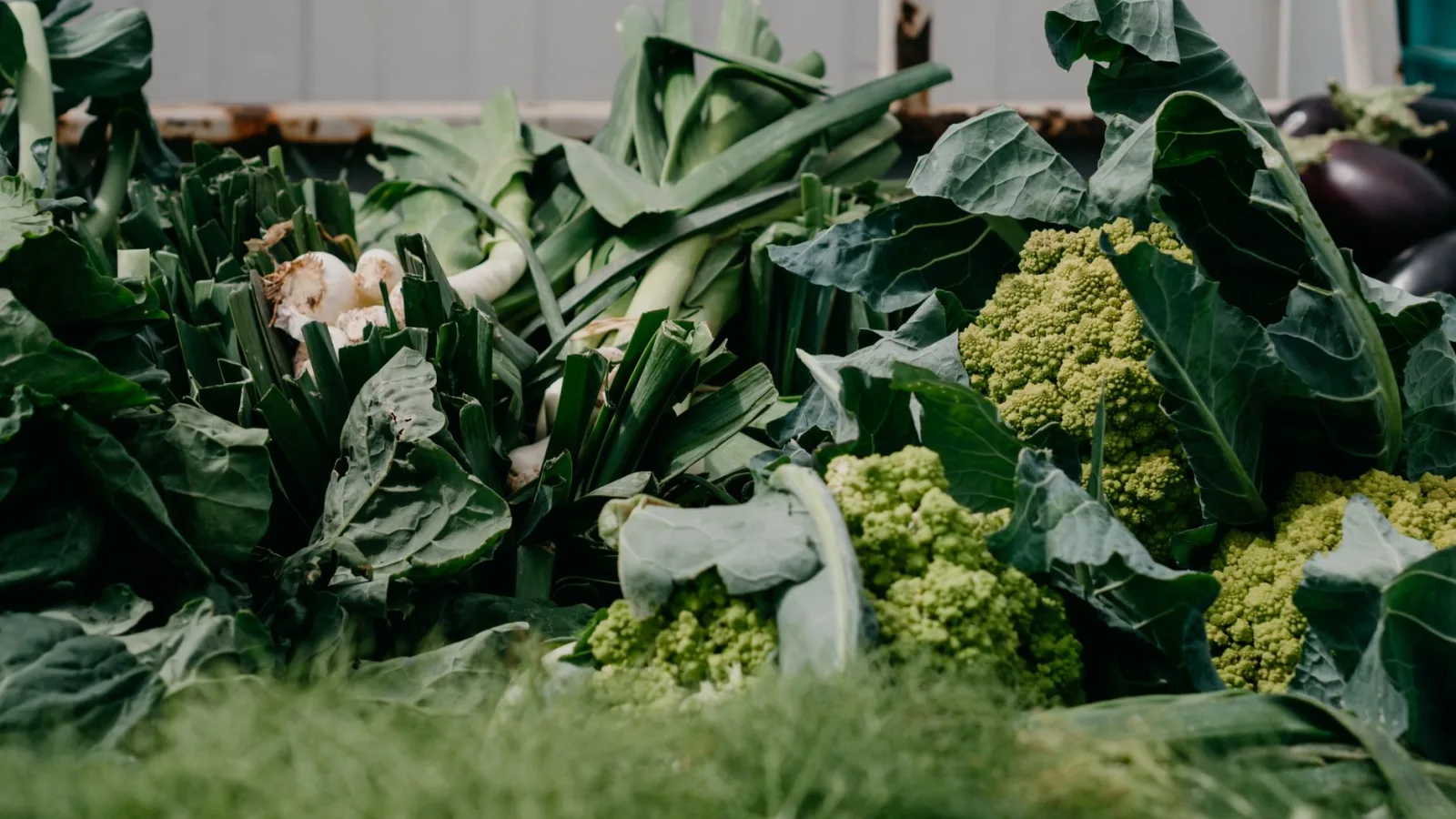
Gene variants aside, what you eat affects how your body handles fat. Several of the vegetables you can grow yourself are good for your blood vessels.
- Garlic: Allicin helps blood vessels relax. The Dongui Bogam, the classic Korean medical compendium, likewise records garlic as an ingredient that promotes circulation.
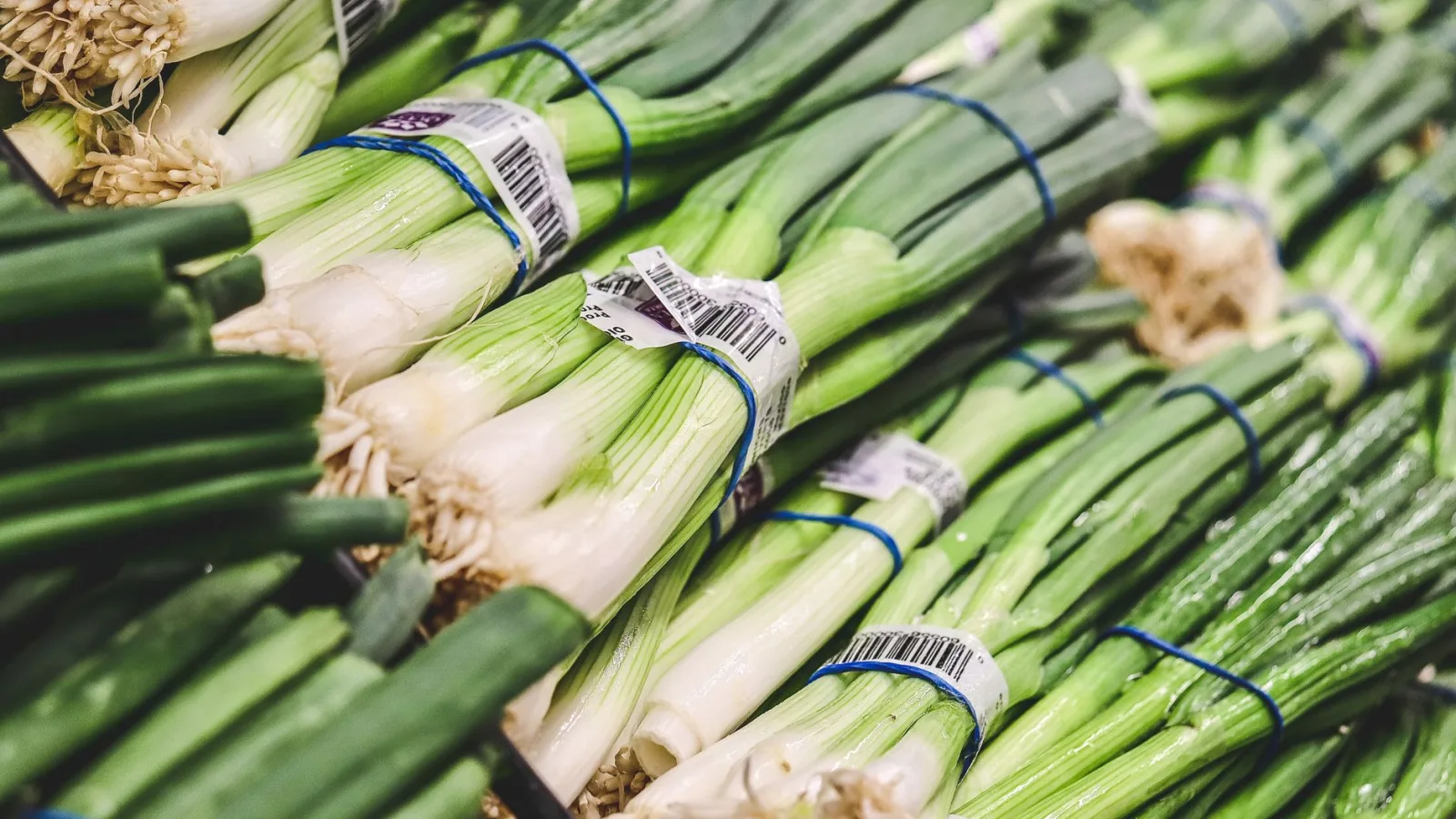
- Garlic chives: High in potassium, which helps flush out excess sodium. Balancing sodium and potassium is central to keeping blood pressure in check.
- Lettuce: The nitrates in the leaves convert to nitric oxide in the body, easing tension in the vessel walls.
- Cherry tomatoes: A number of studies suggest lycopene helps reduce inflammation in blood vessels.
All of these are low in sodium and rich in dietary fiber. Unlike a diet heavy in fat and salt, they don't push your body to synthesize fat it doesn't need.
This summer, try growing garlic and garlic chives together. It's the easiest thing you can do for your blood vessels.