Every so often, a few plants in one corner of the soybean bed just seem to give up. Their leaves turn yellow long before they should, and they stand barely half as tall as their neighbors. Pull one up and you'll find a skimpy root system with hardly any fine roots. They got the same water and the same compost as everything else, so why is only this spot struggling? Very often, the culprit is a pest you can't see, tucked away inside the roots.
An Invisible Worm That Burrows Into Roots
The soybean cyst nematode is a tiny roundworm less than 1 millimeter long. After hatching, the young nematodes tunnel into soybean roots, settle into one spot, and feed on the nutrients the roots are pulling up from the soil. Robbed of that nourishment, the plants stop growing, their leaves yellow early, and their pods never fill out properly. Worldwide, soybean farmers lose billions of dollars' worth of harvest to this pest every year. Because the damage looks a lot like drought or poor soil, growers often don't figure out what's really going on until late in the game.
When a female dies, her body, still packed with eggs, hardens into a tough little case called a cyst. Protected inside, the eggs can survive in the soil for years, even through winters with no soybeans in sight. That's why, once this nematode shows up in a garden, it's so hard to get rid of.
A Built-In Defense: One Small Change in an Enzyme
Researchers at the University of Missouri are studying how soybeans can hold their own against this nematode. The answer appears to involve an enzyme the plant makes on its own. This enzyme helps cells handle nutrients, and in certain soybean varieties, the gene that produces it carries a small variation. In plants with this variation, the nematode can still set up a feeding site inside the root, but that site doesn't hold up well, making it hard for the nematode to grow and reproduce.
The team is working step by step to pin down exactly how this variation stops the pest. Once they understand the mechanism, they expect it could help breeders develop soybeans that resist nematodes with less reliance on pesticides. Several resistant varieties already carry this trait, so the approach builds on defenses nature already provides to cut down on pest damage.
Protecting Soybeans in Your Garden
In a home garden, too, soybean cyst nematodes can linger in the soil for a long time once they've moved in. Before you plant, keep a few things in mind.
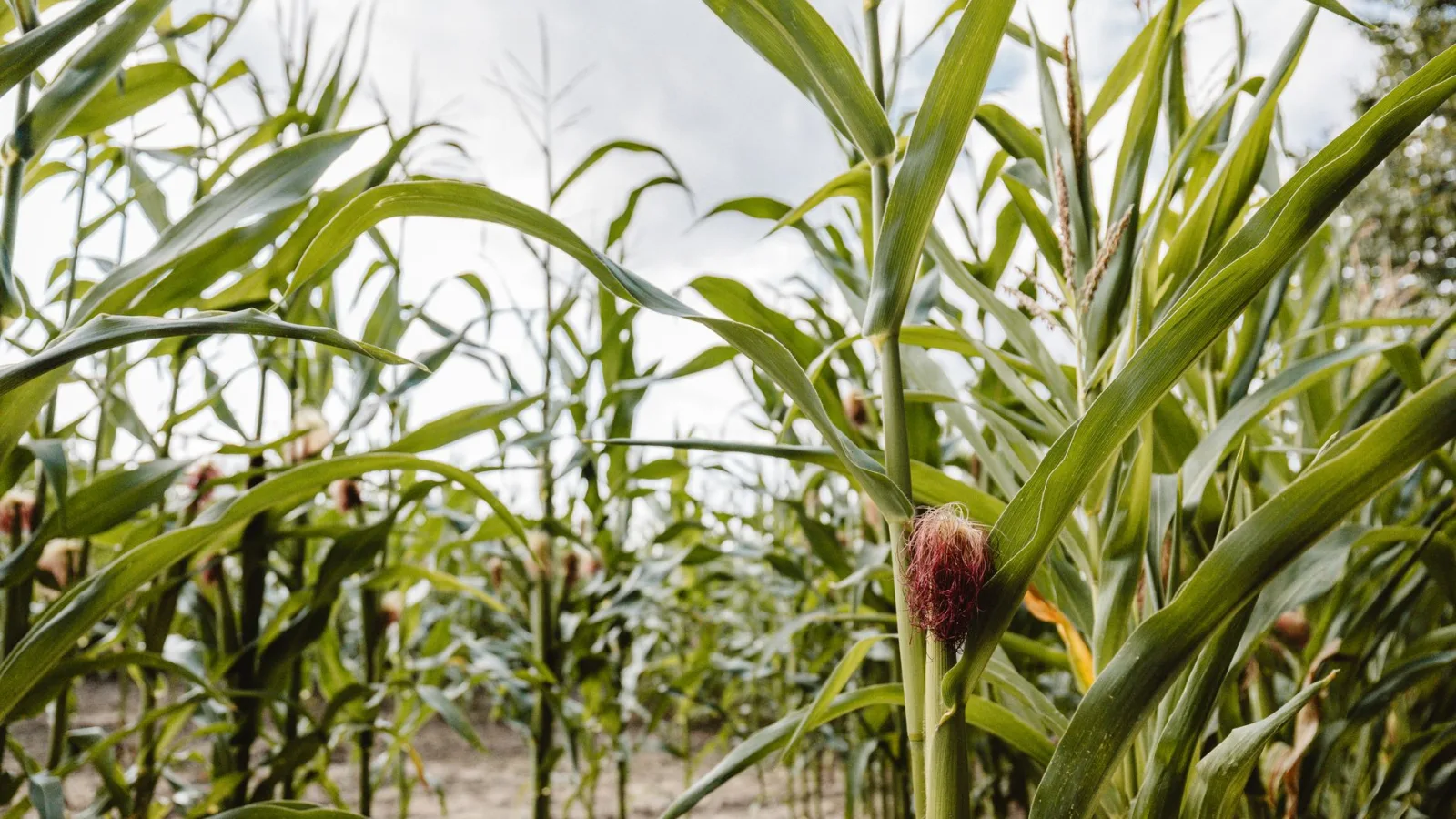
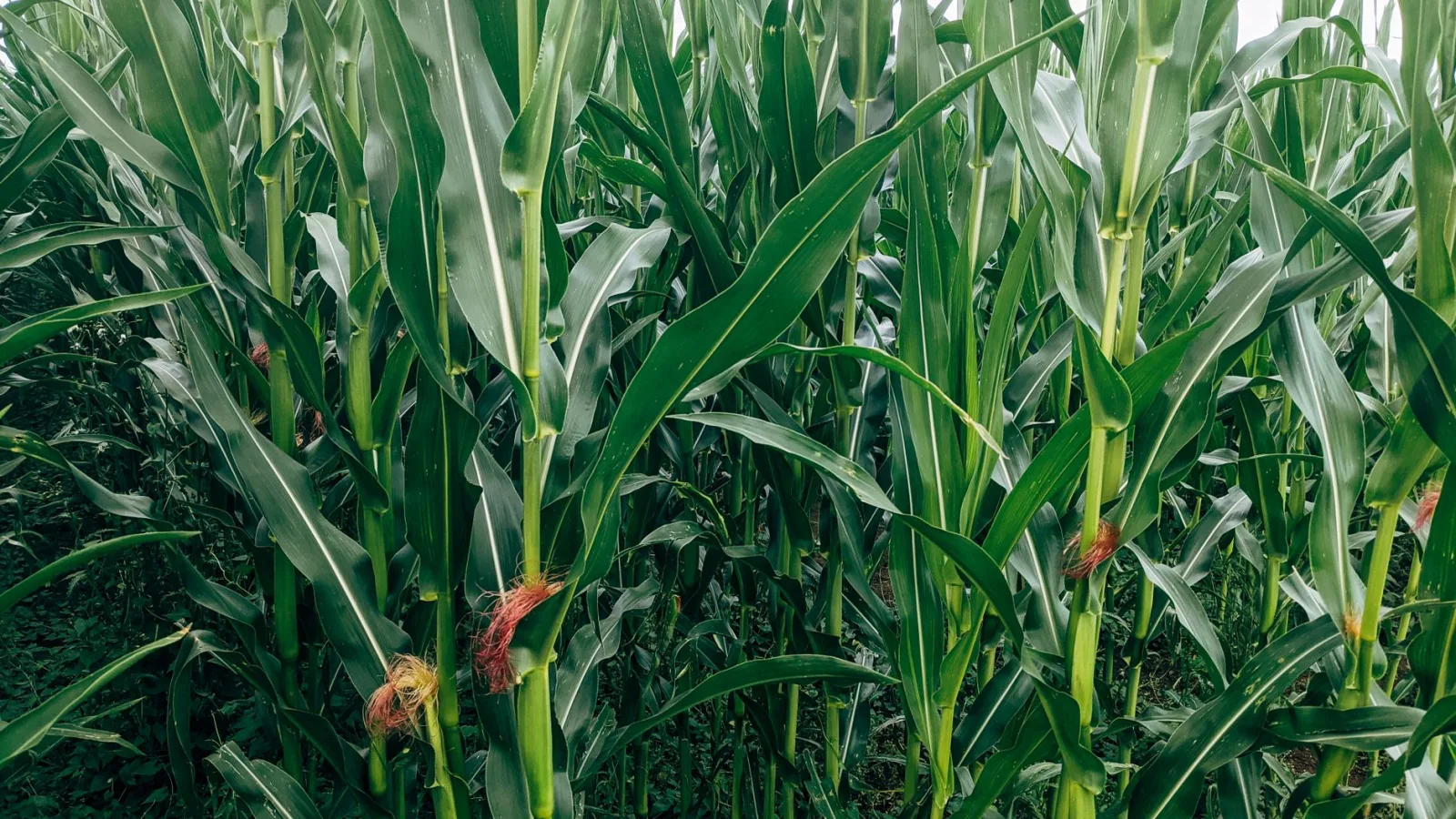
- Don't plant soybeans or adzuki beans in the same spot year after year. Rotate them with grass-family crops like corn or rice instead. Without the roots they love, nematode numbers drop.
- If you spot a plant that's clearly stunted, pull it up and check the roots, and don't move that soil to other beds. Nematodes can also hitch a ride in dirt stuck to your shoes or tools.
- If you can find varieties labeled as nematode-resistant, give them a try. Using the same resistant variety for many years in a row makes it less effective, so switch things up with other varieties now and then.
Soybeans are a constant presence at the Korean table, showing up as tofu, doenjang (fermented soybean paste), and soybean sprouts. This year, when you're deciding where to plant your soybeans, take a moment to remember what grew in that spot last year. A little crop rotation is the easiest way to protect your soybeans from a pest you'll never see.