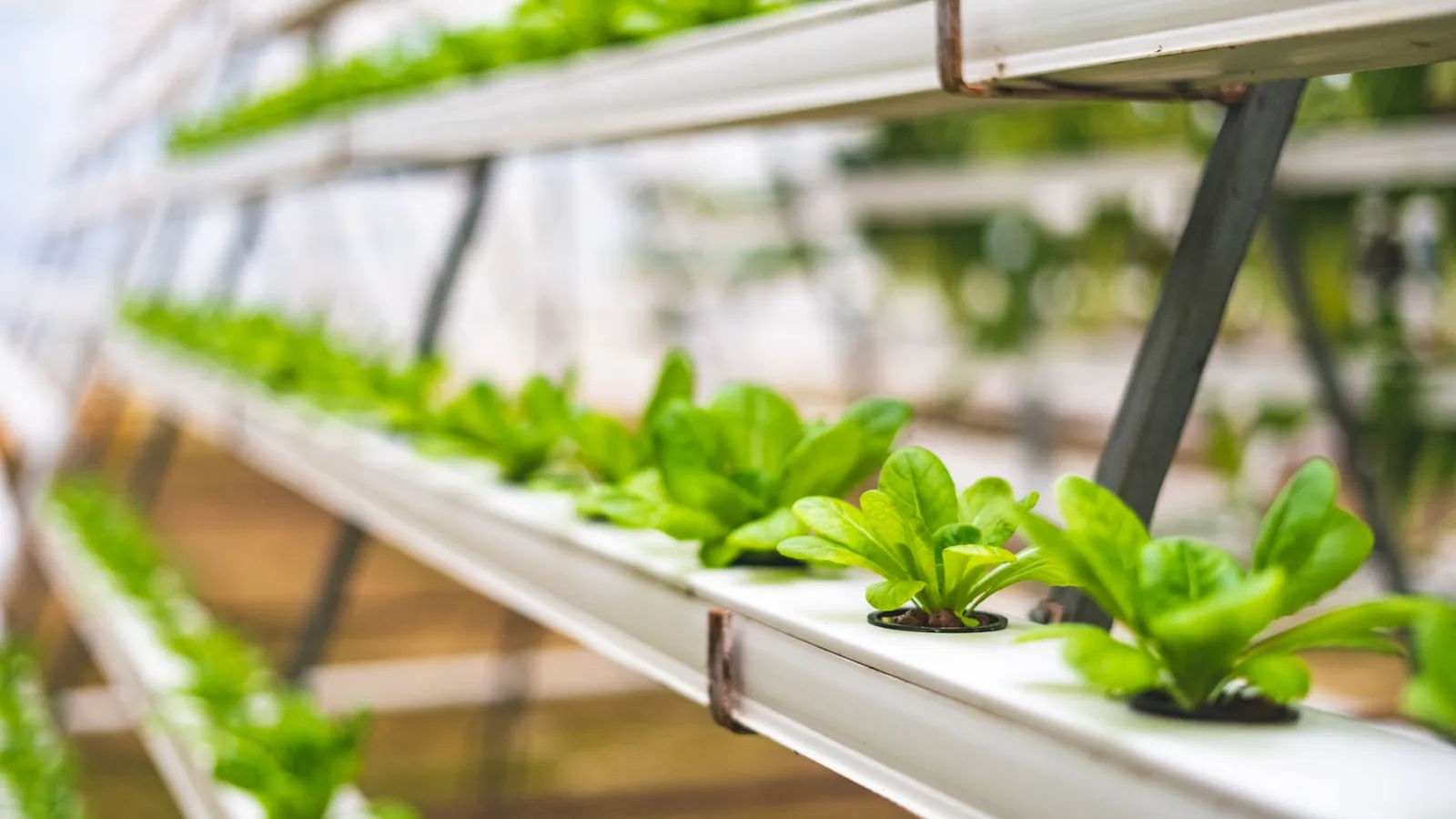
It's October in the Northern Hemisphere. The lettuce sown in late August has grown to the size of your palm. Pick the outer leaves and new ones push up within days, so even a single row keeps lettuce on the table almost every night. Around this time of year, some of the readers who find us by searching for lettuce arrive with the same question: "I'm on warfarin. Can I eat as much lettuce as I like?"
Lettuce leaves are fairly rich in vitamin K, and warfarin works by keeping vitamin K from doing its job. So the more useful question isn't whether you can eat lettuce, but how consistently you eat it.
What the Vitamin K in Lettuce Does in Your Body
Vitamin K is a fat-soluble vitamin. Your liver uses it to make the proteins that clot blood (clotting factors), which is what stops the bleeding when you cut yourself. Along with vitamin K, lettuce leaves carry a fair amount of beta-carotene, plus folate, a water-soluble B vitamin. Red-leaf varieties add anthocyanins on top of that.
How much vitamin K you get depends on the variety and the color of the leaf. Deep-green types like leaf lettuce and romaine generally have more, while crisphead lettuce (iceberg), with its pale, tightly packed heart, has less. Even within a single head, analyses have found more vitamin K in the sun-exposed outer leaves. You'll find lettuce's nutrient profile and sowing months in the Homiclub lettuce crop guide.
Why the Amount Matters If You Take Warfarin
Your liver recycles vitamin K after each use. Warfarin blocks that recycling, so the liver makes fewer clotting proteins. Blood clots more slowly, and the risk of a clot (a thrombus) forming inside a blood vessel goes down. Your care team tracks this effect with a blood test called the INR (International Normalized Ratio) and adjusts your dose to match.
The catch is that a sudden jump in dietary vitamin K can blunt the drug, letting blood clot quickly again. The reverse is just as real: if you abruptly stop eating the lettuce you usually eat, the drug can work harder than intended and raise your risk of bleeding. A little more or a little less for a day or two won't change much. But a big increase or decrease sustained over several days can shift your test results. Because your dose was set against your usual diet, the thing to watch isn't eating lettuce. It's a large change in how much you eat.
Not all blood thinners are the same drug. The vitamin K interaction belongs to warfarin and its relatives, and other classes of oral anticoagulants are a different story. If you're not sure which kind you're taking, ask the doctor or pharmacist who prescribed it first.
Intake Swings Wildly When the Harvest Comes In
In the Northern Hemisphere, lettuce is sown in March–April and August–September, with the heaviest harvests in May–June and October–November. It thrives in the cool weather of spring and fall. If you live in the Southern Hemisphere, shift this calendar by about six months.
When you buy lettuce, you eat what you bought, so the amount is easy to gauge. A garden is different. In peak season the plants give up a basketful of leaves every day, and because it feels wasteful to throw any away, you end up piling it onto every meal as ssam (leaf wraps) and salads. Then the midsummer heat sends up flower stalks. The milky sap in the stems increases, and compounds in it like lactucin turn the leaves bitter. Many gardeners pull the plants at that point and sow the next crop, and in the dead of winter the bed sits empty and intake drops off a cliff. Over the course of a year, how much lettuce you eat rises and falls with the garden calendar.
If you take warfarin, those turning points are the ones to watch. If you started eating lettuce wraps at every meal the week the harvest began in late May, mention it to your care team at your next blood test.
How to Keep Your Intake Steady
Rather than avoiding vegetables that contain vitamin K, most clinicians recommend eating about the same amount every day. Here's how that can look in the garden.
- Decide on a number of leaves per day. Counting the leaves you use for a meal of wraps makes it easy to compare one day with the next.
- On a day when you harvest a big batch, share with the neighbors. Shake the water off the picked leaves and keep them in the fridge, and they'll last several days.
- Keep how you eat it consistent, too. Vitamin K needs fat to be absorbed, so on days you eat lettuce with an olive-oil dressing or alongside meat, you take in more of it. If you alternate between salads and wraps, don't change that ratio much either.
- Count other vitamin K–rich greens, like spinach and kale, in the same tally. Gram for gram, kale has more vitamin K than lettuce, so cutting back on lettuce while adding kale can leave you taking in more vitamin K, not less.
- When harvest season begins or ends, tell your care team how your diet has changed, timed to your blood-test schedule.
For anyone not on warfarin, lettuce is an easy way to get vitamin K, beta-carotene, and folate in one leafy green. If you do take warfarin, the same lettuce is still on the menu. Keeping the amount steady just comes first. If lettuce wraps are on the table tonight, count the leaves and jot the number on your calendar.