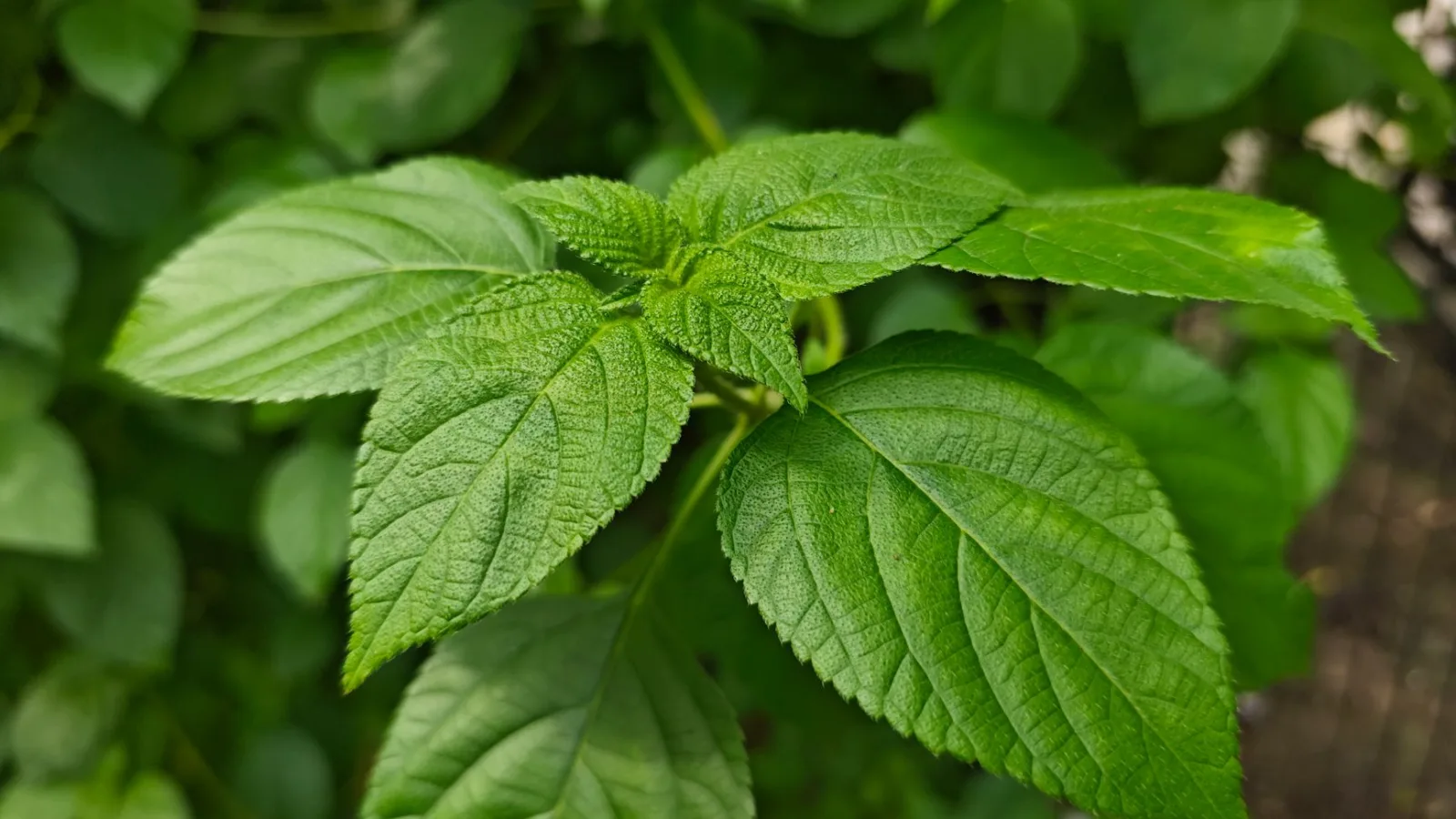
Once the rainy season sets in, perilla in the garden grows visibly by the day. New leaves push up where you picked yesterday, and the foliage layers up between the stems until it casts its own shade. Start picking and your basket fills in no time, leaving you wondering how you'll ever get through it all. Here's how to hold on to the scent of midsummer perilla — the season when it's at its strongest — and stretch it out over days of eating.
Why midsummer perilla smells strongest
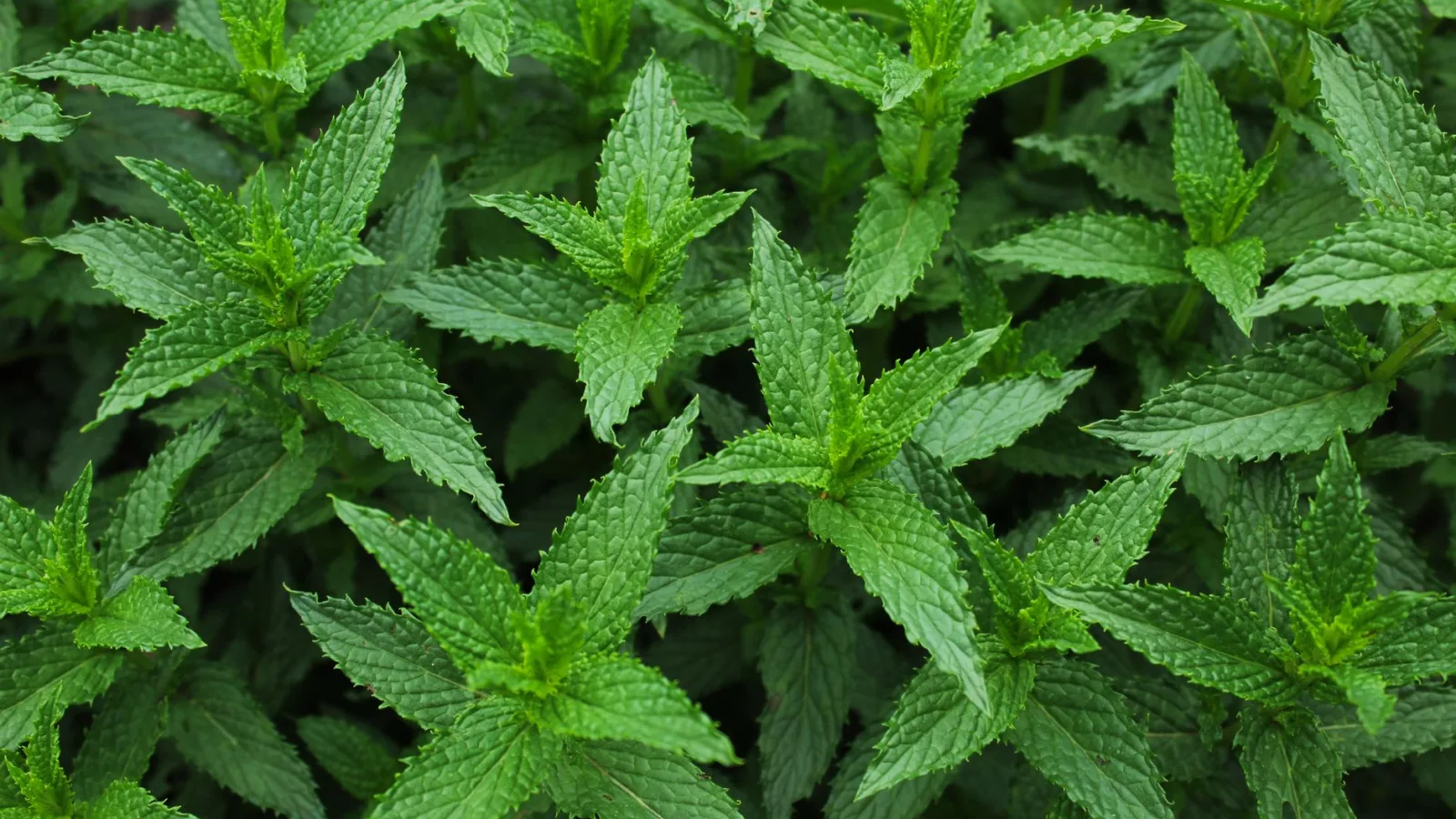
The more sun perilla gets, the thicker its leaves grow and the deeper the fragrance runs. From late June through August, when temperatures climb and daylight stretches long, the tiny scent glands on the underside of each leaf produce the most of that signature aroma. That's why the upper and lower leaves on the very same plant don't smell alike. Upper leaves are more fragrant with firmer flesh; lower leaves are tender but milder in scent. For ssam — leaf wraps for grilled meat — reach for the middle leaves. For pickling or making perilla kimchi, the sturdier upper leaves hold up better and give you a cleaner result.
Once the rains pass and the leaves start growing too fast, the fragrance can thin out. When that happens, leave the plant alone for a few days and then harvest all at once — the scent comes back stronger. If you're growing your own, resist leaving too many leaves on a single stem. Keep about four or five pairs from the top and clear out the rest. The plant's energy concentrates in the upper leaves, and both scent and thickness return together.
What perilla does for you
Among leafy greens, perilla is known for its relatively high calcium and iron content, which helps replace the minerals you sweat out in summer. The deep green leaves also carry beta-carotene, which is why they're often recommended for skin that's had a long season in the sun. That distinctive fragrance comes from a compound called perillaldehyde, and because it cuts through fishy and gamey notes, perilla has long been eaten alongside raw fish and meat.
Traditionally, perilla has been treated as a vegetable that warms the stomach and wakes up the appetite. When summer heat kills your appetite and your stomach feels heavy and cold, a few leaves on the side make the whole meal go down easier. That said, the flavor is strong — rather than eating a pile at once, four or five leaves with each meal, consistently, sits better. If you take certain medications, it's worth checking with your doctor about perilla's high vitamin K content.
How to keep them from wilting
Summer perilla will darken along the leaf edges within half a day of picking. There are two main reasons. Water left on the leaves dries and scorches the edges, and the cut end of the stem dries out, pulling moisture from the entire leaf. Good storage comes down to preventing both.
- Don't wash them right after picking — leave them as they are. Rinse just before you store them, then pat each leaf dry with a paper towel.
- Trim about 1mm off the stem ends with scissors, then stand the stems in a small cup with 1cm of water. Drape plastic loosely over the top and refrigerate; the scent will hold for close to a week.
- If it's more than you can finish at once, layer the leaves in an airtight container with a paper towel between each one. The leaves won't press against each other, and they darken noticeably more slowly.
- Freezing won't preserve the fragrance. But if you blanch them for just 5 seconds, cool them, and roll them into small handfuls to freeze, you can drop them straight into doenjang stew (fermented soybean paste), savory pancakes, or dumpling filling.
Keep the leaves dry, keep the stems wet. Just those two things will carry midsummer perilla through a week.
What to make with a big harvest
On days when you bring in a whole basket, it's easier on the mind to deal with all of it at once. The least fussy route is a soy sauce pickle. Mix soy sauce (boiled and cooled), vinegar, and a little maesil-cheong — green-plum syrup — at a ratio of 1:1:0.5, pour it between the leaves, and it's ready in three days. Perilla kimchi, where you brush each leaf with a seasoning paste of minced garlic and chili and stack them in layers, is ready to eat that same evening — one of its best qualities.
When you want something different on the table, try perilla in pasta. Slice the leaves into ribbons, add them to garlic and olive oil, and warm them through at the very end; the aroma that rises off the noodles is its own thing, nothing like basil. With grilled fish or boiled pork, lay down a single whole leaf underneath — it tames any fishiness and the scent lingers in your mouth.
If you brought in a basketful from the garden today, start by trimming the stem ends and standing them in a cup of water. That alone will change the perilla on your table tomorrow morning.