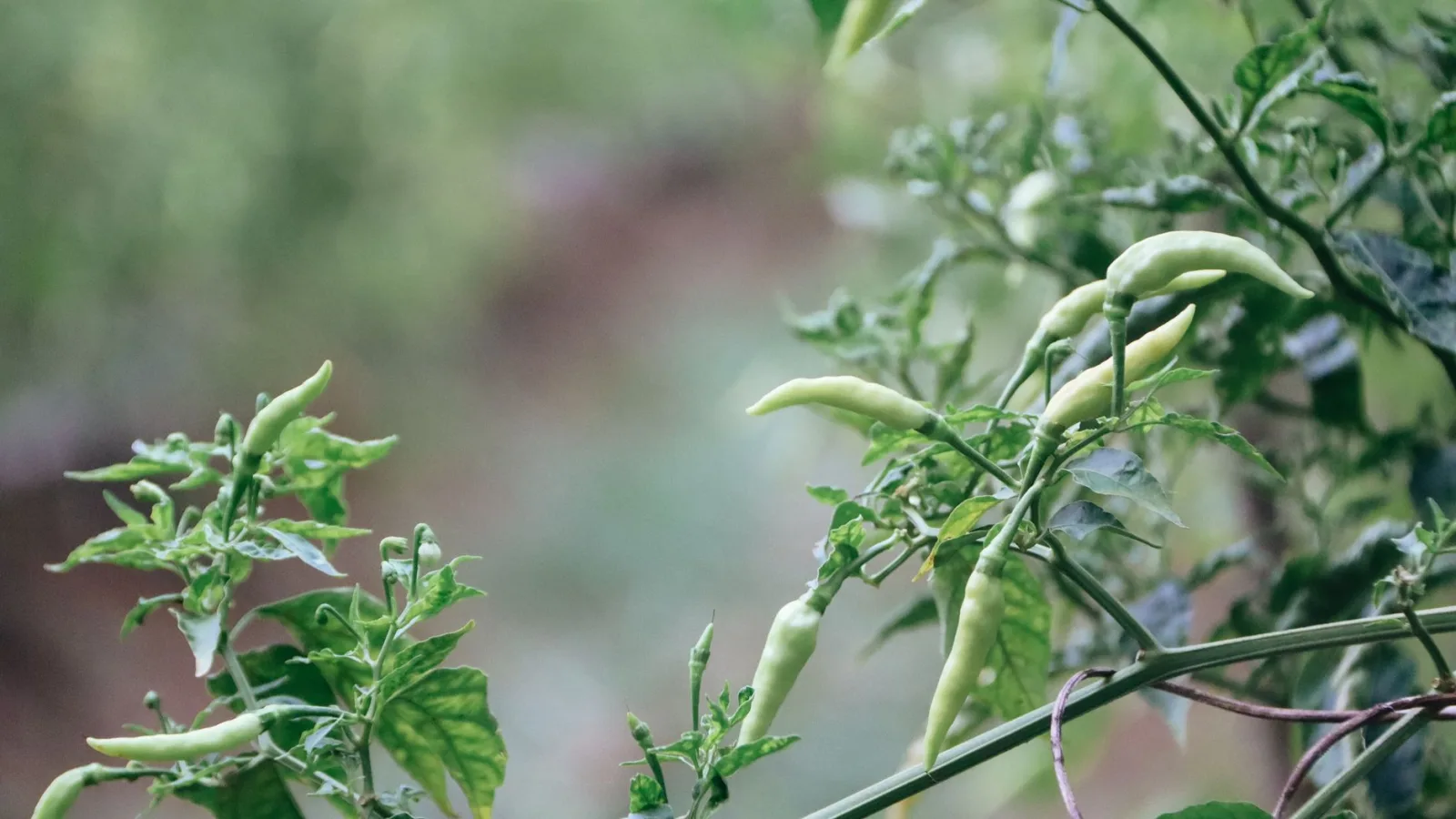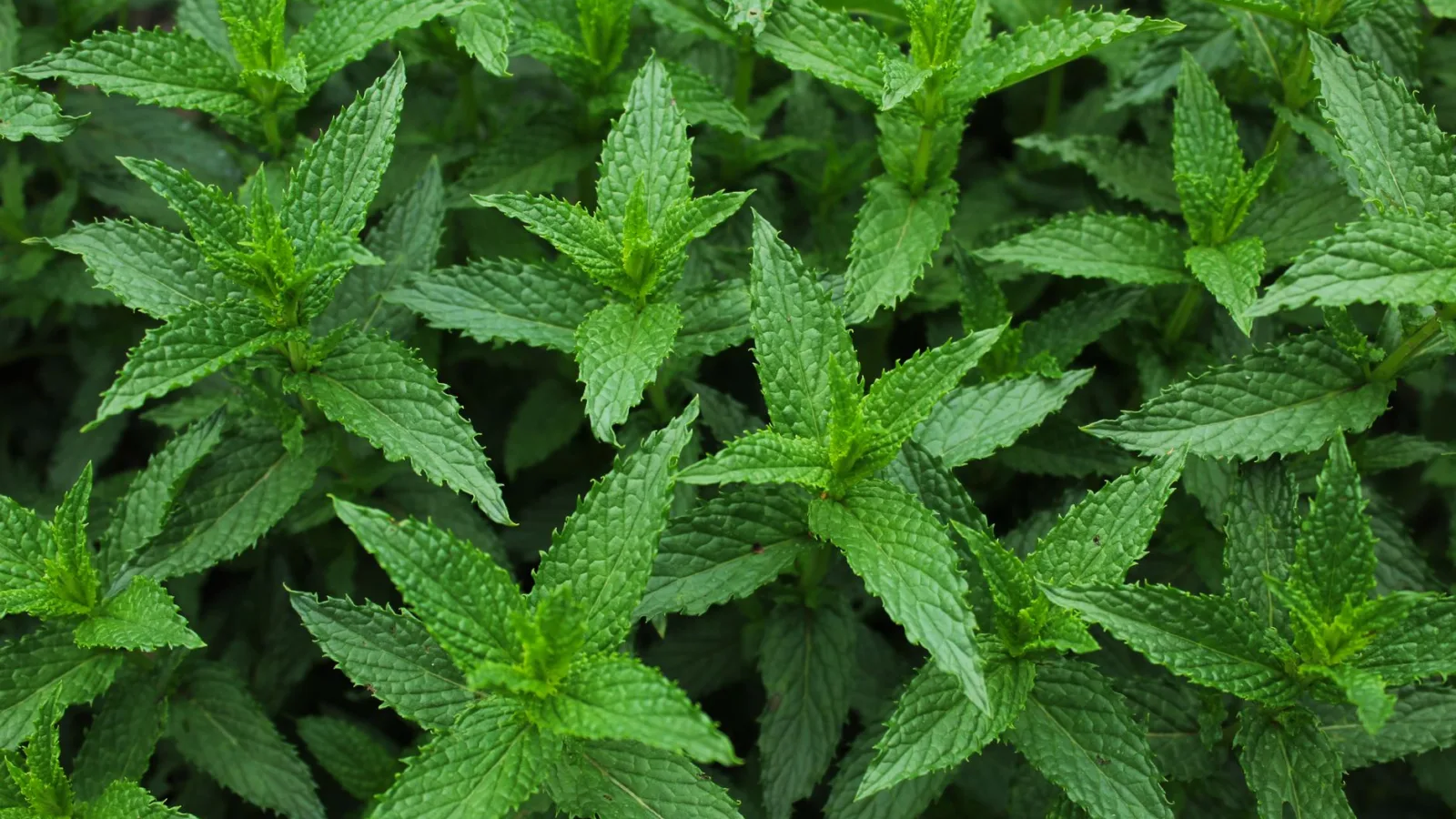
In October, the yacon in the corner of the garden plot is still green and leafy. Above ground it looks much as it did in midsummer, but underground its tuberous roots have been filling out. Yacon comes from the cool, sunny middle elevations of the Andes. It grows best at 18–25°C (about 64–77°F), so it does better in spring and fall than in the heat of midsummer. It doesn't handle cold well. A frost will wilt the leaves and stems that same day, but the roots underground come through unharmed. If you set out seedlings in May or June, you can harvest anytime from mid-October through November.
Peel a freshly dug root and take a bite. It's crisp, cool and sweet. Once you know how far that sweetness travels through your body, it's much easier to decide how much to eat at one time.
Sweet, but Not Digested
Much of the sweetness in yacon roots comes from fructooligosaccharides (FOS). Lab analyses of the root have confirmed that human digestive enzymes can't break these sugars down. They pass through without being absorbed and travel all the way to the colon intact.
Your tongue registers them as sweet, but for all that sweetness, your body gets relatively few calories from them. That's why yacon is known as a root vegetable that's low in calories for its size.
Fermentation in the Colon
Once these fructooligosaccharides reach the colon, the microbes living there ferment them. Fermentation produces gas, so eating a lot at once can leave your stomach rumbling or your stools loose. The low calorie count and the digestive discomfort both come from the same fact: these sugars don't get digested.
So start with just a few peeled slices of yacon. Pay attention to how your stomach feels over the next day or two, then increase the amount little by little.
How Much Can the Research Tell Us?
Yacon is native to the Andes of Peru and Bolivia, and it also grows wild in Ecuador. Today it's widely cultivated in Japan as well. It reached Korea in the mid-1980s, and more growers took it up from the 1990s on. That's why it doesn't appear in older texts such as the Dongui Bogam, a Korean medical classic of the Joseon dynasty published in 1613. Its effects on the body can be judged only through analysis of what the root contains and through recent studies.
Most studies in people have given participants yacon syrup as a supplement. The syrup is made by pressing juice from the roots and boiling it down. Results have differed from one trial to the next, and reviews that pooled several trials haven't reached a consistent conclusion either. Eating a fresh, peeled root is not the same as taking a fixed daily dose of concentrated syrup, starting with how concentrated the sugars are. For now, the evidence tells us what yacon contains, not what it does for your health. Rather than eating more in hopes of a health benefit, enjoy yacon as a vegetable that's low in calories for how sweet it is.
How to Enjoy It Raw
Yacon is easy to eat raw, with no cooking needed. Peeled yacon browns quickly. A little lemon juice or vinegar slows the browning and adds a touch of tartness.
- Salad: Toss thinly sliced yacon with lettuce and carrots for extra crunch and a gentle sweetness.
- Yogurt: Try diced yacon with plain yogurt and a little honey. Some say that eating it with the beneficial bacteria in yogurt is even better for your gut, but that claim goes beyond the research described above. It's best enjoyed simply because the flavors go well together.
- Mul-kimchi: Add julienned yacon to mul-kimchi (a mild "water kimchi" served in its own tangy brine), where the root's sweetness balances the sour broth.
The part you eat is the tuberous root. Some people dry the leaves and brew them as tea, but we don't recommend yacon leaf tea because its safety hasn't been established.
If you dug up yacon today, peel just one root, sprinkle it with a few drops of lemon juice, and start with three or four slices.