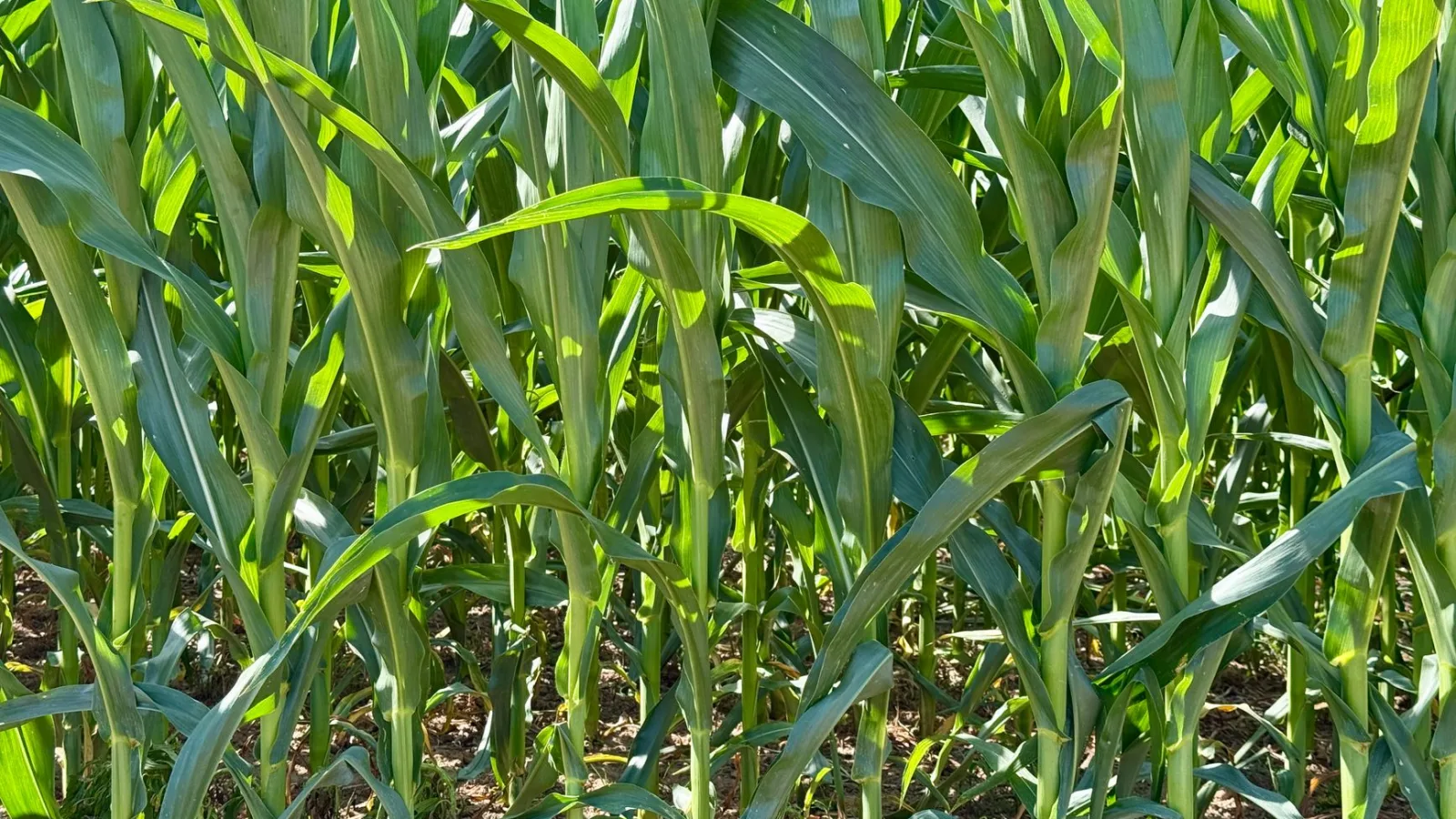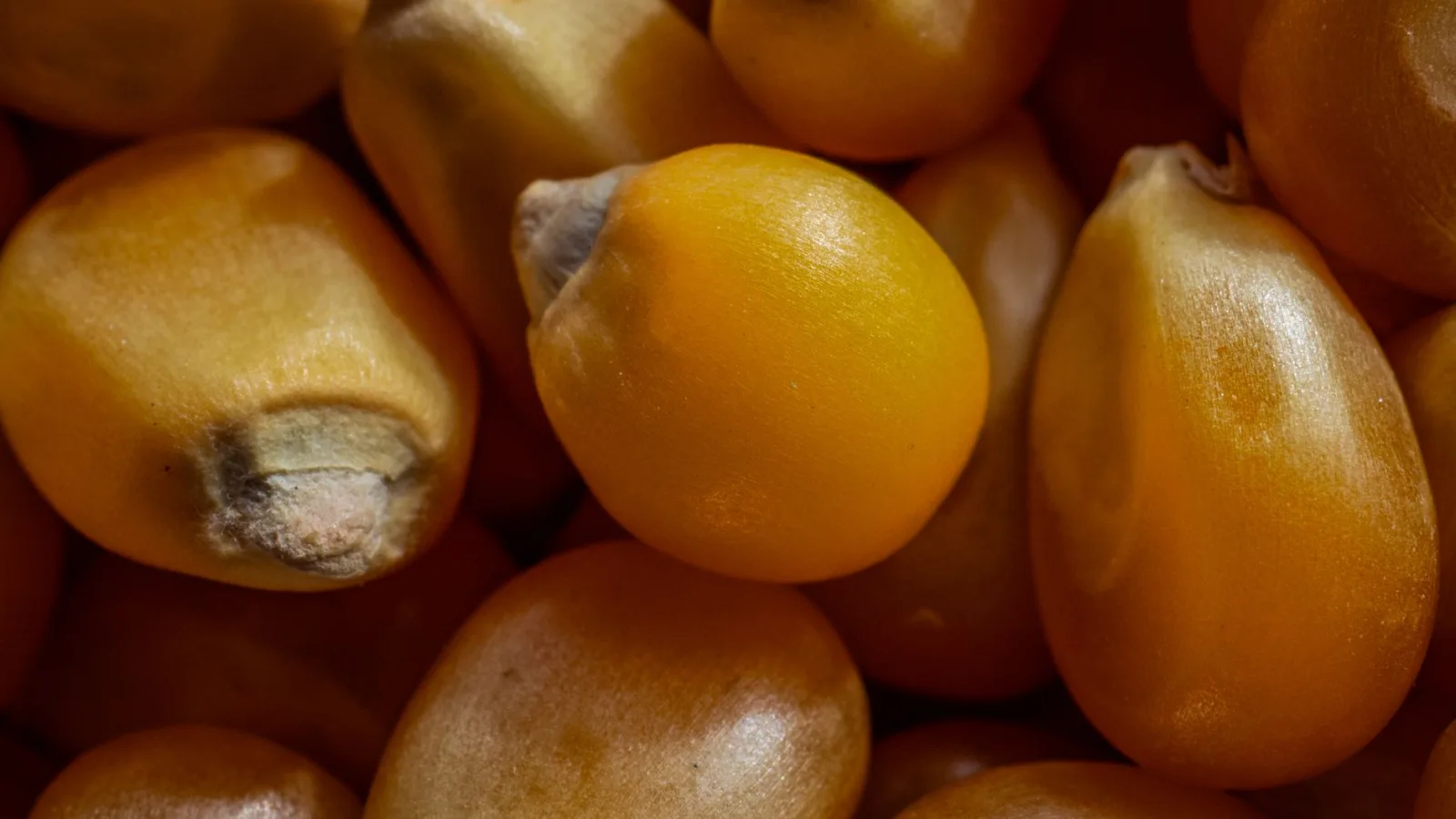
Hold a single kernel of corn in your palm and it's hard to grasp just how much information is packed inside. From sprouting to standing up a stalk to setting its own ears of grain, a plant switches tens of thousands of genes on and off as circumstances demand. Now researchers have shown that artificial intelligence can predict where those switches are.
The Proteins That Flip the Switch
Alongside the stretches of DNA that carry genetic information, plants have regulatory regions that decide when that information gets read. When a regulatory protein latches onto one of these regions, the gene it governs starts working; when the protein lets go, the gene falls quiet. A seed germinating, a leaf catching light, a root picking up the first signals of drought — each situation calls a different regulatory protein to a specific spot on the DNA.
Knowing those binding sites in advance would go a long way toward explaining why crops differ from one another and which conditions each one can handle. The catch is that pinning down those sites in plant DNA one experiment at a time costs an enormous amount of time and money.
Binding Sites, Predicted by AI
A joint team from Germany's Forschungszentrum Jülich and the IPK Leibniz Institute of Plant Genetics trained an AI model on genome data from a small weed, thale cress (Arabidopsis thaliana). With its compact genome and deep back catalog of research, thale cress has long served as the standard model plant in plant biology.
The team then turned the model loose on corn. Thale cress and corn have wildly different genome sizes and sit far apart on the evolutionary tree, yet the model predicted where regulatory proteins bind in corn DNA with considerable accuracy. Patterns learned in one plant, the study confirmed, carry over to an entirely different crop. The results were published in the journal Nature Communications.
What It Means for Crop Research
Breeding a new variety has long meant waiting out generation after generation until the desired trait shows up. Being able to predict in advance which regulatory sites are tied to yield, drought tolerance, or disease resistance could shorten that wait considerably.
Regulatory regions vary from variety to variety. Two plants can both be corn, and a small change in one of these regions will still make them respond differently when a dry spell hits. Verifying those differences in the lab, one at a time, can take years. If AI can predict the regulatory sites instead, sorting out which varieties suit which conditions could move much faster.
Choosing Varieties for Your Own Plot
None of this will change your garden tomorrow. What it may change is how crop varieties get made in the first place — which, for a home gardener, means the reasoning behind your seed choices keeps getting clearer. The tools to answer "why is this corn variety so good in a drought?" at the level of the genes themselves are steadily falling into place.
For now, the growing conditions printed on the back of the seed packet remain your surest guide. Start with varieties whose origins and growing conditions resemble your own. Within a single crop you'll find some varieties bred for heat, some that do well in shade, and some that hang on when the soil runs dry. Testing those differences out in your own plot is the oldest method city gardeners have.