You're out setting lettuce seedlings into the soil when the grandmother next door comes by with seeds she saved and cleaned herself. Tucked into those seeds are a name, a planting date, the memory of a particular crispness. Scenes like this have been repeating for hundreds of years in traditional farming regions all over the world.
The traditional farmlands the UN recognizes
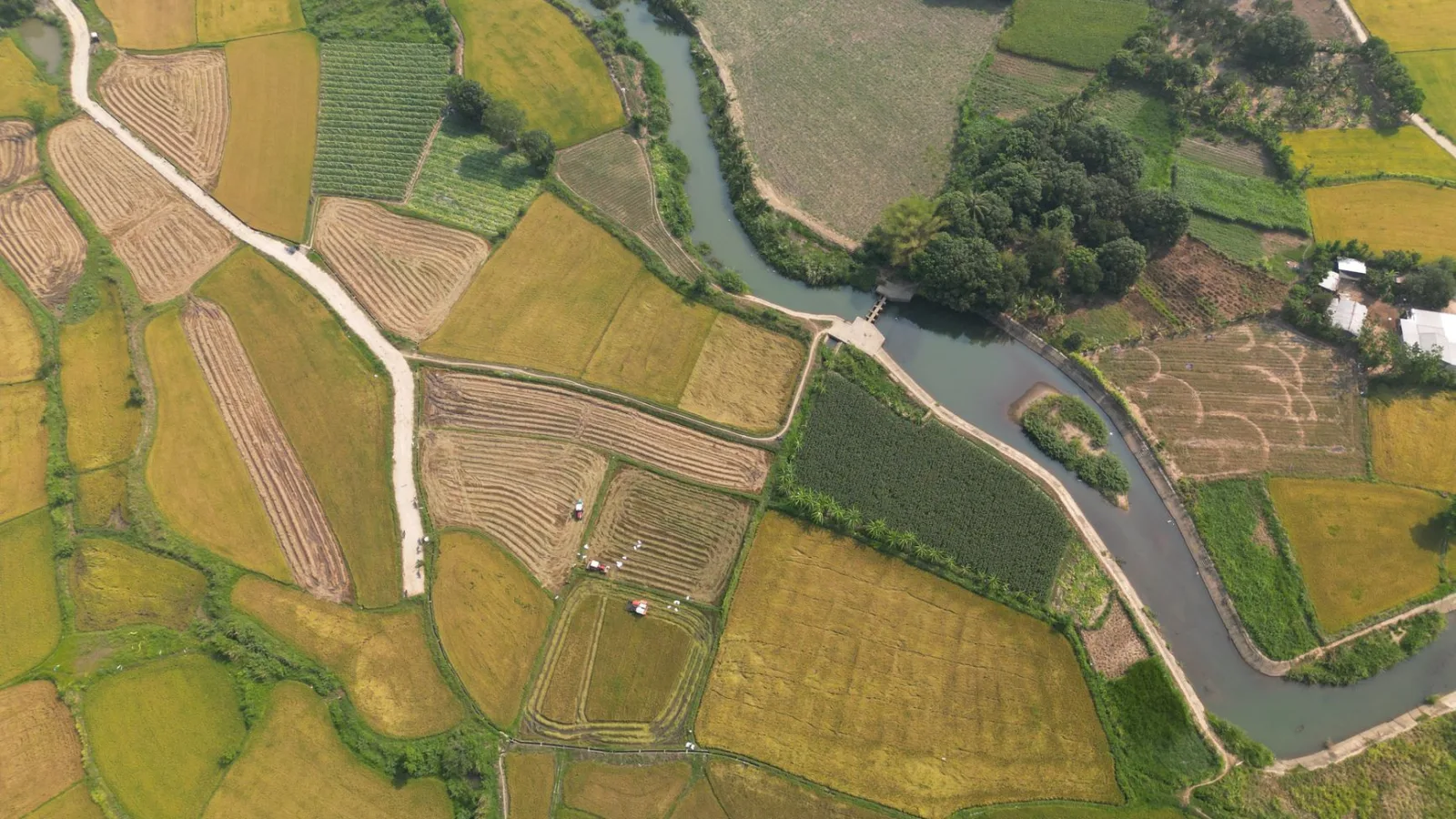
The Food and Agriculture Organization of the United Nations (FAO) designates landscapes that people and nature have shaped together over long stretches of time as Globally Important Agricultural Heritage Systems (GIAHS). These are places where distinctly local growing methods are still in daily use — terraced rice paddies, tidal-flat aquaculture, orchards that have stood for centuries. Korea has several on the list, including the gudeuljang paddies of Cheongsando (rice terraces built over stone flues, like the underfloor heating in a traditional house), the stone-walled batdam fields of Jeju, and the traditional tea farms of Hadong.
A research team at the University of Göttingen in Germany recently analyzed what these heritage farming systems can teach us about sustainable land use, publishing their findings in the international journal Ecology & Society. Their conclusion: the methods of traditional farming regions can't simply be dropped anywhere in the world and expected to work. They become genuinely useful lessons only when they're adapted to the people, the environment, and the traditions of a particular place.
Food, nature, and culture on the same ground
Traditional farming regions produce food while also sustaining biodiversity and agricultural culture.
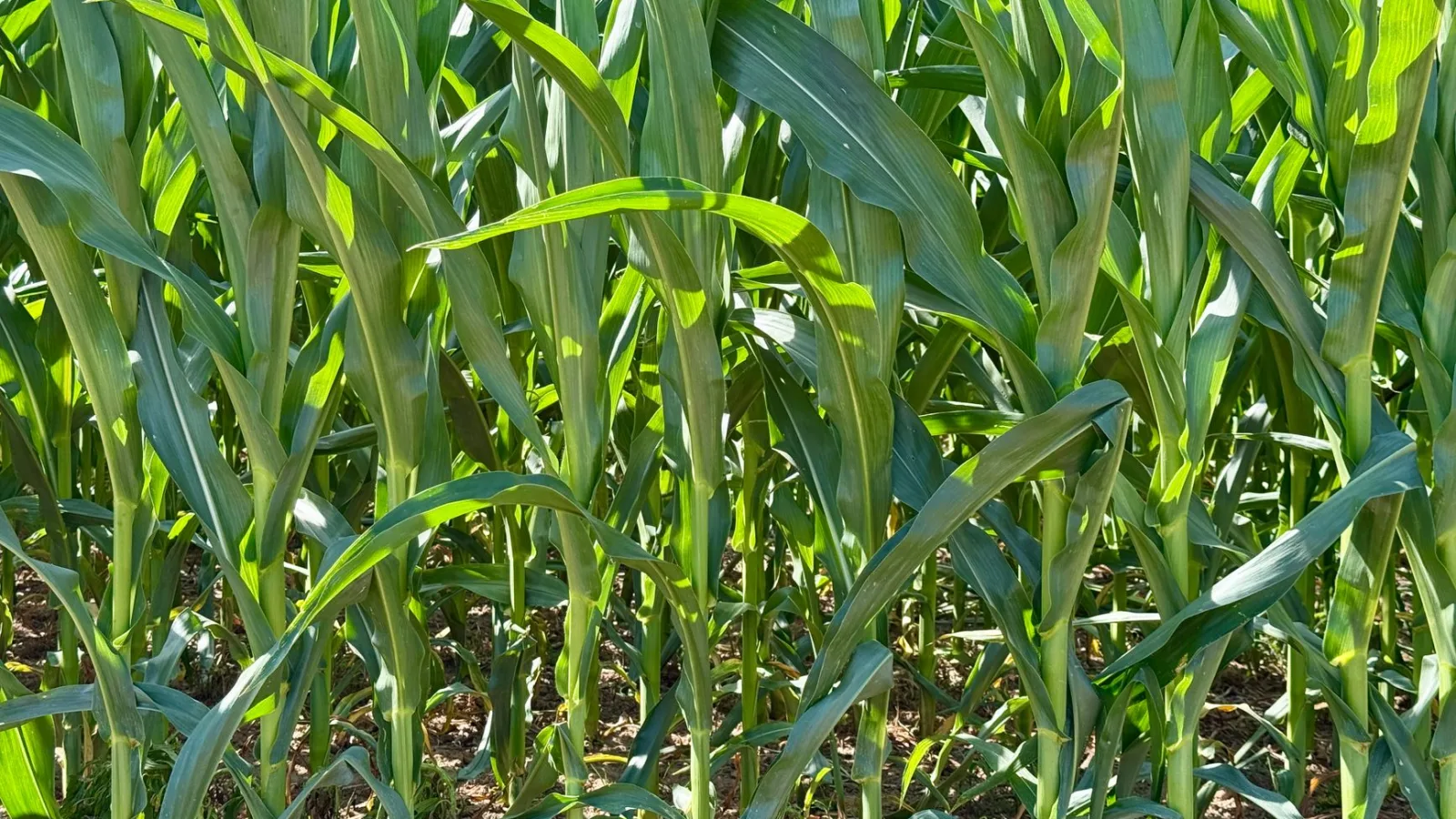
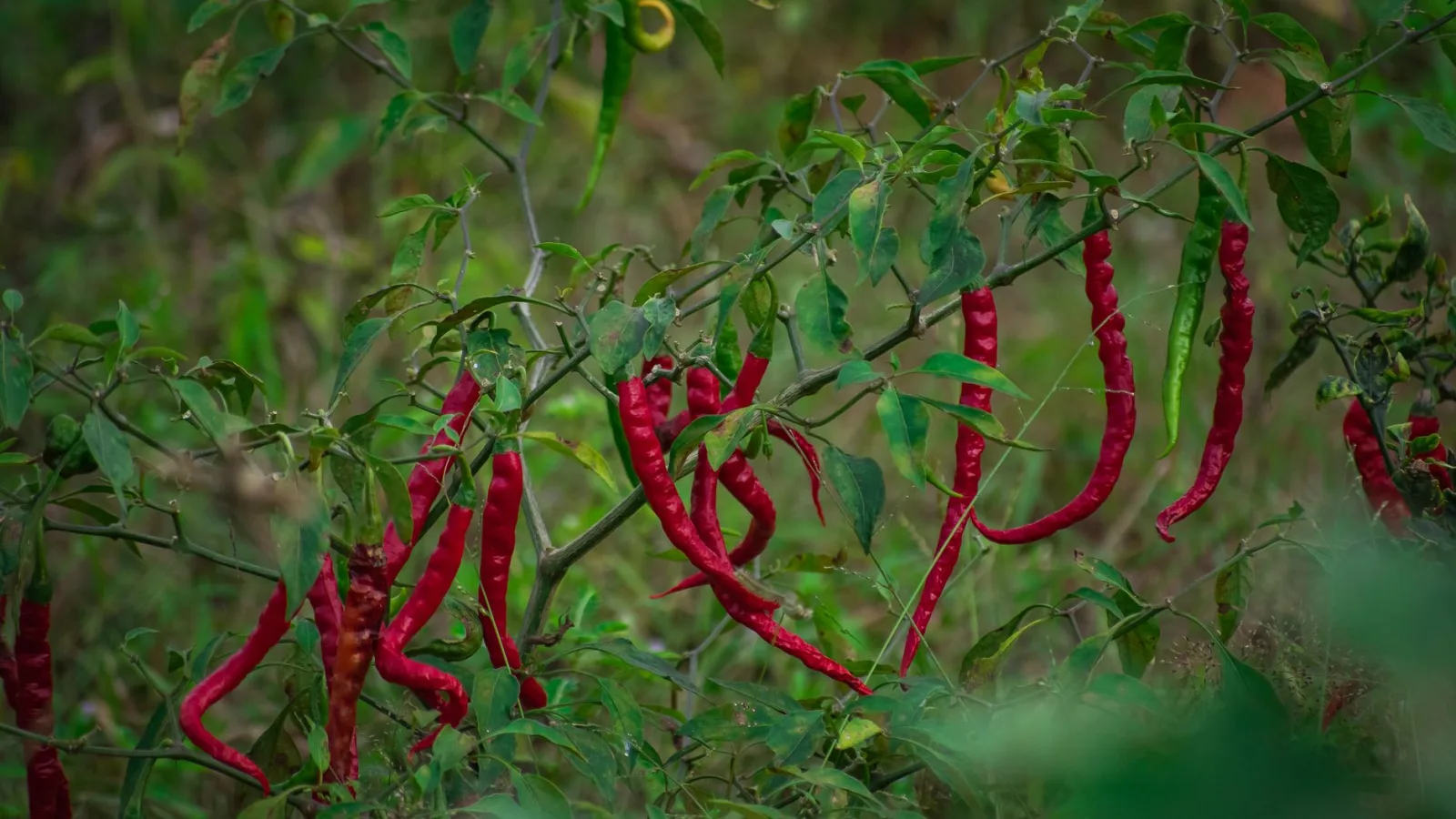
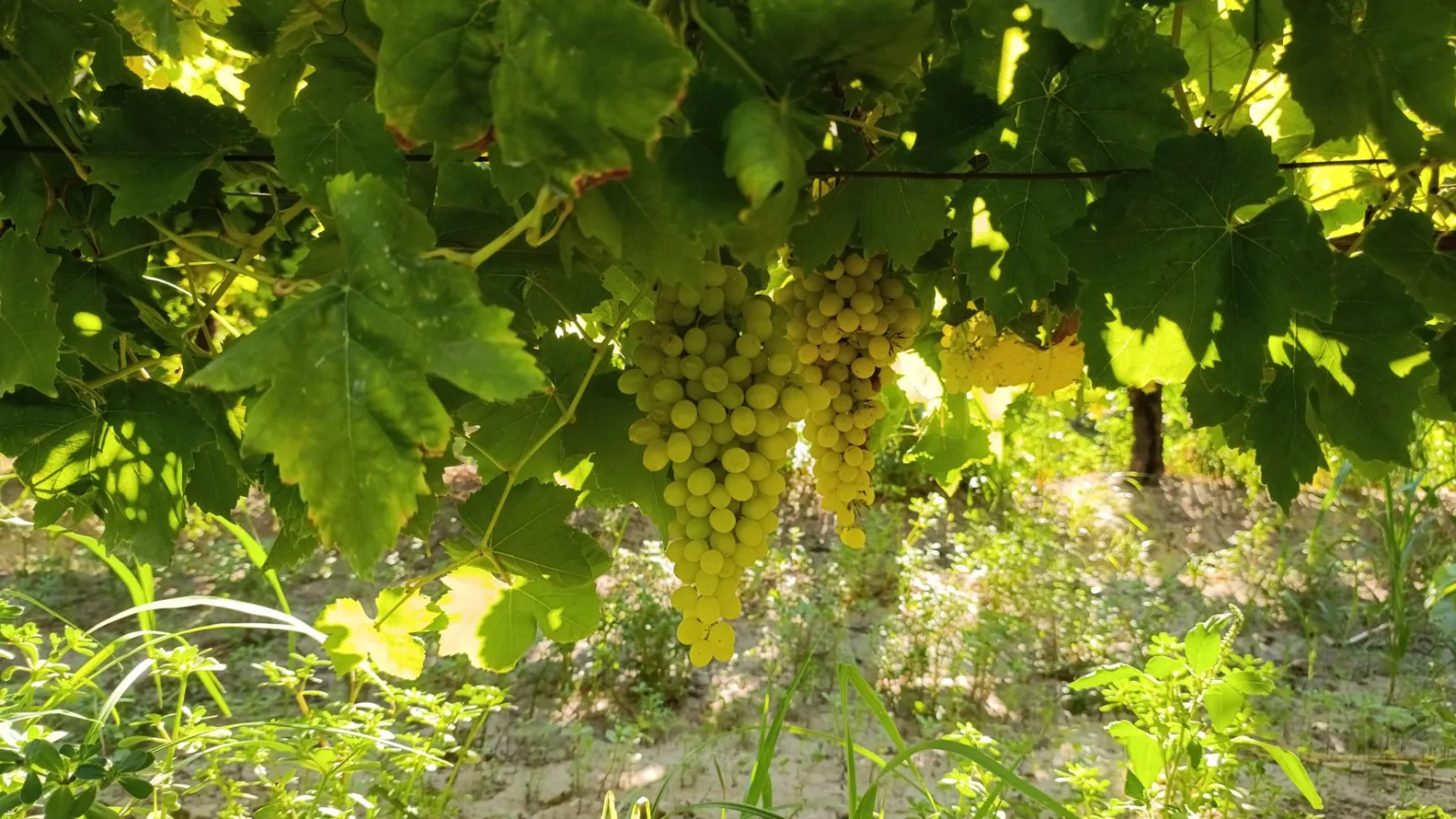
While modern large-scale agriculture concentrates on a handful of workhorse varieties, traditional farming regions grow dozens of heirloom varieties side by side. That mix responds more flexibly to pests, disease, and a shifting climate than a field planted to a single variety. And because these systems lean less on chemical pesticides, pollinating insects, predatory birds, and soil microbes all manage to live there too. A single old paddy embankment can shelter dozens of species.
Farming knowledge passes down through the generations as well. How to choose seed, when to let the water in, how to work alongside your neighbors — this is knowledge you learn in the field and inherit from the people next door. Traditional farming regions are also the places that keep that thread from being cut.
Farming that fits the place is farming that lasts
What the researchers emphasized was fitting the practice to local conditions. However old and proven a traditional method may be, transplanting it as-is to a place with different soil and a different climate rarely produces results. Sustainable farming starts with looking closely at the people and the environment of a given place.
City gardens are no different. What thrives depends on whether you're working a balcony, a rooftop, or a weekend plot with full sun. The crop that did well last summer, the variety that sprouted unusually early this spring — let those observations accumulate and you've built a growing record that's yours alone. Even in a small garden, a single packet of heirloom seeds is a contribution to biodiversity.
Something you can start in the garden today
Track down one heirloom variety and plant it. Better still, save seed from something you grew this season and plant it again next year. Share seeds with a neighbor. That small act is a close cousin of what traditional farming regions have been doing for hundreds of years.