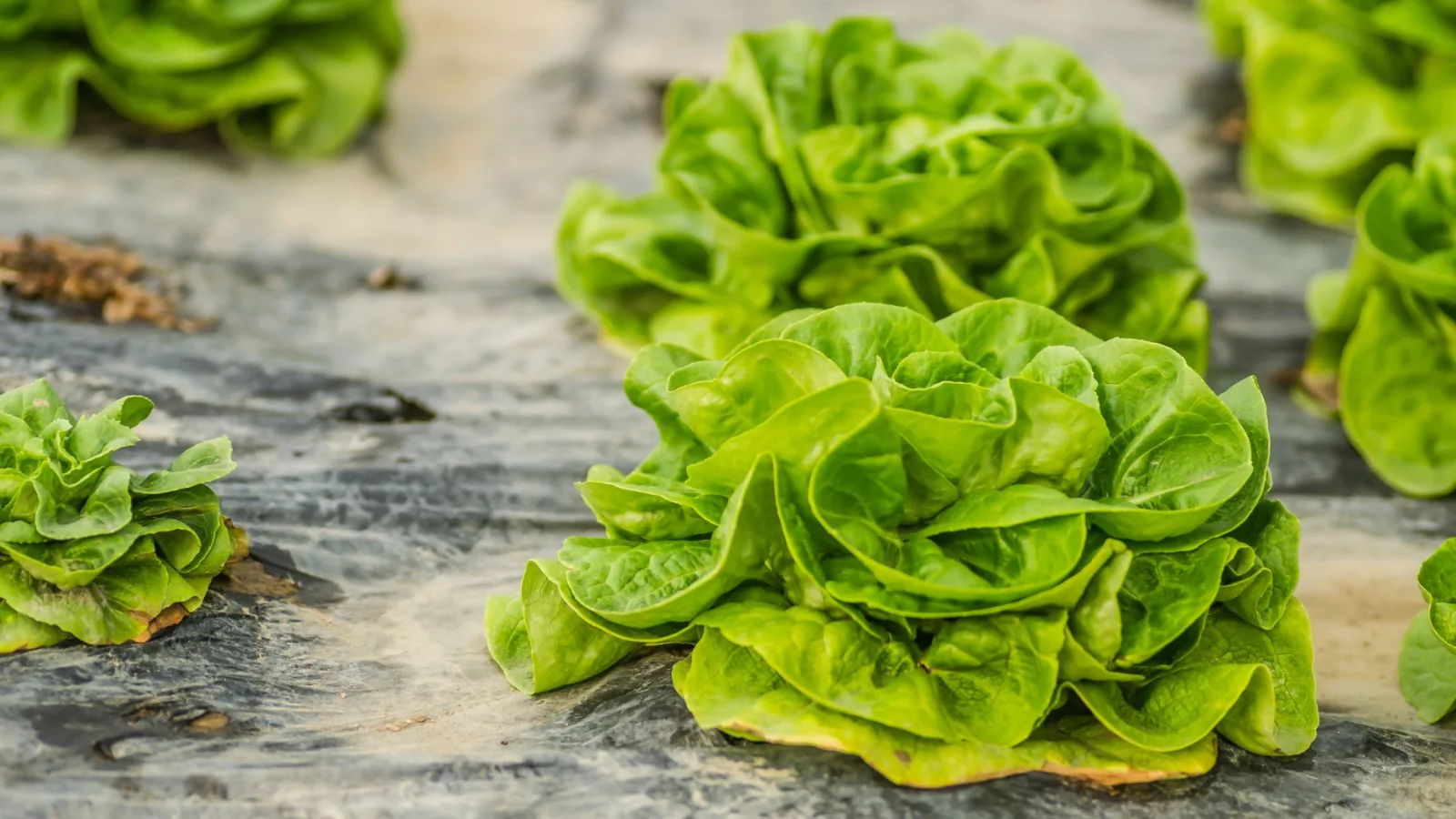
Two to three weeks after you transplant lettuce seedlings, the leaves really start to fill out. That's when many gardeners side-dress with a potassium fertilizer. Look at the bags, though, and you'll see that two products can both supply potassium under different names: potassium sulfate and potassium chloride. Their prices and labels differ a little, too. So which one grows better lettuce?
Same Potassium, Different Partner
A potassium fertilizer is never just potassium. The potassium always comes paired with another element. In potassium sulfate, that partner is sulfur. In potassium chloride, it's chlorine. These partners affect the soil and the roots in quite different ways.
The chlorine in potassium chloride raises the salt level of the soil. Leafy greens like lettuce tend to be sensitive to salts. When there's too much chloride, the roots have a harder time taking up water, and the leaf tips can dry out. The sulfur in potassium sulfate is different: lettuce uses it to build proteins and the compounds that give it flavor and aroma. That's why the same amount of potassium can produce noticeably different plants.
A Blend Gave the Most Balanced Growth
In a study published in an international scientific journal, researchers fed Italian lettuce potassium and changed only one thing: the ratio of potassium sulfate to potassium chloride. Total nutrients were kept the same for every group. The lettuce that got a well-proportioned mix of the two fertilizers did best overall. Leaf weight, root growth, and even flavor-related compounds all improved most evenly.
Lettuce fed only potassium sulfate was slightly better at taking up nitrogen and turning it into protein. Overall, though, the blend came out ahead. What the potassium came with mattered more to the lettuce's growth than how much potassium it got.
Soil Microbes Change, Too
Fertilizer doesn't only change the lettuce. The soil around the roots is home to countless bacteria and fungi too small to see. When the ratio of sulfur to chlorine changed, these microbial communities changed along with it.
Bacteria reacted strongly to the type of fertilizer, and their makeup shifted a great deal as conditions changed. Fungi were more stable and held their ground. The researchers concluded that soil nutrients, salt levels, and a handful of key microbes together determine how healthy the soil is. In other words, a good fertilizer blend looks after the soil as well as the lettuce.
When you choose a side-dressing for your lettuce, try mixing in some potassium sulfate instead of using potassium chloride alone year after year. If your plot often has dry leaf tips or a white crust of salt on the soil, use a little more potassium sulfate in the mix. Before you water today, check the name on your fertilizer bag.