Sink a spade in deep and turn the soil over, and only the top few inches come up dark and crumbly. Below that the color fades, and a handful packs into a clod. If you've been growing in a raised bed for three or four seasons, you've probably noticed that the soil you filled it with that first year doesn't look much like the soil you have now.
What makes soil dark is humus: the organic matter left over after microbes break down roots, fallen leaves, and earthworm castings, settled into the spaces between soil particles.
What Dark Soil Does for You
Humus holds several times its own weight in water. It soaks up the summer monsoon rains and gives the moisture back slowly on dry days, so two beds watered on the very same day will dry out at very different rates — the one with more humus stays damp far longer. It also hangs onto nutrients. The calcium, magnesium, and potassium you apply as a top-dressing wash out easily in the rain. Humus catches them, holds them near the surface, and lets go only when roots come looking.
It also binds soil particles into small crumbs. Air moves through the gaps between those crumbs, and fine roots push their way in. When humus declines, those gaps are the first thing to go. If the surface of a bed sets up flat and hard the day after a rain and water puddles on top, that's your soil telling you it's short on organic matter.
What Twelve Years of Records Revealed
Kostanay, in northern Kazakhstan, is a breadbasket region where wheat is grown on an enormous scale. Researchers there pulled together soil-test data collected from 2012 to 2023 and looked at humus and nitrate nitrogen in cultivated black soil (chernozem) and chestnut soil.
Humus in the cultivated fields came in lower than in the neighboring grassland that had never been plowed, and most readings sat in the medium-to-low range. Nitrate nitrogen tested low or very low across wide areas — meaning there simply wasn't much nitrogen for roots to draw on during the growing season. Broken out by depth, both humus and nitrogen were concentrated in the surface layer the plow reaches. The researchers concluded that the soil in this region is in an ongoing decline in fertility, and called for regular testing and cultivation practices that rebuild the soil.
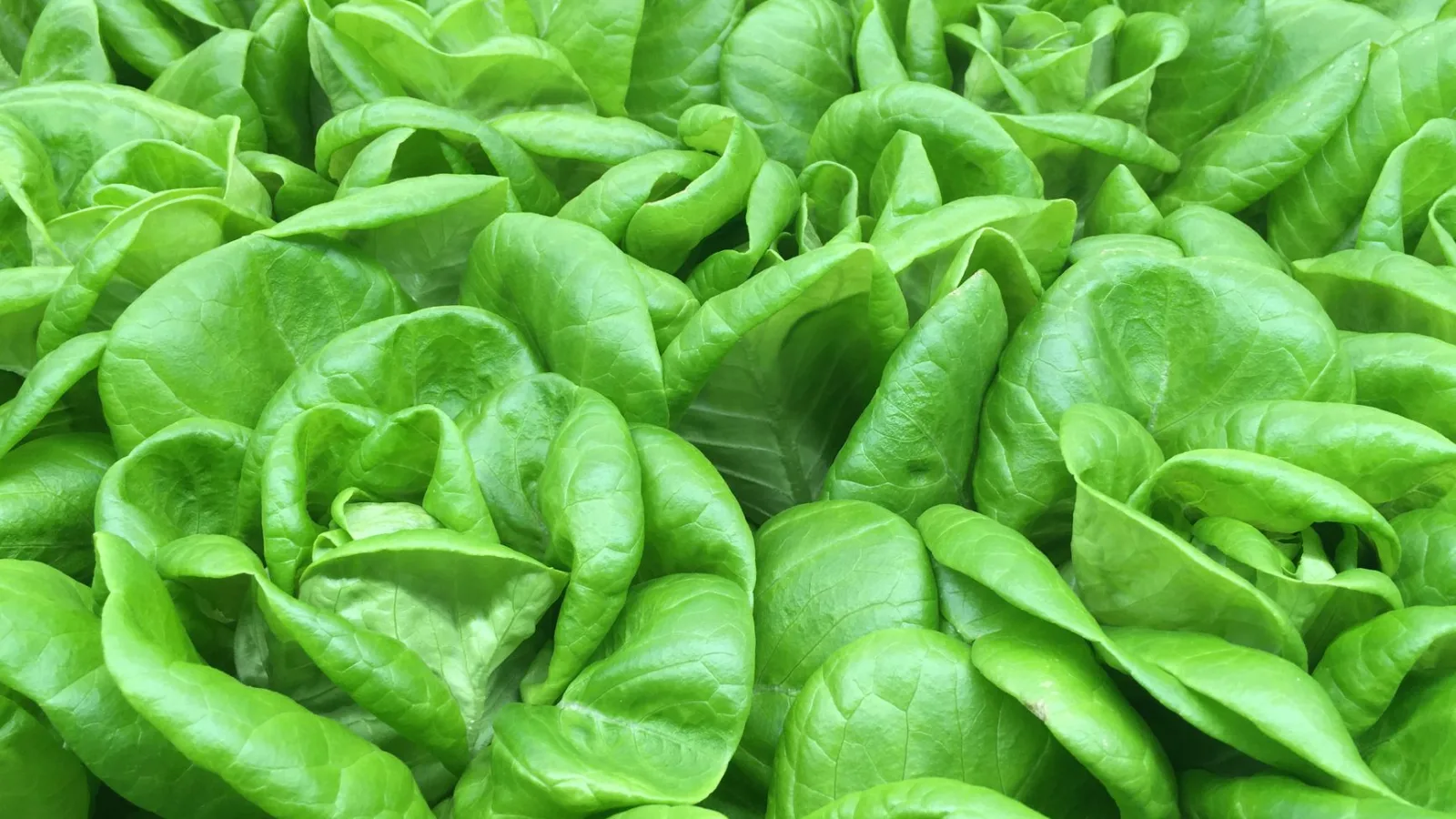
A backyard garden is smaller, but the story is the same. Every time you pull lettuce or yeolmu (young summer radish greens), the nitrogen and carbon in those leaves walk out of the garden with them. Chemical fertilizer can put the nitrogen back; it can't put back the humus.
Returning What You've Taken
Start by cutting down on what leaves the garden, then make up the difference with other organic matter.
- Chop the roots and stems left after harvest into short pieces and spread them over the bed. The only thing worth picking out is weeds that have already set seed.
- Don't leave bare ground once the fall harvest is in — sow rye or hairy vetch and let it overwinter. Turn it under in spring and it leaves behind organic matter and nitrogen together.
- With finished compost, thin and often beats one thick application.
- Work beans or peas into the rotation every two or three years. The rhizobia on their roots pull nitrogen out of the air and leave it in the soil.
- Nitrate nitrogen dissolves readily and runs off with the rain. Skip top-dressing right before a heavy storm, and apply a little at a time.
Digging less helps, too. Every time you turn the soil you let air in, which speeds up the breakdown of organic matter — and that costs you humus. Scratch the surface just where you're sowing, leave the rest covered, and lettuce and scallions will still grow just fine.
Take the weeds you pulled today, set aside the ones that haven't gone to seed, and lay them right on the bed. Keep that up for a single season and the soil will feel different against your spade next spring.
Source: a survey of humus and nitrate content in cultivated soils of the Kostanay region, published in the Brazilian Journal of Biology.