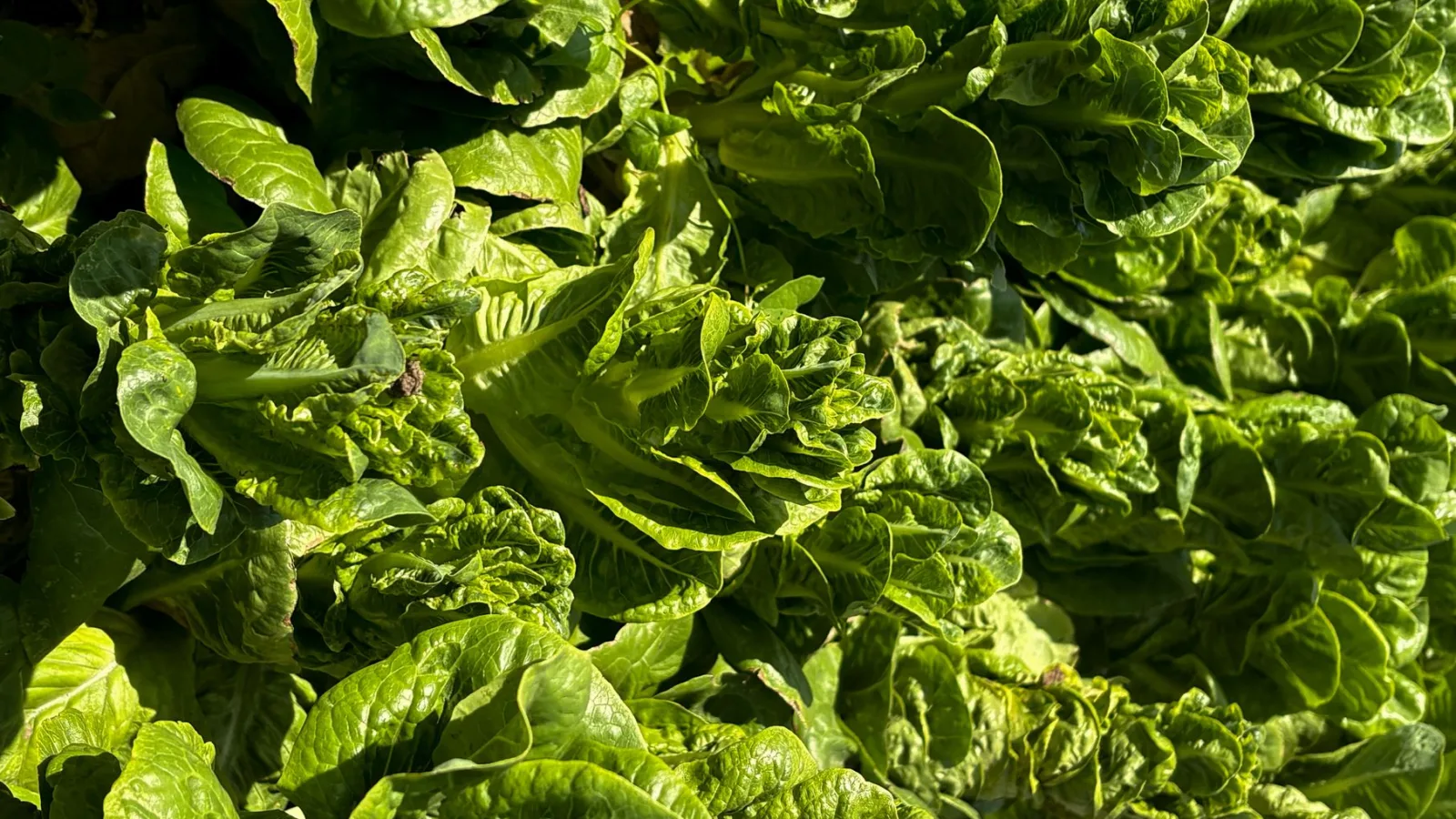
When it's time to plant lettuce seedlings, plenty of gardeners pick up both green and red varieties. Part of it is the familiar idea that red lettuce is better for you, and part of it is that a mix of colors simply makes a garden bed look good. But when one research team used gene editing to switch off lettuce's ability to make red pigment, the changes went beyond color. In leaves without anthocyanins, other compounds built up in greater amounts.
Why Some Lettuce Leaves Turn Red
The red in lettuce leaves comes from a pigment called anthocyanin. Plants accumulate anthocyanins in their leaves in response to stresses like intense sunlight, drought, and insect pressure. Because these compounds are known for their antioxidant activity, the idea took hold that red lettuce is more beneficial than green. And red leaf lettuce does, in fact, contain more anthocyanins than green leaf lettuce.
Remove the Pigment, and Other Compounds Pile Up
Using gene editing, the researchers made lettuce unable to produce anthocyanins. The edited plants kept green leaves instead of turning red, and their growth rate and leaf size stayed within the normal range.
With anthocyanin production shut down, the leaves accumulated more of the precursors normally used to build anthocyanins, along with other related plant compounds. The team's explanation: when a plant stops making one compound, the raw materials get redirected into other biosynthetic pathways, which can raise the concentration of entirely different compounds.
The researchers see this as a way to develop vegetables tailored to contain more of a specific compound, adjusting pigment genes to steer a plant's chemical makeup in a chosen direction. For now, though, the work is still at the lab stage, and more testing is needed before it can be applied to the varieties farmers and gardeners actually grow.
Why It Pays to Grow Lettuce in More Than One Color
What this study confirms is that lettuce leaves of different colors have different chemical profiles. Red leaves are higher in anthocyanins, while green leaves may be richer in other kinds of plant compounds. Rather than declaring one better across the board, it's more accurate to say that different colors simply mean different compounds.
Grow green and red varieties together, and the leaves that reach your table will naturally offer a more varied mix, no tracking or calculating required. Lettuce is ready for its first thinning and picking just 3 to 4 weeks after you set out seedlings, so it's easy to try different varieties from season to season.
This spring, try planting green leaf and red leaf lettuce side by side in the same bed. Even a small space can hold both varieties at once, and every time you thin your plants, you can fill a single basket with leaves of both colors.
When you thin your lettuce today, gather leaves of both colors in the same basket.