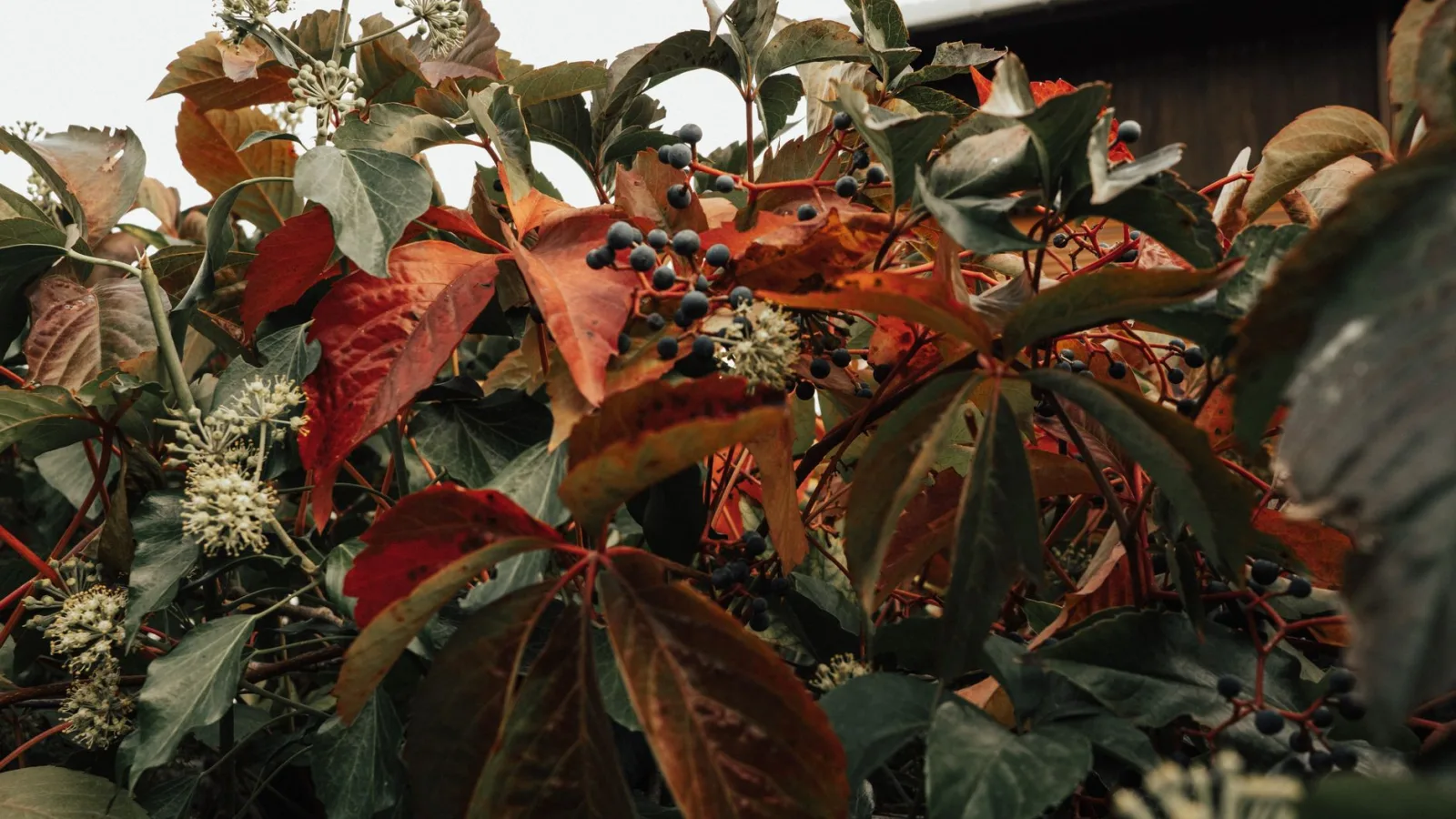
Pick up the fruit that has dropped beneath a torreya tree with bare hands and your fingertips turn sticky, and a little later they start to sting. The fleshy husk around the fruit contains resin. In the Northern Hemisphere, from September through November, when these fruits split and fall, the people who search for torreya and find their way here tend to ask the same three questions: why do my hands sting, why is it so nutty when roasted, and why does it go rancid in a matter of days? Every answer comes back to the oil inside the kernel.
Nearly half the kernel is oil
Torreya nuts are the seeds of the Japanese torreya (Torreya nucifera), a member of the yew family. Peel away the fleshy husk and you find a hard kernel that looks like an acorn, and nearly half of its flesh is fatty oil. That oil is what gives roasted torreya its rich flavor and slick mouthfeel, and it is why the scent reads more as conifer seed than as nut. Heat deepens the aroma and takes the astringency out of the inner skin. The tree is grown mainly in Japan, Korea, and China; in Korea, the torreya forest on Jeju Island has long been the classic source. Our crop guide's torreya nut entry covers composition and pairings.
An unusual fatty acid found in conifer seeds
What sets this oil apart from walnut or almond oil is the kind of fatty acids it contains. In 1998, Robert L. Wolff and colleagues published the fatty-acid composition of seed oils from the Taxus and Torreya genera in the Journal of the American Oil Chemists' Society. Among them they identified sciadonic acid and other fatty acids with a double bond at the fifth carbon. Sciadonic acid is a twenty-carbon fatty acid with three double bonds, and it is rarely seen in common vegetable oils. Fatty acids with a double bond at the fifth carbon are concentrated in the seeds of conifers such as pine, Korean pine, and torreya. The Dongui Bogam, the Korean medical classic published in 1613, lists this seed in its section on fruits as bija (榧子), notes that it is also called okbi (玉榧) and, in its home region, jeokgwa (赤果), and describes it as neutral in nature, sweet in taste, and free of toxicity. Both the fatty-acid analysis and the old text's notes on its nature are records of what kind of seed torreya is. Neither is evidence that eating it produces any particular effect.
Why it goes rancid so fast
It is easy to leave roasted torreya on the table and forget about it for a few days. So why doesn't it keep? Torreya oil is made up mostly of unsaturated fatty acids. The more double bonds a fatty acid has, the faster it reacts with oxygen in the air, and the result is that stale smell and bitter taste. In raw nuts, the hard shell keeps oxygen out, but the moment you roast them the shell cracks and the heat speeds up the reaction. That is why roasted torreya left at room temperature smells different within three or four days. Rancid oil tastes bitter and scratches the throat, so if the smell has changed, it is better to throw the nuts out, even if it feels wasteful.
- Raw nuts: strip off the fleshy husk, dry them for about a week in a shaded, well-ventilated spot, then store them in the shell in an airtight container somewhere cool and dark. For long-term storage, refrigeration at 0–5°C (32–41°F) or freezing is the safe choice.
- Roasted nuts: roast only what you will eat at one sitting. If there are leftovers, cool them completely, seal them, refrigerate, and finish them within a week.
From peeling to roasting to eating
Prep starts with gloves. The resin in the fleshy husk turns sticky and stinging on bare skin, so pull on thin rubber gloves to peel, then rinse the nuts in water and let them dry. To roast, set a dry pan over medium-low heat, spread the nuts in a single layer, and stir for 5 to 7 minutes. When the shells crackle and split and a toasty smell rises, turn off the heat. Once cool, rub the nuts between your palms and the inner skin flakes away.
On Jeju, roasted torreya was tossed with honey or jocheong, a syrup made by slowly boiling down grain. The sweetness clings to the richness of the oil and mellows the conifer scent. But a seed that is nearly half oil is easy to overdo. Eating a handful at once tends to bring on stomach cramps or diarrhea, and the old texts set a daily count for a reason. Start with a few nuts the first day, and give children fewer still. If you have ever reacted to tree nuts, try one or two first and see how your body responds.
Set aside three or four roasted nuts, then smell them the next day and again a week later, and your nose will tell you how fast the oil is changing. The toasty aroma and the rancid one come from the same oil, and the time between them is not long.