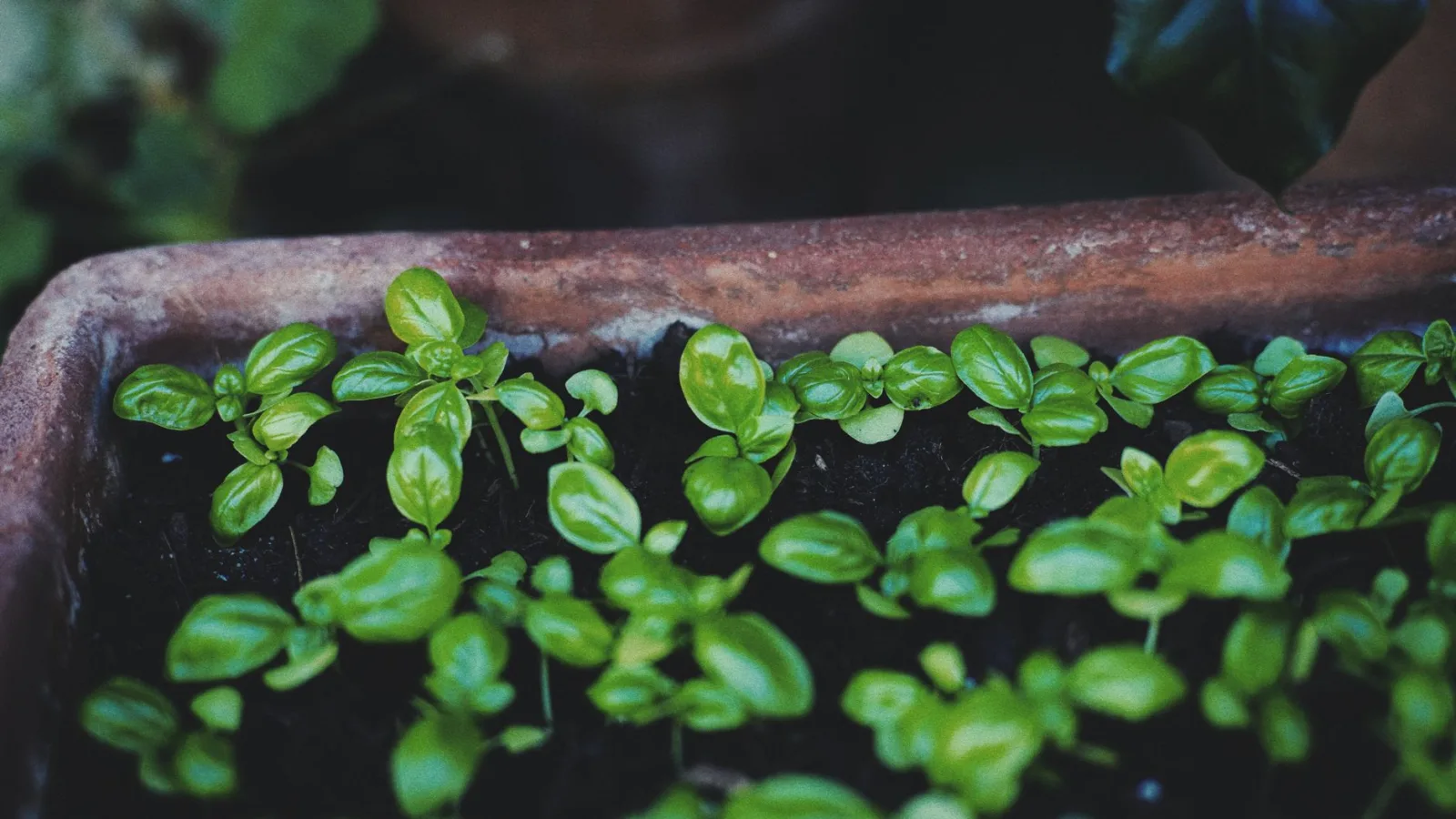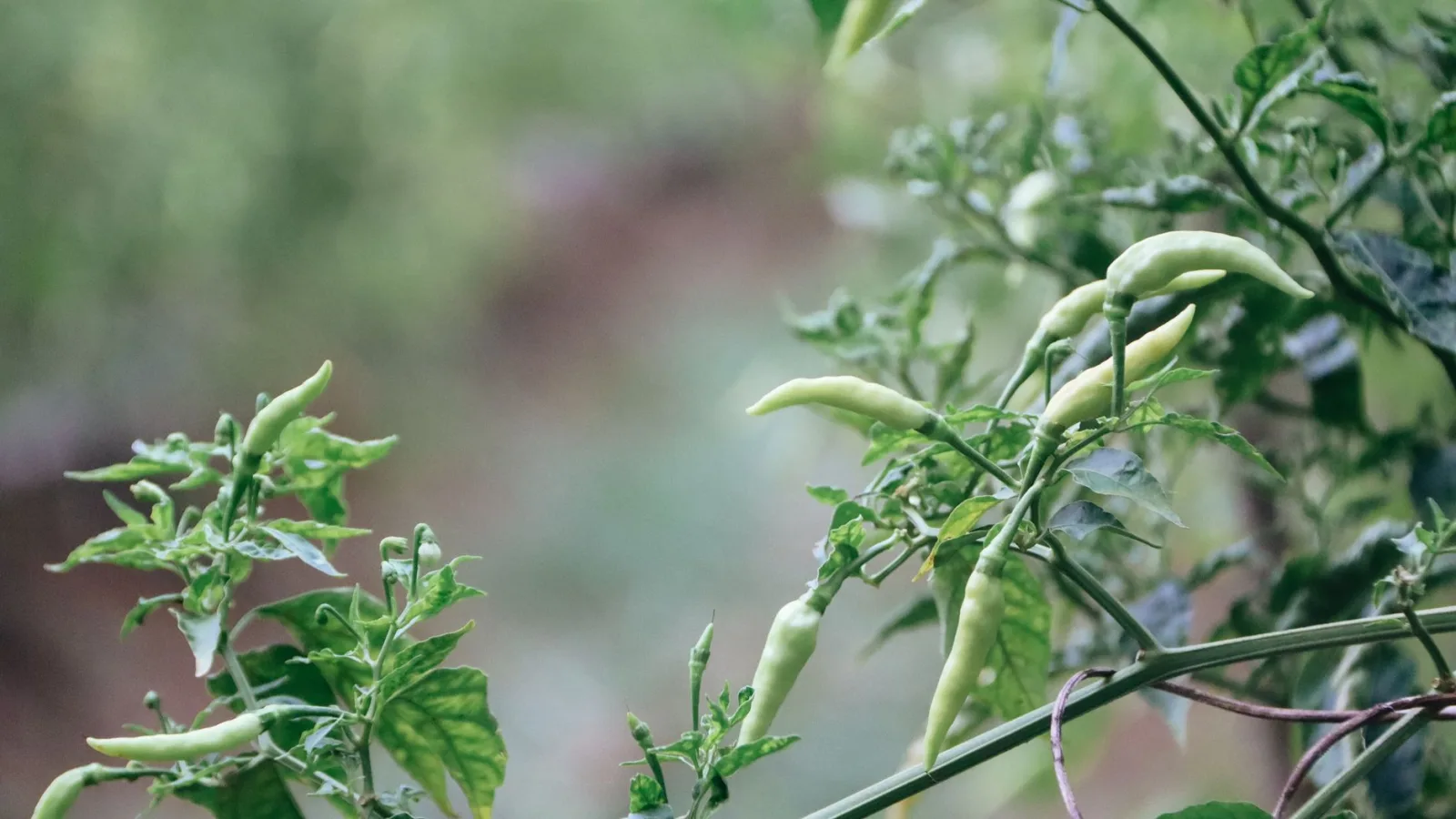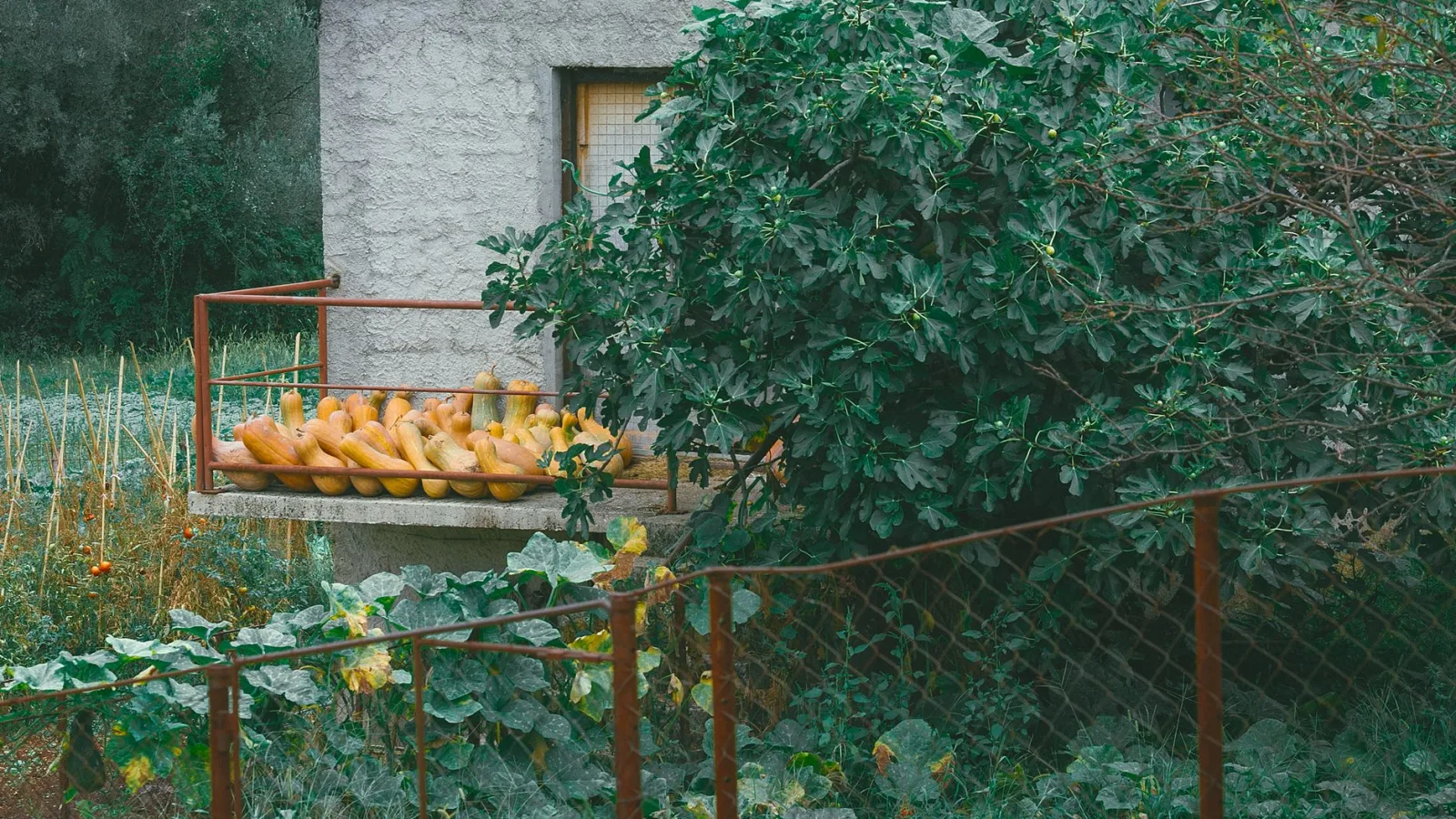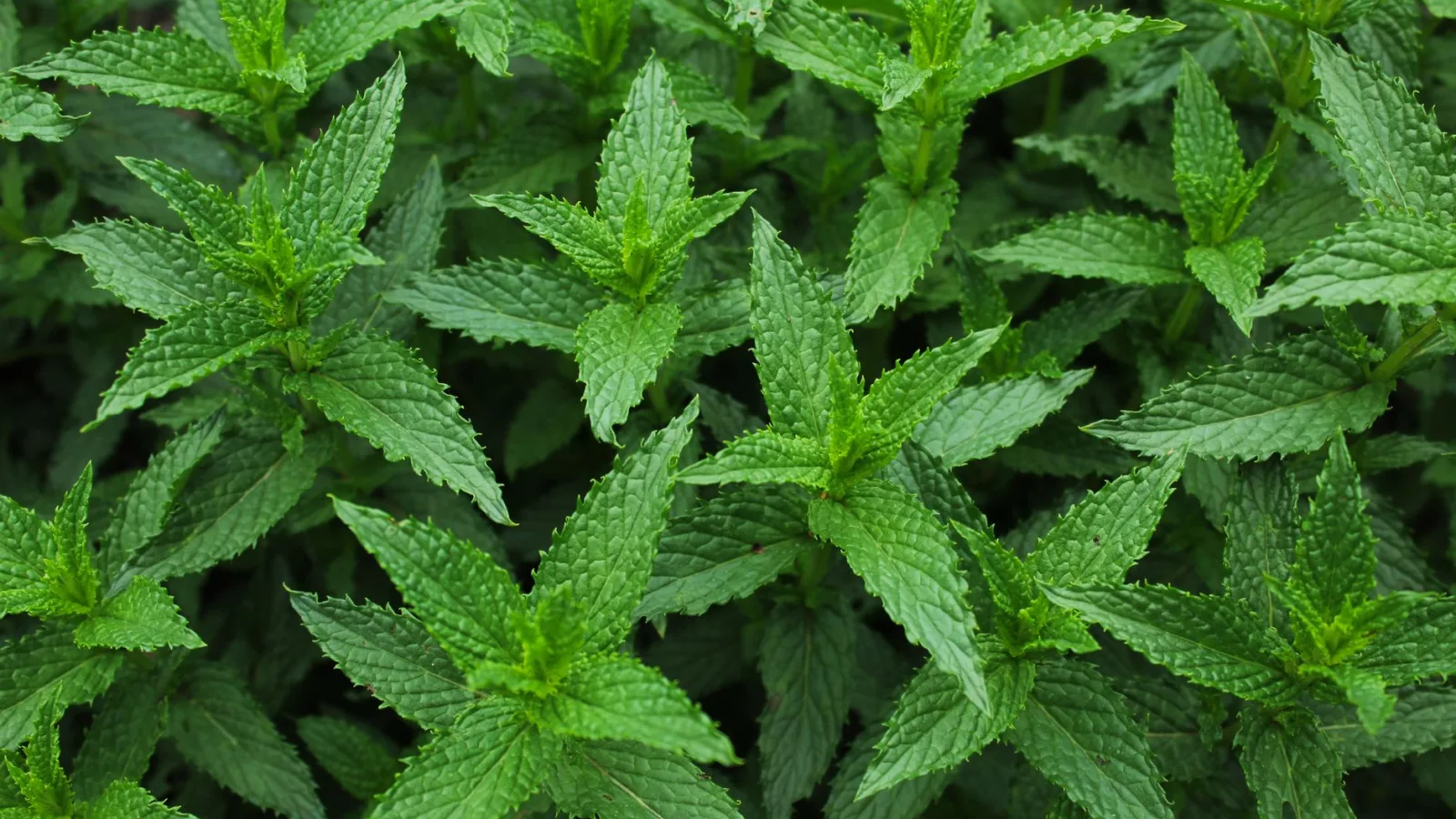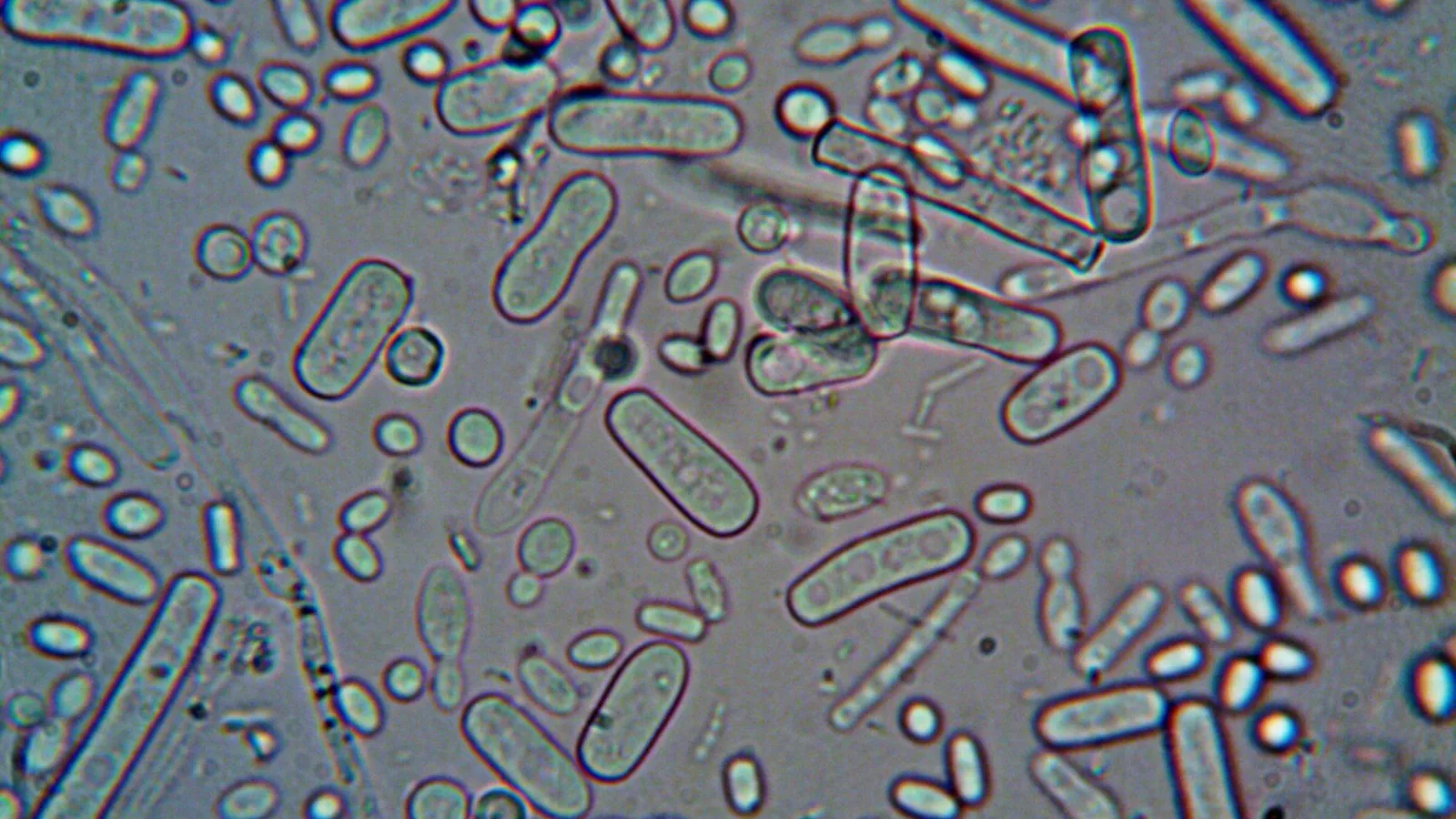
On a day when I'd pulled lettuce and perilla leaves from the garden, washed them, and started setting the table, I also took some smoked salmon out of the refrigerator. Ingredients that look perfectly fresh can still carry bacteria that grow at refrigerator temperatures. Listeria monocytogenes is a foodborne pathogen found widely in soil, water, and vegetables, and it reaches people through food in nearly every case.
A bacterium that grows even inside the refrigerator
Listeria keeps multiplying, slowly, even at 4℃. In healthy adults it usually causes nothing worse than mild symptoms, but in pregnant women, older adults, newborns, and people with weakened immune systems it can cause listeriosis. The illness starts with fever and muscle aches and, in severe cases, can progress to sepsis or meningitis. Listeria food poisoning is not common, but because it can turn serious, certain groups need to be especially careful.
Refrigeration alone will not fully stop this bacterium from growing. The main sources of contamination are foods eaten without cooking, such as cold-smoked salmon and raw-milk cheese, and garden vegetables are exposed through soil and water as well. Leafy greens growing close to the ground and root vegetables growing beneath it can pick up the bacteria while still in the garden. The longer produce sits in the refrigerator, the greater the chance of contamination, so it's best to use your harvest quickly.
Lactic acid bacteria and bacteriocins hold the pathogen back
Lactic acid bacteria produce lactic acid as they ferment, turning the surrounding environment acidic. Harmful bacteria like Listeria have a hard time growing in those acidic conditions. On top of that, some strains of lactic acid bacteria secrete protein-based antimicrobial compounds called bacteriocins. Bacteriocins act on the cell membrane of Listeria, causing the contents of the cell to leak out and reducing the bacterial count.
The best-known bacteriocin is nisin. It has been used as a natural preservative in dairy products for decades, and its safety is thoroughly established. Other bacteriocins, such as pediocin, are also under study, and each strain has its own antimicrobial range. A comprehensive review published in 2026 reports that applying lactic acid bacteria strains as protective cultures in fermented vegetables, smoked salmon, and cured meats — or using bacteriocins as natural additives — reduced Listeria and spoilage organisms without affecting the flavor, aroma, or color of the food. As a way to cut down on pathogens without chemical preservatives, it remains an active area of research in the agrifood industry.
How to eat your garden vegetables more safely, with fermentation
Vegetables from the garden need a thorough wash under running water so no soil is left behind. Scrub root vegetables with a brush before rinsing them, and wash leafy greens leaf by leaf, spreading each one open. If you plan to eat them raw, use them right after washing; anything left over is safer fermented or cooked before it goes into storage.
Fermented vegetables — kimchi, kkakdugi (cubed radish kimchi), oi-sobagi (stuffed cucumber kimchi) — naturally build up lactic acid bacteria and create conditions in which harmful bacteria struggle to grow. Note that many store-bought pickled vegetables are heat-pasteurized, which wipes out most of the lactic acid bacteria. Salting or fermenting vegetables yourself is the better route if you want live cultures. And if you're pregnant, older, or immunocompromised, it's wise to cook smoked fish and raw dairy thoroughly before eating.
Take today's cucumbers or napa cabbage from the garden and start one small crock of pickles.