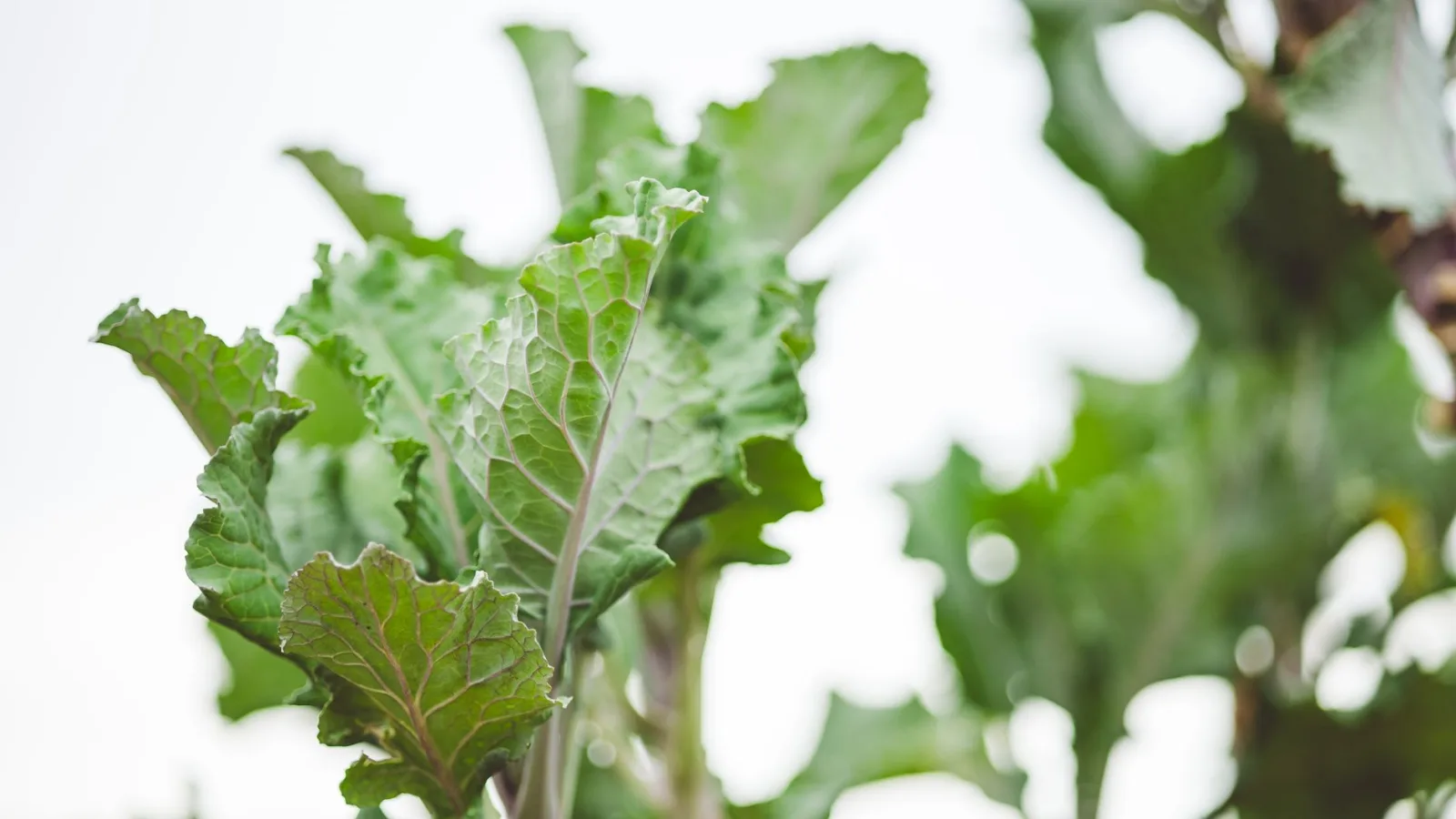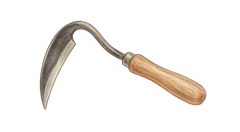
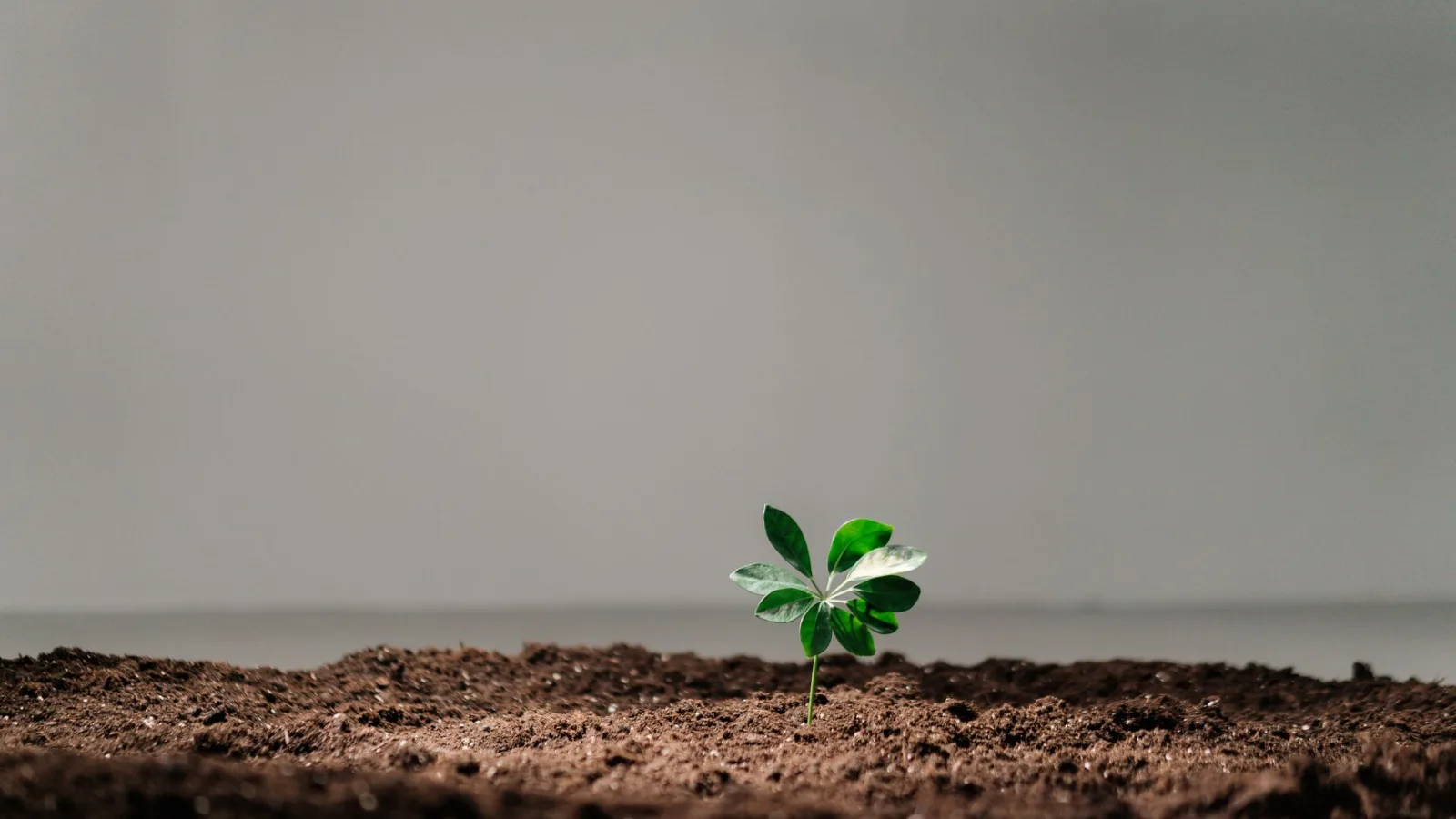
After a frost or two, the stems of udo (Aralia cordata), known in Korea as ttangdureup, turn yellow, wither, and flop over. Cut them off at the base and you'll find buds on the crown just below the soil, waiting to become next spring's shoots. Come spring, that crown sends up the shoots Koreans eat as namul (blanched, seasoned vegetable side dishes). The roots underground are the same part the Dongui Bogam told readers to dig up and dry as medicine.
The Plant the Dongui Bogam Called Dokhwal
The Dongui Bogam (Treasured Mirror of Eastern Medicine) lists this plant in the Herbs chapter of its materia medica section, in the entry for dokhwal (獨活), and records its Korean name as ᄯᅡᆺ둘흡. The text describes its nature as neutral, noting that some call it slightly warming, and its taste as sweet and bitter, with some calling it pungent. It considers the plant nontoxic, says it grows in mountains and fields, and instructs that the roots be dug in the 2nd–3rd and 9th–10th lunar months and dried in the sun.
The text also gives it another name, dogyocho (獨搖草), "the herb that sways alone," because it was said to stay still in the wind yet move on its own when the air was calm. It explains the name dokhwal as well: a single stem rises straight up and does not bend in the wind. And it offers a way to tell two similar roots apart: purplish roots with closely spaced nodes are ganghwal (羌活), while yellowish, knobby ones are dokhwal. This is a 17th-century system that sorted medicinal materials by their nature and taste, so its standards differ from how we judge plants today. Before comparing the two, it's worth making sure we're looking at the same part of the plant.
The Name Lived On, but the Part We Eat Changed
The old name ᄯᅡᆺ둘흡 became today's ttangdureup, "ground dureup," and the distinction it draws, between dureup picked from a tree (the spring shoots of the Korean angelica tree) and dureup that rises from the ground, has held for more than 400 years. What changed is the part people eat. The old records dealt with the root; in Korea and Japan today, it's the shoots that come up in spring that end up on the table as namul. In China, the name dokhwal (duhuo) refers to the root of a plant in the carrot family. Medicinal dokhwal sold in markets is sometimes mixed with plants from other genera, so the name of the herb alone isn't enough to pin down the species.
Compounds in the Root, Flavor in the Shoots
Modern analysis, too, has focused mainly on the root. According to the research summarized in Homiclub's Crop Guide, diterpenic acids such as continentalic acid and kaurenoic acid have been isolated from udo root, along with saponins, which are commonly reported across the aralia family. In other words, modern researchers have looked at the same part the old medical text did. But these studies identify what the root contains; they don't measure how the shoots act in the body when you eat them.
When you eat the shoots, what you mostly get is fiber and fragrance. The satisfying bite of a thick shoot comes from dietary fiber, which adds bulk to stool and helps keep you regular. The distinctive aroma shared by plants in the aralia family comes from volatile compounds called essential oils. The Dongui Bogam's note that some find the plant pungent may call to mind this aroma and the slightly astringent aftertaste, but there's no evidence that the two are the same thing. Some of the saponins leach out into the water during blanching.
Growing from Root Cuttings, Under a Blanket of Soil
Udo is usually propagated from root cuttings. In early spring, once the ground thaws (March to April in the Northern Hemisphere), cut roots with one or two buds into pieces 10–15cm long and bury them 5cm deep. Mature plants reach about 1.5m tall, so space them roughly 60cm apart. Udo grows wild in the mountains and fields of East Asia, and it does well in partial shade with good drainage.
For pale, tender shoots, pile about 30cm of soil or rice hulls over the crowns in early spring. Shoots that grow with less light come up lighter in color and less fibrous. Let the plants establish in their first year, then the following spring (April to May), harvest shoots when they reach 20–30cm by cutting them close to the ground. After two or three cuttings, let the remaining shoots grow. Over the summer, the leaves send nutrients down to the roots, and next year's shoots come up thicker.
Blanched, Dressed, and Pan-Fried
Use a knife to thinly peel the tough outer skin from the base of each harvested shoot. Then dissolve 5g of salt in 1L of boiling water, add the thick bases first, and blanch for about 1 minute. Rinse in cold water and shake off the excess gently rather than squeezing hard; wringing them breaks down the texture.
- Perilla oil namul: Toss 200g of blanched shoots with just 15ml of perilla oil (pressed from perilla seeds) and 2g of salt. Keep the seasoning light so the aroma comes through. Finish by crushing sesame seeds between your fingers over the top.
- Chogochujang namul: Tear the shoots by hand and toss them in chogochujang (a tangy sauce of Korean chili paste and vinegar). The acidity masks the astringent aftertaste.
- Jeon: Split the shoots in half, coat them lightly in flour and beaten egg, and pan-fry in oil. Score the thick bases so they cook evenly; cooking also mellows the astringent aftertaste, which makes them easier for kids to enjoy.
The 9th and 10th lunar months, when the Dongui Bogam said to dig the roots, fall in late autumn on the solar calendar, right when udo stems are dying back in the garden. Cover the cut crowns with about 10cm of fallen leaves or rice hulls, and the buds will be better protected from freezing over the winter. Next spring, shoots will rise again in the same spot.
Sources: Heo Jun, Dongui Bogam, Materia Medica section, Herbs chapter, "Dokhwal" (1613) · Homiclub Crop Guide, "Udo"