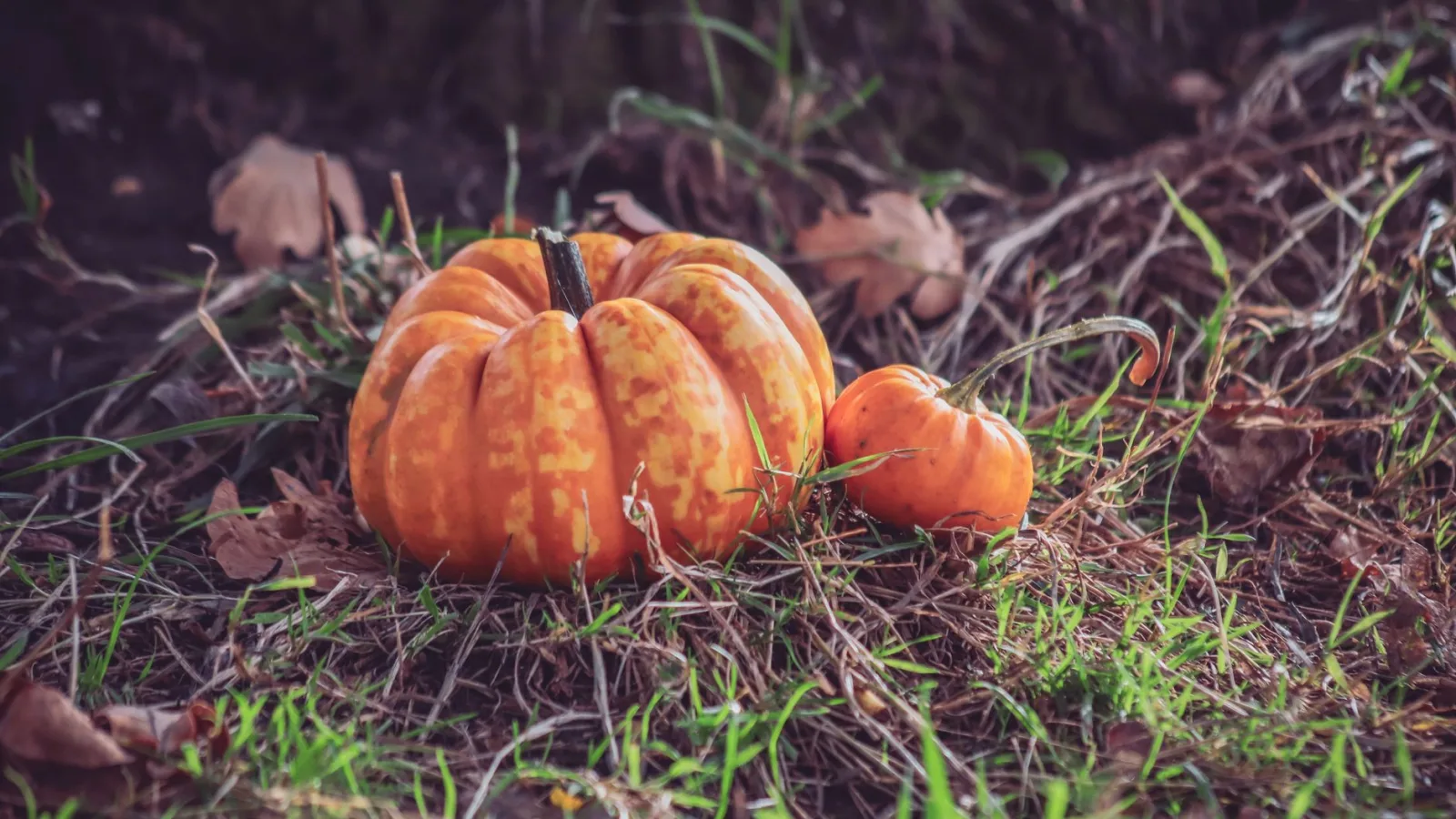
This is the time of year, just before the first frost, when we bring in the big, fully ripened pumpkins from the corner of the garden. Koreans call them neulgeun-hobak, or "old pumpkins." Split one of those thick rinds in half and the flesh inside is a deep orange. That color does more than look nice. It comes from pigments called carotenoids, which the pumpkin stored up all summer as it sat in the sun.
The Pigments Behind the Orange
Carotenoids are antioxidant pigments found in orange vegetables like carrots, kabocha squash, and ripe pumpkin. Beta-carotene is the best known. In the body, these compounds help reduce reactive oxygen species, unstable molecules that can damage cells. Carotenoids also hold up fairly well to heat, so you don't lose much of them when you simmer pumpkin into soup or porridge.
Two people can eat the same pumpkin, but how well the pigments work in the body depends partly on how they're extracted. A research team recently used a mild solvent, made by blending water with natural ingredients, to draw carotenoids out of pumpkin flesh gently. The method uses less high heat and fewer harsh chemical solvents, so the researchers believe the pigments keep more of their natural antioxidant power.
Chemotherapy and the Heart
Doxorubicin has been used to treat cancer for decades. It works well, but as it builds up in the body, it is known to strain the heart muscle. A major cause of that strain is oxidative stress. Reactive oxygen species build up to excess levels inside heart cells, and the mitochondria, the tiny structures that make a cell's energy, stop working as well as they should.
The new study asked whether pumpkin pigments could ease some of that burden. The researchers divided laboratory rodents into several groups. Some got doxorubicin alone and others got doxorubicin plus the pumpkin extract, and the team then compared the condition of their hearts.
What the Study Found, and Pumpkin at the Table
In the animals given only doxorubicin, antioxidant enzymes in the heart dropped sharply and mitochondrial respiration weakened. In the animals that also got the pumpkin extract, those measures recovered noticeably. In some groups, the activity of SOD, an enzyme that clears away reactive oxygen species, roughly doubled, and the heart kept part of its ability to produce energy.
Still, these results come from rodents, and they were seen in only one sex at a single dose. It's too early to say people would get the same effect. Nor does the study suggest that pumpkin can replace cancer treatment or cure heart disease. It is best read as one more piece of evidence that eating vegetables rich in antioxidant pigments on a regular basis is good for you. Early studies like this one have to add up before researchers move on to testing in humans.
Carotenoids are absorbed better when you eat them with a little oil. Here are a few ways to enjoy the pumpkins you just brought in.
- When you steam kabocha or ripe pumpkin, drizzle on a spoonful of perilla oil (a nutty oil pressed from toasted perilla seeds, a Korean kitchen staple) or olive oil.
- When you make hobak-juk, a silky Korean pumpkin porridge, finish it with a light swirl of sesame oil.
- The deeper the orange, the more pigment the flesh holds, so use it all the way out to the rind.