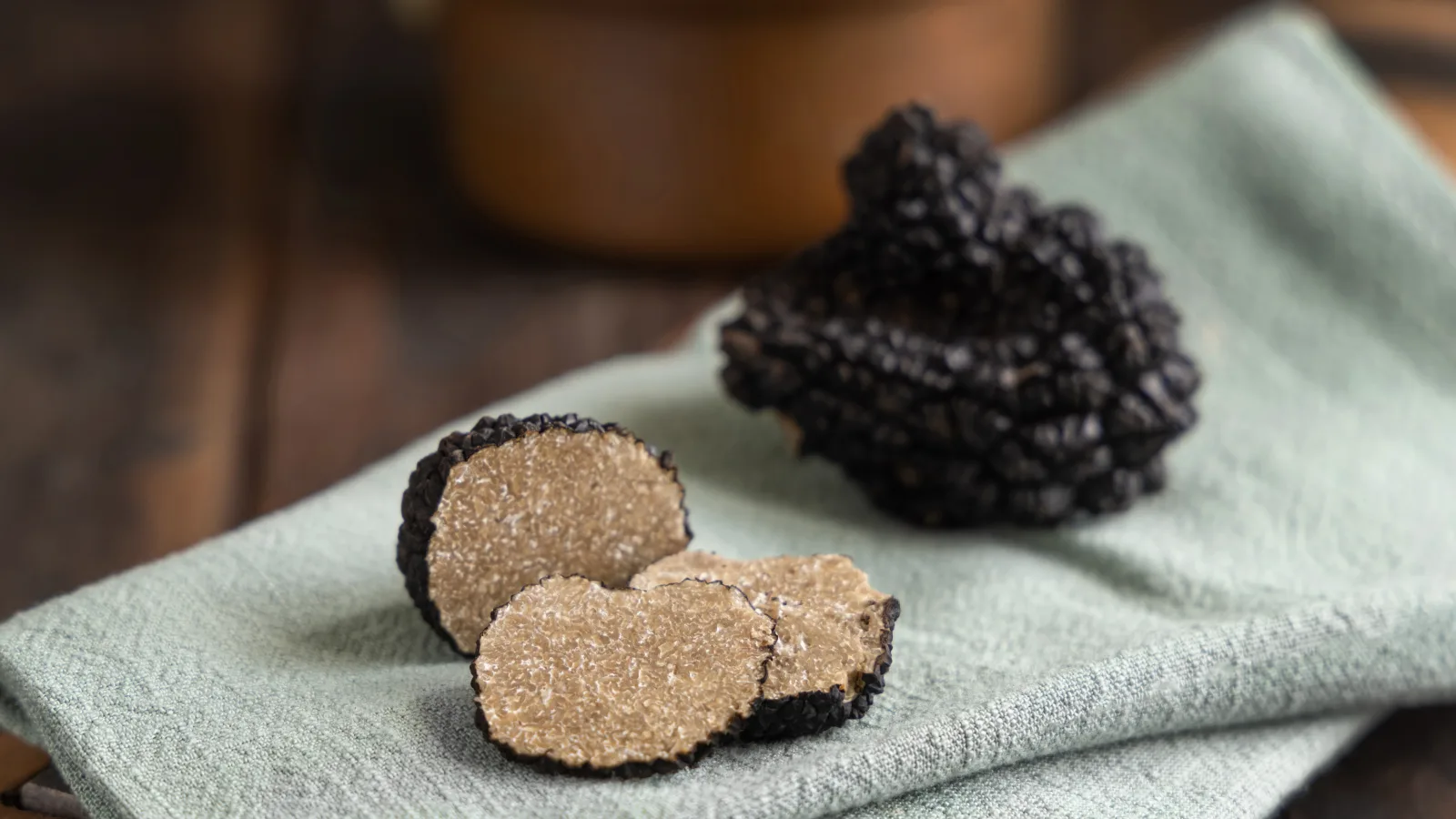
In an Italian or French restaurant, a few paper-thin shavings of truffle over a bowl of pasta can send the bill soaring. The best specimens fetch well over $700 a kilogram. And yet this is a mushroom almost nobody can grow on demand. Plant the same species of tree in the same plot, and truffles will form under one of them while the tree right beside it goes years without producing a thing.
A mushroom that resists cultivation
Truffles live on the roots of oaks and hazels, in partnership with the tree. Growers plant seedlings inoculated with truffle spores and then wait — for years. The trouble is that there's no way to know in advance how it will turn out. Match the soil, the water, and the planting method exactly, and some trees still produce while others never do. For a long time the explanation was assumed to lie in soil conditions: acidity, lime content, and the like.
The answer was underground, in the microbes
Recent findings from a research team at the University of Stirling in Scotland offer a new lead. When the team compared productive truffle ground with unproductive ground, the difference wasn't only in soil chemistry. What differed sharply was which microbes had gathered around the roots — the makeup of the microbial community itself. The researchers suggest that the truffle appears to be reshaping the microbes around it in its own favor. In other words, the mushroom builds some of its own growing conditions.
If that holds up, the focus of cultivation shifts. Growing truffles becomes less about dialing in soil pH and more about keeping the microbial life around the roots healthy. It's still too early to name which microbes matter most. But moving the question from a list of soil components to a living ecosystem is progress in itself.
Keeping your own soil alive
Few of us will ever grow truffles. Still, there's something here for anyone tending a vegetable patch: stop thinking of soil as a chemical inventory. Inside it is an ecosystem of microbes and roots working together, and roots settle in better in soil that's biologically active than in soil where the numbers merely look right.
Start by looking at your soil today. Work in a handful of well-finished compost or leaf mold to give microbes a place to live. Till less, and rather than leaving the ground bare through winter, cover it with fallen leaves or straw. These small acts of protecting the life around the roots are the same principle that growers of the world's most expensive mushroom are only now learning. This weekend, mix a handful of compost into your garden bed.
Source: University of Stirling research on microbes in truffle cultivation.