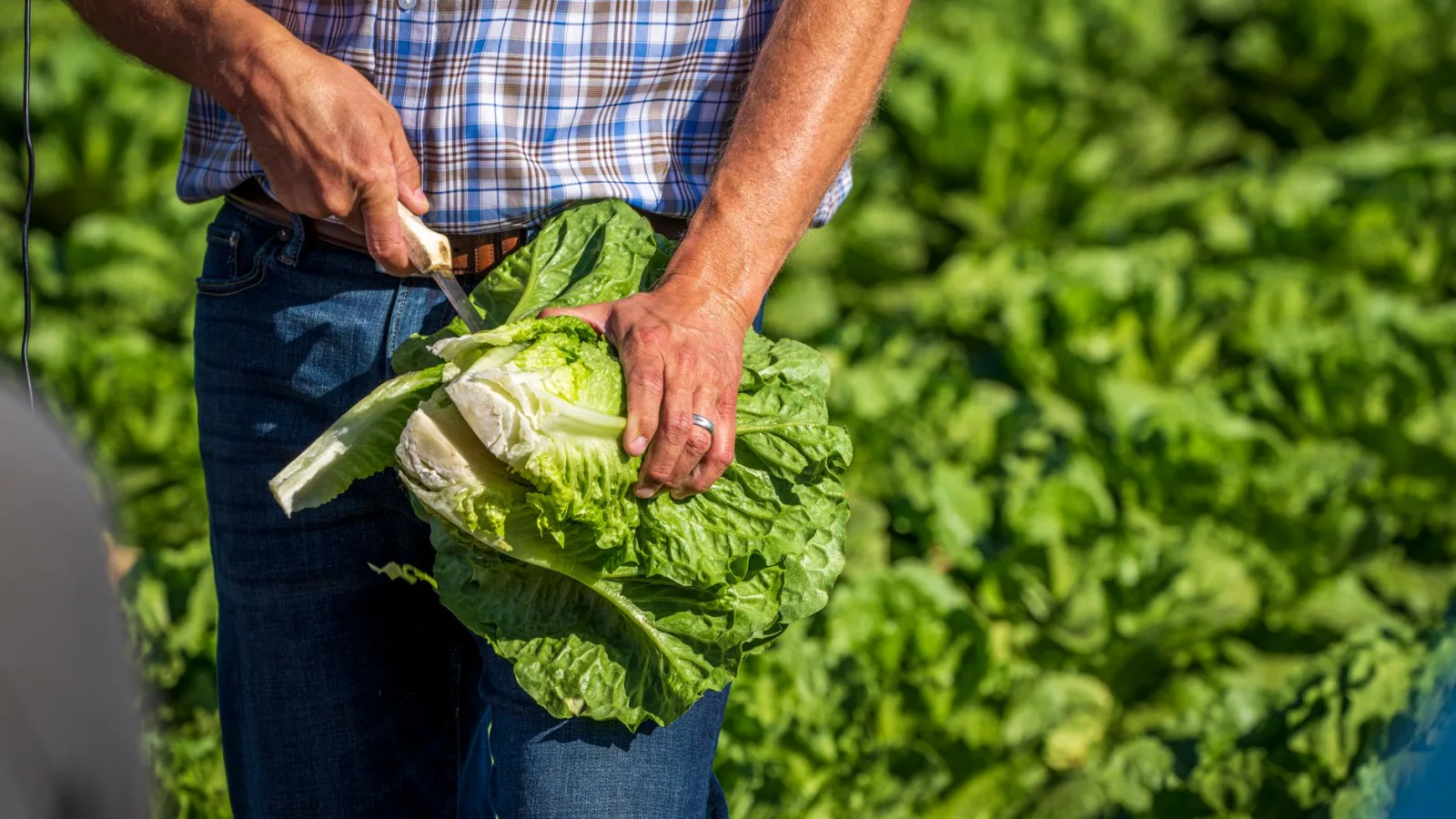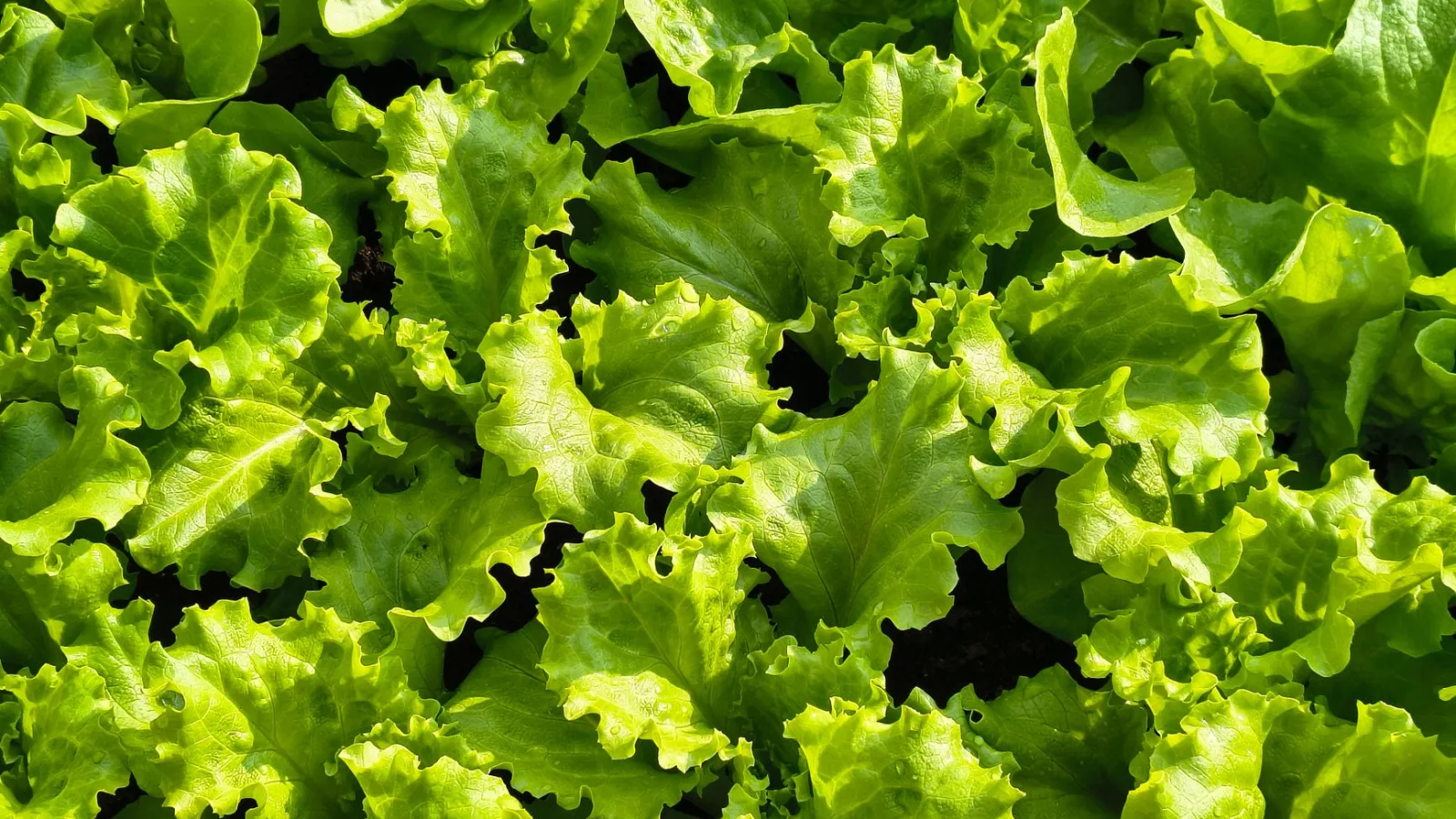
When the lettuce you planted in spring starts to unfurl its leaves, it's tempting to reach for the bag of chemical fertilizer sitting in a corner of the garden. A handful scattered over the bed turns the foliage a noticeably deeper green, so who can blame you? But if you keep feeding the same plot chemical fertilizer year after year, what is happening in the soil beneath your feet?
A 2026 study that pooled 501 long-term farming trials from around the world offers an answer. It compared, side by side, soil from fields that had received chemical fertilizer for an average of 25 years with soil from fields that had not, so the evidence stands on fairly solid ground.
Two Ways Long-Term Fertilizer Changed the Soil
The first is a buildup of organic matter. Fields fertilized over the long term held an average of 14% more organic carbon in their soil than unfertilized fields. The likely explanation is that when fertilizer helps crops grow vigorously, more roots and stubble return to the soil, and organic matter rises accordingly.
The second is a shift toward acidity. The same fields saw their soil pH drop by an average of 0.31. That is because nitrogen fertilizer produces acid as it breaks down in the soil. The number may look small, but for the character of the soil and the microbes living in it, it is a meaningful difference.
How the Soil Microbes Changed
As organic matter increased, so did the microbes. Living bacteria in particular grew more abundant, thanks to a richer supply of organic matter for them to feed on.
The shift toward acidity, meanwhile, rearranged the bacterial community. Groups that tolerate acidic conditions well (Proteobacteria) came to make up a larger share, while those that don't (Firmicutes) declined. Fungal communities, by contrast, stayed largely unchanged.
To address the worrying part first: microbial diversity itself did not decline, and fungi that cause plant disease did not increase. The bacterial lineup was reshuffled, but it would be a stretch to call the soil sick. That said, microbial activity tied to acquiring nitrogen and phosphorus went up while carbon-decomposing activity held steady, so the balance of life and work inside the soil is slowly shifting.
What to Do in Your Garden Today
Bring these findings home to the vegetable patch and the takeaway is simple. Chemical fertilizer does not ruin soil, but years of use gradually shift its acidity and microbial balance, so a few companion habits go a long way.
- Keep adding compost or fallen leaves to replenish organic matter. It is the foundation microbes need to thrive.
- Check your soil pH now and then. If it has drifted too far toward acidic, work in a little garden lime or wood ash to bring it back into balance.
- Rather than relying on a single chemical fertilizer year after year, alternate it with compost. Your soil will be better for it.
The next time you head out to the garden, reach for a shovelful of compost before you reach for the fertilizer bag. For the microbes that have kept your soil alive all these years, it is a hearty meal.