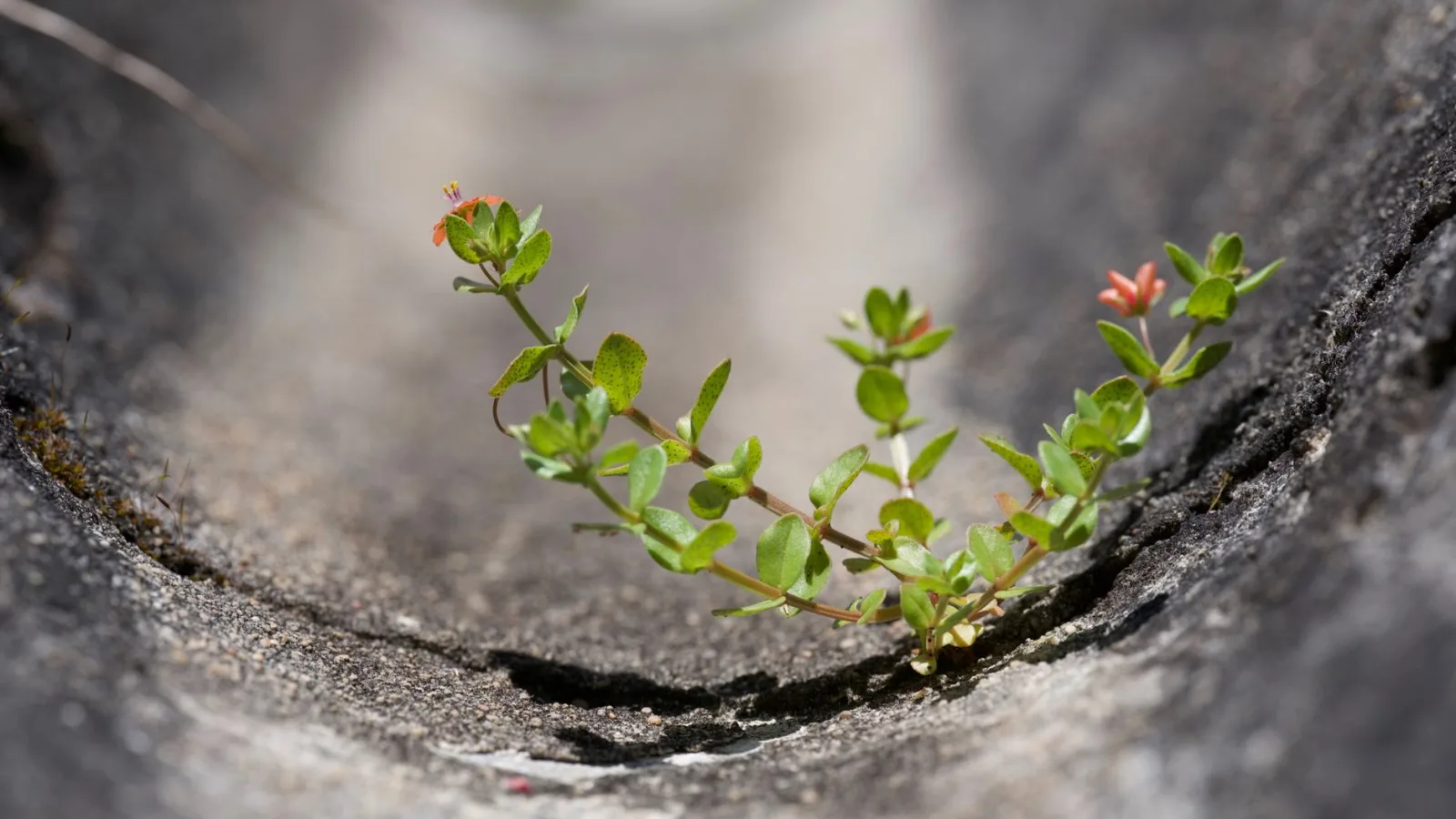
After a couple of frosts, brown stems lie pressed flat against the garden path. That's prostrate knotweed, the plant you walked on all summer. It's an annual, so the stems have already dried up and the seeds have dropped into the soil. Most of us can't pull this weed fast enough, yet Heo Jun gave it a place in the herbs section (草部) of the Donguibogam, Korea's 17th-century medical classic, under the name pyeonchuk (萹蓄).
Pyeonchuk in the Donguibogam
Under the heading 萹蓄, the Donguibogam gives the plant's everyday Korean name, madipul ("joint grass"), exactly as it is still called. It describes the plant as neutral in nature, bitter in taste, and nontoxic, and adds that some say the taste is sweet.
It records the plant's appearance with care, too. The seedlings resemble gumaek (瞿麥, the pinks of the genus Dianthus), the leaves are slender and green like bamboo, and the flowers grow between the joints and are extremely tiny. The text says to dig the plant in the fifth lunar month and dry it in the shade, and it notes that plants growing near water and those with purplish flowers were considered the best. You can read more about this entry on Homiclub's Donguibogam page on pyeonchuk.
What Modern Analysis Has Found
The species name in Polygonum aviculare comes from a Latin word meaning "little bird," and a compound isolated from the plant was named avicularin after it. Avicularin is a glycoside, quercetin with a sugar attached, and it belongs to the flavonoids. Knotweed also contains tannin-type polyphenols, which give it its astringent taste, and silicic acid, a mineral component that makes the stems stiff.
The European Pharmacopoeia lists the dried flowering aerial parts of knotweed as an herbal drug and uses flavonoid content as its quality standard. An assessment report from the European Medicines Agency's Committee on Herbal Medicinal Products likewise names flavonoids, tannins, and silicic acid among the plant's constituents.
Where Old and New Overlap, and Where They Part Ways
They overlap on taste, appearance, and harvest time. The bitterness the Donguibogam describes most likely included the astringency of tannins. Its picture of tiny flowers growing between the joints matches what botanical field guides say today. And the fifth lunar month falls in early summer, just as knotweed begins to bloom, which lines up with the European Pharmacopoeia's call for the flowering aerial parts.
The differences are just as clear. "Neutral" and "nontoxic" are terms a medical text used more than 400 years ago to classify medicinal materials, while avicularin and tannin are the names of substances identified in a laboratory. You can't translate one into the other. The old text's assessments are not the same as the judgments of modern medicine, and a chemical analysis is simply a record of what a plant contains, so neither is solid ground for claiming that knotweed prevents or cures disease.
Where to Let It Grow and How to Eat It
In the Northern Hemisphere, sow seeds in March–April and harvest the young shoots in April–June. In a home garden you don't need to track down seed at all; just leave the volunteer seedlings where they come up. Plants growing along roadsides may carry exhaust residue and herbicide, so use only what sprouts inside your garden. Knotweed drops a lot of seed, and that seed stays viable in the soil for years, so choose one spot where you'll let it stay and pull the rest before it flowers. The planting calendar and companion plants are laid out in the prostrate knotweed crop guide.
- Young-shoot namul (seasoned greens): Pick out any stems with hardened joints and use only the tender tips. Blanch them in boiling water for about 1 minute, toss with doenjang (Korean fermented soybean paste), and finish with a drizzle of perilla oil (pressed from perilla seeds), which softens the astringent aftertaste.
- Light tea: Start with 5 g of dried knotweed to 1,000 ml of water. Once it comes to a boil, turn the heat down to low and leave it for about 10 minutes, then lift out the herb when the water has taken on color. If it tastes flat, add 10 g of roasted barley or cassia seeds (gyeolmyeongja) for a toasty, nutty flavor. Don't brew it strong; keep it weak enough to drink like water.
Now that the frosts have come, all you need to do is take note of where the dried stems are lying. The seeds are in that soil, and when spring arrives, slender leaves like bamboo will come up again in the same spot.
Sources: Heo Jun, Donguibogam, Tangaek-pyeon (Herbal Decoctions), herbs section, 萹蓄 (published 1613) · European Pharmacopoeia, Polygoni avicularis herba monograph · European Medicines Agency, Committee on Herbal Medicinal Products, assessment report on Polygonum aviculare