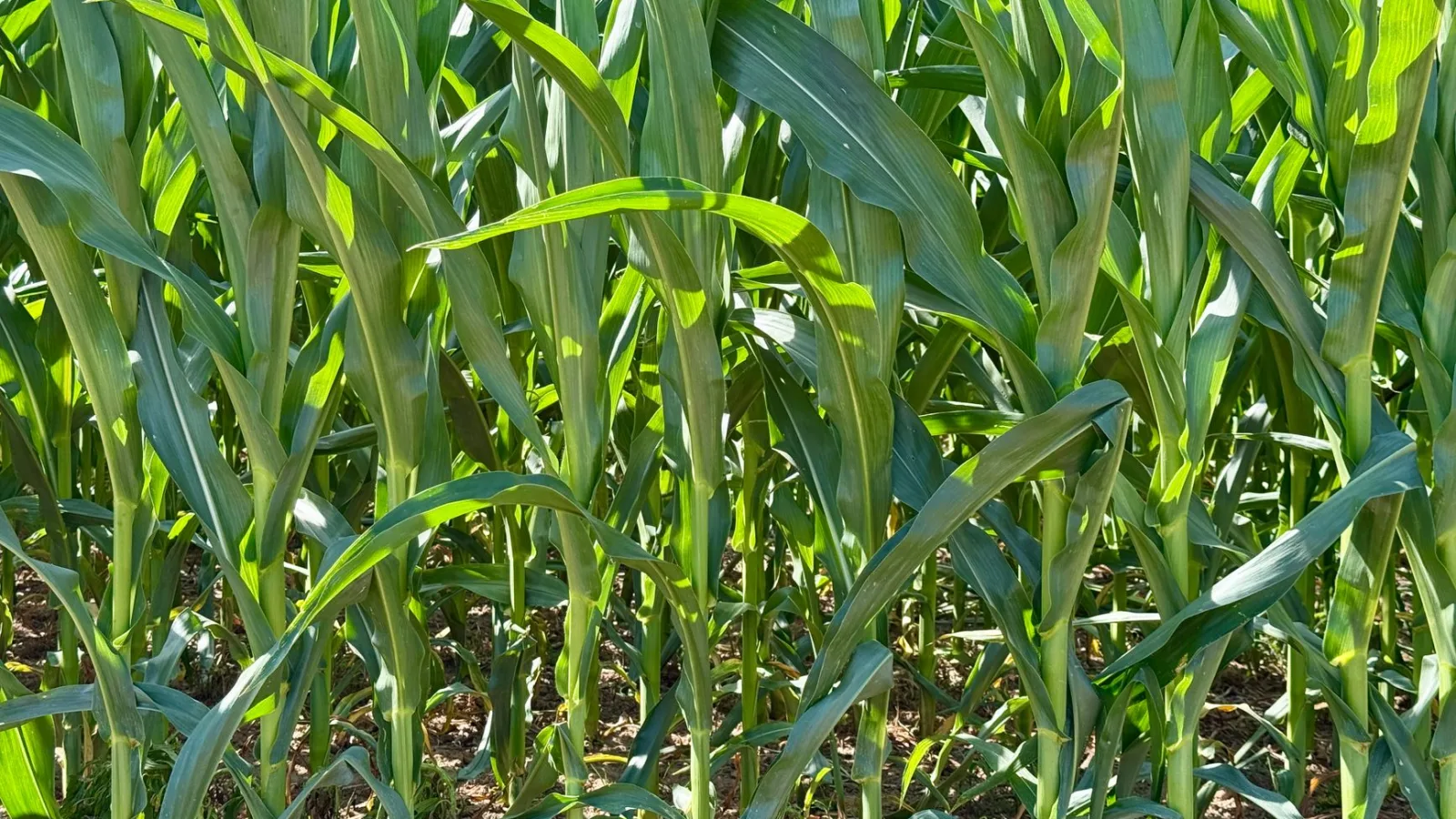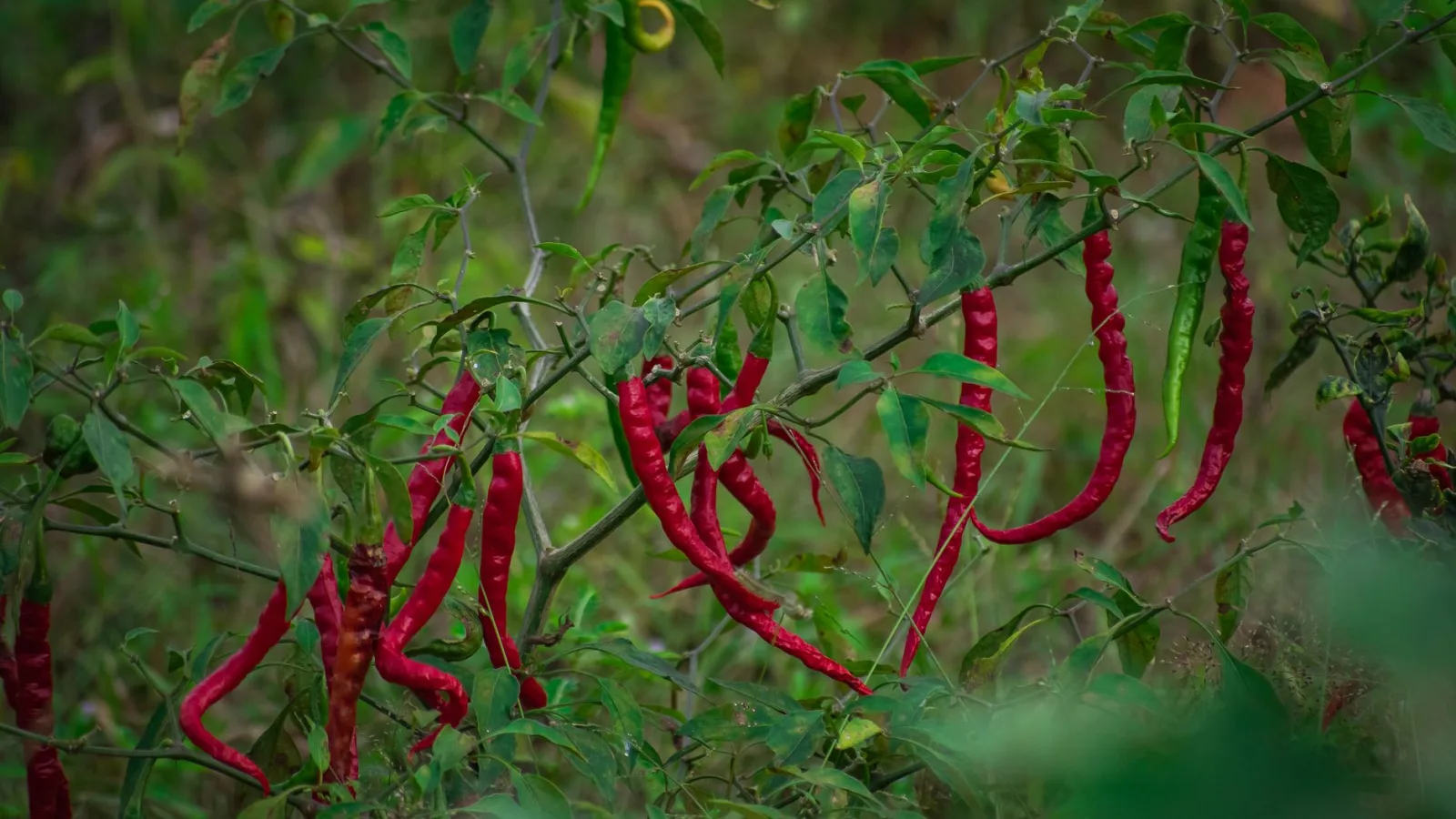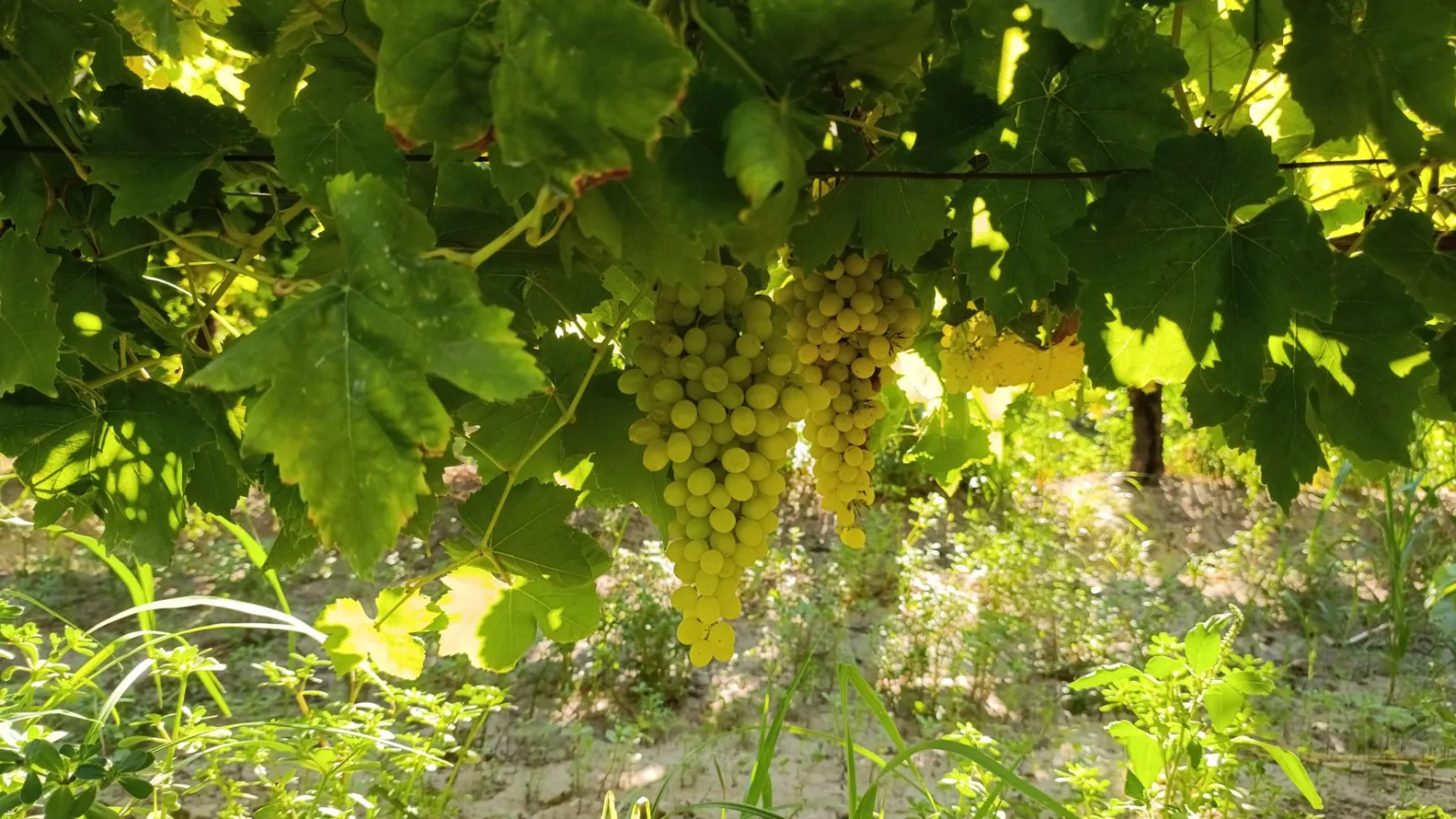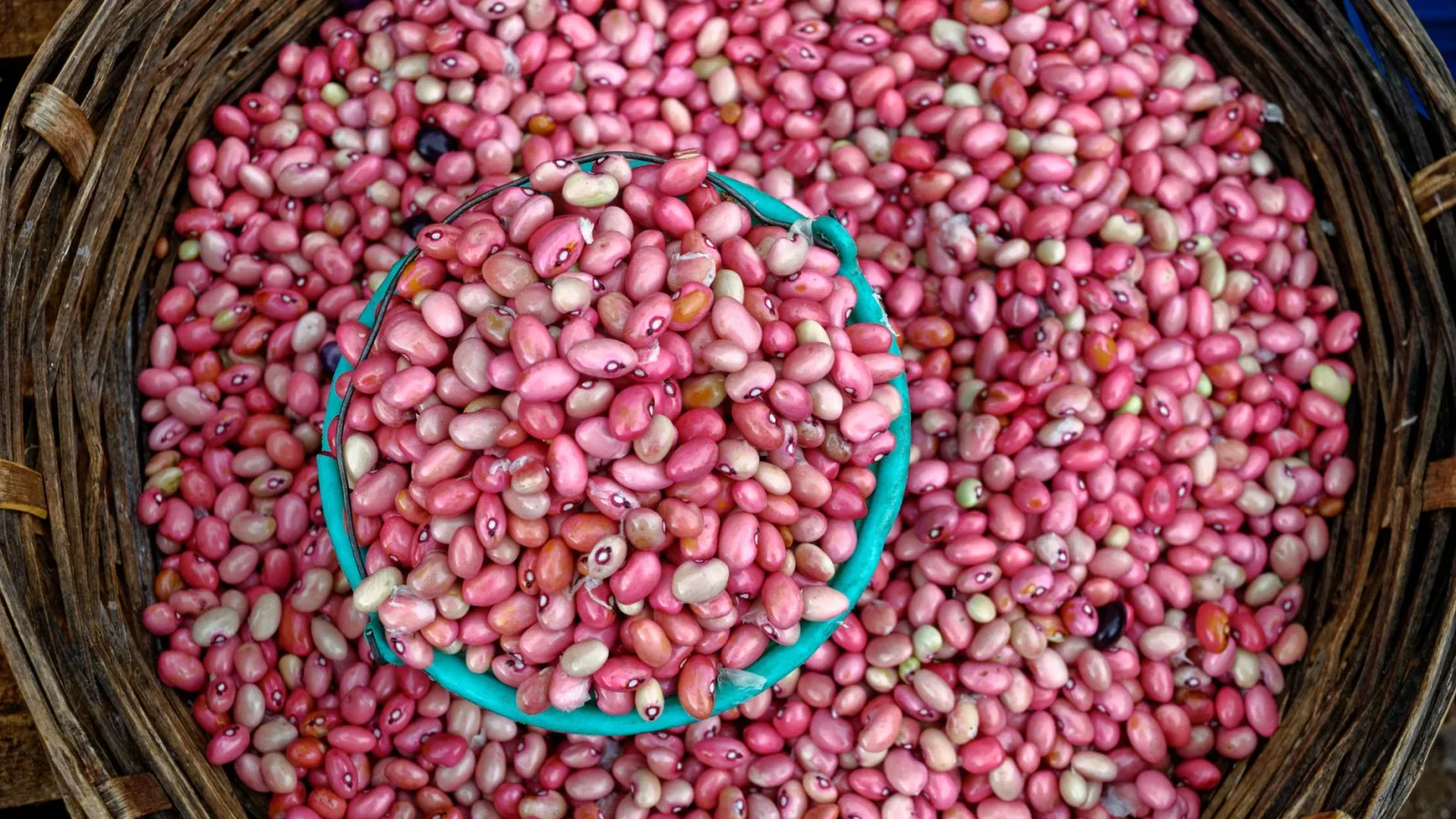
Late July keeps a gardener busy. The lettuce has bolted and turned bitter, and the peppers and eggplant need picking every other day. In the bed next door, the kidney beans planted back in spring are filling out their pods. They went in almost as an afterthought — one corner of the plot, given over to the idea of feeding the soil. And yet in a recent report on what global agriculture ought to be growing, this is the crop that comes up most often.
Change the Diet, Change the Field
The EAT-Lancet Commission, a group of researchers from a number of countries, proposed a "planetary health diet" in its 2025 report. It isn't a call to give up meat entirely. It's a call to cut red and processed meat sharply and fill most of the plate with vegetables, fruit, legumes, nuts, and whole grains.
The Commission estimates that a worldwide shift to this way of eating could prevent roughly 15 million premature adult deaths each year. That figure isn't a body count — it's a modeled estimate built from dietary and disease data across many countries. But the underlying research has been accumulating for a long time: diets heavier in vegetables and legumes and lighter in red meat do appear to lower the risk of cardiovascular disease and type 2 diabetes.
If that diet spreads, the mix of crops in the ground has to change with it. Demand for grain grown as livestock feed drops, and the world needs far more legumes, vegetables, fruit, and nuts grown for people to eat directly. When the researchers ran the numbers region by region, today's cropland simply didn't add up — a large share of the world's grain still goes to feed.
The Crops We Need More Of Are Already in the Garden
The crops the report says we should be growing more of are the ones city gardeners have been growing all along.
- Legumes — Kidney beans, peas, and seoritae (black soybeans) host nitrogen-fixing rhizobia in nodules on their roots, pulling nitrogen out of the air and leaving it in the soil. They grow on less compost, and they leave a better bed behind for whatever follows.
- Leafy and fruiting vegetables — Lettuce, chard, tomatoes, and eggplant get eaten right where they're picked. Very little spoils in transit or storage.
- Seed and oil crops — Perilla and sunflowers give you both leaves and seeds from a narrow bed.
A two-pyeong plot — roughly 70 square feet — isn't going to move the global cropland math. Still, the person who decides what to plant is the same person who decides what to eat. What goes into the bed is what ends up on the table.
What to Do in the Garden This Week
Start by pulling the bolted lettuce and letting that space rest. By mid-August, seedlings for fall radishes and napa cabbage will be available. As for the kidney beans that have already filled out, leave a few pods on the plant. Harvest them once they've dried completely and you have next year's seed.
In the kitchen, try swapping one meat dish for a bean dish. Stir cooked kidney beans into your rice, or mash peas and toss them with tofu — either one covers the protein for a meal. Once or twice a week is plenty. The diet the report describes isn't about giving meat up, either; it's about bringing it down to roughly once a week.
Today, just pick out five well-filled kidney bean pods and mark them. When those five dry down, they become a full row in next spring's bed.
Reference — the EAT-Lancet Commission's 2025 report