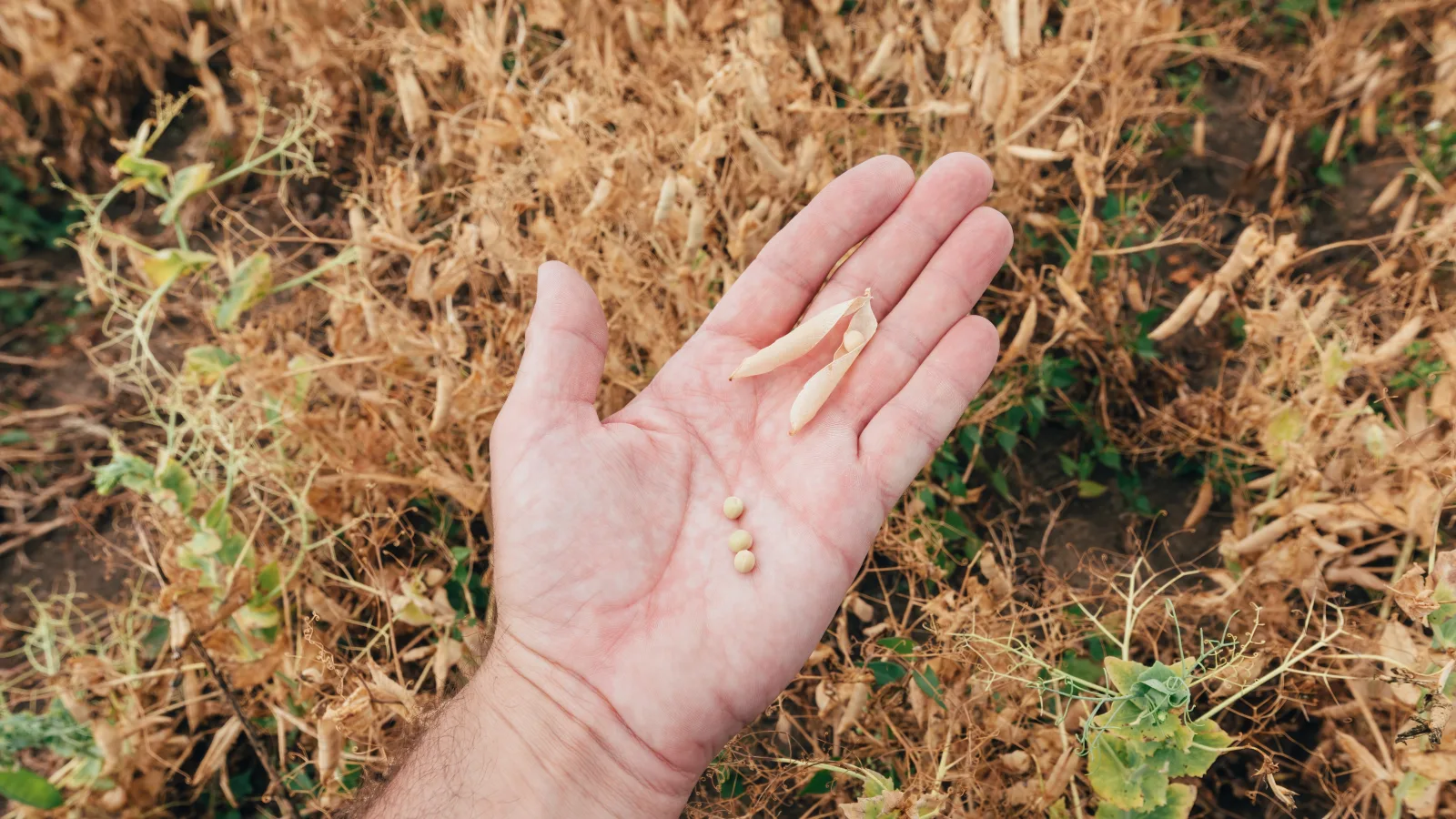
If you have grown soybeans or edamame in a summer garden, you may have noticed one row lagging behind the rest. The lower leaves go yellow, and the plants simply stop gaining height. You suspect they are hungry and side-dress them with fertilizer, but nothing much changes. Pull up a single plant, rinse the roots, and you may find tiny white beads — smaller than a grain of millet — studded along the fine roots. Those beads are the calling card of the soybean cyst nematode.
A pest that builds its own feeding cell inside the root
The soybean cyst nematode is a microscopic worm that lives in the soil. Once it hatches, the juvenile bores into a soybean root and settles in. It then injects a special cocktail of substances through its stylet, converting several surrounding root cells into a single feeding cell. The walls between the cells dissolve, leaving one large cell where nutrients pool. The nematode plugs its mouthparts into that cell and grows fat on the sugars and amino acids the soybean plant made for itself.
The female swells into a round, lemon-shaped body, and eventually her rear end pushes out through the surface of the root. When she dies, that body hardens into a tough shell — the cyst — that protects the eggs inside for years. That is why the pest is so stubborn once it moves into a field. In the United States, it is considered the single most damaging pest of soybeans, blamed for billions of dollars in lost yield every year.
The idea: cut off the food supply
Until now, control has leaned mostly on chemical treatments and resistant varieties. Recently, though, researchers at American universities and the U.S. Department of Agriculture have been chasing a different angle. Instead of killing the nematode outright, they want to block the nutrient pipeline and starve it.
A feeding cell cannot make its own food. Sugars produced by the soybean's leaves and stems travel down through the plant's vascular tissue to the roots, and specialized transporter proteins in the root cells hand those sugars off to the feeding cell. The research team has identified the particular transporters that funnel nutrients specifically into the nematode's feeding cell. Shut those down, they believe, and you can starve the nematode without meaningfully setting back the soybean plant. This is still lab and trial-plot work, not something you can use in a garden bed today. But it points toward a way to reduce damage while relying less on chemicals.
What you can do in a home garden
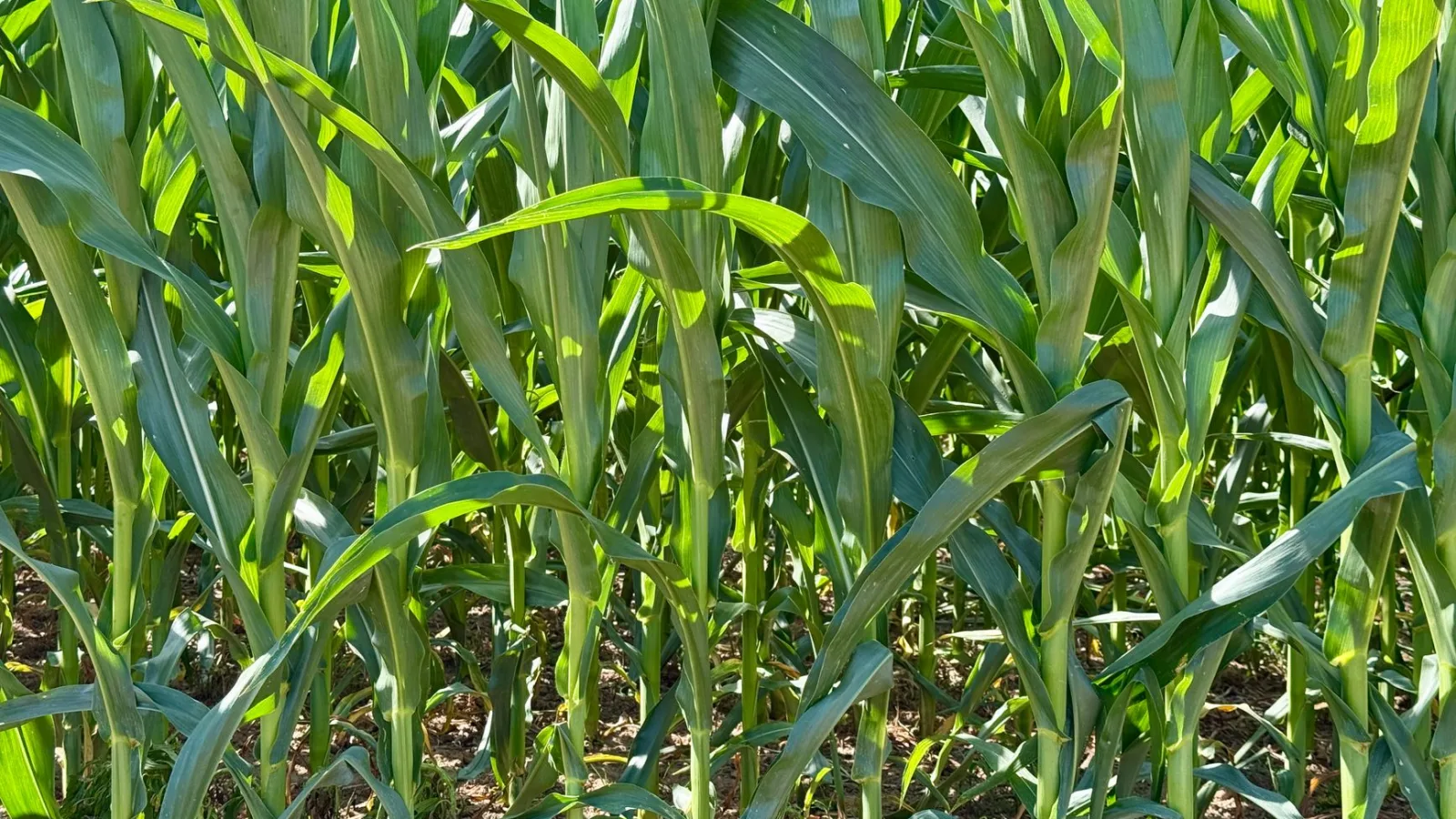
You do not need laboratory tools to push back. This nematode feeds on the roots of legumes, so the first rule is simple: do not plant soybeans in the same spot year after year. Rotating for a year or two with a crop the nematode cannot feed on — corn or a grain, for instance — brings down the number of eggs in the soil.
- Rotate your beds: Follow last year's soybean patch with corn or leafy greens, and hold off on replanting soybeans there for two or three years.
- Resistant varieties: When you buy seed, check whether the variety is rated as nematode resistant and choose accordingly.
- Watch what you track around: Nematodes hitch rides in soil, so knock the dirt off your shoes and tools after working an infested row before you move to a clean one.
- Check the roots: If you pull a plant and see millet-sized beads on the roots, keep that soil separate and keep a close eye on that spot going forward.
If your soybeans are unusually slow this summer, pull one plant and rinse the roots before you reach for more fertilizer. If you find those little white beads, the best thing you can do is redraw next year's row plan now.
Reference: research on soybean cyst nematode feeding cells by the USDA Agricultural Research Service and university scientists