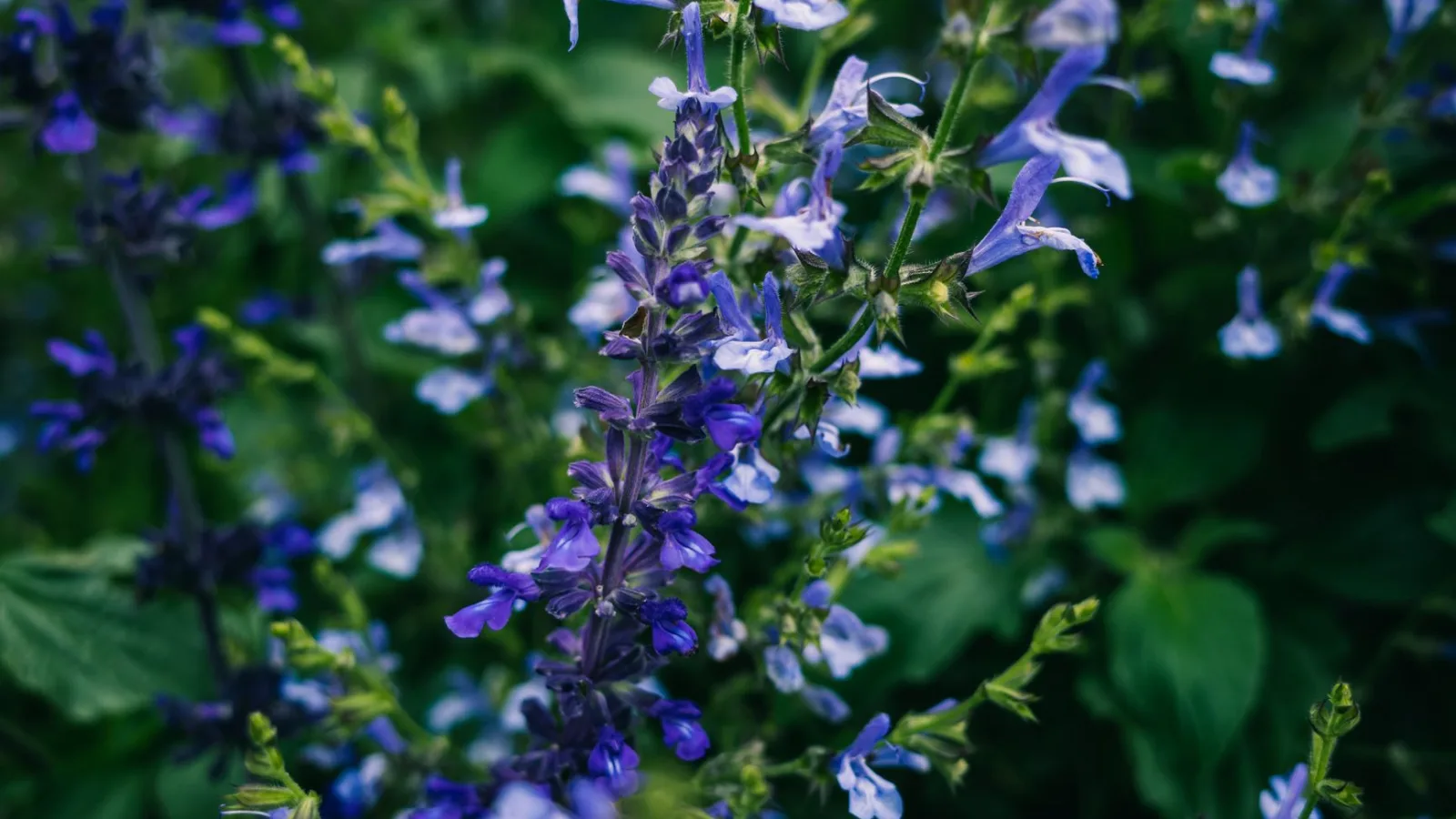
In Northern Hemisphere gardens, October is when the purple gromwell planted in a corner of the bed starts to turn yellow and die back. Gromwell sown in spring is ready to have its roots lifted around this time. Scrape back the soil with a homi, the Korean hand hoe, and you'll find dark crimson roots. Pick one up barehanded and your fingertips come away purple. The plant's botanical name, Lithospermum erythrorhizon, says the same thing: erythrorhizon is Greek for "red root."
Jacho in the Dongui Bogam
The Dongui Bogam is a medical compendium compiled by Heo Jun and published in 1613, during Korea's Joseon dynasty. It lists this root in its section on herbs as jacho (紫草), with its native Korean name, jichi, written next to it. The name jacho itself means "purple herb." The text describes the herb's nature as cold, though it also notes a view that it is neutral. It gives the taste as bitter and mentions that some call it sweet. It records the plant as nonpoisonous. It says the plant grows widely in mountains and fields and identifies it as the herb once used to dye cloth purple.
The text also explains how to prepare the root. Dig it in the third lunar month (usually around April on the solar calendar), dry it in the shade, and rinse it in liquor before use. Today's gardeners dig the root in fall, so we depart from the old record from the harvest onward. Everything up to this point is what the old medical text says. It is not the same as modern medical judgment. You'll find a full reading of the original passage in the gromwell entry of Homiclub's Dongui Bogam.
Source: Heo Jun, Dongui Bogam, Tangaek-pyeon (Materia Medica), Herbs section, "Jacho."
Shikonin, the Source of the Red
Researchers have reported many times that they isolated shikonin and acetylshikonin from gromwell root bark. Both are red pigments in the naphthoquinone family, and both dissolve much more easily in alcohol and oil than in water. That is probably why your hands won't come clean with water alone after you handle freshly dug roots.
Keep in mind that this analysis only identifies the pigments. It contains nothing that could be cited as evidence that the root prevents or cures disease.
Old Records and Modern Analysis: Where They Agree and Where They Differ
The two accounts agree on color and on alcohol. The Dongui Bogam's description of the plant as a dye matches the finding that the root contains red pigments. Its instruction to rinse the root in liquor also fits the fact that shikonin dissolves readily in alcohol. The record doesn't say whether people at the time knew this and chose liquor on purpose.
On toxicity, though, the two differ. The Dongui Bogam calls the plant nonpoisonous, but today's list of its compounds includes pyrrolizidine alkaloids. Europe regulates how much of this class of compounds may be present in food. Traditional labels like "cold in nature" or "bitter in taste" can't be compared directly with a chemical analysis, so it's hard to say which account is right.
Grow It, Harvest It, Dye with It
In the Northern Hemisphere, sow seeds in March or April and lift the roots in October or November. You're growing this crop for its roots, so plant it in soil where water doesn't collect. Roots that stay wet for long tend to rot. Wear gloves when you dig, shake off the soil, and spread the roots out to dry in the shade. The Dongui Bogam also says to dry them in the shade. A month-by-month schedule and a list of compounds are in the gromwell entry of Homiclub's crop guide.
We recommend using the dried root for color, not as food. The root contains pyrrolizidine alkaloids, so it's safer not to make a habit of brewing it as tea or cooking it into food. To dye with it, try these methods.
- Oil: Steep dried root in oil and the red will seep out. Salves and cosmetic ingredients have long been made this way.
- Dyeing: Steep crushed root in warm alcohol or ash water (water in which ashes have been soaked) to draw out a purple dye. The color ranges from purple to reddish violet depending on the mordant, the substance that fixes the dye to the fabric.
- Liquor: Hongju, a red distilled spirit from Jindo, an island off Korea's southwestern coast, gets its color from distilled soju (Korea's clear spirit) passed through gromwell root. Running the spirit through the root gives a clearer color than leaving the root to soak for a long time.
Once the roots you dig today have dried in the shade, drop a piece into a small bottle of cooking oil. As the oil turns red, you'll see for yourself what the analysis found: shikonin dissolves in oil.