After pulling root vegetables from the winter garden, washing the soil off your hands, the mind tends to wander. Tens of trillions of bacteria live in the human gut, and they have a hand in how the rest of the body works. A 2026 review in an international journal pulled the evidence together: this microbial community helps tune the immune response, and it connects to brain conditions like Parkinson's and Alzheimer's disease—and even to cancer. The common thread across the studies is that when gut balance breaks down, body-wide inflammation climbs, and that inflammation can ripple outward to the brain and the immune system.
Gut bacteria tune the immune system
Several hundred bacterial species share space in the gut. When they hold a workable balance, immune cells stay calibrated—responsive to outside invaders, restrained toward the body's own tissue. A shift in diet, a stretch of stress, a course of antibiotics: any of these can upset that balance, and researchers observe systemic inflammation rising and immune regulation getting shaky as a result.
A key part of this process is the short-chain fatty acids (SCFAs) that bacteria produce as they break down dietary fiber. Butyrate, the best known of them, fuels the cells lining the colon and helps maintain the gut's mucous barrier. When short-chain fatty acids run low, that barrier becomes more permeable, and the immune system can end up in a state of more frequent stimulation.
The brain and the gut trade signals
Study after study has found that people with Parkinson's or Alzheimer's disease carry a different mix of gut bacteria than healthy people do. The gut and the brain are wired together through the vagus nerve, through hormones, and through immune cell pathways—which is why the hypothesis that changes in the gut can reach the brain is such an active area of research. Some researchers go further, suggesting that the earliest abnormalities in Parkinson's may show up in the gut before they appear in the brain.
Researchers are candid about the limits: causation is still hard to pin down, and results from animal studies don't necessarily carry over to people. What is coming into sharper focus is the possibility that the gut environment influences the level of inflammation in the brain by way of immune regulation. With cancer, too, a growing body of work suggests that a particular bacterial makeup can affect how well the immune system keeps watch over tumors.
Tending your gut with garden vegetables
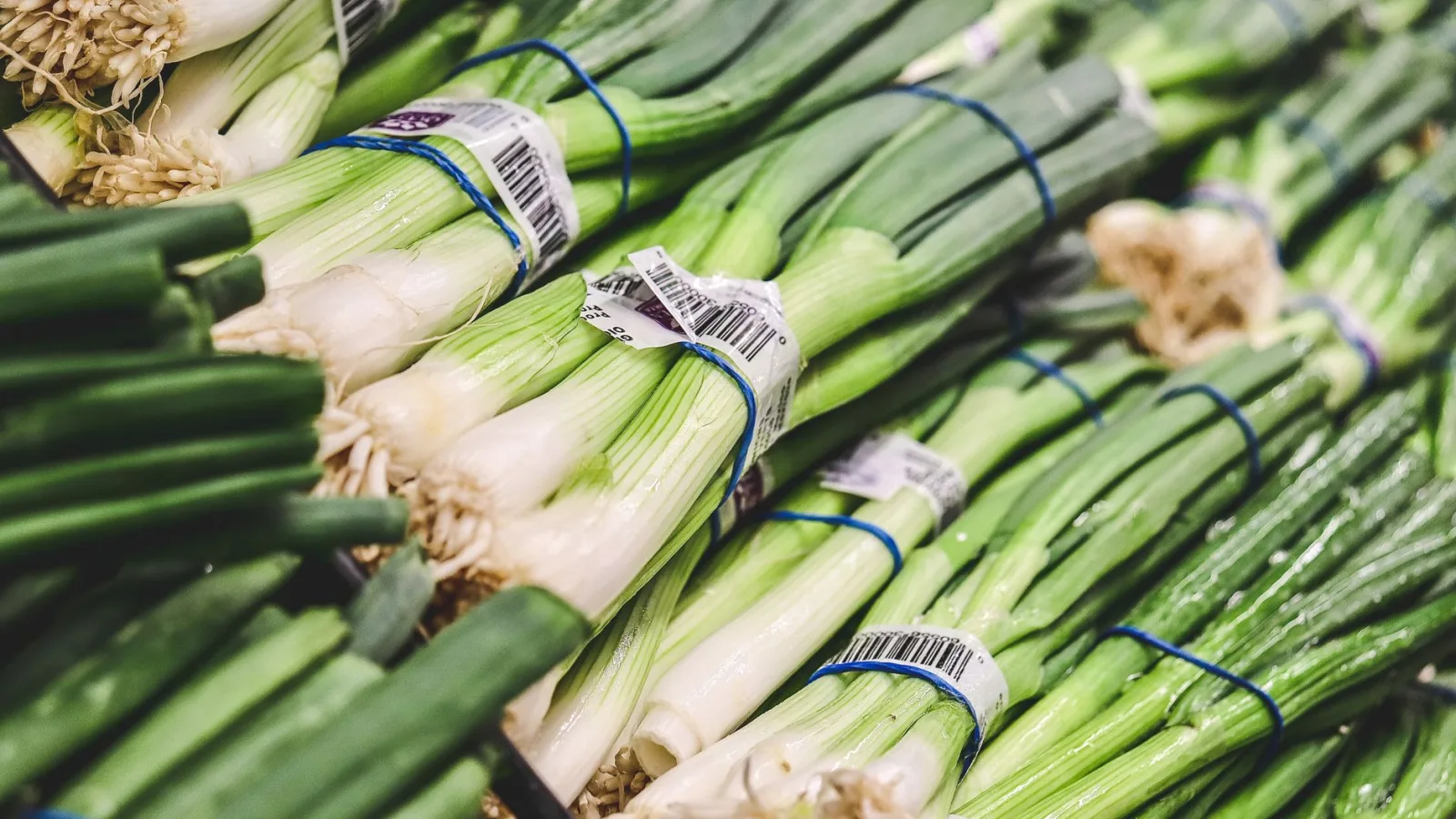
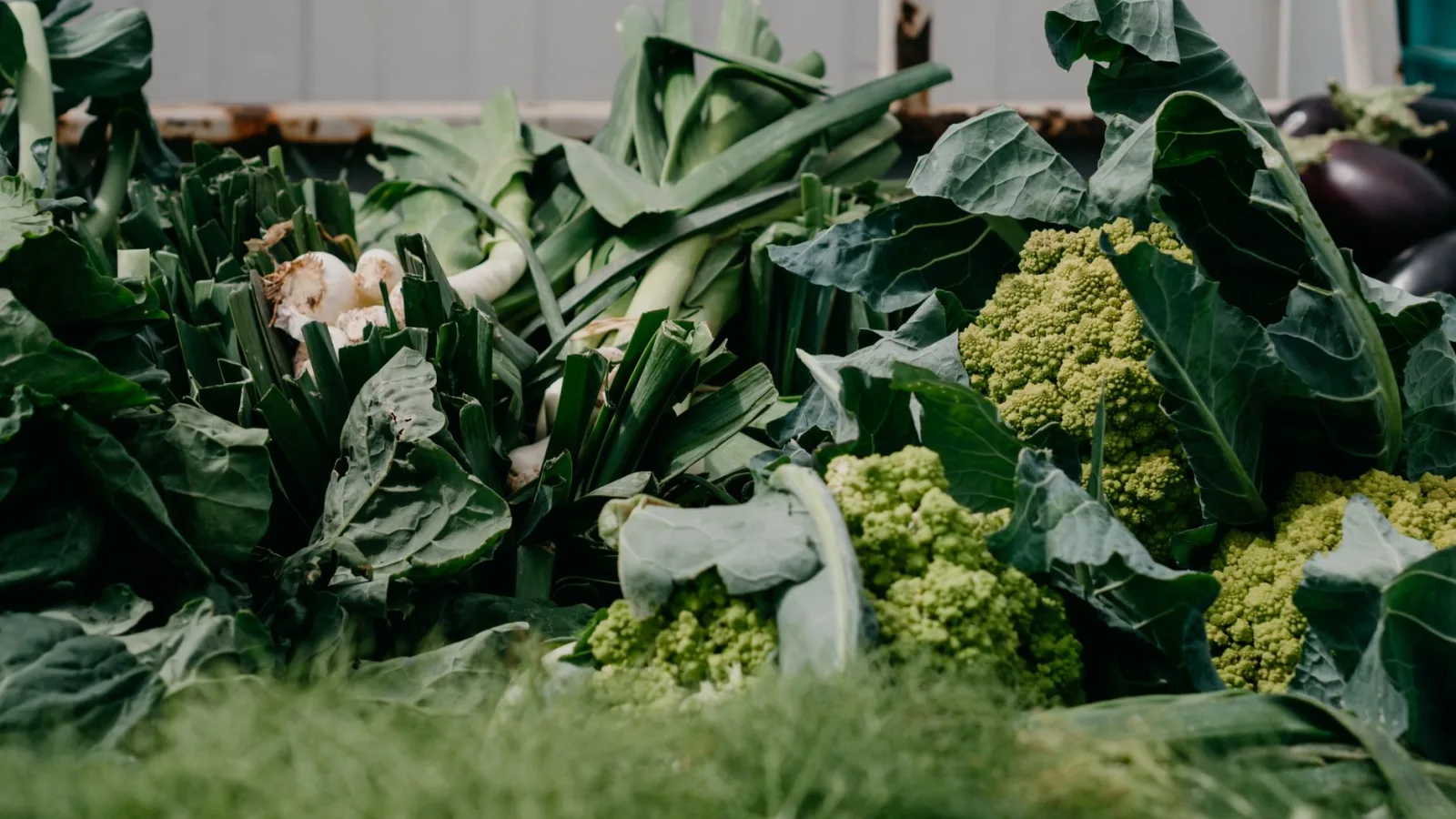
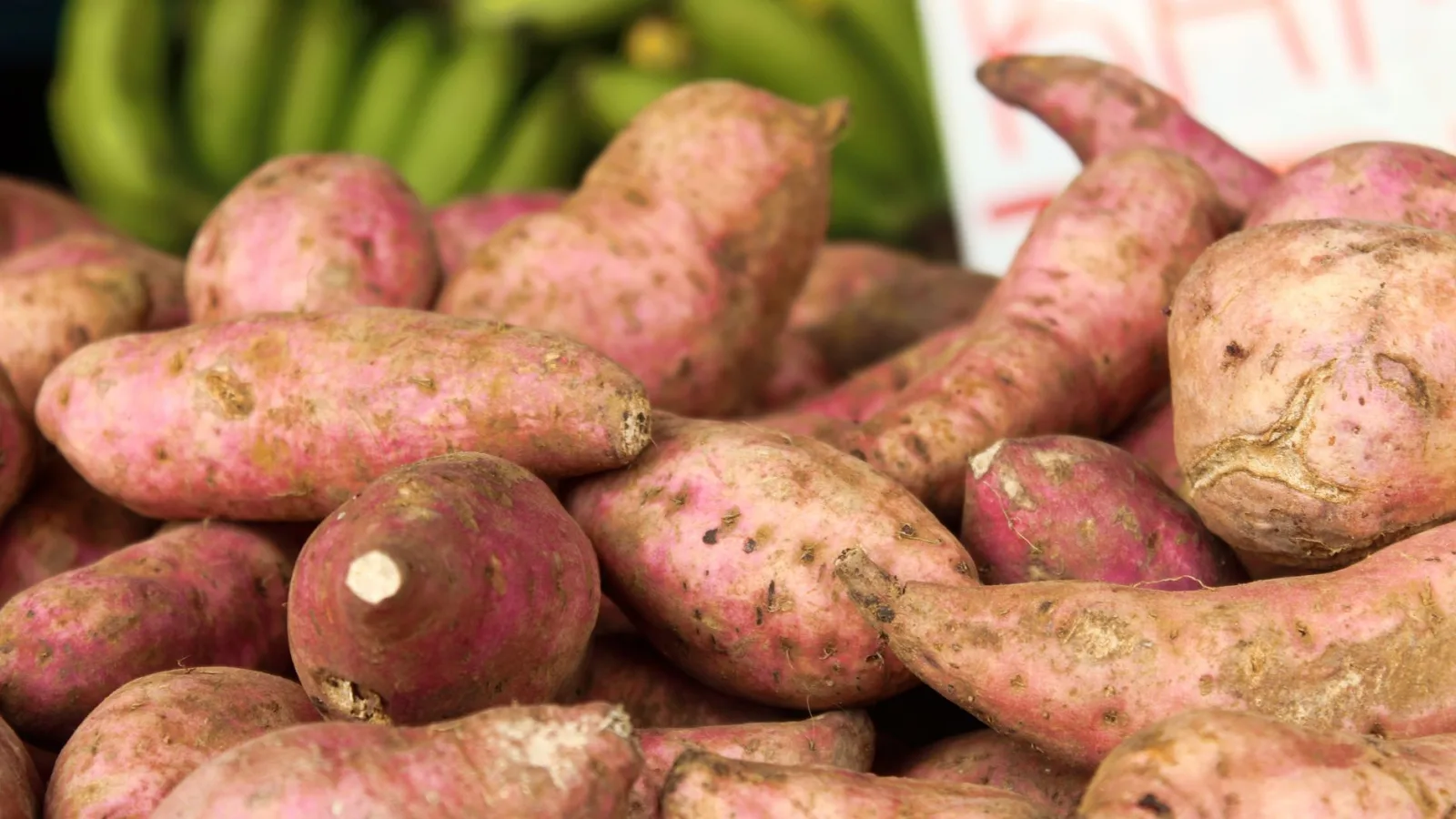
Vegetables you grow yourself supply plenty of the dietary fiber that beneficial gut bacteria feed on. Roots rich in sugars and fiber—carrots, sweet potatoes, burdock root—along with leafy greens carrying a range of phytochemicals (plant compounds), like lettuce, kale, and perilla leaves, can all help build bacterial diversity. Burdock root in particular is loaded with inulin, a fiber well known as food for beneficial bacteria. Try planting a mix of leafy greens and root crops side by side.
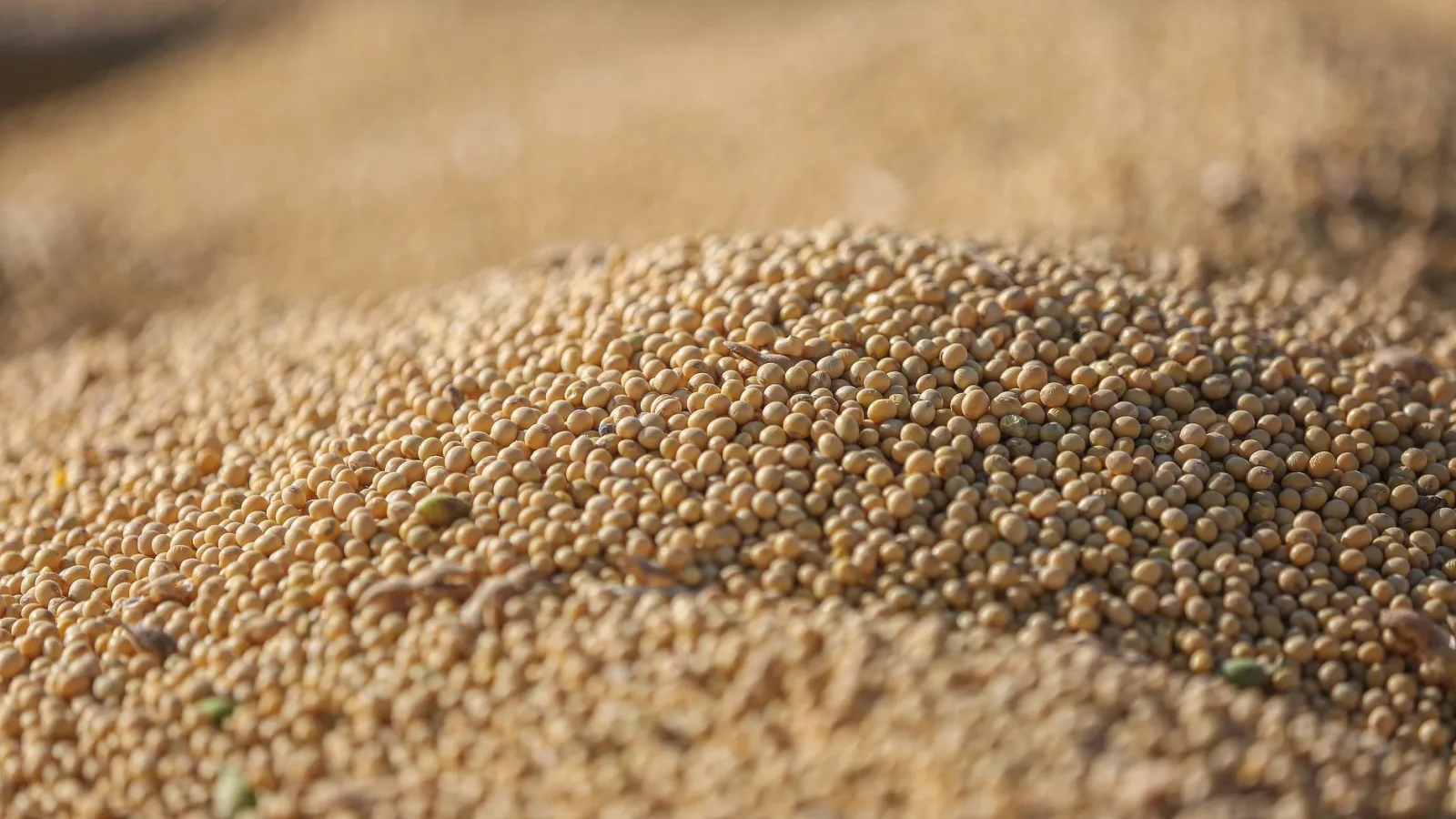
Fermented foods you make at home, like kimchi or doenjang (Korean soybean paste), carry live beneficial bacteria—these are what we call probiotics. The dietary fiber that feeds those bacteria is called prebiotics, and taking the two together is known as synbiotics. More recently, research has been picking up around postbiotics, an approach that puts the metabolic byproducts of bacterial activity to direct use.
Eating a broad range of garden vegetables and making fermented foods a steady habit does real work in maintaining gut balance. Variety serves bacterial diversity better than fixating on any single vegetable or food. Bringing each season's harvest to the table is about as everyday as gut health gets. Pick one vegetable from today's harvest and eat it raw, or turn it into something fermented.
Source · Molecular Biology Reports, 2026 — Gut microbiota and immune modulation: role in neurodegenerative disorders and cancer