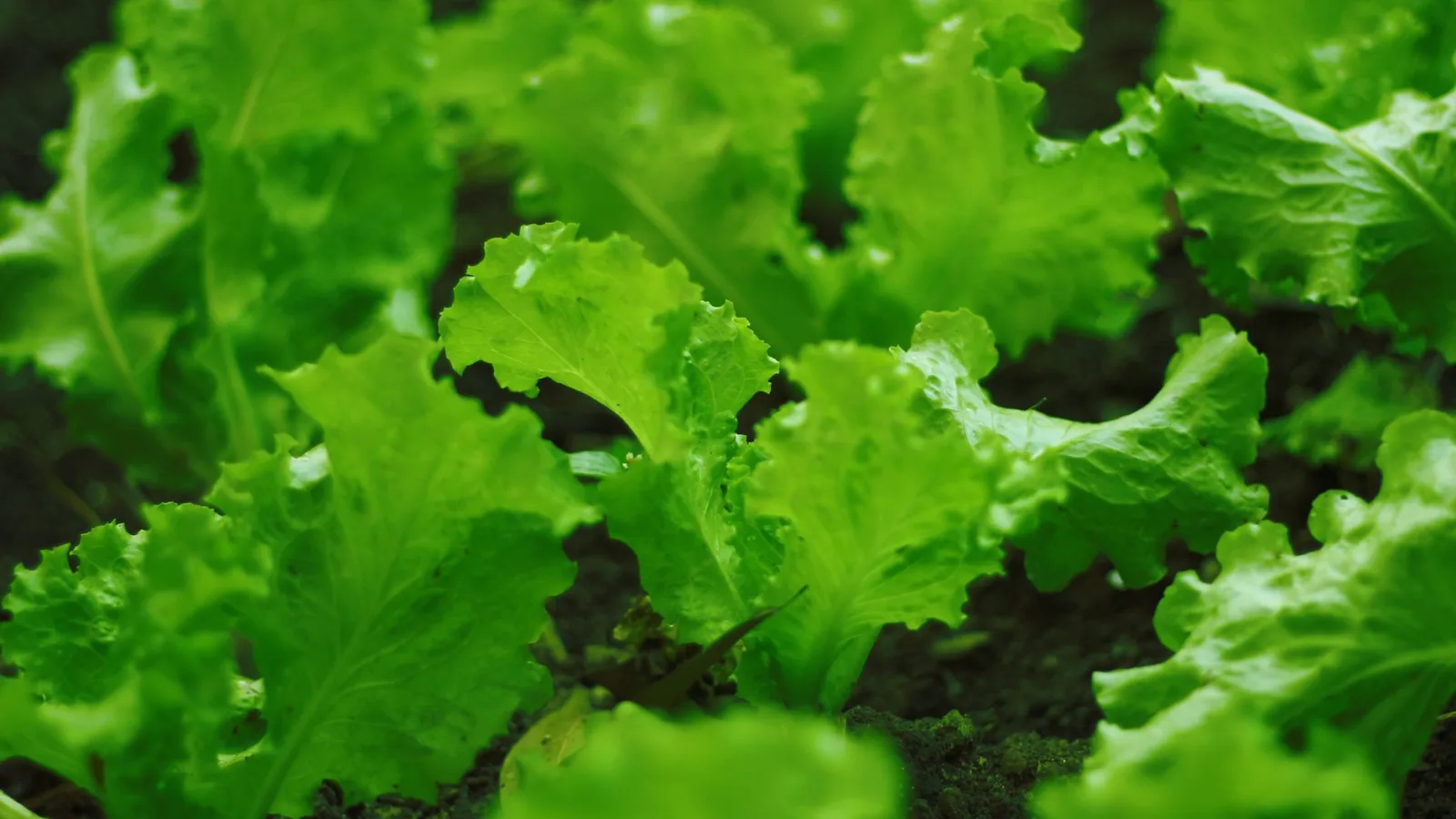
The morning after the monsoon rain lets up, a shallow film of muddy water sits in the furrows of the garden. As it drains, the lettuce roots show a little more than they did before, and a thin layer of fine silt has settled in front of the drain at the end of the row. That silt is topsoil. A few days ago it was up on the bed.
A Soil Risk Map Drawn from Space
A recently published study used satellite imagery and geographic information systems (GIS) to examine the coastal zone of Rio de Janeiro state in southeastern Brazil. Using a land-assessment framework developed by the United Nations Environment Programme, the researchers mapped the region's land as either stable or unstable.
Most of the land came out stable, but 7.8% was classified as unstable. Those unstable patches weren't scattered at random. They clustered along the newest edges of farmland, where forest or grassland had only recently been cleared and turned into fields.
The team also tracked how the landscape changed between 1985 and 2024. Urban cover grew by 199%, while the patchwork of cropland and pasture shrank noticeably. By and large, the places where the soil had deteriorated were the places where people had changed what the land was used for.
Not Carved into Gullies, but Peeled Off in Sheets
The erosion the study found in those unstable zones is sheet erosion. When raindrops strike bare soil, they knock particles loose, and the thin film of water running over the surface nudges those particles downhill a little at a time. No deep channels form, so there's little to see. Instead, the top layer thins evenly across a wide area. Most people don't notice until the harvest comes up short.
Topsoil is worth guarding because the top few centimeters hold most of the organic matter, the microbes, and the nutrients that roots can take up right away. Left to nature, rebuilding those few centimeters is thought to take hundreds of years. What a single rainy season carries off can't simply be put back with a few bags of compost.
What You Can Do in the Garden Today
A city garden plot is a tiny fraction of the size of Brazil's coastal farmland, but the soil comes off the same way. The more bare ground you leave open to the rain, and the steeper it sits, the more you lose. Before the monsoon settles in for real, take care of a few things.
- Cover any bare soil on your beds with 3 to 5 centimeters of straw, fallen leaves, or rice hulls.
- Mow the weeds in your walkways low instead of pulling them out by the roots. The roots left behind hold the soil in place.
- On a sloped plot, don't run your beds up and down the slope with the water. Lay them across it, following the contour.
- Where water tends to collect, set a low edge or a few planters to slow the flow.
- Once the fall harvest is in, sow rye or hairy vetch to keep the soil covered through the winter.
- Turn the soil deeply less often. The more freshly tilled the ground, the more easily the first rain carries it off.
Today, take a walk between your beds and mark where the wash marks from the last rain begin. That's where the mulch goes first.