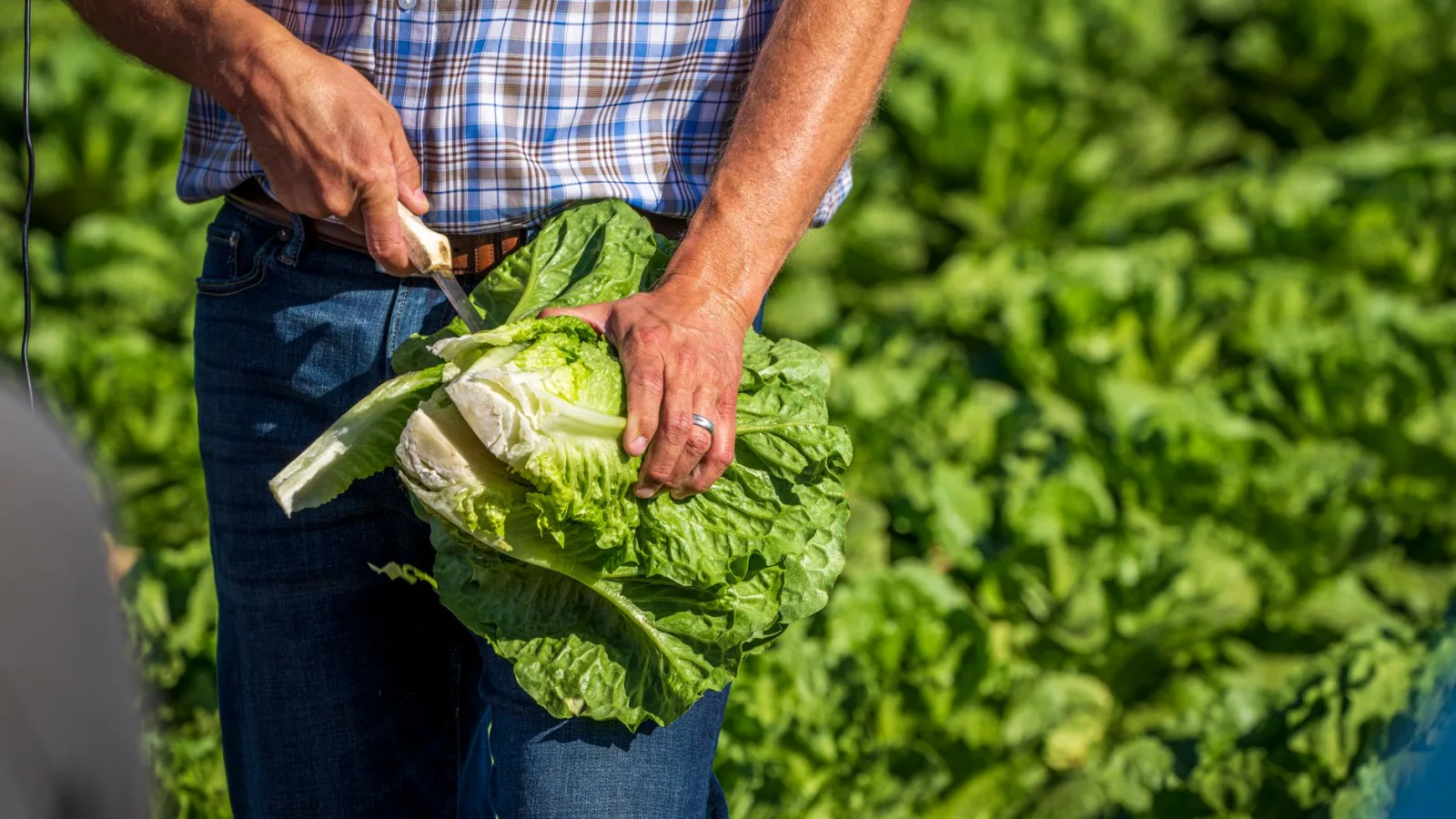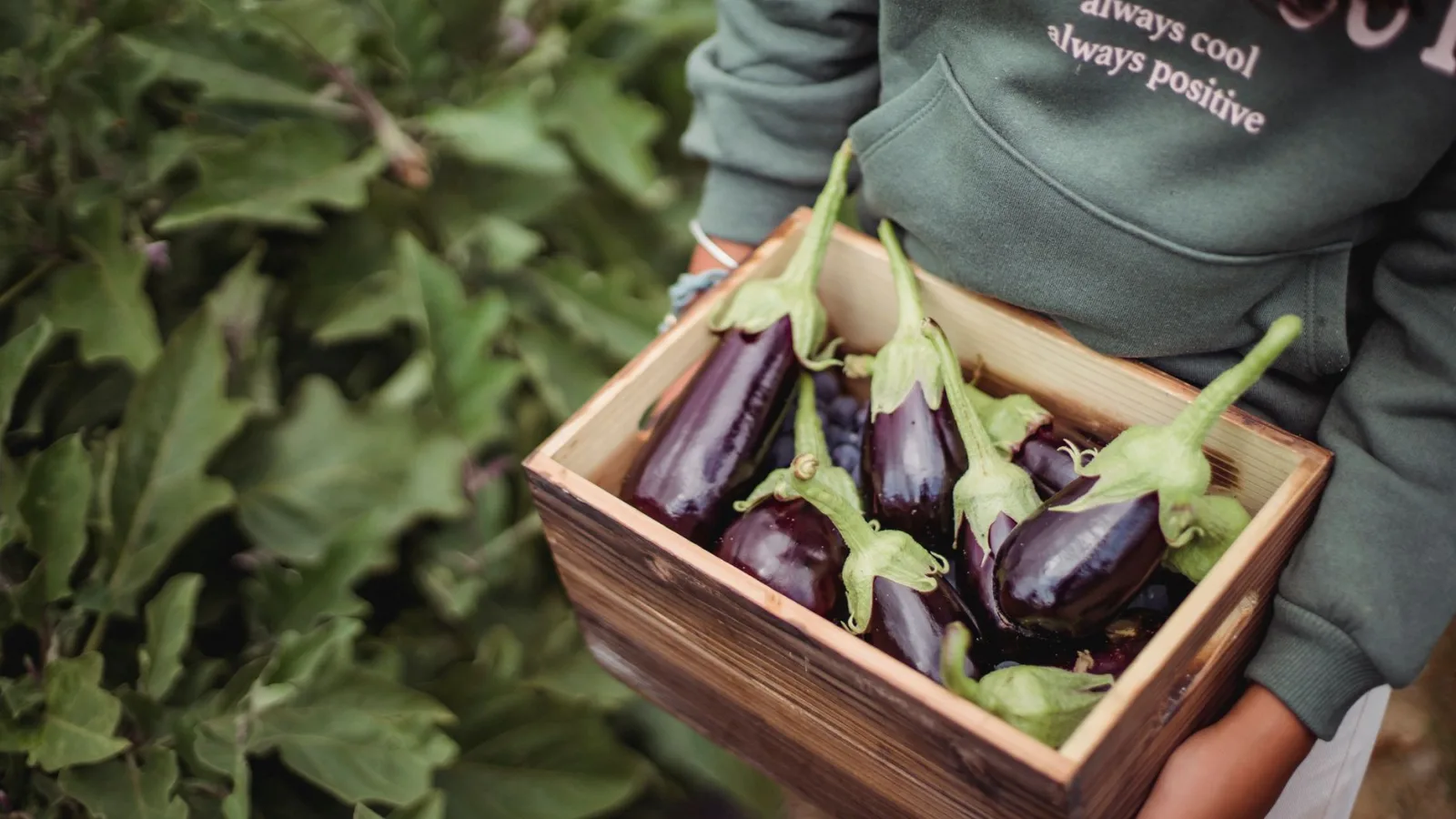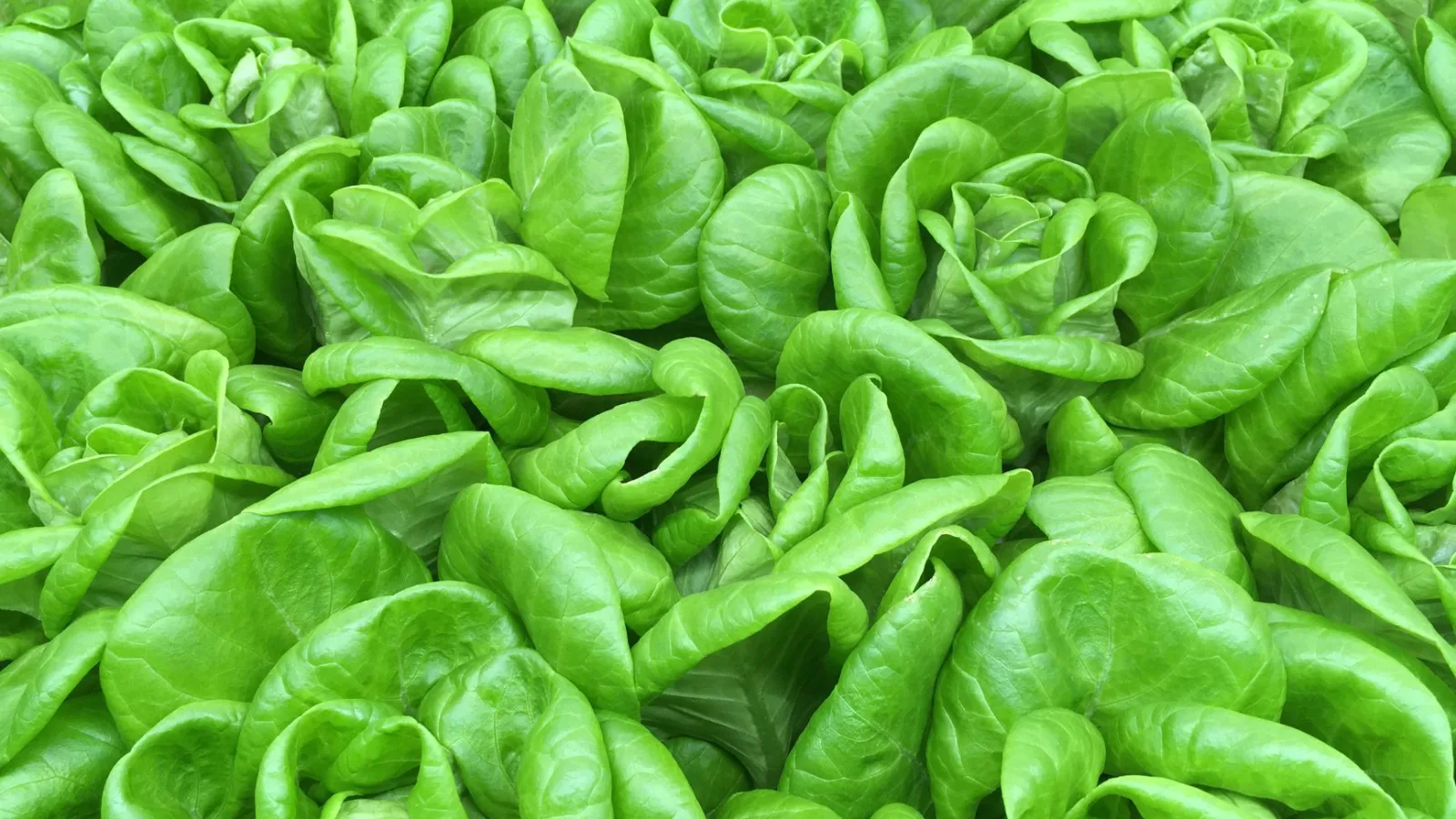
You pick some lettuce, drop it in a basket, and snap a photo. Add a few hashtags, post it, and the day's garden work is done. Photos like this go up by the thousands every day around the world, and a good share of them carry #slowfood.
Slow Food is a movement that began in Italy in the 1980s and has argued ever since for local food and traditional ways of cooking. A new study gathered some 83,000 English-language Instagram posts tagged #slowfood in 2025 and took a close look at them. The researchers traced which hashtags appeared together and followed those connections to find clusters of similar posts.
Garden photos lined up with what the movement says
Seven clusters emerged, which the researchers call frames. Three of them matched what Slow Food has long stood for.
- Food grown and made the traditional way, rather than by factory-scale production
- Food raised close to home that goes easy on the land
- Home gardens and backyard plots tended ecologically
That third frame is what Homiclub readers do every weekend. A garden that started with a few pots on the balcony counts, too. When someone who actually works the soil posts a photo, it carries details that rarely make it into a product shot: the date the seeds went in, a leaf chewed by insects, a seedling that came up late.
The other four pointed elsewhere
The remaining four frames did not connect directly to the movement's claims. They covered food culture consumed the way the platform recommends it, healthy eating and comfort meals tied to gluten-free or lactose-free diets, the experience of eating while traveling and in everyday life, and stories about enjoying wine. The researchers did not see these four as opposing the movement so much as not yet settled in either direction.
Not a single cluster about nutrition turned up. Across more than 80,000 posts, talk of protein or vitamins never formed a distinct body. Under this hashtag, people talk about food mostly in terms of mood and experience.
Businesses use the same hashtag
The group that did the most to spread the hashtag was the Slow Food organization itself, followed by farms and agriculture-related businesses, and then hospitality accounts such as restaurants and lodging. The first two mostly spread frames that matched the movement's message, while hospitality accounts mostly spread the variant ones. The researchers measured this pull, the ability to draw other people's words toward your own, under the name latent frame influence. It is easy to assume that businesses blur the message when they step in, but in this study corporate accounts were involved on both sides, the matching frames and the variant ones alike.
One more line on today's photo
Your garden photo already sits inside a frame that matches the movement. What could you add to make it carry further? Try writing the variety name, the planting date, how much you picked, and where you got the seeds into the caption. "Lettuce harvest" says far less than "Heukharang lettuce (a dark-leaf Korean variety), sown April 12, second picking today."
Don't stop at #slowfood with the hashtags, either. Add the variety name and the name of your neighborhood. The frames that spoke of place and home gardens came closest to the movement's own words, so you would be adding one more photo in that direction.
When you photograph what you picked today, write down just one more thing: the name of the variety.
Reference: Frontiers in Nutrition, a study of frame resonance and variation in the Instagram #slowfood hashtag