Lift a soybean plant in the garden at the end of August and the pods catch firmly against your fingertips. Split a shell open, pull out the green beans, chew, and a nutty sweetness comes up. Behind that flavor is the protein and fat the seed has been stockpiling all summer. Anyone who has grown beans knows how fast the pods fill in late summer. The seed is putting away, in advance, the food its sprout will need. So could the milk protein a cow makes also be packed inside a seed? A recent study offers a clue.
Why milk protein has been so hard to get from plants
Close to 80 percent of the protein in milk is casein. It is what makes cheese pull together into a curd and gives milk its smooth body. But a chain of amino acids alone won't do casein's job. Inside a cow's mammary gland, phosphate attaches at several points along the casein, calcium binds to those spots, and the molecules gather into very small particles. Only after that does casein spread evenly through water and set into cheese.
Plant cells have nothing that does this work. So even when a cow's casein gene was inserted into a plant, the protein often failed to accumulate in any real quantity, or got chopped apart inside the cell. This is where attempts at real milk protein without a cow have stalled, more than once.
How the seed stored casein alongside its own
The researchers put the casein gene under a switch that turns on only while the seed is ripening. Seeds have pouch-shaped organelles built for holding storage protein — the compartments where a soybean or a canola seed packs its own protein tight. The casein went into those pouches too, and it collected there without being broken down. Instead of reproducing the mammary gland's chemistry step by step, the work relied on the storage ability the seed already had to hold milk protein.
The team believes this route could make milk protein far easier to obtain without a cow. For now, though, it lives in the lab and the greenhouse. Whether casein pulled from seeds curdles well enough to work as food, whether the harvest is large enough to cover the cost, and how it would clear food-safety review are all still open questions. Nothing is on store shelves yet.
What to look after in your own bean row
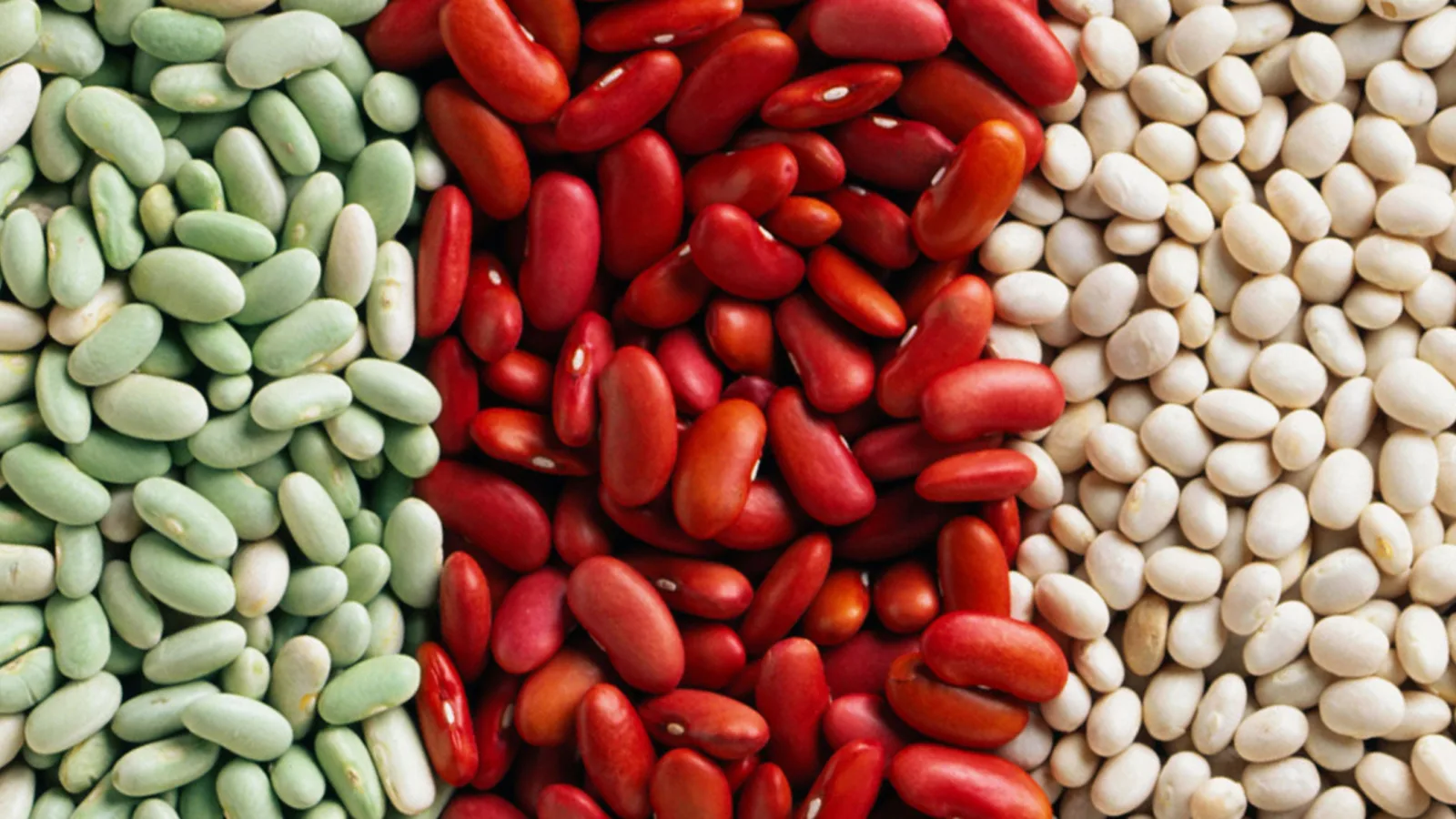
Even if this research leaves the lab, garden beans will not turn into milk. But how densely a seed packs protein is something you can see for yourself, right in the garden. Dried soybeans are a little over a third protein by weight — among the highest of anything you can harvest from a plot. If you want fewer meat dishes on the table, a handful of beans helps.
- When to sow: in central Korea, sow by mid-June, and leave about 25cm (roughly 10 inches) between plants.
- Feeding: rhizobia on the roots capture nitrogen out of the air, so go light on nitrogen fertilizer. Give too much and you get lush leaves and fewer pods.
- Water: the only stretch that needs watching is flowering through pod fill — just don't let them dry out then.
For edamame, pull the whole plant while the pods are plump and still green, and boil them in salted water for about 5 minutes. For beans to cook into rice, or meju beans — the dried soybeans used to make doenjang, Korea's fermented soybean paste — leave them until every leaf has dropped and the pods have dried brown, then cut the plants on a clear day and let them dry a few more. When the pods rattle as you shake them, they're ready to thresh.
Give just one row of the garden over to beans today. A handful of edamame boiled at the end of summer will reach your hand long before protein grown without a cow does.
Reference — a recent study in the field of molecular farming on producing and storing the milk protein casein in plant seeds.