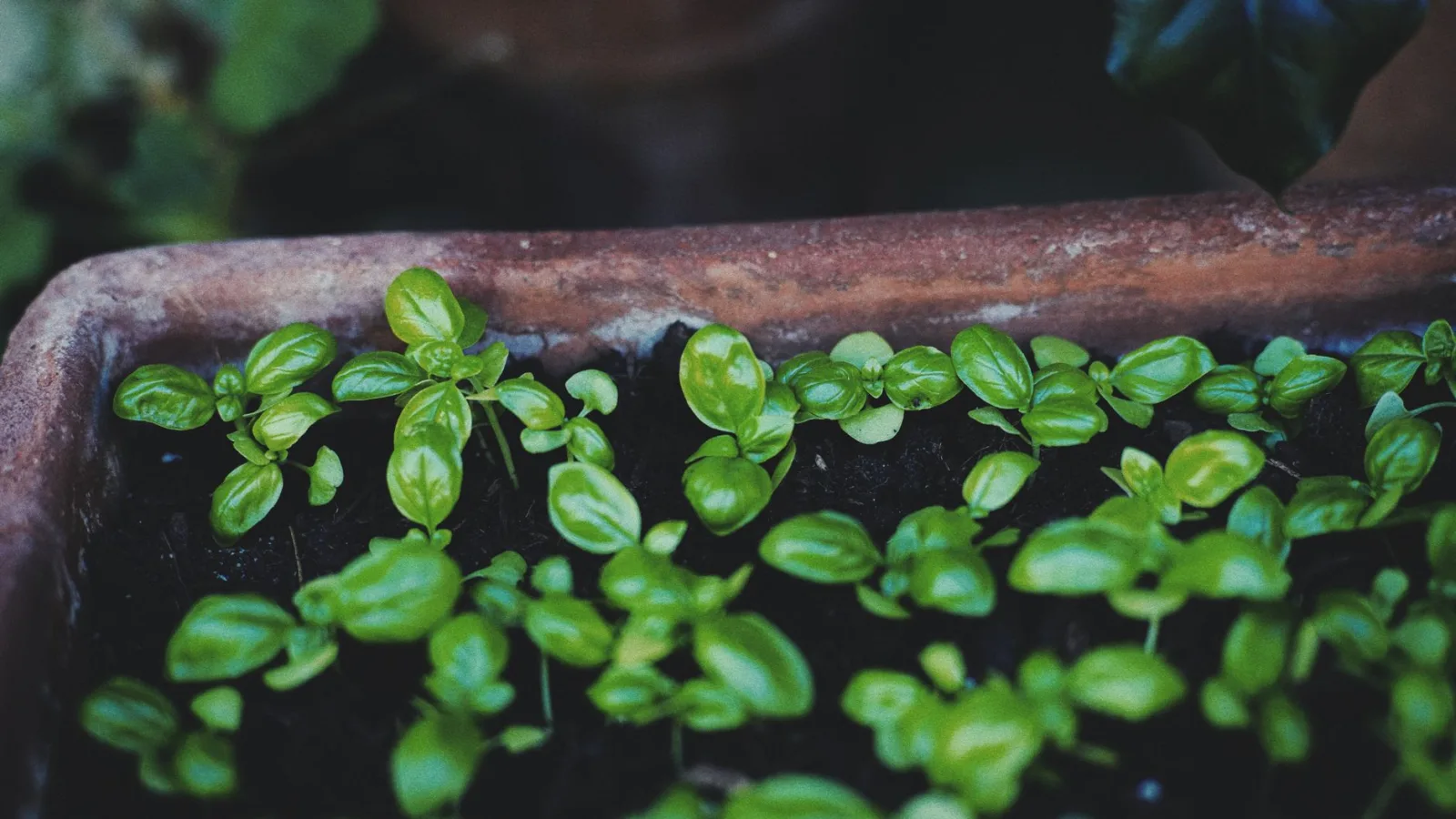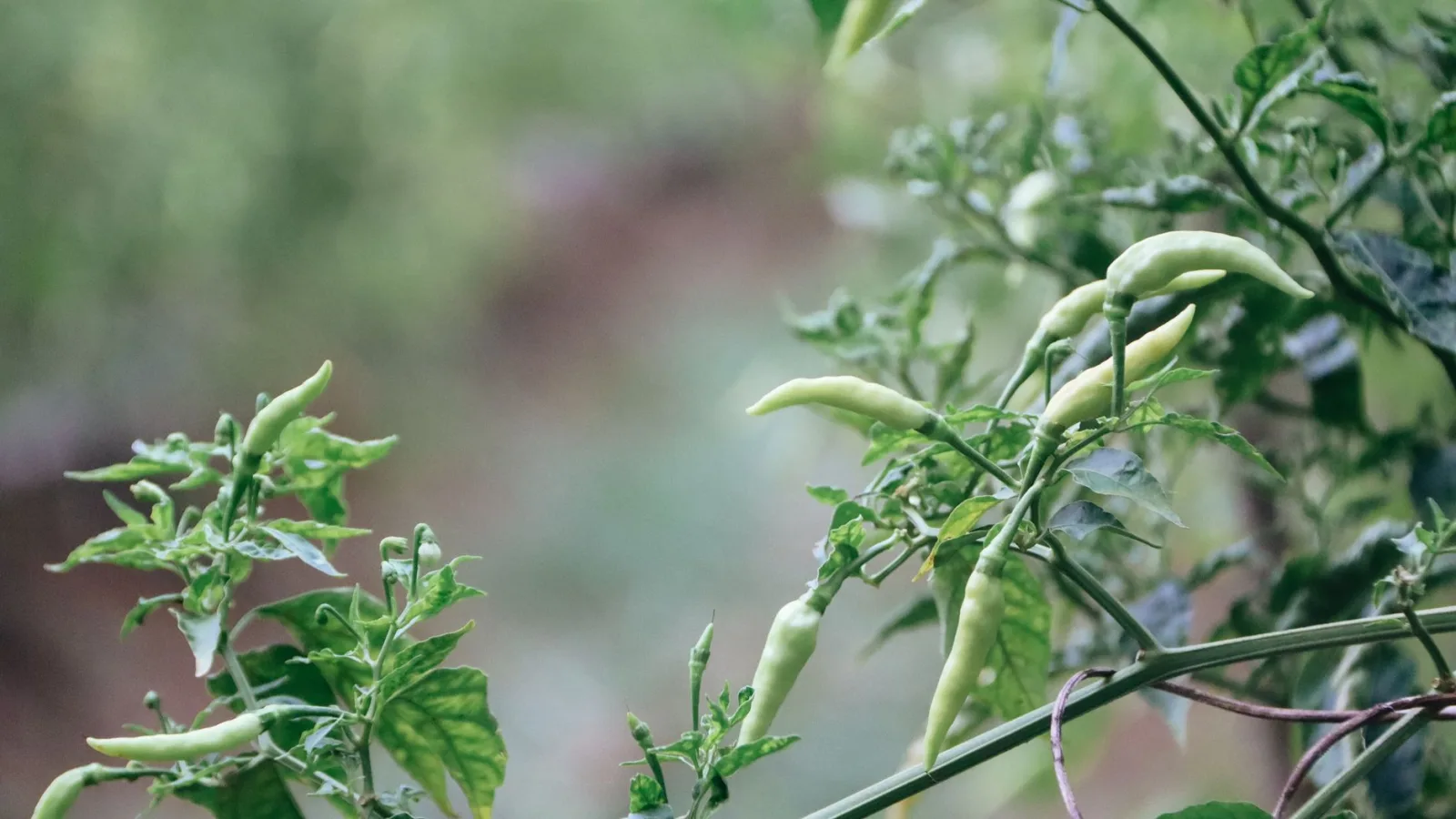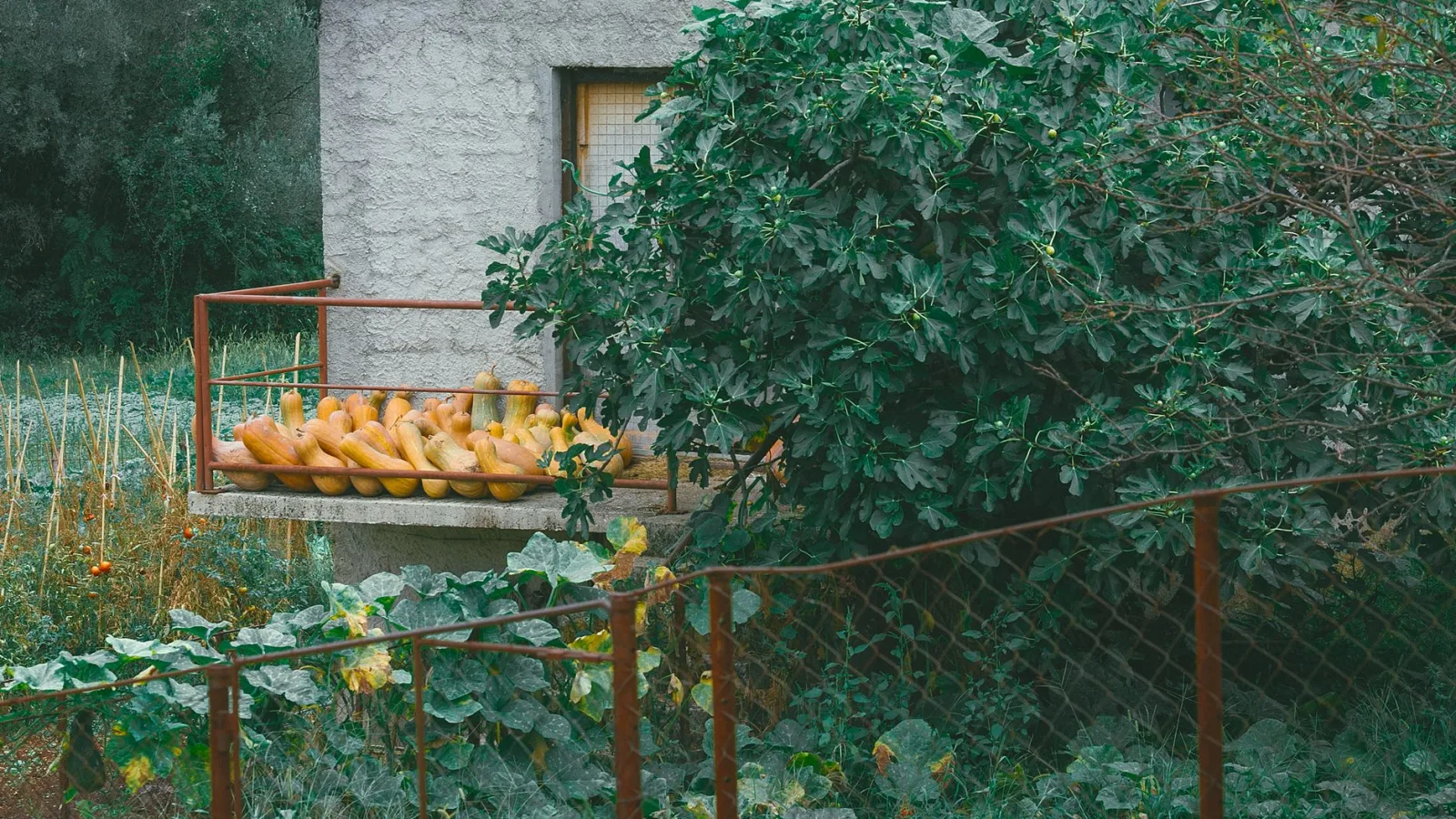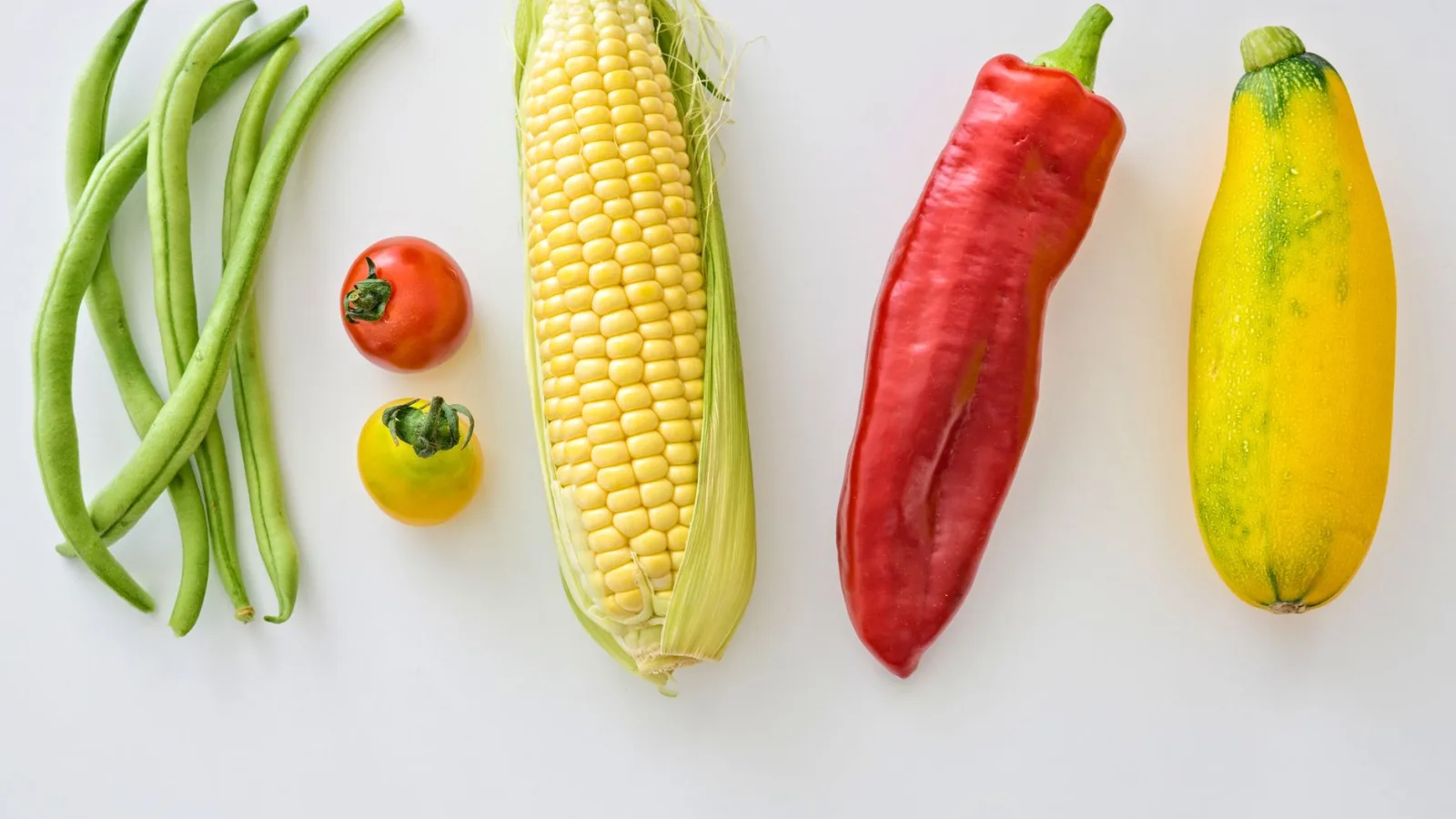
In a summer garden bed, corn shoots upward while bean vines wind around its stalks. Squash leaves sprawl across the ground below, shading the soil, and at the edge of the bed, peppers ripen to red. Four different crops sharing one patch of earth — it looks remarkably like the milpa, a farming method practiced in Mexico and Central America for thousands of years.
A Meal Grown in a Single Bed
The milpa is an old practice of planting corn, beans, and squash together in the same field, and the meals built from that harvest are known as the milpa diet. Corn provides the trellis for beans to climb; beans enrich the soil through their roots; squash spreads its broad leaves to hold moisture in the ground. Because the three crops support one another, they're called the Three Sisters. Alongside them come chile peppers, nopal cactus, and wild greens gathered from the fields — quelites, in Mexican cooking. Grains, legumes, and vegetables in generous proportion, meat in small amounts: a plant-forward table.
What Garden Crops Do in the Body
Obesity doesn't come from a single cause. Several changes overlap: low-grade inflammation that lingers throughout the body, accumulating oxidative stress, declining function in the mitochondria where cells produce energy, and fat cells multiplying beyond what's healthy. A disrupted balance of gut bacteria is tangled up in it as well.
The crops that make up a milpa diet happen to carry a broad range of compounds that help ease these conditions. Corn, beans, and squash are rich in dietary fiber, which feeds gut microbes, and the substances those microbes produce support gut health. Deeply pigmented compounds — carotenoids, flavonoids, phenolic acids — act as antioxidants and anti-inflammatories, tempering oxidative stress and inflammation. Capsaicinoids, the compounds behind a chile pepper's heat, are known to play a role in fat metabolism.
One review study concluded that these compounds work to slow the proliferation of fat cells and the damage caused by fat accumulation, protect mitochondrial function, and shift the gut microbiome in a favorable direction. That said, few clinical trials have yet tested this way of eating as a single prescribed regimen, so it's best understood as an eating pattern that supports prevention and management rather than a treatment.
Putting It on Tonight's Table
You don't need to travel to Mexico for this. The Three Sisters already grow in Korean home gardens. Just make the most of what the summer brought in.
- Cook rice with boiled corn kernels and kidney beans or black beans stirred in.
- Dress young summer squash as a namul side dish or drop it into doenjang stew, and set out a few green chile peppers alongside.
- Putting grains and legumes in the same bowl is an economical way to round out your protein.
The trick is not to lean on any one crop. Not corn alone or squash alone — it's when beans, vegetables, and peppers all make it to the table that the compounds in each one reinforce the others. The habit of serving what the garden gives you in season is, in the end, no different from a milpa diet.
Tonight, try corn rice with a dish of seasoned summer squash and a plate of green chiles on the side. The garden's Three Sisters make a full meal, just as they are.
Reference — a review study on the milpa diet published in the international journal Nutrients.