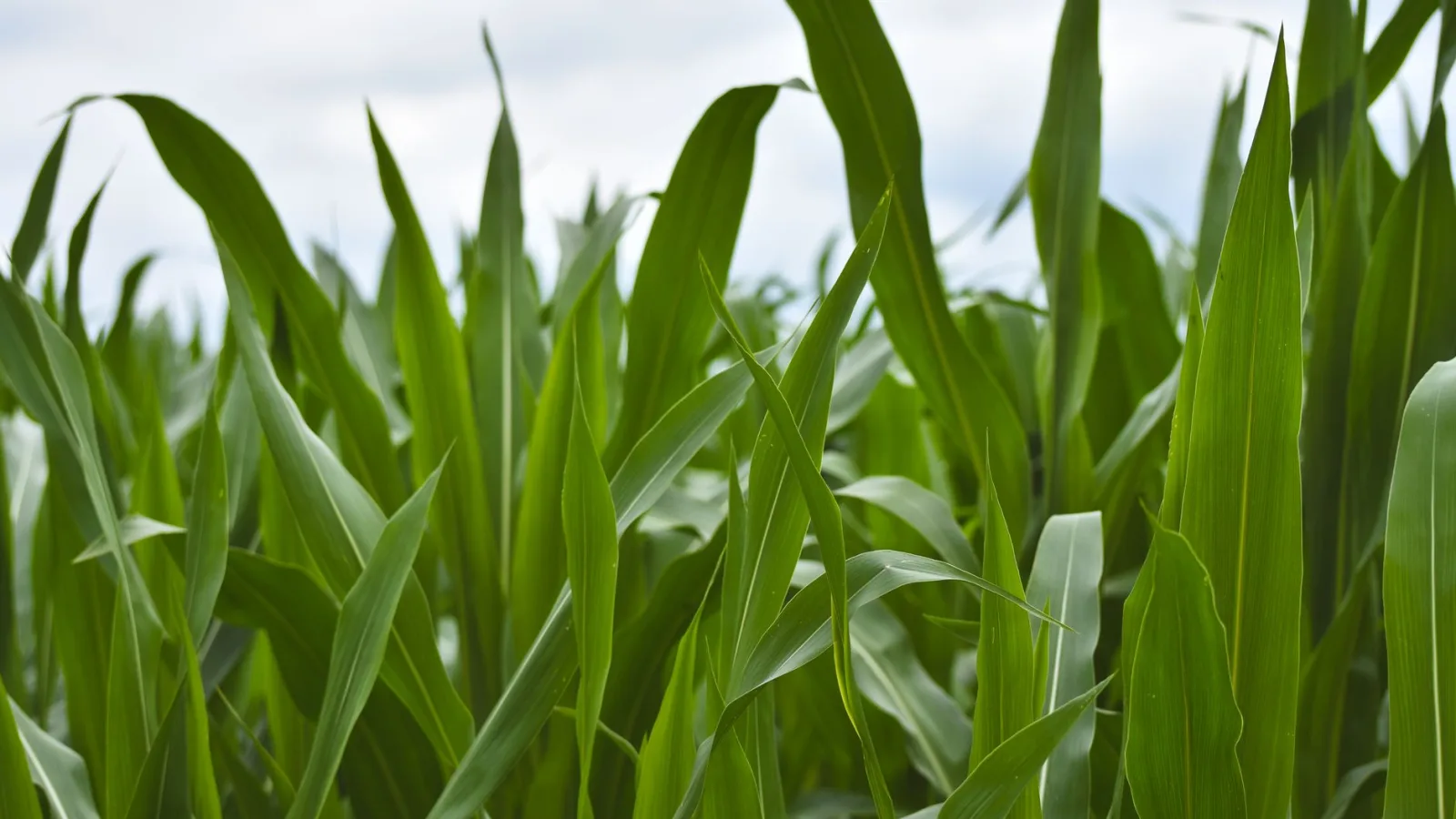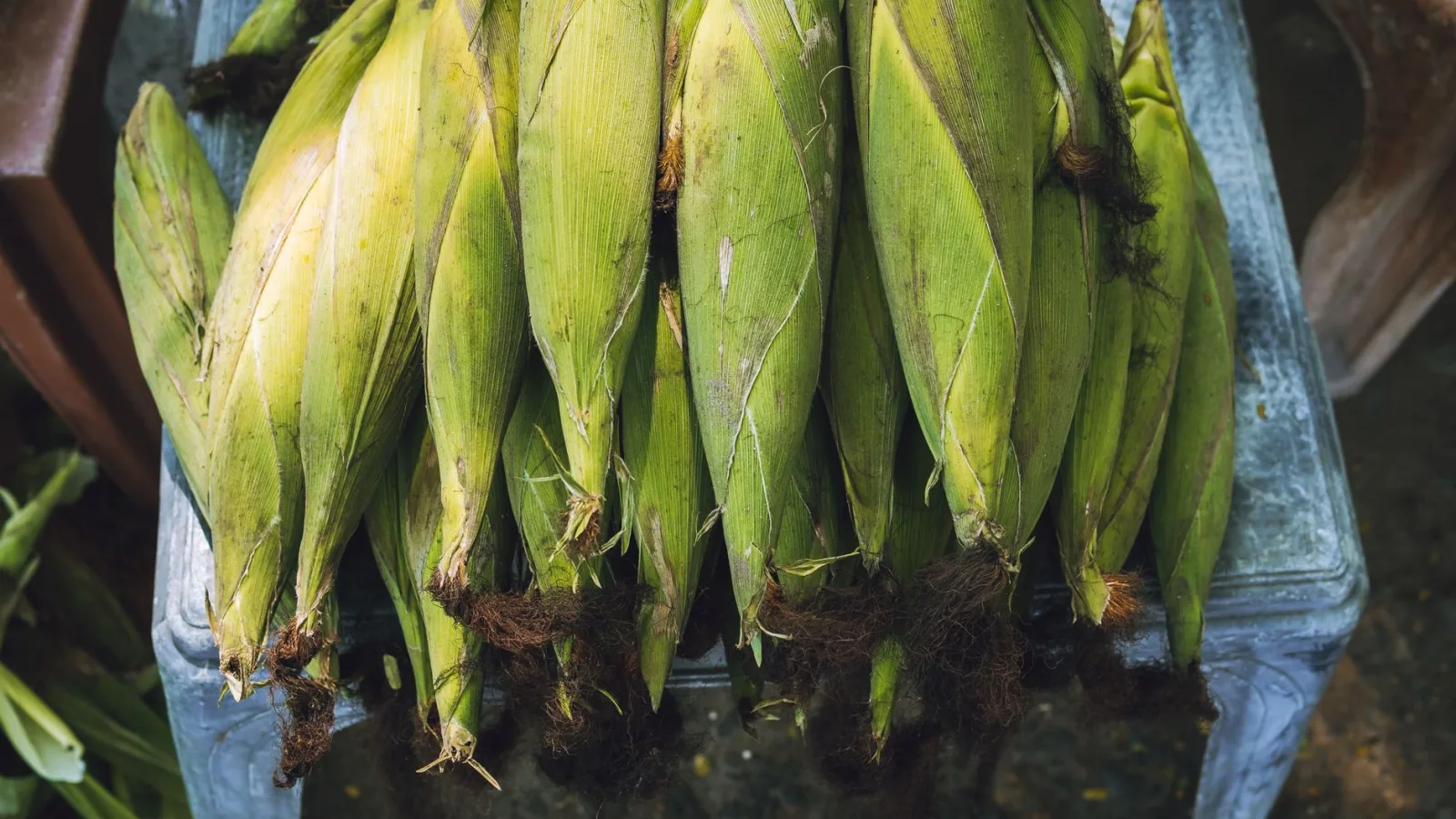
By July, the corn in the garden stands taller than a person. Pole beans twist their way up the stalks, and squash leaves spread wide across the ground, keeping the soil from drying out too fast. Mexican farmers call this planting method the milpa, and they have kept it going for thousands of years. Three crops from one row land together on a single plate.
From One Row Straight to the Table
The traditional Mexican diet is built on tortillas griddled from corn dough, black beans and kidney beans, seasonal vegetables and fruit, chiles, and herbs. Most of the ingredients are barely processed, and meat plays a supporting role. A review paper comparing diets across several regions of Mexico laid out these common threads.
Corn is a hungry crop. Bean roots pull nitrogen from the air and leave it in the soil, and squash leaves cast shade that keeps weeds down. The gardener does less work, and grain, protein, and vegetables all come out of the same patch of ground.
Corn Simmered in Limewater
In this diet, corn is never simply ground. The kernels are simmered in limewater, soaked overnight, and hulled before being worked into dough, a process called nixtamalization. Along the way, the corn's calcium content multiplies several times over, and niacin (vitamin B3), normally locked inside the kernel where the body cannot absorb it, is converted into a form the body can use.
The starch changes structure too, so it digests slowly and blood sugar rises gently after a meal. Add the habit of eating fermented drinks and pickled side dishes alongside, and the gut bacteria get more to feed on.
What Shows Up in the Body
Across several studies of people living in Mexico and Mexican immigrants abroad, those who ate closest to the traditional pattern had healthier blood lipid and insulin levels and lower markers of inflammation. By cancer type, the finding that risk is lower for breast and colorectal cancer comes up fairly consistently. For stomach cancer, most reports look at individual ingredients like chiles or beans rather than the diet as a whole, and for lung and prostate cancer the evidence is still indirect.
The researchers explain it this way. When insulin signaling is steady, there is less of the stimulus that drives cells to multiply. Fiber from beans and vegetables ferments in the gut, producing short-chain fatty acids that help keep the intestinal lining intact. Shifts in bile acid metabolism and oxidative stress show up as well. Still, every study defines "traditional" differently and records cooking methods in its own way, so we are not at the point of saying this diet prevents cancer. The more accurate reading is that the evidence is accumulating on the side of lower risk.
To Try in the Garden This Summer
One row in a city garden is enough to give it a go.
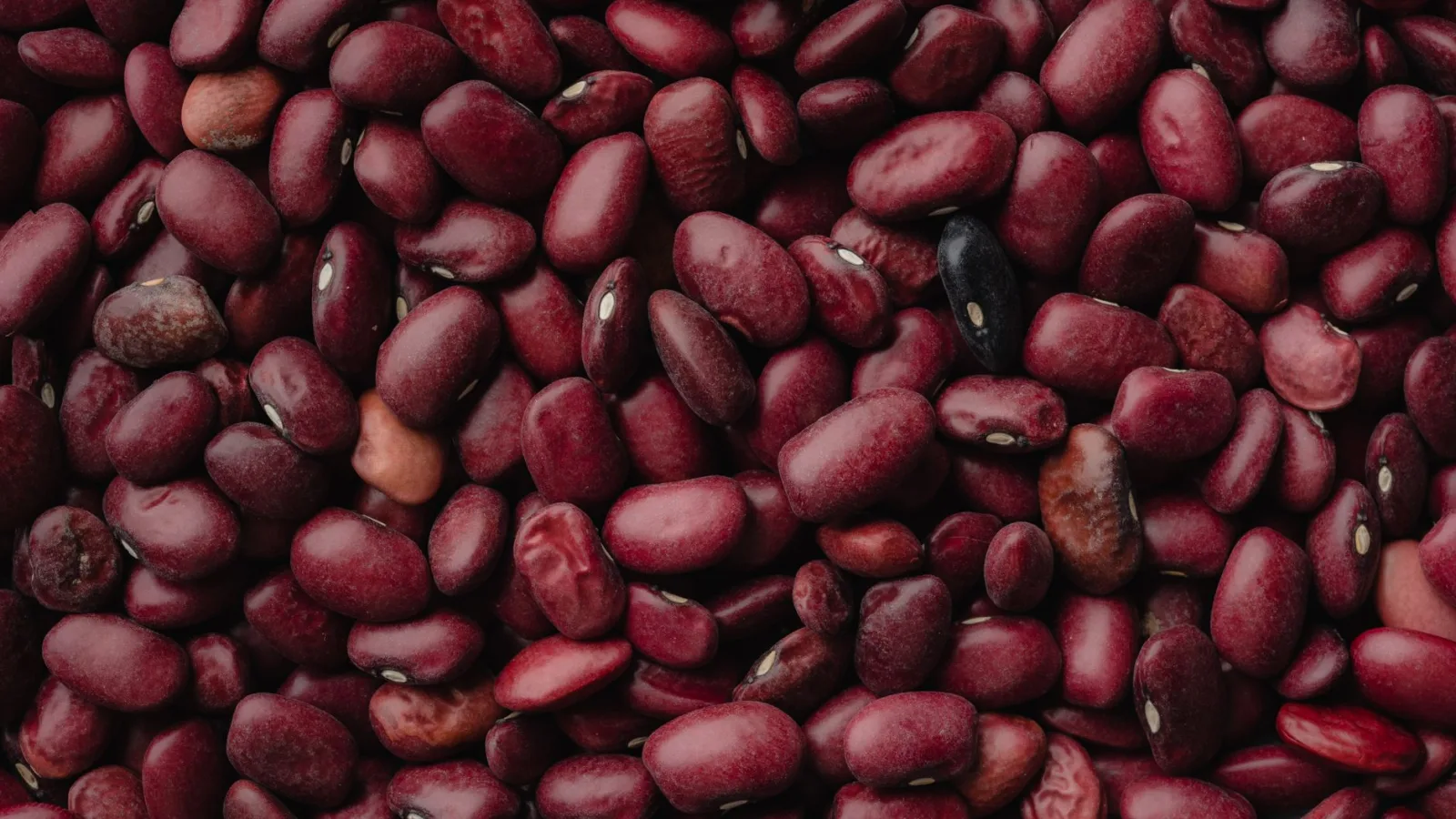
- Train pole beans up between the corn stalks. No separate trellis needed.
- Plant zucchini or kabocha squash along the edge of the row and let the vines cover the ground.
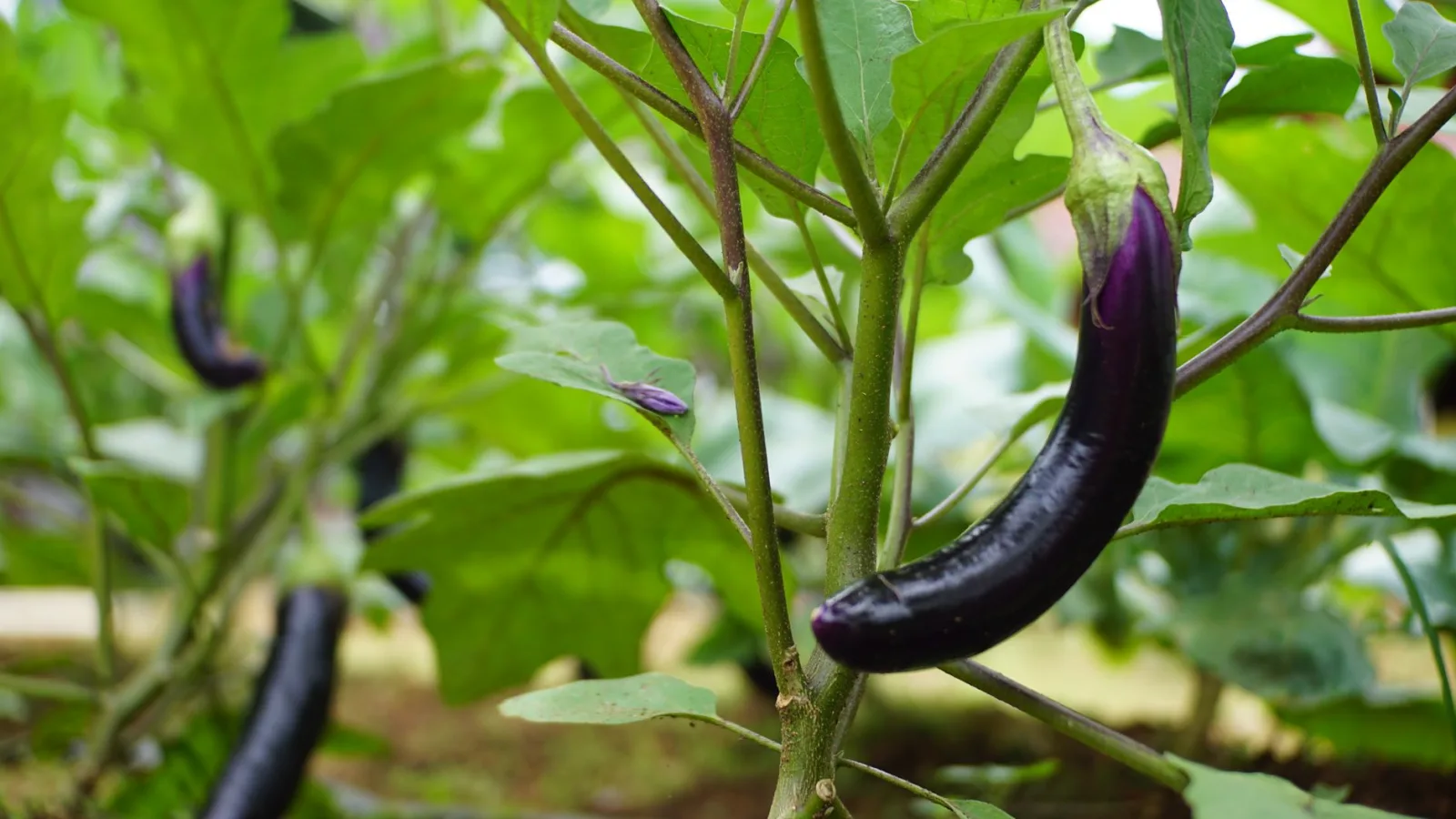
- Tuck in a chile plant or two and some cherry tomatoes. That rounds out the plate.
- Try perilla leaves (the broad, minty-anise herb Koreans use for wraps) or garlic chives in place of cilantro. The aroma comes alive.
At harvest, put boiled corn and boiled beans on the same plate. Eating grain and beans together is the habit that has lasted longest in this diet. Globalization and city living are thinning out such meals even in Mexico, but anyone with a garden plot is in a different position.
Today, press three kidney bean seeds into the soil beside a corn stalk.
Reference — A review article on the traditional Mexican diet and reduced cancer risk, published in the journal Plant Foods for Human Nutrition