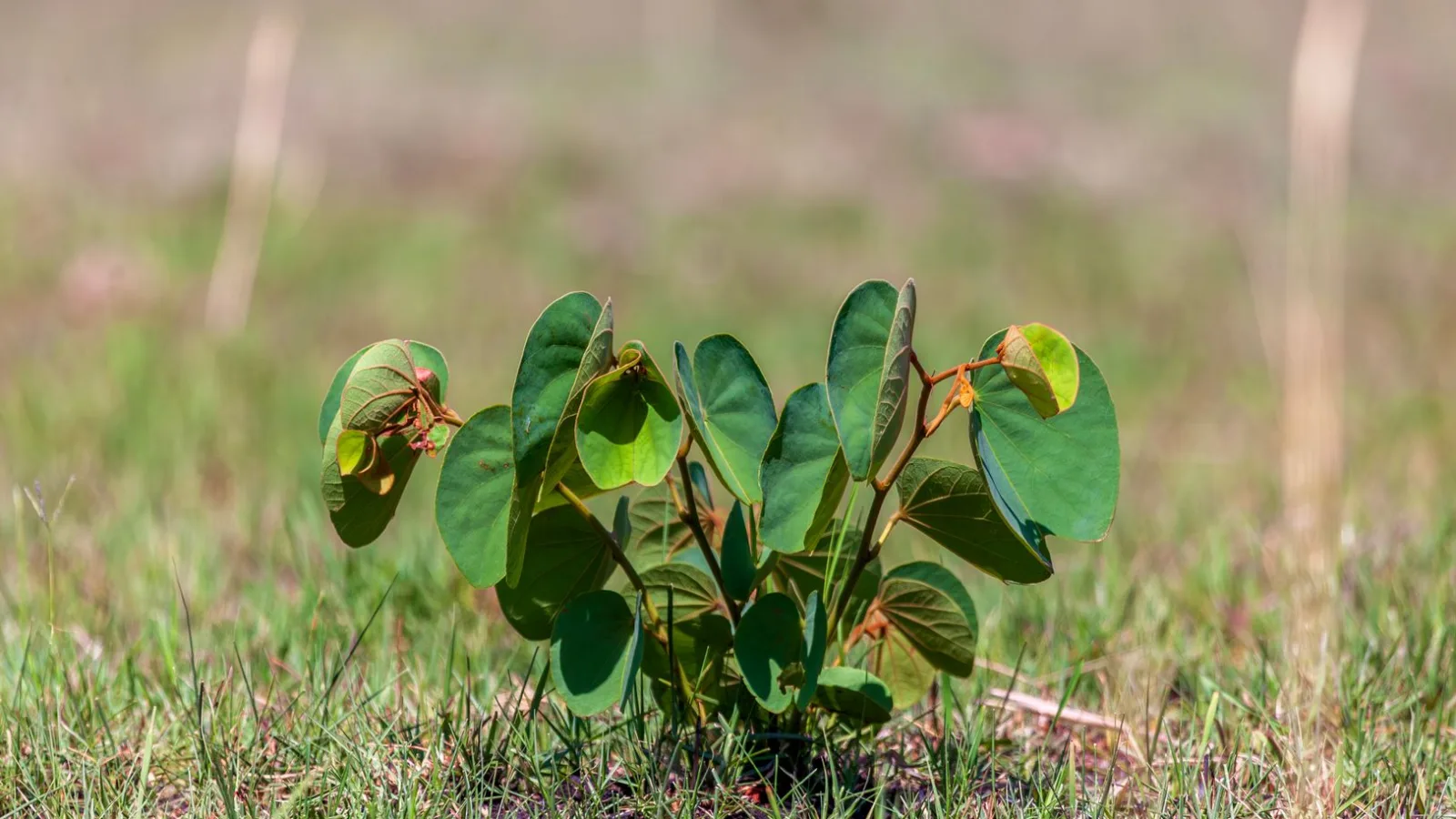
Walk once around your garden beds in the fall and you'll come back with tiny burs stuck to your pant cuffs and socks. They're the same burs you spend ages picking off your calves after a hike. The plant that makes them is ox knee. The name comes from its stems, whose thick, swollen joints look like the knees of a cow. The Dongui Bogam, Korea's classic 17th-century medical encyclopedia, says the same thing: the joints look like a crane's knee or an ox's knee, and that's how the plant got its name. It's a common perennial in fields and along shady roadsides. Give it its own spot in your garden, though, and you can harvest young shoots in spring and roots in fall.
Planting: Sow It in Well-Drained Partial Shade
Ox knee grows wild in temperate fields, at the foot of mountains, and along partly shaded roadsides. It does best at 18–25°C but can grow anywhere between 5 and 30°C. It's very cold-hardy. In winter only the top growth dies back, and the following spring new shoots come up from the roots. It's native to Korea and Japan, and most of the commercial crop comes from China.
In the Northern Hemisphere, sow the seeds in March or April. Before you pick a spot, check the soil. In soggy or stony ground, the roots can't grow straight down. If you plan to harvest the roots, dig the bed deeply and pick out the stones before you sow. Because the plant tolerates shade, a spot beside a wall that blocks some of the midday sun works fine. After sowing, cover the seeds with a thin layer of soil and keep the surface moist until they sprout.
Care: Deal with the Seeds First
Ox knee handles both summer heat and shade. It grows on its own along roadsides, so in midsummer you only need to water when the topsoil is bone-dry. There is one thing you do need to watch. When the fruits ripen in fall, the tips of the bracts around each one curl into small hooks that catch on clothing and animal fur. Botanists call this hitchhiking style of seed dispersal epizoochory. It's why a plant grown in one corner of the garden will send up new seedlings all over the place the next year.
To keep it from spreading, keep one or two plants for seed and cut the flower spikes off the rest before the fruits ripen. After a day in the garden, pick the burs off your clothes and save them. That way fewer plants will come up where you don't want them.
Harvesting: Shoots in Spring, Roots in Fall
Once a plant is established, you can harvest from it twice a year. In the Northern Hemisphere, snap off the young shoots coming up from the roots in April and May and cook them as greens. Dig the roots in October and November. When the leaves start to wither, dig a wide circle around the plant and lift it slowly so the roots don't break.
The Dongui Bogam valued roots that were long, thick, supple, and glossy. It says to dig them in the second, eighth, and tenth lunar months and dry them in the shade. Wash the soil off the roots you dig, slice them, and dry them somewhere shady with good airflow. If you leave a few plants in the ground, you can pick shoots from the same spot again next spring.
Eating: Shoots and Roots Have Different Uses
Blanch the young shoots and serve them as namul, the lightly seasoned greens that are a staple of Korean home cooking. The shoots have a mild flavor, so dress them with doenjang (Korean fermented soybean paste) and perilla oil. Use only a little doenjang, or you won't taste the shoots. The slight chew of the blanched shoots comes from dietary fiber, and they also contain potassium, a mineral found in many vegetables.
Simmer the dried roots to make useul-cha, or ox knee root tea. Toast the roots lightly in a dry pan before simmering to give the tea a nutty, roasted flavor. A few slices of jujube or ginger take the edge off its earthiness. Use plenty of water and simmer it low and slow.
Researchers have reported several times that they isolated ecdysteroids such as 20-hydroxyecdysone from the roots of plants in the ox knee genus, Achyranthes. The same analyses also found oleanolic acid–type triterpenoid saponins. These results show only what the roots contain. They don't show what the tea does in your body when you drink it.
The Dongui Bogam lists this plant as useul (牛膝, literally "ox knee"). It describes the plant as neutral in nature, bitter and sour in taste, and nontoxic, and gives baekbae (百倍) as another name for it. Old medical texts don't follow today's standards of evidence, so read these entries as historical records.
If you came home from a field or a mountain trail today with ox knee burs on your clothes, pick them off and save them in a paper bag. If you live in the Northern Hemisphere, they'll be your seeds next year, ready to sow in March or April in a well-drained, partly shaded corner.
Sources: Dongui Bogam, Herbs section (草部), "Useul" (牛膝) · Korea National Arboretum, Korean Plant Names Index