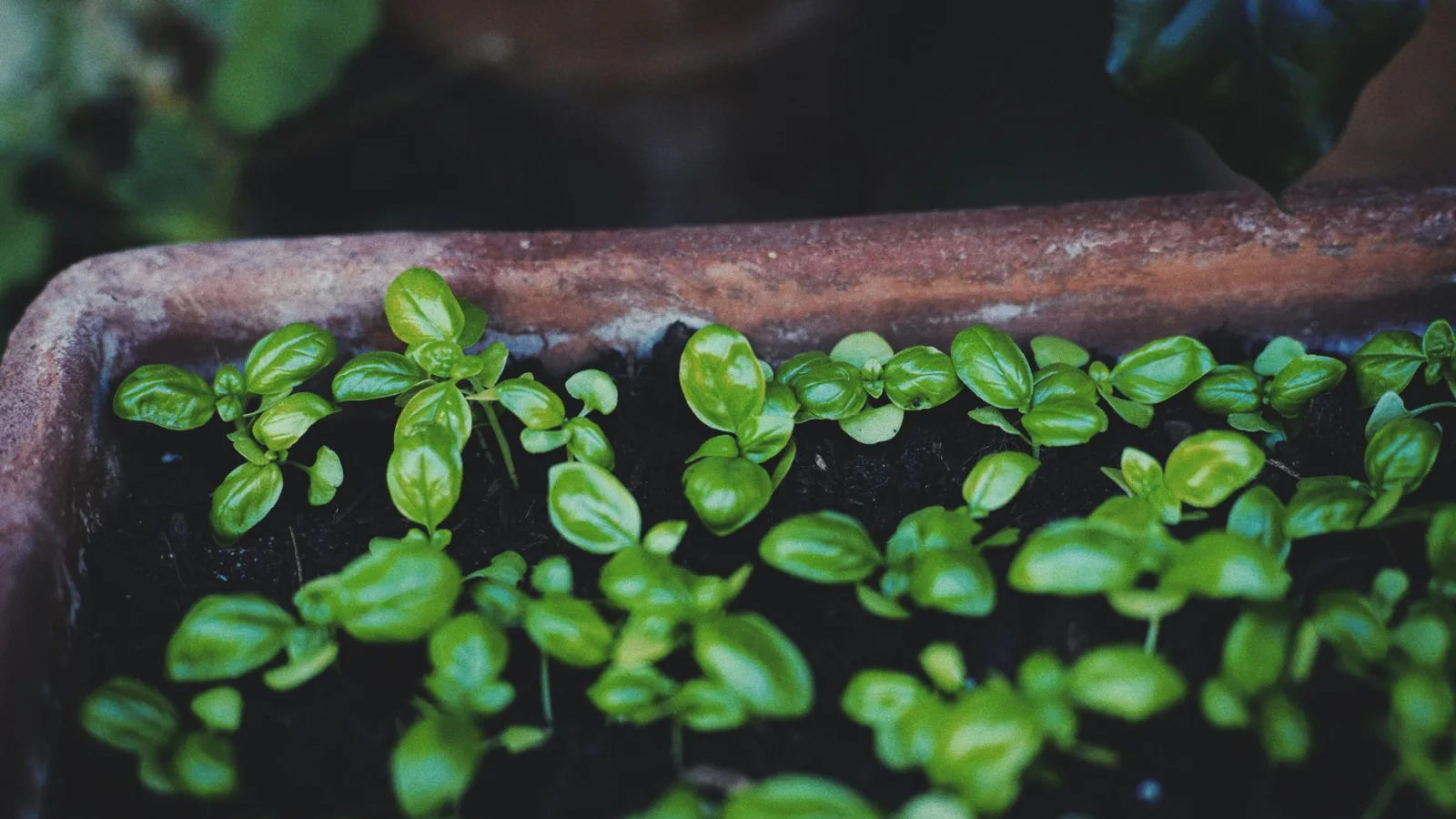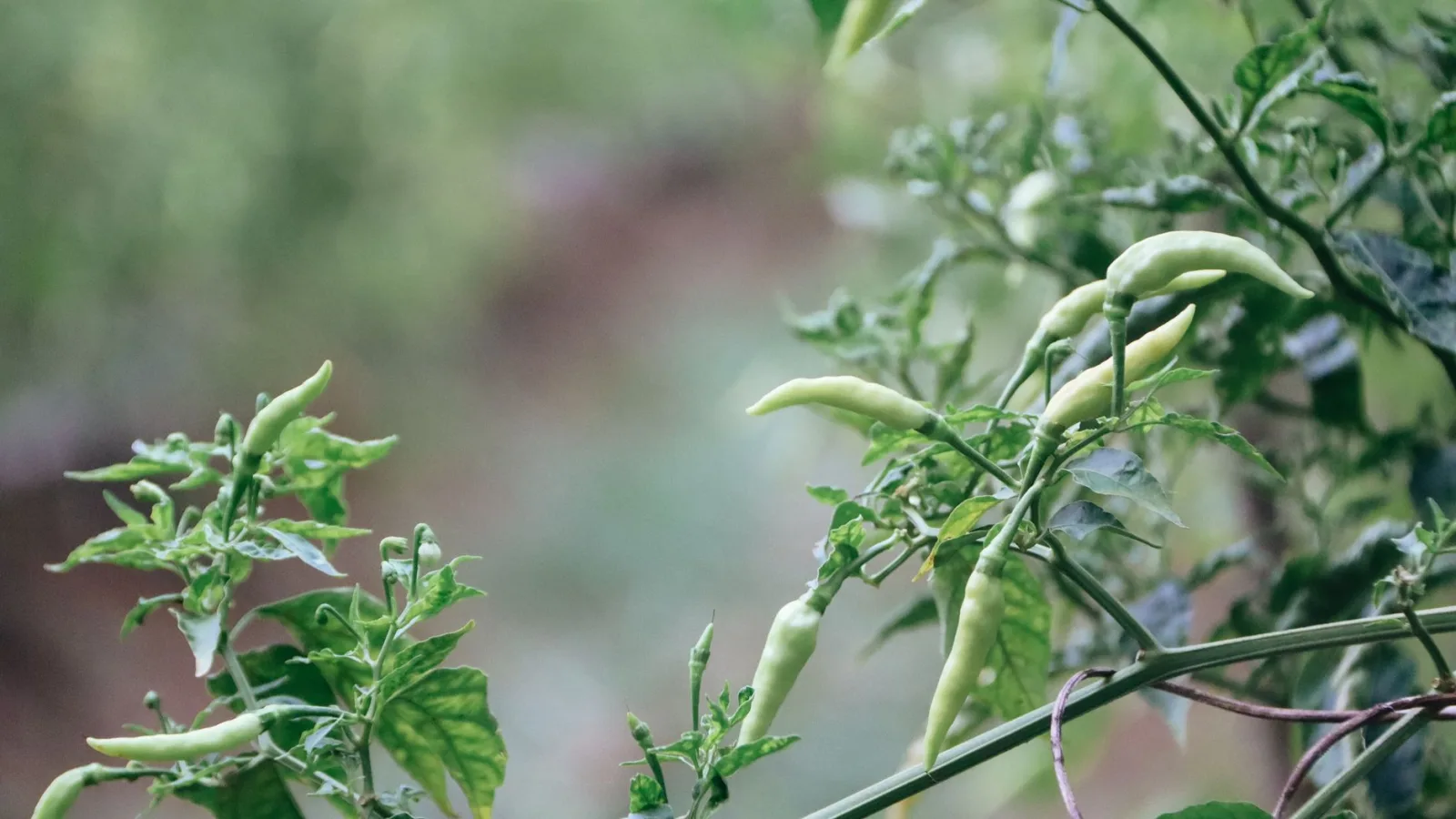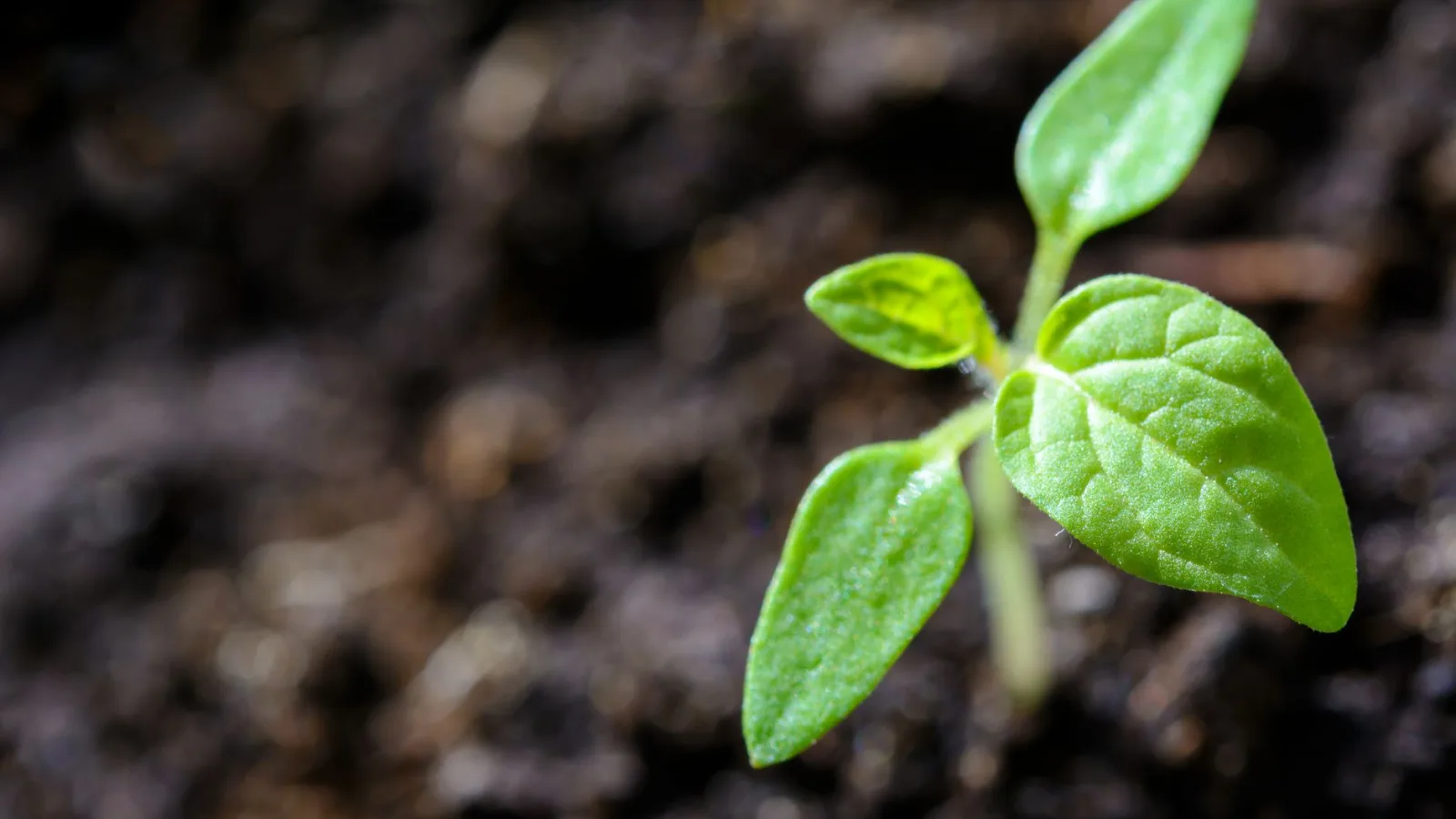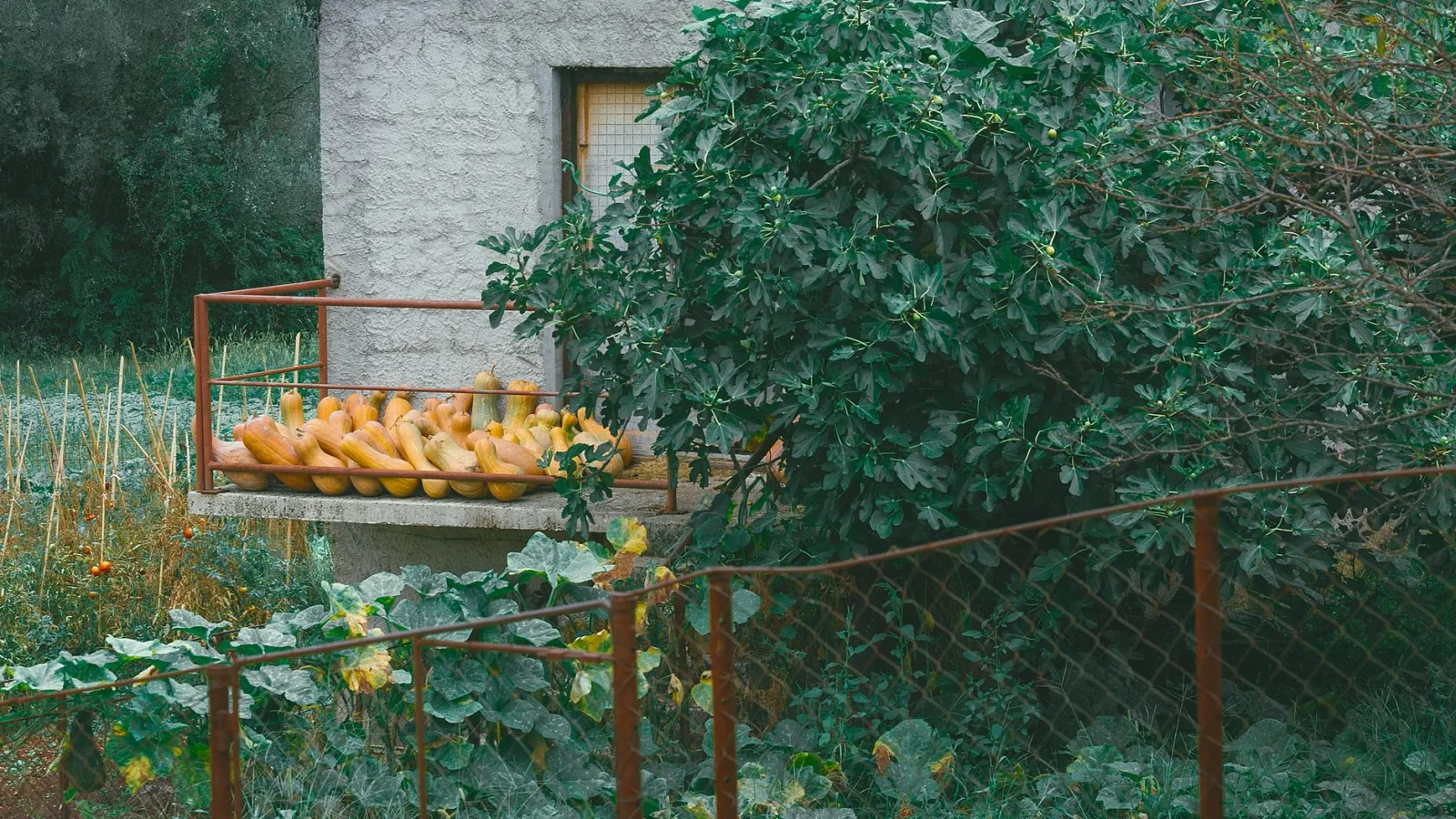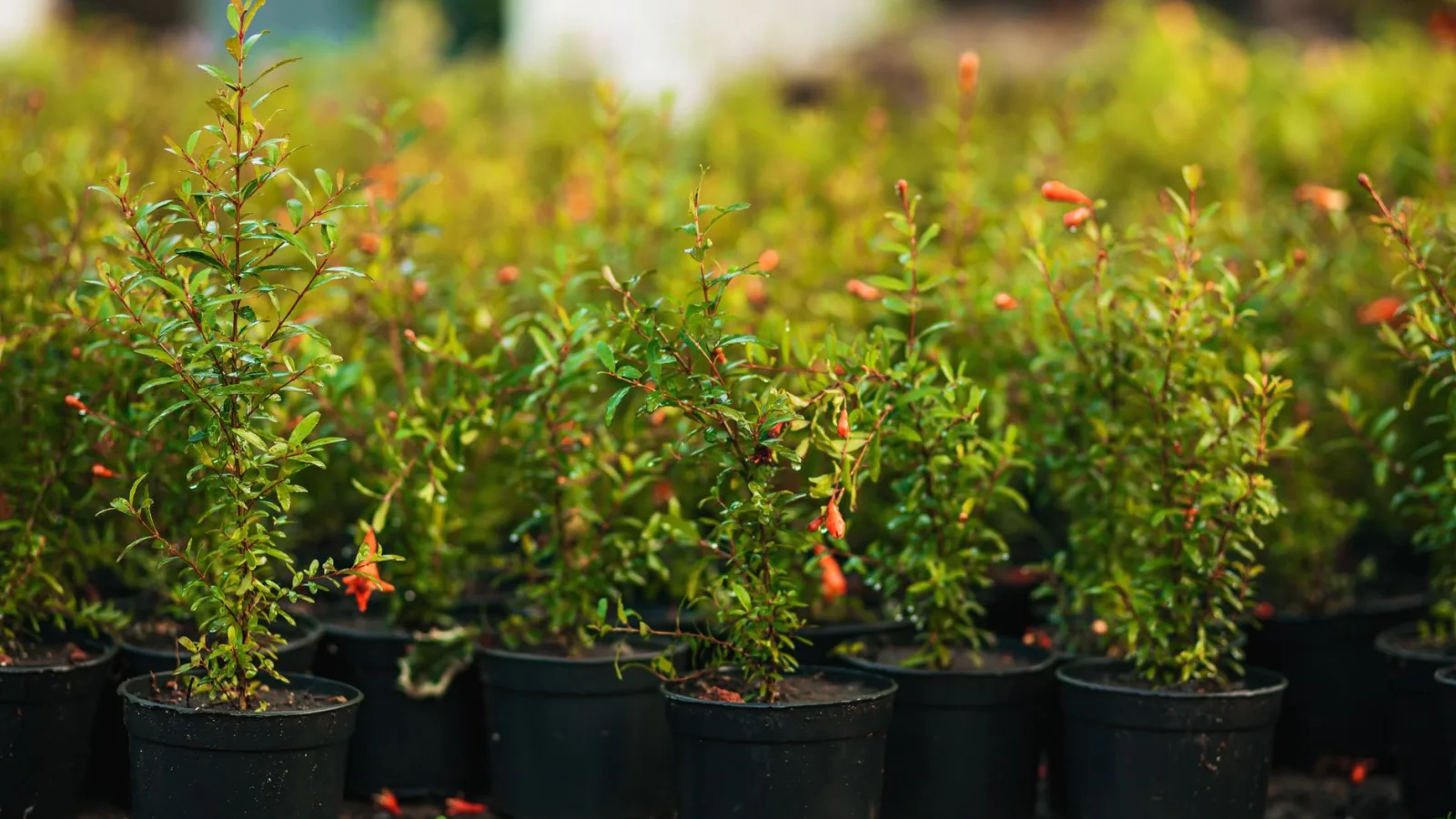
In the Northern Hemisphere, May is when spring-sown bangpung plants send up long leafstalks. Snap off a few leaves and a deep, green scent stays on your fingertips. That scent is why bangpung is so often eaten as a spring namul (a dish of blanched or seasoned vegetables), lightly dressed after a quick blanch. But a medical text from some 400 years ago recorded a different part of a plant by the same name.
Bangpung in the Dongui Bogam
The Dongui Bogam (Treasured Mirror of Eastern Medicine), compiled by the royal physician Heo Jun, lists this plant as 防風 in its Chobu (草部), the section on herbal medicines, and gives its Korean name as 병풍ᄂᆞ물 불휘 (roughly "byeongpung namul bulhwi"). Bulhwi is an old Korean word for "root." For the old physicians, the root came before the leaf.
The text describes the root as warm in nature, sweet and pungent in taste, and free of toxicity. It says to dig the roots in the second and tenth months of the lunar calendar and dry them in the sun, and it ranks the best roots as solid inside, oily, and firm at the joints, comparing those joints to the head of an earthworm. It also adds a caution: trim off the root crown (the very top of the root, where the stems were attached), and throw out any root whose head or tail splits in two.
Read literally, 防風 means "guarding against wind." But "wind" (風) in traditional medicine is a concept that doesn't map neatly onto modern medical terms, so it's safest not to read the name as a description of what the plant does. This is a historical record, and it is not the same as a modern medical judgment. You can see the original heading and its explanation in the bangpung entry of Homiclub's Dongui Bogam archive.
Source: Heo Jun, Dongui Bogam, Chobu (草部), "防風."
Three Plants That Share One Name
The name bangpung is used for three different plants: fangfeng (Saposhnikovia divaricata), beach silvertop (Glehnia littoralis), and coastal hog fennel (Peucedanum japonicum). Korean market data show that the bangpung namul sold as food is usually coastal hog fennel. So it's hard to say for certain that the bangpung in the Dongui Bogam is the same species you'd buy at the market today. This is a point about how the name is used, not a claim that one plant is better than another. All three belong to Apiaceae, the same family as carrots, celery, and cilantro. When you shop for seeds or seedlings, check the botanical name on the package first.
What Modern Analysis Has Found
So what's in the leaves that land on our plates today? Several studies report isolating coumarin compounds from plants in the Apiaceae family, and in the bangpung group these compounds are likewise discussed as part of what creates the aroma. This kind of analysis identifies what a plant contains; it is not a finding about treating disease. Homiclub's Crop Guide lists the following components:
- Coumarin compounds: These shape the aroma of the leaves and roots.
- Beta-carotene: A carotenoid that contributes to the leaves' color; the body converts some of it into vitamin A.
- Dietary fiber: Gives the leaves a pleasant chew even after blanching.
- Potassium: A mineral found widely in vegetables.
Where the two records seem to overlap is aroma. The Dongui Bogam described the taste as pungent, and modern analysis has found a group of compounds behind the aroma. Whether the old text's pungency and these coumarin compounds point to the same thing, however, has not been confirmed. Where they part ways is in which part of the plant is used, and how. The old medical text chose the dried root as medicine; today we blanch the young leaves and eat them as banchan (side dishes served alongside rice). Nutrients you get from eating the leaves, like beta-carotene and potassium, don't appear in the old record at all.
Sow in Spring, Harvest into Early Summer
In the Northern Hemisphere, sow seeds in March or April and harvest leaves from May through July. In the Southern Hemisphere, shift everything six months later and sow in September or October. Plants in the bangpung group are perennials, so once they've rooted, they'll send up fresh leaves again the following spring. At harvest time, snap off the mature outer leaves first, stalk and all, and leave the new shoots in the center. That way you can harvest from the same plant several times. Double-check sowing and harvest months in the bangpung entry of Homiclub's Crop Guide.
Cooking to Keep the Aroma
Bangpung has a strong aroma, and the less seasoning you use, the more of it comes through. Beta-carotene is fat-soluble, so eating it with oil helps your body absorb more of it. That makes perilla oil a natural choice: one dressing that serves both the aroma and the nutrition.
- Dressed with perilla oil and sesame salt: Toss blanched leaves with nothing more than perilla oil, kkaesogeum (toasted sesame seeds ground with salt), and a pinch of salt. Gochujang (fermented chili paste) and doenjang (fermented soybean paste) will bury the aroma, so if you use them, keep the seasoning light. Eat the greens right after dressing so the leaves don't weep as much liquid.
- Soy sauce jangajji (vegetables pickled in a soy-based brine): Wash unblanched leaves and let them dry. Boil soy sauce, vinegar, and sugar, let the brine cool, pour it over the leaves, and weigh them down so they stay submerged. After about three days, drain off just the brine, bring it back to a boil, cool it, and pour it back over; this keeps the leaves from going soft.
- Namulbap (rice cooked with greens): Finely chop blanched leaves, lay them on top of the rice before cooking, then mix the finished rice with a soy sauce–based seasoning sauce. The aroma soaks into every grain, so you won't need a spread of side dishes. Split the thick ends of the stalks ahead of time so everything cooks evenly.
If you pick up bangpung today, check the botanical name on the package first, and dress your first plate with only perilla oil and sesame salt so you can taste the aroma on its own.