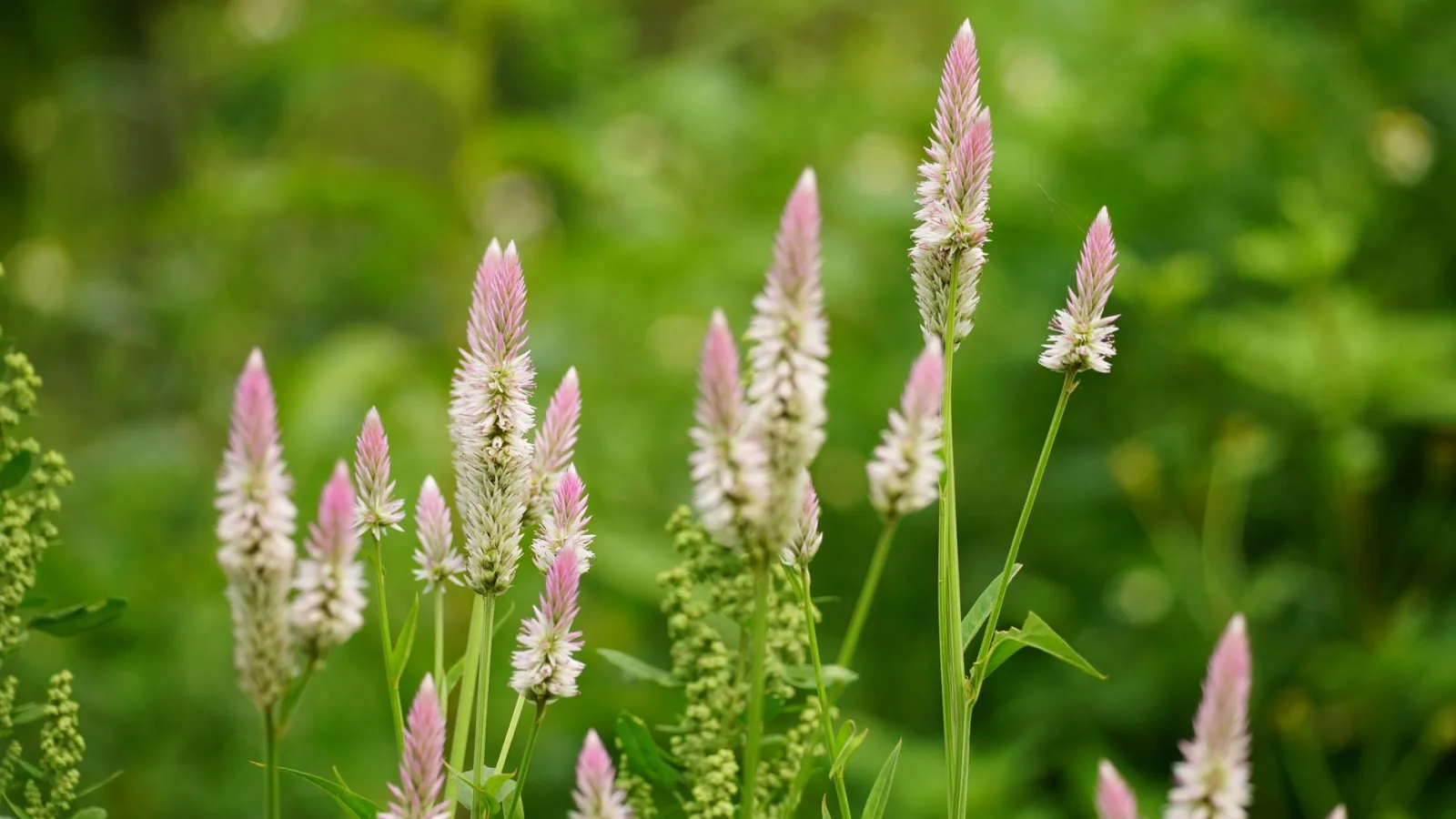
In September, cockscomb stands in rows along the edges of the vegetable beds. Sow the seeds in April or May (Northern Hemisphere timing), and once the early-summer rainy season has passed, the plants need almost no care. From July through October they send up thick, ruffled flower heads. When the red is at its deepest, most of us wonder at least once: could we pick those flowers and steep them for tea?
Where the Red Comes From: Betacyanins of the Amaranth Family
Cockscomb (Celosia cristata) belongs to the amaranth family. The red pigments in this family are betacyanins. They contain nitrogen, which puts them in a different group from anthocyanins, the pigments behind the reddish purple of grapes and blueberries. You can see that difference in the kitchen.
Betacyanins are fairly stable in acid, but they break down with long heating. Pour boiling water over flower heads that have been dried thoroughly in the shade, let them sit for 3 to 5 minutes, and you'll get a clear red tea. Simmer them in a pot for a long time, though, and the color fades to a muddy brown. If your tea has gone cloudy, it was most likely heated too long. Try adding a few drops of lemon juice to the brewed tea. The acid makes the red vivid again.
The same thing happens when you use the petals to decorate rice cakes or pan-fried dishes. Petals pressed onto hwajeon (small pan-fried rice-flour cakes topped with flowers) or baekseolgi (plain steamed white rice cake) stay red. The thick flower heads are hard to use whole, so shave thin slices from the edges instead.
One Thing to Check Before You Pick
Before you think about color, you need to settle one question. Cockscomb seedlings and seeds sold at seed shops and flower markets are grown as ornamentals, and they come with no record of which chemicals were applied or when. The same goes for flowers planted along roadsides and in park beds.
- Seedlings and seeds sold as ornamentals: don't use them for tea or food.
- Flowers in roadside and park beds: don't pick them.
- A separate row you sowed from seed bought for eating: this is the only place to pick.
That means the decision comes earlier. Instead of deciding after the flowers bloom whether to eat them, set aside a share for eating when you sow. Pick a spot that gets long hours of sun, away from your ornamental beds, and plant one row there. We've laid out the sowing and picking months as a calendar in our cockscomb crop guide.
What the Old Records Say
The Dongui Bogam, Korea's 17th-century medical classic, lists this flower in its section on herbs as gyegwanhwa, "rooster-comb flower." It also gives the flower's old native Korean name, mandaramit kot, an early form of today's maendeurami. The book explains that the name comes from the flower head's resemblance to a rooster's comb, the same image behind the English name. It describes the flower as cool in nature and non-toxic, and adds a note on preparation: when used in medicine, it should be dry-roasted first.
Still, an old medical text doesn't reflect how we judge things today. The use it records is as an ingredient in medicine. What we do in the kitchen is steep dried flowers for a few minutes and drink the tea. The purpose is different, and so is the amount. Don't read the old records as permission to brew larger or stronger batches. If you're pregnant or taking any medication, it's best not to increase the amount, even for a flower tea.
When You Dry Them: Amaranth Pollen
Cockscomb belongs to the amaranth family, and its pollen travels through the air. If you've ever reacted to amaranth pollen, don't shake out or dry the flower heads indoors, and keep the dried heads in a bag when you handle them. Dry them in a shady spot with good airflow.
In West Africa, a close relative in the same genus, Celosia argentea (known in Nigeria as soko, or Lagos spinach), is widely grown as a leafy green. So one genus holds both kinds of plant: flowers valued for their color and leaves cooked as greens. China, India, and Nigeria are counted among the largest growers of celosia.
There's just one thing to do today. If you planted ornamental seedlings this year, enjoy the flowers by looking only. Next spring, when you order seeds, add one row for eating to your list as a separate item.